
How to Pick a Maxi Dress for Any Shape – Flatter Every Figure
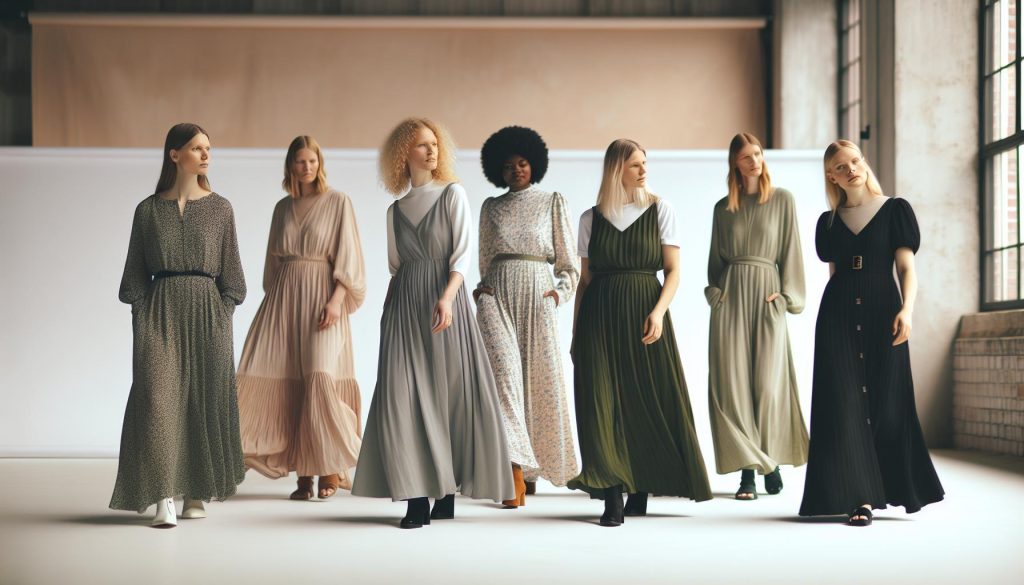
Unlock the secrets to picking a maxi dress that flatters every figure! Discover styles that enhance your shape and boost your confidence. Don’t miss out!
Never Let Anyone Tell You Who You Are – Own Your Identity Now

Unlock your true self with “Never Let Anyone Tell You Who You Are – Own Your Identity Now.” Discover how to reclaim your identity and live confidently today!
How to Become a Makeup Artist for Kids: Career Roadmap

Unlock your dream career! Discover how to become a makeup artist for kids with our step-by-step roadmap. Learn essential tips and start today!
How to Do Cleopatra Makeup for Kids: Egyptian Queen Look

Transform playtime with stunning Cleopatra makeup for kids! Learn step-by-step tips for creating an Egyptian queen look that dazzles at every party.
Never Let Anyone “Should” on You – Stop Guilt Trips & Live Free

Break free from guilt trips! Discover how to never let anyone “should” on you, empowering you to live authentically and happily. Join the journey now!
Never Let Anyone Behind – Lead With Strength & Inclusivity

Transform your leadership style with “Never Let Anyone Behind – Lead With Strength & Inclusivity.” Discover how to empower all voices and foster true connection.
How to Do Cat Makeup Face for Kids in Under 15 Minutes

Transform your child into a cute kitty in under 15 minutes! Discover easy cat makeup tips that even beginners can master. Get the purr-fect look today!
How Old Should Kids Wear Makeup? Age-by-Age Guidelines

Wondering how old kids should wear makeup? Discover age-by-age guidelines to help you make informed choices for your child’s beauty journey today!
How to Pick Dress for Body Type – Enhance Your Best Features

Discover how to pick the perfect dress for your body type and enhance your best features. Unlock your style potential today-don’t miss out!
Never Let Anyone Walk Over You – Stand Firm & Assert Yourself

Never let anyone walk over you! Discover powerful techniques to stand firm and assert yourself effectively. Learn to empower your voice and reclaim your confidence now!
Foundational Pillars (Start Here)
How to Pick a Maxi Dress for Any Shape - Flatter Every Figure
Detailed analysis covering technique, safety benchmarks, and optimal results for this grooming topic.
How to Become a Makeup Artist for Kids: Career Roadmap
Detailed analysis covering technique, safety benchmarks, and optimal results for this grooming topic.
How to Do Cleopatra Makeup for Kids: Egyptian Queen Look
Detailed analysis covering technique, safety benchmarks, and optimal results for this grooming topic.
How to Do Cat Makeup Face for Kids in Under 15 Minutes
Detailed analysis covering technique, safety benchmarks, and optimal results for this grooming topic.
Anatomical Silhouette Classification: Balancing Proportions & Optical Styling
Body shape classification is rooted in skeletal geometry: the relative measurements and horizontal proportions between the shoulder girdle, the natural waist, and the pelvic hip bones. Every body type—whether hourglass, pear (triangle), inverted triangle, rectangle (athletic), or apple (round)—possesses unique geometric strengths. The objective of body type styling is not to conform to an arbitrary standard, but to utilize optical illusions and structural lines to achieve aesthetic balance.
Optical styling employs contrasting elements to guide the eye. Diagonal lines and wrap silhouettes create diagonal movement that softens angular frames; vertical seams, monocolor column dressing, and V-necklines create lengthening vectors; and strategic volume placement (such as puff sleeves or peplum flares) balances narrower horizontal planes. Understanding your foundational body architecture transforms shopping from a frustrating gamble into a precise, empowering science.
| Body Silhouette | Anatomical Proportions | Strategic Styling Objective | Key Flattering Garments |
|---|---|---|---|
| Hourglass | Balanced shoulders and hips with clearly defined narrow waist | Highlight natural waistline without adding unnecessary bulk | Fitted wrap dresses, belted trench coats, high-waisted pencil skirts |
| Pear (Triangle) | Narrower shoulders and bust with fuller hips and thighs | Broaden shoulder visual plane to balance lower body width | Boatneck tops, structured puff sleeves, A-line skirts, wide-leg trousers |
| Inverted Triangle | Broad shoulders and full bust tapering to narrower hips | Soften broad shoulders and add volume to lower body | Deep V-necks, raglan sleeves, pleated flared skirts, cargo palazzo pants |
| Rectangle (Athletic) | Uniform shoulder, waist, and hip widths with subtle curve | Create the visual illusion of curves and waist definition | Belted dresses, peplum blouses, tiered ruffled skirts, cut-out midi dresses |
| Apple (Round) | Fuller midsection and bust with slender legs and arms | Elongate torso and showcase slender limbs | Empire waist tunics, flowy shift dresses, structured blazers worn open |
Mastering style, formulations, and personal grooming requires understanding biological architecture alongside sartorial principles. By respecting skin physiology and garment geometry, individuals can cultivate enduring confidence and refined aesthetic elegance.
Topic Directory & Methodologies
Essential Guides & Fundamentals
Advanced Techniques & Styling Reviews
- How to Put Makeup on for Little Kids: Safe Application Tips
- Does Ulta Have Kids Makeup? Everything Parents Need to Know
- How to Do Scene Kid Makeup: 2000s Emo Look Recreated
- How to Pick a Bridesmaid Dress for Your Body Type - Flattering Fits
- How to Pick a Plus-Size Dress - Confidence in Every Curve
- When Should Kids Start Wearing Makeup? Developmental Guide
Frequently Asked Questions
How do you accurately measure yourself to find your body type?
Using a soft tailor's tape, take four key circumference measurements in inches: shoulders (around the widest point across both arms), bust (around the fullest point), waist (at the narrowest point above your navel), and hips (around the widest part of your buttocks).
What is the most universally flattering dress cut for all body types?
The classic wrap dress. By cinching at the true natural waist with a v-neckline and skimming smoothly over the hips, the wrap dress creates an instant hourglass visual effect on virtually every body type.
How can petite individuals appear taller through clothing?
Embrace monochrome column dressing (wearing single tonal shades from top to bottom), choose vertical stripes, wear high-rise trousers that raise the visual waistline, and avoid dresses that cut abruptly at the widest part of the calf.
Can you change your body type through fitness and weight loss?
While muscle hypertrophy and fat loss can alter overall body composition, your foundational bone structure (pelvic width, ribcage circumference, and shoulder clavicle width) remains genetically fixed. Styling works in harmony with your natural skeletal frame.