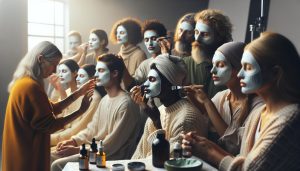
In a world where first impressions often set the tone for interactions, mastering the poker face can be your secret advantage. “Never Let Anyone Know What You Are Thinking – Master Poker Face” dives into the art of controlling your facial expressions and body language, empowering you to navigate social situations with confidence and grace. Whether you’re in a high-stakes business meeting or a casual gathering, the ability to remain unreadable can help you protect your emotions, maintain composure, and influence outcomes in your favor.
Have you ever felt vulnerable when your thoughts seemed to be written all over your face? You’re not alone. In moments where clarity is critical, being able to conceal your true feelings opens up new possibilities. By exploring practical tips and techniques, this article offers actionable insights that will allow you to project strength and poise, no matter the circumstances. Ready to uncover the strategies that enable you to control your conversational narrative? Let’s get started on this exciting journey!
Understanding the Power of a Poker Face
In the art of maintaining a poker face, understanding its true power can be a game-changer in various aspects of life, from casual conversations to high-stakes negotiations. A poker face allows individuals to keep their thoughts and feelings concealed, thereby providing a strategic advantage. By mastering this skill, you are essentially gaining control over how others perceive you-a critical element whether you’re at the poker table or navigating social dynamics.
Learning to exhibit a neutral expression not only aids in keeping your intentions hidden but also plays a vital role in emotional regulation. When you maintain a composed exterior, you send signals of confidence and assertiveness, which can influence how others interact with you. People tend to react differently when they cannot read your emotions. For instance, in negotiations or competitive scenarios, displaying a blank yet confident facade can prevent opponents from leveraging your emotional cues against you.
This power extends beyond mere secrecy; it also invites curiosity and intrigue. When others cannot discern your thoughts, they may feel compelled to engage with you further to uncover your “mystery,” thus shifting the power dynamic in your favor. By practicing how to control your facial expressions and body language, you can gradually become more adept at employing your poker face effectively across various platforms, both professionally and socially.
The Psychology Behind Keeping Secrets
Keeping secrets is an intricate part of human interaction, deeply rooted in psychology and social dynamics. Our ability to conceal our true thoughts and feelings can often be linked to our early experiences and the environments we navigate. For instance, individuals who frequently had to manage their emotions during childhood-perhaps in high-stakes family situations-tend to develop a stronger aptitude for maintaining a poker face. This can be highly advantageous in adult life, as it empowers them to control how others perceive their emotional state.
Maintaining secrecy is not merely about withholding information; it involves a complex interplay of emotional intelligence and self-regulation. People with a well-honed poker face often exhibit strong observational skills, allowing them to read others while efficiently masking their own feelings. This skill plays a crucial role in various settings, from personal relationships to professional environments. Imagine a job interview scenario: the candidate who maintains a calm and composed demeanor while engaging is more likely to instill confidence in the interviewer than one who reveals their nervousness through body language.
Moreover, often hinges on the balance of power. When you possess information that others do not, it creates an aura of intrigue, compelling those around you to engage more deeply to uncover what lies beneath. This not only helps in strategic situations, like negotiations, but also aids in fostering relationships by creating a sense of mystery and allure. It’s essential, however, to use this power responsibly, ensuring it does not lead to manipulation or deception in harmful ways.
Ultimately, mastering the art of keeping secrets and employing a poker face can forge stronger connections and enable more effective communication. By practicing these skills, you not only gain a personal advantage but also enhance your ability to navigate interpersonal dynamics with grace and confidence. Incorporate these techniques into everyday interactions, and you’ll likely find that your relationships become richer and more rewarding.
Essential Techniques for Mastering Your Expression
To maintain an effective poker face, mastering specific techniques can be a game-changer in both personal and professional interactions. The essence of a poker face lies in balancing your internal emotions with outward expressions. This can often be the difference between revealing too much and holding your cards close to your chest.
One foundational technique is to practice mindfulness. This involves being fully aware of your feelings without letting them dictate your expressions. When faced with a challenging situation, pause to identify your emotional triggers. By acknowledging these feelings internally instead of reflecting them externally, you significantly enhance your ability to remain composed.
Another crucial method is to manage your breathing. Slow, deep breaths can help reduce anxiety and stabilize your heart rate, keeping your facial muscles relaxed. When you feel tension, try inhaling deeply through your nose for a count of four, holding for four, and then exhaling through your mouth for another count of four. This technique not only calms your mind but also prevents your face from conveying nervousness.
In addition, consider physical positioning. Your posture can greatly influence how you perceive yourself and how others perceive you. Sitting or standing up straight with shoulders back will communicate confidence, making it easier to keep a neutral expression. Ensure that your body language complements your facial expressions; if you appear open and confident, it reinforces the effectiveness of your poker face.
Finally, practice in real-life scenarios. Use everyday conversations to refine your skills-perhaps during a mundane catch-up with friends or a tense discussion at work. Take mental notes of how you respond, and adjust accordingly. Over time, these techniques will become second nature, allowing you to navigate various situations with an increasingly skilled poker face.
Integrating these strategies into your daily interactions can bolster your ability to conceal your true thoughts and feelings, ultimately enhancing your effectiveness in both social and professional settings.
Reading Others: How to Identify Emotional Cues
Understanding the nuances of other people’s emotions is crucial when you’re trying to master the art of maintaining a poker face. Just as you work to conceal your feelings, developing the skill to read emotional cues in others can provide valuable insight into their thoughts and reactions. This can enable you to navigate conversations more effectively, subtly adjusting your own responses to align with the dynamics at play.
Body language is one of the most telling indicators of what someone else might be feeling. Look for signs such as crossed arms, which can indicate defensiveness, or open postures that suggest comfort and receptiveness. Additionally, pay attention to facial expressions; a slight tightening of the jaw or a furrowed brow can reveal tension or discomfort. If someone’s smile doesn’t reach their eyes, it might suggest they’re masking their true feelings.
Another effective technique is to observe changes in tone and speech patterns. A raised voice or quicker speech can signal agitation, while a softer tone might indicate someone is feeling more vulnerable. Timing is also key; note how these cues change in response to specific triggers within the conversation, such as challenging topics or direct questions. By synthesizing these observations, you can gain a deeper understanding of the emotional landscape around you.
Finally, practice makes perfect. Use everyday interactions-whether at work or during social gatherings-to sharpen your skills. Start small by guessing someone’s emotional state based on their body language and tone during casual chats. Over time, you will become more attuned to subtle cues, allowing you to maintain your poker face without losing grasp of the situation at hand. The better you become at reading others, the more adept you’ll be at balancing your own expressions, enhancing your effectiveness in both personal and professional interactions.
Practical Exercises to Improve Your Poker Face
Mastering the art of a poker face is a skill that can be developed through practice and awareness. Whether you’re in a high-stakes game or just trying to keep your emotions in check during a conversation, several practical exercises can help you enhance this ability.
One effective drill is the mirror exercise. Stand in front of a mirror and practice maintaining a neutral expression while thinking of something that elicits strong emotions-like excitement or frustration. Notice how your face changes and work on minimizing these expressions. Aim to keep your facial muscles relaxed, allowing you to retain a calm demeanor even when emotions rise. This exercise helps you become more aware of your own emotional triggers and how they manifest physically.
Another useful technique is the emotion pause practice. In daily interactions, if someone shares a surprising or emotional story, take a moment before responding. Instead of reacting immediately, count to three silently in your head. This brief pause allows you to regain composure and respond with a measured, neutral tone, avoiding any immediate emotional expressions. You’ll be surprised how often this simple technique can help you maintain control over your facial expressions.
Additionally, consider utilizing role-playing scenarios with a friend. Choose different emotional situations and take turns responding with both visible and invisible emotional cues. This can involve expressing conflicting emotions while trying to maintain a poker face, which not only sharpens your skills but also enhances your ability to read others’ responses. For example, practice reacting to good news with a neutral expression while your body language remains open and engaged-promoting both control and warmth in your interactions.
Incorporate these exercises into your daily routine, and you’ll gradually find it easier to maintain your poker face when it truly matters. Remember that the goal is to create a balance between authenticity and control, allowing you to keep your thoughts to yourself while still engaging meaningfully with others.
Common Mistakes When Hiding Your Thoughts
Mastering a poker face is as much about avoiding common pitfalls as it is about developing effective techniques. One of the biggest mistakes people make when trying to hide their thoughts is overthinking their expressions. When you become too focused on maintaining a neutral face, it can lead to exaggerated or strained attempts at control that actually draw attention. Instead, aim for a relaxed demeanor. Keep your muscles loose, and remember that authenticity often speaks louder than a forced expression.
Another frequent error is giving away clues through body language. People often underestimate how much their posture and gestures can disclose their true feelings. For instance, crossing your arms or fidgeting can signal discomfort or defensiveness, even if your facial expression appears calm. To counter this, practice maintaining an open stance and avoid movements that might hint at your internal state, such as tapping feet or playing with hair. A neutral posture supports the overall effect of your poker face.
Moreover, not adequately managing your emotional responses can be detrimental. If you struggle with strong reactions, you might inadvertently reveal your thoughts through micro-expressions-those fleeting facial changes that occur in less than a second. To mitigate this risk, prior to engaging in situations where a poker face is essential, visualize scenarios that typically provoke an emotional response. This preparation allows you to remain steady and less reactive when those moments arise in real life.
Lastly, a common but easily overlooked mistake is failing to stay present in the moment. Over-analyzing what others might be thinking can distract you from genuinely engaging in the interaction. Focus on the conversation at hand rather than worrying about maintaining your facade. Staying grounded will not only help you keep your poker face intact but also enhance your ability to connect with others genuinely, creating a balance between control and authenticity.
The Role of Body Language in Concealing Feelings
When it comes to maintaining a poker face, understanding the role of body language is essential. Your body communicates messages that can contradict the calmness of your expression, potentially revealing your inner thoughts. For instance, subtle movements like the crossing of arms or fidgeting can portray discomfort, even if your face remains neutral. Therefore, mastering how to conceal feelings requires attention to both facial expressions and body posture.
To effectively manage your body language, start by practicing an open and relaxed posture. Standing or sitting with your arms uncrossed and shoulders back not only helps in masking your true feelings but also projects confidence to others. Avoid gestures that might hint at your internal state, such as tapping your fingers or playing with your hair. Instead, keep your hands at your sides or use them sparingly to emphasize points during conversation, which can help maintain the decorative façade of your poker face.
Another critical aspect lies in becoming aware of micro-expressions-those brief and involuntary facial expressions that can leak your actual feelings. To counter this, practice in front of a mirror, allowing yourself to feel different emotions while observing what your face does. Additionally, visualization techniques can prepare you for scenarios that typically provoke strong reactions. Envisioning yourself reacting calmly in stressful situations not only primes your body language but also reinforces self-control when you encounter similar circumstances in real life.
By integrating these practices, you can enhance your ability to maintain a poker face successfully. Understanding how body language interacts with your facial expressions equips you to better conceal your thoughts. Remember, a genuine yet controlled presence creates an aura of confidence, making it easier to engage with others without betraying what you really think.
How to Stay Calm Under Pressure
Staying calm under pressure can make all the difference when you need to keep a straight face while navigating high-stress situations. Whether you’re at work giving a presentation, playing a game of poker, or simply trying to manage a difficult conversation, mastering your emotions helps maintain a composed demeanor. The key lies in preparation, mindfulness, and practice.
One effective technique for cultivating calmness is breathing exercises. When you feel tension rising, take a moment to breathe deeply through your nose for a count of four, holding for four seconds, and then exhaling slowly through your mouth for another four. This practice can help lower your heart rate and refocus your mind, allowing you to approach the moment with clarity rather than anxiety. Remember, even a brief pause can create a buffer between your initial reaction and your response.
Another strategy is visualization. Before entering a high-pressure scenario, visualize yourself interacting with confidence and remaining unflappable. Picture facing challenging questions or unexpected challenges and responding without showing your feelings. This mental rehearsal can greatly enhance your self-assurance, making it easier to maintain your poker face when the stakes are high.
Lastly, don’t underestimate the power of grounding techniques. These can involve something as simple as focusing on your surroundings and engaging your senses-notice the colors, sounds, or aromas around you. By anchoring yourself to the present moment, you can reduce overwhelming thoughts and keep your composure, making it less likely that your inner emotions will seep through.
Creating a habit of these strategies can empower you to handle pressure with grace and confidence. The more you practice, the easier it becomes to don that poker face, no matter the situation.
Building Confidence in Your Non-Verbal Communication
Building confidence in non-verbal communication is crucial when it comes to maintaining a poker face. Non-verbal cues-your facial expressions, posture, and gestures-often communicate more than words. To master the art of keeping your thoughts hidden, it’s essential to practice the following strategies.
First, understanding your own body language is key. Regularly check in with yourself to ensure your posture is open and relaxed. Slouching or crossing your arms can signal insecurity or defensiveness. Instead, stand tall with your shoulders back; it exudes confidence and makes it easier to control your facial expressions. Practice in front of a mirror to see how different postures can change the way you present yourself.
Next, eye contact plays a significant role in non-verbal communication. Maintaining eye contact can convey confidence, but excessive staring may come off as aggressive. Aim to maintain a relaxed gaze when talking to others, looking away occasionally to avoid any discomfort. You might find it helpful to practice with friends or family members, engaging in conversations while focusing on keeping a neutral expression and steady eye contact.
Additionally, mindfulness techniques can greatly enhance your non-verbal presence. Before entering situations where you need to control your emotions, take a moment to breathe deeply and center yourself. This practice can help calm any nerves and keep your face from reflecting anxiety. Use grounding techniques, such as focusing on your breathing or the sensations of your feet on the ground, to stay present and composed during high-stakes interactions.
Lastly, remember that confidence builds over time with practice and experience. Engage in social situations or activities that require you to present a poker face, such as playing games or speaking in public. Use these opportunities to apply what you’ve learned, and over time, you’ll find that maintaining a calm exterior becomes second nature. Celebrate small victories along the way to reinforce your progress and instill greater confidence.
By honing your awareness of body language, mastering eye contact, practicing mindfulness, and gradually gaining experience, you’ll cultivate the confidence necessary for effective non-verbal communication, allowing your poker face to shine in any situation.
Using Your Poker Face in Everyday Situations
Mastering the subtle art of maintaining a neutral expression can significantly impact your interactions in everyday scenarios. Whether you’re in a job interview, navigating office politics, or even enjoying a friendly game, utilizing your poker face effectively can keep your thoughts shielded and your demeanor composed.
One of the most common situations to employ your poker face is during conversations where opinions and reactions may betray your true feelings. Imagine you’re in a meeting discussing a project you disagree with. Instead of twitching an eyebrow or rolling your eyes, practice maintaining a serene and composed expression. This can be achieved by keeping your lips in a relaxed, slight smile and controlling your eye movements to remain attentive yet neutral. Doing so will not only help you appear professional but also allow you to gather more information from the conversation without revealing your biases.
Another everyday scenario where a poker face comes in handy is in social situations or when playing games with friends. Maintaining an impassive expression during a round of poker or a competitive board game is crucial. Apply techniques such as breathing deeply to center yourself and ensuring your body language aligns with your neutral facial expression. For example, crossing your arms or fidgeting can give away nervousness, while sitting straight with an open posture suggests confidence and control.
Additionally, dealing with unexpected news-positive or negative-requires a steady poker face. If you receive surprising feedback at work, maintaining your composure allows you to process the information better and respond thoughtfully rather than reactively. Practicing mindfulness can help here; taking a few deep breaths before responding can give you the necessary pause to keep your feelings in check.
Remember, honing your poker face is a skill that can be developed over time. Regularly practice in low-stakes situations, such as casual conversations with friends, to build your confidence. Over time, you’ll notice that your ability to keep your thoughts under wraps improves, making you a more formidable communicator in any setting.
Advanced Strategies for Professional and Social Scenarios
Maintaining a poker face can be a game-changer in both professional and social scenarios, allowing you to navigate tricky situations with grace and control. To enhance your ability to conceal your thoughts and feelings, consider implementing these advanced strategies.
Mastering Situational Awareness
Understanding your environment and the dynamics at play is crucial. Before entering a meeting or social gathering, take a moment to observe the room. Who holds influence? What are the underlying tensions? Adjust your approach accordingly, remaining calm and unyielding regardless of external pressures. For instance, if you sense a contentious discussion brewing, use your poker face to appear engaged and neutral, which can help defuse tension rather than escalating it.
Using Silence Strategically
Silence can be a powerful tool. When faced with unexpected comments or questions, instead of rushing to respond, allow yourself a moment of pause. This not only gives you time to control your expression but also signals to others that you’re weighing their words carefully. It can be disarming, and they may reveal more than they intended, giving you valuable insights while you maintain your composure.
Practice Emotional Detachment
Developing emotional detachment doesn’t mean you lack feelings; rather, it’s about learning to separate your emotions from your reactions. Techniques such as mindfulness and meditation can aid in this process. When you become more attuned to your emotional responses, you can better regulate them. For example, before responding to critical feedback at work, take a deep breath, acknowledge your feelings internally, but don’t let them dictate your outward expression. By practicing this detachment, you cultivate an aura of confidence and poise.
Body Language Alignment
Your body language should mirror your neutral expression. Keep your posture open and relaxed, arms uncrossed, and maintain steady eye contact without giving away too much of your internal thoughts. A slight nod can signal engagement without divulging your stance on a topic, reinforcing your ability to maintain a poker face. Additionally, be mindful of fidgeting; even small movements can betray nervousness or excitement.
Employing these strategies will enrich your skill set and prepare you to handle various situations more adeptly, ensuring you never reveal more than you intend. With practice and mindfulness, you’ll find that crafting your poker face becomes second nature.
Real-Life Examples of Successful Poker Faces
When it comes to maintaining a poker face, real-life examples can significantly enhance our understanding and mastery of this skill. Take professional poker players, for instance; they often become legends not just for their gameplay but for their ability to mask their emotions. Phil Ivey, considered one of the best poker players, is renowned for his unreadable expression during high-stakes games. His success largely relies on his ability to remain unfazed regardless of whether he is holding a winning hand or bluffing. This calm demeanor prevents opponents from gaining any advantage based on his reactions, showcasing just how effective a steadfast poker face can be.
In the world of business negotiations, having a composed expression can be equally transformative. Consider a scenario in a corporate boardroom where a company is discussing a potential merger. A senior executive who maintains a neutral expression when hearing an unexpectedly high asking price not only projects confidence but also gives nothing away about their internal calculations or feelings. This can lead the other party to underestimate their negotiating position, allowing for a more favorable outcome when the executive finally responds after carefully weighing their options.
Even in everyday interactions, a well-timed poker face can work wonders. For example, during a family gathering, when a relative makes an unexpected comment, maintaining a straight expression can control the narrative. Instead of reacting emotionally, a relative might choose to respond thoughtfully, allowing them to steer the conversation without revealing their true feelings. This technique not only fosters better communication but also strengthens their influence in social settings.
Practicing these scenarios, whether in poker, business negotiations, or family gatherings, underscores the importance of mastering the poker face. Each of these examples illustrates that by controlling our expressions and maintaining composure, we can navigate various situations effectively, enhancing our personal and professional interactions.
Faq
Q: What is a poker face and why is it important?
A: A poker face is a neutral expression that conceals your emotions or thoughts. It’s crucial in situations like negotiations or strategic games, where revealing feelings could undermine your position. Mastering this skill helps you maintain control and avoid giving away any psychological advantages.
Q: How can I develop a better poker face?
A: To develop a better poker face, practice keeping a neutral expression during conversations. Use reflective surfaces, like mirrors, to observe your facial reactions. Breathing exercises can also help calm your nerves, making it easier to maintain composure in stressful situations.
Q: What techniques help in hiding my thoughts during conversations?
A: Effective techniques include focusing on your breathing and consciously relaxing your facial muscles. Additionally, maintaining eye contact without overexpressing can help avoid giving away your inner thoughts. Engaging in active listening can also shift focus away from your own expressions.
Q: How do I read others’ emotions to respond effectively?
A: To read others’ emotions, pay attention to their body language, tone, and facial expressions. Subtle cues, like crossed arms or fidgeting, can offer insights into how they feel. Practicing observation techniques will improve your ability to interpret these signals effectively.
Q: Why is body language crucial for maintaining a poker face?
A: Body language significantly influences how your emotions are perceived. Keeping a relaxed posture and neutral gestures can help reinforce your poker face. Avoid fidgeting or displaying defensive body language, as these can betray your actual feelings or thoughts.
Q: How can I stay calm under pressure to maintain a poker face?
A: Staying calm under pressure requires practice. Techniques such as mindfulness, visualization, and deep breathing can help manage anxiety. Regularly simulate high-pressure scenarios in practice can also enhance your ability to stay composed when it really counts.
Q: When is it appropriate to use a poker face in daily life?
A: A poker face can be useful in various daily situations, such as job interviews, negotiations, or competitive environments. It’s essential in settings where emotions might reveal weaknesses or affect outcomes, helping you maintain control over the conversation.
Q: What mistakes should I avoid when trying to maintain a poker face?
A: Common mistakes include overthinking your expression, which can lead to stiff or unnatural looks, and failing to practice beforehand. Avoiding eye contact or engaging in distracting body movements can also undermine your efforts to keep a poker face.
Feel free to explore more about these techniques in the relevant sections of the main article!
To Conclude
Thanks for exploring the art of mastering your poker face with us! Remember, the key takeaways are to control your emotions, practice regularly, and understand your audience. If you feel inspired to elevate your game even further, dive into our tips on reading body language and discover strategies to enhance your confidence in high-stakes situations.
Before you go, make sure to subscribe to our newsletter for exclusive insights and tools to elevate your skills even further. If you have any lingering questions or want to share your experiences, drop a comment below – we’d love to hear from you! Your journey in mastering the poker face doesn’t end here; keep exploring, learning, and applying these tips to see real results. Together, we can turn your newfound knowledge into confidence and success.