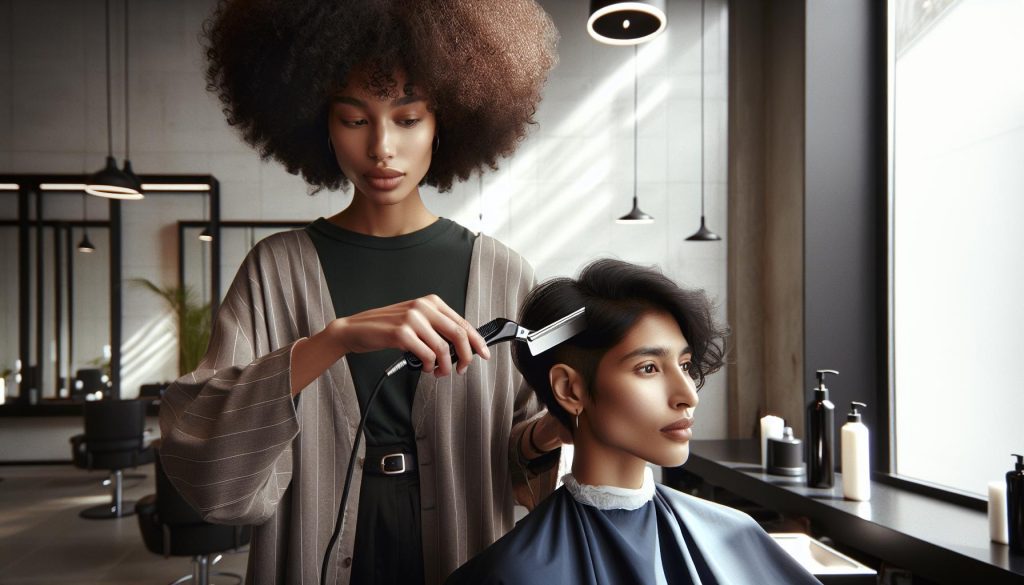
A razor haircut can transform your look, adding texture and movement that standard scissors simply can’t achieve. If you’ve ever wondered why your favorite hairstyles seem so effortless, it’s often due to the artful use of a razor. Techniques for textured styles not only enhance your hair’s natural body but also make it easier to manage day-to-day.
Whether you’re a seasoned stylist or a curious beginner, mastering the razor technique opens up a world of styling possibilities. This guide will walk you through essential tips and methods to create stunning, textured hairstyles that suit all hair types. Get ready to elevate your grooming routine-your hair will thank you!
How a Razor Haircut Transforms Your Style
A razor haircut can dramatically transform your style, breathing new life into your hair and enhancing your overall look. This technique is celebrated for its ability to create soft, blended layers and delicate textural finesse that standard scissors often struggle to achieve. The unique cutting method allows for more movement and body, making your hair appear full of life rather than flat or stiff. Whether you opt for a long, sweeping style or a chic bob, a razor cut can help you embrace your individuality, reflecting your unique personality.
One of the most appealing aspects of a razor haircut is its versatility. It can work wonders for all hair types and lengths, providing a fresh change or simply refining your current style. For instance, if you’re looking to navigate the fine line between edgy and elegant, a razor cut can deliver those soft, wispy ends that keep your look modern and youthful. Additionally, it can reduce bulk for thick hair, making it easier to manage, while adding volume and texture to fine or limp strands. Many find that this style allows for quicker drying time and less heat styling, leading to healthier hair overall.
By choosing a razor haircut, you’re also stepping into a trend that champions movement and natural texture. The sliced edges created by the razor allow your hair to flow effortlessly, whether you wear it straight, wavy, or tousled. This dynamic quality keeps your look interesting and fresh, inviting compliments from friends and even strangers. If you’re ready for a transformation that goes beyond a mere trim, a razor haircut might just be the perfect way to redefine your style while bringing out the most in your natural hair attributes.
Essential Tools for a Perfect Razor Cut
To achieve the perfect razor cut, having the right tools is essential. While it might seem tempting to grab any old razor or scissors, investing in specific tools can elevate your cutting game and lead to stunning results. A professional-grade razor or a specialized texturizing razor will allow for smooth, precise cuts, while regular scissors may not provide the same level of control or finesse.
The first indispensable tool is a high-quality razor. Look for one with a straight blade, as this helps create the soft, feathered edges that define a great razor haircut. Texturizing razors are also an excellent choice if you want to add texture and volume. These tools usually have serrated edges that help remove bulk without affecting the overall length.
Another important tool is a comb. A wide-toothed comb can help detangle your hair while maintaining sectioning for an even cut. You’ll want to work in small, manageable sections to ensure each part of the hair receives the attention it needs. Additionally, clippers can be useful for blending sections or removing bulk from thick hair before you start with the razor, making the process smoother and more efficient.
Don’t forget a good spray bottle filled with water. Keeping your hair damp while cutting is crucial; it allows the razor to glide smoothly through the hair, minimizing damage. Having a clean, flat surface and a mirror is also essential to ensure you can see your progress and maintain the desired style. For a tidy workspace, a cape or towel can help catch any hair clippings, keeping your environment clean and making cleanup easier.
In summary, equipping yourself with a professional razor, a texturizing razor, a wide-toothed comb, clippers, a spray bottle, and a clean workspace will set you up for success. These tools enhance not only the quality of the haircut but also the overall experience, paving the way for a smooth and enjoyable cutting process that leaves you with beautifully styled hair.
Step-by-Step Guide to Razor Cutting Techniques

To master the art of a razor haircut, it’s essential to adopt a methodical approach. Razor cutting not only transforms hair but also adds texture and movement, making it a favorite among stylists and clients alike. Let’s break down the steps to help you achieve that perfect razor cut, even if you’re just starting out.
Start by preparing your hair. Wash and dampen your hair thoroughly so it’s manageable and easy to work with. Use a spray bottle filled with water to keep your hair slightly wet throughout the cutting process as this helps the razor glide smoothly and minimizes damage. Next, section your hair into manageable parts. Using clips or hair ties, create sections, typically parting it into a top section and two lower sections to ensure even cutting.
Once your hair is ready, it’s time to tackle the actual cutting. Take your razor and hold it at a slight angle while gently gliding it down the hair shafts. The key is to use soft strokes rather than pressing down hard, which can lead to jagged edges. For a more textured look, try rotating the wrist slightly or using the razor to point cut the ends. This technique removes bulk while still preserving the length, giving the hair a feathered appearance. Be mindful of your sections-working with smaller parts can help maintain consistency throughout the haircut.
After you’ve worked through one section, check your progress to ensure it’s all even and blends well. Repeat this process for the remaining sections, always remembering to reassess your lengths and layers as you go. Finally, once you’re satisfied with the cut, give your hair a final spritz of water to style it as desired. Adding a texturizing spray or light mousse can enhance the look by providing additional hold and definition to your newly cut layers.
By following these simple steps, you can achieve a stylish razor cut that looks fresh and modern. Remember, practice makes perfect! Embrace the learning curve, and soon you’ll be creating beautiful textured styles like a pro.
Choosing the Right Razor for Your Hair Type
can significantly impact the outcome of your haircut. Not all razors are created equal, and understanding the nuances between them can lead to stunning results. For instance, fine or thin hair typically benefits from a razor with a finer blade that can delicately slice through strands without causing excessive frizz. Conversely, thicker hair often requires a more robust razor with a wider blade to efficiently handle the bulk while providing that coveted textured finish.
When considering a razor, look for one that allows for versatility in your cutting techniques. A good-quality straight-edge razor or a specifically designed razor comb can be excellent for creating texture. A straight-edge razor is perfect for precision cutting, while a razor comb offers added control and is great for softening lines, especially in layered cuts. If you’re new to razor cutting, starting with a razor comb can offer a gentler learning curve while still allowing for effective styling.
It’s also essential to factor in the hair’s length and desired style. For shorter styles, a razor with a straight-edge may suffice, providing clean lines and a sharp finish. For longer hair, a texturizing razor with multiple blades can help introduce movement without sacrificing length. Remember, the goal is to work with the hair’s natural fall and texture, so selecting a razor that complements your hair type will help you achieve a more effortless result.
In summary, the right choice of razor can elevate your haircut, offering an artistic touch that enhances your overall style. Whether you’re dealing with fine, thick, or textured hair, understanding the different razors available will empower you to create beautiful results, ensuring your razor cut is as stylish as you envision.
Tips for Creating Texture with a Razor
Creating texture with a razor can elevate your hairstyle, infusing it with motion and dimension that enhances your overall look. The most effective way to achieve textured hair is through the use of layering and a bit of technique. Instead of making blunt cuts, focus on slicing and delicate feathering to achieve soft, blended edges. This method can help create the illusion of volume, making hair appear fuller and more lively.
To start, ensure your hair is damp but not soaking wet. Damp hair makes it easier to manipulate without causing damage. Section your hair into manageable parts, typically around 1-2 inches wide, to ensure precision. Use a point-cutting technique with the razor, angling it slightly to create soft, jagged edges rather than straight lines. This technique helps to break up the heaviness of hair and introduces a natural, textured finish. Remember to work with the natural fall of your hair, keeping the razor parallel to the cut line to avoid harsh lines.
Another effective tip is to utilize the entire blade. Instead of only using the tip, gently glide the blade along the hair lengths and use short strokes. This helps to refine the ends of the hair, allowing for a seamless blend that enhances movement. You might also consider adding intentional layers to thicker sections of hair while leaving some parts longer to maintain overall length. Balance is key: while you may want to create texture, ensure that your haircut remains harmonious and fits your individual style.
Finally, after cutting, consider applying some lightweight styling products to define your new texture. Creams or sea salt sprays can enhance the natural movement and make styling easier. Always remember to keep your tools clean and sharp, as a dull razor can lead to uneven cuts and split ends, ultimately defeating the purpose of your textured style.
Common Mistakes in Razor Haircuts to Avoid
Razor haircuts can dramatically enhance your style, but they also come with a learning curve that can lead to typical missteps. One common mistake is using too much pressure on the razor. Many beginners think a heavy hand will yield more defined cuts, but this can actually result in frayed ends or an uneven texture. Instead, aim for a light touch, allowing the razor to glide smoothly through the hair. This not only preserves the integrity of the hair strands but also creates the soft, blended look that razor cuts are known for.
Another frequent pitfall is neglecting to maintain proper sectioning. In the excitement of trying out techniques, it can be easy to rush through the sectioning process, leading to uneven layers. Take your time to section your hair into small, manageable pieces-about 1 to 2 inches wide. This ensures better precision and control, which is vital when creating textured styles. Remember, the more organized your sections, the more professional the outcome.
Working on dry hair is also a common error that can hinder your results. Dry hair is more brittle and less flexible, making it harder to control the razor’s movement. For optimal results, always work on damp hair. This allows for easier manipulation of the strands while reducing the risk of damage. You’ll find that your razor effortlessly glides through damp hair, giving you clean cuts and a more polished finish.
Furthermore, overlooking the importance of regular cleanings for your tools can lead to subpar results. A dull razor can snag hair, leading to split ends and uneven cuts. After every couple of uses, clean your razor blades, and replace them if they show signs of wear. Keeping your tools in top shape will greatly enhance your cutting experience and the final appearance of your haircut.
Finally, don’t forget to consider your hair type when trying out razor cutting techniques. What works beautifully for one hair texture may not yield the same results on another. For instance, thicker hair typically benefits from layering and texturizing, while finer hair might need a more delicate approach to avoid looking flat. Understanding your hair’s unique characteristics will guide your techniques and product choices, resulting in a style that truly complements you.
By being mindful of these common pitfalls, you can enhance your razor cutting skills and achieve beautiful, textured styles that reflect your personality.
How to Maintain Your Razor Cutting Tools
Taking care of your razor cutting tools is just as crucial as honing your cutting skills. A well-maintained razor not only ensures smoother cuts but also helps you achieve the precision and texture that your desired hairstyle demands. Here’s a handy guide to keeping your tools in tip-top shape so you can confidently create stunning razor haircuts.
Start with regular cleaning. After each use, rinse the blades under lukewarm water to remove hair and product build-up. For a deeper clean, periodically soak the blades in a mixture of water and mild detergent for about 10 minutes. This will help dissolve any hidden residue. Use a soft brush, like an old toothbrush, to gently scrub around the blades and between the teeth-this ensures that no hair or gunk interferes with your cuts.
Next, pay attention to blade sharpness. Dull blades can lead to uneven cuts and may even damage your hair. If you notice the razor pulling or snagging, it’s time to replace the blade. Many razors have replaceable blades, so check your model’s specs for guidance. When storing your razor, keep it in a protective case or a dedicated razor holder to avoid accidents and damage.
Oil is your friend when it comes to maintenance. A drop of light machine oil applied to the hinge or moving parts of your razor can keep it functioning smoothly. Just a tiny amount goes a long way, helping to prevent rust and extending the life of your tool.
Lastly, consider proper storage techniques. Make sure to keep your razor in a dry environment to avoid moisture buildup, which can lead to rusting. If you’re using a straight razor, always wipe the blade dry after each use and store it in a protective sheath. For safety razors, ensure the blade is kept away from direct moisture and heat sources.
By following these simple maintenance tips, you can prolong the life of your razor cutting tools and ensure that they deliver optimal performance every time you create your textured styles. With sharp, clean, and well-cared-for tools, you’re setting yourself up for success in achieving that perfect haircut.
Razor Haircut Variations for Different Hair Lengths
A razor haircut can dramatically reshape your look, no matter your hair length. Whether you’re rocking a chic bob, long flowing locks, or a modern pixie cut, there are tailored razor techniques to help you achieve stunning textures and shapes. This method is particularly effective because it removes weight while adding liveliness, allowing for effortless styling and movement. Let’s explore how to adapt razor cutting techniques to suit short, medium, and long hair.
For short hair, consider using a razor to create soft, feathered edges. This technique helps to blend layers seamlessly, enhancing texture without making the style look choppy. Start by sectioning the hair. Hold the razor at a slight angle and use light, gentle strokes toward the ends to envision a more buoyant and lived-in finish-ideal for those looking to achieve a modern, edgy feel.
When it comes to medium-length hair, a razor can be used to remove bulk and create a graduated look. Layering with a razor at this length allows for beautiful movement, especially around the face. Focus on the crown and the perimeter; utilizing a point-cutting technique with the razor enables soft transitions. This approach can help frame your face, giving you an elegant yet approachable style that’s versatile enough for any occasion.
For long hair, a razor haircut can add much-needed texture and softness, especially for those with thick or heavy hair. Apply the razor to the layers, working from the mid-lengths to the ends. Be sure to avoid excessive thinning at the scalp, as this can lead to frizz and a lack of volume. Instead, concentrate on removing weight from the ends, maintaining some body at the roots for a naturally flowing look. This technique not only enhances movement but also reduces styling time, making long hair feel lighter and more manageable.
By customizing the razor cutting technique to fit your hair length and texture, you create a personalized style that suits your individual appearance. This adaptability is key to harnessing the power of a razor haircut, ensuring that you can achieve that chic, effortless look with ease and confidence.
Styling Products to Enhance Razor Cuts

Achieving a fresh, stylish razor cut is just the first step to rocking that gorgeous new look. To elevate the beauty of your cut and maintain its texture, the right styling products are crucial. These products help define your layers and enhance the movement created by the razor technique, allowing your haircut to truly shine.
Choose a lightweight mousse or texturizing spray to boost volume and structure. Mousse is especially effective for finer hair types, as it adds body without weighing hair down. Simply apply a palm-sized amount to damp hair, scrunching gently to create natural waves. For those with thicker hair, a texturizing spray can be your best friend. It adds texture and separation, and its light hold keeps your layers looking airy. Spray it on dry hair, concentrating on the mid-lengths and ends, to achieve that effortless, tousled look associated with razor cuts.
For sleek and polished styles, consider a smoothing serum or lightweight cream. These products help manage frizz while maintaining your haircut’s natural movement. Just a small amount, about the size of a pea, can work wonders. Rub it between your palms and run your hands through your hair, focusing on the ends to maintain point-cut layers and avoid any stiffness or heaviness.
Finally, for those looking to add lasting definition to their waves or curls, a sea salt spray can provide that beachy texture that complements a razor haircut perfectly. It helps enhance natural curls while providing a slight hold, keeping your style looking fresh throughout the day. Spray it lightly from a distance onto damp or dry hair, scrunching with your hands to encourage wave formation.
Incorporating the right styling products is essential for maximizing the potential of your razor cut, allowing you to express your individual flair while enjoying the benefits of this versatile haircut. By selecting products suited to your hair type and desired style, you can maintain that effortlessly chic look every day.
Simple Aftercare Tips for Razor Haircuts

Maintaining the vitality of your new razor haircut is as crucial as the cut itself. After all, a perfectly textured style can lose its charm without proper aftercare. Think of your haircut as a vibrant canvas; without regular maintenance, the colors can fade and lose their appeal. Here are some simple yet effective aftercare tips to help your razor cut look fresh and stylish every day.
Start by using a sulfate-free shampoo, which is gentler on your hair and helps preserve its natural oils. This is particularly beneficial for razor cuts, as they often feature more delicate layers that can become dry and brittle. Aim to wash your hair only two to three times a week to prevent stripping away moisture. When washing, apply a quarter-sized amount of shampoo to your scalp and massage gently to cleanse without roughing up the cut ends.
After washing, don’t skip conditioner. A lightweight conditioner can help to detangle and smooth your hair without weighing it down. For the best results, apply it mainly to the mid-lengths and ends, where your hair is most prone to dryness. Leave it in for a few minutes to allow it to penetrate before rinsing thoroughly.
Another key element of aftercare is proper drying. Avoid vigorous towel drying, which can cause frizz and disrupt the textured layers of your cut. Instead, gently squeeze out excess water using a microfiber towel. If you prefer using a blow dryer, employ a diffuser attachment on a low heat setting to encourage natural texture without harsh heat damage-this step is especially effective for enhancing waves or curls.
Lastly, to keep your razor cut looking its best, incorporate styling products that complement your texture. A light leave-in conditioner can boost hydration and manageability, while a light-hold styling cream or mousse helps define your layers. Just remember to apply products sparingly; a dime-sized amount is usually enough to work through your hair without making it greasy.
Following these straightforward aftercare steps will not only extend the life of your razor haircut but also enhance its beauty and textural appeal. Embrace your new look and enjoy the compliments that come your way!
Inspiring Razor Haircut Looks to Try Today

There’s something undeniably captivating about a razor haircut. It’s not just a cut, but a transformation that can elevate your entire look, adding depth and movement to your hair. Whether you’re aiming for a chic, edgy style or a soft, romantic vibe, razor cuts can achieve a diverse array of stunning looks that cater to all hair types and lengths. Here are some inspiring styles to consider for your next appointment.
For a messy bob, a razor cut can create that effortless, lived-in texture we all crave. By using a razor to add soft, feathered layers, you’ll achieve a tousled appearance that works beautifully for both straight and wavy hair. Pair this look with a deep side part to enhance the asymmetry, and you’ve got a style that’s both modern and practical.
Another fantastic option is the long, layered cut. This look benefits immensely from the razor technique, which can remove bulk without sacrificing length. Razor cutting the ends creates a wispy effect, maximizing movement and lightness. This is particularly great for thicker hair types that need some shape without going too short. Use a lightweight styling cream to define those layers further and keep your locks looking fresh.
If you’re feeling adventurous, consider a razor-sharp pixie cut. This bold style utilizes razor cutting to provide a soft yet edgy finish around the face and the nape of the neck. The technique can help to eliminate sharp lines while still maintaining a structured look. This cut works especially well with natural textures, allowing curls or waves to shine through. A bit of texturizing spray can enhance this style even more, giving it a playful, tousled finish.
For those who love curly hair, a razor cut can redefine your curls beautifully. Instead of blunt lines, using a razor allows for softer edges that blend seamlessly with the curls’ natural texture. This voluminous, bouncy style not only looks vibrant but also reduces the bulk, making it easier to manage while still looking effortlessly chic. Using a curl-defining cream will help maintain your curls and keep them frizz-free.
Here are some essential looks to inspire your next visit to the salon, ensuring your razor haircut is not just a style but a reflection of your personality:
- Messy Bob: Tousled layers for an effortless vibe.
- Long, Layered Cut: Wispy ends that dance with movement.
- Razored Pixie: An edgy look with soft lines.
- Curl-Defined Razor Cut: Soft edges that enhance natural curls.
Choosing a razor haircut opens up a realm of possibilities for expressing your unique style. Don’t hesitate to consult with your stylist about how to tailor these looks perfect for your hair type and lifestyle. After all, a great haircut is about empowerment and feeling confident in your own skin!
FAQ
Q: What is a razor haircut and how does it differ from traditional cutting methods?
A: A razor haircut uses a straight or razor edge tool to create texture and movement in the hair. Unlike traditional scissors that provide blunt cuts, razoring can result in softer, more layered styles, enhancing the hair’s natural flow and appearance.
Q: What hair types are best suited for a razor haircut?
A: Razor haircuts work best on fine to medium hair types that need added texture. They can be less effective on very thick or curly hair, as razoring may lead to frizz and unevenness. Always consult a stylist for personalized advice.
Q: How can I maintain my razor haircut at home?
A: To maintain your razor haircut, regularly trim split ends every 4-6 weeks and use lightweight styling products to avoid weighing down the texture. A good conditioning routine will also help keep the hair healthy and manageable.
Q: Is it safe to do a razor haircut at home, or should I visit a professional?
A: While it’s possible to do a razor haircut at home, it is advisable to visit a professional, especially if you’re a beginner. Professionals understand the techniques and can achieve a harmonious blend that might be difficult to replicate solo.
Q: Can a razor haircut work for longer hair?
A: Yes, razoring can be applied to longer hair to create layered styles and remove bulk, giving the hair more movement and a lighter appearance. It’s essential to employ proper techniques to avoid creating an uneven look.
Q: What products should I use after getting a razor haircut?
A: After a razor haircut, use lightweight styling products like mousse or texturizing spray to enhance the cut’s texture. A leave-in conditioner can also help with hydration and manageability, keeping your hairstyle fresh.
Q: How do I prevent damage when using a razor on my hair?
A: To prevent damage while razoring, work on clean, dry hair and avoid using excessive pressure. Always use a high-quality razor to ensure clean cuts and maintain the integrity of the hair.
Q: What techniques can I use to create volume with a razor haircut?
A: To create volume with a razor haircut, focus on cutting at different angles and layering the hair. Avoid blunt ends; instead, use the razor to soften edges, which allows for a more lifted appearance, especially at the crown.
Closing Remarks
Now that you’ve learned how to master the razor haircut technique for beautifully textured styles, it’s time to put your skills into action! Remember, practice is key. Start with small sections to build your confidence and don’t hesitate to experiment with different lengths and angles to find your signature look. If you’re looking for more grooming tips, check out our articles on “Essential Tools for Perfect Haircuts” and “Top Hair Products for Textured Styles” to elevate your skills even further.
We’d love to hear about your razor-cutting experiences! Share your thoughts or any questions in the comments below, and don’t forget to subscribe to our newsletter for the latest tips and tutorials directly in your inbox. Let’s keep exploring the world of personal care together, and watch your grooming game reach new heights!