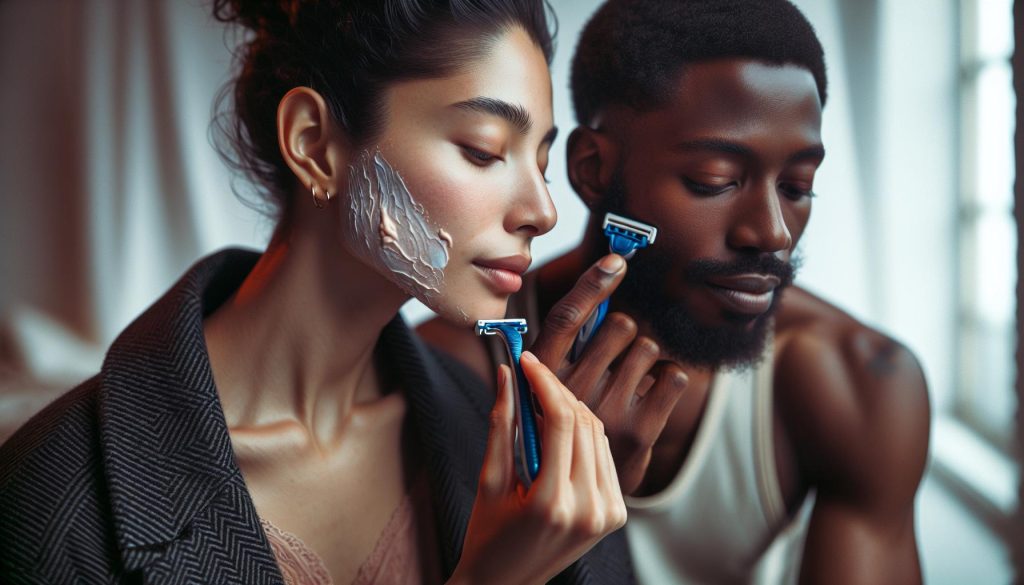
Razor bumps, those pesky red and inflamed spots that can appear after shaving, are more than just an aesthetic concern; they can cause genuine discomfort and frustration. Occurring in areas like the beard, legs, and bikini line, these bumps arise when hair becomes ingrown or when shaving techniques go awry. Understanding the root causes of razor bumps is essential to effectively treating and preventing them. Whether you’re looking to achieve smooth skin without irritation or simply wanting to enhance your grooming routine, knowing how to tackle razor bumps can make a significant difference in your confidence and comfort. This guide will walk you through the common causes, effective treatments, and proactive prevention strategies, empowering you to embrace your grooming routine with ease. Let’s dive into everything you need to know!
What Are Razor Bumps and How Do They Form?
Razor bumps, often experienced after shaving, are small, raised bumps that can ruin an otherwise smooth and clean appearance. They form when shaved hair grows back into the skin instead of outward, causing irritation and inflammation. This occurs primarily due to the shape and texture of hair, which can lead to coarser or curly hair becoming trapped under the skin’s surface, particularly if it is cut at an angle. The result is not only unsightly but can also be uncomfortable, leading to redness, itching, and even pain.
Understanding what triggers razor bumps is vital for prevention and treatment. Shaving techniques play a significant role; for example, using dull blades or shaving dry skin can increase the likelihood of bumps developing. Additionally, improper aftercare, such as neglecting to moisturize, can exacerbate skin irritation and heighten the risk of inflammation. Knowing these factors empowers you to make informed choices during your grooming routine.
It’s essential to recognize that anyone can experience razor bumps, but individuals with curly or coarse hair types may be more susceptible. Factors like skin sensitivity and the frequency of shaving also contribute to the likelihood of developing these pesky bumps. By cultivating a better understanding of how razor bumps form, you can take actionable steps to prevent them and maintain smooth, healthy skin.
Common Causes of Razor Bumps You Should Know
Razor bumps can be a source of frustration for many, and understanding their common causes is the first step toward effective prevention and treatment. These pesky bumps typically arise from the way hair grows back into the skin after shaving, but several factors can exacerbate the situation, leading to increased irritation and inflammation.
One of the primary culprits is the shaving technique itself. Shaving against the grain, using dull blades, or not properly preparing the skin can increase the likelihood of hairs becoming trapped beneath the skin’s surface. This is particularly true for individuals with curly or coarse hair types, as the shape of their hair can make it more prone to curling back into the skin. In addition, shaving dry skin or failing to use adequate lubrication can create friction, which not only harms the skin but also contributes to the likelihood of developing razor bumps.
Furthermore, skin sensitivity plays a significant role. Those with sensitive skin may react more vigorously to the irritation caused by shaving, leading to more pronounced bumps. Neglecting proper aftercare, such as moisturizing post-shave, can also exacerbate inflammation and prolonged irritation. This can create a cycle where the skin remains irritated, leading to ongoing problems with razor bumps.
Lastly, it’s important to recognize that external factors like environmental conditions and hygiene practices also contribute to the development of razor bumps. For instance, shaving tools that are not cleaned regularly may introduce bacteria to the skin, heightening the risk of inflammation and infection. Being aware of these factors allows you to tailor your shaving routine to minimize irritation and keep your skin as smooth as possible.
In summary, understanding the interplay between shaving technique, skin type, and aftercare can empower you to take actionable steps for smoother skin and a more comfortable shaving experience.
Effective Treatments for Razor Bumps: Step-by-Step Guide
To effectively manage razor bumps, it’s crucial to adopt a step-by-step approach that addresses both the immediate symptoms and the underlying causes. These bumps can be irritating, but with the right treatments and techniques, they can be significantly reduced or even prevented.
Start by gently exfoliating the area. Use a mild exfoliating scrub or a soft washcloth just before shaving; this helps remove dead skin cells that can trap hairs. When it’s time to shave, always use a sharp, clean razor to avoid unnecessary tugging on the hair. Consider employing a shaving cream or gel rich in moisturizing agents. Apply it generously-roughly a quarter-sized amount-ensuring even coverage to help lubricate the skin and hair.
After shaving, it’s essential to soothe and calm the skin. Apply an aftershave balm or lotion that contains soothing ingredients, such as aloe vera or chamomile, to alleviate irritation. Look for products with salicylic acid or glycolic acid, as these ingredients can gently exfoliate and help prevent the development of further bumps. Gently massage a small amount onto the affected areas using circular motions. Allow it to absorb fully to maximize its effectiveness.
If razor bumps persist, consider using over-the-counter treatments specifically formulated for the condition. These often include corticosteroid creams to reduce inflammation or benzoyl peroxide to acne-like bumps. Apply these as directed, often just a pea-sized amount to the affected areas, to control irritation without over-treating the skin.
Finally, if you notice that your razor bumps last longer than a week or worsen, it may be necessary to consult with a dermatologist. They can provide professional treatments or prescription medications tailored to your skin type.
In summary, managing razor bumps requires preparation before shaving, attentive care after shaving, and potentially topical treatments to keep your skin looking and feeling its best. Always be patient as your skin heals and adjust your techniques as necessary to find the routine that works best for you.
Preventing Razor Bumps: Tips for Smooth Skin
To keep your skin smooth and minimize the chance of developing razor bumps, it’s essential to adopt a proactive approach. Razor bumps can be both uncomfortable and unsightly, but they don’t have to be a recurring issue. By making some simple adjustments to your shaving routine and skin care regimen, you can significantly reduce your risk of experiencing these pesky bumps.
Start by preparing your skin properly before you shave. This means using warm water to soften the hair and open up the pores, making it easier for the razor to glide over the skin. Consider applying a gentle exfoliating scrub or using a soft washcloth to eliminate dead skin cells that can block hair follicles. This not only promotes smoother shaving but also helps prevent ingrown hairs, which can lead to razor bumps.
Next, invest in quality shaving products that suit your skin type. Look for a moisturizing shaving cream or gel that contains soothing ingredients like aloe vera or shea butter. These products help create a protective barrier and reduce friction between the razor and your skin. When shaving, always use a sharp, clean razor blade and shave in the direction of hair growth to minimize irritation. If you often shave sensitive areas, consider using a safety razor or an electric shaver, which can be gentler on the skin.
After you’re done shaving, don’t skip the aftercare. Applying an aftershave balm or a lotion enriched with calming ingredients can help soothe your skin and reduce inflammation. Products containing salicylic acid or glycolic acid can also aid in preventing further bumps by exfoliating the skin gently. Remember to avoid tight clothing immediately after shaving as it can cause friction and lead to irritation.
Lastly, pay attention to your shaving frequency. If you have particularly sensitive skin, consider spacing out your shaving sessions to give your skin time to recover. Regularly incorporating these practices into your grooming routine can make a significant difference in preventing razor bumps and achieving smoother skin.
By taking these preventive steps, you’ll not only enhance your shaving experience but also feel more confident and comfortable in your skin. Embrace the journey to smoother skin with each shave!
Choosing the Right Shaving Products for Sensitive Skin
When it comes to shaving, the products you choose can significantly impact your skin’s comfort and health, especially if you’re prone to razor bumps. Sensitive skin reacts differently than normal skin, often experiencing more irritation and redness. This is where selecting the right shaving products becomes crucial.
Start with a quality shaving cream or gel that is specifically formulated for sensitive skin. Look for products that contain calming and moisturizing ingredients like aloe vera, jojoba oil, or shea butter. These ingredients create a protective barrier on your skin, helping the razor glide smoothly and minimizing friction, which can lead to bumps. It’s essential to avoid products with alcohol or strong fragrances as they can further irritate sensitive skin. A good rule of thumb is to apply a generous amount-about a quarter-size dollop-onto damp skin before shaving, ensuring an even layer for optimal protection.
The choice of razor is equally important. Opt for a multi-blade razor designed for sensitive skin, which often features a lubricating strip that provides extra moisture during shaving. Alternatively, consider using an electric shaver, which can be gentler and reduces the chance of nicks and cuts that might lead to razor bumps. Always remember to replace your blades regularly; dull blades increase the risk of irritation as they tug at the hair instead of cutting it cleanly. A weekly reminder to check your blade’s sharpness can help maintain a better shaving experience.
After shaving, the right aftershave product can make all the difference. Choose a soothing lotion or balm enriched with ingredients like witch hazel or chamomile to calm any irritation. You can simply apply a dime-sized amount to your fingertips and gently massage it into your freshly shaved skin, focusing on areas that often feel sensitive. This step not only hydrates the skin but also helps reduce redness and provides cooling relief, setting the stage for a smoother recovery.
In summary, the right shaving products can transform your routine from a painful chore to a soothing experience. By choosing gentle formulations, using the right tools, and incorporating effective aftercare, you can significantly reduce your chances of dealing with razor bumps and enjoy the benefits of a smooth shave.
The Importance of Proper Shaving Techniques
Proper shaving techniques can be the difference between a smooth, comfortable experience and the dreaded razor bumps that result from improper care. When done correctly, shaving can be a gentle process that leaves skin feeling fresh and irritation-free. In contrast, the wrong approach can lead to a host of issues, including ingrown hairs, redness, and bumps that can diminish confidence.
One foundational aspect of effective shaving is to always shave in the direction of hair growth. This simple technique significantly reduces the risk of hairs being cut too short and curling back into the skin, which is a common cause of razor bumps. Instead of hurriedly moving the razor in multiple directions, take the time to notice the natural growth patterns of your hair. For many, this means shaving downward on the face and neck. The less you disturb the hair, the better the outcome for your skin.
Another essential practice is to use light, gentle strokes with your razor. Pressing down too hard increases the chances of nicks and irritation. Allow your razor to do the work by letting its weight guide the blade over your skin. If you find you’re applying too much pressure, it might be time to rethink the type of razor you’re using or consider switching to a new one, as dull blades can tug at the hair rather than cut it cleanly.
Finally, prepping your skin before shaving is vital. Always start with damp skin-ideally after a warm shower-to open up your pores and soften the hair. This preparation makes the hairs easier to cut and helps reduce friction. Applying a quality shaving cream or gel creates a protective barrier that enhances glide and protects your skin from potential irritation. Additionally, take your time; rushing through the shave often leads to mistakes, which can increase the occurrence of bumps.
In conclusion, proper shaving techniques significantly minimize the risk of razor bumps and ensure a more pleasant experience. Focus on direction, pressure, and preparation to cultivate not just a good shave, but also healthy, irritation-free skin. Remember, the goal is to achieve a smooth finish without compromising your skin’s integrity-so treat your routine with care and respect.
Home Remedies for Soothing Razor Bumps
Soothing razor bumps doesn’t require a pharmacy run; often, common household items can offer the relief you’re seeking. These remedies aim to reduce inflammation, ease discomfort, and promote healing, giving your skin the chance to recover without the harshness of chemicals.
First, consider the power of aloe vera. Known for its soothing properties, fresh aloe vera gel can provide immediate relief from irritation. Simply cut open a leaf and apply the gel directly to the affected area. Massage it gently until absorbed. This not only cools the skin but also hydrates it, promoting faster healing.
Another effective remedy is witch hazel, a natural astringent that helps reduce inflammation and cleanse the skin. Apply a small amount to a cotton pad and gently dab it on the razor bumps. This will soothe the affected area and reduce redness while helping to alleviate irritation, making it an excellent option for all skin types.
For those looking for a nourishing option, try a warm compress. A clean cloth soaked in warm (not hot) water can be pressed against the bumps for about 10 minutes. This can help open up the pores, facilitate oil drainage, and reduce swelling, enabling the skin to heal more quickly.
Additionally, an oatmeal bath is a fantastic way to calm irritated skin. Mix colloidal oatmeal into your bathwater and soak for 15-20 minutes. Oatmeal has anti-inflammatory properties that can soothe itching and irritation, making it ideal for post-shave care.
Lastly, if you’re open to essential oils, tea tree oil offers antimicrobial benefits while reducing redness and inflammation. Mix a few drops with a carrier oil like jojoba or coconut oil, and apply it to the bumps. This combination not only aids in healing but also keeps the skin moisturized.
By incorporating these simple home remedies into your routine, you can effectively soothe razor bumps and allow your skin to recover comfortably. These options empower you to take control of your skincare, reducing discomfort while promoting healthy, smooth skin.
When to See a Dermatologist for Razor Bumps
Experiencing razor bumps once in a while is common, but if you’re dealing with persistent irritation, it’s essential to know when it’s time to consult a dermatologist. Continually battling painful and inflamed bumps can indicate that your skin needs more than just at-home remedies. Understanding when to seek professional advice can save you discomfort and potential complications.
If you notice that your razor bumps don’t improve after several days of self-care measures, or if they worsen, that’s a sign it’s time to make an appointment. Professional help is especially important if you experience symptoms such as increased redness, swelling, or pus, which can signal an infection. Additionally, if the bumps spread to other areas of your skin or if you’re experiencing itching or pain beyond the usual irritation, a dermatologist can provide targeted treatments that may include prescription medications or specialized therapies.
Another key reason to consult a skin expert is if you frequently develop razor bumps despite using the right shaving techniques and products. A dermatologist can help identify underlying skin issues or sensitivities that may be contributing to your problems. They can also offer alternatives tailored to your hair type and skin condition, ensuring a smoother, safer shaving experience.
If you’ve tried various over-the-counter treatments without success, or if your razor bumps are accompanied by severe discomfort, it’s best to err on the side of caution. Visiting a dermatologist can not only alleviate current issues but also help establish a long-term skincare plan that keeps your skin healthy and bump-free. Remember, your skin deserves the best care, and getting professional advice is a proactive step toward ensuring its health and comfort.
Impact of Hair Type on Razor Bump Development
Certain hair types dramatically influence the likelihood of developing razor bumps, with curly and coarse hair being the most commonly affected. This is primarily due to the unique structure of curly hair, which often grows back into the skin after shaving, rather than outwards. When hair is shaved, particularly if it’s thick or curly, it may curl back towards the follicle, leading to an ingrown hair. This can result in inflammation, redness, and discomfort, which we know as razor bumps.
To understand how hair type contributes to bumps, let’s dig deeper. Curly hair tends to be drier and can have an irregular shape, making it more likely to bend back into the skin after shaving. This is why many individuals with curly hair may experience frequent razor bumps, while those with straight hair might deal with this issue less often. In fact, some people with straight hair may still notice bumps due to other hair features, such as a coarse beard or peculiar growth patterns, emphasizing the complexity behind hair and skin interactions.
Despite the inherent risks associated with certain hair types, there are ways to mitigate razor bumps. For those with curly or coarse hair, using products specifically designed for sensitive skin can help. Consider employing a hydrating shaving cream that softens hair and skin, enabling a smoother shave. Techniques also matter; employing a single-blade razor can minimize irritation by reducing hair tugging. Additionally, shaving in the direction of hair growth rather than against it can lessen the chances of hair curling back into the skin.
In summary, understanding your hair type is vital in managing and preventing razor bumps. By recognizing how hair structure influences skin reactions, you can better adapt your shaving techniques and product choices to maintain a smoother, healthier skin surface. Embrace the routine that suits your unique needs, and don’t hesitate to seek advice tailored to your specific hair and skin type if you continue to experience issues.
Exploring Alternatives to Traditional Shaving Methods
The search for smooth skin often leads many to turn to shaving, but for those prone to razor bumps, this can become a frustrating cycle. can offer a refreshing escape while addressing the need for hair removal without the irritation.
One popular option is waxing, which removes hair from the root, potentially reducing the frequency of hair growth. This method often yields longer-lasting results, as it takes 3 to 6 weeks for hair to regrow compared to shaving, which can leave stubble within days. Additionally, waxing can lead to finer, less coarse hair over time, making it a preferred choice for many. However, it’s important to note that waxing can be painful and may require some skill or professional service to avoid skin irritation, especially for sensitive areas.
Another effective technique is depilatory creams, which work by chemically dissolving hair just below the skin’s surface. These creams can be quick and easy to apply, often requiring only a few minutes to achieve results. When choosing a depilatory product, look for those formulated for sensitive skin to minimize irritation. Always do a patch test to ensure your skin reacts well to the chemicals in the cream.
For those who prefer a more permanent solution, laser hair removal is an appealing choice. This method uses concentrated beams of light to target and destroy hair follicles, leading to significant hair reduction over multiple sessions. While it’s generally more expensive than other methods, the long-term results can be worth the investment, particularly for individuals who frequently experience razor bumps. However, laser hair removal works best on individuals with light skin and dark hair, which is an important factor to consider.
Lastly, sugaring is another gentle method that uses a natural paste made from sugar, lemon juice, and water, which can be less irritating than traditional waxing. This method not only removes hair but can also exfoliate the skin, leaving it smooth and soft.
Whichever alternative method you consider, be sure to prioritize skin care before and after the process. Hydrating the skin and applying soothing lotions can enhance the experience and minimize irritation. Embracing these alternatives may unlock a new world of hair removal that keeps you free from the discomfort of razor bumps, allowing you to enjoy smooth, irritation-free skin.
Understanding the Difference Between Razor Bumps and Ingrown Hairs
Understanding the nuances between razor bumps and ingrown hairs is essential for effective skin care. Razor bumps, also known as pseudofolliculitis barbae, arise when hair that has been cut by shaving begins to grow back and curls into the skin, causing inflammation, redness, and sometimes bumps. This condition is particularly common in individuals with coarse, curly hair, as the hair is more prone to curling back into the follicle. In contrast, ingrown hairs are specifically defined by hairs that have retreated into the skin instead of growing out, typically resulting in small, painful bumps or cysts.
While both conditions often appear similar, their underlying causes and implications for treatment can differ significantly. If you notice bumps that are particularly inflamed and painful, they might be ingrown hairs, which can develop when hair follicles become clogged with dead skin cells or when hair is cut too closely. Conversely, razor bumps tend to occur more regularly following improper shaving techniques or when the skin experiences irritation from shaving products, leading to a cycle of inflammation that can perpetuate the appearance of bumps.
To effectively tackle either condition, it’s crucial to incorporate good shaving practices and skin care routines. For razor bumps, consider adjusting your shaving technique-shaving with the grain, using sharp blades, and avoiding excessive pressure can make a world of difference. For ingrown hairs, exfoliation is key; regularly using a gentle scrub or an exfoliating acid can help remove dead skin that traps hairs.
Key Takeaways:
- Razor bumps: Caused by hair growing back into the skin after shaving.
- Ingrown hairs: Hairs that fail to grow out of the follicle and curl back into the skin.
- Exfoliation: Essential for preventing and treating ingrown hairs.
- Shaving techniques: Proper methods can help reduce the likelihood of developing razor bumps.
Recognizing these differences not only legitimizes your skin care concerns but also equips you with the knowledge to choose the best methods to achieve smoother, healthy skin.
Frequently Asked Questions
Q: What are the best shaving techniques to avoid razor bumps?
A: To avoid razor bumps, use a sharp razor, shave in the direction of hair growth, and avoid pressing too hard. Keeping the skin well-hydrated before shaving and using a shaving cream can also help. Always rinse the blade after each stroke for a smoother shave.
Q: Can razor bumps affect both men and women?
A: Yes, razor bumps can affect anyone who shaves, regardless of gender. They can occur in areas like the face, legs, and bikini line. Men often experience them after shaving facial hair, while women may get them from shaving legs or underarms.
Q: How can I differentiate between razor bumps and ingrown hairs?
A: Razor bumps are raised, red bumps caused by hair growing back into the skin, while ingrown hairs are usually single hairs trapped under the skin. Both can be painful but are treated differently, with ingrown hairs sometimes requiring more targeted treatments.
Q: Are there specific products I should avoid to prevent razor bumps?
A: Avoid products with alcohol or strong fragrances that can irritate the skin. Instead, opt for alcohol-free soothing aftershaves or creams designed for sensitive skin to help reduce irritation and inflammation post-shaving.
Q: How long do razor bumps typically last?
A: Razor bumps can last from a few days to several weeks, depending on the severity and treatment. Proper care, such as using soothing creams and avoiding further irritation, can help them resolve more quickly.
Q: Can changes in hair type affect my likelihood of getting razor bumps?
A: Yes, people with curly or coarse hair are more prone to razor bumps since these hairs are more likely to curl back into the skin after shaving. Adjusting shaving techniques or considering alternative hair removal methods may be beneficial for those with such hair types.
Q: What home remedies are effective for treating razor bumps?
A: Home remedies like applying aloe vera gel, witch hazel, or tea tree oil can soothe irritated skin and reduce the appearance of razor bumps. Always patch test any remedy to ensure there’s no adverse reaction.
Q: When should I see a dermatologist for razor bumps?
A: If razor bumps persist for more than a few weeks, recur frequently, or become painful and infected, it’s time to see a dermatologist. They can provide specialized treatments and advice tailored to your skin type.
To Wrap It Up
Dealing with razor bumps can be frustrating, but now you have the knowledge to tackle this issue effectively. Remember, prevention is as crucial as treatment. By choosing the right products and techniques, you can significantly reduce the risk of razor bumps and enjoy smoother skin. If you’re still experiencing discomfort, don’t hesitate to explore our detailed guides on selecting the best razors and shaving techniques, or check out our expert recommendations for soothing post-shave lotions.
Don’t let razor bumps hold you back-take action today! Share your experiences in the comments below, and don’t forget to subscribe to our newsletter for more tips on grooming and skincare. Explore our related articles to deepen your understanding and explore other effective solutions. You’ve got this, and we’re here to support you every step of the way!