Have you ever noticed breakouts after switching your face cleanser? You’re not alone. Many people experience this puzzling reaction, which might be due to a process known as skin purging. This condition often arises when your skin is adjusting to new ingredients that accelerate cell turnover. Understanding why your cleanser might be causing these pesky blemishes is essential to your skincare journey. By addressing this concern, you can make informed choices, ensuring your skin reflects your health and beauty goals. Let’s dive deeper into how to navigate this tricky terrain and support your skin’s needs.
Can Your Cleanser Trigger Breakouts?
Many people unknowingly use cleansers that can disrupt their skin barrier, leading to breakouts. It’s a common misconception that all cleansers are gentle enough for all skin types; however, ingredients and formulations can vary significantly. For example, those with harsh surfactants (cleaning agents) like Sodium Lauryl Sulfate might strip the skin of its natural oils, prompting an overproduction of sebum, which in turn can clog pores and trigger acne.
Another factor is the pH of your cleanser. Our skin’s natural pH is slightly acidic (around 4.5 to 5.5), and a cleanser that is too alkaline can disrupt this balance, making the skin more susceptible to irritation and breakouts. Additionally, some people might be allergic or oversensitive to certain botanical extracts or fragrances commonly found in cleansers, which can lead to skin reactions that mimic breakouts.
To avoid these issues, it’s crucial to choose a cleanser suited to your specific skin type. A good rule of thumb is to look for gentle, sulfate-free formulas that are labeled as suitable for sensitive skin if you’re prone to irritation or breakouts. Look for terms like “non-comedogenic” on product labels, as these can help you avoid products that are likely to clog pores. Remember to patch test new products before fully incorporating them into your routine to identify any adverse reactions early on.
Understanding Skin Purging vs. Breakouts
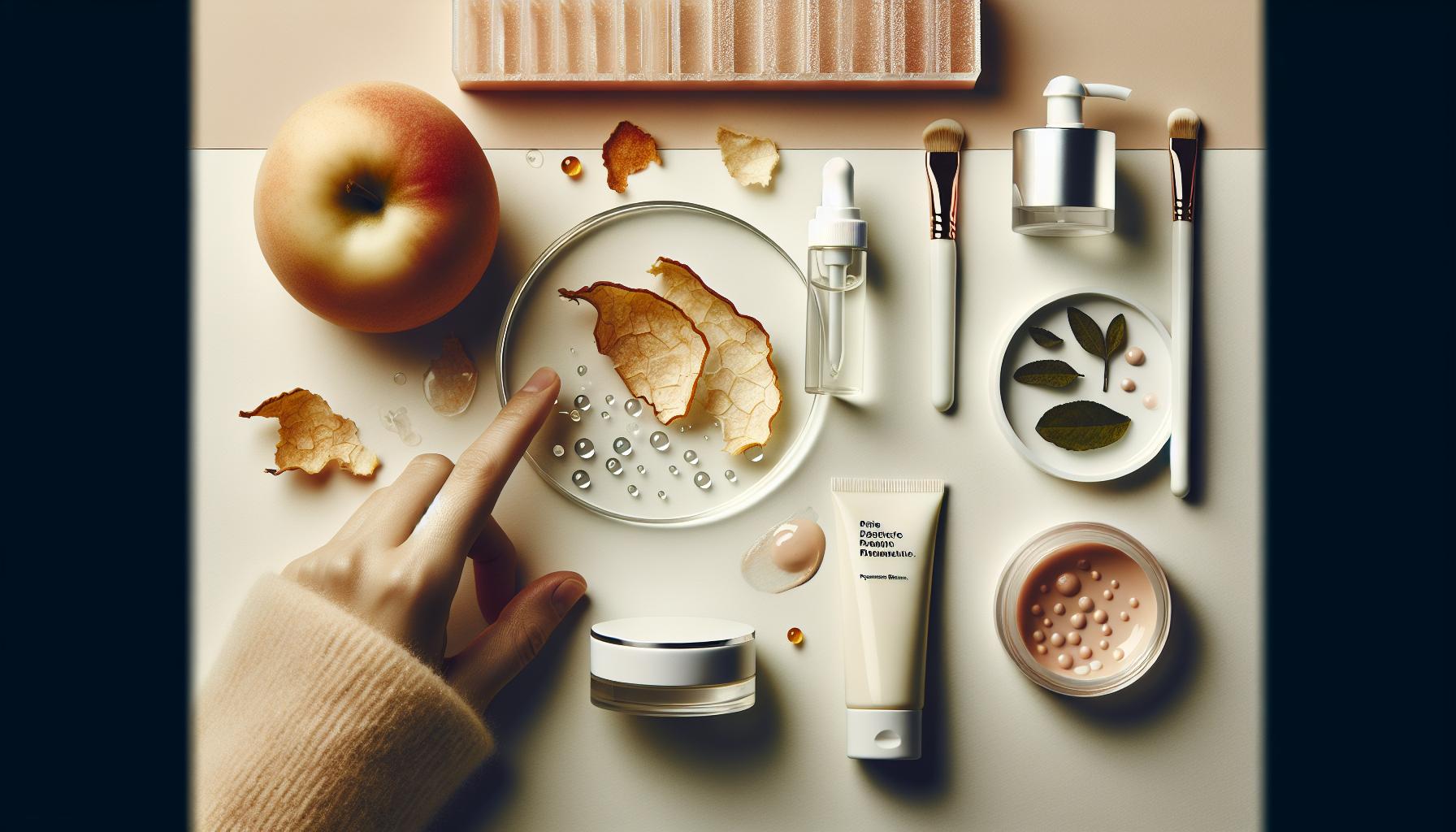
When introducing new skincare products, especially those containing active ingredients like acids or retinoids, it’s not uncommon to experience what feels like a breakout. However, it’s essential to distinguish between this type of reaction and actual acne breakouts, as the two are distinct phenomena. Skin purging occurs when ingredients speed up the skin’s natural renewal process, bringing underlying impurities to the surface more quickly than usual. This quick turnover can manifest as a temporary increase in small bumps, whiteheads, or blackheads, often in areas where you previously had congestion.
In contrast, typical breakouts are usually characterized by larger, more inflamed blemishes like cysts or hormonal acne, often accompanied by redness and sensitivity. These types of acne can arise due to a range of factors-including clogged pores, excess oil production, or even a reaction to harsh ingredients in products, like sulfates or certain fragrances. If pimples appear in areas not typically prone to breakouts, or if you notice that they are larger and more painful, it’s likely that you’re experiencing a traditional breakout rather than skin purging.
Understanding this difference is crucial for effective skincare. For instance, while skin purging can often resolve itself within a few weeks as your skin adjusts, treating real breakouts might require a different approach, possibly involving acne-fighting treatments or adjustments to your routine. It’s important to note that if purging continues beyond a month or worsens, it’s a good idea to reassess your regimen. Always give your skin time to adjust to new products but listen to its signals-if something feels off, it might be worth revisiting your product choices and consulting a dermatologist for tailored advice.
Common Ingredients That Cause Skin Issues
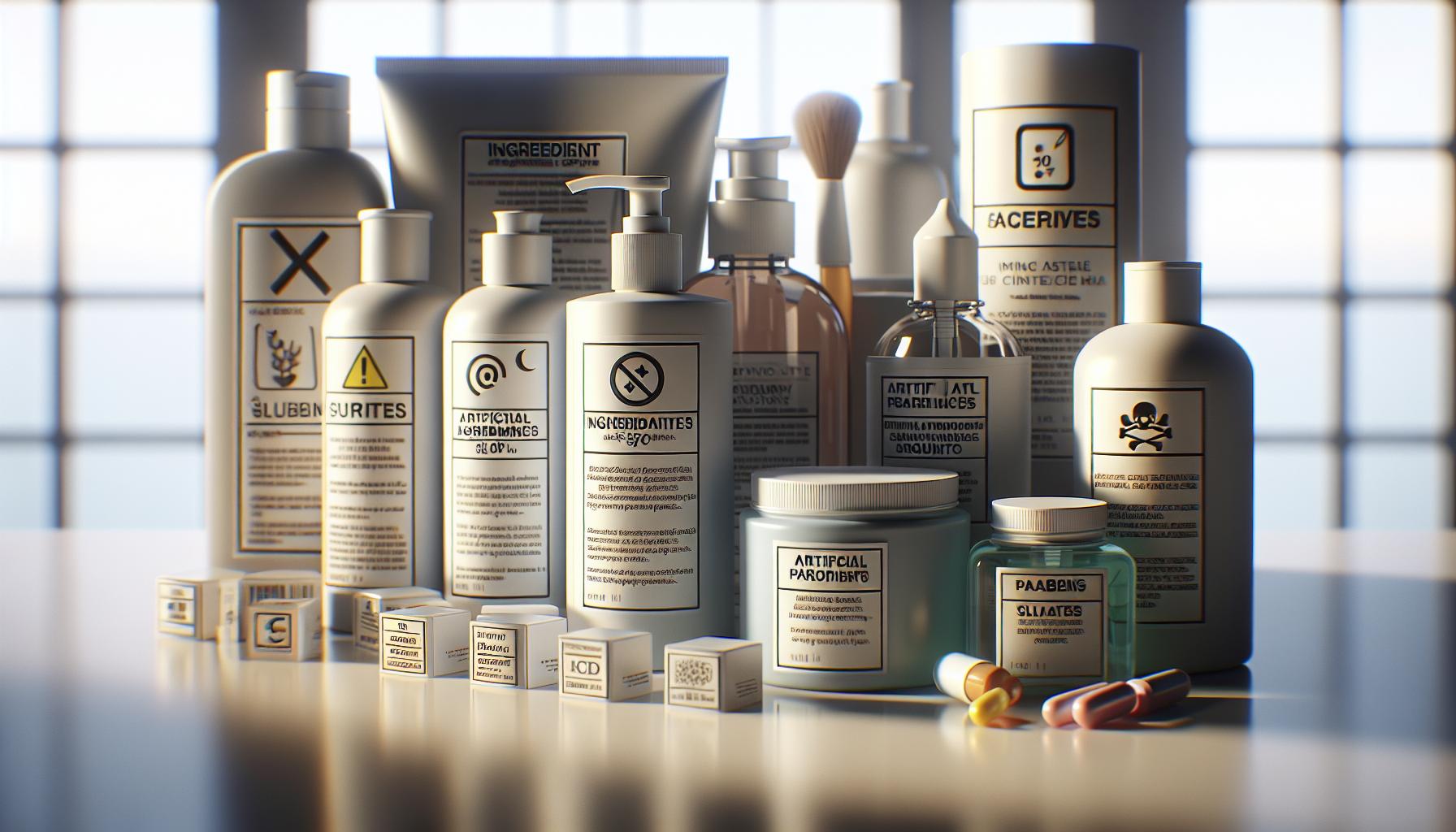
Certain ingredients in skincare products, including cleansers, can lead to breakouts or exacerbate existing skin issues. Understanding these common culprits is essential for anyone looking to maintain a clear complexion. Here are some examples of ingredients that can cause trouble:
- Alcohol: Often used as a solvent or preservative, alcohol can strip the skin of its natural oils. This can lead to irritation and dryness, prompting your skin to produce more oil, which can result in breakouts.
- Sulfates: Found in many cleansers for their foaming capabilities, sulfates can be harsh and irritating. They can disrupt the skin barrier, causing redness and inflammation, and promoting acne in sensitive skin types.
- Fragrance: Synthetic fragrances are common triggers for skin reactions. They can cause irritation or allergies, leading to breakouts, especially for those with sensitive or reactive skin.
- Silicones: While they provide a smooth application, silicones can trap dirt and oil in pores, leading to congestion and breakouts. If you notice your skin feeling heavy or feeling clogged, it might be worth checking if your products contain silicones.
- Heavy Oils: Ingredients like coconut oil can be too thick for some skin types, especially oily or acne-prone skin. These can clog pores and contribute to breakouts.
- Retinoids and Acids: While effective for anti-aging and acne treatment, these ingredients can initially cause purging as they speed up skin cell turnover. Understanding if your breakout is due to a product’s action or sensitivity is key.
When experimenting with new products, it’s wise to patch-test these ingredients on a small area of your skin first. This helps you gauge how your skin reacts before applying the product over a larger area. If you notice increased redness, irritation, or breakouts after using a product with any of these ingredients, it might be time to switch to gentler alternatives or consult with a dermatologist for recommendations tailored to your skin type and concerns.
Signs Your Skin Is Purging, Not Breaking Out
When you begin using a new skincare product, especially those with active ingredients like acids or retinoids, your skin may react in unexpected ways. Understanding the difference between skin purging and breakouts can help you navigate these changes confidently. Skin purging often manifests as small bumps, whiteheads, or a temporary uptick in breakouts in areas that previously had congestion. These reactions occur because the product accelerates skin cell turnover, bringing underlying impurities to the surface.
To identify if you’re experiencing purging rather than traditional breakouts, pay attention to the following signs:
- Timing: If you notice increased breakouts within the first few weeks of starting a new product, particularly retinoids or exfoliants, it’s likely purging.
- Location: Purging often occurs in areas where you typically break out. If the new product is targeting these frequent trouble spots, the purge is a normal part of the process.
- Type of Breakouts: Skin purging generally leads to smaller, less inflamed bumps that resolve faster. In contrast, regular breakouts can be larger, more painful, and may take longer to heal.
- Duration: Purging typically lasts for a short time, around a few weeks, as your skin adjusts. If irritation or breakouts persist beyond that, it might indicate a negative reaction.
Understanding these indicators will empower you to choose products thoughtfully and set realistic expectations for your skincare journey. If you find that your skin’s condition worsens or doesn’t improve after a month, it’s wise to reassess your product choices or seek advice from a dermatologist. Embracing the purging phase can ultimately lead to clearer, healthier skin, making the initial discomfort worth it.
How Long Does Skin Purging Last?

When you introduce a new active ingredient to your skincare routine, you might be surprised to find that your skin reacts with more breakouts than usual. However, understanding the purging phase can provide clarity and comfort during this transition. Skin purging usually lasts anywhere from three to six weeks, but the duration can vary based on individual skin types and the specific ingredients involved.
During this purging period, the process of increased cell turnover often manifests as small whiteheads, tiny bumps, or a brief increase in congestion, particularly in areas where you already experience blemishes. To navigate this phase effectively, it’s essential to be patient and give your skin the time it needs to adjust. If the breakouts persist beyond six weeks or worsen, it might be a sign that the product isn’t suitable for your skin rather than just a temporary purge.
To help manage the purging experience, avoid introducing multiple new products at once and allow each item sufficient time-ideally, four to six weeks-to see how your skin responds. Keep your routine simple and focus on maintaining gentle care while your skin undergoes this adjustment. Remember, skin purging is typically a sign that your new product is working; embrace this period as a stepping stone toward healthier, clearer skin.
Tips for Easing Skin Purging
Introducing new skincare products can feel like stepping into uncharted territory, especially when your skin decides to respond with breakouts. If you’re experiencing skin purging, don’t worry-there are practical steps you can take to help ease the transition and maintain your skin’s health. Here are some thoughtful tips to guide you through this phase.
1. Stick to a Simple Routine
When your skin is purging, the last thing you want is to overwhelm it with numerous products. Aim for a minimalist skincare routine that focuses on a gentle cleanser, a soothing moisturizer, and the active ingredient that’s causing the purge. For example, if you’re using a retinoid, allow it to shine without competing products. This simplicity helps you track how your skin reacts to each item, ensuring you don’t inadvertently worsen the situation.
2. Be Gentle
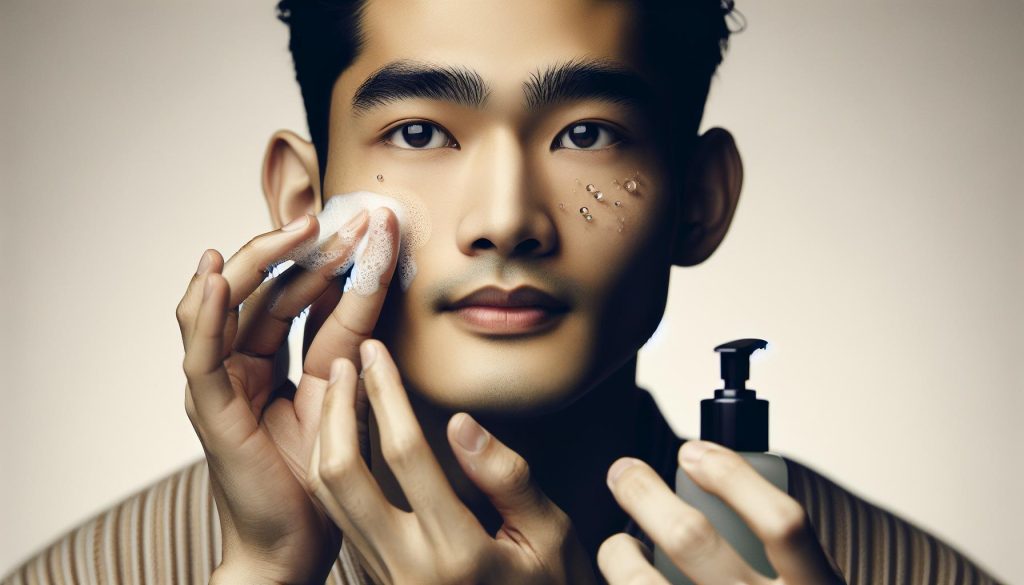
Your skin is already stressed, so treating it with care is crucial. Use lukewarm water rather than hot, as hot water can strip your skin of its natural oils. When cleansing, massage a small amount of product gently onto damp skin in circular motions-a dime-sized amount is often sufficient. Avoid scrubbing as it may irritate your skin further. Instead, focus on delicately cleansing to remove impurities without causing extra friction.
3. Moisturize Wisely
Hydration is key, even when your skin feels oily from increased breakouts. Choose a lightweight, non-comedogenic moisturizer that won’t clog your pores. Products containing hyaluronic acid can be great because they help draw moisture into the skin without adding grease. Applying a moisturizer immediately after cleansing will help seal in hydration and support your skin’s barrier during this sensitive phase.
4. Patch Test New Products
If you’re considering adding new products while in the purging phase, it’s wise to perform a patch test first. Apply a small amount of product on a discrete area, like behind your ear or on your jawline, and wait 24 hours to see how your skin reacts. This helps prevent further irritation or negative reactions to products that may not be compatible with your skin during this time.
5. Keep Your Hands Off
Resist the urge to pick at or pop blemishes. While it might be tempting, touching your face can lead to further irritation or scarring. Instead, focus on keeping your hands clean and let your skin evolve naturally. If you’re feeling anxious about the appearance of breakouts, consider using a soothing spot treatment containing ingredients like salicylic acid or benzoyl peroxide directly on the affected areas.
By nurturing your skin through this purging period with gentle practices and conscious choices, you can foster a healthier, clearer complexion. Remember that skin purging is often a sign of positive change, and maintaining patience will help you achieve your skincare goals.
Choosing the Right Cleanser for Your Skin
Selecting the right cleanser for your skin type can make all the difference, especially when you’re navigating the tricky waters of purging and breakouts. A well-chosen cleanser not only removes impurities like dirt, makeup, and excess oil but also prepares your skin to better absorb treatments meant to combat acne or promote skin cell turnover. However, an incompatible cleanser can irritate your skin, potentially triggering further breakouts instead of alleviating them.
It’s essential to consider your skin type when choosing a cleanser. If you have oily or acne-prone skin, look for foaming or gel-based cleansers that are labeled as non-comedogenic, meaning they won’t clog your pores. Ingredients such as salicylic acid or tea tree oil can be beneficial here as they help reduce acne and prevent breakouts. For those with dry or sensitive skin, opt for cream-based or oil cleansers that hydrate without stripping natural moisture. Gentle ingredients like glycerin or aloe vera help soothe your skin, making them perfect during periods of purging when your skin may be more reactive.
Additionally, pay attention to the ingredient list. Avoid cleansers containing harsh exfoliants or sulfates, which can exacerbate irritation during a purge. Instead, go for formulas with calming components, such as chamomile or green tea, which can provide soothing benefits. Choosing fragrance-free products is also advisable, as added fragrances can irritate sensitive skin.
To find what works best for you, consider starting with a patch test or sampling travel sizes of potential cleansers. This allows you to gauge how your skin reacts without committing to a full-size product. Remember to cleanse twice daily-once in the morning and once before bed-to maintain a balanced skin environment. Consistent cleansing helps prepare your skin for the treatment products that will support your skincare journey, especially during a challenging phase like purging.
When to Consult a Dermatologist
When you’re managing skin issues like breakouts or purging from new products, knowing when to seek professional help can be crucial. While many skin changes are normal and can be addressed with adjustments to your skincare routine, some signs indicate it’s time to consult a dermatologist.
Consider a visit if your skin is experiencing persistent breakouts that last longer than three weeks, or if you notice rapid changes that don’t seem to improve with over-the-counter treatments. Sometimes, what feels like a simple reaction to a cleanser might actually be a sign of a more serious skin condition, such as cystic acne or rosacea. A dermatologist can provide tailored advice and suggest treatments that are clinically proven to address your specific concerns.
Additionally, if you’ve transitioned to new skincare ingredients, such as retinoids or acids, and your skin appears inflamed or excessively red, it’s worth seeking expert guidance. An experienced dermatologist can help differentiate between purging-when your skin brings underlying issues to the surface-and a genuine adverse reaction, and they can recommend safe ways to ease your skin back to health.
Keep in mind that professional advice doesn’t just stop at prescriptions. A dermatologist can also offer personalized skincare routines based on your skin type, including suitable cleansers that won’t aggravate sensitive areas. Their expertise can help demystify your skin’s responses and guide you toward achieving that clear, healthy complexion we all desire. Regular check-ups can be as beneficial as a solid skincare routine, so don’t hesitate to book an appointment whenever you’re in doubt.
The Role of Consistency in Skincare
Navigating the world of skincare can feel overwhelming, especially when facing frequent breakouts or unexpected skin purging. One essential factor that often gets overlooked is the importance of consistency in your skincare routine. Sticking to a regular regimen not only helps stabilize your skin’s condition but also allows you to achieve more reliable results over time. When you frequently switch products or change your routine based on the latest trends, it can confuse your skin, leading to irritation and breakouts.
To foster consistency, try to establish a simple and effective skincare routine that suits your skin type. This means selecting cleansers, moisturizers, and treatments that target your specific needs-be it acne, dryness, or sensitivity-and using them at the same time each day. For example, if you’re introducing an active ingredient like retinol or salicylic acid for the first time, commit to applying it consistently as directed. This approach not only gives your skin a chance to acclimate but also provides insight into how each product affects your complexion.
Building a Sustainable Routine
Here are some practical tips to help you stay consistent:
- Create a schedule: Set reminders on your phone for morning and evening routines. Consistency often starts with simple accountability.
- Streamline your products: Instead of using a multitude of products, focus on a few high-quality essentials to avoid overwhelming your skin.
- Track your progress: Keep a skincare journal noting any changes or reactions. This helps reinforce the value of your routine and assists in adjusting as needed.
The key takeaway is that while the temptation to jump from one product to another is strong-especially when faced with purging or breakouts-it’s crucial to give your skin time to adapt. Changes don’t happen overnight, and patience coupled with consistency can lead to healthier, clearer skin. Remember, it’s about forming habits that support your skin’s health long-term rather than seeking immediate fixes.
Ingredients to Avoid During a Purge
If you’re navigating the often turbulent waters of skincare, especially during a purging phase, it’s crucial to be mindful of the ingredients you’re putting on your face. Certain components can exacerbate sensitivity and lead to breakouts, counteracting the positive effects of your new routine. Understanding what to avoid can give you clarity and help you maintain a clearer complexion.
One primary category to steer clear of includes harsh exfoliants like physical scrubs and products with high concentrations of alpha or beta hydroxy acids. While exfoliation is vital for removing dead skin cells, too much can irritate your skin further when it’s already undergoing a shift. Consider switching to milder exfoliating ingredients, such as lactic acid or enzymes, which provide gentle smoothing without the harshness that can trigger inflammation.
Another group of ingredients to watch out for is fragrances and alcohols. These compounds can be particularly irritating for skin that’s already inflamed from purging. Look for products labeled as “fragrance-free” and avoid those that list denatured alcohol high on their ingredient lists. Instead, opt for hydrating, soothing ingredients like aloe vera or chamomile, which can help calm your skin.
Additionally, you should be cautious with heavy oils and certain types of silicones. Products with comedogenic oils-meaning they are known to clog pores-can lead to more breakouts when your skin is attempting to clear itself. Execute a careful selection of oils; consider non-comedogenic options like argan oil or squalane, which offer nourishment without the fear of further clogging pores.
Embracing a simpler routine with thoughtfully chosen products can allow your skin to adjust smoothly during a purge. Remember, patience and attentiveness to your skin’s needs will provide more sustainable results than a fast-paced, ingredient-heavy approach. Consistency in using gentler products is the key to transitioning comfortably through this phase, paving the way toward healthier skin in the long run.
How to Maintain a Clear Complexion
Maintaining a clear complexion can sometimes feel like a daunting task, especially during skin purging-when your skin reacts to new products and ingredients. However, adopting a consistent skincare routine tailored to your skin’s unique needs and being mindful of what you apply can greatly enhance your skin’s health and appearance.
Start with a gentle cleanser that suits your skin type. Avoid harsh formulas that strip away natural oils; instead, look for a creamy or gel-based cleanser that hydrates while cleaning. This balance will help prevent irritations and maintain moisture levels, essential for a clear complexion.
Once your skin is clean, don’t skip out on hydration. Applying a lightweight, non-comedogenic moisturizer can help to lock in moisture without clogging pores. Ingredients like hyaluronic acid or glycerin are fantastic options that provide hydration without the heaviness of oils that might exacerbate breakouts. Additionally, remember to incorporate sunscreen daily, as UV protection can prevent inflammation and further skin issues while promoting an even skin tone.
Exfoliation is vital, but it needs to be approached with caution, especially during a purging phase. Rather than using physical scrubs, consider exfoliating with gentle chemical exfoliants like lactic acid or salicylic acid, which can help unclog pores and keep your skin looking fresh without the potential for irritation. Aim to exfoliate no more than 1-2 times a week to avoid overdoing it.
Lastly, listen to your skin. If you notice that a product is causing irritation or you’re experiencing excessive breakouts, it may be time to reassess and streamline your routine. Keep track of any new products you introduce and how your skin reacts to them. Sometimes, less is more, and a simplified routine can yield the best results. Embrace the journey to clearer skin with patience and care, and rejoice in the small victories along the way!
Real-Life Experiences: Purging Stories and Solutions
Navigating the world of skincare can feel like walking through a minefield, especially when you encounter the tough realities of skin purging. Many people experience this phenomenon when introducing new products into their routines, leading to confusion about whether they’re facing breakouts from a product or simply purging the skin of impurities. Real-life experiences often shed light on this complex topic, providing insight into how to manage skin purging with reassurance and effective strategies.
One common experience shared by many is that purging usually coincides with the introduction of active ingredients like retinoids or acids. For example, someone might start using a new retinol cream and notice a sudden increase in breakouts within the first few weeks. This can be alarming, but it’s important to remember that this is often just the skin speeding up its natural exfoliation process, pushing clogs and debris out. As a practical tip, keep a journal to track changes: note when you start a new product and document any changes in your skin’s condition. This will help distinguish between purging and breakouts, allowing you to make informed decisions.
In many cases, patience is key. Purging is typically temporary, lasting anywhere from a few weeks to about a month. While experiencing breakouts can feel discouraging, many users report significant improvements after this initial phase. To ease the journey, consider using calming ingredients such as chamomile or aloe vera in your routine to soothe irritated skin. For instance, a soothing gel mask once a week can provide relief while your skin adjusts to the new active ingredients.
Moreover, the role of community cannot be overstated. Engaging with others who share similar skin issues can provide perspective and support. Online forums and social media groups are filled with stories and solutions that can inspire you as you navigate your purging phase. Many people have successfully transitioned through the process by emphasizing gentle care, such as using hydrating mists and non-comedogenic moisturizers to maintain skin barrier health.
Remember, every person’s skin is unique. If you’re unsure about a particular product or its effects, don’t hesitate to consult with a dermatologist who can provide tailored advice based on your specific skin type and concerns. Embrace this journey as part of developing a skincare routine that works for you, and with each step, you’re one step closer to achieving that desired glow.
Frequently asked questions
Q: Can using the wrong cleanser lead to breakouts?
A: Yes, using a cleanser that is not suitable for your skin type can lead to breakouts. For example, products that are too harsh or contain irritating ingredients can strip your skin of natural oils, triggering an overproduction of sebum and resulting in acne. Always choose a cleanser that aligns with your skin’s needs for optimal results.
Q: What does it mean when my skin is purging?
A: Skin purging refers to a temporary increase in breakouts when starting a new skincare product, particularly those with active ingredients like retinoids or acids. This reaction occurs as the skin accelerates its cellular turnover to eliminate impurities and unclog pores, typically subsiding within a few weeks.
Q: How can I tell if my skin is purging or breaking out?
A: If your skin is purging, the breakouts typically appear in areas where you usually experience them and come and go quickly, usually resolving in about a month. In contrast, regular breakouts can appear in new areas and are often more persistent. To confirm, consider the timeline of your new product’s use.
Q: Does skin purging last long?
A: Skin purging usually lasts between 4 to 6 weeks, depending on the product and individual’s skin type. If breakouts persist beyond this timeframe or worsen, it might not be purging but an adverse reaction to the product, warranting a review of your skincare routine or consultation with a dermatologist.
Q: What are common ingredients in cleansers that can cause skin issues?
A: Ingredients like sulfates, alcohol, fragrances, and certain exfoliants can irritate the skin and worsen breakouts. Always read labels and opt for gentle formulations to minimize the risk of skin issues.
Q: Should I change cleansers if my skin is purging?
A: Generally, it’s advisable to wait until the purging period is over before changing cleansers. However, if the irritation becomes severe or does not improve, consider switching to a milder cleanser that better matches your skin type.
Q: What steps can I take to reduce skin purging?
A: To minimize skin purging, introduce new products gradually, undergo a patch test, and maintain a consistent routine. Also, ensure your cleanser is suited for your skin type, and avoid using multiple potent actives simultaneously to reduce irritation.
Q: When should I seek professional help for my skin issues?
A: If breakouts persist for more than six weeks despite following a proper skincare regimen, or if you experience significant discomfort, it’s advisable to consult a dermatologist. They can help identify any underlying issues and suggest appropriate treatments.
Future Outlook
Understanding how your cleanser could be causing breakouts and the process of skin purging is crucial for achieving your skincare goals. Remember, patience is key, as purging usually indicates good changes are underway. If you have lingering questions about your specific skin type or the best products to use, check out our detailed guides on Choosing the Right Cleanser for Your Skin Type and Tips for Managing Breakouts.
Ready to take your skincare routine to the next level? Explore our curated product recommendations and sign up for our newsletter to receive expert tips right in your inbox. Join the conversation in the comments below-share your experiences or ask questions! Your journey to clearer skin starts here; don’t miss out on our resources that can help you along the way.
Get our latest guides, news, and insights highlighted in your Google Search & AI Overviews.