
If you’re grappling with dry skin, you might wonder if salicylic acid cleansers can fit into your skincare routine. While salicylic acid is a beloved ingredient for its ability to unclog pores and combat acne, it can also be drying, potentially making it a less-than-ideal choice for those with parched skin. However, understanding how to use it effectively can unlock its benefits without sacrificing moisture. In this article, we’ll explore expert advice on whether dry skin can safely incorporate salicylic acid cleansers and how to do so for optimal results. Let’s dive into the details that can help you make informed choices for your skincare journey and ensure your skin stays radiant and healthy!
Can Dry Skin Use Salicylic Acid Cleanser?
Using a salicylic acid cleanser can seem daunting if you have dry skin. It’s essential to understand how this powerful ingredient works and whether it complements your skincare needs. Salicylic acid is a beta hydroxy acid (BHA) prized for its ability to penetrate pores and exfoliate the skin, making it a popular choice in treating acne and other skin concerns. However, its exfoliating properties can also lead to moisture loss, which may not be ideal for those struggling with dryness.
For individuals with dry skin, incorporating a salicylic acid cleanser requires some caution. If your skin is already compromised or flaky, using a product that strips away excess oil and dead skin can exacerbate dryness, leading to discomfort and irritation. If you choose to try a salicylic acid cleanser, look for formulations that combine hydrating ingredients like glycerin or hyaluronic acid. These will help maintain moisture while allowing salicylic acid to perform its exfoliating magic.
It’s also worth noting the concentration of salicylic acid in the cleanser. Lower concentrations (around 0.5% to 2%) are typically better tolerated for dry skin. Begin by using the cleanser every few days instead of daily to gauge your skin’s reaction. If you experience tightness or irritation, it’s best to reduce usage or switch to a gentler cleanser altogether. Always follow up with a rich moisturizer after cleansing to replenish hydration and create a barrier against dryness.
Ultimately, while dry skin can use salicylic acid cleansers, being mindful of the product’s formulation and your skin’s response is crucial. If you remain uncertain, consulting with a dermatologist can provide personalized recommendations and save you from potential skincare setbacks.
Understanding Salicylic Acid and Its Benefits
Salicylic acid is a well-known ingredient in the skincare world, especially praised for its effectiveness in treating acne and oily skin conditions. As a beta hydroxy acid (BHA), it penetrates deeply into the pores to exfoliate dead skin cells, helping to prevent clogged pores that lead to breakouts. This dual action of being both an exfoliant and a pore cleanser makes salicylic acid a favorite for those battling acne, as it reduces the formation of blemishes and can even minimize the appearance of large pores.
One of the standout benefits of salicylic acid is its anti-inflammatory properties. This can be particularly advantageous for individuals who not only suffer from acne but also face redness and irritation associated with breakouts. By calming inflammation, salicylic acid can help improve the overall appearance of the skin. Moreover, it is widely recognized for its ability to treat other skin conditions, such as psoriasis, dandruff, and warts, making it a versatile addition to many skincare regimens.
However, it’s important to note that while salicylic acid offers numerous benefits, it can also be quite potent. For someone with dry skin, the exfoliating action can lead to further dryness and potential irritation if not used correctly. This is why understanding how to incorporate it properly into your routine is crucial. Always start with lower concentrations and ensure to follow up with a good moisturizer. Ultimately, the right approach allows you to harness the powerful benefits of salicylic acid while managing your skin’s unique needs.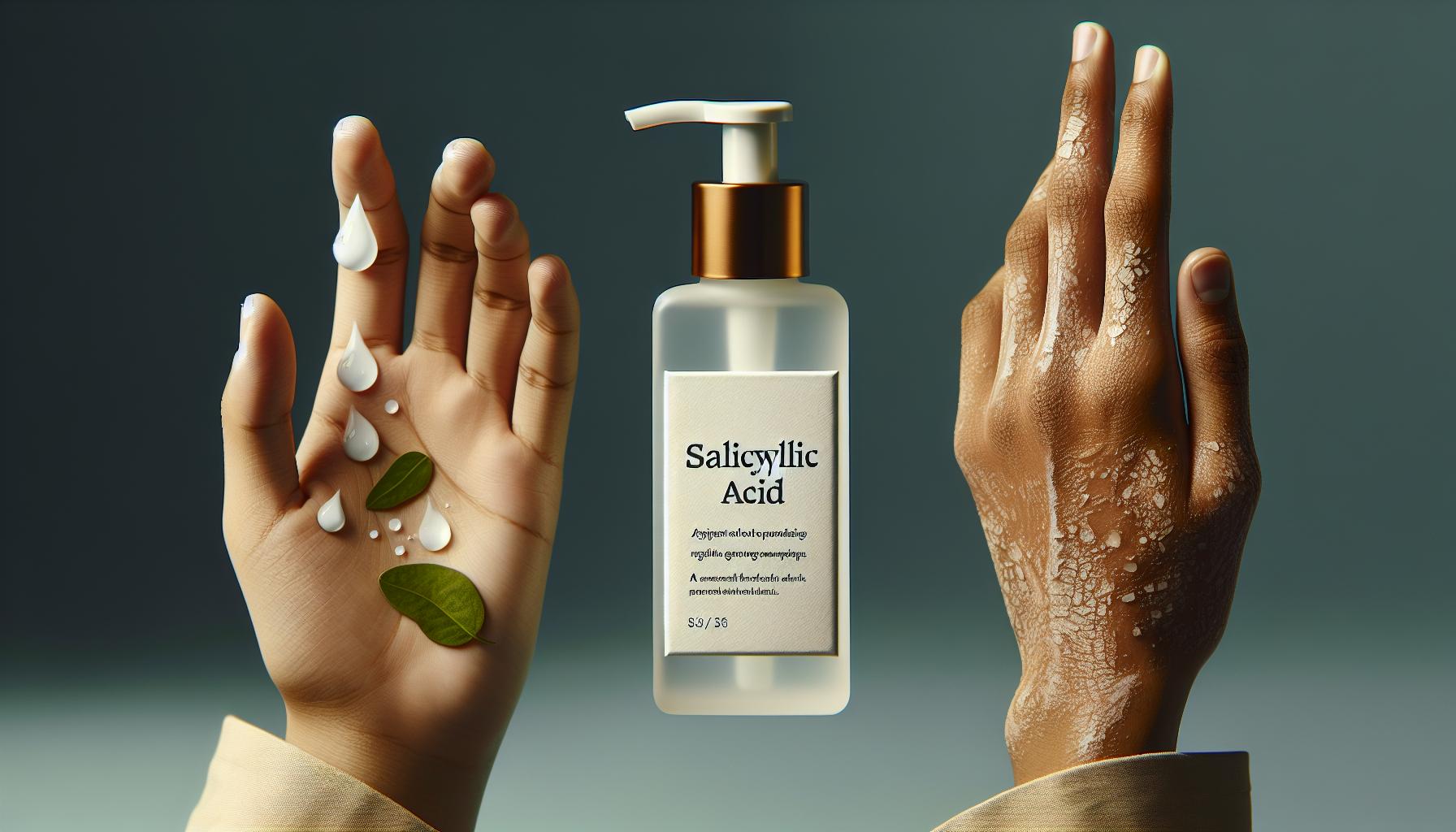
How Salicylic Acid Affects Dry Skin
Using salicylic acid in your skincare routine can be a double-edged sword, especially if you have dry skin. This powerful beta hydroxy acid (BHA) is renowned for its ability to exfoliate and combat acne due to its unique capacity to penetrate the pores and clear away dead skin cells. However, it also has the potential to exacerbate dryness and irritation, leading to a tight, uncomfortable feeling if not used mindfully.
When salicylic acid interacts with dry skin, its exfoliating properties can strip away not only dead skin but also essential moisture, leading to increased flakiness and irritation. For those dealing with dryness, the key is balance. Starting with lower concentrations-around 0.5% to 1%-is advisable, giving your skin time to acclimate. Always follow up with a hydrating moisturizer that contains ceramides or hyaluronic acid to help reinforce the skin barrier and lock in moisture.
For individuals experiencing persistent dryness, incorporating salicylic acid into your routine just a few times a week can offer benefits without overwhelming your skin. It’s about finding that sweet spot where you can enjoy the anti-inflammatory benefits of salicylic acid, which can calm redness and irritation, without pushing your skin’s tolerance too far. Understanding your own skin’s needs and reactions will guide you in effectively using salicylic acid while maintaining hydration.
If you notice that your skin becomes increasingly irritated or dry after using a salicylic acid cleanser, it might be time to reconsider your approach. Look for formulas that offer additional moisturizing ingredients or explore alternatives more suited to dry skin types. By tuning into what your skin is telling you, you can harness the benefits of salicylic acid while ensuring your complexion remains healthy and hydrated.
Signs Your Skin is Too Dry for Salicylic Acid
Using salicylic acid can seem like a great solution for various skin concerns, but it’s essential to listen to your skin, especially if dryness is an issue. Understanding the signs that your skin might be too dry for salicylic acid can help you avoid irritation and maintain a healthy complexion.
If you notice persistent flakiness or peeling, it’s a strong indicator that your skin is lacking moisture. While salicylic acid is meant to gently exfoliate, overdoing it can lead to excessive dryness, causing your skin to shed more than necessary. Another important sign to watch for is an increase in redness or sensitivity. If your skin reacts with irritation after using a salicylic acid cleanser, it’s time to reassess your regimen. A healthy skin barrier shouldn’t feel raw or sore, and irritation can indicate that the acid is stripping away too much moisture.
Pay attention to how your skin feels after cleansing. A tight, uncomfortable sensation can signal that the cleanser is too harsh for your skin type. Ideal products should clean without leaving your skin feeling parched. Lastly, if you find yourself experiencing breakouts despite using salicylic acid, reconsider the formulation or frequency of use. Sometimes, overly aggressive exfoliation can backfire, leading to more issues than it resolves.
If any of these signs resonate with you, consider scaling back on your use of salicylic acid or opting for formulations that include added moisture. Striking the right balance is key to enjoying the benefits of this powerful ingredient without compromising on hydration.
Choosing the Right Salicylic Acid Cleanser
Finding the right salicylic acid cleanser when you have dry skin can feel like navigating a maze, but it doesn’t have to be overwhelming. Knowing what to look for can simplify the process and help you achieve the balance between treating your skin concerns and maintaining hydration. Selecting a cleanser that fits your skin type is crucial, especially when salicylic acid-known for its effectiveness in addressing acne and unclogging pores-can sometimes lead to additional dryness if not used properly.
When choosing a salicylic acid cleanser, first, pay attention to the concentration of salicylic acid in the product. For those with dry skin, it’s wise to stick with a lower concentration, typically around 0.5% to 1%. This ensures you benefit from the ingredient’s exfoliating properties without over-drying your skin. Look for labels that mention “hydrating” or “moisturizing” components, such as glycerin, aloe vera, or hyaluronic acid. These ingredients help to replenish moisture while the salicylic acid works to clear your pores.
Additionally, consider the texture of the cleanser. Gel-based formulas might be more effective for oily skin types, whereas cream or lotion-based cleansers provide a gentler touch for dry skin. A cream cleanser will typically have a more emollient feel, ensuring your skin doesn’t feel stripped after cleansing. Always check for fragrance or harsh sulfates in the ingredient list, as these can irritate sensitive skin and contribute to dryness.
Once you’ve chosen a suitable cleanser, remember to use it correctly-with patience and care. Apply a small amount, about the size of a dime, to damp skin and use gentle circular motions for around 30 seconds. Rinse thoroughly with lukewarm water to avoid further irritating your skin. By taking these steps, you can harness the benefits of salicylic acid while keeping your skin hydrated and healthy.
Tips for Using Salicylic Acid on Dry Skin
Using salicylic acid can be a game-changer for those with dry skin struggling with breakouts, but it’s important to approach it with the right strategies to avoid exacerbating dryness. This powerful ingredient is known for its ability to penetrate pores and eliminate acne-causing bacteria, but if not used carefully, it can strip moisture from your skin. Here are some practical tips to help you incorporate salicylic acid into your routine effectively.
First and foremost, start by using your salicylic acid cleanser only two to three times a week. This allows your skin to adjust to the active ingredient without becoming overly dry. Consider alternating days with a gentle, hydrating cleanser that won’t disturb your skin’s moisture barrier. When applying the cleanser, use a small amount-approximately the size of a dime-and gently massage it into damp skin for about thirty seconds. Avoid scrubbing, as this can irritate dry skin further. Rinse with lukewarm water, as hot water can strip natural oils and lead to increased dryness.
In addition to careful cleansing practices, look for products that contain added moisturizers like glycerin or hyaluronic acid. These ingredients help attract and retain moisture in the skin, counteracting the potential drying effects of salicylic acid. Always follow your cleansing routine with a rich moisturizer that suits dry skin. Look for creams that feature occlusive ingredients, such as shea butter or dimethicone, which provide an additional protective layer.
Lastly, listen to your skin. If you notice signs of irritation-like persistent redness, flakiness, or tightness-reduce the frequency of use or switch to a lower concentration of salicylic acid. It’s crucial to find the right balance that treats your acne while keeping your skin hydrated and comfortable. Using a spot treatment with salicylic acid can also be an effective way to target specific breakouts without compromising hydration on the rest of your face. By following these tips, you can effectively incorporate salicylic acid into your skincare routine while maintaining the moisture your skin craves.
Alternatives to Salicylic Acid for Gentle Cleansing
Finding a suitable cleanser that effectively addresses acne without overwhelming dry skin can feel like searching for a needle in a haystack. While salicylic acid is a popular choice for combating blemishes, its potency can inadvertently exacerbate dryness if your skin is susceptible. Thankfully, there are gentle cleansing alternatives that can help maintain your skin’s moisture barrier while still providing cleansing action to fight acne.
Options for Gentle Cleansing
- Glycerin-Based Cleansers: Products that contain glycerin are excellent for dry skin. Glycerin acts as a humectant, attracting moisture to the skin. Look for a glycerin-based cleanser that is pH-balanced, ensuring that it cleanses effectively without stripping away natural oils.
- Cream or Lotion Cleansers: Cream or lotion cleansers often provide a more nourishing option compared to gel-based formulas. They typically feature moisturizing ingredients like oils or fatty acids that help soothe the skin as they cleanse. For example, a cleanser with almond oil or jojoba oil can hydrate while removing impurities.
- Toner with Hydrating Ingredients: A hydrating toner can serve as a gentle option for cleansing. Toners that contain soothing ingredients like rose water or aloe vera can refresh the skin without causing irritation. Try applying the toner to a cotton pad and gently wiping it across your face to remove dirt and oil.
- Micellar Water: Micellar water is another gentle alternative that acts like a magnet, attracting dirt and makeup particles without the harsh rub. It’s suitable for all skin types, including dry skin, and can be used without rinsing for added convenience.
Why Choose Gentle Alternatives?
Using gentler cleansers can be particularly beneficial for those with dry or sensitive skin, as they help to avoid the stripping effects of stronger ingredients like salicylic acid. Prioritizing hydration while managing acne can be a delicate balance. By incorporating a gentle option, you’re allowing your skin to recover and retain moisture while still targeting breakouts effectively.
Choosing the right cleanser is key in your skincare routine. Always ensure your chosen option fits your skin’s unique needs and complements the treatments you may be using. Embracing these alternatives can not only soothe your skin but also bring you closer to the balance between effective acne management and maintaining hydration.
Common Myths About Salicylic Acid and Dry Skin
Misunderstandings about salicylic acid and its effects on dry skin can leave many wondering whether it’s even safe to use. One common myth is that salicylic acid is unsuitable for any skin type except oily or acne-prone skin. While it is true that salicylic acid is particularly beneficial for addressing acne due to its ability to penetrate and unclog pores, it can also be used effectively by those with dry skin-provided it is done with the right precautions in place.
Another misconception is that salicylic acid inherently dries out the skin. Although it has exfoliating properties that can help shed dead skin cells and reduce acne, this does not mean that everyone will experience dryness. Many formulations include hydrating ingredients to counteract potential drying effects. Therefore, those with dry skin can enjoy the benefits of salicylic acid by choosing products specifically designed to retain moisture, such as those containing glycerin or hyaluronic acid.
It’s also important to clarify that using salicylic acid does not mean one should abandon all hydrating practices. A common belief is that once you start using salicylic acid, you no longer need moisturizer. In reality, integrating a good moisturizer into your routine is essential for maintaining the skin’s barrier and preventing dryness. Look for lightweight, non-comedogenic moisturizers that won’t clog pores but will keep your skin hydrated.
Lastly, many people think that more is better when it comes to salicylic acid. This myth can lead to overuse, which can exacerbate dryness and irritation. Such products should be introduced gradually, starting with lower concentrations, to allow your skin to adjust and to see how it reacts. Always pay attention to your skin’s response to avoid pushing it to its limits.
Being informed and understanding these myths can help you navigate the world of skincare more effectively. Embrace salicylic acid with the right strategy-balancing it with hydration and adjusting your usage based on your skin’s needs. This way, you can reap the benefits without compromising the health of your skin.
Expert Recommendations for Skincare Routines
Using salicylic acid, especially for those with dry skin, can be a transformative step in your skincare routine when done correctly. To maximize its benefits while minimizing potential dryness, experts recommend a thoughtful approach centered around hydration and maintenance of the skin barrier.
Start by incorporating a salicylic acid cleanser into your routine with caution. Opt for a gentle formulation that includes hydrating ingredients like glycerin or hyaluronic acid. This ensures you’re not only exfoliating but also moisturizing, keeping your skin balanced. Aim to use the cleanser two to three times a week, initially, to allow your skin to adjust to the exfoliation. As your skin becomes accustomed, you can gradually increase the frequency based on how your skin responds.
After cleansing, immediately apply a hydrating toner or essence. Look for products rich in soothing ingredients like aloe vera or chamomile, which can help calm any potential irritation from the salicylic acid. Following this, use a lightweight, non-comedogenic moisturizer to lock in hydration. This step is crucial for maintaining your skin’s barrier, especially after exfoliating.
Here are some additional tips to consider:
- Patch Test: Before fully incorporating any new product, perform a patch test on a small area of your skin to check for adverse reactions.
- Stay Hydrated: Drink plenty of water throughout the day, as overall hydration can improve skin health from the inside out.
- Adjust Based on Weather: In colder months, you might need to increase the richness of your moisturizer to counteract environmental dryness.
In summary, when integrating salicylic acid into your routine, prioritize hydration and monitor your skin’s response. Adjust your regimen based on how your skin feels and reacts. Engaging in this careful balancing act can help you harness the power of salicylic acid without compromising the health and hydration of your skin.
Signs of Overuse and When to Stop
Getting the balance right with salicylic acid can be a game changer for your skin, but overdoing it can lead to unwanted consequences, especially if you’re managing dry skin. Here’s how to recognize when you might be using it too much and when to hit pause.
One of the first signs of overuse is noticeable irritation. If you start experiencing persistent redness, itching, or a burning sensation after using your salicylic acid cleanser, it’s time to reassess your regimen. Your skin may be sending you a clear signal that it is struggling under the constant exfoliation. Rather than pushing through the discomfort, cut back on usage-perhaps to once a week rather than a few times-until you find a balance that feels comfortable.
Another indicator is excessive dryness or peeling. While some dryness can be expected, your skin shouldn’t feel like it’s cracking or the outer layer shouldn’t be flaking off in large amounts. If you observe this level of dryness, consider introducing a more hydrating step into your routine, such as a richer moisturizer, or reduce the frequency of the salicylic acid product.
Lastly, watch for breakouts in new areas or an increase in acne severity. While salicylic acid is designed to help clear breakouts, if you’re experiencing a sudden shift, it could be that your skin barrier is compromised from over-exfoliation and is reacting negatively. In this situation, stop using the salicylic acid altogether and nourish your skin with reparative products focused on hydration and barrier repair.
Recognizing these signs and listening to your skin’s needs is essential. Adjust your approach, giving your skin a break when necessary, to achieve the best results from your salicylic acid routine without sacrificing skin health. Remember, skincare is about balance, and taking the time to find what works for you can lead to long-lasting improvements.
Managing Dry Skin While Treating Acne
can feel like walking a tightrope. You want to clear up breakouts, yet harsh treatments can exacerbate dryness. It’s essential to approach this balance thoughtfully to ensure that your skin stays healthy while effectively combating acne.
Start by choosing a gentle salicylic acid cleanser. Look for products with lower concentrations, like 0.5% to 1%, to minimize irritation. A cleanser should be used to remove dirt and excess oil without stripping away essential moisture. When applying the cleanser, use warm (not hot) water to prevent further dryness. A dime-sized amount is usually sufficient-apply it to damp skin in gentle, circular motions for about 30 seconds before rinsing off.
Once you’ve cleansed, layering on a hydrating serum or moisturizer is crucial. Seek out ingredients like hyaluronic acid, glycerin, or ceramides, which draw moisture to the skin and help restore the barrier. Don’t forget to apply this while your skin is still slightly damp to lock in moisture. Aim to use a rich, non-comedogenic moisturizer twice daily to combat dehydration without clogging pores.
Additionally, consider integrating a weekly hydrating mask into your routine. This could include soothing ingredients such as aloe vera or calming botanical extracts. Applying a hydrating mask once to twice a week not only gives your skin a moisture boost but also allows for deep nourishment, helping it recover from any dryness associated with salicylic acid use.
Ultimately, it’s all about trial and error. Every person’s skin responds differently, so it’s important to monitor how your skin reacts and adjust your routine accordingly. By treating acne with care and compassion, you can achieve clearer skin without neglecting its hydration needs.
Consulting a Dermatologist: When to Seek Help
When dealing with dry skin, it’s easy to feel overwhelmed when trying to find a suitable acne treatment that doesn’t exacerbate your condition. Many people wonder if the benefits of salicylic acid outweigh the potential drawbacks, particularly when their skin feels tight and flaky. It’s essential to tune into your body’s signals and recognize when it’s time to consult a dermatologist, who can provide personalized guidance based on your specific skin type and concerns.
If you notice persistent irritation, redness, or excessive dryness after using salicylic acid products, seeking professional advice is a prudent step. A dermatologist can help determine if your current skincare routine is suitable or if adjustments are needed, such as incorporating a moisturizer designed to complement the exfoliating effects of salicylic acid. They can also evaluate whether you have any underlying skin conditions that may be contributing to your dry skin, like eczema or dermatitis.
When visiting a dermatologist, come prepared with detailed information about your skincare routine, including the types of products you use, their concentrations, and any noticeable effects on your skin. This information can help the dermatologist make informed recommendations tailored to your needs. They may suggest alternative active ingredients that target acne without causing dryness, such as azelaic acid or a gentle retinol.
Ultimately, consulting a dermatologist can empower you to make informed choices that promote both clear skin and healthy hydration. Remember, there’s no one-size-fits-all solution in skincare; expert advice can provide the reassurance and knowledge you need to effectively manage your skin. Prioritizing your skin’s health today will set you on a path to not just clearer skin, but also a more confident tomorrow.
Q&A
Q: Can salicylic acid worsen dry skin?
A: Yes, salicylic acid can exacerbate dry skin due to its exfoliating properties that strip away oils. If you have dry skin, it’s essential to choose a low concentration and pair it with a hydrating moisturizer. Consider checking the section on “How Salicylic Acid Affects Dry Skin” for more insight.
Q: How often should I use salicylic acid if I have dry skin?
A: For dry skin, using salicylic acid cleansers 1-2 times a week is recommended. This helps prevent excessive dryness while still targeting breakouts. Always follow up with a nourishing moisturizer to maintain hydration. Refer to “Tips for Using Salicylic Acid on Dry Skin” for best practices.
Q: What are signs I should stop using salicylic acid?
A: You should stop using salicylic acid if you experience increased redness, flakiness, or irritation. These are signs that your skin may be too sensitive or dry for the product. Check out the part about “Signs of Overuse and When to Stop” for detailed guidance.
Q: Can I use a salicylic acid cleanser with other treatments for acne?
A: Yes, but caution is necessary when combining treatments. Avoid using multiple active ingredients that may irritate your skin. Always start slow and monitor how your skin reacts. For further details, see the “Managing Dry Skin While Treating Acne” section.
Q: What is the best way to apply salicylic acid cleanser on dry skin?
A: Apply a dime-sized amount of the cleanser to damp skin, gently massaging it in circular motions for about 30 seconds. Rinse thoroughly and follow with a hydrating moisturizer. This method minimizes irritation while allowing the product to work effectively.
Q: Are there alternatives to salicylic acid for cleansing dry skin?
A: Yes, alternatives like gentle cream cleansers or micellar water may be better for dry skin. These formulations cleanse without stripping moisture. You can explore “Alternatives to Salicylic Acid for Gentle Cleansing” for more options suitable for dry skin.
Q: How can I protect my skin while using salicylic acid?
A: To protect your skin, always use a sunscreen during the day and a hydrating moisturizer after cleansing. This helps maintain the skin barrier and prevents further dryness. Check the section on “Expert Recommendations for Skincare Routines” for a complete regimen.
Q: Is it okay to use salicylic acid during winter months on dry skin?
A: While it is possible, special care is needed in winter as heating and low humidity can make skin drier. Use a richer moisturizer and monitor your skin closely. For more seasonal tips, refer to the “How Salicylic Acid Affects Dry Skin” section.
Final Thoughts
In conclusion, while salicylic acid cleansers can effectively treat blemishes, they may pose challenges for dry skin types. If you’re concerned about irritation or increased dryness, consider looking for hydrating alternatives or formulations specifically designed for sensitive skin. Now is the perfect time to explore our guide on the best cleansers for dry skin or learn how to build a balanced skincare routine that nourishes without clogging pores.
Don’t hesitate to share your thoughts or experiences in the comments below-your insights could help someone else on their journey to better skin! For further tips and tricks, check out our articles on exfoliation techniques and maintaining skin hydration. Remember, your skincare journey is unique, and we’re here to support you every step of the way.