If you’re battling breakouts or have oily skin, you might be wondering if it’s safe to use a salicylic acid cleanser every day. This powerful ingredient is known for its effectiveness in unclogging pores and reducing acne. However, the question remains: can daily use be beneficial without causing irritation? Understanding how to incorporate salicylic acid into your routine is vital for achieving a clearer complexion while maintaining skin health.
Many people aspire to simplify their skincare routines, but with so much conflicting advice out there, it’s easy to feel confused. By exploring the expert insights on daily use of salicylic acid cleansers, you’ll gain the knowledge you need to make informed choices for your skin. This guide will help clarify whether daily application is right for you, ensuring you achieve your skincare goals effectively and safely. Stay with us as we delve into the best practices and expert opinions surrounding this popular acne-fighting ingredient.
Understanding Salicylic Acid and Its Benefits
Salicylic acid is a powerhouse ingredient in the skincare world, particularly known for its ability to tackle stubborn acne and promote clearer skin. As a beta hydroxy acid (BHA), salicylic acid works effectively by penetrating deep into the pores to exfoliate from within. This makes it particularly beneficial for oily and acne-prone skin types, where excess sebum and dead skin cells can lead to breakouts. In addition to treating acne, this versatile ingredient can address other skin issues, including psoriasis, calluses, and warts, by softening and sloughing off layers of dead skin, making it a valuable addition to any skincare routine.
For those considering incorporating a salicylic acid cleanser into their daily regimen, it’s reassuring to know its multifaceted benefits. Regular use can help minimize the appearance of pores, reduce blackheads, and even out skin tone over time. It’s particularly effective in preventing new breakouts by keeping the pores clear and free from buildup. However, the key is moderation; using it daily can be beneficial for many, but it’s essential to observe how your skin responds. Individuals with sensitive skin may experience irritation, so it’s crucial to start slow and listen to your skin.
If you’re eager to reap the benefits of salicylic acid without overwhelming your skin, consider how you can introduce it gradually. Start with a lower concentration and use it every other day, gauging your skin’s tolerance before moving to daily use. This approach allows your skin to adjust while still enjoying salicylic acid’s powerful clarifying effects. The important thing is to maintain a routine that feels gentle yet effective, leading to radiant skin without the stress of over-exfoliation.
In summary, understanding salicylic acid’s role and benefits can empower you to make informed choices about your skincare routine, ensuring you achieve the clear skin you desire while keeping your skin’s health and comfort at the forefront of your regimen.
Is Daily Use of Salicylic Acid Safe?
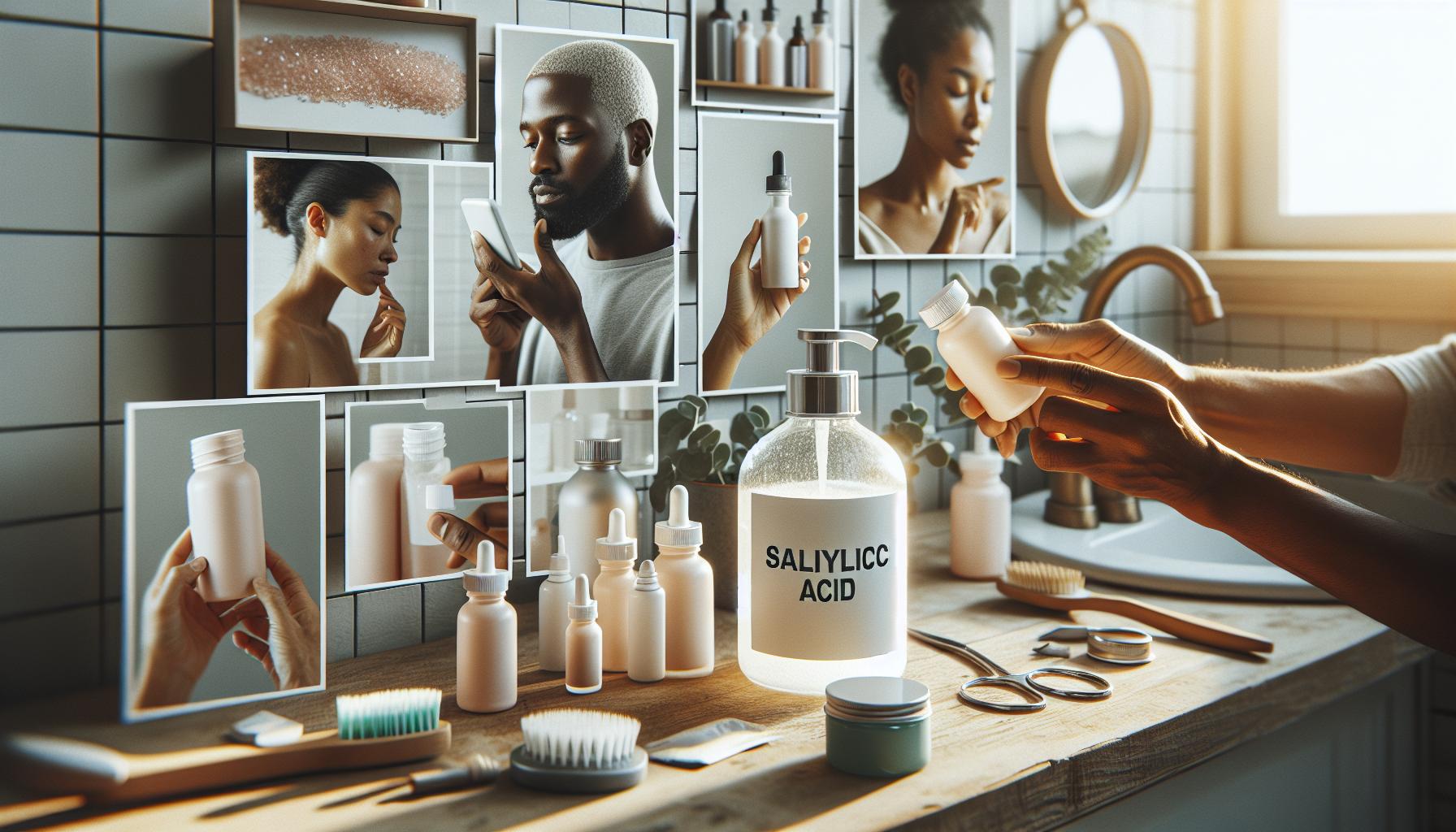
Using salicylic acid daily can be a game changer, particularly for those struggling with acne and oily skin. This powerful beta hydroxy acid penetrates the skin to exfoliate and clear out pores, making it an effective treatment for preventing breakouts. However, while many people can safely incorporate salicylic acid into their daily routine, it’s essential to approach it thoughtfully.
For those with typical skin, daily use is often beneficial and can provide clear results in maintaining a smoother complexion. Aim to apply a dime-sized amount of a salicylic acid cleanser to damp skin, gently massaging it for about 30 seconds before rinsing thoroughly. This routine not only helps to unclog pores but also minimizes the appearance of blackheads and reduces excess oil production. Yet, if you have sensitive or easily irritated skin, it’s wise to start by using the product every other day to gauge how your skin responds. Pay attention to any signs of irritation, such as redness or dryness.
Monitoring how your skin feels is crucial. If you notice increased sensitivity or discomfort, consider reducing the frequency or switching to a gentler formulation. You might opt for a lower concentration of salicylic acid; products typically range from 0.5% to 2%. Starting at the lower end allows your skin to adapt while still taking advantage of the ingredient’s benefits.
In summary, many people can enjoy the benefits of daily salicylic acid use, but it’s best approached with caution and an understanding of your individual skin type. Listen to your skin, experiment with different concentrations, and adjust your routine as needed to find the perfect balance that maintains your skin’s health and clarity.
Skin Types That Benefit from Daily Cleansing

Using a salicylic acid cleanser can greatly benefit specific skin types, especially those prone to breakouts and excess oil. If your skin tends to be oily or you find yourself consistently battling acne, salicylic acid is your ally. This antioxidant-rich ingredient penetrates deep into the pores, dissolving trapped sebum and dead skin cells that can lead to blemishes. For instance, individuals with oily skin may find that using a cleanser with salicylic acid not only helps reduce their acne but also keeps their skin looking fresh and clean.
Who Else Can Benefit?
While oily and acne-prone skin types are the primary candidates for salicylic acid cleansers, individuals with a combination skin type can also experience significant advantages. If you have an oily T-zone with dry patches elsewhere, using salicylic acid products can help manage excess oil without over-drying other areas. However, it’s essential to balance this with a gentle moisturizer for those drier spots.
Sensitive Skin Considerations
For those with sensitive skin, proceed with caution. Daily use of salicylic acid may exacerbate irritation. Instead, consider starting with every other day and closely monitor how your skin reacts. Look for formulations that include soothing ingredients like aloe vera or chamomile to help mitigate any potential irritation. This approach allows your skin to adapt to the exfoliating properties of salicylic acid while maintaining comfort.
Key Takeaways
In summary, if your skin is oily, acne-prone, or a combination of both, a salicylic acid cleanser can be a beneficial component of your daily skincare routine. Just remember to listen to your skin’s needs and adjust usage accordingly, particularly if you have sensitive areas. By doing so, you can effectively harness the power of salicylic acid for clearer, healthier skin.
How to Incorporate Salicylic Acid Into Your Routine
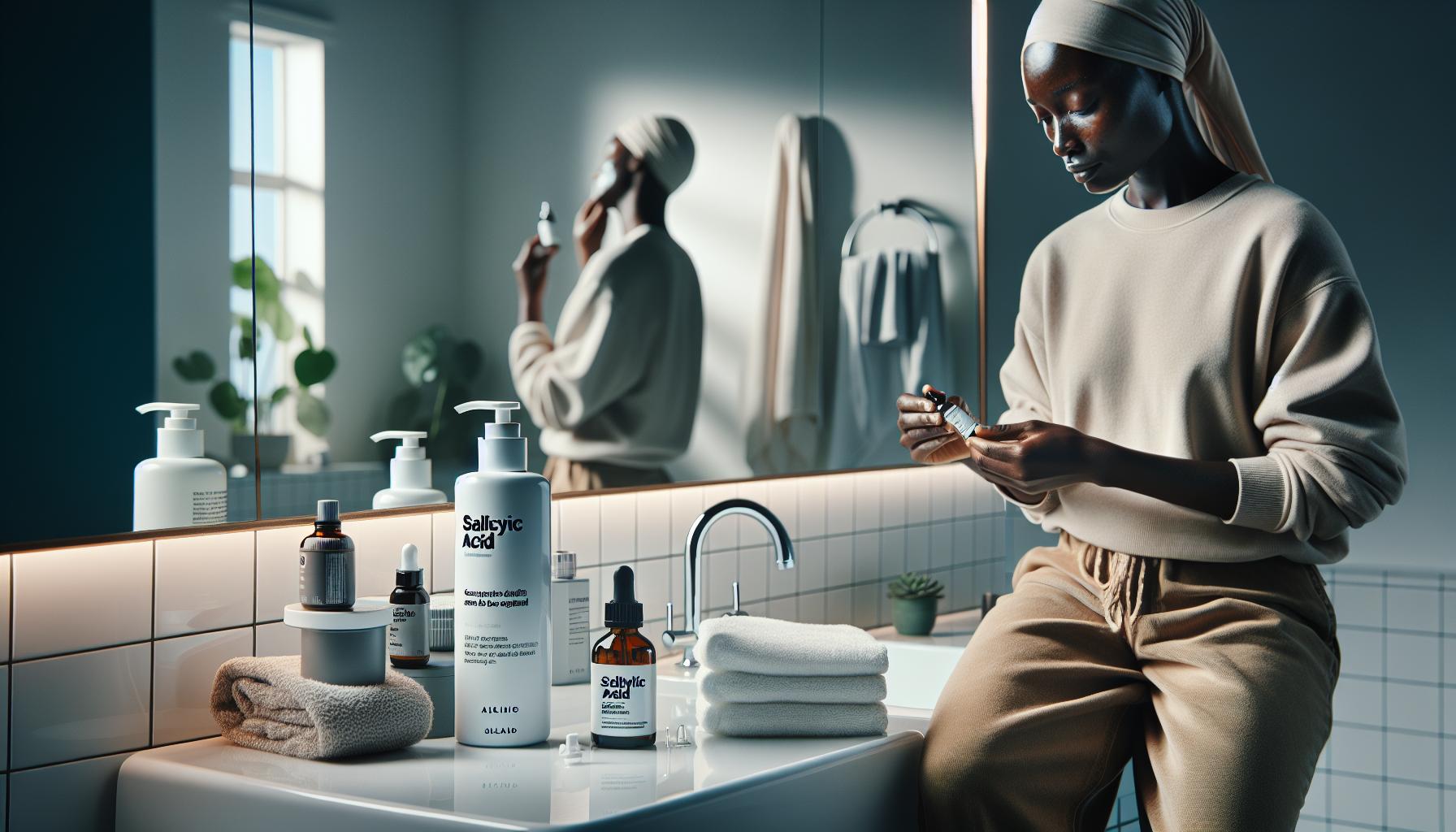
To seamlessly integrate salicylic acid into your skincare routine, start by selecting the right product format that suits your lifestyle. If you’re using a cleanser, consider using it once a day to gauge how your skin responds. To begin, reach for a cleanser containing 0.5% to 2% salicylic acid. Apply a dime-sized amount to damp skin, gently massaging it in circular motions for about 30 seconds. This method ensures proper cleansing without over-agitating your skin.
Transitioning to use salicylic acid throughout your routine can include pairing it with complementary products like toners, exfoliants, or serums. After cleansing, use a toner that gently balances your skin and further purifies your pores. Look for alcohol-free ingredients to ensure you don’t strip your skin of its natural moisture. Follow up with a serum that suits your skin’s needs-say, one rich in hyaluronic acid or niacinamide, which can hydrate and soothe any potential dryness from the salicylic acid.
The key to maintaining healthy skin while incorporating salicylic acid is to listen to your skin’s cues. If you start to feel dryness or irritation, scale back the frequency of use. For example, try using salicylic acid every other day or identify the specific days you notice breakout activity and target those. Additionally, remember the importance of sun protection; always apply a broad-spectrum sunscreen during the day, as salicylic acid can make your skin more sensitive to sunlight.
As you establish your routine, keep a close eye on your skin’s reaction. It can take a few weeks to see significant results, so be patient. If all goes well, you may find that your skin feels clearer and smoother, revealing a healthier complexion over time.
Signs You’re Overusing Salicylic Acid Products
Overusing salicylic acid can lead to unintended consequences that may reverse the very benefits you seek. While this powerful ingredient is known for its effectiveness in treating acne and exfoliating the skin, applying it too frequently can compromise your skin barrier and lead to irritation. Understanding the signs of overuse is crucial for maintaining a healthy skincare routine.
One of the first indicators that you might be overdoing it is experiencing persistent dryness, redness, or peeling. These symptoms signal that your skin is not happy and is reacting negatively to the active ingredient. If you find that your skin feels tight or looks flaky after using a salicylic acid product, these are red flags. You might also notice increased sensitivity, making your skin feel irritated or reactive to other products in your routine, even gentle ones.
Another telltale sign is the occurrence of breakouts that may seem worse than before you started using salicylic acid. This paradox can occur because over-exfoliation may stimulate your skin to produce more oil in an attempt to compensate for the loss of moisture, leading to clogged pores and more blemishes. Pay attention to how your skin responds on days when you use salicylic acid; if you notice an uptick in breakouts after regular use, it could be time to dial it back.
Lastly, keep an eye on your overall skin texture. If your skin appears dull or lacks radiance, it may indicate that you are stripping it of its essential oils and nutrients through excessive use of salicylic acid. This ingredient is designed to clear away dead skin cells and unclog pores, but too much can lead to the opposite effect, leaving your skin looking lackluster.
In summary, be mindful of your body’s signals. If you notice signs such as dryness, redness, worsening breakouts, or a dull complexion, consider reassessing how often you’re using salicylic acid. Adjusting your routine to use it less frequently can help restore balance and maintain a healthier, more vibrant complexion.
Alternative Products for Sensitive Skin
For those with sensitive skin, finding effective alternatives to salicylic acid is crucial to maintaining confidence without the discomfort that can arise from over-exfoliation. Fortunately, there are plenty of gentle yet effective options available that can help address common skin concerns like acne, redness, and dullness without risking irritation.
Instead of salicylic acid, consider products featuring gentle exfoliants such as lactic acid or mandelic acid. Lactic acid, an alpha hydroxy acid (AHA), is derived from milk and works by breaking down the bonds between dead skin cells, allowing for a gentle exfoliation. It’s known for not only clearing skin but also boosting moisture levels, making it perfect for sensitive types that need a little extra hydration. Mandelic acid, on the other hand, is larger in molecular size which means it penetrates the skin more slowly and is less likely to cause irritation, making it ideal for those new to chemical exfoliants.
Another excellent alternative is enzyme-based exfoliants. These are typically derived from fruit, like papaya or pineapple, and work by breaking down dead skin cells through natural enzymes, giving you all the benefits of exfoliation without the harshness. They provide a gentle way to promote cell turnover while soothing the skin, making them perfect for sensitive or reactive complexions.
Don’t overlook the benefits of non-exfoliating cleansers as well. Look for cream or milk cleansers that contain calming ingredients such as aloe vera, chamomile, or cucumber extracts. These options can help maintain the skin barrier while gently cleansing without stripping moisture. For instance, a cream cleanser with aloe vera can hydrate and reduce redness, making it great for anyone struggling with sensitivity.
Lastly, always check the labels for fragrance-free options, as fragrances can often exacerbate sensitivity and cause irritation. Opt for products designed specifically for sensitive skin, which typically emphasize hydration and barrier protection, rather than aggressive exfoliation.
By switching to these alternatives, you can still enjoy a radiant complexion without the risk of irritation that may come with daily salicylic acid use. Your skin will thank you for the care and consideration, and adopting a gentler routine can pave the way for a healthier, more balanced skin experience.
Expert Tips for Maximum Effectiveness
When integrating a salicylic acid cleanser into your daily routine, maximizing its effectiveness hinges on a few key practices. Understanding how to use this powerful ingredient not only enhances its benefits but also fosters healthier skin. Here are some expert tips to help you make the most of your salicylic acid experience.
First, always remember the importance of timing. The best time to use your salicylic acid cleanser is in the evening. This allows it to work overnight, targeting oil and impurities that have accumulated throughout the day. Apply a dime-sized amount of the cleanser to damp skin, massaging it in gentle circular motions for about 30 seconds. This helps it penetrate deeply and clean your pores effectively without causing irritation.
Another crucial aspect is the concentration of salicylic acid in your product. If you’re new to salicylic acid or have sensitive skin, start with a lower concentration (around 0.5% to 1%). This will help your skin acclimate to the ingredient’s exfoliating effects. Gradually work your way up to higher concentrations if needed. Pay attention to your skin’s response; if you notice excessive dryness or irritation, decrease usage or temporarily switch to a gentler formula.
Hydration plays a significant role in your skincare routine, especially when using a potent exfoliant like salicylic acid. After cleansing, follow up with a hydrating toner or serum that contains hyaluronic acid or glycerin to replenish moisture. This is essential, as salicylic acid can be drying, and keeping your skin hydrated helps maintain its barrier function. A good moisturizer ensures that your skin can effectively recover and maintain its balance.
Don’t forget to exfoliate wisely. While salicylic acid works as a gentle exfoliant, overusing it alongside other exfoliating treatments can lead to irritation. Limit your use of additional chemical exfoliants and opt for gentle physical exfoliation once or twice a week, choosing products that are designed for your skin type. Lastly, sunscreen is non-negotiable. Salicylic acid can make your skin more sensitive to the sun, so always apply a broad-spectrum SPF during the day, even if it’s cloudy.
With these tips, you’ll be well on your way to optimizing the benefits of your salicylic acid cleanser while keeping your skin healthy, balanced, and glowing. Remember that consistency is key to achieving the best results!
Common Myths About Salicylic Acid Explained
Many people have misconceptions about salicylic acid that can hinder their skincare journey. Understanding these myths is crucial for anyone considering incorporating a salicylic acid cleanser into their routine.
One common misbelief is that salicylic acid is too harsh for daily use. In reality, when used correctly, salicylic acid can be safe for daily cleansing, especially for those with acne-prone skin. It works as a gentle exfoliant that helps unclog pores and reduces excess oil without causing significant irritation. However, starting with a lower concentration and monitoring your skin’s response is key to avoiding overuse symptoms like dryness or redness.
Another prevalent myth is that salicylic acid will thin out your skin. This is not true; salicylic acid aids in cell turnover, which can actually help strengthen the skin’s barrier over time. It’s important to combine your exfoliating routine with proper hydration. Using a good moisturizer after your cleanser will help maintain skin balance and barrier integrity.
Some also believe that all salicylic acid products are created equal, but concentrations can vary widely. Different formulations-like gels, creams, or cleansers-offer varying strengths, typically ranging from 0.5% to 2%. Choosing a product that suits your skin type and sensitivity is essential for effective and safe usage. Always read the product labels to match the formulation with your skin needs.
Lastly, many think that salicylic acid only benefits oily or acne-prone skin. While it is particularly effective for these skin types, individuals with other skin concerns such as psoriasis or dandruff may also find relief from using salicylic acid. Its versatility makes it a valuable addition to a variety of skincare routines.
By debunking these myths, you can feel more confident in incorporating salicylic acid into your daily regimen, leading to clearer, healthier skin over time.
What to Expect When You Start Using Salicylic Acid
When you start using salicylic acid, it’s like introducing a hardworking friend into your skincare routine-one who’s dedicated to clearing away clutter and helping you achieve clearer skin. Initially, you may notice enhanced radiance and a smoother texture, thanks to salicylic acid’s exfoliating properties. This beta hydroxy acid penetrates deep into the pores, helping to dissolve excess oil and dead skin cells that lead to breakouts. Within the first few weeks, many users find that their acne slowly diminishes, and breakouts become less frequent.
However, it’s essential to approach this potent ingredient with realistic expectations. Some people may experience minor side effects as their skin adjusts, including dryness, redness, or a slight tingling sensation. To mitigate these effects, consider using salicylic acid products every other day or three times a week initially, gradually increasing the frequency as your skin gets accustomed. Keeping a gentle, hydrating moisturizer on hand can also help combat any initial dryness.
As you continue to incorporate salicylic acid, remember that consistency is key. It’s not a magic solution that clears skin overnight; rather, expect to see cumulative results over several weeks. Setting aside a few minutes each day for your skincare routine can make a significant difference. When applying, use a dime-sized amount of your salicylic acid cleanser on damp skin, massaging gently in circular motions for about 30 seconds. This technique ensures the product has ample time to work effectively.
As your skin adapts, you might notice even more benefits, such as improved texture and reduced oiliness. Regular usage can result in healthier-looking skin, but if you feel you’re overdoing it or if irritation arises, listen to your skin. Adjustments will ensure you’re getting the most out of your new friend in skincare while maintaining comfort and balance.
How to Identify the Right Concentration for You
Determining the right concentration of salicylic acid for your skincare routine is crucial to achieving effective results without overwhelming your skin. With products ranging from 0.5% to 2% salicylic acid available over-the-counter, it’s important to understand your unique skin type and specific concerns before diving in.
For those new to salicylic acid or with sensitive skin, starting with a lower concentration, such as 0.5%, can be a wise choice. This allows your skin to gradually acclimate to the ingredient. After a couple of weeks, you can assess how your skin responds. If you experience minimal irritation and good results, consider moving up to a 1% formulation, which is often well-tolerated and effective for mild to moderate acne.
In contrast, individuals dealing with persistent or severe acne might benefit from a higher concentration of up to 2%. However, even at this level, it’s important to monitor your skin closely. Overuse or choosing too high a concentration can result in dryness, peeling, or irritation. Therefore, practice patience and listen to what your skin is telling you.
Consider performing a patch test before fully integrating any new product into your routine. Apply a small amount of the salicylic acid product to a discreet area of skin, like the jawline or behind the ear. After 24 to 48 hours, check for any adverse reactions. This step can save you from applying a product that doesn’t suit your skin type or potentially exacerbates issues instead of alleviating them.
Ultimately, finding the right concentration is about balance. Evaluate your skin’s sensitivity and your specific concerns regularly, and adjust accordingly. Remember, it’s better to start low and go slow than to rush into higher concentrations, which could lead to discomfort. Embrace this journey with your skincare, and look forward to clear, radiant skin as you discover what works best for you!
DIY Salicylic Acid Cleansing Alternatives
When considering alternatives to commercial salicylic acid cleansers, it’s encouraging to know that you can create effective DIY options at home. These alternatives not only allow you to control the ingredients you use but can also be gentler on the skin while providing benefits similar to that of structured products.
One popular way to harness the power of salicylic acid effectively is by using natural sources rich in this ingredient. For instance, willow bark extract is a fantastic natural alternative. Simply steep willow bark in hot water to create a soothing toner, which you can spritz on your face after cleansing. This method allows the salicylic acid to work at a milder concentration, reducing the risk of irritation for daily use.
Another option is to mix baking soda with apple cider vinegar to create a gentle exfoliating paste. Combine one tablespoon of baking soda with one tablespoon of vinegar to form a thick paste. Apply it to damp skin, gently massaging it in circular motions for about 30 seconds before rinsing with warm water. Baking soda helps draw out impurities while apple cider vinegar balances pH levels, giving you that refreshing cleanse without harsh chemicals.
If you’re looking for something even simpler, consider using honey and lemon juice. Mix a tablespoon of raw honey with a few drops of lemon juice. Apply this mixture on clean skin and leave it for about 10 minutes before rinsing off. Honey is naturally antibacterial and provides moisture, while the natural citric acid in lemon helps to exfoliate and brighten your skin, offering some of the benefits associated with salicylic acid.
For those who prefer a more straightforward approach, incorporating salicylic acid powder directly into your favorite mild cleanser can also be an option. Start with a small amount-about 1/16th of a teaspoon mixed with your cleanser-and test how your skin reacts. This gives you the freedom to customize the strength of the salicylic acid you apply, tailoring it to your skin’s needs.
Remember, while DIY options can be beneficial, it’s essential to monitor your skin’s reaction and adjust accordingly. If irritation occurs, consider scaling back or consulting with a dermatologist to ensure your routine remains healthy and effective. Embrace these DIY solutions as enjoyable experiments on your skincare journey, discovering what truly works best for your unique skin type!
When to Consult a Dermatologist
It’s not uncommon to feel uncertain about how to navigate skincare products like salicylic acid. While many individuals incorporate it into their routines without issues, several signs may indicate that it’s time to consult a dermatologist. Recognizing these can save you from potential skin complications and ensure you’re on the right path towards healthy skin.
If you notice persistent redness, peeling, or an increase in skin blemishes, these can be warning signs of irritation or an adverse reaction to salicylic acid. Particularly, if you’re using a cleanser daily, monitor how your skin responds. A good rule of thumb is to stop using the product and seek professional advice if the irritation worsens or if you experience blistering. Additionally, if you’re unsure about what concentration of salicylic acid is suitable for your skin type, a dermatologist can help recommend a formulation tailored to your needs.
Another crucial indicator is if you have existing skin conditions like eczema or rosacea, which can be aggravated by certain acne products. In these cases, it’s essential to discuss skincare options with a professional instead of self-treating, as they can provide alternatives that are less likely to trigger flare-ups. Understanding your skin’s specific sensitivities is invaluable to its health.
Even if you’re not experiencing adverse effects but are simply striving for optimal skin health, consulting a dermatologist can provide insights into how salicylic acid fits within your broader skincare regimen. A professional can guide you on integration without risking overuse or dependency on specific products. Don’t hesitate to book an appointment-your skin will thank you!
Frequently Asked Questions
Q: Can I use a salicylic acid cleanser if I have sensitive skin?
A: Yes, you can use a salicylic acid cleanser if you have sensitive skin, but it’s essential to choose a low concentration. Start with a gentle formula and do a patch test to assess your skin’s response. Consult our section on “Alternative Products for Sensitive Skin” for suitable recommendations.
Q: How does salicylic acid compare to benzoyl peroxide for acne?
A: Salicylic acid is a beta hydroxy acid that helps exfoliate the skin and unclog pores, while benzoyl peroxide targets the bacteria that cause acne. Each works differently, so you might consider alternating between them, depending on your skin’s needs and tolerance.
Q: What should I do if my skin feels dry after using a salicylic acid cleanser?
A: If your skin feels dry after using a salicylic acid cleanser, reduce the frequency of use and incorporate a hydrating moisturizer immediately after cleansing. Look for ingredients like hyaluronic acid or glycerin to help maintain moisture levels.
Q: How long does it take to see results from using a salicylic acid cleanser?
A: You can typically see improvements within 4 to 6 weeks of regular use. However, results vary depending on your skin type and the severity of your acne. Consistency is key, so follow your routine diligently for the best outcome.
Q: Is it safe to use other active ingredients with salicylic acid?
A: While it can be safe to use other active ingredients with salicylic acid, such as niacinamide or hyaluronic acid, be cautious with mixing strong actives like retinoids or alpha hydroxy acids, as this may lead to irritation. Start slowly and monitor your skin’s reaction.
Q: Should I wash my face twice if using a salicylic acid cleanser?
A: Washing your face twice isn’t necessary when using a salicylic acid cleanser. Instead, focus on thoroughly applying a dime-sized amount to damp skin for about 30 seconds before rinsing. This allows for better exfoliation and cleansing without overdoing it.
Q: Can I use a salicylic acid cleanser to prevent breakouts, even if I don’t have acne?
A: Yes, using a salicylic acid cleanser can help prevent breakouts by keeping pores clear and reducing oiliness, even if you don’t currently have acne. Incorporating it into your routine can be a proactive approach to maintain clearer skin.
Q: What are the signs I should stop using a salicylic acid cleanser?
A: If you experience excessive dryness, redness, peeling, or irritation, it’s a sign to stop using your salicylic acid cleanser. You might also consult a dermatologist to adjust your skincare routine for better results.
For more detailed advice, you can refer to our sections on “Signs You’re Overusing Salicylic Acid Products” and “How to Incorporate Salicylic Acid Into Your Routine.”
The Way Forward
In conclusion, while incorporating a salicylic acid cleanser into your daily routine can offer great benefits for maintaining clear skin, it’s essential to listen to your skin’s needs and adjust accordingly. If you have concerns about over-exfoliating or irritation, consider alternating the cleanser with a gentler option. Remember, achieving the best results is a balance of effective treatment and nurturing your skin.
For further insights, check out our articles on “The Best Moisturizers After Using Salicylic Acid” and “How to Treat Breakouts Effectively.” Don’t forget to subscribe to our newsletter for expert tips and exclusive recommendations straight to your inbox!
Your journey to clearer skin starts today, so explore these resources and take that next step toward achieving your skincare goals. Leave a comment below if you have any questions or experiences to share; we’d love to hear from you!
Get our latest guides, news, and insights highlighted in your Google Search & AI Overviews.