When it comes to achieving smooth, radiant skin, understanding the right order of your skincare routine is essential, especially when deciding whether to exfoliate before or after cleansing. Many people wonder about this because both steps play crucial roles in maintaining a healthy complexion. Exfoliation helps remove dead skin cells, allowing better absorption of your cleanser and subsequent products. However, the right sequence can greatly enhance your results. By clarifying this common concern, you’ll feel empowered to make informed choices that elevate your skincare game. So, let’s dive into why the order matters and how to effectively incorporate these steps into your routine for maximum impact. Your path to glowing skin starts here!
Do I Exfoliate Before or After Cleanser? Understanding the Basics
Knowing whether to exfoliate before or after cleansing can significantly enhance your skincare routine. The fundamental rule is to cleanse first and exfoliate afterward. Why? Cleansing removes dirt, oil, and makeup, preparing your skin for maximum exfoliation benefits. If you exfoliate first, you could potentially block exfoliating agents from working effectively by layering dirt and product residue on top.
Cleansers work by breaking down impurities on the skin’s surface, allowing your exfoliating products to penetrate deeper and deliver better results. After cleansing, your skin is more receptive to active ingredients in your exfoliant, which helps remove dead skin cells and promote cell turnover.
A common question is how this process can fit into different skin types. For sensitive or dry skin, consider gentler cleansers and mild exfoliants to avoid irritation. Oily or combination skin types may benefit from stronger cleansers and more robust exfoliants. In any case, be sure to listen to your skin’s needs and adjust both your cleanser and exfoliant accordingly.
In summary, always start with a good cleanse to set the stage for effective exfoliation. This order ensures your skin remains healthy and vibrant while maximizing the benefits of both products.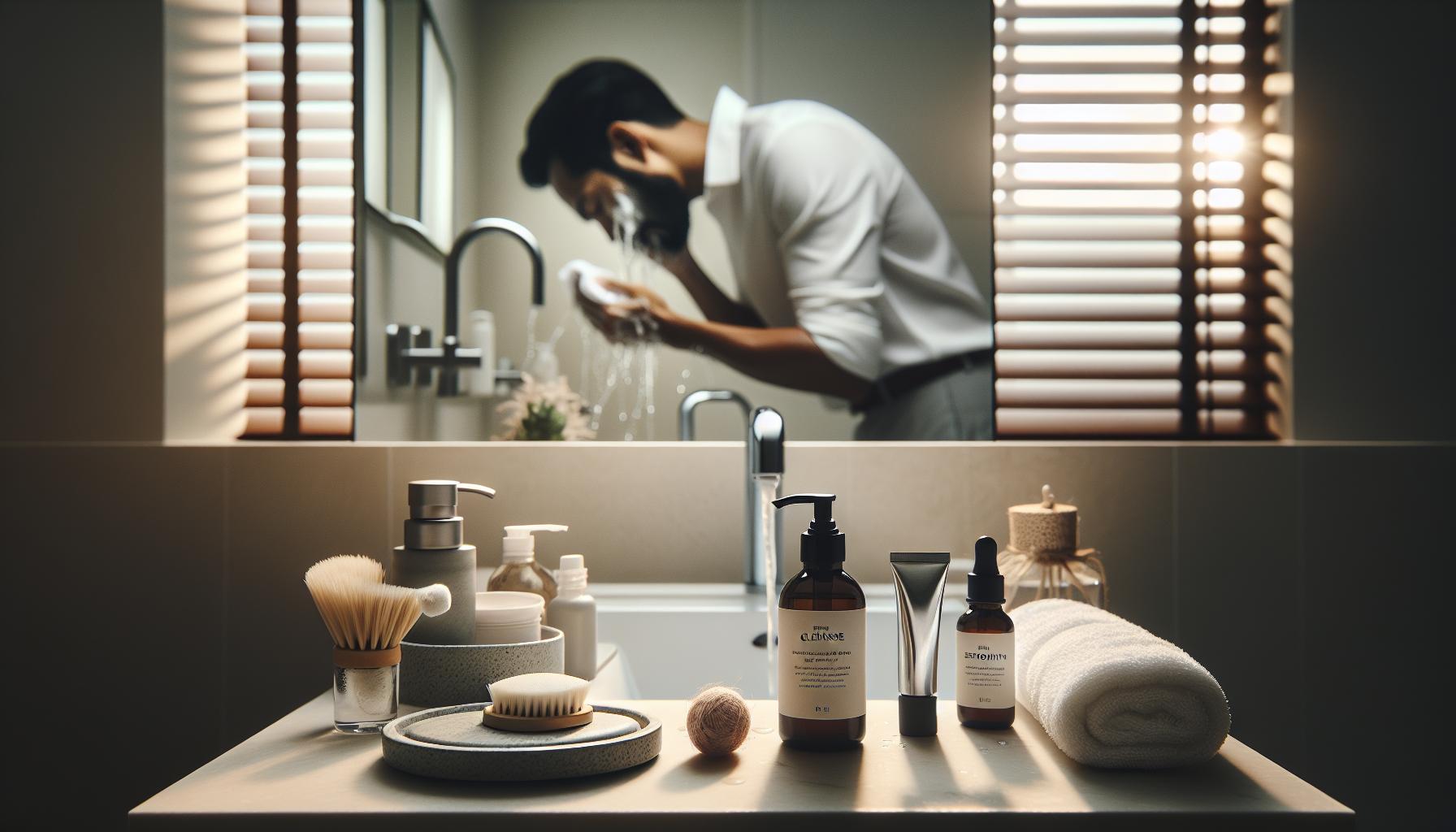
The Importance of Cleansing Before Exfoliation
Cleansing your skin before exfoliating might seem like a minor detail, but it plays a crucial role in achieving radiant, healthy skin. When you cleanse first, you effectively remove dirt, oil, makeup, and impurities from the surface of your skin. This initial step is essential because it allows your exfoliating products to work more efficiently. Think of cleansing as creating a clean canvas; without it, you might be layering your exfoliant over a residue of buildup, which can hinder the penetration and effectiveness of exfoliating agents.
Once your skin is cleansed, it becomes more receptive to the active ingredients found in exfoliants. For example, if you use a chemical exfoliant like glycolic acid, a clean surface will allow for deeper penetration and greater efficacy, leading to better results, like improved texture and tone. The benefits don’t stop there-this two-step process can also enhance your skin’s moisture retention, making it look plumper and more vibrant.
Moreover, considering your skin type is integral here. If you have sensitive skin, starting with a gentle cleanser, such as a hydrating micellar water, can ensure you don’t irritate your skin. Those with oilier skin might opt for a foaming cleanser that helps dissolve excess sebum. Choosing the right cleanser sets up a successful exfoliation process that caters specifically to your skin’s needs.
In summary, always prioritize cleansing before exfoliating. This simple practice enhances the overall effectiveness of your skincare routine, leading to healthier, more luminous skin. By respecting this order, you’re not only investing in your skin’s appearance but also its health in the long run.
Why Exfoliation Should Come After Cleansing
Achieving glowing skin isn’t just about the products you use; it’s also about the order in which you use them. If you want to maximize the benefits of exfoliation, it’s essential to understand why this step should come after cleansing. When you cleanse your skin first, you’re removing dirt, oil, makeup, and any other impurities that may linger on the surface. This is crucial because exfoliating agents-whether they’re physical scrubs or chemical exfoliants-need to penetrate the skin effectively to deliver visible results.
Imagine trying to paint a canvas covered in dust; the paint won’t adhere properly, and the final product will be far from perfect. Similarly, if you apply an exfoliant over a layer of grime, you’re not allowing the active ingredients to work their magic. After cleansing, your skin is fresh and ready to absorb the exfoliating treatment. For instance, if you use a chemical exfoliant like salicylic acid-known for its ability to clear clogged pores-a clean canvas will ensure the exfoliant penetrates deeply, leading to clearer, smoother skin.
Choosing the right cleanser also sets the stage for effective exfoliation. If you have dry or sensitive skin, it’s wise to opt for a gentle, hydrating cleanser that won’t strip your skin of its natural oils. Those with oily or acne-prone skin may benefit from a foaming cleanser that can help remove excess sebum. The key is to ensure that your cleanser works well with your skin type and is effective at removing impurities. This way, when you do apply your exfoliant, it can delve deeper, work more efficiently, and ultimately yield the best results.
In summary, cleansing before exfoliating is a fundamental step that enhances your skincare routine and promotes healthier skin. By prioritizing this order, you’re now equipped with the knowledge to truly transform your complexion and embrace a radiant glow.
Different Types of Exfoliation Techniques Explained
Understanding the various methods of exfoliation is essential for crafting a skincare routine that genuinely benefits your skin. Exfoliation can be broadly categorized into three main types: mechanical, chemical, and enzymatic. Each method has its unique benefits, and knowing the differences can help you choose what works best for your skin type and concerns.
Mechanical Exfoliation involves physically removing dead skin cells using scrubs or tools. Popular tools include facial brushes, sponges, and exfoliating mitts, while scrubs typically contain small particles or granules. For instance, a sugar or salt scrub can be effective for body exfoliation, whereas gentler options, like a microfiber cloth, are more suitable for the face. It’s important to be cautious; over-exfoliating with mechanical methods can lead to irritation or microtears on delicate skin. Aim for gentle circular motions for about 30 seconds to a minute when applying a scrub.
Chemical Exfoliation utilizes acids or alkaline solutions to dissolve dead skin cells without the need for scrubbing. Common chemical exfoliants include alpha hydroxy acids (AHAs) like glycolic acid and beta hydroxy acids (BHAs) such as salicylic acid. AHAs are particularly effective for dry or sun-damaged skin because they help enhance moisture retention, while BHAs penetrate oil and are excellent for oily or acne-prone skin. Incorporating a chemical exfoliant typically involves applying it to cleansed skin using a cotton pad or directly with a product designed for this purpose. Products with a concentration of 5-10% for AHAs are generally effective for home use.
Enzymatic Exfoliation harnesses natural enzymes, often derived from fruits like pineapple and papaya, to break down the protein bonds holding dead skin cells together. This method is often gentler than the previous two, making it suitable for sensitive skin types. Enzymatic exfoliating masks are easy to incorporate into any routine, usually requiring a 10-15 minute application before rinsing off. For optimal results, look for products that specify they contain fruit enzymes and follow the manufacturer’s instructions for frequency of use.
By understanding these different exfoliation techniques, you can make informed decisions tailored to your specific skin needs. Remember, no single method is universally best; it’s all about finding the balance that gives you glowing, healthy skin while avoiding potential irritation.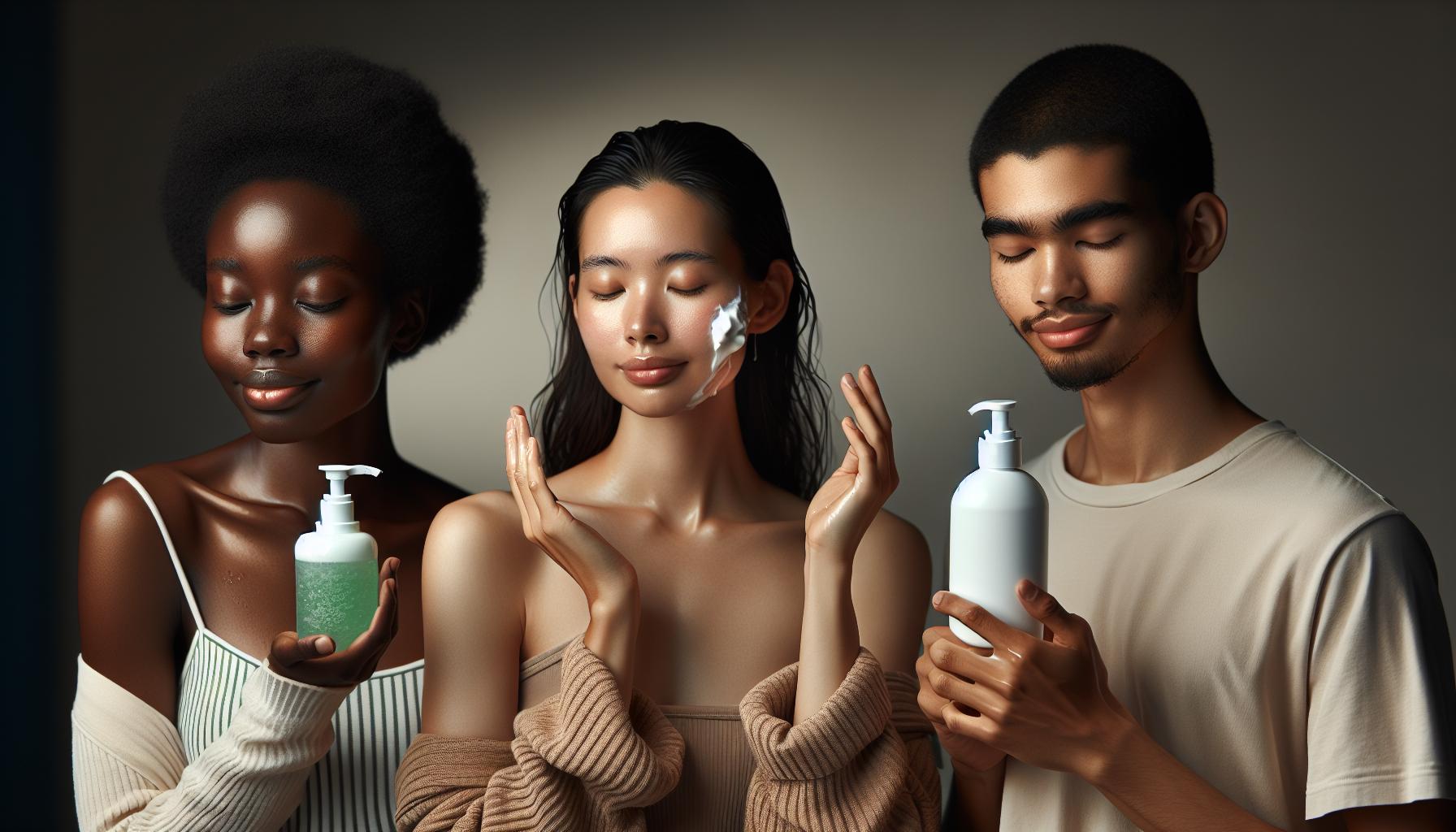
How to Choose the Right Cleanser for Your Skin Type
Choosing the right cleanser for your skin type is crucial in establishing a solid skincare routine that effectively prepares your skin for exfoliation. A well-chosen cleanser not only removes dirt, oil, and impurities but also enhances the efficacy of your exfoliating treatments. To ensure your skin gets the personalized care it deserves, consider the following guidelines that align with your specific needs.
For oily or acne-prone skin, look for gel-based or foaming cleansers that contain ingredients like salicylic acid or benzoyl peroxide. These components help to control excess oil production and prevent breakouts. A good example is a cleanser with a salicylic acid concentration of 0.5% to 2%, as this not only deep-cleans pores but prepares your skin for exfoliation by ensuring that dead skin cells and sebum don’t hinder the process.
If you have dry or sensitive skin, opt for cream-based or hydrating cleansers. Look for products that contain soothing ingredients such as glycerin, aloe vera, or chamomile. These cleansers help maintain your skin’s moisture barrier while effectively removing impurities. For instance, a hydrating cleanser might suggest applying a quarter-sized amount to damp skin, then gently massaging it in circular motions for 30 seconds before rinsing with lukewarm water.
Combination skin benefits from a gentle foaming cleanser that balances oiliness in the T-zone while hydrating the cheeks. Ingredients like witch hazel can offer a balanced approach. You want to avoid harsh scrubs or overly astringent products that can exacerbate dryness in certain areas. Instead, try a pH-balanced cleanser that respects your skin’s natural acidity.
Lastly, ensure to always analyze the ingredient list of any cleanser you consider. Avoid products with sulfates, as they can strip the skin of natural oils, leading to irritation. Instead, search for terms like “non-comedogenic” (meaning they won’t clog pores) and “dermatologist-tested,” which can provide peace of mind about their safety and effectiveness.
By selecting the appropriate cleanser and adapting your routine to your unique skin needs, you’ll create a perfectly clean canvas for your exfoliating products, maximizing their benefits and promoting healthier, glowing skin.
Step-by-Step Guide: Cleansing and Exfoliating Together
To achieve fresh, healthy skin, knowing how to effectively combine cleansing and exfoliating is essential. These two steps work together harmoniously when executed in the right order. By cleansing first, you prepare your skin for exfoliation, allowing the active ingredients in your exfoliant to penetrate deeply and do their job effectively. Here’s a simple step-by-step guide to help you navigate the process seamlessly.
Start by selecting a gentle cleanser suited to your skin type. For example, those with oily or acne-prone skin might benefit from a foaming cleanser with salicylic acid, while those with dry or sensitive skin should look for a cream-based option rich in hydrating ingredients like glycerin. Wet your face with lukewarm water, as hot water can strip your skin of natural oils, leading to irritation. Apply a generous amount of cleanser-about the size of a quarter-onto your fingertips and gently massage it into your skin in circular motions for 30 seconds. This not only cleanses but also stimulates circulation. Rinse thoroughly, ensuring no product residue remains.
Once your face is clean, it’s time to exfoliate. Choose an exfoliant appropriate for your skin’s needs, whether it’s a physical scrub or a chemical exfoliant with alpha-hydroxy acids (AHAs) or beta-hydroxy acids (BHAs). Apply the exfoliant as directed on the package-usually a dime-sized amount to damp skin-using gentle, circular motions. If using a scrub, be cautious; excessive pressure can lead to micro-tears in the skin. Rinse off the exfoliant with cool water to close the pores and refresh your skin.
Finally, to keep the skin hydrated and nourished, follow with a toner or serum suited to your skin type, and then moisturize. This helps to lock in hydration and protect your skin after exfoliation. Aim to exfoliate about 1-3 times a week, depending on your skin’s sensitivity and the type of products you’re using.
By understanding and following this step-by-step approach, you’re not just maintaining a routine; you’re actively participating in your skin’s health, paving the way for a brighter and smoother complexion.
Common Mistakes in the Exfoliation Order
Cleansing and exfoliating are essential steps in any skincare routine, but the order in which you do them can significantly affect your results. One of the most common mistakes people make is exfoliating before cleansing. This approach can be counterproductive because exfoliation aims to remove dead skin cells and impurities, but if your skin is not clean first, those dead cells and dirt can prevent the exfoliating product from working effectively.
Another frequent error is applying exfoliants too vigorously or too often. Many individuals assume that the more they exfoliate, the better their skin will look, but this can lead to irritation, redness, and the opposite of desired effects. Gentle exfoliation, usually once or twice a week, is often enough for most skin types. Remember, exfoliation shouldn’t feel like a scrub; it should be a soothing process that leaves your skin refreshed, not raw.
Using the wrong products for your skin type is another pitfall. For example, someone with sensitive skin might reach for a physical scrub loaded with harsh granules, while someone with oily skin might choose an overly stripping cleanser. It’s vital to select products that complement your skin’s needs. If you’re unsure, consider patch testing new products to gauge how your skin reacts before integrating them into your routine fully.
Finally, skipping the hydration step after cleansing and exfoliating can undermine all your hard work. Following up with a toner or moisturizer helps to replenish your skin’s barrier and lock in moisture, preventing dryness or irritation. Always be sure to wrap up your routine with products that hydrate and protect your skin to ensure it stays healthy and glowing.
The Benefits of Proper Exfoliation Timing
Proper timing in your skincare routine can make a world of difference in achieving that healthy, radiant glow. When it comes to the sequence of cleansing and exfoliating, doing it in the right order maximizes the effectiveness of each step. Cleansing removes dirt, oil, and makeup from the skin’s surface, creating a clean canvas for your exfoliant to work its magic. By exfoliating after cleansing, you ensure that the exfoliating product can penetrate deeply and effectively, allowing it to remove dead skin cells and unclog pores without any debris hindering its performance.
Timing also plays a crucial role in how your skin responds to these treatments. For instance, exfoliating on a clean face not only enhances the product’s absorption but also minimizes the risk of irritation, as exfoliation can sometimes be harsh, especially for sensitive skin. If you follow the steps correctly, you can expect to feel a calming effect rather than irritation, which often arises when exfoliating over unwashed skin. Additionally, proper timing allows you to adapt your exfoliation frequency based on your skin’s reactions; watching how your skin responds after a thorough cleanse can guide you on whether to exfoliate more frequently or pull back.
Moreover, incorporating a toning or hydrating step after exfoliating can dramatically increase the benefits of your routine. This timing helps to lock in moisture and restore your skin’s barrier, contributing to overall skin health. Hydration post-exfoliation can soothe any potential redness and fosters a rejuvenated appearance. By adhering to this thoughtful timing, you’re not only protecting your skin but actively contributing to its long-term vitality and beauty.
In summary, the right timing of exfoliation after cleansing is key to achieving the healthiest and most vibrant skin. Emphasizing this order can resolve many common skincare dilemmas and ultimately lead to a clearer, more polished complexion.
When to Exfoliate: Frequency and Skin Considerations
Exfoliation frequency can greatly influence your skin’s health and appearance, but finding the right balance isn’t a one-size-fits-all approach. While most dermatologists recommend exfoliating 1 to 3 times a week, the ideal frequency largely depends on your skin type, concerns, and the products you choose. For instance, if you have oily or acne-prone skin, you might benefit from more frequent exfoliation, perhaps up to three times a week, to help manage excess oil and prevent clogged pores. Conversely, those with sensitive or dry skin should be more cautious, possibly limiting exfoliation to just once a week, as over-exfoliating can lead to irritation and dryness.
It’s crucial to listen to your skin and adjust your routine based on its responses. If you notice redness, peeling, or increased sensitivity, consider scaling back your exfoliation. On the other hand, if your skin feels rough or appears dull, it might be a sign that you can gently increase your exfoliation frequency. Additionally, seasonal changes can also play a role; during winter, skin may feel drier and more sensitive, warranting less frequent exfoliation, while summer may call for a bit more to combat buildup from sunscreen and sweat.
Understanding the type of exfoliant you’re using is equally important. Physical exfoliants like scrubs can be more abrasive, potentially leading to over-exfoliation, especially with aggressive use. Chemical exfoliants, such as those containing glycolic or salicylic acid, can offer a gentler option with less risk of irritation when used according to guidelines. Start with lower concentrations and gradually increase as your skin builds tolerance.
Key Takeaways:
- Know Your Skin Type: Oily skin may benefit from more frequent exfoliation, while sensitive skin requires caution.
- Listen to Your Skin: Adjust frequency based on how your skin reacts-redness or irritation indicates it’s time to back off.
- Product Choice Matters: Choose between physical and chemical exfoliants based on your skin’s needs and sensitivities.
By establishing a thoughtful exfoliation routine tailored to your specific skin needs, you can promote a brighter, smoother complexion while minimizing the risk of irritation, unlocking that radiant glow we all desire.
Expert Tips for Maximizing Cleanser and Exfoliant Effects
To truly harness the power of your cleanser and exfoliant for radiant skin, understanding how to maximize their effects is crucial. A well-coordinated routine not only boosts skin health but enhances the overall efficacy of your products. Did you know that using the right techniques can elevate your skincare game significantly?
Start by ensuring your cleanser is suited to your skin type. For oily or acne-prone skin, gel or foam cleansers containing salicylic acid can help manage excess oil. If your skin is dry or sensitive, opt for cream or hydrating cleansers that won’t strip your skin of its natural moisture. Always apply your cleanser to damp skin-this helps to activate the ingredients better. Use gentle circular motions with your fingertips for about 30 seconds; this not only helps to lift dirt and impurities but also stimulates blood circulation for a healthy glow.
After cleansing, it’s time to exfoliate. Rather than applying your exfoliant right away, wait a minute or two. This allows your skin’s pH levels to restore, creating a more balanced surface for the exfoliant to work effectively. When applying, use a dime-sized amount and again apply with gentle circular motions for about 30 seconds. Focus on areas that tend to collect dead skin, such as your T-zone, but avoid sensitive areas like around the eyes.
Finally, always follow up with a good moisturizer after exfoliating. Exfoliation can leave skin temporarily more vulnerable; therefore, a nourishing moisturizer helps hydrate and repair any potential irritation caused during the process. Include hydrating ingredients like hyaluronic acid or glycerin to lock in moisture, and don’t forget sunscreen during the day-exfoliated skin can be more sensitive to UV rays.
By following these expert tips, you ensure that both your cleanser and exfoliant work harmoniously, leading to healthier, more vibrant skin. Remember, it’s all about the right products, gentle application, and maintaining a consistent routine that responds to your skin’s unique needs!
Exploring Exfoliating Ingredients: What to Look For
The world of skincare is vibrant and varied, and when it comes to exfoliating ingredients, the right choice can make all the difference for your skin’s health. Whether you’re dealing with dryness, dullness, or breakouts, knowing what to look for in exfoliants can empower you to create a routine tailored to your unique needs.
One of the most popular categories of exfoliating ingredients is alpha hydroxy acids (AHAs), such as glycolic acid and lactic acid. These water-soluble acids are excellent for exfoliating the surface layer of the skin, promoting cell turnover while improving texture and hydration. For instance, glycolic acid is known for its small molecular size, allowing it to penetrate deeply and effectively brighten and even skin tone. A product with 5-10% glycolic acid can show visible results with consistent use.
On the other hand, beta hydroxy acids (BHAs), primarily salicylic acid, are oil-soluble, making them ideal for oily or acne-prone skin. Because salicylic acid can penetrate and exfoliate inside the pores, it helps to clear blockages, reduce breakouts, and minimize the appearance of enlarged pores. For effective results, look for products that contain around 1-2% salicylic acid, ensuring they deliver anti-inflammatory benefits without irritating your skin.
Physical exfoliation, often found in scrubs, uses small particles to manually slough off dead skin cells. However, be cautious with these products; ingredients like crushed walnut shells can be overly abrasive, potentially creating micro-tears in the skin. Instead, opt for gentler alternatives like sugar or bamboo particles, which provide a softer touch. Look for a scrub that has a creamy base to ensure it hydrates while it exfoliates.
Finally, consider incorporating enzymes from natural sources such as papaya or pineapple into your regimen. These gentle exfoliators work by breaking down the protein bonds between dead skin cells, making them suitable for sensitive skin types. Products that contain fruit enzymes are often easier on the skin and can be used more frequently without the risk of over-exfoliation.
When selecting exfoliating products, it’s essential to match the ingredients with your skin type and concerns, testing new products gradually. By understanding the function of different exfoliating agents, you can optimize your skincare routine, revealing a fresh and radiant complexion. Remember, the key is not just in exfoliating but in doing so thoughtfully and with purpose.
Real Results: How Proper Order Transforms Skin
Using the right order in your skincare routine can revolutionize the way your skin looks and feels, acting as the essential foundation for achieving that coveted healthy glow. When cleansing comes before exfoliating, the benefits are not just cumulative; they’re exponential. Proper cleansing removes dirt, oil, and makeup, allowing exfoliating products to work more effectively since they can penetrate deeper and interact better with your skin. This means you’re more likely to experience clearer, smoother, and brighter skin over time.
Consider your skin as a clean canvas. By taking the time to cleanse first, you are ensuring that stubborn impurities don’t hinder the exfoliation process. For instance, if you exfoliate with a scrub or a chemical exfoliant before cleansing, you may wind up pushing debris back into your pores. This can lead to breakouts or irritation instead of the radiant finish you seek. By following a well-structured routine-first cleansing with a gentle cleanser suited to your skin type, and then exfoliating-you create a synergy that enhances the effectiveness of all products used.
Moreover, when you properly time your cleansing and exfoliating, your skin can absorb serums and moisturizers more efficiently. After exfoliating, follow up with a hydrating serum or moisturizer to lock in the benefits. The result? A more luminous complexion that feels hydrated and rejuvenated. Regularly incorporating this method can lead to significant improvements in texture and overall skin clarity, combating everything from dullness to fine lines.
In summary, establishing the habit of cleansing before exfoliating transforms your skincare game. By prioritizing this order, you not only maximize the effectiveness of each product but also create a routine that supports your skin health in the long run. Remember, achieving beautifully smooth and glowing skin isn’t just about the products you use; it’s also about how you use them.
Frequently asked questions
Q: Should I cleanse or exfoliate first?
A: Always cleanse your skin before exfoliating. Cleansing removes dirt, oil, and makeup, ensuring that the exfoliant can effectively slough off dead skin cells and unclog pores. For optimal results, follow the steps outlined in our “Step-by-Step Guide: Cleansing and Exfoliating Together” section for a flawless routine.
Q: How often should I exfoliate my skin?
A: The frequency of exfoliation depends on your skin type. Generally, it’s recommended to exfoliate 1-3 times a week. Sensitive skin types should stick to once a week, while those with oily skin may benefit from more frequent exfoliation. Check our “When to Exfoliate: Frequency and Skin Considerations” section for tailored advice.
Q: What are the benefits of exfoliating after cleansing?
A: Exfoliating after cleansing helps remove dead skin cells more effectively, improves skin texture, and enhances product absorption. This method promotes a clearer complexion and encourages cell renewal. Refer to “The Benefits of Proper Exfoliation Timing” for deeper insights into maintaining healthy skin.
Q: Can I use makeup after exfoliating?
A: Yes, you can apply makeup after exfoliating, but it’s best to wait for your skin to fully absorb any skincare products first. This ensures a smooth canvas and helps makeup adhere better. Our article covers more tips in the “Expert Tips for Maximizing Cleanser and Exfoliant Effects” section.
Q: Does exfoliation help with clogged pores?
A: Yes, exfoliation can help reduce clogged pores by removing the buildup of dead skin cells and excess oil. Regular exfoliation promotes clearer skin and can diminish the appearance of blackheads. For techniques and products that help, see “Different Types of Exfoliation Techniques Explained.”
Q: What types of exfoliators are best for my skin?
A: The best type of exfoliator depends on your skin type. For sensitive skin, gentle chemical exfoliants like AHAs are ideal, while oily skin may benefit from physical scrubs or stronger acids. Check out “Exploring Exfoliating Ingredients: What to Look For” for detailed recommendations.
Q: What should I do if my skin feels irritated after exfoliating?
A: If your skin feels irritated after exfoliating, stop using the product and switch to a gentler option. Ensure that you’re not exfoliating too frequently. Hydration is key-apply a soothing moisturizer right after exfoliation to calm irritation. For further insights, consult “Common Mistakes in the Exfoliation Order.”
Q: Why do I need to exfoliate my skin?
A: Exfoliating removes dead skin cells, promotes cell turnover, and can help prevent acne breakouts. It also improves the absorption of skincare products, leading to healthier skin overall. Explore “The Importance of Cleansing Before Exfoliation” for a comprehensive understanding of why this step matters.
The Conclusion
Now that you know the right order for your skincare routine-exfoliating after cleansing for the best results-it’s time to put this knowledge into action! Remember, exfoliation boosts your skin’s radiance and helps products penetrate better. If you have any lingering questions or concerns about your specific skin type, don’t hesitate to dive deeper into our articles on selecting the right exfoliator and developing a complete skincare regimen.
For more tips on cleansing techniques and product recommendations, check out our piece on the best cleansers for all skin types. And don’t forget to join our newsletter for exclusive insights and special offers tailored just for you! Let’s elevate your skincare game together; your best skin is just a routine away! We’d love to hear about your experiences, so drop a comment below sharing your results or any tips you have. Happy exfoliating!
Expert Guide: Exfoliate Before Or After Cleansing
When addressing exfoliate before or after cleansing, it is crucial to understand the foundational principles of effective grooming, skincare, and beauty maintenance. Incorporating proper techniques and evidence-based routines ensures optimal outcomes while safeguarding your skin barrier and personal health.
Core Principles and Best Practices:
- Proper Preparation: Cleanse thoroughly with warm water and a gentle, non-stripping cleanser before applying any active treatments or grooming tools.
- Technique & Precision: Avoid applying excessive pressure. Allow sharp cutting edges or active skincare ingredients to work with the skin’s natural surface contours.
- Post-Care Recovery: Follow up immediately with restorative, hydrating ingredients such as ceramides, hyaluronic acid, or soothing botanical balms.
- Hygiene & Sanitization: Always sanitize tools after every use, dry thoroughly, and store in a clean, low-humidity environment to prevent microbial growth.
Frequently Asked Questions:
Q: What is the most important factor when considering exfoliate before or after cleansing?
A: Consistency, proper skin barrier preparation, and selecting high-grade, non-irritating formulations or precision tools tailored to your individual needs.
Get our latest guides, news, and insights highlighted in your Google Search & AI Overviews.