
How Long Before Wedding to Pick Out Bridesmaid Dresses – Timeline
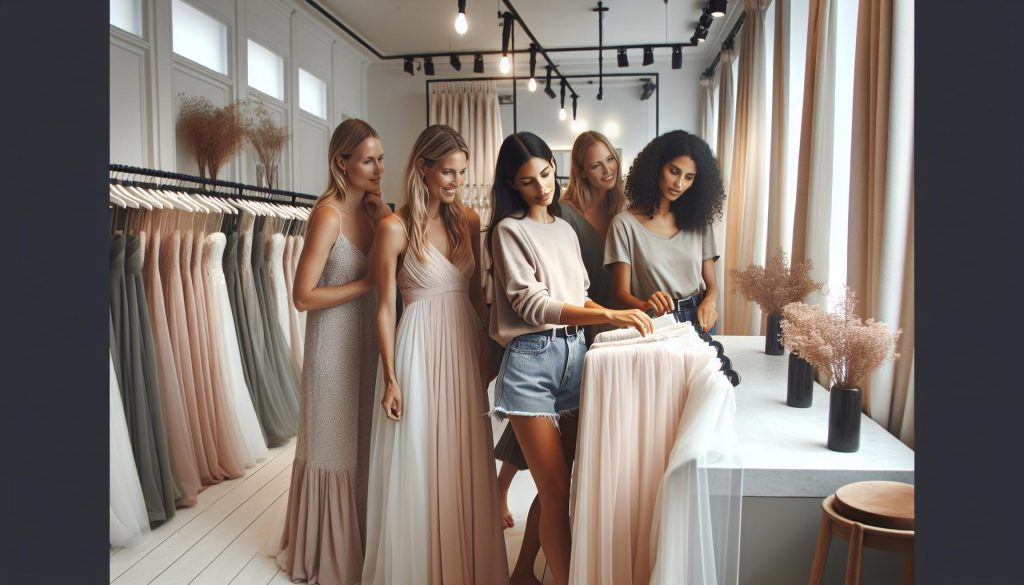
Discover the ideal timeline for picking bridesmaid dresses before your wedding. Learn how to avoid last-minute stress and ensure a perfect fit for your big day!
How to Pick a Wedding Dress for Plus Size – Bridal Beauty Unleashed

Discover how to pick a wedding dress for plus-size frames with confidence! Learn essential tips to find your perfect fit and radiate bridal beauty. Don’t miss out!
How to Dress to Pick Up Girls – Attractive Style Secrets

Unlock the secrets of attraction! Learn how to dress to pick up girls with stylish tips that boost your confidence and charm. Discover your new look today!
How to Pick a Maxi Dress for Any Shape – Flatter Every Figure
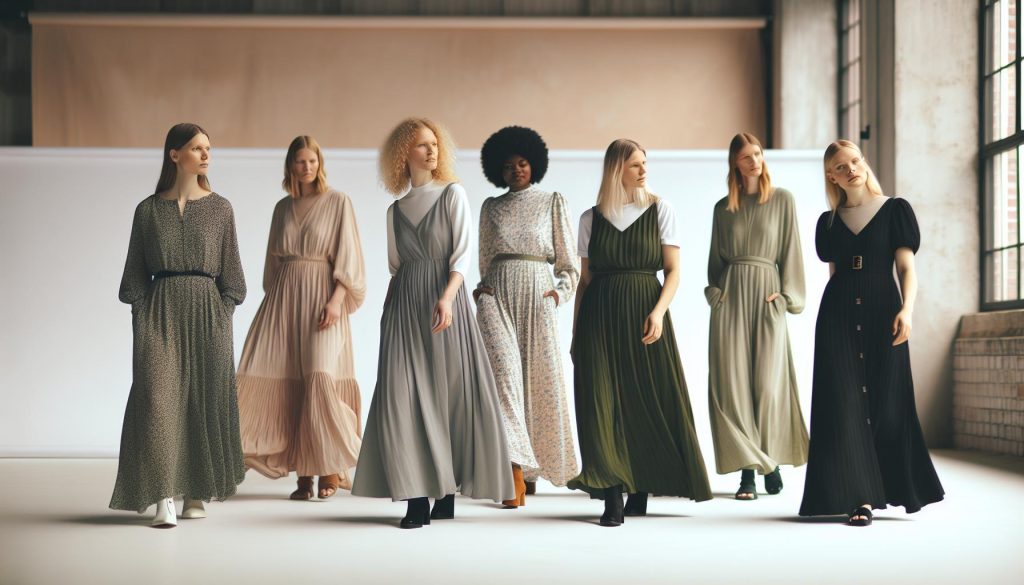
Unlock the secrets to picking a maxi dress that flatters every figure! Discover styles that enhance your shape and boost your confidence. Don’t miss out!
How to Do Makeup to Make a Kid Look Old: Aging Techniques

Transform a child into an old soul! Discover stunning aging makeup techniques to create lifelike looks. Get expert tips that are easy and fun to use!
How to Pick a Dresser – Storage That Transforms Your Space

Transform your space with the right dresser! Discover expert tips on choosing stylish storage that fits your needs and budget. Click to get started!
How to Pick a Mother of the Bride Dress – Elegant & Comfortable
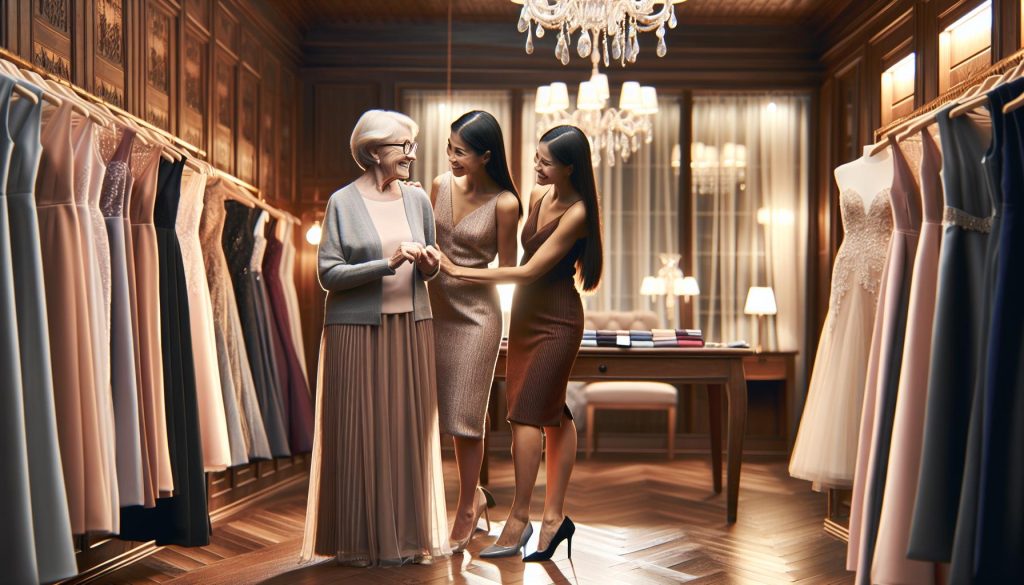
Discover how to pick a Mother of the Bride dress that’s both elegant and comfortable! Learn key tips to feel fabulous on this special day.
Do Kids in Dance Have to Wear Makeup? Studio Requirements

Do kids in dance have to wear makeup? Discover the studio requirements and learn how to balance creativity and comfort in your child’s dance journey!
How to Dress to Not Get Picked for Jury Duty – Smart Outfit Choices

Avoid jury duty with smart outfit choices! Discover how to dress strategically to minimize your chances of being selected. Get tips now!
How to Pick a Dress Shirt – Sharp Style Made Simple

Discover how to pick a dress shirt effortlessly! Learn essential style tips that elevate your look and boost confidence. Don’t miss out-get sharp style now!
Foundational Pillars (Start Here)
How Long Before Wedding to Pick Out Bridesmaid Dresses - Timeline
Detailed analysis covering technique, safety benchmarks, and optimal results for this grooming topic.
How to Pick a Wedding Dress for Plus Size - Bridal Beauty Unleashed
Detailed analysis covering technique, safety benchmarks, and optimal results for this grooming topic.
How to Dress to Pick Up Girls - Attractive Style Secrets
Detailed analysis covering technique, safety benchmarks, and optimal results for this grooming topic.
How to Pick a Maxi Dress for Any Shape - Flatter Every Figure
Detailed analysis covering technique, safety benchmarks, and optimal results for this grooming topic.
Silhouette Geometry & Tailoring Precision: Necklines, Hemlines & Structural Support
Selecting a dress involves geometric alignment between garment pattern drafting and three-dimensional human anatomy. Classic dress silhouettes—A-line, empire waist, fit-and-flare, sheath, and bias-cut slips—each exert distinct optical effects on perceived torso length, shoulder width, and hip proportion. An A-line silhouette, for instance, gently skims outward from the natural waist, redistributing visual volume and establishing balanced proportions across all body shapes.
Structural interior tailoring is what transforms an ordinary dress into a flattering masterpiece. High-end dresses incorporate internal boning, stay tapes along delicate necklines, and waist stays that anchor the garment's weight directly to the skeletal pelvis rather than dragging from delicate shoulder straps. Choosing the right neckline—from plunging V-necks that elongate the neck to sweetheart cuts that accentuate the décolletage—completes a harmonious, sophisticated presentation.
| Dress Silhouette | Architectural Pattern Cut | Flattering Focal Point | Ideal Occasion & Setting |
|---|---|---|---|
| A-Line / Fit & Flare | Fitted bodice flaring smoothly from natural waistline | Accentuates narrowest point of torso; skims hips | Weddings, cocktail receptions, daytime garden parties |
| Empire Waist | High-raised seam cinching directly beneath the bust | Draws eyes upward; elongates lower body and legs | Maternity formalwear, petite figures, black-tie galas |
| Tailored Sheath / Column | Straight, form-fitting cut contouring natural curves | Streamlined vertical silhouette without horizontal interruption | Executive corporate events, gallery openings, cocktail evenings |
| Bias-Cut Slip Dress | Fabric cut diagonally across grain at 45 degrees | Liquid drapery that hugs natural curves without restriction | Evening dinners, modern minimalist black-tie, summer soirees |
Mastering style, formulations, and personal grooming requires understanding biological architecture alongside sartorial principles. By respecting skin physiology and garment geometry, individuals can cultivate enduring confidence and refined aesthetic elegance.
Topic Directory & Methodologies
Essential Guides & Fundamentals
- How to Do Makeup to Make a Kid Look Old: Aging Techniques
- How to Pick a Dresser - Storage That Transforms Your Space
- How to Pick a Mother of the Bride Dress - Elegant & Comfortable
- Do Kids in Dance Have to Wear Makeup? Studio Requirements
- How to Dress to Not Get Picked for Jury Duty - Smart Outfit Choices
Advanced Techniques & Styling Reviews
- How to Pick a Dress Shirt - Sharp Style Made Simple
- How to Do Witch Makeup for Kids: Spellbinding Tutorial
- How to Pick a Dress Shirt Collar - Face-Flattering Choices
- How to Know You Picked the Right Wedding Dress - Trust Your Instinct
- How to Pick Mother of the Bride Dress Color - Honor Her Role
- How to Pick the Right Size Wedding Dress - Avoid Costly Mistakes
Frequently Asked Questions
How do you choose the right dress for a plus-size figure?
Look for structured fabrics with elastane memory that offer support without cling, choose A-line or wrap silhouettes with deep V-necklines to draw the eye vertically, and prioritize proper undergarment foundation (supportive shapewear and proper bra sizing).
What is the difference between cocktail and black-tie dress codes?
Cocktail attire calls for knee-length, midi, or sophisticated tea-length dresses in elevated fabrics. Black-tie is strictly formal, requiring floor-length evening gowns or exceptionally refined architectural column silhouettes.
How long should a maxi dress be?
A maxi dress should graze the top of your shoes, resting approximately 0.5 to 1 inch above the floor. It should never drag on the ground (which collects dirt and causes tripping) or hit above the ankle bone (which falls into midi territory).
Can you wear a white patterned dress to a wedding as a guest?
Etiquette dictates avoiding dresses with predominantly white, cream, ivory, or bridal champagne backgrounds. If a pattern has a small amount of white on a colored background (e.g. navy with white polka dots), it is acceptable, but solid light neutrals should be left for the bride.