Selecting the right dress shirt is more than just a fashion choice; it’s a critical component of your personal style and confidence. Did you know that the fit of your shirt can dramatically impact how polished you appear? Whether you’re preparing for a big meeting, a wedding, or an evening out, understanding how to choose the right shirt can elevate your look and enhance your overall presence. In this guide, we’ll simplify the process, breaking down the key elements to consider-including fit, fabric, and collar styles. No matter your experience level, you’ll find easy, actionable tips to help you navigate the options and make choices that truly reflect your personality and enhance your wardrobe. Let’s jump in and discover how you can achieve that sharp, stylish look with ease!
Choosing the Right Dress Shirt Material for You

Choosing the right material for your dress shirt can significantly elevate your style and comfort. Fabrics vary not only in look and feel but also in how they perform under different conditions. Cotton is perhaps the most popular choice, celebrated for its breathability and softness. A high-quality cotton, such as Egyptian or Pima, offers a luxurious touch that feels great against your skin, making it ideal for everyday wear or professional settings.
For warmer climates, consider lightweight fabrics like linen or a cotton-linen blend. Linen is breathable and has a relaxed aesthetic, perfect for casual outings or summer events. However, it wrinkles easily, which can be a drawback for more formal occasions. If you’re looking for something that combines comfort with a bit of stretch, look for fabrics like twill or a cotton blend with elastane. These materials not only provide flexibility but also maintain a crisp appearance throughout the day.
Don’t overlook synthetic fabrics like polyester blends, especially if you’re seeking durability and easy maintenance. These materials are often wrinkle-resistant and quick-drying, making them great for travel. However, they may not offer the same breathability as natural fibers, so if you’re prone to overheating, it’s best to choose a cotton or cotton-blend shirt. Ultimately, the choice of material should align with your personal comfort, style preferences, and the occasions you dress for. Remember, a well-chosen fabric can greatly affect your overall look and how you feel throughout the day.
Understanding Dress Shirt Fits: A Complete Guide
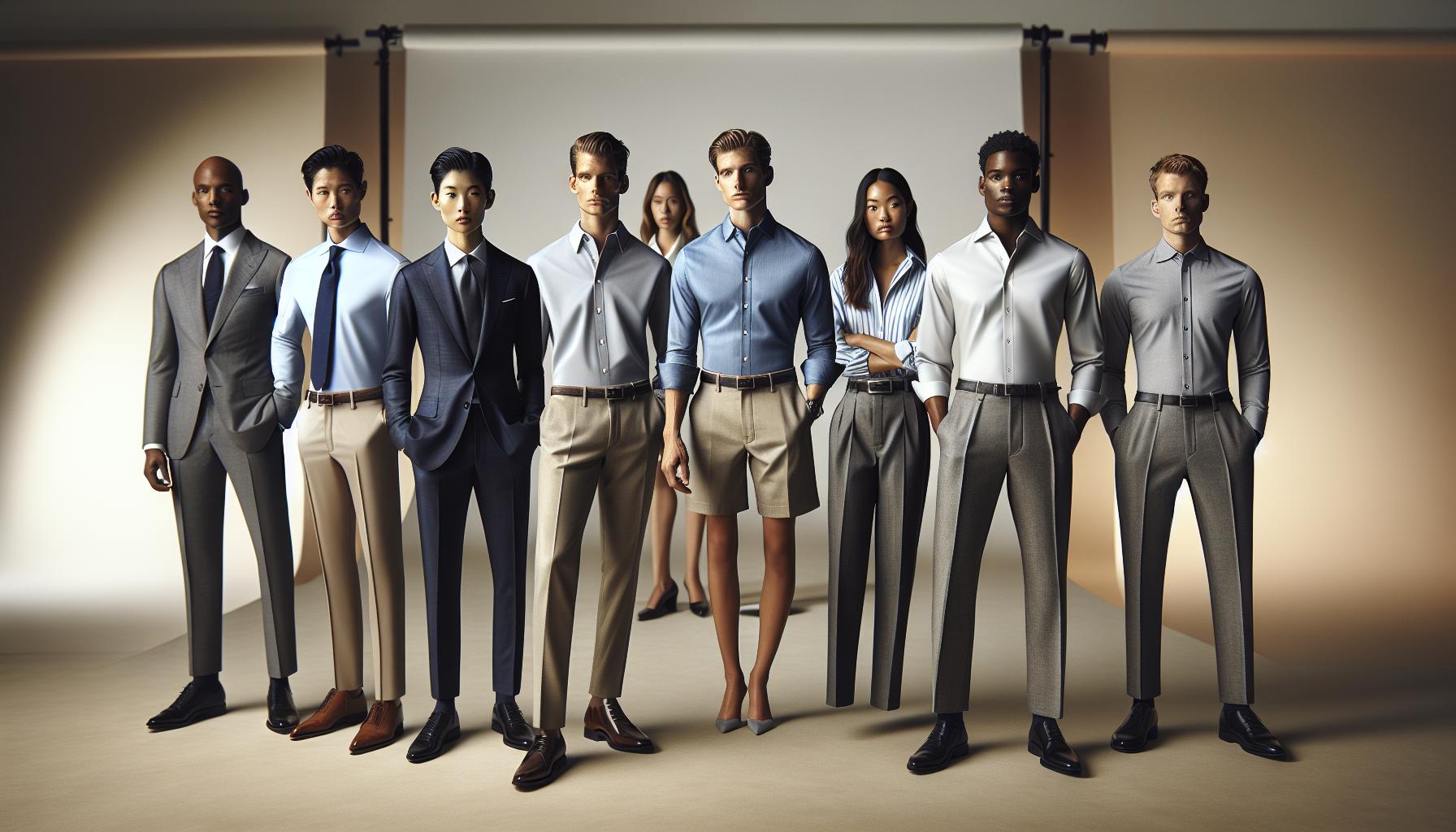
Finding the right fit for your dress shirt is essential for looking polished and feeling comfortable. With various styles available, understanding how each fit can enhance your overall appearance is key. Whether you’re dressing for a formal event, a work meeting, or a casual outing, the fit of your shirt can make all the difference. Let’s break down the most common types of dress shirt fits to help you navigate your options.
Classic Fit
The classic fit is characterized by generous proportions throughout the chest and torso, providing ample room for movement. This style is often favored by individuals who prefer a more traditional look or those who value comfort above all. It’s particularly great for formal occasions or business settings, as it allows for layering without feeling restrictive. If you’re unsure where to start, a classic fit shirt is a safe choice.
Slim Fit
Ideal for those looking for a more tailored silhouette, slim fit shirts are designed to hug the body closer, enhancing your shape without being too tight. This option is perfect for a modern, sophisticated look and works well for both casual and formal settings. When choosing a slim fit, ensure it doesn’t pull at the buttons or constrict your movement; it should feel snug but not uncomfortable.
Modern Fit
The modern fit is a happy medium between classic and slim, offering a slightly tapered silhouette without the extreme cling of slim fit shirts. This style strikes a balance, making it versatile for different body types and occasions. If you want something that provides a polished look without sacrificing comfort, the modern fit is a great option to consider.
Custom and Tailored Fit
For the ultimate in personalization, consider investing in a custom or tailored fit shirt. This option allows for specific adjustments to be made according to your body measurements and preferences, ensuring that your shirt fits perfectly in all the right places. Whether it’s adjusting the sleeve length or tapering the waist, a tailored shirt can make a significant difference in how you feel and present yourself.
When trying on different fits, remember to move around a bit-raise your arms, sit down, and see how it feels in various positions. Having the right fit isn’t just about looks; it’s about confidence and comfort too.
Essential Dress Shirt Collar Types Explained
Choosing the right collar type for your dress shirt can significantly impact your overall look. A collar is not just a functional element; it frames your face and influences the impression you make. Various styles serve different aesthetics, so understanding the options available can help you select one that suits your occasion, outfit, and personal style.
Spread Collar
The spread collar features points that are farther apart, giving it a more open look. This style works wonderfully with wider tie knots like the Windsor, making it a popular choice for business and formal settings. It complements a well-structured suit and can also dress up a casual outfit. For a polished appearance, consider a spread collar if you often find yourself in meetings or events where making a good impression is key.
Point Collar
The point collar has a traditional design with narrow points that sit closer together. It’s versatile and suits virtually all face shapes, making it a staple in many wardrobes. This collar style pairs well with slim ties and often looks best under more relaxed jackets. If you’re searching for something classic that makes you look neat without sacrificing comfort, the point collar is a reliable choice.
Button-Down Collar
Featuring buttons that secure the collar points to the shirt, the button-down collar offers a laid-back yet polished appearance. This type is ideal for smart casual settings, lending itself well to pairing with blazers or even sweaters. Because the collar maintains its shape throughout the day, it’s a practical choice for those who prefer comfort with style. It’s particularly suited for weekend gatherings or more relaxed office environments.
Club Collar
The club collar is distinctively rounded, giving it a vintage charm that stands out. This unique style can enhance individuality and works wonderfully for those looking to add a touch of character to their outfit. It pairs nicely with bow ties and is a fantastic option for creative environments or events with a retro vibe. If you’re feeling daring and want to showcase your personality, a club collar can set you apart in a crowd.
Mandarin / Band Collar
For a truly modern flair, the mandarin or band collar is an excellent choice. This collar lacks any points, lying flat against the neck. It’s great for a sleek, minimalist look and can easily transition from casual to formal with the right styling. A band collar works best for layering under jackets or blazers, particularly at fashion-forward events where you want to make a statement. This style might appeal if you’re seeking something unconventional and chic.
Choosing the right collar can elevate your dress shirt from ordinary to exceptional. Remember, your collar choice should reflect your style and suit the occasion, so don’t hesitate to experiment with different types until you find what resonates with you.
The Key to Selecting the Perfect Dress Shirt Color
Selecting the right color for your dress shirt can make a significant difference in your overall look, helping you express your personality and adapt to various occasions. Color not only impacts your style but also how you feel; wearing hues that complement your skin tone can boost your confidence and enhance your appearance. When considering your options, think about the following guidelines to ensure you pick a shirt color that truly resonates with you.
To start, understanding your skin tone is crucial. Generally, those with warmer undertones look great in earthy colors like beige, yellow, and olive, while cooler undertones shine in shades of blue, green, and gray. Use swatches or fabric samples to test how different colors interact with your complexion. Keep in mind that classic colors like white, light blue, and navy are versatile and can easily transition from professional settings to casual gatherings, making them wardrobe staples.
Next, consider the context in which you’ll be wearing the shirt. For formal events or business meetings, opt for solid colors or subtle patterns that convey seriousness and professionalism, such as a crisp white shirt or a deep navy. On the other hand, if you’re dressing for a social outing, don’t hesitate to introduce brighter colors or playful patterns, which can help to convey warmth and approachability. If you’re uncertain, start with one or two colorful options and gradually blend them into your wardrobe.
Lastly, don’t overlook the power of seasonal color palettes. Warmer tones (like burnt orange and mustard) are perfect for fall, while lighter shades (like pastel pink and mint green) work well in spring and summer. These seasonal colors can add freshness to your look and help you stay in tune with current trends. Overall, your dress shirt color should reflect your personal style, occasion, and comfort level, so take the time to explore your options and invest in what makes you feel your best.
Dress Shirt Patterns: Which One Suits Your Style?
Choosing the right pattern for your dress shirt can elevate your entire outfit, making it a key element in expressing your personal style. Patterns offer a way to add character and interest, turning a basic look into something memorable. Here are some popular patterns to consider, along with tips on how to select the right one for you.
Classic Patterns
- Striped Shirts: Vertical stripes can elongate the body, giving a slimming effect. They’re versatile and can be dressed up for formal settings or down for casual occasions. Horizontal stripes, on the other hand, are bolder and can make a statement, although they might not suit everyone.
- Checked Patterns: Checks can range from gingham to plaid, each offering its own vibe. Gingham is often seen as more casual, while larger plaids can convey a more laid-back yet stylish look. They work great in both office and casual settings.
- Solid Colors: While technically not a pattern, solid shirts can have texture or subtle detailing that keeps them from being bland. These are your best bets for ultra-formal occasions.
Colored Patterns
- Polka Dots: Dots can add a playful touch to your wardrobe and are perfect for informal settings. Choose smaller dots for a more subdued look and larger dots for something more striking.
- Floral Prints: Trendy and often associated with warmer seasons, floral patterns can range from subtle to bold. These are great for casual outings and can add a fresh and lively element to your attire.
Choosing the Right Pattern for You
When selecting a pattern, consider your body type and personal style. Larger patterns can dominate your look, so if you’re on the shorter side, opt for smaller prints to avoid feeling overwhelmed. If you prefer a more subdued look, stick with classic patterns like stripes or small checks in neutral colors.
Always factor in the occasion as well. For business casual environments, small checks or subtle stripes are usually safe bets. For social gatherings or parties, consider bolder designs like larger checks or fun prints that show off your personality.
In conclusion, the right pattern can reflect your individual flair while enhancing your overall style. Take the time to experiment with different patterns and see which ones resonate with you, keeping in mind the setting you’ll wear them in and how they fit into your existing wardrobe.
Mastering Dress Shirt Sizing: A Step-by-Step Approach
Getting the sizing right for your dress shirt can make all the difference in how polished and put-together you feel. An ill-fitting shirt can distract from your entire outfit and affect your confidence. Fortunately, mastering dress shirt sizing is achievable with some straightforward guidelines. Here’s a step-by-step approach to help you find the perfect fit.
Start by taking your measurements. You’ll need three key numbers: neck size, sleeve length, and chest size. For neck size, wrap a measuring tape around the base of your neck, allowing for a finger’s width of space once it’s snug. When measuring sleeve length, hold your arm out at a 90-degree angle and measure from the center back of your neck, across your shoulder, and down to your wrist. Lastly, for chest size, measure around the fullest part of your chest while keeping the tape level. Always ensure the tape is snug but not too tight, as this can affect the final number.
Once you have your measurements, consult the sizing charts of the brand you are considering. Fit can vary significantly between different brands. Look for a chart that provides measurements for neck size, sleeve length, and chest size. This will help you compare your measurements against their sizes. For example, if your neck measures 15.5 inches and your chest measures 40 inches, check the chart to see which size corresponds most closely to these dimensions.
Understanding the different fits available-such as classic, slim, and tailored-can also help you narrow down your choices. A classic fit is often more relaxed and suitable for those who prefer a looser feel. Slim fit shirts are more form-fitting around the body and are great if you want a sharper look. Tailored fits combine elements of both options, offering a fitted appearance without being too tight.
Lastly, don’t shy away from trying on a few options or experimenting with how you like different fits. Some shirts may shrink slightly after washing or have slight variations due to fabric types. Make sure to check care instructions and consider how the shirt behaves after washing. Remember, the best dress shirt is one that not only fits well but also makes you feel confident and comfortable. Each body is unique, so take your time to find what works best for you.
Styling Your Dress Shirt: From Casual to Formal
Dressing up should never feel daunting; with the right approach to styling your dress shirt, you can effortlessly transition from a casual setting to a formal event. The key lies in understanding not only the shirt itself but also how to mix and match with other wardrobe staples to create looks that reflect your personal style.
Start with the basics: choose a dress shirt that fits well and feels comfortable. From there, focus on layering and accessorizing. For a casual look, consider pairing a light-colored, well-fitted dress shirt with dark jeans. This combination strikes the right balance between relaxed and polished. Roll up the sleeves for an added touch of informality, and opt for loafers or clean sneakers to complete the ensemble. You can also add a casual blazer for evenings out, which instantly elevates your outfit without making it overly formal.
When the occasion calls for something more formal, such as a wedding or business meeting, switch to tailored trousers and a smart blazer. Darker colors, such as navy or charcoal, can enhance the sophistication of your look. A crisp white or light blue dress shirt is a classic choice that never fails. For added flair, consider a tie that contrasts or complements your outfit. Remember that accessories can add personality; a unique watch or cufflinks can make a subtle yet impactful statement.
Lastly, don’t forget about fit and style variations. For a more modern silhouette, explore slim-fit options that contour to the body without being restrictive. This cut works well under a fitted suit jacket. Always keep in mind the setting and dress code; understanding where you’re headed helps guide your choices. By combining these tips, you can tailor your dress shirt style to fit any occasion effortlessly.
Accessorizing Your Dress Shirt: Ties, Belts, and More
Accessories are pivotal in elevating your dress shirt ensemble from standard to standout. Think of them not just as additions but as essential components that can transform your look. Whether you’re aiming for business casual or a formal affair, the right accessories-like ties, belts, and more-can help define your style and express your personality.
Ties: A Touch of Personality
A well-chosen tie can become the focal point of your outfit. If you’re attending a formal event, opt for a silk tie in a solid color or subtle pattern; classic choices like navy or burgundy can add sophistication. For business settings, consider a striped or polka dot design that subtly complements your shirt. If you’re looking to infuse some creativity into a more casual outfit, don a knit or chambray tie. Remember, the tie’s knot is crucial as well: a simple knot works for most occasions, while a double Windsor can add a touch of elegance for formal events.
Belts: The Perfect Completer
Your belt should not only match your shoes but also fit the occasion. A dress belt in leather can create a polished look, especially in a color that harmonizes with your shoes. For instance, if you’re wearing brown shoes, pair them with a brown leather belt to maintain consistency. Alternatively, a woven fabric belt can suit more relaxed settings, adding a touch of texture without looking overly formal. Pay attention to the width as well; typically, dress belts are about 1.25-1.5 inches wide, which works best with dress shirts.
Other Accessories: Adding the Finishing Touch
Accessories like cufflinks, watches, and pocket squares can make a notable difference. Cufflinks are the ultimate sign of sophistication-choose a classic silver pair for a timeless look, or explore colorful designs that reflect your personality. A sleek watch not only serves a practical purpose but adds elegance; consider classic leather or metal bands based on the formality of your outfit. Pocket squares, too, are a wonderful way to incorporate a dash of color or a unique pattern, making a casual look feel more put-together.
By thoughtfully choosing and combining these elements, you’ll create an ensemble that showcases your style and confidence. Remember, accessories are your opportunity to shine, so don’t hesitate to experiment and make your outfit uniquely yours!
Caring for Your Dress Shirt: Washing and Maintenance Tips
Taking care of your dress shirts is essential if you want them to look sharp and last. Proper washing and maintenance not only keep them fresh but also help maintain their fit and drape. Here’s a comprehensive guide to ensuring your shirts stay in top shape, making it easier to show up looking your best.
Start by paying close attention to the care labels on your shirts. They provide specific instructions tailored to the fabric type. Washing in cold water is generally gentler and helps to prevent shrinking and fading. Use a mild detergent and avoid bleach unless necessary, as it can weaken the fibers, especially in colored fabrics. If your shirt is particularly soiled, consider pre-treating stains with a gentle stain remover. Apply a small amount directly onto the stain and let it sit for about 5-10 minutes before washing.
When it comes to drying, air drying is the best option for preserving the fabric’s integrity. If you must use a dryer, opt for a low heat setting to prevent shrinkage. Remove the shirt while it’s slightly damp to minimize wrinkles, which brings us to the next point: ironing. Use a warm iron, and for added ease, consider using a bit of steam to help release wrinkles. Iron the collar, cuffs, and then the body of the shirt, paying special attention to seams for a polished finish.
Taking a few extra steps, like storing your shirts properly, can also make a big difference. Hang them on broad-shouldered hangers to maintain their shape and avoid creases. If you have limited hanging space or want to keep them wrinkle-free, folding them neatly and placing them in a drawer is an alternative. Just make sure to fold along the seams to avoid unnecessary creases.
By following these simple washing and maintenance tips, you ensure your dress shirts remain stylish and serve you well for years to come. Keeping your wardrobe in shape is a worthwhile investment in your personal style, so don’t overlook the care that goes into it!
When to Wear a Dress Shirt: Occasions and Dress Codes
When selecting a dress shirt, knowing the right occasions to wear it can transform your wardrobe and elevate your style. A dress shirt is incredibly versatile; whether it’s for work, formal events, or casual outings, understanding when to don this classic piece can enhance your overall look and confidence.
For professional settings, a crisp dress shirt is essential. Pair it with tailored trousers or a suit for job interviews, client meetings, or workplace presentations. Opt for solid colors like white or light blue for a timeless and authoritative appearance. Remember, fit is key-ensure that your shirt is well-fitted to avoid looking sloppy. A tailored shirt not only boosts your professionalism but also reflects your attention to detail.
Dress shirts are also appropriate for social occasions. Think weddings, dinner parties, or gatherings. In such scenarios, you can experiment with colors and patterns, like checks or stripes, depending on the event’s formality. For a semi-formal event, layering a dress shirt under a blazer creates an effortlessly sharp look. Always consider the dress code specified in the invitation-if it’s not clear, leaning towards being slightly overdressed shows respect for the occasion.
Casual settings can also welcome dress shirts, especially when styled correctly. Pair a lighter-weight dress shirt with chinos or even dark jeans for brunch with friends or a weekend outing. Rolling up the sleeves and leaving the top button undone provides a relaxed yet put-together vibe. The beauty of the dress shirt lies in its adaptability; it can be dressed up or down based on the accessories and bottoms you choose.
In summary, a dress shirt is a cornerstone of any wardrobe, capable of fitting into multiple aspects of your life. By understanding the appropriate occasions and how to style your shirt, you can navigate fashion choices with ease and confidence. Whether at work, celebrating life’s milestones, or enjoying casual days off, your dress shirt can be your go-to choice for polished and stylish appearances.
Budgeting for Quality: Finding the Best Value Dress Shirts
Finding a quality dress shirt that fits your style and budget can feel overwhelming, but it doesn’t have to be. With a little knowledge and strategic thinking, you can navigate your options and find great deals that won’t sacrifice quality for price. Remember, investing in a few well-selected shirts will serve you much better than a wardrobe filled with lower-quality items that wear out quickly.
When looking to budget wisely for dress shirts, consider these key points:
- Material Matters: Choose fabrics that balance quality and cost. Cotton is usually the go-to choice for its breathability and comfort. Look for materials labeled as “long-staple cotton” or “Egyptian cotton,” as these are often softer and more durable.
- Timing Your Purchase: Sales and clearance events can offer significant savings. Keep an eye on major retail events like Black Friday, end-of-season sales, or holiday discounts. Many retailers also offer clearance sections online where you can snag great deals on last season’s styles.
- Find the Right Fit: A well-fitted shirt can elevate your appearance dramatically. Pay attention to the brand’s sizing charts and consider trying shirts on before making a purchase. Shirts that require alterations can still be a good investment as long as you keep tailoring costs in check.
- Quality Over Quantity: Instead of buying several cheaper shirts, aim for a few high-quality dress shirts that will last. A classic white button-down, a versatile blue shirt, and a patterned option can cover various occasions.
- Consider Online Reviews: Websites and forums dedicated to men‘s fashion often provide insights on brands known for quality and value. Use these resources to guide your purchasing decisions.
If you’re leaning towards specific brands, pay attention to their reputation for durability and customer satisfaction. Brands like Charles Tyrwhitt and Brooks Brothers offer high-quality fabrics and fits, but can also go on sale, allowing you a chance to snag premium shirts at reasonable prices.
With these tips in mind, you can build a smart wardrobe that not only looks great but also fits within your budget. Ultimately, the goal is to find shirts that you can wear for years to come, ensuring you always look polished and put-together.
Elevating Your Dress Shirt Game with Tailoring
To truly stand out in a crowd, the fit of your dress shirt can make all the difference. Many off-the-rack shirts might fit adequately, but when you choose to tailor them, you unlock a world of elegance and individuality that enhances your overall appearance. Tailoring is not just about tweaking measurements; it’s about creating a shirt that complements your unique body shape and style preferences, ensuring you look polished and effortlessly put together.
First, consider the areas where tailoring can have the most prominent impact. Shoulders should fit snugly without any pulling, as excess fabric can create an unflattering silhouette. If you’re typically between sizes, having the shirt tailored can help achieve a sharper look. Waist tailoring can also provide a more tailored profile; taking in the sides slightly gives you a streamlined appearance, making you look sharper and more put-together. In contrast, avoiding the dreaded “boxy” look can elevate your overall presence, making a simple shirt feel sophisticated.
When you’re ready to visit a tailor, it’s beneficial to have a clear idea of what you want from the fit. Bring in a well-fitting shirt that you already own as a reference point, or describe the desired silhouette clearly. Communicate aspects like sleeve length and the desired taper at the waist, as these details can help your tailor understand exactly what you envision. Additionally, don’t hesitate to ask for their professional advice; they can spot adjustments you might not even notice that could lead to a more polished end result.
It’s also crucial to understand that while tailoring can significantly improve the fit, it won’t compensate for poor fabric quality. Always strive to start with good material. A soft, breathable fabric combined with tailored perfection will enhance comfort and style, making you feel more confident regardless of the occasion-be it a business meeting or a wedding. Investing in tailoring reveals the potential of a dress shirt, transforming it into a centerpiece of your wardrobe rather than just another garment. Remember, a well-fitted shirt speaks volumes about your attention to detail-now that’s sharp style made simple!
Frequently Asked Questions
Q: What should I consider when choosing a dress shirt for a formal event?
A: When selecting a dress shirt for a formal event, prioritize fabric quality, color coordination with your suit, and appropriate collar style. Light colors like white or pastels are classic choices, while a crisp cotton blend ensures comfort. Refer to sections on collar types and color selection in your main article for more details.
Q: How do I choose the right dress shirt size?
A: To find the right dress shirt size, measure your neck, chest, and sleeve length. Use a size chart for guidance and prioritize a fit that allows movement without being overly loose. Your article’s sizing section provides a step-by-step approach to aid in accurate fitting.
Q: What are the best fabric types for dress shirts?
A: The best fabric types for dress shirts include cotton for breathability, linen for a lightweight feel, and blends for durability. Each fabric serves different occasions; for instance, opt for a cotton blend for daily wear and pure cotton for formal settings. Explore the fabric section in your article for more insights.
Q: How can I style a dress shirt for casual occasions?
A: To style a dress shirt for casual occasions, pair it with chinos or dark jeans and roll up the sleeves for a relaxed look. Layering with a lightweight jacket can also enhance your outfit. Your main article on styling has additional tips for creating versatile outfits.
Q: What collar types should I consider for different occasions?
A: Consider spread collars for formal events, point collars for business settings, and button-down collars for casual gatherings. Each type offers a different aesthetic that can complement various outfits. The collar types section in your article elaborates on their specific uses.
Q: How do I accessorize my dress shirt effectively?
A: Effective dress shirt accessorizing involves choosing the right tie, belt, and watch that complement your overall look. Stick to a cohesive color palette and style that matches the occasion. Check your article’s accessory section for detailed coordinating advice.
Q: What dress shirt colors are most versatile for various occasions?
A: Versatile dress shirt colors include classic white, light blue, and soft pastels. These shades can be paired easily with most suits, allowing for styling flexibility. Refer to your article’s color selection section for more on choosing colors that enhance your wardrobe.
Q: How should I care for my dress shirts to ensure longevity?
A: To care for your dress shirts, wash in cold water and hang to dry to reduce wrinkles. Iron them on a medium setting for best results. Your article’s care section contains important maintenance tips that can help extend the life of your shirts.
Closing Remarks
Now that you’re equipped with the essentials for picking the perfect dress shirt, it’s time to elevate your style game. Remember, a well-fitted shirt not only enhances your look but also boosts your confidence. If you’re still feeling uncertain, don’t hesitate to explore our detailed guides on choosing the right fabric and maintaining your shirt for longevity. Act fast and start refining your wardrobe today, as a stellar outfit can open doors to new opportunities!
Looking for more style tips? Check out our articles on “How to Choose the Perfect Tie” and “Mastering the Art of Layering” to complete your look. We’d love to hear your thoughts-drop a comment below or share your favorite shirt styles with our community! For all the latest updates and expert advice, sign up for our newsletter. Dress sharp, feel sharp!
Get our latest guides, news, and insights highlighted in your Google Search & AI Overviews.