✨ This article was AI edited. Editorial responsibility: BeautifulIsMyAttire.com.
The transition into wearing makeup is an exciting milestone in adolescent development. For teenagers, cosmetics offer a creative outlet for self-expression, identity exploration, and confidence building. However, navigating this new territory can also spark household tension around age appropriateness, skin health, and school dress code policies. Establishing clear, healthy, and acceptable teen makeup rules provides teens with the guidance they need to explore beauty safely while protecting their developing skin and maintaining academic focus.
Why Structured Makeup Guidelines Matter for Teenagers
Adolescent skin is uniquely delicate. Driven by puberty-related hormonal surges, sebaceous glands produce excess sebum, making teen skin prone to acne vulgaris, blackheads, and folliculitis. Applying heavy, occlusive cosmetics without proper hygiene or removal habits can exacerbate breakouts and trigger long-term scarring.
Furthermore, setting collaborative family expectations around makeup fosters open communication, dispels unrealistic beauty standards propagated by social media filters, and ensures respectful compliance with school regulations and social contexts.
Age-by-Age Guide: Phased Introduction to Cosmetics
Dermatologists, educators, and family counselors recommend a gradual, age-staged introduction to beauty products that prioritizes skin health at every step:
| Age Bracket | Recommended Products | Key Focus Areas | Boundaries & Expectations |
|---|---|---|---|
| Pre-Teen (Ages 11–12) | Tinted lip balm, clear brow gel, broad-spectrum mineral SPF, gentle hydrating facial mist. | Skincare hygiene, sun protection, playful experimentation. | No heavy foundations or mascaras; focus on clean skin and self-care. |
| Early Teens (Ages 13–14) | BB cream or spot concealer, brown tubing mascara, cream blush, sheer lip gloss. | Subtle daytime enhancement, mastering thorough evening cleansing. | Natural makeup for school; learning non-comedogenic ingredient reading. |
| Mid Teens (Ages 15–16) | Lightweight skin tints, soft eyeliner pencils, neutral eyeshadow palettes, satin lipsticks. | Technique refinement, event vs. school styling, tool hygiene. | Freedom to experiment for social events while keeping school looks refined. |
| Late Teens (Ages 17–18) | Full cosmetic range (liquid eyeliner, highlighters, contour palettes, bold lipsticks). | Personal style autonomy, advanced skincare integration. | Full personal responsibility for product purchasing and skincare maintenance. |
The 7 Golden Rules of Acceptable Teen Makeup
Rule 1: Skincare Always Precedes Makeup
Cosmetics should enhance healthy skin rather than cover up neglected skincare. A non-negotiable prerequisite to wearing makeup is maintaining a consistent daily skincare foundation: a gentle pH-balanced cleanser, lightweight non-comedogenic moisturizer, and daily broad-spectrum SPF 30+ sunscreen. Sunscreen is essential to prevent post-acne marks from turning into permanent dark spots.
Rule 2: The Double-Cleansing Rule (Never Sleep in Makeup)
Sleeping in makeup traps sebum, dead skin cells, and environmental pollutants deep within pores, triggering inflammation and breakouts. Teens must practice a strict nightly removal ritual: use micellar water or a gentle cleansing balm to dissolve cosmetics, followed by a water-based facial wash.
Rule 3: Insist on Non-Comedogenic & Clean Formulations
Teens should be taught to read cosmetic ingredient labels critically. Look for products labeled “Non-Comedogenic” (formulated not to clog pores), oil-free, and fragrance-free. Avoid formulas containing heavy mineral oils, isopropyl myristate, and harsh drying denatured alcohols that can disrupt the skin barrier.
Rule 4: Respect School Dress Codes and Contextual Modesty
Most educational institutions maintain grooming policies designed to minimize classroom distractions. Acceptable school makeup emphasizes the “clean girl” or natural aesthetic: groomed brows, sheer skin tints, brown mascara, and neutral lip tones. Save dramatic winged eyeliner, false eyelashes, heavy contouring, and glitter for weekends, parties, and school dances.
Rule 5: Never Share Eye, Lip, or Applicator Products
Sharing cosmetics—especially mascara wands, eyeliner pencils, lip glosses, and beauty sponges—is the fastest way to transmit bacterial and viral pathogens, including bacterial conjunctivitis (pink eye) and herpes simplex cold sores. Each teen must use their own personal products and applicators.
Rule 6: Weekly Tool Sanitation and Sponge Hygiene
Makeup brushes and beauty blenders accumulate dead skin cells, oil, and bacteria with every use. Brushes should be washed weekly with a gentle antibacterial soap or brush cleanser, dried flat, and beauty blender sponges should be replaced every 2 to 3 months.
Rule 7: Enhance Natural Beauty Rather Than Mask It
Encourage teens to view makeup as an artistic, fun form of self-expression rather than a psychological mask for perceived flaws. The primary aim should be accentuating natural features—bringing warmth to the cheeks, defining brows, and enhancing eye color—rather than attempting to recreate heavily filtered social media aesthetics.
Building a Starter Makeup Kit for Teenagers
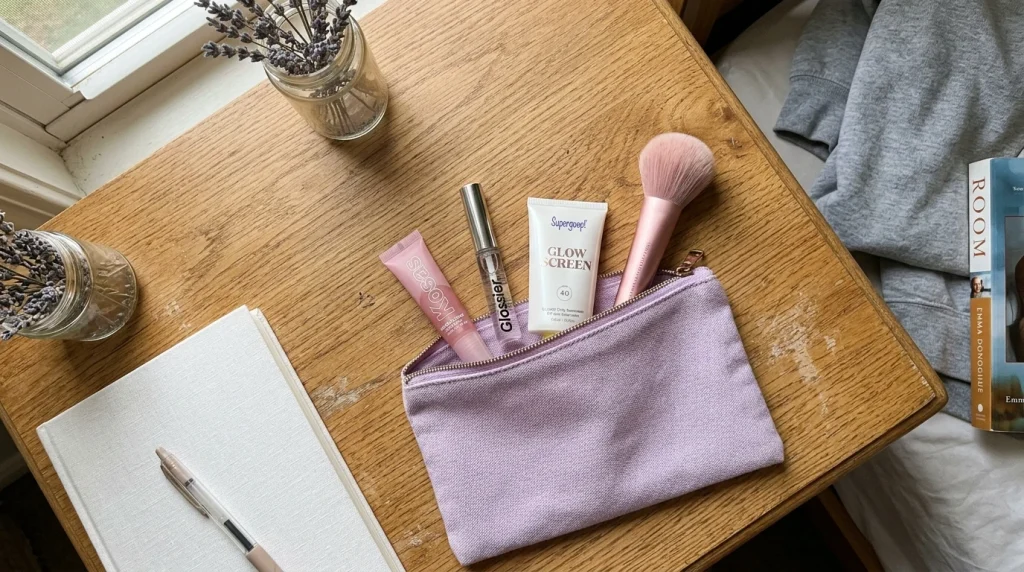
If you are putting together a practical, skin-friendly starter kit for a beginner teen, focus on these versatile essentials:
- Tinted Mineral Sunscreen or BB Cream: Delivers light, breathable coverage while protecting against UV damage.
- Hydrating Spot Concealer: For targeted coverage on occasional blemishes or dark circles without heavy cakey buildup.
- Multi-Use Lip and Cheek Tint: Easy to blend with fingertips, providing a fresh and natural dewy glow.
- Clear or Soft Brown Brow Gel: Keeps brows neatly groomed and structured without looking harsh or overdrawn.
- Tubing Mascara: Coats lashes in water-resistant polymers that wash away cleanly with warm water, eliminating the need for harsh eye-rubbing.
Navigating Parent-Teen Makeup Conversations
Open, empathetic dialogue is the key to preventing beauty-related household friction:
- Listen Without Immediate Judgment: Ask what inspired their interest in makeup—friends, an artistic hobby, or social media trends—to understand their underlying motivation.
- Establish Clear Compromises: Agree on clear boundaries: subtle looks for school days and family events, with greater creative freedom for weekend social activities.
- Consider Professional Guidance: Booking a lesson with a clean-beauty makeup artist or dermatologist can provide objective, expert guidance on natural application and skincare hygiene.
Frequently Asked Questions (FAQ)
What is the best age for a teenager to start wearing makeup?
Most dermatologists and educators recommend starting around ages 12 to 14 with subtle, skin-friendly items like tinted lip balm, clear brow gel, and light BB cream, gradually expanding as the teen demonstrates responsible skincare and hygiene habits.
Can wearing makeup worsen teenage acne?
Makeup itself does not cause acne if products are non-comedogenic and removed thoroughly every night. However, sleeping in makeup, using dirty application sponges, or using heavy oil-based formulas can trigger acne cosmetica.
What should I do if my teen wears heavy makeup to school against the rules?
Discuss the school’s dress code policy calmly. Explain the difference between situational aesthetics (academic vs. social settings) and agree on a daily 5-minute morning routine that complies with school standards while allowing creative freedom on weekends.
Which makeup brands are safest for adolescent skin?
Look for clean, dermatologist-tested brands that prioritize sensitive, acne-prone skin, such as Tower 28, Clinique, BareMinerals, e.l.f. Skin, and Honest Beauty.
Get our latest guides, news, and insights highlighted in your Google Search & AI Overviews.