Is shooting a flare gun illegal? The short answer is yes, shooting a flare gun is completely illegal in almost all circumstances unless you are experiencing a genuine, life-threatening emergency. While flare guns themselves are federally classified as emergency signaling devices rather than traditional firearms, misusing them carries severe legal consequences, including state and federal felony charges. Firing a pyrotechnic device into the air for a celebration, as a prank, or during a non-emergency can immediately trigger a massive search and rescue operation from agencies like the United States Coast Guard. Causing a false alarm in this manner can lead to prison time, exorbitant fines, and mandatory financial restitution. Furthermore, using a flare gun improperly over land can result in arson, reckless endangerment, or assault charges. However, when used correctly for their intended purpose—such as signaling for help during maritime distress or wilderness survival—flare guns are not only legal but are often required by law. In this guide, we will explore the precise legal boundaries of flare gun laws, the strict penalties for false distress signals, and when modifying a flare gun turns it into a federal crime.
Shooting a flare gun is strictly illegal unless you are signaling a genuine, life-threatening emergency. Firing one as a prank, celebration, or without cause is a federal offense that can result in felony charges for false distress signals, reckless endangerment, and massive fines. Additionally, modifying a flare gun to shoot standard ammunition immediately turns it into an illegal, unregistered firearm under ATF regulations.
What Is the Legal Classification of a Flare Gun?
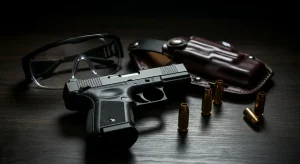
To understand flare gun laws, you must first look at how federal agencies define these devices. Under the regulations set forth by the ATF (Bureau of Alcohol, Tobacco, Firearms and Explosives), a standard marine or wilderness flare gun is legally classified as a signaling device, not a firearm. According to the Gun Control Act (GCA), a firearm is defined as a weapon designed to expel a projectile by the action of an explosive. Because a flare launcher is designed exclusively to launch pyrotechnic visual distress signals, it does not meet this definition.
As a result, you do not need a background check, a concealed carry permit, or a firearms license to purchase, own, or transport a standard flare gun. They can be freely purchased at marine supply shops, hardware stores, and outdoor sporting goods retailers. However, this non-firearm classification is conditional. It only applies as long as the device remains completely unmodified and is used exclusively for its intended emergency purpose.
It is also critical to note that state and local jurisdictions may have their own overlapping laws. For example, if a flare gun is carried concealed with the intent to use it as a weapon, or if it is used during the commission of a crime, local prosecutors will often treat it exactly like a deadly weapon or a firearm. Always review local municipal codes if you plan to carry a signaling device in a vehicle outside of marine or deep wilderness environments.
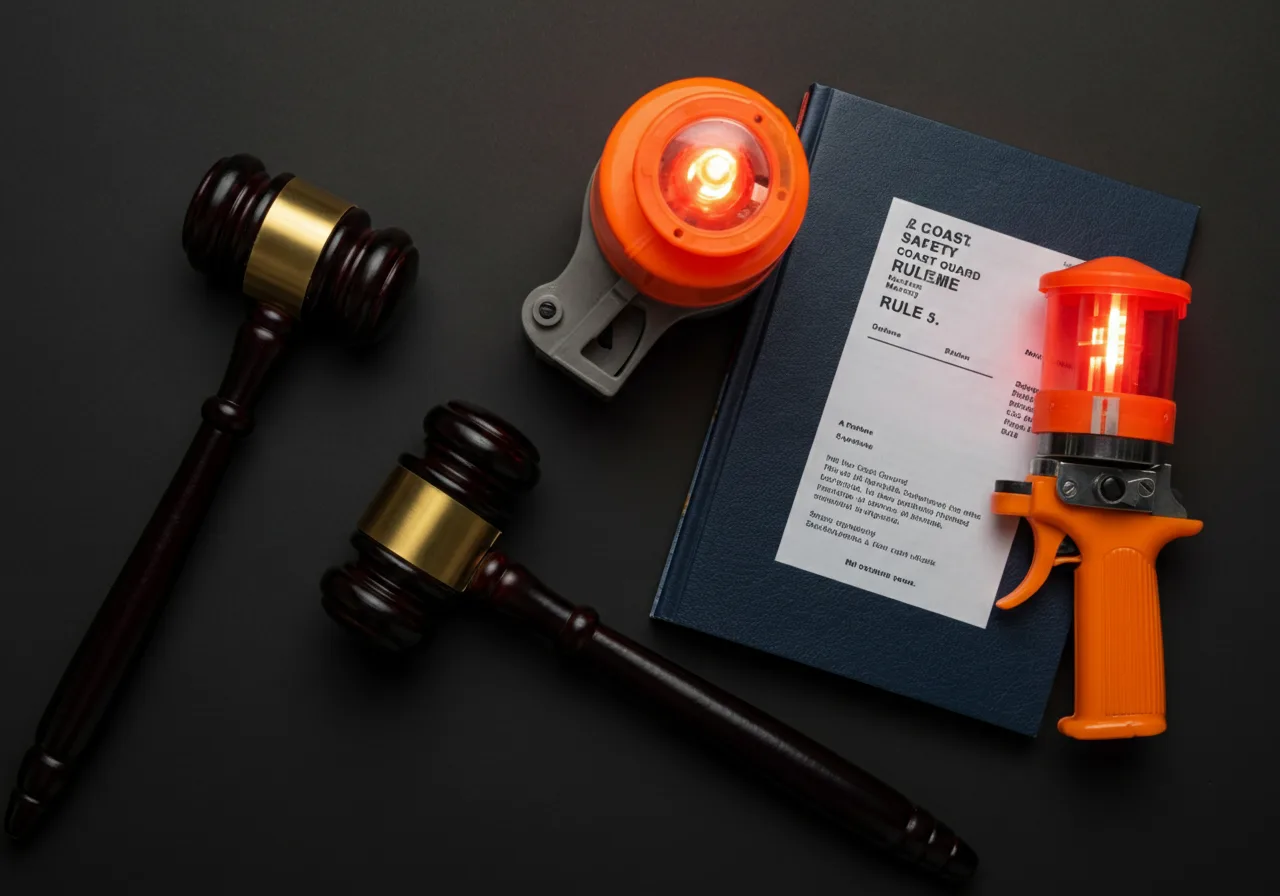
When Is Shooting a Flare Gun Illegal?
Shooting a flare gun in the air is entirely illegal if there is no active emergency. Flares are universally recognized by law enforcement, aviation authorities, and maritime patrols as an absolute distress signal. Therefore, firing one for recreational purposes is a direct violation of the law.
Common illegal scenarios include firing a flare gun to celebrate holidays like the Fourth of July or New Year’s Eve, shooting one into the air as a prank, or using it at a party. It is also illegal to fire a flare gun in residential areas, city limits, or over dry land where the risk of starting a catastrophic fire is incredibly high. If you shoot a flare gun in a non-emergency situation and it lands on someone’s property, you will face swift criminal prosecution and can be held civilly liable for any property damage, bodily harm, or panic caused by your actions. Emergency signaling devices must strictly be reserved for situations where life, limb, or property is in imminent and unavoidable danger.
Never fire a flare gun over land unless it is an absolute emergency. Flares burn at extremely high temperatures and take a long time to extinguish, posing an immediate and catastrophic fire hazard if they land on rooftops, dry brush, or vehicles.
The Consequences of False Distress Signals
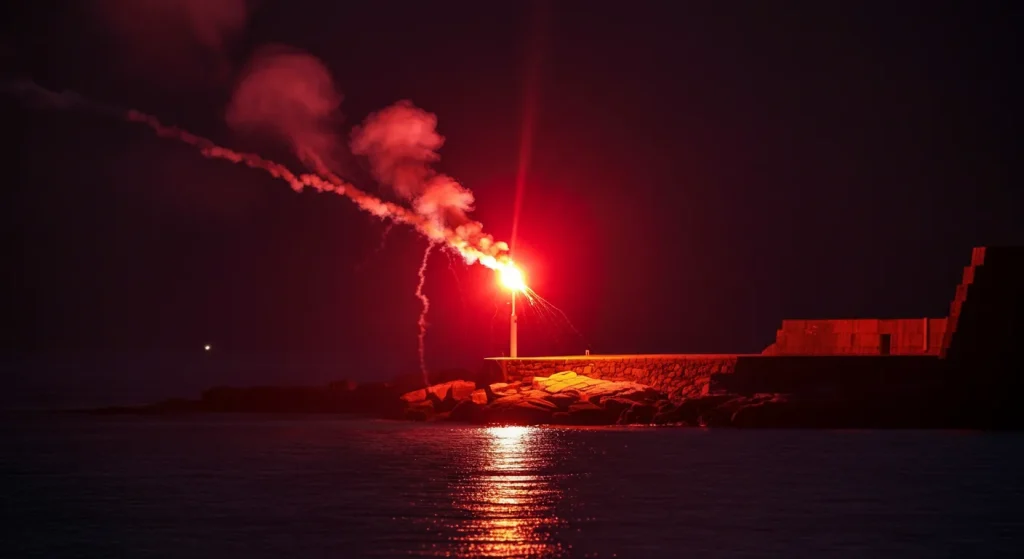
One of the most severe legal consequences of illegally shooting a flare gun is being charged with making false distress signals. When a red or orange pyrotechnic flare is spotted over a body of water, coastal region, or national park, the United States Coast Guard and local rescue agencies are legally and morally obligated to respond. They will immediately launch a comprehensive search and rescue (SAR) operation.
Under federal law (14 U.S.C. § 88), intentionally broadcasting or displaying a false distress signal is a serious federal offense. If convicted of this Class D felony, penalties can be financially and personally devastating. You can face up to six years in federal prison, a criminal fine of up to $250,000, and an additional civil penalty of up to $10,000. Furthermore, the court will mandate that the offender pay full restitution to the Coast Guard and local agencies for the operational costs of the search. Deploying helicopters, cutter ships, and specialized rescue personnel often costs tens or even hundreds of thousands of dollars.
Can You Be Charged with Reckless Endangerment or Arson?
Absolutely. Pyrotechnic flares are manufactured using highly combustible materials, often magnesium or phosphorus, designed to burn intensely in wet, windy, and adverse conditions. They burn at temperatures exceeding 2,000 degrees Fahrenheit (1,093 degrees Celsius) and are engineered to stay illuminated as they slowly descend from the sky.
Shooting a flare gun over a populated area, a forest, or a dry field is exceptionally dangerous. If a descending flare lands on a structure or vegetation and causes a fire, you will likely be charged with arson, reckless burning, or criminal destruction of property, depending on your state’s statutes. Even if no fire is started, firing a flare into a crowd or across a residential neighborhood will lead to immediate charges of reckless endangerment or assault with a deadly weapon.
Many people ask: can a flare gun kill you? The answer is an unequivocal yes. The intense heat, combined with the kinetic energy of a flare striking a person at close range, can cause fatal third-degree burns, massive tissue damage, and blunt force trauma. Because of this lethal potential, they should never be pointed at another person, even in supposed self-defense, unless as an absolute last resort where deadly force is legally justified.
Is It Illegal to Modify a Flare Gun to Shoot Ammo?
Modifying a flare gun to fire standard ammunition is not only highly illegal, but it is also an aggressive federal offense. Some misguided individuals attempt to use sub-caliber inserts—metal sleeves designed to fit inside the wide 12-gauge or 26.5mm barrel of a flare gun—to allow the device to chamber and fire traditional shotgun shells or handgun rounds.
The exact moment you install a sub-caliber insert, or otherwise modify the frame to shoot live ammunition, the ATF reclassifies the flare gun as a manufactured firearm. Because this “firearm” was not legally registered or serialized, it falls under the jurisdiction of the National Firearms Act (NFA) and is often classified as an “Any Other Weapon” (AOW) or a short-barreled shotgun. Possessing an unregistered, modified flare gun will lead to federal felony charges for illegal firearm manufacturing and possession of an unregistered weapon.
Beyond the severe legal penalties, it is practically suicidal. Flare guns are typically made of cheap, high-impact plastics or cast zinc. They are absolutely not designed to withstand the tens of thousands of pounds of pressure generated by modern ammunition. Firing a real bullet or shotgun shell out of a plastic flare gun almost always results in a catastrophic failure, causing the weapon to explode like a grenade in the user’s hand.
Proper and Legal Uses for Flare Guns
Despite the strict laws surrounding their misuse, flare guns are completely legal when used correctly as emergency signaling devices. For many maritime vessels, they are actually legally mandated equipment.
| Legal Use Case | Description |
|---|---|
| Maritime Emergencies | The Coast Guard mandates that vessels operating on coastal waters, the Great Lakes, and the high seas carry approved visual distress signals. Using a flare to signal for rescue during a sinking, fire, or severe medical emergency is legally protected and expected. |
| Deep Wilderness Survival | Hikers, mountaineers, and explorers in remote backcountry areas can legally fire a flare to signal search and rescue teams if they are lost, severely injured, or stranded without cell service or satellite communication. |
| Aviation Distress | Pilots of downed or disabled aircraft may use onboard flare guns to signal their exact location to airborne helicopters or ground-based rescue crews, ensuring rapid recovery. |
If you are in genuine distress and require immediate rescue, firing a flare gun is your legal right. You will not face penalties, fines, or scrutiny for deploying a visual distress signal if you legitimately and reasonably feared for your life or safety.
You Might Also Be Interested In
While understanding legal codes and emergency preparedness is critical for your safety, taking care of your physical health and skin is just as important in your daily routine. Check out our personal care guides:
Frequently Asked Questions (FAQ)
Can a flare gun kill you?
Yes, a flare gun can absolutely be lethal if fired directly at a person. Flares burn at over 2,000 degrees Fahrenheit and travel at high velocities when expelled from the launcher. Striking someone with a flare can cause catastrophic third-degree burns, massive tissue damage, blunt force trauma, and can ignite clothing, leading to fatal injuries.
Can I use a flare gun for self-defense?
While it is not strictly illegal to use a flare gun in self-defense during a severe life-or-death scenario, it is highly unadvisable and carries immense legal risk. Flare guns are single-shot, highly inaccurate, and take a long time to reload. Furthermore, using one offensively can easily start a structural fire, which could lead to additional arson, manslaughter, or reckless endangerment charges, even if your initial use of force was justified.
Do you need a background check to buy a flare gun?
No. Under federal ATF regulations, unmodified flare guns are classified as emergency signaling devices rather than traditional firearms. You can legally purchase them online, at boating stores, or at sporting goods retailers without a background check, waiting period, or firearms license.
Expert Guide: Is It Illegal To Shoot A Flare Gun
When researching is it illegal to shoot a flare gun, following structured best practices and expert recommendations is essential for achieving optimal grooming, style, and personal care outcomes. Implementing evidence-based methods protects your skin barrier and extends product longevity.
Essential Tips & Key Recommendations:
- Optimal Preparation: Always prepare the target area with proper cleansing, gentle hydration, or targeted skin conditioning before applying active products or styling techniques.
- Application Technique: Use light, controlled pressure and align with your natural skin contours and hair growth patterns to prevent friction and irritation.
- Post-Application Care: Lock in results with nourishing, non-comedogenic moisturizers or protective barriers to maintain balance and hydration.
- Sanitization & Tool Maintenance: Clean and dry all grooming accessories and applicators immediately after use, storing them in a cool, well-ventilated space.
Frequently Asked Questions:
Q: What is the most critical guideline regarding is it illegal to shoot a flare gun?
A: Prioritize gentle, consistent care using high-grade, hypoallergenic products and sanitized equipment tailored to your personal routine.
Get our latest guides, news, and insights highlighted in your Google Search & AI Overviews.