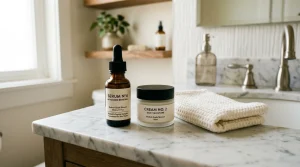
Blackheads can be a frustrating skincare issue, often leaving you wondering if your daily cleanser is enough to tackle them. While a good cleanser is essential for maintaining clear skin, it might not be the magic solution for stubborn blackheads. In this article, we’ll explore whether your cleanser can effectively remove them or if you need to incorporate additional products to achieve the results you desire. By understanding the root causes of blackheads and the role of different skincare products, you can create a tailored routine that truly meets your skin’s needs. Keep reading to discover actionable insights and tips for a clearer, healthier complexion.
Can Cleansers Effectively Remove Blackheads?
While cleansing your skin is a fundamental part of any skincare routine, whether it effectively removes blackheads can depend on several factors. Blackheads are essentially clogged pores that occur when dead skin cells, oil, and bacteria accumulate. A good facial cleanser can help remove excess oil and impurities, providing the initial step in blackhead prevention and removal.
However, not all cleansers are created equal when it comes to tackling blackheads. Foaming or gel-based cleansers tend to be more effective because they often contain ingredients that break down oil and debris. Ingredients like salicylic acid can penetrate pores deeply, helping to dislodge the material that causes blackheads. Therefore, while a basic cleanser might rinse away surface impurities, it may not achieve the deeper cleaning necessary to effectively remove blackheads.
Additionally, maintaining a regular cleansing routine is key-ideally, you should cleanse your face twice daily. Using the right technique is also crucial: apply the cleanser using gentle circular motions for about 30 seconds on damp skin, making sure to focus on areas prone to blackheads, such as the nose and chin. This method encourages deeper penetration of the cleanser and helps loosen stubborn blockages.
If you’re finding that traditional cleansers aren’t cutting it, it may be time to consider complementary treatments like exfoliation or topical medications specifically designed for blackhead removal. Combining these elements into your skincare could yield more effective results in achieving clearer skin.
Understanding Blackheads: Causes and Types
Blackheads are a common skincare concern that many of us grapple with at some point. These small, dark spots on the skin are actually a type of acne caused by clogged pores. Understanding their origins is crucial for effective treatment and prevention. When excess oil, dead skin cells, and bacteria accumulate in hair follicles, they create a blockage. This material oxidizes when exposed to air, leading to the characteristic black coloration.
There are different types of blackheads; they can vary based on their appearance and the regions of the face they affect. Open comedones, or traditional blackheads, are what most people think of-they appear on the skin’s surface and are often found on the nose, chin, and forehead. Conversely, closed comedones are similar but remain beneath the skin’s surface and may appear as white bumps. Understanding these distinctions can help target your cleansing and treatment routines more effectively.
Factors contributing to blackhead formation include hormonal changes, excess oil production, and even dietary components. For example, fluctuating hormone levels during menstrual cycles can lead to increased oil production. Similarly, consuming high-glycemic foods, such as sugars and refined carbs, can aggravate your skin. By recognizing these causes, you can make informed choices about your cleansing and skincare routine.
Ultimately, while cleansers play a critical role in blackhead prevention, understanding the intricacies of blackheads themselves paves the way for more effective treatment strategies. Incorporating a well-rounded approach-including exfoliation, targeted treatments, and maintaining a healthy diet-can significantly enhance your efforts to achieve clear skin.
The Science Behind Cleansing: How It Works
Cleansing isn’t just a surface-level task; it’s a science that plays a vital role in maintaining healthy skin, especially when it comes to dealing with blackheads. At its core, cleansing works by removing impurities such as excess oil, makeup, dead skin cells, and dirt that accumulate on the skin’s surface and within the pores. This buildup can lead to blockages, which in turn contribute to blackhead formation. Understanding this process can empower you to make informed decisions about the products you use and how you incorporate them into your routine.
When you apply a cleanser to your skin, its active ingredients work to break down these impurities. Cleansers typically contain surfactants, which are compounds that reduce the surface tension of oils and help to lift them away from the skin. This makes it easier for water to wash them away. For effective results, it’s essential to choose a cleanser that suits your skin type. For example, if your skin is oily, look for gel-based cleansers that can help cut through excess oil without stripping the skin of moisture. If you have dry skin, cream-based cleansers might be more beneficial, as they provide hydration while cleaning.
However, not all cleansers are created equal when it comes to battling blackheads. While a good cleanser can help reduce the occurrence of blackheads by keeping your pores clear, it may not be sufficient on its own for those stubborn spots. This is where the distinction between cleansing and other treatments becomes crucial. Regular cleansing should be paired with gentle exfoliation and targeted treatments containing ingredients like salicylic acid, which penetrates pores to break down the debris that leads to blackheads.
Ultimately, using a cleanser effectively involves understanding your skin’s needs and complementing your cleansing routine with proper exfoliation and treatment products. By doing so, you can help prevent blackheads and maintain a clearer complexion over time.
Do All Cleansers Remove Blackheads?
To effectively combat blackheads, it’s essential to recognize that not all cleansers are equipped to tackle this common skin concern. While a good cleanser can help maintain the cleanliness of your pores, the reality is that many standard face washes won’t remove blackheads on their own. Blackheads are primarily caused by the accumulation of sebum and dead skin cells that clog pores. Therefore, merely cleansing the skin may not be sufficient to dislodge these stubborn impurities.
Choosing the right type of cleanser is crucial. Opt for cleansers that contain ingredients known for their efficacy against blackheads, such as salicylic acid or glycolic acid. These ingredients help to break down the debris lodged within the pores, promoting a deeper clean. For instance, salicylic acid is oil-soluble, allowing it to penetrate the pore walls, where it can dissolve the oily plugs that lead to blackheads. Gel-based cleansers are often recommended for oily skin types, as they can help eliminate excess oil without over-drying. Meanwhile, those with dry skin should look for gentler cream formulations that still target pore congestion without stripping the skin of necessary moisture.
Importantly, relying solely on a cleanser may lead to disappointment. Regular cleansing should be part of a broader skincare routine that includes exfoliation and targeted treatments designed specifically for blackheads. Exfoliating two to three times a week can remove dead skin cells, preventing future blockages. Consider pairing your cleansing efforts with a treatment product that contains retinoids or gentle chemical exfoliants for optimal results.
In summary, while a quality cleanser is an important step in managing blackheads, it should not be your only solution. Combining effective cleansing with appropriate exfoliation and targeted treatments will yield the best results in achieving clearer, healthier skin.
Exfoliation vs. Cleansing: What’s the Difference?
Understanding the distinction between cleansing and exfoliating is vital for anyone looking to maintain clear skin and effectively manage blackheads. Many people mistakenly believe that washing their face with a cleanser is all they need to do to keep their pores clear. While a good cleanser is essential, it plays a different role compared to exfoliation. Cleansers primarily help remove surface dirt, excess oil, and makeup, providing a fresh canvas for your skin. They typically wash away what you can see, but they might not penetrate deeply enough to address the build-up that leads to blackheads.
Exfoliation, on the other hand, is like a deep-clean for your skin. It specifically targets the dead skin cells that accumulate on the surface and can clog pores. It comes in two forms: physical exfoliants, which include scrubs that contain small particles to manually slough off dead skin, and chemical exfoliants, like those with salicylic or glycolic acid, which dissolve debris and promote cell turnover. For effective blackhead management, incorporating exfoliation two to three times a week can significantly enhance your results. This process not only clears away dead skin but also helps to prevent the formation of new blackheads by keeping your pores open and unclogged.
In summary, while cleansing is crucial for everyday skin care, it should be complemented with regular exfoliation. Think of cleansing as a daily ritual to remove surface impurities, and exfoliation as your weekly defense against deeper blockages. This combination helps ensure your skin remains clear and healthy. Remember, it’s not just about removing what you can see; it’s about addressing the underlying build-up that can lead to blackheads and other skin concerns.
Best Ingredients for Blackhead Removal
To tackle blackheads effectively, you’ll want to equip yourself with products that harbor specific ingredients known to penetrate deeply and eliminate the buildup that leads to clogged pores. When selecting a cleanser or treatment, aim for products infused with the following powerful components.
- Salicylic Acid: A beta hydroxy acid (BHA) that excels at dissolving excess sebum and the dead skin cells that accumulate in pores. Salicylic acid not only reduces blackheads but also prevents future breakouts by keeping pores clear.
- Glycolic Acid: This alpha hydroxy acid (AHA) is excellent for exfoliating the skin’s surface and improving overall skin texture. By promoting cell turnover, it helps slough off the dead skin that can clog pores, making it particularly effective in preventing blackheads.
- Charcoal: Known for its detoxifying properties, activated charcoal can draw impurities and excess oil from the skin. It’s often found in cleansers and masks formulated specifically for oily or acne-prone skin.
- Tea Tree Oil: Renowned for its antibacterial properties, this natural ingredient helps combat the bacteria that can lead to clogged pores. Using tea tree oil in your cleansing routine can help reduce inflammation and irritation associated with blackheads.
- Retinoids: Products containing retinoids can significantly help in reducing blackheads. They encourage cell turnover and prevent the formation of clogged pores. Over-the-counter options like retinol can provide mild exfoliation and improved skin texture over time.
Choosing a product with the right active ingredients is crucial, but it’s equally important to understand how to use them for the best results. For instance, start applying a salicylic acid cleanser two to three times a week to avoid over-exfoliation, adjusting frequency based on your skin’s response. Always follow up with a good moisturizer to keep your skin hydrated, as some of these ingredients can be drying.
Incorporating these elements into your skincare routine can significantly enhance your chances of managing blackheads effectively. Remember, it’s not solely about what you use but how consistently you apply these products that defines your skincare journey towards clearer skin.
Top Cleansers to Consider for Blackheads
Finding the right cleanser can be a game changer in your battle against blackheads. You want something that not only cleans but also actively works to unclog your pores without stripping your skin of essential moisture. Here’s a closer look at some effective cleansers to consider that target blackhead removal.
For a powerful yet gentle option, look for cleansers that feature salicylic acid. For instance, products like the CeraVe Renewing SA Cleanser not only exfoliate but also maintain the skin’s moisture barrier, making it suitable for all skin types. Salicylic acid penetrates deep into the pores to dissolve the oil and dead skin that contribute to blackheads. Apply it in the morning and evenings for optimal results.
Another fantastic choice is a gel cleanser with charcoal. The Biore Charcoal Cleanser is well-rated for its ability to draw out impurities and excess oil. Use this on damp skin, massaging it gently in circular motions for about 30 seconds. This will not only help with existing blackheads but will also prevent new ones from forming.
If you prefer a natural approach, consider using a cleanser with tea tree oil. The The Body Shop Tea Tree Skin Clearing Facial Wash harnesses tea tree oil’s antibacterial properties to combat bacteria as you cleanse. This product is especially beneficial if you have oily or acne-prone skin. A dime-sized amount should be sufficient for a thorough wash; make sure to follow it up with a non-comedogenic moisturizer to keep your skin hydrated.
Lastly, for those willing to invest in a more targeted treatment, a dual-action cleanser like the Neutrogena Oil-Free Acne Wash combines glycolic acid and salicylic acid for a potent formula that champions blackhead removal. Remember, it’s crucial to use these types of cleansers consistently to see the best results. If irritation occurs, adjust your usage frequency to allow your skin time to adapt.
Incorporating these specific types of cleansers into your skincare routine is a proactive step toward clearer skin and reduced blackheads. By choosing products with the right ingredients and using them properly, you can effectively manage and prevent blackheads while maintaining your skin’s health and vitality.
When to Use a Cleanser vs. Treatments
Knowing when to reach for a cleanser versus a specialized treatment can make a significant difference in your skincare routine, especially if you’re dealing with blackheads. It’s easy to feel overwhelmed given the array of products available, but understanding their purposes will empower you to make the right choice for your skin.
In general, cleansers should be your go-to for daily use. They help remove dirt, oil, and makeup from your skin’s surface and can prevent the buildup that leads to blackheads. However, while a good cleanser might contain beneficial ingredients like salicylic acid that help prevent blackheads, it often isn’t enough for deep treatments required to manage existing ones effectively. If you notice stubborn blackheads or excess oil production, that’s your signal to incorporate more targeted treatments.
When to Use a Cleanser
Begin and end your day with a cleanser as part of your skincare regimen. If you’re using one with active ingredients, such as salicylic acid, apply it to damp skin and gently massage it in for about 30 seconds. This not only cleanses but also preps your skin to better absorb any subsequent products. For those with normal or oily skin, a daily cleanser can be highly effective at combating blackheads.
When to Use Treatments
If your blackheads are persistent or numerous, consider reaching for a treatment specifically designed to clear them out. These may come in the form of masks, exfoliating solutions, or patches that work on a deeper level. Ingredients like benzoyl peroxide or exfoliating acids (like glycolic acid) are particularly potent and can be used a few times a week to accelerate the removal of dead skin cells and unclog pores. For instance, using a clay mask once a week can provide a deep cleanse and absorb excess oil, reducing the likelihood of blackheads forming.
Remember to observe how your skin reacts. If you’re ever unsure, it might be beneficial to consult with a dermatologist. They can help pinpoint the right balance of cleansing and treatment to suit your specific skin type, ensuring you maintain both clarity and hydration.
DIY vs. Store-Bought: Which Is Better?
In the quest for clear skin, many find themselves at a crossroads: should you reach for DIY solutions or stick to store-bought products? Both options offer unique benefits, and understanding their strengths and weaknesses can help you make the best choice for managing blackheads.
DIY cleansers are often commended for their natural ingredients and cost-effectiveness. You can create gentle scrubs or masks at home using items like honey, oatmeal, or baking soda. For example, a simple oatmeal and honey mask can help exfoliate and hydrate your skin without harsh chemicals. However, the effectiveness of DIY solutions can vary significantly depending on your skin type and the combination of ingredients used. While many find success with homemade concoctions, others may struggle to achieve consistent results, leading them to seek more reliable alternatives.
On the other hand, store-bought cleansers and treatments are formulated to meet specific skin needs and often include potent ingredients that have been clinically tested. Look for products containing salicylic acid, benzoyl peroxide, or glycolic acid, as they are particularly effective against blackheads. For example, a salicylic acid cleanser can penetrate pores and help dissolve the debris that leads to blackheads, providing a targeted solution that DIY mixes might lack. Yet, with the vast array of options available, it can be overwhelming to select the right one, especially if you have sensitive skin that reacts to certain chemicals.
Ultimately, the best approach may be a combination of both methods. You might find that a store-bought cleanser provides a solid foundation for your routine, while DIY masks can offer a supplementary boost. It’s all about what works for your skin. Always conduct a patch test before trying new products or recipes to avoid adverse reactions, and don’t hesitate to consult a dermatologist for personalized advice tailored to your skin’s unique needs.
Signs You Need Professional Treatment
Recognizing when it’s time to seek professional help for blackheads can be a pivotal moment in your skincare journey. If you find that your routine isn’t yielding results despite your best efforts with both DIY and over-the-counter products, it might be a signal that you need to bring in an expert. Here are some clear signs that suggest it’s time for professional treatment.
First, if your blackheads have evolved into stubborn acne lesions or cysts, this can indicate that the congestion in your pores is more severe than a typical blackhead condition. A licensed dermatologist can offer treatments such as chemical peels or extractions performed in a sterile environment, reducing the risk of scarring and further infection. Additionally, if you frequently experience skin irritation or allergic reactions to cleansers or treatments, a professional can help diagnose the underlying causes and recommend safer alternatives tailored specifically to your skin type.
Another important factor to consider is the persistence of your blackheads. If you’ve been diligently following a cleansing and exfoliation regimen for several weeks with little to no improvement, it’s worth consulting a skincare professional. Sometimes the root of the issue may involve deeper layers of skin requiring advanced treatments like microdermabrasion or laser therapy. These methods can provide results that regular cleansers cannot achieve, as they help to address skin texture and overall clarity.
Lastly, if blackheads are accompanied by other concerning symptoms-such as redness, swelling, or pain-it’s essential to seek professional advice. These could be signs of an infection or an inflammatory skin condition that requires intervention beyond typical cleansing routines. A dermatologist’s trained eye can provide insight not only on the blackheads but on your overall skin health, paving the way for a smoother, clearer complexion.
In summary, being proactive and attentive to your skin is crucial. If DIY methods and store-bought products aren’t cutting it or if you notice larger issues, don’t hesitate to reach out to a professional for guidance. Your skin will thank you!
How to Maintain Clear Skin After Removal
To keep your skin clear and healthy after blackhead removal, it’s crucial to establish a consistent and gentle skincare routine. This not only helps prevent new blackheads from forming but also promotes overall skin health. Here are some practical steps to ensure your skin remains blemish-free.
Start with a gentle cleanser suited to your skin type, using it twice a day. Look for formulas that contain salicylic acid, as it penetrates pores to help dissolve debris and excess oil. When cleansing, apply a dime-sized amount to damp skin and use gentle circular motions for about 30 seconds. This helps to effectively remove any residual dirt and prevent clogged pores. Always follow up with a light moisturizer, even if your skin feels oily; hydration is key to maintaining balance.
Exfoliation also plays an important role in preventing the return of blackheads. Aim for exfoliating your skin two to three times a week using a chemical exfoliant like glycolic acid, which helps to remove dead skin cells without scrubbing. Unlike physical scrubs, chemical exfoliants can effectively reach deeper layers of the skin, providing thorough cleansing for a clear complexion. Always follow up with sunscreen during the day since exfoliation can make your skin more sensitive to sun exposure.
Additionally, consider incorporating a clay mask into your routine once a week. Clay masks draw out impurities and excess oil from the skin, providing a deeper cleanse. Look for masks containing ingredients like bentonite or kaolin clay for the best results. Apply the mask according to the instructions, typically leaving it on for about 10-15 minutes before rinsing off with warm water.
In summary, maintaining clear skin after blackhead removal involves a well-rounded approach with consistent cleansing, exfoliation, and the right products. Stay hydrated, protect your skin with sunscreen daily, and give your skin time to adjust to any new products. With these practices in place, you’ll be on your way to achieving a smooth, radiant complexion without the worry of blackheads returning.
Frequently asked questions
Q: Can a cleanser prevent blackheads from forming?
A: While a cleanser can help remove dirt and excess oil, it won’t completely prevent blackheads. To reduce blackheads, choose a cleanser with salicylic acid, which penetrates pores and helps dissolve debris. Incorporating regular exfoliation and maintaining a consistent skincare routine is crucial.
Q: How often should you use a cleanser to remove blackheads?
A: Use a gentle cleanser twice daily-morning and night. Over-cleansing can irritate your skin and exacerbate blackhead issues. Remember to follow up with other treatments suitable for your skin type, as mentioned in “Best Ingredients for Blackhead Removal.”
Q: Do oil cleansers help with blackheads?
A: Yes, oil cleansers can help dissolve excess sebum and debris from the skin’s surface. They are effective for those with oily skin types. However, follow with a water-based cleanser to ensure that all residue is effectively removed, providing a balanced approach to blackhead management.
Q: What ingredients should I avoid in cleansers for acne-prone skin?
A: Avoid harsh ingredients like alcohol and sulfates, which can strip the skin of its natural oils and trigger increased oil production. Opt for gentle, non-comedogenic formulas with soothing ingredients, as discussed in “Best Ingredients for Blackhead Removal.”
Q: Are charcoal cleansers effective for blackheads?
A: Charcoal cleansers can be effective in drawing out impurities and excess oil from the skin, making them a beneficial option for blackhead removal. Look for charcoal cleansers in the “Top Cleansers to Consider for Blackheads” section to find specific product recommendations.
Q: Can over-cleansing worsen blackheads?
A: Yes, over-cleansing can strip the skin’s natural oils, leading to increased oil production and potentially worsening blackheads. Stick to a twice-daily cleansing routine and incorporate exfoliation to maintain balance and skin health.
Q: When should you consider professional treatments for blackheads?
A: If at-home methods aren’t effective after consistent use, it may be time to seek professional help, such as chemical peels or extraction treatments. Consult a dermatologist for personalized advice based on your skin type and condition, as highlighted in “Signs You Need Professional Treatment.”
Q: Can a cleanser remove existing blackheads completely?
A: No, most cleansers can’t completely remove existing blackheads. They can help prevent new ones from forming, but consider using additional treatments like pore strips or exfoliating masks to more effectively target existing blackheads, as explained in “When to Use a Cleanser vs. Treatments.”
In Conclusion
As we wrap up our exploration of whether cleansers can truly remove blackheads, remember that while a good cleanser can help keep your skin clean and clear, sometimes additional treatments may be necessary for stubborn issues. Don’t hesitate to check out our guides on exfoliation techniques and pore-minimizing masks to take your skincare routine to the next level.
If you have lingering questions or specific concerns about your skin, consider signing up for our newsletter for personalized tips and the latest in skincare science. Your journey to clearer skin doesn’t have to be complicated-just take it one step at a time!
Now that you’re equipped with the right knowledge, go ahead and browse our related articles on effective skincare routines and DIY face masks. Your skincare success story is just a few clicks away! Feel free to comment below with any thoughts or questions; we love hearing from you and are here to help.
Get our latest guides, news, and insights highlighted in your Google Search & AI Overviews.