
Did you know that using a razor too many times can lead to skin irritation and cuts? Understanding how many times you can safely reuse a razor is essential for maintaining not only your grooming routine but also your skin health. Many people wonder about the right frequency for changing blades, often leading to overuse that can compromise a smooth shave.
In this article, we’ll explore safe reuse guidelines, helping you determine the optimal number of shaves before it’s time to replace your razor. Whether you’re an experienced user or just starting your grooming journey, this guide will provide you with practical advice tailored to your skincare needs. Let’s dive deeper into ensuring that you achieve a close, comfortable shave without unnecessary risks!
Understanding Razor Lifespan: Key Factors to Consider
Understanding the lifespan of your razor is crucial for achieving a smooth shave and maintaining skin health. The longevity of a razor depends on several factors, including the type of blade, frequency of use, and how well it is maintained. Generally, a good quality razor blade can last between 5 to 10 shaves, but this varies widely depending on your shaving routine and skin type.
The key factors influencing razor lifespan include:
- Blade Material: Stainless steel blades tend to last longer than coated or carbon steel blades, as they resist rust and corrosion.
- Shaving Technique: Gentle, smooth strokes reduce wear and tear on the blade, while pressing too hard can dull it quickly.
- Hair Thickness: Those with coarser hair may find that they dull their blades more quickly, necessitating more frequent replacements.
- Shaving Cream or Gel: Using a quality shaving cream can help lubricate the blade, reducing friction and prolonging its lifespan.
- Post-Shave Care: Thoroughly rinsing and drying the blade after each use can prevent the buildup of moisture and soap, which can lead to rust and dullness.
To maximize the effectiveness of your razor, consider these points when deciding how many uses you can safely get out of it. Learning to listen to your razor and notice subtle signs-such as tugging or pulling during shaving-can help you determine when it’s time for a new blade. This understanding not only helps you maintain smoother skin but also contributes to a more cost-effective shaving routine.
How to Identify When a Razor Is Worn Out
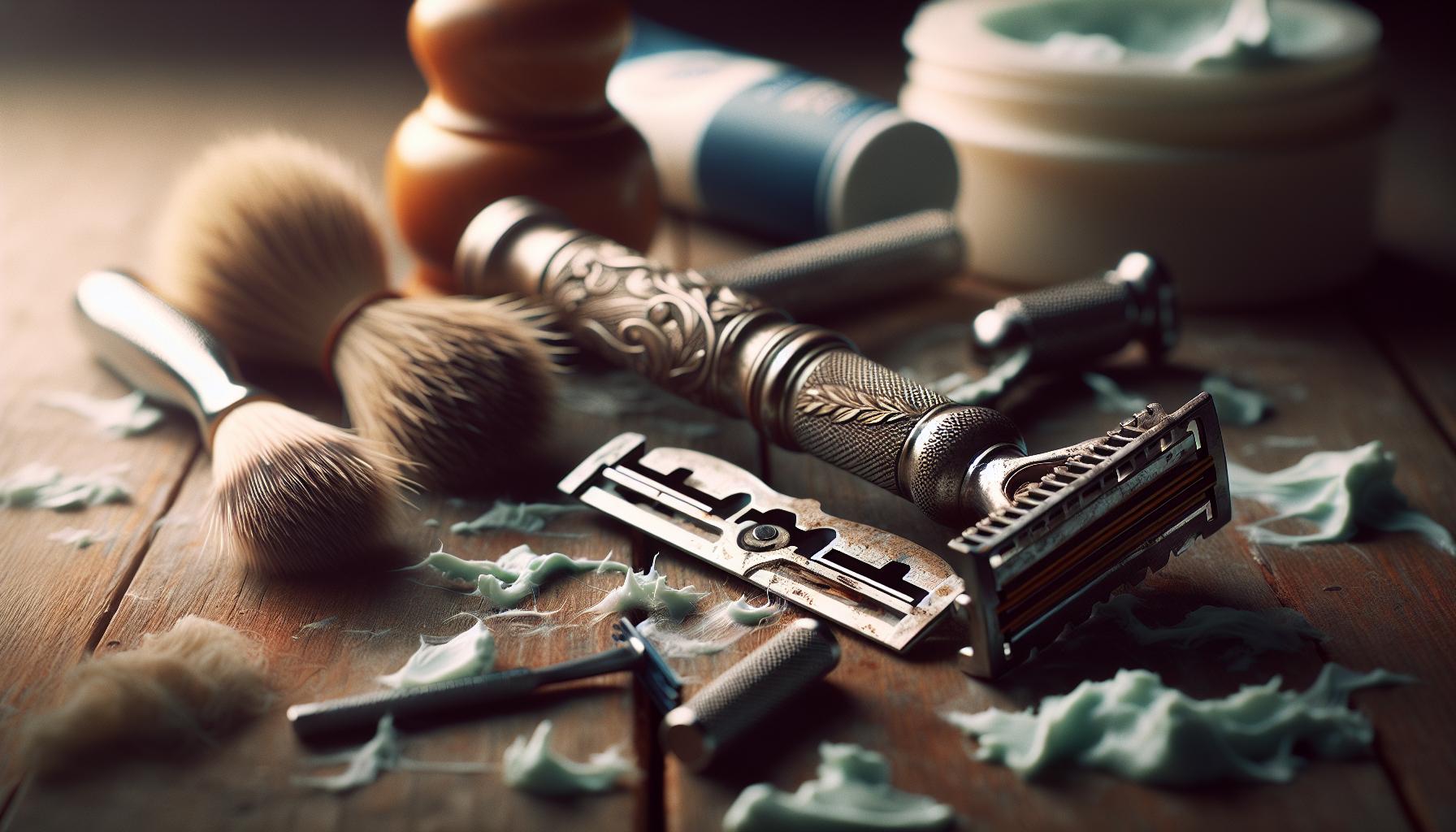
Determining when it’s time to replace your razor isn’t always straightforward, but there are clear signs you can look for. A well-maintained razor should glide smoothly across your skin, but if you start feeling tugging or pulling, it’s an indication that the blade is becoming dull. This discomfort can lead to irritation, nicks, and cuts, making your shaving routine more of a chore than a pleasure. Monitor your skin’s reaction; redness or razor burn after shaving could signal the need for a new blade.
Another effective way to assess your razor’s condition is through a simple visual inspection. Look closely at the blade edge; it should appear sharp and even. If you notice nicks, dullness, or rust, it’s definitely time to retire your razor. For cartridge razors, inspect the pivoting head; if it does not move smoothly, it could affect the blade’s effectiveness.
Timing can also be a guide. For many people, changing the blade after 5 to 7 shaves is a good rule of thumb, but this can vary depending on hair thickness and shaving frequency. Keeping track of your shaves can help you set a replacement schedule, so you’re not caught off guard by a dull blade.
As you incorporate these observations into your shaving routine, remember that taking good care of your razor can extend its lifespan. Proper drying after use and storing it in a dry place can prevent rust and degradation, keeping your blades sharp and effective for longer. By being aware of these signs, you can ensure a smoother, more enjoyable shaving experience and maintain healthy skin.
Maximizing Razor Lifespan: Tips for Safe Reuse
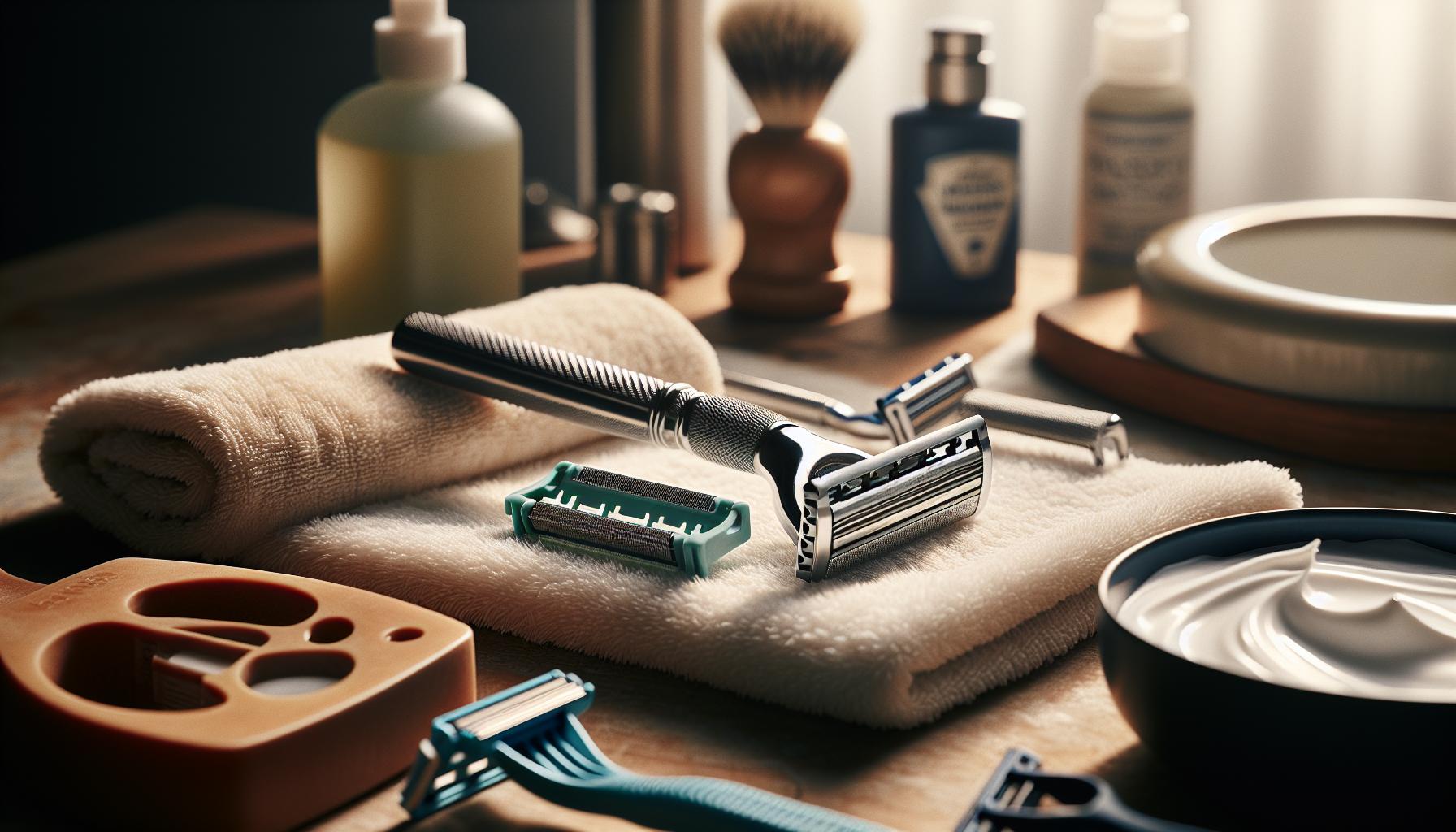
To extend the lifespan of your razor, proper care and practices are essential. Just like any grooming tool, your razor benefits from regular maintenance and mindful usage, allowing you to maximize its effectiveness while minimizing costs.
One of the most important steps you can take is to thoroughly clean your razor after each use. Rinse it under warm water to remove hair, shaving cream, and skin oils, as buildup can lead to dull blades and hinder performance. For a deeper clean, gently scrub the blade with an old toothbrush to dislodge any stubborn residue, but avoid using harsh chemicals that could damage the blade.
Storing your razor correctly can also make a significant difference. Keep it in a dry place; moisture is the enemy of razor blades because it promotes rust. A good practice is to let your razor dry completely after each use before placing it in a storage container. Using a razor holder or stand can aid in draining water and keeping the blades elevated from surfaces that retain moisture.
Additionally, consider rotating blades if you use multiple razors. This allows the blades to rest between uses, which can help maintain sharpness. If you have a multi-blade cartridge, try alternating between different cartridges to see which maintains sharpness longer based on your shaving habits.
Finally, though you might be tempted to push a razor beyond its intended lifespan, remember that regular replacements are critical. A dull razor is not only ineffective but can irritate your skin and lead to cuts. Pay attention to signs of wear, and don’t hesitate to change blades regularly-aim for every 5 to 7 shaves. By caring for your razor and being mindful of its usage, you’ll ensure a smooth and safe shaving experience every time.
Different Types of Razors and Their Best Practices
When exploring the various types of razors, it’s crucial to understand their unique characteristics and best practices for use. Each type caters to different grooming preferences and requires specific care to maximize its effectiveness. Choosing the right razor can elevate your shaving experience and ensure safety and efficiency in hair removal.
Types of Razors and Their Best Practices
- Cartridge Razors: These are perhaps the most common option, favored for their convenience and ease of use. The key to maintaining a cartridge razor lies in keeping it clean after each shave. Rinse the blades thoroughly to remove hair and shaving cream, avoiding buildup that can dull the blades. It’s advisable to store cartridge razors in a dry place to prevent moisture that can lead to rust.
- Safety Razors: Known for their eco-friendliness and cost-effectiveness, safety razors use double-edged blades. To extend their lifespan, ensure that the blade is not exposed to excess moisture after use. Drying the razor completely and replacing the blade regularly-typically every 5 to 10 shaves-will keep your shave smooth and irritation-free.
- Straight Razors: Preferred by many grooming aficionados, straight razors offer a close shave. Practice is essential with this type, and they require maintenance like honing and stropping to keep the blade sharp. Always wipe the blade clean and dry it thoroughly after use to maintain its edge. Storing it in a protective case can also guard against accidental damage.
- Electric Razors: These are ideal for those who prioritize speed and convenience. Regular cleaning is essential, especially models with detachable heads. Keep the components dry and lubricate the blades as recommended by the manufacturer to ensure longevity. It’s wise to replace blades occasionally-usually every few months-to maintain optimal performance.
Understanding the different types of razors and their specific care requirements allows you to make informed choices that contribute to better grooming outcomes. Remember, the right technique and maintenance not only enhance your overall experience but also promote the longevity of your grooming tools.
Signs of a Dull Razor and How to Test Sharpness
Using a dull razor can lead to nicks, irritation, and an overall disappointing shaving experience. Recognizing when your razor has lost its edge is crucial not just for comfort but also for your skin’s health. So how can you tell when your razor is not sharp enough to do its job effectively? There are several signs to look for, and a few simple tests you can perform.
One of the most obvious signs of a dull razor blade is increased tugging or pulling during shaving. If you find that you need to apply extra pressure to achieve a close shave, it’s time to consider replacing your blade. This increased resistance can also lead to skin irritation, so don’t ignore this warning sign. A well-sharpened blade should glide smoothly over the skin with minimal effort.
To test your razor’s sharpness, you can perform a simple paper test. Take a piece of regular printer paper and make a smooth, quick stroke across the edge of the blade. A sharp razor will cut through the paper with ease, leaving a clean edge. If the blade struggles, tears, or even bends the paper, this indicates that it’s time for a replacement.
Lastly, consider the number of uses the blade has seen. For disposable cartridge razors, generally, you can expect to get about 5 to 7 shaves before they start to dull. Safety razor blades can last between 5 to 10 shaves depending on the blade’s quality and the coarseness of your hair. Keeping track of how many shaves you’ve had can help you be proactive in maintaining your shaving routine without compromising your skin.
Being mindful of these signs not only enhances your shaving experience but also protects your skin from potential irritation. If you notice any of these signs, don’t hesitate to swap out your blade for a fresh one. Your skin will thank you!
Hygiene Practices for Safely Reusing Razors

Maintaining proper hygiene when reusing razors is essential for both skin health and the longevity of your shaving tools. Did you know that improper care can not only affect the performance of your razor but also increase the risk of skin irritation or infections? Following a few simple hygiene practices can make all the difference.
Start by ensuring that your razor is well-rinsed after each use. Rinse it under warm water to remove hair, shaving cream, and skin cells. This step helps prevent the build-up of bacteria, which can lead to infections. After rinsing, gently shake off excess water and allow the razor to air dry completely in a vertical position. Avoid placing it in closed containers or damp areas, as moisture can encourage bacterial growth.
To further enhance cleanliness, consider occasionally sanitizing your razor. A simple soak in alcohol (like isopropyl alcohol) for about 5-10 minutes can help kill any lingering germs. Just be sure to rinse it with water afterward to remove any alcohol residue.
When storing your razor, keep it in a dry, clean area away from direct moisture. If you’re using a cartridge razor, be mindful not to press the blades against hard surfaces, as this can dull the edges and compromise hygiene. Additionally, change your razor blades regularly-at least every 5-7 uses, or sooner if you notice signs of dullness or discomfort.
Implementing these hygiene practices will not only help preserve the quality of your razor but also protect your skin from potential irritations, making your shaving experience more comfortable and effective. Remember, a little attention to hygiene goes a long way in ensuring a positive grooming routine.
How to Properly Care for Your Razor Between Uses
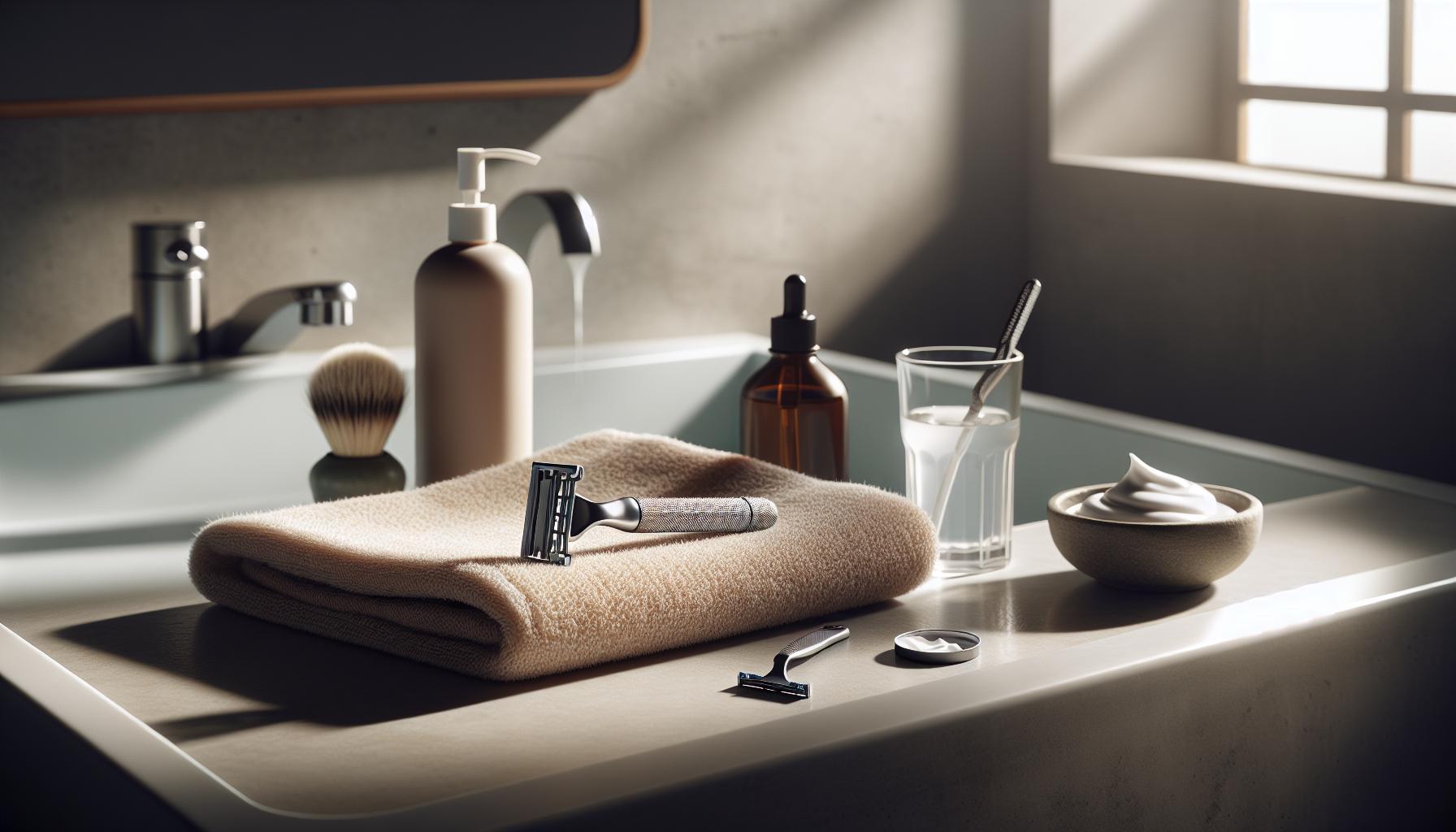
Proper care between uses is essential for maintaining the effectiveness and longevity of your razor. By adopting simple yet effective practices, you can enhance your shaving experience and ensure your razor remains in peak condition for as long as possible.
Start with a thorough rinse after each use. Rinsing your razor under warm water helps to remove hair, shaving cream, and skin cells that can build up and lead to bacteria growth. After rinsing, gently shake off excess water and store the razor in a vertical position to air dry completely. This helps prevent moisture accumulation, which can encourage rust and bacterial growth.
Sanitizing Your Razor
To keep your razor hygienic, consider soaking it in a solution of isopropyl alcohol for about 5-10 minutes once a month. This method effectively kills lingering germs. However, always rinse it afterward to ensure no alcohol residue remains. Regular sanitization, combined with proper rinsing, can significantly reduce the risk of skin irritations and infections.
Storage Tips
When it comes to storing your razor, place it in a dry and clean environment, away from direct moisture. If you use cartridge razors, avoid pressing the blades against hard surfaces, as this can compromise their sharpness. For safety and hygiene, consider using a razor stand or a designated holder to keep the blades protected and dry.
Lastly, remember the rule of thumb for changing blades: aim to replace them every 5-7 shaves, or sooner if you notice any discomfort or pulling during use. By following these simple guidelines, you’ll not only extend the life of your razor but also enhance your overall shaving experience.
What Happens When You Use a Dull Razor?
Using a dull razor might seem like a minor inconvenience, but it can actually lead to a series of unpleasant and potentially harmful outcomes. When a blade loses its sharpness, it struggles to cut hair efficiently, meaning you may need to apply more pressure during shaving. This extra effort can increase your risk of nicks, cuts, and razor burn, causing discomfort and irritation that could lead to unsightly redness or even infections.
There’s a reason that professional barbers always have sharp razors on hand: they know that a well-maintained blade delivers a smoother, safer shave. When faced with a dull edge, your skin might also suffer from the consequences of bruising or scraping. Instead of gliding effortlessly over your skin, a dull razor can tug at the hair, increasing the likelihood of ingrown hairs. These occur when hair curls back into the skin instead of rising up and out, leading to painful bumps that can be frustrating to treat.
One practical tip to determine if your razor is dull is the “hair test.” Simply run the blade over a small section of hair. If it struggles or pulls rather than slicing cleanly, it’s time to either replace the blade or hone it to restore sharpness. Regularly assessing your razor’s sharpness can help maintain its effectiveness and your safety, ultimately enhancing your overall shaving experience.
To summarize, using a dull razor not only makes your shave less enjoyable but can also result in increased irritation, cuts, and complications like ingrown hairs. Regularly checking your blades and replacing them as needed will help ensure a smoother, safer shave, allowing you to tackle your grooming routine with confidence and ease.
When to Replace Your Razor: Expert Recommendations
You might be surprised to learn that the lifespan of a razor blade can vary widely based on several factors, including hair type, shaving frequency, and personal technique. Generally, it’s recommended to change a safety razor blade after about 5 to 7 shaves, but this number can fluctuate. Keeping a close eye on your blade’s performance is essential for a comfortable and effective shave.
As a rule of thumb, if you’re noticing increased pulling or tugging during your shave, it’s likely time for a replacement. Another signal is the presence of irritation, nicks, or cuts that weren’t an issue previously. Consider adjusting your blade change frequency based on the day-to-day variations in hair growth or changes in your skin sensitivity. Experienced shavers often develop a routine that fits their particular needs, whether they’re shaving daily or just a few times per week.
To make informed decisions on when to swap out your blades, pay attention to these key factors:
- Shave Frequency: Daily shavers may need to replace blades more often than those who shave less frequently, perhaps every 3 to 5 uses.
- Hair Thickness: Coarser hair can dull blades faster, necessitating earlier replacements. If you’re dealing with denser facial or body hair, be mindful of your blade’s performance.
- Technique and Pressure: If you tend to apply more pressure during your shave, this can accelerate blade degradation. A lighter touch helps prolong the life of the blade.
Wrapping it all up, remember that the quality of your shave is directly linked to the sharpness of your blade. By keeping an eye on the signs of dullness and adjusting your blade replacement schedule accordingly, you’ll enjoy a smoother, more comfortable shaving experience. Your skin will thank you for it!
Eco-Friendly Options for Razor Disposal and Recycling
When it comes to disposing of razors, many people might not realize the environmental impact of their choices. The average disposable razor can take hundreds of years to decompose, contributing to landfill waste. Fortunately, there are eco-friendly options to consider that can help mitigate this problem, ensuring you can dispose of your grooming tools responsibly while still maintaining your routine.
One of the simplest and most effective methods for disposing of razor blades safely is to use a designated blade bank. These containers are specifically designed for the safe storage and disposal of razor blades until they can be properly recycled. Most local recycling centers do not accept loose blades due to safety hazards, but many have programs in place where used razor blades can be dropped off in this type of container. This not only keeps the blades out of general waste but also helps recycle the metal.
For those who prefer a more sustainable approach to shaving, consider switching to safety razors or straight razors. While the upfront cost might be higher, these razors can last a lifetime with proper care. This shift can significantly reduce the number of disposable products entering the waste stream. Additionally, some companies are now producing metal razors from recycled materials, further minimizing their environmental footprint. Pair these with biodegradable shaving creams and soaps, and you’re on your way to a more sustainable grooming routine.
Lastly, if you’re considering alternative hair removal methods, options such as electric trimmers or epilators can also be more sustainable. They not only reduce waste from disposable razors but often require less frequent replacement and can be more cost-effective over time. By making conscious choices about the tools you use and how you dispose of them, you can play a part in reducing environmental impact while maintaining your grooming habits.
Adopting these practices means that you can enjoy a clean shave and care for the planet at the same time, which should leave you feeling good about your choices!
Alternative Hair Removal Methods to Consider
Exploring alternative hair removal methods can lead to a more sustainable and effective grooming routine. Many people may not realize that opting for different techniques can not only enhance your personal care but also minimize waste and cost in the long run. Here are some of the most popular methods to consider:
1. Waxing
Waxing removes hair from the root, offering longer-lasting results compared to shaving. You can choose between professional salons or DIY kits available in drugstores. If you’re trying it at home, warm the wax according to the package instructions, then apply a thin layer in the direction of hair growth. Press a cloth strip down firmly, wait a moment, and then pull it off quickly against the hair growth direction. Remember to perform a patch test first to check for skin sensitivity!
2. Sugaring
Similar to waxing, sugaring is a natural method using a paste made from sugar, water, and lemon juice. This technique is gentler on the skin and less likely to cause irritation. To use it, warm the paste until it’s pliable, then spread it onto your skin and flick it off with your fingers in the opposite direction of hair growth. Sugaring tends to be less painful and is also biodegradable, making it an eco-friendly choice.
3. Epilators
Epilators are electronic devices that pluck multiple hairs at once from the root. They can be used on various body parts and often result in smoother skin for weeks. To use, ensure your skin is clean and dry, run the epilator against the direction of hair growth, and take your time to avoid irritation. Although the initial pain may be a concern for beginners, many users find it tolerable with regular use.
4. Laser Hair Removal
For a more permanent solution, laser hair removal is increasingly popular. This method uses concentrated light to target hair follicles, effectively reducing hair growth over time. While it’s typically more expensive and involves multiple sessions, many find it to be a worthwhile investment due to its long-lasting results. It’s essential to consult with a reputable dermatologist or licensed practitioner to discuss potential side effects and ensure the procedure is safe for your skin type.
5. Electric Trimmers
Electric trimmers are ideal for those looking for a quick and easy hair removal solution with less risk of cuts. They come with various attachments for different hair lengths and desired styles. Simply glide the trimmer over your skin to achieve a clean look without the irritation often associated with razor blades. Plus, they are reusable and can significantly cut down on waste.
By considering these alternative hair removal methods, you can customize your personal grooming routine to better suit your lifestyle and values. Each method has its benefits, whether it’s in effectiveness, sustainability, or convenience. What matters most is finding what works best for you, your skin, and your hair type!
Frequently Asked Questions About Razor Use and Safety
When it comes to razor use, there are plenty of questions-especially about safety and longevity. Many people wonder how many times they can use a razor before it becomes unsafe or ineffective. The good news is that by following safe reuse guidelines, you can extend the life of your razor and enjoy a comfortable shave. Here, we address some of the most frequently asked questions to help you navigate your shaving routine effectively.
First, how many times can you safely use a razor? Generally, disposable razors can last for about 5 to 10 shaves, depending on hair thickness and shaving technique. If you’re using a safety or straight razor, the lifespan can be significantly longer, often lasting several months with proper maintenance. Regularly assess the blade’s performance; if you notice pulling or tugging, it’s time to replace or sharpen it. Remember, a dull blade not only leads to a less effective shave but can also increase the risk of nicks and cuts.
Another common concern revolves around the hygiene of razor use. To minimize the risk of infection, always rinse your razor after each use to remove hair and shaving cream. In addition, allow it to dry completely between uses to prevent bacteria growth. Storing your razor in a dry area, rather than in a damp environment, will further enhance its longevity and safety.
If you ever wonder what happens if you use a razor that’s too dull, the answer is simple: it can lead to irritation, razor burn, and cuts. To test for sharpness, gently run your finger across the blade (perpendicular to the edge). If it feels smooth, it might still be sharp, but if it catches or drags, it’s time for a change. Transitioning to a new blade when you notice these signs not only keeps your skin safe but also ensures your shaving experience is both effective and pleasant.
By staying mindful of the state of your razor and following best practices for care and hygiene, you can enjoy a safer, more efficient shaving routine. Don’t hesitate to reach out with specific questions or concerns about your shaving process!
Frequently asked questions
Q: How can I tell if my razor is safe to reuse?
A: To determine if your razor is safe for reuse, inspect the blade for dullness, rust, or visible damage. Dull blades can cause skin irritation and cuts. If the blade feels rough or pulls on the skin, it’s time to replace it. Always prioritize hygiene and safety over extended use.
Q: What is the average lifespan of a razor blade?
A: The average lifespan of a razor blade depends on use frequency, hair thickness, and care. Typically, a disposable razor lasts about 5-10 shaves, while cartridge razors can last 5-7 days for most users. Monitor the blade’s sharpness for optimal performance.
Q: Can reusing a razor lead to skin problems?
A: Yes, reusing a razor can lead to skin problems such as irritation, razor burn, or infection if the blade is dull or unhygienic. Always ensure your razor is clean, stored properly, and not used beyond its safe lifespan to minimize risks.
Q: Is it safe to share razors with others?
A: Sharing razors is not recommended due to hygiene concerns. It increases the risk of transmitting bacteria, viruses, or skin infections. Each individual should use their own razor to promote safe grooming practices and maintain skin health.
Q: How should I store my razor to maximize its lifespan?
A: Store your razor in a dry environment to prevent rust and bacteria buildup. Avoid storing it in a damp bathroom or closed container. A vertical position in a holder is ideal, allowing air circulation and keeping the blades dry.
Q: What can I do to extend the life of my razor blades?
A: To extend the life of your razor blades, rinse them thoroughly after each use to remove hair and shaving cream. Pat dry instead of wiping to maintain sharpness and store in a dry place. Regularly changing the blade or cartridge is also crucial for optimal performance.
Q: Are electric razors safer than manual razors for reusing?
A: Electric razors are generally considered safer for reusing as they often come with protective guards and less risk of cuts compared to manual razors. They also typically require less frequent blade changes, though hygiene practices are still essential for both types.
Q: What are the signs that indicate it’s time to replace my razor?
A: Replace your razor if you notice signs of dullness, rust, or friction during shaving. If you experience increased irritation, cuts, or razor burn, it’s likely time for a new blade. Regular monitoring is key to maintaining skin safety.
In Summary
Now that you know how many times you can safely reuse a razor, it’s time to take control of your grooming routine! Remember, keeping an eye on your razor’s condition can enhance your shaving experience, reduce skin irritation, and ultimately save you money. If you’re curious about how to choose the right razor for your next purchase or want to explore techniques for achieving the perfect shave, check out our guides on selecting the best safety razors and mastering shaving techniques.
Act now and elevate your grooming game-subscribe to our newsletter for expert tips and exclusive offers that keep you informed and stylish. Don’t hesitate to share your thoughts or ask questions below; we love hearing from you! Your next steps toward a smoother shave and an enjoyable grooming journey are just a click away. Remember, achieving the perfect shave is not just about the number of uses-it’s about understanding your tools and caring for them properly. Keep exploring, and let’s make every shave your best shave!
How Many Times Can You Use a Disposable Razor? Dermatologist Lifespan Guide
If you are wondering how many times can you use a disposable razor safely before risking razor burn or bacterial infection, the general dermatological rule of thumb is between 3 to 7 shaves. The exact lifespan depends on hair coarseness, the surface area shaved (face vs legs), and blade storage conditions.
Key Signs It Is Time to Replace Your Disposable Razor:
- Tugging and Pulling: If the razor tugs against hair follicles rather than gliding effortlessly, the microscopic cutting edge has curled and dulled.
- Faded Moisture Strip: Disposable razors feature aloe or vitamin E lubricating strips. When the color fades completely white, the protective glide layer is exhausted.
- Post-Shave Irritation: Experiencing razor bumps (pseudofolliculitis barbae) or redness indicates micro-nicks from a worn blade.
- Rust or Mineral Deposits: Never use a blade displaying visible oxidation, which introduces tetanus and bacterial risks.
Get our latest guides, news, and insights highlighted in your Google Search & AI Overviews.