
How Many Times Can You Use a Razor? Safe Reuse Guidelines

Discover safe reuse guidelines for your razor! Learn how many times you can use it effectively and keep your skin smooth. Don’t miss these essential tips!
How to Clean a Razor: Proper Maintenance for Longer Blade Life

Discover how to clean a razor for optimal performance! Extend blade life and achieve a smoother shave with these essential maintenance tips. Don’t miss out!
How to Make a Macro in Razor? Programming Guide for Beginners

Unlock the power of automation! Learn how to make a macro in Razor with our beginner’s guide. Get step-by-step tips and boost your efficiency today!
How Long Do Disposable Razors Last? Maximizing Blade Lifespan

Unlock the secret: How long do disposable razors last? Discover tips to maximize blade lifespan and get the closest, smoothest shave every time!
How to Disinfect a Razor: Proper Sanitization Techniques

Discover how to disinfect a razor effectively! Learn essential sanitization techniques to prolong blade life and ensure a safe grooming routine. Your skin will thank you!
Are Men’s Razors Better Than Women’s? Key Differences Explained

Discover the truth: Are men’s razors better than women’s? Learn the key differences and find the best option for your grooming needs today!
How Do You Empty the Shaving of Gamma Razor? Cleaning Guide

Learn how to empty the shaving of Gamma Razor effortlessly! Discover our step-by-step cleaning guide to keep your grooming tool in top shape-click now!
How to Clean Safety Razor: Maintenance for Optimal Performance
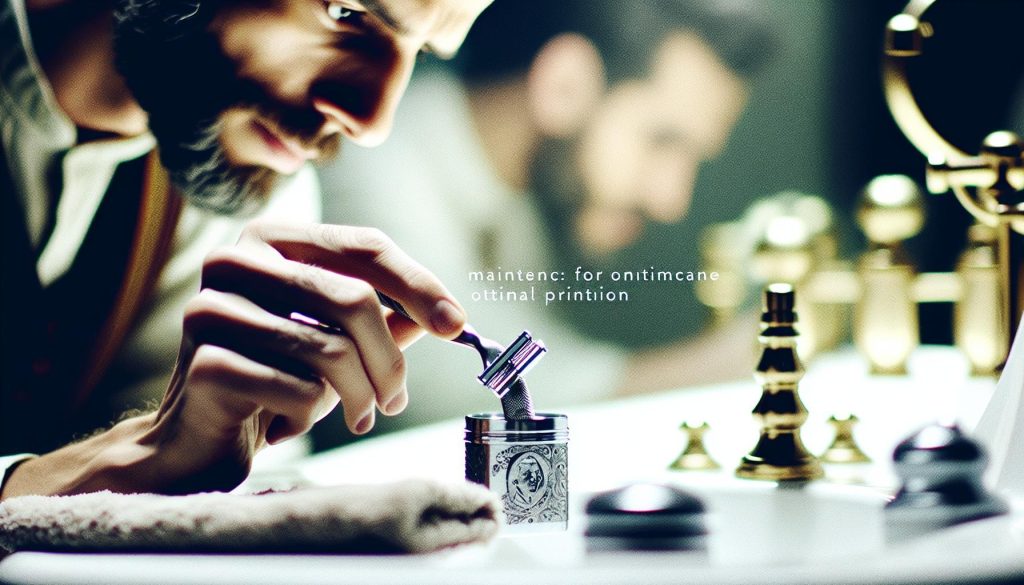
Revitalize your safety razor for smooth shaves! Discover simple cleaning tips for optimal performance and longevity. Don’t miss these essential maintenance hacks!
How Often Should You Change Your Razor? The Optimal Replacement Schedule

Discover how often you should change your razor for optimal shave quality! Learn essential tips to stay smooth and avoid irritation. Don’t wait-get informed now!
How to Change Razor Blade: Quick and Safe Replacement Steps

Revitalize your shave! Discover quick and safe steps to change your razor blade for a smoother experience. Don’t suffer with dull blades-learn how now!
Foundational Pillars (Start Here)
How Many Times Can You Use a Razor? Safe Reuse Guidelines
Detailed analysis covering technique, safety benchmarks, and optimal results for this grooming topic.
How to Clean a Razor: Proper Maintenance for Longer Blade Life
Detailed analysis covering technique, safety benchmarks, and optimal results for this grooming topic.
How to Make a Macro in Razor? Programming Guide for Beginners
Detailed analysis covering technique, safety benchmarks, and optimal results for this grooming topic.
How Long Do Disposable Razors Last? Maximizing Blade Lifespan
Detailed analysis covering technique, safety benchmarks, and optimal results for this grooming topic.
Metallurgical Preservation: Combating Crevice Corrosion, Oxidation & Biofilm Formation
A razor blade's cutting edge is only a few dozen nanometers thick, making it extraordinarily vulnerable to environmental degradation. Contrary to popular belief, blade dulling is rarely caused solely by cutting hair; the primary culprit is microscopic oxidation and crevice corrosion catalyzed by tap water minerals, fatty soap residue, and bathroom humidity. When wet blades sit in humid air, galvanic micro-cells form along the thin apex, causing the ultra-fine cutting edge to chip and corrode.
Implementing proper maintenance extends blade lifespan by up to 300%. Disassembling safety razors, cleaning mechanical components with soft brushes and mild surfactants, displacing residual water with isopropyl alcohol, and coating carbon steel in light mineral or camellia oil ensures that the cutting edge remains surgically sharp and biologically sterile.
| Maintenance Task | Protocol & Chemical Agents | Recommended Frequency | Preventative Benefit |
|---|---|---|---|
| Alcohol Water Displacement | Dip or rinse cutting head in 70-90% isopropyl alcohol | After every single shave | Evaporates trapped water, preventing microscopic rust chipping |
| Mineral Deposit Decalcification | Soak razor hardware in diluted 50/50 white vinegar and water | Monthly or as limescale appears | Removes calcium carbonate crust that disrupts blade alignment |
| Blade Lubrication & Oiling | Apply 1-2 drops of food-grade mineral or camellia oil to edge | Before storing for >48 hours | Creates an oxygen-impermeable barrier against airborne oxidation |
| Ultrasonic Hardware Cleaning | Submerge disassembled razor handle in ultrasonic water bath | Quarterly | Dislodges stubborn dried soap scum and deep bacterial biofilms |
Achieving master-level results requires respecting the anatomical limitations of hair and skin. By synchronizing high-grade cutlery alloys, proper hydration chemistry, and deliberate technique, groomers eliminate post-shave erythema while achieving enduring cutaneous smoothness.
Topic Directory & Methodologies
Essential Guides & Fundamentals
- How to Disinfect a Razor: Proper Sanitization Techniques
- Are Men's Razors Better Than Women's? Key Differences Explained
- How Do You Empty the Shaving of Gamma Razor? Cleaning Guide
- How to Clean Safety Razor: Maintenance for Optimal Performance
- How Often Should You Change Your Razor? The Optimal Replacement Schedule
Advanced Techniques & Reviews
- How to Change Razor Blade: Quick and Safe Replacement Steps
- How Often Should You Change Razor Blades? Signs It's Time
- When to Change Razor Blades? Signs You Need a Fresh Blade
- How Long Do Razors Last? Proper Usage for Extended Performance
- How to Sharpen Shaving Razor: Extending Your Blade's Life
- How to Replace Razor Blade: Simple Instructions for Every Type
Frequently Asked Questions
Why should you never tap your razor against the sink bowl?
Tapping a razor against porcelain or hard surfaces causes micro-dents and bends in the razor head, misaligns blade exposure, and chips the microscopic cutting edge, leading to harsh shaves and cuts.
Can you sharpen disposable razor cartridges with jeans?
Stropping a cartridge blade along denim cleans dried sebum and realigns minor edge rollovers, temporarily improving glide. However, it cannot replace genuine abrasive honing once the blade metal has micro-chipped.
How should straight razors be stored in a bathroom?
Never store straight razors in a steamy bathroom. Store them in a dry, ventilated drawer inside a breathable silicone-treated cotton sleeve or wooden box with a desiccant silica pack to prevent pitting rust.
What is the best way to clean an animal hair shaving brush?
Rinse thoroughly with warm water until clear, gently squeeze excess moisture, stropp lightly on a dry towel, and hang the brush upside down on a stand in a well-ventilated room to allow the core knot to dry completely.