
Did you know that the average lifespan of a razor can vary greatly depending on usage, type, and care? Whether you’re using a double-edged razor or a cartridge, understanding how long razors last is crucial for achieving a smooth shave while saving you money. Many people struggle with frequent razor replacements, leading to unnecessary expenses and wasted time. In this guide, we’ll explore not only the typical lifespan of different razors but also share practical tips on how to extend their performance. You’ll learn how to recognize when your razor needs replacing, and discover proper usage techniques that can make your shaves smoother and more effective. Stick with us to maximize your grooming routine and keep your skin feeling its best!
Understanding Razor Lifespan: What to Expect
Understanding the lifespan of your razor can significantly enhance your shaving experience, making it smoother and more cost-effective. Most disposable razors tend to last for about five to seven shaves, while housings for replaceable blade razors can generally perform for about two weeks to a month, depending on usage frequency and hair type. This variance stems from several factors, including the quality of the razor, the thickness of your hair, and your shaving technique.
When it comes to longevity, materials matter too. Stainless steel blades often provide a sharper edge for longer and resist corrosion better than their carbon counterparts. Furthermore, how you store your razor plays a crucial role in its lifespan. Keeping it in a dry environment prevents rust and dullness, which can be detrimental over time. Regularly replacing the blade as needed-not waiting until it tugs or irritates your skin-can also extend not just the razor’s life but your comfort during shaving.
Ultimately, while some razors may promise extended life, understanding that each individual’s shaving habits and hair types will influence performance can help set realistic expectations. By being mindful of the factors at play, you can better gauge when it’s time to swap out your equipment and maintain a consistently smooth shave. Remember, investing in a high-quality razor might cost a bit more upfront, but it can deliver better results-and longevity-over time.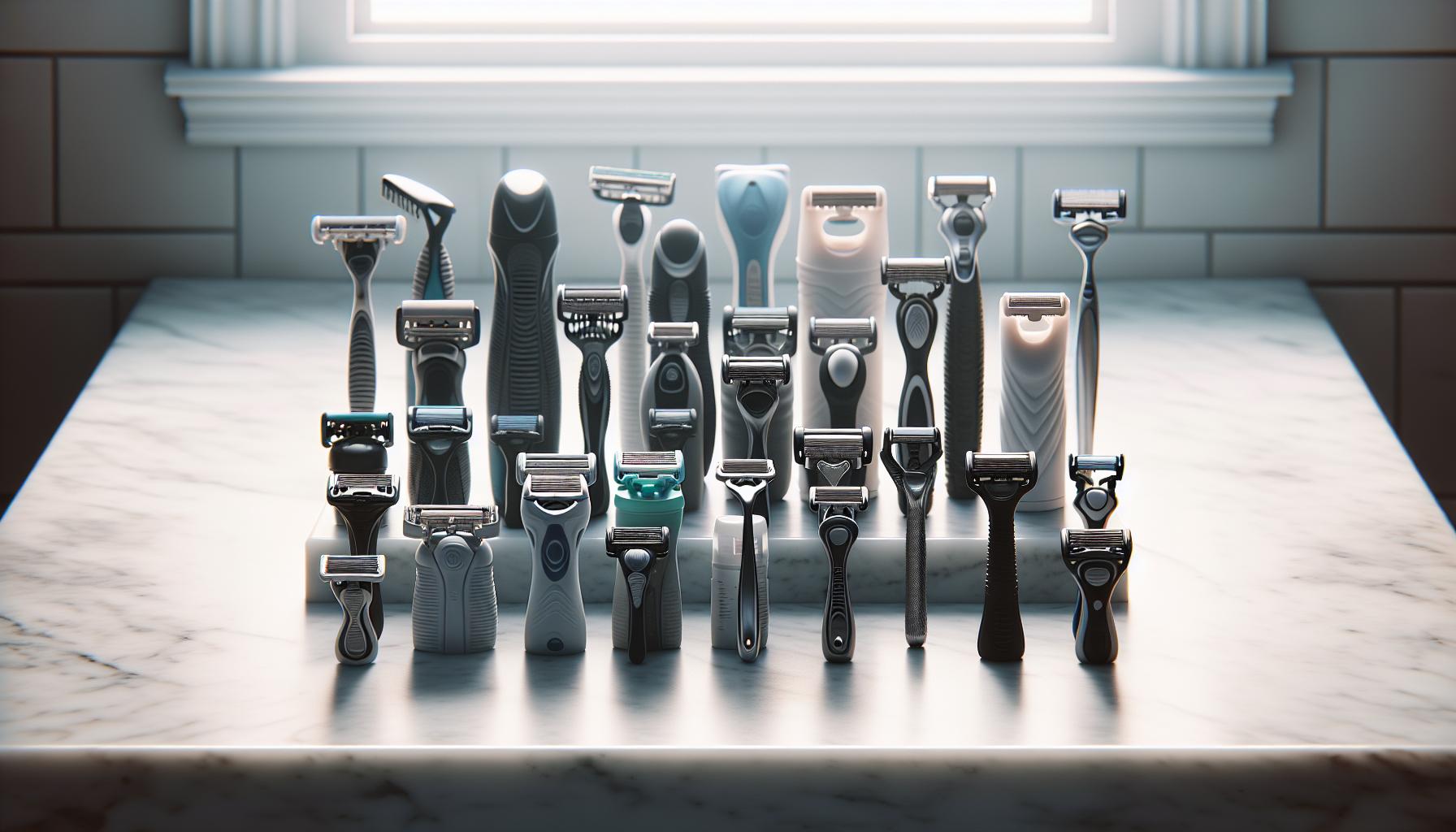
Factors That Affect Razor Longevity
Understanding what affects the longevity of your razor can significantly impact your grooming experience. Different razors have varying lifespans, and this can be influenced by several interconnected factors, ultimately determining how many shaves you can expect from your tool before it needs replacing.
One of the primary influences is the quality of materials used in your razor. For instance, stainless steel blades tend to hold a sharper edge longer than carbon steel options, which can rust and dull more quickly. The design of the razor itself-such as the weight and balance-can also affect how easily it glides across your skin, impacting both comfort and efficiency during shaves.
Your shaving technique and frequency also play critical roles. If you shave daily with a heavier beard or coarser hair, your razor will wear out faster than if you shave less frequently or have finer hair. It’s essential to pay attention to how your razor feels during use. If you notice it pulling or tugging, it might be time to replace the blade. Additionally, using a proper amount of pressure and angle while shaving can prevent premature dulling; generally, lighter strokes deliver better results.
Environmental factors matter too. Storing your razor in a dry place can prevent moisture-related issues such as rust or dullness. After use, shake off excess water and allow it to air dry instead of leaving it in a damp environment, like a shower. This simple habit can extend the life of your blades significantly.
Lastly, the types of shaving products you employ-like creams and gels-can influence razor longevity. Some products contain additives that can corrode blades faster than others. Opt for high-quality, low-irritation formulations to protect your razor while achieving a comfortable shave. By keeping these factors in mind and adjusting your routine accordingly, you’ll not only maximize the lifespan of your razor but also enhance the quality of your shaving experience.
Signs It’s Time to Replace Your Razor
When you start to notice certain signs during your shaving routine, it may be time to consider replacing your razor. Understanding these indicators not only helps maintain a comfortable shaving experience but also supports your skin’s health.
One of the primary signals that your razor has reached the end of its usefulness is dullness. If you find yourself applying more pressure than usual to get a close shave, or if your razor starts pulling or tugging at your hair, it indicates that the blade has lost its sharp edge. This can lead to discomfort, irritation, and even nicks. A sharp blade is essential for an effective shave, so if you feel like you’re wrestling with your razor, it’s best to change the blade or the entire tool.
Another indicator is visible wear and tear. Examine your razor regularly for signs of damage, such as chips, bends, or rust, especially if you’re using a safety razor or straight razor. Any wear can compromise the effectiveness of the blade and create an uneven shave. Additionally, if the handle feels loose or unstable, that’s a sign that it’s time to invest in a new one, since a secure grip is crucial for safe shaving.
You should also pay close attention to the frequency of use. If you’re a daily shaver, you might need to replace your blade or razor every few weeks. For those who shave less frequently, investment in higher-quality blades can offer longer-lasting sharpness, but they too will eventually need replacing. Setting a routine for evaluating your razor based on your shaving frequency can ensure a consistently smooth experience.
Lastly, if you’re experiencing increased skin irritation such as redness, bumps, or ingrown hairs, this might indicate that your razor is no longer effective. An outdated blade can exacerbate skin sensitivity and lead to problematic shaves. Switching to a fresh blade can make a world of difference in fostering a comfortable shaving experience.
In summary, staying attuned to your razor’s performance-by monitoring for dullness, visible damage, your shaving frequency, and skin irritation-will significantly enhance your grooming routine and prolong the enjoyment of a close, comfortable shave.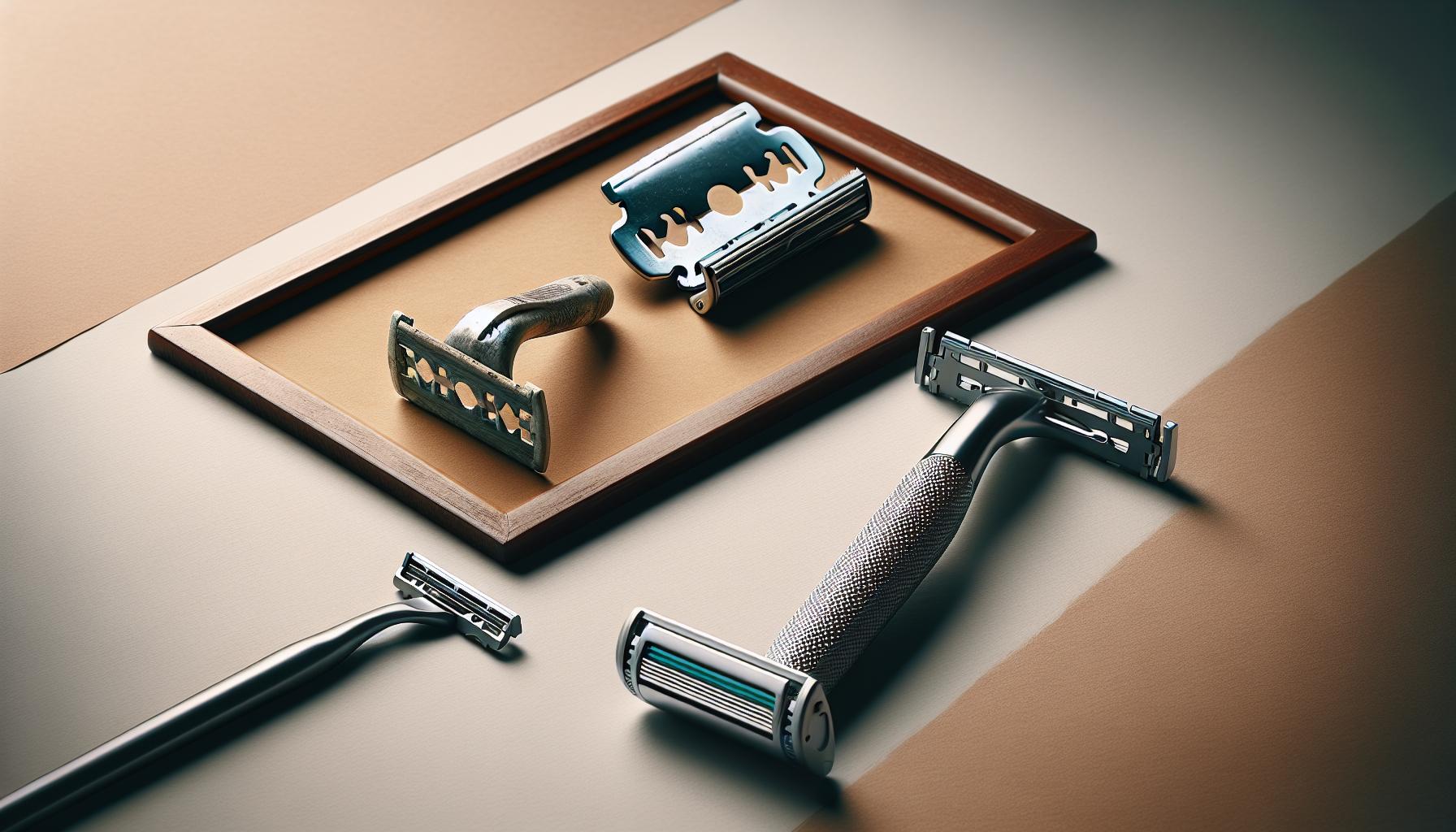
How to Properly Store Your Razors
To keep your razors lasting longer and performing well, proper storage is crucial. The environment where you store your shaving tools can have a significant impact on their longevity. After each use, rinse your razor under warm water to remove any hair, shaving cream, or residue. This simple step helps prevent dullness and keeps the blade in optimal condition. Once cleaned, shake off excess water to minimize moisture buildup, which can lead to rust over time.
Next, consider the location where you store your razors. It’s best to keep them in a dry place, away from humidity. Steam can rust metal blades quickly, so avoid leaving them in the shower or near sinks where they could be exposed to water droplets. Instead, store your razor in a cabinet or a drawer that remains dry. For an extra layer of protection, a dedicated razor stand or a protective case can be beneficial. This not only keeps your razor upright, allowing air circulation to dry the blade thoroughly, but also prevents accidental nicks and damage.
Another important aspect of storage is organization. If you use multiple razors or heads, consider labeling them or storing them in a way that makes it easy to find what you need without rummaging through a cluttered drawer. Clear storage boxes or trays can help keep items separated and visible. Lastly, maintain your storage space; regular cleaning and ensuring that blades are not competing for space will help prevent accidental damage.
In summary, proper storage practices, including cleaning, choosing the right location, and maintaining organization, contribute significantly to the lifespan of your razors. By implementing these tips, you’ll set yourself up for a consistently smooth shaving experience, getting the most out of your grooming tools.
Essential Techniques for Razor Maintenance
To keep your razor performing at its best and maximize its lifespan, regular maintenance is crucial. Just like any tool, the better you care for it, the longer it will last. A few simple techniques can ensure that your shaving experience remains smooth and pleasant.
Start by rinsing your razor thoroughly after each use. This is essential for removing hair, soap residue, and skin cells that can dull the blade over time. Hold the razor under warm running water for about 10 to 15 seconds, which helps dislodge any debris. After rinsing, gently shake off excess water-this step is vital as it prevents moisture buildup, which can lead to rust, especially in metal razors.
Another important aspect is proper drying. Once you’ve rinsed, take a clean cloth or towel and pat the blade dry, being careful not to apply too much pressure that could dull the edge. Avoid air-drying in humid spaces, as this can accelerate corrosion. For an extra protective measure, consider applying a few drops of mineral oil to the blade before storing it. This creates a barrier against moisture and helps maintain sharpness.
Regular Inspection
Performing regular inspections on your razor can also help maintain its performance. Check the blade for any signs of wear or damage, such as nicks, rust, or a dull edge. If you notice any of these signs, it may be time to replace the blade or consider purchasing a new razor altogether. A dull blade not only makes for an uncomfortable shave but can also lead to skin irritation and cuts.
Lastly, remember the importance of sanitation. Keeping your razor clean is crucial not just for performance but for your skin’s health as well. You can soak the razor head in a solution of warm water and a few drops of antibacterial soap for a few minutes. This helps eliminate any bacteria that may have built up during use. Rinse thoroughly and dry as mentioned earlier.
By incorporating these easy maintenance techniques into your routine, you’ll ensure that your razor remains a reliable tool for your grooming needs, delivering quality performance with every use. Taking a few extra moments to properly care for your razor can save you time and discomfort in the long run, and ultimately extend its life.
Best Practices for Using Your Razor Effectively
Using your razor effectively can significantly extend its lifespan while also ensuring a smooth, comfortable shave. Many people underestimate the importance of technique in their shaving routine, but small adjustments can make a world of difference. For starters, preparing your skin and hair properly is crucial. Before you shave, make sure to soften your hair with warm water or a pre-shave oil for a few minutes. This makes the hair more pliable and easier to cut, reducing strain on the blade.
When it comes to the actual shaving technique, use short, gentle strokes with the grain of your hair. Pressing too hard can not only lead to irritation but also dull your razor more quickly. Instead of forcing the blade, let it glide across your skin. This method not only protects your skin from nicks and cuts but also maintains the sharpness of your razor. If you find yourself going over the same area multiple times, it might be a sign that the blade is dull and needs replacing.
Maintenance During Use
Another smart practice is to rinse your razor under warm water after every couple of strokes. This helps remove hair and shaving cream that can clog the blade, ensuring a cleaner cut each time. After finishing, always rinse the razor thoroughly to eliminate all traces of soap and hair, preventing buildup that can lead to rust.
Lastly, follow up your shaving routine with proper aftercare. Using a soothing aftershave can help calm your skin and also protect the blade for the next use. Look for products that contain moisturizing ingredients, as these can further enhance your skin’s recovery and contribute to a better shaving experience in the future.
By following these practical suggestions, you’ll not only enjoy a better shave but also make the most out of your razor’s lifespan, ensuring it serves you well for many shaves to come.
Comparing Different Razor Types: Which Lasts Longer?
Different types of razors bring varied lifespans and performance characteristics, influenced by their construction and intended use. Understanding the differences can help you choose a razor that not only fits your shaving habits but also lasts longer, saving you time and money in the long run.
Double-Edged (DE) Razors: These razors utilize replaceable blades that can last anywhere from 5 to 10 shaves, depending on hair thickness and shaving technique. The DE razor itself is durable and can last for years, making it a cost-effective choice. Each blade is generally inexpensive, meaning you can regularly replace them without significant financial burden. Proper technique, like rinsing the blade after each use to prevent buildup, can help prolong its life.
Cartridge Razors: These are often favored for convenience, with blades designed to provide multiple shaves (typically around 5 to 10). However, many users find that cartridges can dull quickly, particularly if used on coarse or thick hair. The entire cartridge head is replaceable, which can lead to ongoing costs. If you prefer this type, consider investing in a higher-quality cartridge that lasts longer and provides a better shave.
Straight Razors: Known for their incredible longevity, a well-maintained straight razor can last a lifetime. They require regular honing and stropping to maintain their edge but, with care, their blades can stay sharp for many years. Despite a higher initial investment and the need for more extensive maintenance, straight razors are often viewed as the most sustainable option since they contribute less to landfill waste.
Electric Razors: While electric options can be more expensive upfront, they generally offer a long lifespan with proper care. Depending on the model, electric razors can last several years, and their rechargeable batteries can provide hundreds of shaves when maintained well. However, they do require some upkeep, such as cleaning and replacing foils or blades periodically.
In summary, the longevity of your razor hinges on both the type you choose and your shaving habits. Investing time in understanding the best practices for maintaining your selection can greatly extend its effectiveness, ensuring a smoother, more enjoyable shaving experience over time. Consider what features matter most to you-whether it’s convenience, cost, or sustainability-so you can select the type that fits your lifestyle best.
The Impact of Shaving Products on Razor Life
Using the right shaving products can greatly influence the life of your razor, and understanding this impact is essential for maintaining optimal performance. The products you choose can either enhance your shaving experience or lead to quicker blade dulling, causing you to replace your razor or blades more often than necessary.
First and foremost, shaving cream or gel plays a crucial role in protecting your razor’s edge. High-quality products create a protective barrier that allows the razor to glide smoothly over your skin, reducing friction. This is especially important with double-edged and cartridge razors, as they are more prone to dulling when dragged across dry or abrasive surfaces. Always opt for a cream or gel that hydrates and nourishes your skin, ensuring a smoother shave and extending the blade life.
Moreover, the ingredients in your shaving products matter. Fragrances, alcohol, and other harsh chemicals can damage the blade’s coating, leading to corrosion over time. Look for products containing natural oils and hydrating agents. These not only protect the blade but also leave your skin feeling refreshed and less irritated, which is a win-win. For example, shaving creams with coconut oil or shea butter can provide a cushion that not only enhances the shave but helps in minimizing wear on your blade.
Another factor is the post-shaving care products you use. After you finish shaving, using a moisturizer that is alcohol-free not only benefits your skin but also helps in reducing any residual buildup on your blade. A simple rinse under warm water followed by thorough drying can prevent rust and extend razor life. If you’re using electric razors, consider lubricating the blades with a specialized oil designed for razors to maintain optimal performance and extend their lifespan.
Ultimately, thoughtful product choices and proper aftercare can significantly increase your razor’s longevity. By investing in quality shaving products and adopting mindful maintenance habits, you ensure a smoother shave and better blade performance over time, making your grooming routine not only efficient but also enjoyable.
Tips to Extend Your Razor’s Performance
To keep your razor performing at its best, consider implementing a few simple strategies that can make a significant difference in its lifespan and efficiency. The way you use, maintain, and store your razor plays a vital role in how long it lasts and how well it performs. Here are some practical tips to help you extend your razor’s performance and enjoy a smoother, more effective shave.
1. Rinse and Dry: After each use, rinse your razor thoroughly under warm water to remove hair and shaving cream residue. This not only prevents buildup but also reduces the risk of corrosion. After rinsing, gently shake off excess water and pat the blades dry with a soft cloth. Keeping the blades dry can minimize rust and ensure that they remain sharp for longer. Avoid wiping the blades with abrasive materials, which can cause micro-abrasions.
2. Store Properly: How you store your razor can also impact its longevity. Instead of leaving it in a damp area, such as a shower or sink counter, opt for a dry, ventilated space. A dedicated razor stand can help by allowing the blades to remain exposed to air, preventing moisture accumulation. If you’re using a travel case, ensure that it provides ventilation to avoid trapping humidity.
3. Avoid Excessive Pressure: When shaving, let the weight of the razor do most of the work. Pressing too hard can dull the blades more quickly and lead to skin irritation. Instead, glide the razor lightly across your skin to create a smoother shave. If you’re using a multi-blade cartridge razor, remember that each blade is designed to cut hair effectively without excessive force.
4. Lubricate Blades After Use: If you use electric razors, consider applying a specialized blade lubricant after cleaning. This not only enhances performance but also protects the blades from wear. For traditional razors, applying a thin layer of mineral oil can achieve similar benefits by preventing oxidation and keeping the blades slick.
5. Choose Quality Products: Invest in good quality razors and shaving creams or gels. High-quality products can offer a smoother glide and better protection for the blades. Opt for shaving creams that contain moisturizing ingredients like aloe or shea butter, which can reduce friction and extend the life of your razor.
By incorporating these straightforward practices into your grooming routine, you’ll not only improve the longevity and efficacy of your razor but also enhance your overall shaving experience. Regular maintenance can make a significant difference, ensuring that every shave is as comfortable and close as the first.
How to Sanitize and Clean Your Razor
Keeping your razor clean and sanitized is essential not only for maintaining its effectiveness but also for ensuring your skin stays healthy. A clean razor helps prevent the buildup of bacteria and debris that can cause irritation or infection. Here’s how you can easily and effectively sanitize and clean your razor after each use.
Start by rinsing your razor under warm water immediately after shaving. This removes hair, shaving cream, and skin cells that can accumulate on the blades. You want to ensure that every part of the blade unit is free from residue, as even a little buildup can affect the razor’s performance. After rinsing, gently shake off excess water and then use a soft cloth or towel to pat the blades dry. This step is important, as moisture can lead to rust and dullness over time.
For a deeper clean, consider soaking the razor in a solution of warm water and a few drops of antibacterial soap for about 10-15 minutes. This soak will help eliminate any lingering germs and bacteria. After soaking, rinse the razor thoroughly to remove any soap residue. You might also want to occasionally use a soft toothbrush to gently scrub the area where the blades meet the handle to dislodge any stubborn particles.
In addition to regular cleaning, it’s beneficial to disinfect your razor periodically. You can do this by spraying it lightly with alcohol-based disinfectant or using a specialized razor disinfectant. Allow it to air dry, and this simple step can add an extra layer of protection against bacteria. Remember to always handle your razor with care while cleaning to avoid nicking yourself on the blades.
By incorporating these straightforward cleaning practices into your routine, you can extend the life of your razor and ensure every shaving experience is as smooth and irritation-free as possible. Regular maintenance not only keeps your razor in top condition but also promotes better hygiene, allowing you to feel confident and fresh after each shave.
The Cost of Replacement: Is It Worth It?
In a world where product options range widely in price and quality, many wonder if the cost of replacing their razor is justified. The short answer is: yes, it often is. Investing in a good quality razor not only enhances your shaving experience but can also save money over time when weighed against the discomfort and skin issues that arise from using dull or damaged blades.
Consider the difference in your shave. A decent razor, though possibly pricier upfront, can last longer and perform better, leading to less irritation and fewer nicks. For instance, using a safety razor with replaceable blades can significantly cut costs over disposable razors. Although you might pay a bit more for the initial razor, the blades often cost only a few cents each, making them a much more economical choice in the long run.
When evaluating whether to replace a razor, think about the metrics of performance, comfort, and hygiene. If your shaves become rough or you experience irritation, it’s a good sign that a replacement is in order. The time and effort you save in avoiding post-shave discomfort also add value to investing in a new razor.
Additionally, the market is shifting towards eco-friendly options. Many new razors are designed with sustainability in mind, utilizing materials that last longer and contribute less waste. By making thoughtful replacements, you not only enhance your shaving routine but also support a more sustainable practice. Thus, the question of cost isn’t just about immediate expenditures-it’s about your overall quality of life and environmental responsibility.
Sustainability in Razor Usage: Eco-Friendly Options
Using razors can contribute significantly to personal grooming, but they can also have a hidden environmental impact. As consumers become more conscious of their ecological footprint, seeking sustainable options in their grooming routine is a trend that resonates well. Fortunately, there are various ways to adopt more eco-friendly practices when it comes to shaving.
One key option is to switch to a safety razor. Unlike traditional disposable razors that end up in landfills, safety razors are designed to last for years, with only the blades needing replacement. These blades are often made of metal, which can be recycled. This simple change not only reduces waste but can also lead to a smoother shave and lower costs over time, as blades typically cost just a few cents each.
Another sustainable choice is reusable razors or safety razors made from stainless steel. These materials are durable, reducing the need for frequent replacements. Additionally, consider brands that prioritize eco-friendly manufacturing processes. You might be surprised to find that some companies even offer blade recycling programs, ensuring that your used blades are disposed of properly rather than contributing to landfill waste.
In terms of shaving creams and gels, look for products that are free from harsh chemicals and come in recyclable packaging. Many brands are now offering organic and sustainably sourced ingredients, which not only ensure a better shave for your skin but also are kinder to the planet.
Incorporating these practices into your grooming routine can significantly reduce your personal impact on the environment. By making mindful choices about the tools and products you use, you contribute positively to a more sustainable future while enjoying the benefits of a comfortable and effective shaving experience.
Q&A
Q: How often should you replace your razor blades for the best results?
A: It’s recommended to replace your razor blades every 5 to 10 shaves, depending on your hair type and shaving frequency. Dull blades can lead to irritation and cuts, so pay attention to how the blade feels. For best performance, follow the guidelines in the “Tips to Extend Your Razor’s Performance” section of our article.
Q: What factors impact how long a razor lasts?
A: Several factors affect a razor’s longevity, including the type of hair being shaved, the frequency of use, and the technique employed during shaving. Additionally, proper storage and maintenance, as discussed in our “Essential Techniques for Razor Maintenance,” can significantly extend a razor’s lifespan.
Q: Can using shaving cream or gel extend the life of a razor?
A: Yes, using quality shaving cream or gel can extend the life of your razor. These products provide a protective barrier, reducing friction and wear on the blade. For optimal results, explore the impact of shaving products in the relevant section of our article.
Q: What are the signs that your razor needs to be replaced?
A: Key signs that indicate it’s time to replace your razor include pulling or tugging on hair during shaving, visible rust or wear on the blade, and irritation after shaving. Refer to our “Signs It’s Time to Replace Your Razor” section for more insights.
Q: How can I properly clean and sanitize my razor?
A: To clean and sanitize your razor, rinse it thoroughly after each use, removing hair and shaving cream. Soak it in rubbing alcohol for a few minutes weekly to kill bacteria. For detailed steps, check our “How to Sanitize and Clean Your Razor” section.
Q: How does storing my razor affect its lifespan?
A: Proper storage is crucial for razor longevity. Store it in a dry place to prevent rust and use a razor stand or holder to keep blades elevated. For more tips, refer to our “How to Properly Store Your Razors” section.
Q: Does water quality affect razor performance and lifespan?
A: Yes, hard water can cause mineral buildup on blades, leading to dullness and rust. If you notice your razor deteriorating quickly, consider using filtered or distilled water. For further guidance, see our article on maintenance techniques.
Q: Is it better to invest in a high-quality razor for better longevity?
A: Generally, investing in a high-quality razor can lead to greater longevity and performance. Higher-end razors often have better materials and craftsmanship, which translates to a more enjoyable shaving experience. Check our comparison of different razor types in the article for more detail.
The Way Forward
When it comes to maximizing the lifespan of your razor, remember that proper usage and maintenance are key. By keeping your blades clean and ensuring they dry fully after each use, you can extend their performance significantly. Don’t let worn-out blades hinder your grooming routine-evaluate your razors regularly and replace them when needed. Curious about the best razors on the market? Check out our articles on “Top Razors for Sensitive Skin” and “How to Store Your Grooming Tools Properly” for more tips.
Now that you’re equipped with the knowledge to care for your razors, why not take the next step? Subscribe to our newsletter for exclusive grooming tips and product recommendations. If you have any questions or concerns, drop a comment below-we’re here to help! Your grooming routine can elevate your daily confidence, so let’s keep those blades in top shape!