Did you know that an average shaving razor can provide an exceptional shave for over a month when properly maintained? By sharpening your razor blades, not only do you achieve a smoother and more comfortable shave, but you also extend the lifespan of your shaving tool and save money. For many, the frustration of dull blades leads to nicks, irritation, and an unsatisfying grooming experience. However, you don’t have to settle for less. In this guide, we will explore the essential techniques and tips for sharpening your razor, ensuring that you can easily achieve that close shave every time. Let’s dive in and discover how a few simple steps can transform your daily routine!
How Sharpening Extends Your Razor’s Life
Sharpening your razor is not just about maintaining a cutting edge; it’s a practice that can significantly extend the life of your blade, saving you time, money, and ensuring a smoother shave. Did you know that a well-maintained razor can last several months longer than its neglected counterpart? When you sharpen your razor regularly, you’re effectively reviving the blades, allowing for cleaner, closer shaves without the discomfort of pulling or irritation that often comes with dull edges.
Proper sharpening techniques, such as stropping or honing, can help realign the microscopic blades on your razor. This not only preserves their sharpness but also maintains their structural integrity. Using a leather strop or a whetstone, you can remove small burrs that accumulate after multiple uses, enhancing the blade’s effectiveness. Regular maintenance also minimizes the risk of rust or corrosion, which can occur when blades are left dull and exposed to moisture.
Moreover, sharpening your razor allows you to adapt it to your specific shaving style. Different hair types and skin sensitivities often demand adjustments in your shaving technique. A sharper blade means you can customize your approach with confidence, leading to a more comfortable and personal shaving experience. In essence, investing time in sharpening is not just beneficial for the razor; it’s a vital step towards preserving the quality of your skin and enhancing your grooming routine.
Essential Tools for Razor Sharpening
To effectively sharpen your razor and prolong its lifespan, having the right tools at your disposal is essential. The journey to a perfectly sharpened blade begins with understanding which items will make this process efficient and effective.
A reliable whetstone is one of the most fundamental tools for sharpening a razor. Whetstones come in various grits, with finer grits being ideal for honing and polishing the edge of your razor. When using a whetstone, it’s crucial to keep it well-lubricated, typically with water or honing oil, to facilitate smooth sharpening and prevent damage to the blade. Aim for a grit of 1000 to 4000 for initial sharpening, and finish with 8000 or higher for a fine polish.
Another vital tool is a leather strop. This simple yet powerful device helps to realign the razor’s edge and remove any burrs left after sharpening. To use it effectively, stretch the leather taut and pull the razor across it at a slight angle, alternating sides. This step not only maintains sharpness but also adds a polished finish, making your shaves feel smoother and more comfortable.
For those who prefer a more modern approach, sharpening jigs can offer a consistent angle during the sharpening process, eliminating guesswork and ensuring a uniform edge. These jigs are adjustable and can cater to different blade types, making them a great investment if you sharpen regularly.
Lastly, consider having a cleaning solution on hand to remove any buildup from the razor after sharpening. This helps in both maintaining the tool and ensuring a clean shave. A simple mixture of water and mild soap works wonders.
By equipping yourself with these essential tools-whetstones, leather strops, sharpening jigs, and proper cleaning supplies-you set the foundation for effective razor maintenance. Regularly sharpening your razor not only extends its life but also enhances your overall shaving experience.
Step-by-Step Guide to Sharpen a Razor
To achieve a sharp and effective blade that enhances your shaving experience, mastering the sharpening process is essential. The right techniques can dramatically extend the life of your razor, ensuring each shave is smooth and irritation-free. Here’s a straightforward guide to sharpening your shaving razor, helping you navigate through this critical aspect of grooming with confidence.
Begin by selecting your whetstone, ideally one with a grit of 1000-4000 for initial sharpening. Make sure to lubricate the stone with water or honing oil to facilitate easier movement and prevent damage to the blade. Place the razor flat against the stone with the edge facing away from you, maintaining an angle of about 20 degrees. Slowly draw the blade toward you while applying gentle pressure-think of it like trying to shave the stone rather than cutting into it. Perform about 10-15 strokes on this side before flipping the razor over to sharpen the other side, repeating the same technique.
After the initial sharpening, it’s time to hone your edge for a more refined finish. Switch to a finer grit stone, ideally between 8000-12000. Similar to before, position the blade at the correct angle, but this time use even lighter strokes to polish the edge. A good rule of thumb is to use around 10 strokes per side. This process helps to remove any micro-serrations, ensuring a smoother blade that glides effortlessly across your skin.
Once you’ve completed honing, it’s crucial to strop your razor. This process is different from sharpening; it helps realign the edge and polish it further. Use a leather strop, pull it taut, and gently run the razor against it, alternating sides. Aim for about 20-30 strokes per side. You’ll notice how this final touch can transform your razor into a precision tool ready for a flawless shave.
In summary, by investing a few minutes in the right sharpening and honing techniques, you can significantly boost your razor’s performance. Regular maintenance not only extends your blade’s life but also enhances your overall shaving experience, making each session more enjoyable and effective. Enjoy the process, and remember that a well-kept razor is a key step toward achieving that coveted smooth shave!
Common Mistakes When Sharpening Razors
When sharpening your razor, overlooking certain techniques can lead to less-than-ideal results and even damage to your blade. A common misstep is using an improper angle. Razor blades perform best at a specific angle, typically around 20 degrees. If angled too steeply or too shallowly, you risk not sharpening effectively or even dulling the blade further. So, always pay close attention to your angle during sharpening.
Another frequent issue is applying too much pressure while sharpening. It’s intuitive to think that more pressure will yield a sharper edge, but this can actually create uneven wear on the blade and lead to chips or other damage. Instead, use a gentle, consistent pressure as if you were lightly trying to shave the stone itself. This approach ensures a more uniform edge without risking harm to your razor.
Additionally, many people neglect the importance of using the right grit on their sharpening stone. Starting with a very fine grit for initial sharpening can hinder the process; instead, begin with a coarse grit (1000-4000) to establish the edge before honing it with finer grits. This progression allows for effective sharpening and prolongs the razor’s lifespan.
Another common mistake is failing to clean the blade and sharpening surface properly throughout the process. Residue from the sharpening medium or hair can hinder performance and diminish results. Ensure that both your razor and the stone remain free of buildup to achieve optimal sharpness. Remember, sharpening is not just about making the blade sharp; it’s about maintaining it well.
In summary, by avoiding these common mistakes-maintaining the correct angle, applying reasonable pressure, using appropriate grits, and ensuring cleanliness-you’ll enhance the quality and lifespan of your razor. These small adjustments can lead to a noticeable difference in your shaving experience, making every session smoother and more enjoyable. Happy sharpening!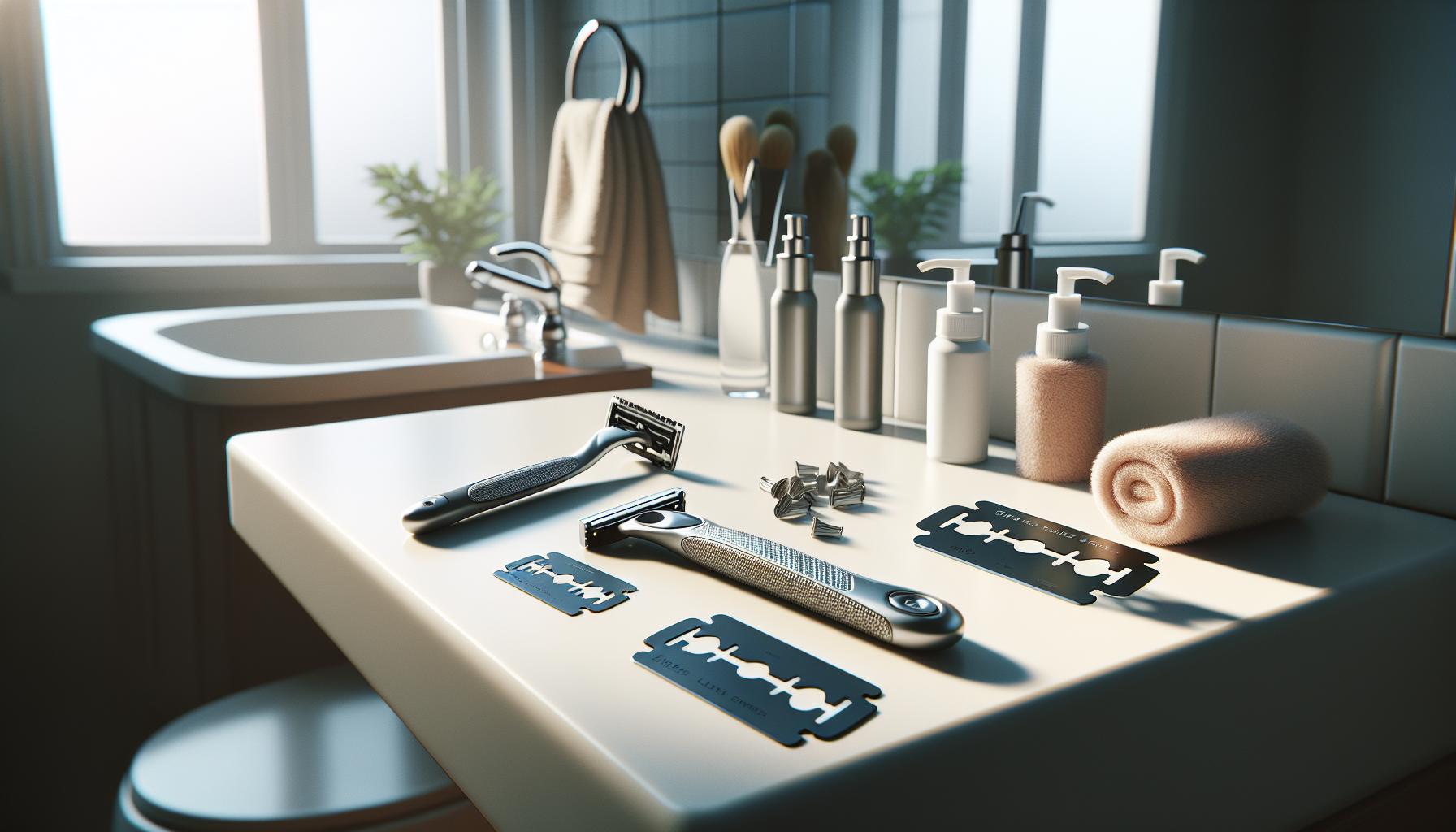
When to Replace Your Razor Blade
Understanding is essential not just for comfort but also for achieving a clean, effective shave. Using a dull or worn blade can lead to irritation, nicks, and an unsatisfactory shaving experience. So, how do you determine the right time to make the switch?
A good rule of thumb is to replace your razor blade after five to ten shaves, depending on the blade’s quality and your hair type. If you notice that your shaving routine is becoming uncomfortable-perhaps you’re experiencing more tugging than gliding-it’s likely time for a new blade. Another tell-tale sign is visual: if the blade appears discolored or covered in residue despite regular cleaning, it’s a good idea to change it out.
Also, consider the frequency of your shaves. If you shave daily, you may need to replace your blade more often than someone who shaves every few days. Hair density can play a role too; thicker hair can dull a blade more quickly. Regularly assess how your skin feels post-shave. Rashes or irritation can indicate that your blade isn’t sharp enough to do the job well.
To help you gauge when it’s time for a new blade, pay attention to these key indicators:
- Pulling or tugging: If the blade is catching on hair instead of cutting smoothly, it’s time for a replacement.
- Visible wear: Check for nicks, rust, or dullness on the blade.
- Skin condition: Increased irritation or razor burn can signal a blade change.
- Frequency of use: As mentioned, more frequent shavers should consider replacing blades sooner.
By remaining attentive to these signs, you can ensure a more pleasant shaving experience and keep your routine efficient and enjoyable. Remember, a sharp blade not only saves you time but also contributes to healthy skin.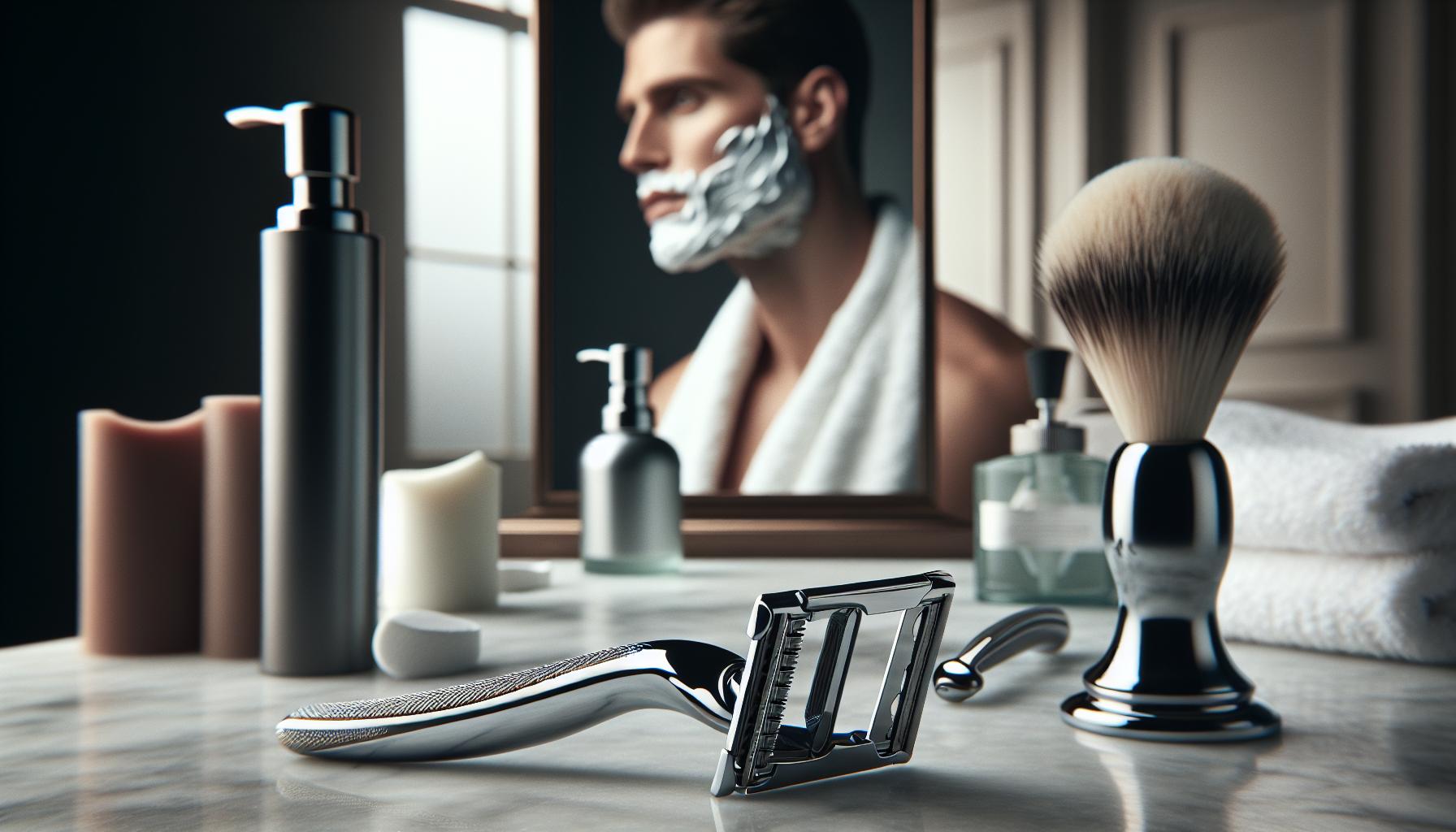
Benefits of a Sharpened Shaving Razor
Using a well-sharpened razor can transform your shaving experience, making it not only more effective but also significantly more pleasant. When your razor is sharp, each stroke glides effortlessly across your skin, reducing the risk of irritation, nicks, and cuts that often come with dull blades. This leads to a smoother and closer shave, which can be especially beneficial for individuals with sensitive skin or those prone to razor burn.
A sharp razor not only enhances the quality of your shave but also extends the life of your blades. When you’re using a properly sharpened razor, it requires less pressure to achieve the desired results. This lighter touch means your blades experience less wear and tear over time, allowing you to get more use out of each blade before needing to replace it. Imagine saving both money and resources simply by maintaining your razor with a few minutes of sharpening every so often.
Additionally, a sharpened razor can lead to a more enjoyable grooming ritual. The satisfaction of a clean, comfortable shave can boost your confidence and set a positive tone for your day. It turns an everyday task into a small act of self-care and can help establish a routine that you actually look forward to. Creating a habit of taking a moment to care for your grooming tools reinforces the importance of self-care and can make each shave feel more intentional.
In summary, maintaining a sharp razor is a game-changer, providing benefits that go beyond the immediate act of shaving. It enhances comfort, prolongs blade life, and turns a mundane routine into a mindful ritual. By prioritizing razor maintenance, you’re paving the way for a smoother, better grooming experience.
Alternative Methods to Maintain Razor Blades
Finding effective ways to maintain your razor blades is crucial for enhancing their lifespan and ensuring a superior shaving experience. Beyond sharpening, there are several methods you can employ to keep your blades in top condition. These practices not only improve performance but also help you develop a consistent routine that will save you time and money in the long run.
One popular method for maintaining razor blades is thorough cleaning after each use. Rinse your razor under warm water immediately following your shave. This helps wash away hair, cream, and other debris that can dull the blades. Using a soft toothbrush, you can gently scrub between the blades to remove any stubborn residue. This quick clean can extend the life of your blades significantly, as it prevents buildup that leads to dullness and rust.
Another effective technique is to dry your razor completely after each use. Water left on the blades can promote rust and corrosion. Wipe the blades gently with a soft towel and store the razor in a dry place. If you’re particularly concerned about moisture, consider using a razor stand to keep it upright and away from water pools, allowing it to air dry.
Consider also using a blade oil or spray designed for razor maintenance. These products help create a protective barrier on the blades, reducing friction and preventing rust. Simply apply a small amount of product on the blades after cleaning and drying them, ensuring they stay lubricated and protected between uses.
Lastly, you may want to explore alternatives to traditional shaving creams. Some creams and gels may contain ingredients that can dull blades quicker than others. Look for products specifically formulated to provide a smooth glide while being less abrasive on your blades.
By integrating these alternative maintenance methods into your routine, you’ll enhance the longevity of your razor blades, making each shave more enjoyable and cost-effective.
Understanding the Different Types of Razor Blades
is key to achieving an effective and comfortable shave, while also extending the life of your blades through proper maintenance and sharpening. Each type of razor blade comes with its unique characteristics, making some better suited for specific skin types and shaving preferences.
Safety razor blades, for instance, are often used with traditional safety razors. They are flat, sharp, and typically made of stainless steel for durability. A popular choice among grooming enthusiasts, these blades can deliver a close shave and are known for being cost-effective, as they can be sharpened multiple times before needing replacement. When caring for these blades, incorporating sharpening methods can significantly prolong their usability.
Cartridge razor blades, on the other hand, are designed for use with cartridge razors that offer convenience and ease of use. While these blades provide a comfortable shaving experience and often include multiple blades for a closer cut, they are not designed to be sharpened. Instead, regular replacement every few weeks or as needed can help maintain a quality shave.
For those using straight razors, these require a different level of care and skill. They can be honed to maintain their sharpness and should be regularly stropped to realign the edge before use. This method can be a rewarding routine for those passionate about traditional shaving techniques, allowing for a customized sharpness according to personal preference.
- Safety Razors: Cost-effective and conducive to sharpening.
- Cartridge Razors: Convenient but need regular replacements.
- Straight Razors: Require honing and stropping for maintenance.
By understanding these distinctions, you can choose the best blade for your needs and develop an effective routine to sharpen and extend the life of your shaving tools. The right blade paired with proper maintenance practices will enhance not only your shaving experience but can also save you money in the long run.
How to Properly Clean Your Razor
Cleaning your razor effectively is a crucial step in prolonging its life and ensuring a smooth shave. Dirt, hair, and soap residue can accumulate on the blade and body, impairing its performance and leading to dullness. By adopting a consistent cleaning routine, you can maintain the sharpness of the blade while preventing potential irritation or infection from bacteria buildup.
Start by rinsing your razor under warm running water immediately after use. This helps to flush away hair and shaving cream residue. For a more thorough cleaning, consider immersing your razor in a bowl of warm water mixed with a few drops of dish soap. Let it soak for a minute or two-this softens any stubborn debris. After soaking, use a soft toothbrush or a small, non-abrasive sponge to gently scrub the blade and the handle. This will help you get into those hard-to-reach areas without damaging the blade’s edge.
Once you’ve cleaned the razor, it’s essential to dry it properly. Moisture left on the blade can lead to rust, especially for stainless steel razors. Pat the blade dry with a soft towel, ensuring every part, including the pivot and scales, is moisture-free. For extra protection, you can apply a thin layer of mineral oil to the blade. This not only prevents rust but also helps maintain the sharpness, making it easier to achieve that ideal shave next time.
Incorporating these simple cleaning habits will significantly enhance your shaving experience and extend the life of your razor. Regular cleaning, combined with proper sharpening techniques, can help you get the most out of your shaving tools, ensuring they perform at their best each time you reach for them.
Tips for Safe and Effective Razor Use
Using a straight razor can elevate your shaving experience, but it also requires attention to technique for safe and effective use. Proper handling not only ensures the best results but also extends the life of your razor, keeping it sharper for longer and preventing injury. Consider the following aspects to enhance your shaving routine:
First and foremost, always begin with a clean and well-maintained razor. After ensuring your blade is sharp, check for any debris that may have accumulated. A clean blade glides better and reduces the risk of irritation or cuts, creating a smoother shaving experience. Before you start, prepare your skin by applying warm water or a pre-shave oil. This not only hydrates your skin but also softens your hair, making it easier to cut and minimizing tugging.
Maintain a Steady Hand
Stability and control are essential when using a razor. Always hold the razor with a firm grip, but avoid excessive pressure. Let the blade do the work while keeping a light touch on your skin. Start with small strokes, working in the direction of hair growth to prevent ingrown hairs and irritation. If you notice any discomfort, pause and reassess your technique. Remember that a slow, deliberate approach often results in a better shave than rushing through the process.
Post-Shave Care
After finishing your shave, don’t forget to clean the razor thoroughly. Rinse the blade under warm water to remove any residual hair and cream, then dry it immediately with a soft towel to prevent rust. Consider oiling the blade lightly with mineral oil to give it an added layer of protection against moisture. Proper post-shave care helps maintain the integrity of the blade, promoting longevity.
Regular Maintenance
Finally, make regular honing and stropping part of your routine to keep your razor in top condition. Frequently honing the blade can enhance its sharpness, while stropping realigns the edge and removes any micro-burrs. Integrating these practices will ensure a smoother shave and prolong the life of your razor. By following these tips, you’ll not only enjoy a close and comfortable shave but also show appreciation for your grooming tools, making them last longer while achieving better results each time.
Choosing the Right Razor for Your Skin Type
Selecting the right razor for your skin type is essential in achieving a comfortable and effective shaving experience. For anyone who has ever experienced irritation, razor burn, or ingrown hairs, you know that the wrong razor can turn a simple grooming task into a frustrating ordeal. Understanding your skin’s sensitivity and hair type is crucial for finding the razor that will work best for you.
If you have sensitive skin, opt for razors designed with features like multi-blade systems, which can help reduce the number of passes required, minimizing irritation. Look for razors with a pivoting head and moisturizing strips, as these can help glide over the skin and reduce friction. Additionally, consider using a single-blade safety razor, which offers a close shave with less likelihood of cutting or scraping the skin compared to multi-blade options.
For those with coarse hair, a more aggressive razor might be necessary for an effective shave. A straight razor or a double-edge safety razor allows for greater precision and control, cutting through thick hair effectively. Maintaining sharp blades is particularly important for individuals with coarse hair, as a dull blade can lead to discomfort and a less effective shave.
Finally, take note of how your skin reacts post-shave. If you frequently experience redness or bumps, your skin may be reacting to your razor choice or the shaving technique rather than the hair itself. Be open to experimenting with different types, such as electric razors or traditional safety razors, as each option interacts differently with various skin types and sensitivities.
By choosing a razor tailored to your unique skin needs, you can enhance your shaving routine and extend the life and effectiveness of your blades. Remember, a well-suited razor will not only provide a smooth finish but also promote healthier skin outcomes with each shave.
Budget-Friendly Razor Maintenance Tips
Keeping your shaving razor in top shape doesn’t have to break the bank. With a few simple maintenance tips, you can prolong the life of your razor blades while enjoying smooth shaves without spending a fortune. Here are some practical and budget-friendly strategies that will serve you well.
One of the easiest ways to extend your razor’s lifespan is to clean it regularly. After each use, rinse the blades under running water to remove hair and shaving cream residue. This quick rinse prevents buildup that can dull the blades more quickly. For a deeper clean, consider soaking the razor in warm, soapy water for about 10-15 minutes weekly, followed by a gentle scrub with a toothbrush to dislodge any stubborn debris. This not only keeps the razor hygienic but also enhances its performance.
Drying your razor properly is another key aspect of maintenance. Moisture is the enemy of razor blades, as it promotes rust and corrosion. After cleaning, give your razor a thorough shake to remove excess water and then let it air dry completely. Store it in a dry place, preferably upright and away from direct moisture, to keep the blades sharp and rust-free.
You can also invest in a razor stand or a magnetic holder to keep your razor secure and dry. These options not only help with organization but also prevent your blades from coming into contact with potentially harmful surfaces that can lead to dulling or damage.
Lastly, consider using a sharpening tool designed specifically for razors. While not a necessity for everyone, if you’re keen on squeezing every possible shave out of your blades, a razor sharpener can be a wise investment. Regularly sharpening your blades can maintain their edge longer, thereby enhancing your shaving experience without frequent replacements.
Incorporating these budget-friendly maintenance techniques into your routine can make a significant difference in prolonging the life of your razor. Not only will you enjoy better shaves, but you’ll also save money in the long run, making your grooming routine both effective and economical.
Faq
Q: How often should I sharpen my shaving razor?
A: You should sharpen your shaving razor every 3 to 5 shaves, depending on your hair type and thickness. Regular sharpening minimizes tugging and irritation, enhancing your shaving experience. For optimal results, follow the guidelines outlined in the article’s “Step-by-Step Guide to Sharpen a Razor.”
Q: What is the best way to maintain my razor blade’s sharpness?
A: To maintain your razor blade’s sharpness, clean it thoroughly after each use and store it in a dry place. Use a leather strop for regular honing, as recommended in the article under “Essential Tools for Razor Sharpening.” This will help extend the blade’s life and keep it ready for a smooth shave.
Q: Can I use household items to sharpen my razor?
A: Yes, you can use household items like denim or a ceramic mug. Running the blade against these surfaces can help realign the edge and maintain sharpness. Check “Alternative Methods to Maintain Razor Blades” in the article for detailed instructions on this technique.
Q: Is it better to replace the razor blade or sharpen it?
A: It often depends on the blade quality and your shaving frequency. For high-quality blades, sharpening can be a cost-effective solution. However, if the blade is dull or damaged, it’s advisable to replace it. “When to Replace Your Razor Blade” in the article provides guidelines for this decision.
Q: What signs indicate that my razor blade needs sharpening?
A: Signs that your razor blade needs sharpening include pulling or tugging on the hair, a decrease in shave closeness, or visible dullness on the edge. If experiencing these issues, refer to “Common Mistakes When Sharpening Razors” to avoid compromising your blade’s performance.
Q: Are there specific techniques to sharpen a double-edge razor?
A: Yes, double-edge razors require a different approach. Use a stropping leather or a honing stone with lubricant. Ensure you follow the proper angle to maintain the blade’s integrity. The “Step-by-Step Guide to Sharpen a Razor” section of the article can offer more specific tips.
Q: How can I tell if my razor blade is too far gone to sharpen?
A: If the blade shows significant nicks, chips, or heavy corrosion that cannot be smoothed out, it may be too far gone to sharpen. In such cases, consider replacing the blade. The topic “When to Replace Your Razor Blade” in the article can help clarify this.
Q: What are the risks of improperly sharpening my razor?
A: Improper sharpening can lead to uneven blade edges, reducing cutting efficiency and increasing the risk of cuts and irritation. To mitigate these risks, follow the protocols outlined in the article’s “Common Mistakes When Sharpening Razors.” Proper techniques can ensure safety and performance.
Concluding Remarks
Now that you know how to sharpen your shaving razor and extend its life, it’s time to put this knowledge into action! Remember, a well-maintained razor not only enhances your shaving experience but also saves you money in the long run. If you’re curious about other grooming techniques, check out our articles on “Best Razor Care Practices” and “Storing Your Razors: Tips for Longevity.”
Don’t forget to explore our comprehensive guide on proper shaving techniques to elevate your grooming routine even further. Have questions or tips of your own? We’d love to hear from you in the comments! For ongoing tips and exclusive content, consider signing up for our newsletter. Together, we can tackle all your grooming challenges! Your perfect shave awaits-let’s keep those blades sharp!
Get our latest guides, news, and insights highlighted in your Google Search & AI Overviews.