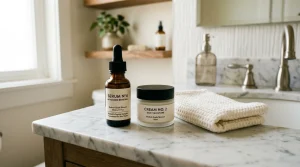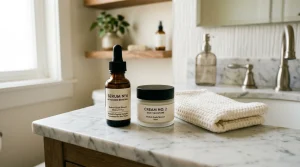
Razor bumps are more than just a minor inconvenience; they can be a persistent source of discomfort and self-consciousness for both men and women. These red, inflamed bumps, often the result of hair growing back into the skin, can leave you wondering if they are permanent. Understanding the causes of razor bumps and effective treatment options is essential for reclaiming smooth, irritation-free skin. In this guide, we’ll explore practical prevention tips and proven remedies that can significantly reduce your chances of experiencing razor bumps. Get ready to discover how you can enjoy a healthier, more comfortable grooming routine and say goodbye to these pesky bumps for good!
Understanding Razor Bumps: What You Need to Know
Razor bumps are a common skin issue that can turn your shaving routine into a frustrating experience. These small, red, and inflamed bumps usually appear right after you shave, especially in areas like the beard zone for men or legs and bikini lines for women. Understanding razor bumps begins with recognizing that they occur due to hair growing back into the skin, causing irritation and inflammation. This can happen to anyone who shaves, but individuals with sensitive skin are often more prone to these annoying bumps.
One crucial aspect of dealing with razor bumps is knowing that they are usually not permanent. With proper care and attention, they can effectively be treated and prevented. Common misconceptions suggest that once they appear, they will linger indefinitely. However, most individuals find that by changing their shaving techniques or implementing some targeted treatments, they can see significant improvement in the condition of their skin.
To manage and prevent razor bumps, it’s important to adopt a holistic approach that combines effective shaving practices with quality skincare. This encompasses using a sharp razor, shaving in the direction of hair growth, and incorporating moisturizers and exfoliants into your routine. By focusing on these elements, you’ll not only reduce the occurrence of razor bumps but also enhance the overall health of your skin.
In summary, razor bumps can be bothersome but understanding their nature and having the right strategies in place allows you to address them effectively. By employing gentle shaving methods and integrating soothing skin care products, you’re well on your way to smoother skin and a more pleasant grooming experience.
Are Razor Bumps Permanent? Common Misconceptions
Razor bumps can often feel like an unwelcome side effect of shaving, but the good news is that they are typically not permanent. Many people mistakenly believe that once these annoying bumps appear, they’ll stick around indefinitely, leading to frustration and concern. In reality, with the right approach to shaving and skincare, you can manage and even prevent the recurrence of razor bumps.
It’s easy to fall into the misconception that razor bumps are a sign of poor grooming practices or that they indicate a chronic skin condition. In truth, these bumps occur when hair grows back into the skin, causing inflammation. They can also be influenced by the tools we use-such as dull blades-or the techniques we employ while shaving, like going against the grain. Therefore, improving your shaving routine can lead to significant improvements and help eliminate these bumps over time.
To effectively tackle razor bumps, focus on gentle techniques and skin hydration. For instance, using a sharp razor and shaving with the direction of hair growth can help minimize irritation. After shaving, applying a soothing aftershave or a moisturizer designed to prevent ingrown hairs can also work wonders. These simple adjustments not only reduce the likelihood of razor bumps forming but can also preserve the overall health of your skin.
In summary, razor bumps are typically temporary and manageable with the right care. Understand that you’re not alone in this common issue-many people experience it to varying degrees. By actively adopting better shaving practices and skincare routines, you’ll be well on your way to smooth, bump-free skin.
The Causes of Razor Bumps: Why They Happen
Razor bumps can be a frustrating consequence of shaving, but understanding what causes them can empower you to take control of your grooming routine. These bumps, also known as ingrown hairs, occur when hair grows back into the skin rather than outwards, leading to redness, swelling, and irritation. Factors like curly or coarse hair types are more prone to this issue due to the way the hair curls back upon emerging from the follicle.
Using dull blades or improper shaving techniques can exacerbate the problem. For instance, shaving against the direction of hair growth increases the risk of hairs becoming trapped in the skin. Additionally, inadequate skin preparation prior to shaving-such as failing to exfoliate or hydrate-worsens the situation by creating a rough surface that makes it harder for hair to exit the follicle smoothly.
To further complicate matters, factors like using overly aggressive shaving techniques or not using sufficient lubrication can inflame the skin, making it more susceptible to razor bumps. Incorporating a good-quality shaving cream or gel that allows the razor to glide more effortlessly can mitigate this irritation. Regularly swapping out old razors and ensuring they’re sharp is also essential, as this reduces the effort needed while shaving and minimizes the likelihood of hairs becoming ingrown.
In summary, razor bumps are the result of a combination of hair type, shaving technique, and skincare routines. By making simple adjustments-like exfoliating before shaving, using sharp razors, and shaving with the hair growth direction-you can significantly reduce your chances of developing these pesky bumps. Remember, it’s all about creating the right conditions for healthy hair growth and keeping your skin calm and nourished.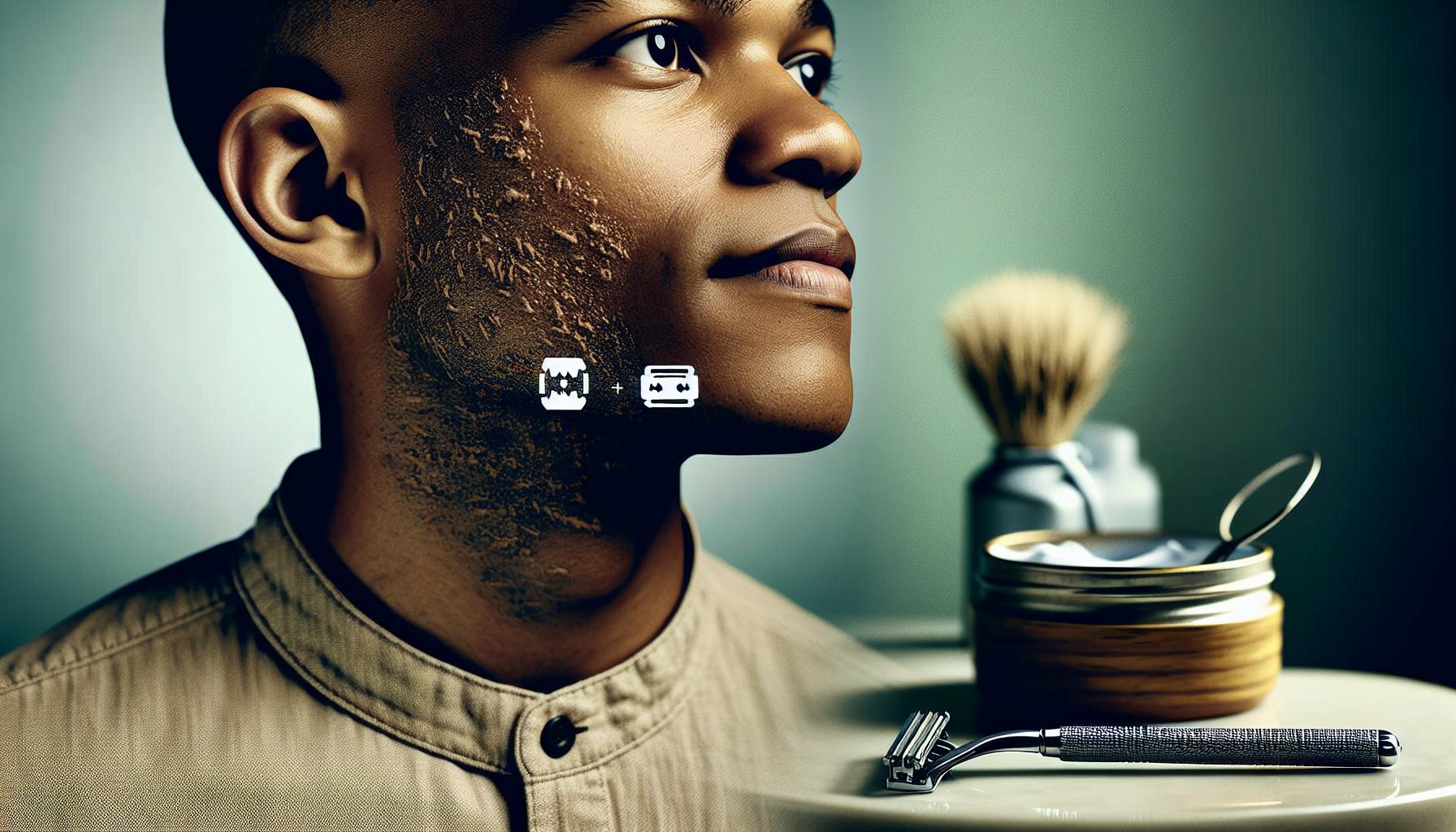
How to Identify Razor Bumps vs. Other Skin Issues
Identifying razor bumps can sometimes be tricky, especially when they resemble other common skin issues. Razor bumps, or ingrown hairs, typically appear as small, red, inflamed bumps on areas recently shaved. They occur when hair curls back into the skin instead of growing outwards, creating irritation. To ensure you are dealing with razor bumps and not another condition, look for a few key indicators.
Razor bumps often appear after shaving and may be accompanied by symptoms such as redness, swelling, and discomfort in the affected area. They usually develop within a day or so after shaving and are most common in people with curly or coarse hair. In contrast, conditions like razor burn present differently. Razor burn is characterized by redness and a burning sensation shortly after shaving, usually as a result of irritation rather than ingrown hairs. It may create red patches or a rash-like appearance but does not involve raised bumps.
Another condition to differentiate from razor bumps is folliculitis, which is the inflammation of hair follicles caused by infection. Folliculitis can sometimes appear similar, with red or pus-filled bumps, but it typically occurs over a wider area and may evolve into painful pustules. If you notice yellow pus or deep cysts forming, it’s wise to consult a dermatologist for proper evaluation.
If you’re uncertain, consider keeping a grooming journal to track when and where these irritations occur. This can help clarify patterns related to specific products or techniques, making it easier to pinpoint whether you’re experiencing razor bumps or another skin issue. By being observant and aware of how your skin reacts to shaving, you can better manage and prevent future occurrences of razor bumps and other skin irritations.
Effective Home Remedies for Razor Bumps
Razor bumps can be a frustrating and uncomfortable aftermath of shaving, but there are several effective home remedies that can help soothe and reduce their appearance. If you’ve been battling these pesky bumps, here are some tried-and-true methods to consider.
One of the simplest solutions is to use warm compresses. Applying a warm, damp washcloth to the affected area for about 10-15 minutes can help open up the pores, allowing the ingrown hair to break through the skin. This gentle heat also reduces inflammation and discomfort, making it a soothing remedy.
You might also find relief with aloe vera gel. This natural powerhouse not only hydrates the skin but also has anti-inflammatory properties that can calm redness and irritation. Simply apply pure aloe vera directly to the bumps after shaving. Leave it on for at least 30 minutes for maximum effect before rinsing with cool water.
Another effective remedy is to create a mixture of tea tree oil and carrier oil. Tea tree oil has natural antibacterial and anti-inflammatory properties that can keep the area free from infection while helping to reduce swelling. Mix a few drops of tea tree oil with a tablespoon of a carrier oil like coconut or jojoba oil. Gently massage this mixture onto the bumps twice a day.
Exfoliation is also key in preventing razor bumps from becoming a recurrent problem. Using a gentle scrub or exfoliating wash a couple of times a week can help remove dead skin cells, preventing hairs from becoming trapped under the skin. Look for scrubs that contain salicylic acid, as it provides a deeper clean and can help prevent future ingrown hairs.
For an added boost, consider applying over-the-counter hydrocortisone cream to soothe inflammation right after shaving. This can be particularly helpful if you’re prone to severe redness and discomfort. Just remember to follow the directions on the packaging and consult with a healthcare provider if you’re unsure.
With these home remedies, you can tackle those stubborn razor bumps head-on. Remember, consistency is key! By combining these treatments with mindful shaving practices, you’re on your way to achieving smoother skin.
Preventing Razor Bumps: Best Practices for Grooming
Ensuring a smooth and irritation-free shave can significantly reduce the risk of razor bumps-a common concern for many. The good news is that adopting a few simple grooming practices can make a world of difference in preventing these pesky irritations. Start by choosing the right shaving tools; always opt for a sharp, clean razor to minimize tugging and pulling at the hair. A dual- or multi-blade razor can also help provide a close shave with less pressure on your skin.
Before you begin, prepare your skin by washing it with warm water and a gentle cleanser. This step softens the hair and opens up the pores, making the shaving process smoother and less prone to causing bumps. Consider applying a dedicated shaving cream or gel that contains moisturizing ingredients like aloe vera or glycerin to provide a protective barrier and hydration during shaving.
Technique Matters
Proper technique is crucial for preventing razor bumps. Shave in the direction of hair growth rather than against it to reduce irritation. Use short, gentle strokes, and avoid applying excessive pressure-let the weight of the razor do the work for you. After shaving, rinse your razor frequently to keep it clean and effective. Finally, finish your grooming routine with a soothing post-shave balm or lotion that contains calming ingredients, such as witch hazel or tea tree oil, which can help soothe irritated skin.
Incorporating regular exfoliation into your routine will also help prevent bumps. Exfoliating removes dead skin cells and helps keep hair follicles clear, reducing the likelihood of ingrown hairs, which can lead to razor bumps. Aim to exfoliate two to three times a week using a gentle scrub or chemical exfoliant containing salicylic acid.
By following these best practices, you can greatly reduce the chances of developing razor bumps, achieving smoother skin post-shave and a more enjoyable grooming experience. Remember, taking the time to care for your skin before, during, and after shaving not only results in a better shave but also boosts your confidence overall.
Top Treatments for Existing Razor Bumps
Dealing with razor bumps can be frustrating, but the good news is that there are effective treatments available to help alleviate discomfort and promote healing. Understanding the right approaches can make a significant difference in getting your skin back to its smooth, healthy state.
One of the most effective treatments for existing razor bumps is the use of topical creams that specifically target inflammation and irritation. Over-the-counter options like hydrocortisone cream can significantly reduce redness and swelling. For more stubborn cases, dermatologists may recommend stronger prescriptions like tretinoin or topical antibiotics, which can combat bacteria and help clear clogged follicles. When applying these treatments, ensure your skin is clean; gently apply a thin layer to the affected area and allow it to absorb fully.
In addition to creams, incorporating soothing ingredients into your post-shave routine can also provide relief. Products that contain aloe vera, witch hazel, or tea tree oil are excellent choices for calming irritated skin. Seriously consider using a soothing post-shave balm that contains these ingredients. Apply it to the affected areas using gentle circular motions, ideally right after shaving and after cleansing your skin, to lock in moisture and promote healing.
Don’t underestimate the power of exfoliation in your healing process. Using a gentle exfoliating scrub 1-2 times a week can help remove dead skin cells and unclog pores, which is essential for preventing ingrown hairs that can contribute to razor bumps. Opt for scrubs that contain salicylic acid, as this ingredient not only exfoliates but also penetrates the pores to keep them clear.
Lastly, if you’re looking for a more immediate home remedy, consider a warm compress. Apply a clean, warm cloth to the area for a few minutes; this can help soothe the inflammation and encourage any trapped hairs to break free. Remember to avoid picking or scratching at the bumps, as this can lead to infection or scarring.
By integrating these treatments and practices, you can effectively manage existing razor bumps and promote healthier skin over time. Always monitor your skin’s response and consult a dermatologist if you experience persistent irritation or concerns. Your journey to smoother skin starts with understanding what products and techniques best suit your skin type!
Expert Tips for Soothing Irritated Skin
Finding relief for irritated skin can often feel like a daunting challenge, especially when dealing with pesky razor bumps. These small inflammatory spots can not only be uncomfortable but also affect your confidence. Thankfully, there are several effective strategies to soothe your skin and promote healing.
To start, consider utilizing soothing natural ingredients such as aloe vera and witch hazel. Aloe vera is well-known for its calming properties and can provide immediate relief when applied directly to irritated areas. You can use a fresh aloe leaf or store-bought gel; just apply a generous layer to the bumps and allow it to absorb. Witch hazel acts as a gentle astringent and can help reduce redness and swelling. For best results, dab witch hazel onto a cotton pad and gently press it onto the affected skin, allowing it to dry naturally.
Another valuable technique is to embrace the comforting benefits of a warm compress. Take a clean washcloth, soak it in warm water, and wring out the excess. Apply this cloth to the irritated area for about 5-10 minutes. This can help reduce inflammation and encourages trapped hairs to break free. Always remember to handle your skin delicately; refrain from picking or squeezing the bumps, as this can lead to irritation or even scarring.
Lastly, incorporating gentle exfoliation into your routine can prevent future outbreaks. Use a mild scrub containing salicylic acid once or twice a week to remove dead skin cells and keep your pores clear. Just be gentle! Apply a dime-sized amount to damp skin using light circular motions for no more than 30 seconds, then rinse with cool water. This will help keep your skin smooth without causing further irritation. By combining these soothing methods, you can set yourself on a path to smoother, healthier skin, effectively managing those annoying razor bumps.
When to See a Dermatologist for Razor Bumps
Experiencing persistent razor bumps can be frustrating, and knowing when to seek professional help is crucial for effective management. If you notice that your bumps are not improving despite following a consistent skincare routine or home remedies, it might be time to consult a dermatologist. They can assess your specific condition and provide tailored advice or prescribe treatments that you may not find over the counter.
You should definitely see a dermatologist if you encounter the following scenarios:
- Severe Inflammation: If your razor bumps are red, swollen, and painful, it could signal an infection that needs medical attention.
- Prolonged Duration: If the bumps persist longer than two weeks and show no signs of improvement, professional evaluation is essential to rule out other skin issues.
- Pus or Drainage: Bumps that ooze or develop a crust may indicate a secondary infection, necessitating immediate care.
- Frequent Recurrence: If you find yourself facing razor bumps regularly, a dermatologist can help identify underlying causes and recommend preventive measures tailored to your skin type.
- Discoloration: Any change in skin color or the appearance of dark spots after bumps heal warrants professional advice, as this may indicate hyperpigmentation.
Recognizing these signs can help you take proactive steps toward clearer skin. Remember that a dermatologist can not only provide treatment options but also guide you on techniques and products that can minimize the risk of future outbreaks. By addressing razor bumps early with expert help, you can work toward achieving the smooth, healthy skin you desire.
Long-Term Management Strategies for Razor Bumps
Managing razor bumps effectively requires a long-term approach that combines meticulous grooming habits and the right skincare products. By focusing on prevention and treatment, you can keep these pesky bumps at bay and enjoy smoother skin.
One vital strategy is to rethink your shaving routine. Consider switching to an electric razor or clippers, which can reduce the chances of hair curling back into the skin compared to traditional razors. If you prefer shaving, always use a sharp blade and shave in the direction of hair growth. This technique minimizes irritation and prevents ingrown hairs from forming. Additionally, incorporate a good quality shaving cream or gel that provides adequate lubrication and reduces friction during shaving.
Post-shave care is equally crucial. After shaving, cleanse your skin gently to remove debris and prevent blockage of hair follicles. Applying a soothing aftershave containing ingredients like aloe vera or witch hazel can help calm irritated skin. Regularly exfoliating the skin-about 2-3 times a week-can also prevent dead skin cells from accumulating and clogging pores, which is a significant contributor to razor bumps. Exfoliation can be done using physical scrubs or chemical exfoliants containing salicylic acid, which helps to keep pores clear.
To sum up, a proactive approach to managing razor bumps involves refining your shaving technique, investing in quality grooming products, and committing to a consistent skincare routine that prioritizes gentle cleansing and regular exfoliation. By embracing these strategies, you’re setting yourself up for a smoother, irritation-free grooming experience.
Razor Bump Myths: Debunking Common Misunderstandings
Some common beliefs about razor bumps can lead to misunderstandings and ineffective skincare routines. Let’s set the record straight on a few of these myths to help you achieve smoother, healthier skin.
One prevalent myth is that razor bumps are exclusively a problem for individuals with coarse or curly hair. While it’s true that people with these hair types are more prone to ingrown hairs and, consequently, razor bumps, anyone can experience this condition regardless of hair texture. Genetics, hormones, and even the shaving technique play significant roles in determining who gets razor bumps, showing that awareness and care apply universally.
Another misconception is that razor bumps are permanent. While they can be persistent if not addressed correctly, they are entirely manageable with the right strategies. Implementing a proper shaving routine, incorporating exfoliation, and utilizing soothing post-shave products can significantly reduce their occurrence. Remember, patience is key; long-term changes in grooming habits often yield the best results, so don’t expect overnight miracles.
Some believe that more shaving will lessen the chance of developing razor bumps. In reality, frequent shaving can actually exacerbate the issue, particularly if your technique isn’t sound. Shaving against the grain or using a dull razor increases irritation and the likelihood of ingrown hairs. Instead, focus on proper techniques, such as shaving in the direction of hair growth and using a clean, sharp razor, to promote smoother skin and reduce the chance of bumps.
Finally, there’s a notion that any lotion or moisturizer can help with razor bumps. In fact, not all products are created equal. Look for those specifically formulated to soothe irritation and prevent ingrown hairs, ideally containing ingredients such as salicylic acid or witch hazel, which can help keep your pores clear and skin calm. Always read labels and choose products that serve your skin’s needs effectively.
In summary, arming yourself with accurate information about razor bumps can empower you to take proactive steps toward prevention and treatment. By debunking these myths and implementing effective skincare practices, you can enjoy a smoother, irritation-free grooming experience, regardless of your hair type.
Choosing the Right Products for Prevention and Treatment
Choosing the right products for preventing and treating razor bumps can make a world of difference in your grooming routine. The key is to prioritize products that not only soothe the skin but also tackle the underlying causes of these annoying bumps. Start by including gentle exfoliants in your regimen; look for products with salicylic acid, which helps to unclog pores and prevent hair from becoming ingrown. A simple routine might involve using an exfoliating scrub once or twice a week to help keep your skin smooth and clear.
Next, when it comes to shaving, don’t skimp on the quality of your shaving cream or gel. Products that contain aloes or shea butter provide additional moisture and create a protective barrier, which can significantly decrease irritation. Apply a generous layer before shaving-aim for enough to make your skin feel slick, which helps your razor glide instead of dragging. Consider using a single-blade razor, which tends to cause less irritation than multi-blade options, especially for those prone to razor bumps. Always shave in the direction of hair growth, and try to use short, light strokes.
After shaving, the right post-shave care routine is crucial. Look for soothing aftershave balms or creams that contain ingredients like witch hazel or tea tree oil. These natural ingredients not only calm irritation but also provide antiseptic benefits, helping to prevent infection caused by ingrown hairs. When applying aftershave, use a small amount-just enough to gently cover the shaved area-and massage it into the skin using circular motions for a minute or so. This encourages absorption and maximizes the product’s soothing effects.
Lastly, be mindful of your skin’s hydration. Incorporate a good moisturizer into your routine, especially if you’re shaving regularly. A lightweight, non-comedogenic moisturizer can keep the skin hydrated without clogging pores. Pay attention to your skin’s needs; if you notice increased dryness or irritation, consider switching products or adjusting your routine.
In summary, focus on a balanced approach: exfoliate regularly, choose high-quality shaving products, apply soothing aftershave treatments, and maintain hydration. By selecting the right products and techniques, you can significantly reduce the occurrence of razor bumps and enjoy a smoother, irritation-free grooming experience.
Faq
Q: What causes razor bumps to form?
A: Razor bumps, or ingrown hairs, occur when hair curls back into the skin after shaving or waxing. This can happen due to various factors, including curly hair, improper shaving technique, and clogged hair follicles. Understanding these causes can help prevent future occurrences.
Q: How can I tell if I have razor bumps or acne?
A: Razor bumps typically appear as small, raised red or brown bumps at the site of hair removal. Unlike acne, which is often inflamed and can have whiteheads, razor bumps are more localized and usually occur in areas where hair was recently shaved or waxed.
Q: Can shaving techniques reduce the likelihood of razor bumps?
A: Yes, adopting better shaving techniques can significantly lower the risk of razor bumps. Shaving with the grain, using a sharp blade, and applying proper pre- and post-shave products can help prevent hairs from becoming ingrown [2].
Q: Is it safe to shave over razor bumps?
A: It’s generally not advisable to shave over existing razor bumps, as this can worsen skin irritation and potentially lead to infection. Waiting until the bumps have healed before shaving again is recommended. Refer to the “Preventing Razor Bumps: Best Practices for Grooming” section in our guide for further advice.
Q: Do I need to see a dermatologist for my razor bumps? Understanding and treating razor bumps can transform your grooming routine. Remember, consistency is key in any treatment plan. By incorporating proper shaving techniques and effective skincare products, you can significantly reduce the risk of razor bumps and enjoy smoother skin. Don’t let uncertainties hold you back; take control of your grooming and explore our other guides on preventing ingrown hairs and choosing the right aftershave to enhance your routine further. If you found this guide helpful, consider signing up for our newsletter for more expert tips directly to your inbox, or explore our product recommendations designed specifically for razor bump prevention. Your path to clearer, smoother skin is just a click away. Join the conversation below and share your experiences or questions-let’s tackle these common challenges together! Get our latest guides, news, and insights highlighted in your Google Search & AI Overviews.
A: If your razor bumps persist despite treatment or if you experience significant pain or infection, visiting a dermatologist is advised. They can provide targeted treatments and help rule out other skin conditions In Summary