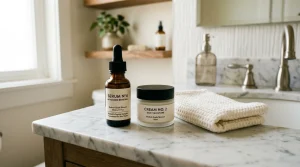
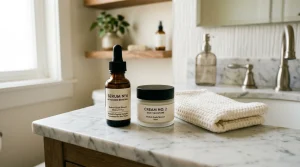
Razor bumps in the vaginal area can be both uncomfortable and frustrating, affecting your confidence and daily life. These bumps, often caused by ingrown hairs, can lead to irritation and sometimes infection if not treated properly. The good news is that you don’t have to live with them! In this gentle treatment guide, you’ll discover effective, easy-to-follow solutions that can help soothe and heal your skin. Our tips are designed to be friendly and approachable, ensuring that everyone, regardless of grooming experience, can find relief. So, whether you’re looking to minimize discomfort after shaving or seeking long-term strategies to prevent these pesky bumps, keep reading to learn how to reclaim your skin’s smoothness and comfort!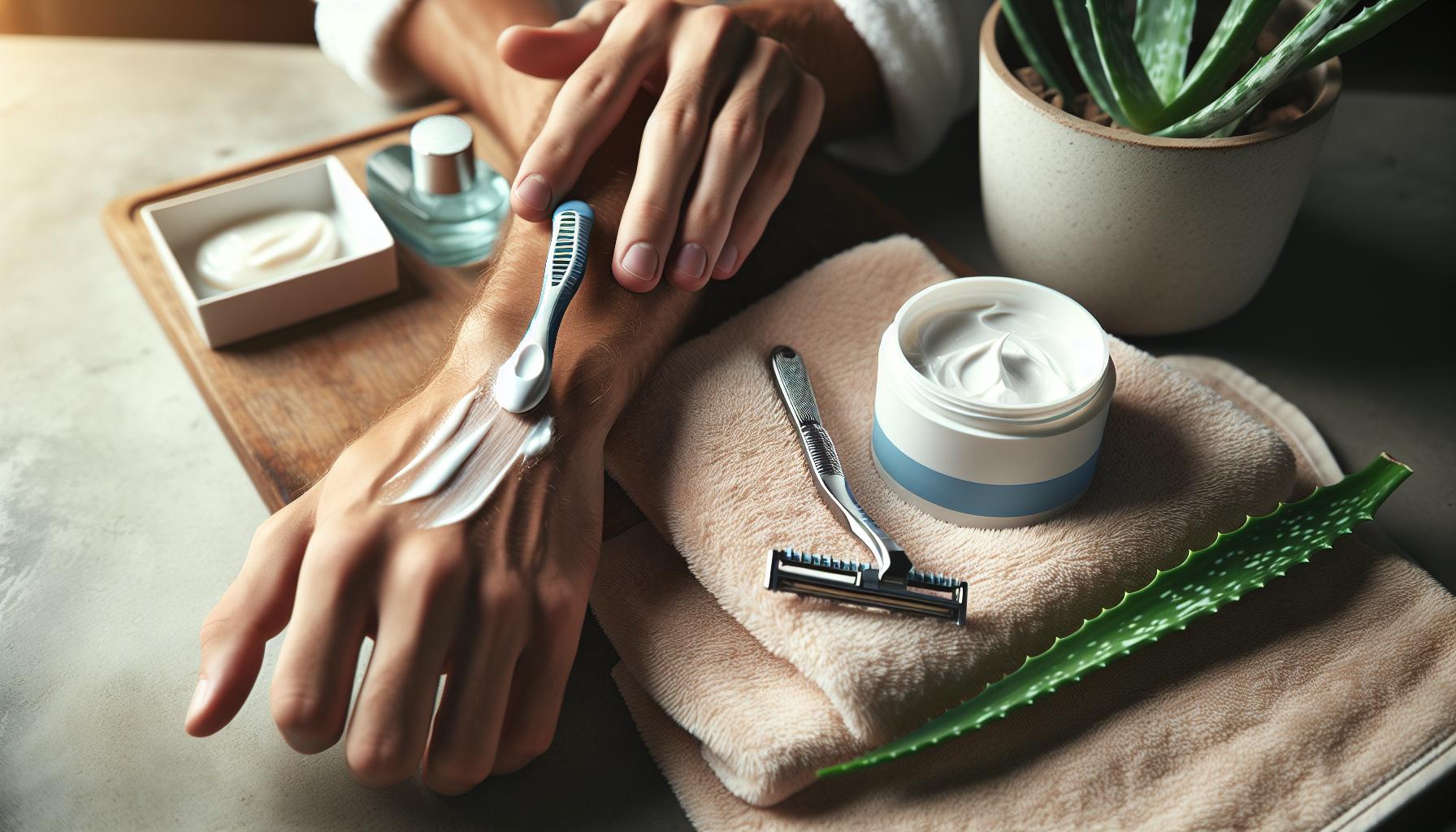
Identifying Razor Bumps: What Are They?
Razor bumps are an all-too-common irritation that many face, especially in sensitive areas like the bikini line. These small, raised bumps typically appear after shaving and can be both uncomfortable and unsightly. Simply put, they occur when hair follicles become inflamed due to irritation or ingrown hairs. This inflammation can result in red, itchy bumps that may even lead to a burning sensation. While they are benign, they can certainly cause distress and discomfort.
Understanding razor bumps begins with recognizing their appearance. They often resemble acne, as they can be red and swollen, sometimes with pus-filled heads. The key difference is the cause: razor bumps arise from shaving, which disrupts the hair growth process. When shaving too close or without suitable preparation, hair may curl back into the skin instead of growing outward, leading to this irritation. People with curly or coarse hair are particularly prone to this issue due to the unique way their hair grows.
Addressing razor bumps is not only about managing symptoms but also about preventing them from appearing in the first place. A combination of gentle shaving techniques and an effective skincare routine can significantly mitigate the chances of developing these pesky bumps. Many individuals find success by adjusting their shaving routine and following specific post-shave care practices, tailored particularly for their skin’s needs.
Ultimately, being proactive and informed is your best defense against razor bumps. Whether you’re dealing with them currently or seeking to avoid them altogether, understanding what they are and how they form can empower you to make choices that keep your skin smooth and irritation-free.
Common Causes of Razor Bumps on Vag
Razor bumps are a frustrating reality for many who shave sensitive areas, particularly the bikini line. Understanding what triggers these bumps is essential for prevention and relief. Razor bumps, clinically known as pseudofolliculitis barbae, typically arise when shaved hairs grow back into the skin, leading to inflammation and irritation. This condition is most common in individuals with coarse or curly hair, where the hair naturally twists and is more likely to become trapped beneath the skin’s surface after shaving.
One of the main causes of these bumps is improper shaving techniques. Shaving too closely without sufficient lubrication can cause hair to turn back and irritate the skin. Additionally, using dull blades can create uneven cuts, increasing the chance of hairs curling back into the follicles. It’s also important to note that skin types play a significant role; sensitive skin can react more readily to shaving, exacerbating the problem.
Other contributing factors include a lack of proper pre-shave preparation, such as exfoliating or moisturizing the skin before shaving, which can help to remove dead skin cells and open up hair follicles. Sweat and bacteria can also play a role, especially in areas that might be prone to heat and friction, further increasing inflammation around hair follicles. Hormonal changes, such as those experienced during menstrual cycles, can heighten sensitivity and contribute to skin irritation, making it crucial to consider timing when choosing to shave.
Ultimately, identifying these common causes can empower you to make informed adjustments to your grooming routine. By understanding that both technique and skin care are key factors, you can take proactive steps to minimize razor bumps and keep your skin smooth and comfortable.
Gentle Pre-Shave Tips to Prevent Bumps
Preparing your skin properly before shaving is crucial in preventing those pesky razor bumps. A little extra care can result in a smoother and more comfortable shaving experience. Start by exfoliating your skin gently. Use a mild scrub or an exfoliating glove a day before shaving to remove dead skin cells. This helps prevent hairs from getting trapped under the skin after shaving. Focus on areas prone to bumps, such as the bikini line.
Next, hydrate your skin adequately. Applying a warm, damp towel to the area for a few minutes or taking a warm shower can soften both your skin and hair. This makes it easier to cut the hair without pulling, which can lead to irritation. After softening the hair, apply a gentle shaving cream or gel designed for sensitive skin. Look for products that contain soothing ingredients like aloe vera or chamomile which help reduce inflammation and protect your skin.
When it’s time to shave, use a sharp razor to ensure clean cuts without tugging on the hair. A dull blade can lead to irritation, increasing the chance of bumps. Always shave in the direction of hair growth rather than against it. This technique minimizes the risk of hairs curling back into the skin. Lastly, remember to keep your skin taut by using your free hand to pull the skin tight for a smoother, more effective shave.
By taking these steps to prepare your skin, you significantly decrease the chances of developing razor bumps. Incorporating these pre-shave tips can lead to a more comfortable and irritation-free experience. Enjoy the confidence of smooth skin and feel empowered in your grooming routine.
Best Shaving Techniques for Sensitive Areas
Shaving sensitive areas requires a gentle touch and thoughtful techniques to minimize irritation and the formation of razor bumps. Start by ensuring you have the right tools for the job-a quality razor designed for sensitive skin can make a significant difference. Look for razors with multiple blades, as they reduce the number of passes needed over the skin, thereby decreasing the chances of nicks and irritation. Additionally, consider using a single-blade razor for strict precision, as it allows for a controlled shaving experience.
Before you begin, it’s crucial to hydrate the skin with warm water. This not only softens the hair, making it easier to cut, but also opens the pores, which can further reduce the risk of bumps. If you have time, a warm shower is ideal. Otherwise, applying a warm, damp cloth to the area for a few minutes will suffice. Remember to follow this with a generous layer of shaving cream or gel formulated for sensitive skin. Look for products that are fragrance-free and include soothing ingredients like chamomile or aloe vera.
When you’re ready to shave, always go with the grain of hair growth instead of against it. This simple adjustment significantly lowers the chance of hair becoming trapped beneath the skin, screaming for the formation of those pesky bumps. Use light, gentle strokes, letting the razor do the work rather than pressing down hard. Maintain the skin’s tautness with one hand while shaving with the other; this technique ensures a close shave without unnecessary pulls or tugs on the skin.
After shaving, rinse thoroughly with cool water to help close the pores. Follow up with an alcohol-free aftershave balm or moisturizer that will calm and hydrate the area. Avoiding tight clothing and refraining from strenuous activities for a few hours can further prevent irritation. With these techniques, you’ll be well on your way to enjoying a smooth shave while keeping discomfort and razor bumps at bay.
Effective Post-Shave Care to Soothe Skin
After a careful shave, your post-shave skin care routine is crucial for preventing irritation and soothing your sensitive areas. The right aftercare can make a significant difference in how your skin responds, reducing the likelihood of razor bumps and ensuring that you feel comfortable and confident. A common mistake is to underestimate the impact of post-shaving care; it’s not just about preventing bumps, but also about nurturing the skin you’ve just worked on.
Rinsing your freshly shaved area with cool water is an excellent first step. This helps to close the pores and calm any initial redness you might experience. Once your skin is clean and cooled down, gently pat it dry with a soft towel-avoid rubbing, as your skin is already sensitive. Following this, apply an alcohol-free aftershave balm or a soothing lotion. Look for products that feature calming ingredients like aloe vera, chamomile, or coconut oil, as these can provide hydration and promote healing. For instance, a dime-sized amount of a soothing gel can be applied using gentle, circular motions to ensure even coverage without irritating the skin.
If you feel like you need extra relief, consider using a lightweight moisturizer or a specialized post-shave cream that contains salicylic acid or glycolic acid. These ingredients can help exfoliate the skin gently, preventing hair from becoming trapped under the surface. However, apply these products sparingly, starting with every other day to see how your skin reacts, and always follow up with sunscreen if you’re going outdoors, as freshly shaved skin can be more susceptible to sun damage.
Lastly, give your skin some time to recover by avoiding tight clothing and strenuous activities right after shaving. This not only helps to prevent friction and irritation but also allows your skin to breathe and heal. A good rule of thumb is to wear loose, breathable fabrics to keep the area comfortable. Remember, investing a little time and attention in your post-shave care can provide significant rewards in terms of comfort and appearance, keeping those troublesome razor bumps at bay.
Natural Remedies for Razor Bumps Relief
Finding relief from razor bumps is essential for maintaining comfort and confidence, especially after a shave in sensitive areas. If you’re dealing with irritated skin, several natural remedies can provide soothing relief and promote healing. These remedies are gentle, accessible, and can often be found right in your home.
One of the most effective calming agents is aloe vera. Known for its anti-inflammatory properties, applying fresh aloe vera gel to the affected area can help reduce redness and irritation. Simply extract the gel from a leaf and apply a thin layer directly to the bumps, allowing it to absorb into your skin. For best results, do this twice a day until you notice an improvement.
Another powerful option is tea tree oil. This essential oil has antiseptic qualities that can help prevent infection and reduce inflammation. Dilute a few drops of tea tree oil in a carrier oil, like coconut or jojoba oil, and gently massage it into the affected area. Always do a patch test first to ensure your skin doesn’t react negatively. After a few days of regular application, you may notice a significant decrease in bumps and irritation.
Cold compresses can also be incredibly beneficial. Applying a clean, cold cloth to the area for 10-15 minutes can alleviate inflammation and provide instant relief. It’s a simple remedy that can be repeated several times throughout the day, especially after shaving. For even more soothing effects, consider adding chamomile tea bags to your compress; chamomile is known for its calming properties.
Incorporating these natural remedies into your routine can significantly reduce the discomfort associated with razor bumps. Remember that while these methods can be effective, everyone’s skin is different; what works for one person may vary for another. Keeping your skin moisturized, avoiding irritants, and giving your skin time to heal are also key steps in enjoying smoother, bump-free skin.
Over-the-Counter Treatments to Consider
When dealing with razor bumps, over-the-counter (OTC) treatments can be a game changer. These products are specifically formulated to target irritation, redness, and inflammation, making them essential for anyone seeking quick relief after shaving sensitive areas. Understanding what’s available and how to use it can empower you to choose the best option that fits your needs.
One effective OTC option is a hydrocortisone cream. This anti-inflammatory medication can significantly reduce swelling and itching associated with razor bumps. When using it, apply a thin layer to the affected area once or twice daily, but be sure not to exceed recommended usage to avoid potential skin thinning.
Another category to consider includes exfoliating pads or solutions that contain alpha hydroxy acids (AHAs) or salicylic acid. These ingredients help to gently slough away dead skin cells, preventing hair from becoming trapped under the skin. For instance, using glycolic acid wipes can promote smoother skin texture and reduce the occurrence of future bumps. Use these products as directed, and typically no more than a couple of times a week to avoid excessive irritation.
For immediate soothing, anti-itch creams or gels containing ingredients like menthol or camphor can provide a cooling sensation that alleviates discomfort. Carefully apply these to the area after shaving, and they can help calm irritation swiftly.
Finally, there are targeted medicated treatments that contain benzoyl peroxide or tea tree oil, known for their antibacterial properties. These can help reduce inflammation and prevent the development of secondary infections. Always perform a patch test before full application to avoid further irritation.
By including these OTC treatments in your post-shave routine, you give your skin a better chance to heal and stay smooth. Remember to monitor your skin’s response and adjust the frequency of application as needed. As with any treatment, consistency is key to helping minimize razor bumps and maintaining your skin’s health.
When to Seek Professional Help for Bumps
Experiencing razor bumps can be frustrating, particularly in sensitive areas. While many people manage to treat these bumps at home, there are times when seeking professional help becomes essential. Understanding when to take that step can lead to better skin health and overall comfort.
If you notice that your razor bumps linger for more than a week despite home treatments, it’s a good idea to consult a healthcare provider. Persistent irritation might indicate an infection or a more serious skin condition that requires medical attention. Look out for signs such as increased redness, swelling, or pus-filled bumps, which could signal an underlying issue.
Additionally, if your bumps are accompanied by severe pain or if you’re experiencing widespread irritation in the area, don’t hesitate to reach out for professional advice. Your doctor can recommend stronger medications, such as prescription topical antibiotics or corticosteroids, that are more potent than over-the-counter options. These treatments can help reduce inflammation and prevent scarring.
Allergies to shaving products or techniques can also contribute to ongoing irritation. If you suspect this might be the case, a dermatologist can help identify specific allergens through patch testing. They can guide you on suitable alternatives or suggest a different hair removal method that minimizes your risk of developing razor bumps in the future.
Lastly, if you’re considering switching from shaving to other hair removal techniques like waxing, laser hair removal, or electrolysis, consulting a professional is wise. They can provide personalized recommendations that suit your skin type and hair characteristics, ultimately helping you find the best routine that minimizes irritation.
Taking these steps can not only alleviate current discomforts but also help you develop a safer and more effective skin-care routine for the future. Remember, prioritizing your skin health is essential, and seeking help when needed is a proactive choice.
Long-Term Solutions to Prevent Razor Bumps
To truly keep razor bumps at bay, prevention is key. This means not just treating bumps as they arise but adopting a holistic approach to your grooming routine. Over time, small adjustments can significantly reduce the chances of developing these irritating bumps, especially in sensitive areas.
One effective long-term solution is to invest in high-quality shaving tools such as a sharp, clean razor specifically designed for sensitive skin. Relying on dull blades can cause tugging on the skin, leading to hair displacement and, consequently, bumps. Additionally, consider using an electric razor designed for sensitive areas or a safety razor, as these can often reduce irritation compared to traditional razors.
Incorporating proper pre-shave and post-shave care into your routine is crucial. Prior to shaving, always hydrate your skin with warm water; this not only softens hair but also opens up pores, making hair removal smoother. Using a gentle, fragrance-free shaving cream or gel creates a barrier that protects the skin while lubricating the hair for easier cutting. After shaving, rinse the area with cool water to close the pores, and apply an alcohol-free soothing lotion. Look for ingredients like aloe vera, chamomile, or witch hazel, which can calm and hydrate the skin.
Moreover, maintaining a regular exfoliation routine can help prevent new hairs from becoming trapped under the skin. Exfoliate one to two times a week using a gentle scrub or chemical exfoliant that contains AHAs or BHAs, which help to remove dead skin cells and reduce the risk of ingrown hairs. Keeping the skin clear and smooth also minimizes the chance of hair curling back into the follicle, a primary cause of razor bumps.
Lastly, pay attention to your hair growth direction when shaving. Always shave in the direction of hair growth to minimize irritation. Shaving against the grain can increase the likelihood of bumps since it might force hairs back into the skin.
By following these practical, manageable strategies, you can develop a grooming routine that not only minimizes the risk of razor bumps but also promotes healthier skin overall. Remember, patience and consistency are key; with the right approach, you can enjoy smoother, bump-free skin in the long run.
Understanding Hair Types and Razor Bump Risks
When it comes to razor bumps, understanding your hair type can significantly influence how you manage and prevent these pesky irritations. Different hair textures and growth patterns react uniquely to shaving, which can increase or decrease the likelihood of developing bumps. For instance, curly and coarse hair types are more prone to ingrown hairs, which often lead to razor bumps, especially in sensitive areas like the bikini line.
Hair that grows naturally in a spiral or hook shape tends to curl back into the skin as it grows, creating inflammation and those uncomfortable bumps. This is particularly common among individuals with tight curls or coily textures. To combat this, consider adjusting your shaving technique. Shaving in the direction of hair growth and utilizing proper exfoliation are both key steps in preventing ingrown hairs. Exfoliating one to two times a week can keep the hair follicles clear of dead skin and can reduce the chances of hairs becoming trapped.
In contrast, individuals with fine or straight hair may experience fewer razor bumps, but this doesn’t mean they’re immune to irritation. Sensitive skin can react negatively to the friction of the razor or the ingredients in shaving products, leading to redness and discomfort. Choosing a friction-reducing shaving gel and using a high-quality razor can make a difference. Look for gels that are specifically formulated for sensitive skin to help minimize irritation.
Ultimately, knowing your hair type isn’t just about recognizing what to expect; it’s about tailoring your grooming routine to your unique needs. Making small adjustments based on your hair and skin type can lead to more comfortable and effective shaving experiences, significantly reducing the chances of those bothersome bumps. Remember, it’s all about discovering what works best for you through patience and a bit of experimentation.
Debunking Myths About Razor Bumps and Waxing
Razor bumps, also known as pseudofolliculitis barbae, are often misunderstood, particularly in the context of waxing and hair removal. One common myth is that shaving is the sole culprit behind these irritating bumps. In reality, any hair removal method can lead to ingrown hairs, which cause these painful spots. Waxing, for example, can also irritate the skin and lead to similar issues if not performed correctly or if the skin isn’t properly prepped and cared for afterward.
Another common misconception is that waxing is a guaranteed way to avoid razor bumps altogether. While waxing can remove hair from the root, which may reduce the frequency of bumps compared to shaving, it doesn’t make you immune. Factors like hair type-especially curly or coarse hair-can still contribute to ingrown hairs and bumps post-waxing. If the hair is too short or if the wax is applied improperly, hair may break instead of being pulled out fully, leading to a greater chance of becoming trapped under the skin.
People also believe that the harder you pull or the more frequently you wax, the better. However, being too aggressive can lead to skin irritation and increase the risk of infection. It’s crucial to allow hair to grow to a sufficient length-typically about a quarter of an inch-before waxing to ensure effective hair removal without unnecessary trauma to the skin.
To sum up, while waxing can be a better alternative for some when it comes to reducing razor bumps, understanding your skin and hair type, preparing your skin properly, and being gentle throughout the process are essential steps. Embracing a holistic approach to hair removal, which includes aftercare and recognizing individual skin responses, will significantly reduce the risk of developing those pesky bumps, no matter the method used. Remember, gentle practices lead to healthy skin!
Menstrual Cycle Effects on Skin and Irritation
Hormonal fluctuations throughout the menstrual cycle can significantly impact the skin’s sensitivity and responsiveness, particularly in areas subjected to shaving or waxing. During the week leading up to menstruation, many individuals experience a surge in hormones like estrogen and progesterone, which can cause the skin to become more oil-prone and sensitive. This increased sensitivity can not only amplify irritation from hair removal methods but also heighten the risk of developing angry, inflamed bumps around the pubic region after shaving.
To combat this, timing your hair removal can be crucial. If you know your skin tends to react poorly just before or during your period, consider scheduling your shaving or waxing sessions for the days after your period has started when your skin may be less reactive. This is often when estrogen levels rise again and skin texture stabilizes, potentially reducing the likelihood of bumps and irritation.
Aside from timing, adapting your skincare routine during the menstrual cycle can also help manage sensitivity. As hormonal changes can lead to increased dryness or oiliness, maintaining a consistent regimen that includes gentle exfoliation and hydration is vital. Using a mild exfoliating product a day or two before shaving can help remove dead skin cells and loosen any trapped hair follicles, making it easier to achieve a smooth shave without irritation.
For post-shave care, lean towards soothing products. Look for lotions or creams that contain calming ingredients such as aloe vera or chamomile, which can help quell inflammation and hydrate the skin. Additionally, applying a cool compress immediately after shaving can reduce redness and discomfort, providing instant relief. Understanding your body’s rhythms and adjusting your hair removal techniques accordingly will empower you to achieve smoother skin with less irritation each month.
Frequently asked questions
Q: What are the best aftershave products to prevent razor bumps on the vag?
A: Look for alcohol-free aftershave products that contain soothing ingredients like aloe vera, tea tree oil, or witch hazel. These ingredients help calm irritation and reduce inflammation. Apply a thin layer post-shave to nourish and protect sensitive skin. Explore more options in the “Effective Post-Shave Care to Soothe Skin” section of our guide.
Q: How long do razor bumps last after shaving?
A: Razor bumps typically last from a few days up to two weeks, depending on your skin type and care routine. To expedite healing, keep the area clean, avoid further irritation, and apply soothing treatments as recommended. Check our “Natural Remedies for Razor Bumps Relief” for effective options.
Q: Can I shave over existing razor bumps?
A: It’s best to avoid shaving over existing razor bumps to prevent further irritation and infection. Allow the bumps time to heal before shaving again. Follow our “Gentle Pre-Shave Tips to Prevent Bumps” to minimize future occurrences.
Q: What is the difference between razor bumps and ingrown hairs?
A: Razor bumps are irritation caused by shaving, leading to red, inflamed areas, while ingrown hairs occur when hair grows back into the skin, causing painful bumps. Identifying the difference helps you choose effective treatment methods. Visit the “Understanding Hair Types and Razor Bump Risks” section for more details.
Q: Why do I get more razor bumps during my menstrual cycle?
A: Hormonal fluctuations during your menstrual cycle can make your skin more sensitive and prone to irritation, increasing the likelihood of razor bumps. Consider adjusting your shaving routine or using gentler techniques during this time. For more insights, read our section on “Menstrual Cycle Effects on Skin and Irritation.”
Q: Are there specific razors recommended for sensitive areas?
A: Yes, using a razor designed for sensitive skin, with multiple blades and moisturizing strips, can reduce irritation and bumps. Look for brands that emphasize safety and gentleness for intimate areas. You can find more on “Best Shaving Techniques for Sensitive Areas” in our comprehensive guide.
Q: Is it safe to use natural ingredients like coconut oil for razor bump relief?
A: Yes, coconut oil is safe and effective for soothing razor bumps due to its moisturizing and anti-inflammatory properties. Apply a small amount to the affected area after shaving for relief. Explore our section on “Natural Remedies for Razor Bumps Relief” for additional suggestions.
Q: How can I prevent razor bumps on sensitive skin long-term?
A: To prevent razor bumps long-term, combine proper shaving techniques, regular exfoliation, and the use of soothing products post-shave. Maintaining a hair management routine that suits your skin type is also crucial. Learn more in “Long-Term Solutions to Prevent Razor Bumps.”
The Conclusion
Now that you’re equipped with gentle, effective strategies to get rid of razor bumps on your vag, it’s time to put this knowledge into action! Remember, caring for your skin is just as important as the methods you choose-hydration is key. If you still have lingering questions about personal care or need recommendations for the best soothing products, check out our guide on “Best Soothing Creams for Sensitive Skin” to enhance your routine or explore “How to Achieve a Smooth Shave” for further insights.
Don’t forget to share your experience in the comments below; your feedback can help others facing similar challenges. Plus, subscribe to our newsletter for more tips tailored to your grooming and wellness needs. Let’s embark on this journey towards smoother, healthier skin together-your confidence and comfort are worth it!
Get our latest guides, news, and insights highlighted in your Google Search & AI Overviews.