Razor bumps are a common yet frustrating issue, affecting both men and women after shaving or waxing. These unsightly red bumps can not only cause discomfort but also diminish your confidence. Fortunately, there are effective solutions to minimize and eliminate razor bumps quickly. In this guide, we’ll explore proven methods that cater to various skin types and concerns, so you can find relief and smooth skin in no time. Whether you’re dealing with ingrown hairs or skin irritation, the right strategies can make all the difference. Read on to discover the fastest working solutions that will help you reclaim your skin and your confidence!
Tips for Preventing Razor Bumps Before Shaving
Choosing the right preparation before you shave is essential in preventing pesky razor bumps. Many people underestimate the importance of pre-shave steps, but investing a bit of time into this process can save a lot of irritation and discomfort later. The key is to make your skin and hair as receptive as possible to shaving, which not only leads to a cleaner shave but also helps keep those uncomfortable bumps at bay.
First and foremost, hydration is crucial. Start by softening your skin and hair with warm water. This not only makes the shave smoother but also helps to open up your pores. Take a warm shower or apply a warm, damp towel on the area for about 5 minutes. This step is especially beneficial for curly or coarse hair, which has a tendency to curl back into the skin after shaving.
Next, exfoliation plays a vital role. Using a gentle exfoliating scrub or a soft washcloth can remove dead skin cells and unclog any pores, reducing the chances of ingrown hairs. A good exfoliation routine might involve using products that contain salicylic acid or glycolic acid, which help slough off dead skin and can provide that extra layer of protection against bumps. Aim to exfoliate at least a day before shaving to allow your skin to recover and reduce sensitivity.
Lastly, consider the products you choose. A high-quality shaving cream or gel that moisturizes the skin while creating a protective barrier is essential. Look for products that contain ingredients like aloe vera or shea butter, which help soothe and hydrate the skin during the shaving process. Be sure to apply the cream generously, covering the entire area and letting it sit for a minute or two before beginning to shave. This allows the hair to soften further and provides added slip for the razor, minimizing friction.
By taking these steps to prepare properly before shaving, you drastically lower the risk of razor bumps and ensure a more comfortable grooming experience. Remember, investing just a few extra minutes can lead to significantly better results!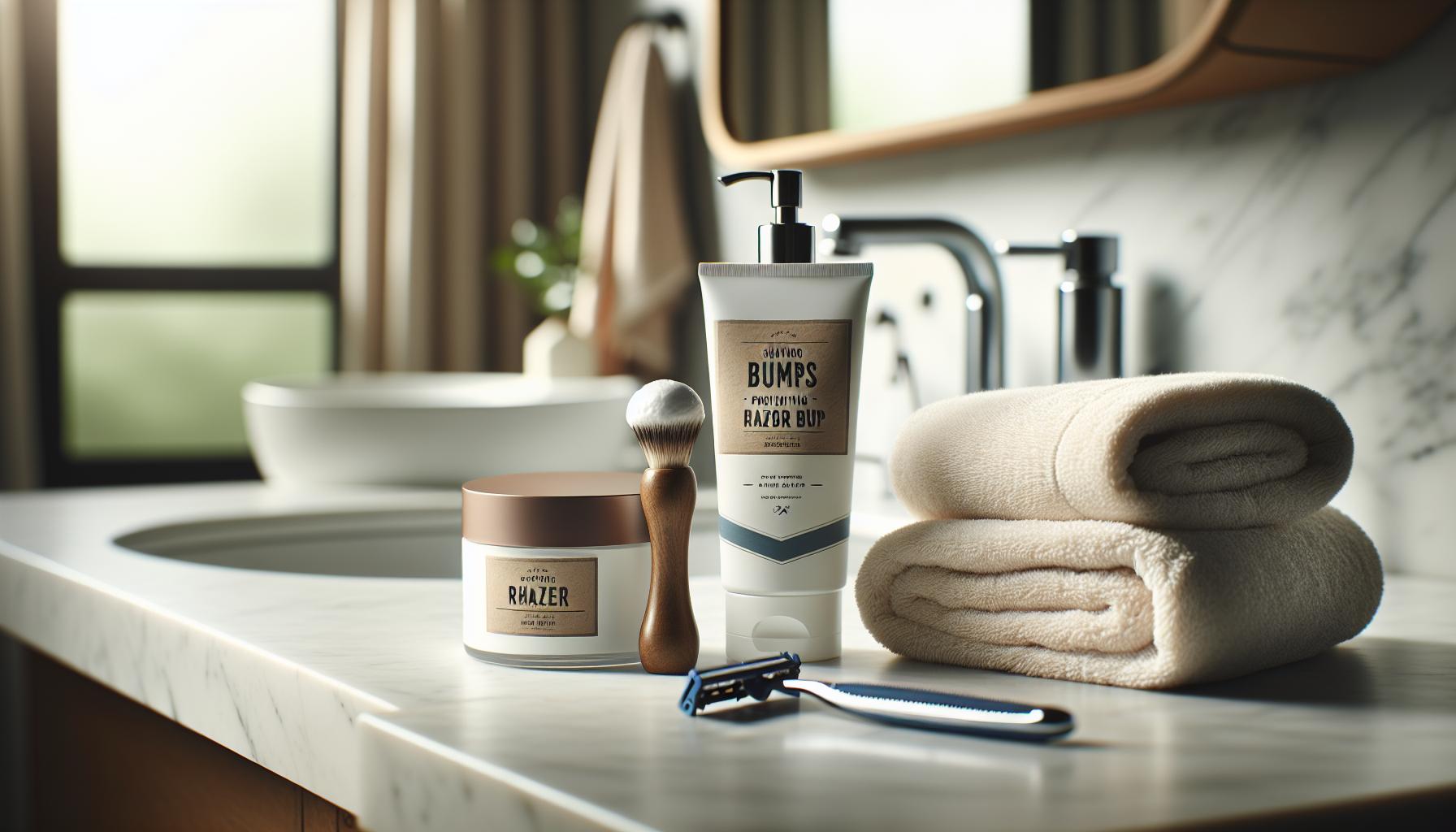
Choosing the Right Razor and Products
is one of the most important steps in preventing those pesky razor bumps. With so many options available, it might feel overwhelming, but selecting the right tools and products can make a significant difference in the comfort and quality of your shave.
When considering a razor, look for one that suits your skin type and hair texture. Multi-blade razors are often favored for their close shave, but they can lead to increased irritation for sensitive skin. Instead, you might consider a single or double-blade razor, which allows for better control and less tugging at the skin, reducing the likelihood of bumps and irritation. Additionally, ensure your blades are sharp; dull blades tug at the hair rather than cut it cleanly, increasing your chances of ingrown hairs and bumps. Aim to replace your razor blades or cartridge after 5 to 7 shaves for optimal performance.
Product selection is just as crucial. Choose a shaving cream or gel that is specifically formulated to soften hair and create a protective barrier. Ingredients like aloe vera, coconut oil, or shea butter not only provide hydration but help your razor glide smoothly over the skin. Avoid products with alcohol or heavy fragrances, as these can irritate the skin. Look for creams that include soothing agents or are labeled as hypoallergenic for extra protection. When applying, use a generous amount, working it into the skin with gentle, circular motions to ensure full coverage and soften the hair for a smoother shave.
Lastly, don’t overlook the benefits of pre-shave oils. Applying a light layer of an oil designed for shaving can give an extra layer of protection and hydration, making for a smoother glide. If you have sensitive skin or are prone to bumps, a pre-shave oil can be an invaluable addition to your regimen. Choose oils that are non-comedogenic, meaning they won’t clog your pores, which helps prevent further irritation.
To recap, investing in quality razors and hydrating products is essential for a bump-free shave. Use a sharp, gentle razor suited to your skin needs, combine it with moisturizing and soothing creams or gels, and consider pre-shave oils for added protection. These simple adjustments can lead to a much more comfortable shaving experience, minimizing the chances of those annoying bumps while giving you the confidence you deserve.
Step-by-Step Guide to Shaving Without Bumps
To achieve a smooth and bump-free shave, it’s essential to follow a comprehensive, step-by-step guide that prioritizes your skin’s health and comfort. With a few simple practices, you can significantly reduce the likelihood of razor bumps and irritation.
Start by preparing your skin. Before you even pick up your razor, spend 5-10 minutes in a warm shower or apply a warm towel to your face. This opens up your pores and softens the hair, making it easier to cut. Once your skin is ready, apply a generous amount of shaving cream or gel, focusing on areas where you’ll shave. Look for products enriched with hydrating ingredients like aloe vera or shea butter, as these help the razor glide more smoothly over your skin.
Shaving Technique
When you’re ready to shave, choose the right razor for your skin type. A single or double-blade razor can offer more control and less tugging than multi-blade options, particularly for sensitive skin. Begin by shaving in the direction of hair growth-this is known as shaving “with the grain.” Use gentle, short strokes, and let the weight of the razor do the work. Avoid pressing too hard; this can lead to irritation and bumps. Rinse your razor frequently to keep the blades free from hair and product buildup.
After you’ve shaved, rinse your face with cool water to close the pores. Pat your skin dry gently with a clean towel-avoid rubbing, as this can exacerbate irritation. Next, apply a calming aftershave balm that is alcohol-free, to hydrate and soothe the skin. Look for products that include ingredients like witch hazel or chamomile, known for their anti-inflammatory properties.
Post-Shave Care
Don’t forget the importance of post-shave care! To further prevent bumps, avoid touching or scratching the shaved area, as this can lead to inflammation and ingrown hairs. Consider using a gentle exfoliating scrub a few days after shaving to prevent hair from getting trapped under the skin. Use it once or twice a week, but be careful not to overdo it-too much exfoliation can irritate your skin.
By following these steps consistently, you will not only enjoy a closer shave but also minimize the chances of dealing with unpleasant razor bumps. A little extra care and the right shaving technique go a long way in achieving that smooth, confident look.
Natural Remedies for Quick Relief
Razor bumps can be frustrating, but several natural remedies can provide quick relief and help soothe irritated skin. These remedies are not only gentle but can effectively reduce redness and inflammation, making your skin feel more comfortable.
One effective option is aloe vera. This plant is known for its soothing and anti-inflammatory properties. You can apply pure aloe vera gel directly to the affected areas. Simply squeeze out a small amount and gently massage it into the skin, allowing it to absorb for about 15-20 minutes before rinsing off. This will not only soothe the skin but also help with hydration.
Another great remedy is the use of apple cider vinegar (ACV). ACV has antibacterial properties that can help prevent infection and soothe irritation. Dilute ACV with an equal part of water, and use a cotton ball to apply it to the bumps. Leave it on for about 10 minutes before rinsing off with cool water. You may feel a slight tingling sensation, which is normal, but be cautious if your skin is particularly sensitive.
If you’re looking for something with a calming scent, consider using tea tree oil. This essential oil is known for its antimicrobial and anti-inflammatory properties. Mix a few drops of tea tree oil with a carrier oil, like jojoba or coconut oil, and apply it to the bumps using a cotton swab. This can not only reduce redness but also help prevent future breakouts.
Finally, don’t underestimate the power of a warm compress. Soaking a cloth in warm water and pressing it against the affected area can help open up pores and allow trapped hairs to escape, reducing inflammation. Hold the compress on the bumps for about 5-10 minutes for the best results.
By incorporating these natural remedies into your post-shave routine, you can hasten recovery from razor bumps while nurturing your skin. Whether you use aloe vera for its soothing properties, apple cider vinegar for its antibacterial action, tea tree oil for its anti-inflammatory benefits, or a warm compress for immediate relief, you’ll find that these simple solutions can make a significant difference in maintaining healthy, smooth skin.
How to Treat Existing Razor Bumps Effectively
Dealing with razor bumps can be an uncomfortable and frustrating experience, especially when they linger longer than expected. Fortunately, there are effective strategies to treat existing razor bumps that can help soothe your skin and reduce inflammation quickly. When tackling this common issue, the goal is to calm the irritation, fight potential infections, and prevent future breakouts.
First and foremost, consider gently exfoliating the affected areas. This can help remove dead skin cells that may be trapping hairs and contributing to the bumps. Use a mild exfoliating scrub that contains gentle ingredients like salicylic acid, which is known for its ability to unclog pores and reduce redness. Aim for using this treatment 1-2 times a week for optimal results without over-irritation.
Next, applying topical treatments can significantly expedite healing. Look for over-the-counter products containing hydrocortisone cream or benzoyl peroxide, which can reduce inflammation and fight bacteria, respectively. Simply apply a small amount directly onto the bumps, following the product instructions for frequency. Remember, when using these treatments, consistency is key-apply them until you see improvement, usually within a few days.
Utilizing natural remedies can also be beneficial in treating razor bumps effectively. The soothing properties of aloe vera gel can alleviate irritation and hydrate the skin. You can apply it directly to the bumps, allowing it to absorb for about 15-20 minutes before rinsing. Additionally, a warm compress can help to open the pores, making it easier for trapped hairs to come to the surface. Soak a clean cloth in warm water, wring it out, and apply it to the affected area for about 10 minutes.
Lastly, take care to keep the area moisturized and protected. Using a fragrance-free, non-comedogenic moisturizer will help to soothe the skin further and create a barrier against irritation.
By integrating these treatments into your routine, you can effectively reduce the appearance of razor bumps while promoting healthier skin. Just remember to approach each step with patience and consistency for the best results.
Exfoliation Techniques to Reduce Ingrown Hairs
To keep your skin smooth and free from the irritation of razor bumps and ingrown hairs, effective exfoliation techniques are a vital part of your grooming routine. Exfoliating is all about removing dead skin cells that can clog hair follicles, locking in hairs and leading to uncomfortable bumps. Not only does this help to improve the overall texture of your skin, but it also encourages healthy hair growth.
Start by choosing an exfoliant that suits your skin type. If you have sensitive skin, opt for a gentle scrub with natural ingredients like sugar or oatmeal, or consider using an enzyme-based exfoliant that utilizes fruit acids to break down dead skin without harsh abrasives. For those with more resilient skin, salicylic acid or glycolic acid scrubs can be effective at deeply unclogging pores and promoting cell turnover. You can make a simple scrub at home by mixing sugar with a light carrier oil, such as coconut or olive oil, and applying it in gentle circular motions.
Aim to exfoliate 1-2 times a week for the best results. Over-exfoliating can lead to irritation and sensitivity, so be mindful of how your skin reacts. When exfoliating, focus on the areas prone to ingrown hairs, such as the neck, underarms, or bikini line. After a warm shower or bath, when your skin is softer and more receptive, apply your scrub using gentle pressure. Spend about 30 seconds massaging it into the skin to ensure that you’re effectively sloughing off dead cells while avoiding any potential abrasiveness.
Incorporating a post-exfoliation routine is also essential. After you’ve exfoliated, rinse with cool water to close the pores and apply a hydrating moisturizer to help soothe the skin. This will restore moisture and form a protective barrier, promoting a healthy environment for hair to grow without issues. You might also consider using a product specifically designed for post-shave care, like an ingrown hair serum, to keep your skin calm and hydrated.
By integrating regular exfoliation into your grooming routine, you’re not just addressing the immediate concern of razor bumps but also taking proactive steps towards healthier skin in the long run. Remember, consistency is key-giving your skin the care it needs can make all the difference!
Post-Shave Care for Sensitive Skin
After shaving, your skin deserves some TLC, especially if it’s sensitive and prone to irritation. Here’s how to best care for your skin post-shave to minimize discomfort and reduce the risk of razor bumps.
Start by rinsing your skin with cold water to close the pores. This simple step can help prevent debris from entering the freshly shaven areas, reducing the likelihood of bumps and irritation. Pat your skin dry gently with a clean, soft towel-avoid rubbing, as this can further irritate sensitive skin.
Following this, it’s essential to hydrate and calm the skin. Look for an alcohol-free aftershave or soothing balm specifically formulated for sensitive skin. Products containing aloe vera, chamomile, or witch hazel are excellent choices, as they provide anti-inflammatory benefits. When applying, use a small amount (about the size of a dime) and massage it into the skin with gentle circular motions. This helps to lock in moisture and promote healing.
If you notice redness or bumps, don’t panic! Applying a cold compress for a few minutes can soothe irritation and reduce swelling. For those who struggle with more persistent issues, consider using a targeted treatment formulated for razor bumps, which often contains salicylic acid or glycolic acid. These ingredients help by exfoliating the skin gently, preventing hairs from becoming trapped beneath the surface. Apply this treatment nightly on the affected areas, allowing it to absorb fully.
Regularly incorporating a post-shave routine can be a game-changer. Maintain balance by following up with a hydrating moisturizer tailored to your skin type. Look for non-comedogenic products (those that won’t clog pores) and apply them liberally after your aftershave for maximum effectiveness. Consistency with these steps will not only alleviate current discomfort but also foster healthier skin going forward, making shaving a smoother, more enjoyable process.
When to Seek Professional Help
Experiencing persistent razor bumps can be frustrating and painful, prompting the question: when is it time to seek professional help? While many individuals can successfully manage razor bumps at home, there are specific signs and circumstances that indicate when medical intervention is necessary. Don’t hesitate to consult a dermatologist if your issues escalate beyond occasional irritation.
If you notice that your skin doesn’t respond to over-the-counter treatments despite consistent at-home care, it may be a signal to seek professional advice. Persistent redness, swelling, or discomfort that lasts longer than a week could indicate an infection or more severe skin condition, such as folliculitis. Additionally, if you experience severe pain along with the bumps or if they become filled with pus, these are clear signs to consult a healthcare provider.
For those with underlying skin conditions, such as eczema or psoriasis, it’s especially crucial to get professional input. Razor bumps might exacerbate existing symptoms, leading to a cycle of irritation that is best managed with a tailored approach from a dermatologist. Furthermore, if you’re consistently developing razor bumps regardless of your shaving technique, products, or aftercare, a professional can help identify the root causes, potentially suggesting alternative hair removal solutions that better accommodate your skin type.
Finally, if you’re considering more aggressive treatments-like laser hair removal, which targets hair follicles to prevent growth-consulting a professional is essential. A dermatologist can offer personalized recommendations based on your skin’s specific needs and your grooming habits, ensuring that you receive a safe and effective treatment plan. Taking these steps can lead you towards clearer, healthier skin and a more enjoyable shaving experience.
Common Myths About Razor Bumps Debunked
Many people believe common myths about razor bumps that can complicate their grooming routines. It’s important to separate fact from fiction to better manage this annoying condition and prevent future occurrences.
One prevalent misconception is that only men experience razor bumps. In reality, anyone who shaves, waxes, or tweezes can develop these bumps, regardless of gender. Razor bumps, formally known as pseudofolliculitis barbae, occur when hair grows back into the skin, leading to irritation and inflammation. This is especially common in individuals with curly hair, but it affects a broad range of people.
Another common myth is that using a dull razor is acceptable; many believe that as long as they shave carefully, they can avoid irritation. However, using a sharp razor is crucial. Dull blades tug at hair rather than cutting it cleanly, increasing the risk of broken hairs that can become ingrown. To reduce the likelihood of razor bumps, always use a fresh blade and consider switching to a single-edged razor when waxing or shaving sensitive areas.
Additionally, some think that applying aftershave will automatically prevent razor bumps. While aftershaves may provide moisture and a pleasant scent, they often contain alcohol, which can dry out the skin and exacerbate irritation. Instead, opt for soothing, alcohol-free moisturizers with ingredients like tea tree oil or aloe vera, which can help calm inflammation and hydrate the skin post-shave.
By debunking these myths, you can take actionable steps toward effectively managing and preventing razor bumps. Always use sharp razors, keep your skin moisturized with the right products, and remember that anyone can be affected by this common issue. By understanding the true causes and preventive measures, you can enjoy smoother, bump-free skin after shaving.
Best Products for Preventing Razor Bumps
When it comes to preventing razor bumps, the right products can make all the difference. Selecting high-quality tools and skincare items can help you enjoy a smoother shave while minimizing irritation and ingrown hairs. Here’s a curated list of essential items tailored to your grooming routine that can effectively combat razor bumps.
Essential Razors and Blades
Investing in a good razor is crucial. A sharp blade glides smoothly over the skin, reducing tugging and pulling that can lead to irritation. Consider using a single-edged razor, which is often gentler on the skin than multi-blade options. Brands like Schick and Gillette offer a variety of safety razors designed specifically to prevent irritation.
Shaving Creams and Gels
Choosing the right shaving cream or gel can significantly enhance your shaving experience. Look for products that are fragrance-free and contain soothing ingredients. Aloe vera and shea butter are excellent choices, as they hydrate the skin and enhance glide. Products like Cremo Shaving Cream or Nivea Men Sensitive Shaving Gel are well-reviewed for their ability to minimize razor bumps while providing a protective layer during shaving.
Post-Shave Soothing Solutions
After shaving, applying a soothing lotion or balm is vital for calming the skin. Opt for alcohol-free moisturizers to prevent further drying. Ingredients like tea tree oil, witch hazel, and aloe vera can be beneficial. For example, Burt’s Bees Aloe & Coconut Oil After Sun Lotion calms the skin effectively. Additionally, using a product like Tend Skin Solution can help reduce redness and bumpiness after shaving, promoting faster healing.
Exfoliating Products
Regular exfoliation plays a key role in preventing ingrown hairs. Look for exfoliating scrubs or chemical exfoliants containing salicylic acid or glycolic acid. These ingredients help to slough off dead skin cells and keep hair follicles clear. Products like Paula’s Choice Skin Perfecting 2% BHA Liquid Exfoliant can be used two to three times a week to prevent buildup that leads to bumps.
By integrating these recommended products into your shaving routine, you’ll set yourself up for success in preventing razor bumps. Remember to always consider your skin type and to test any new product on a small area to avoid adverse reactions. Embrace these tools and techniques to enjoy a smoother, bump-free shave!
Understanding the Causes of Razor Bumps
Razor bumps, or ingrown hairs, can be an irritating consequence of shaving that many encounter, regardless of experience. Understanding what causes these pesky bumps is crucial for effective prevention and treatment. Essentially, razor bumps occur when the hair curls back into the skin as it grows, leading to inflammation and irritation. This is particularly common with coarse or curly hair types, where the hair is more likely to take on a circular growth pattern.
Several factors contribute to the development of razor bumps. Using dull or improper razors can cause jagged cuts, irritating the skin and prompting hair to grow inward. Similarly, incorrect shaving techniques, such as shaving against the grain, can create microscopic injuries that lead to ingrown hairs. Another common culprit is the lack of proper pre-shave preparation. Failing to hydrate and soften the hair before shaving can make it more resistant to being cut cleanly, increasing the likelihood of bumps.
To further complicate matters, skin health plays a significant role in the formation of razor bumps. Dry or sensitive skin is more prone to irritation after shaving, which may trigger an inflammatory response. Additionally, neglecting regular exfoliation can cause dead skin cells to clog hair follicles, preventing hair from breaking through the skin’s surface smoothly. Incorporating gentle exfoliation into your skincare routine two to three times a week can help minimize this buildup and reduce the risk of ingrown hairs.
By being aware of these causes, you can make informed choices about your shaving practices-like selecting the right equipment and techniques-to keep razor bumps at bay. It’s important to approach shaving as part of your overall skincare routine, taking steps to nourish your skin before, during, and after shaving, and adapting your methods to suit your hair type and skin condition.
Razor Bump Treatments: What Works Best?
Razor bumps can be a frustrating and painful problem, but fortunately, several effective treatments can help you tackle them quickly. Understanding your options is key to finding the right solution for your skin type and lifestyle.
One of the most reliable methods is using topical treatments containing ingredients like salicylic acid, glycolic acid, or benzoyl peroxide, which help exfoliate dead skin cells and unclog hair follicles. For example, applying a product with salicylic acid twice daily can reduce inflammation and prevent further ingrown hairs. You can also look for soothing creams that contain aloe vera or witch hazel to alleviate irritation and calm the skin.
Another effective approach is gentle exfoliation, which can be done with physical scrubs or chemical exfoliants. Using a soft exfoliating scrub two to three times a week can help remove dead skin, making it easier for hairs to grow out properly instead of curling back into the skin. When using a scrub, apply a small amount to damp skin and massage gently in circular motions, focusing on affected areas, before rinsing off thoroughly.
If you’re looking for natural remedies, consider applying warm compresses to the affected area for about 10-15 minutes. This can soften the skin and hair, making it easier for the hair to break through. Additionally, diluted tea tree oil can be applied directly to the bumps for its antibacterial properties, helping to reduce inflammation and prevent infection.
For those particularly stubborn bumps, over-the-counter products like razor bump treatment solutions are available. These often come in roll-on applicators for easy application and can significantly speed up healing time. Be sure to check out reliable products like Razor Bump Stopper, which you can easily find online ([1]).
In summary, effective treatments for razor bumps range from topical treatments and gentle exfoliation to warm compresses and natural remedies. Tailoring your approach to your skin’s needs can lead to faster relief and a smoother shaving experience.
Frequently asked questions
Q: What are the quickest ways to relieve razor bumps?
A: The quickest ways to relieve razor bumps include applying a warm compress to soothe irritation, using over-the-counter treatments with salicylic acid, and moisturizing the affected area with aloe vera gel. These methods can reduce inflammation and promote healing rapidly.
Q: How can I prevent razor bumps after shaving?
A: To prevent razor bumps after shaving, ensure you shave in the direction of hair growth, use a sharp razor, and apply a soothing aftershave balm. Exfoliation before shaving can also help to remove dead skin and prevent ingrown hairs.
Q: What are some effective home remedies for razor bumps?
A: Effective home remedies for razor bumps include applying apple cider vinegar, witch hazel, or tea tree oil to the affected area. These substances can help reduce irritation and inflammation, promoting faster healing of razor bumps.
Q: How long do razor bumps typically last?
A: Razor bumps typically last between a few days to a week, depending on the severity and treatment. Consistent care, such as moisturizing and avoiding further irritation, can help expedite recovery.
Q: Are there specific products that work best for treating razor bumps?
A: Yes, products containing salicylic acid, glycolic acid, or benzoyl peroxide are excellent for treating razor bumps. They exfoliate the skin and reduce inflammation, helping to clear up existing bumps effectively while preventing new ones.
Q: When should I see a doctor about my razor bumps?
A: You should see a doctor if your razor bumps persist beyond a week, worsen, or show signs of infection, such as increased redness, swelling, or pus. Early professional intervention can prevent complications and ensure proper treatment.
Q: How do I know if my bumps are from shaving or something else?
A: If the bumps appear shortly after shaving and are localized to the shaved area, they are likely from shaving. However, if bumps are widespread, painful, or accompanied by other symptoms, it may indicate an allergic reaction or skin condition requiring assessment.
Q: Can certain types of razors reduce the risk of razor bumps?
A: Yes, using a single-blade razor can reduce the risk of razor bumps, as it minimizes irritation compared to multi-blade razors. Additionally, electric razors may also be less likely to cause bumps for sensitive skin types.
The Conclusion
Now that you know the fastest working solutions to get rid of razor bumps, it’s time to take action and restore your skin’s smoothness. Remember, prevention is key; regularly exfoliating and using soothing products like salicylic acid can make all the difference. If you’re looking for a reliable solution, consider trying Tend Skin Solution, known for its effectiveness in tackling razor bumps and ingrown hairs.
Continue your journey to better skin by exploring our guides on proper shaving techniques and the best aftercare products. Don’t forget to sign up for our newsletter for exclusive tips and updates! We’d love to hear your thoughts-share your experiences in the comments below and connect with others facing the same challenge. Empower yourself and take confident steps toward smoother skin today!
Get our latest guides, news, and insights highlighted in your Google Search & AI Overviews.