Razor bumps can be an annoying and uncomfortable result of shaving, affecting both men and women. They occur when hair grows back into the skin, leading to inflammation and irritation. If you’re looking for a natural solution, coconut oil might be the answer. Known for its moisturizing and anti-inflammatory properties, coconut oil can soothe the skin and promote healing, making it a popular choice for alleviating razor bumps. In this article, we’ll explore how incorporating coconut oil into your grooming routine can help combat these pesky bumps and leave your skin feeling smooth and irritation-free. Whether you shave daily or occasionally, understanding the benefits of coconut oil can empower you to maintain healthy skin and boost your confidence. Let’s dive in and discover how this simple kitchen staple can become your go-to remedy for razor bumps!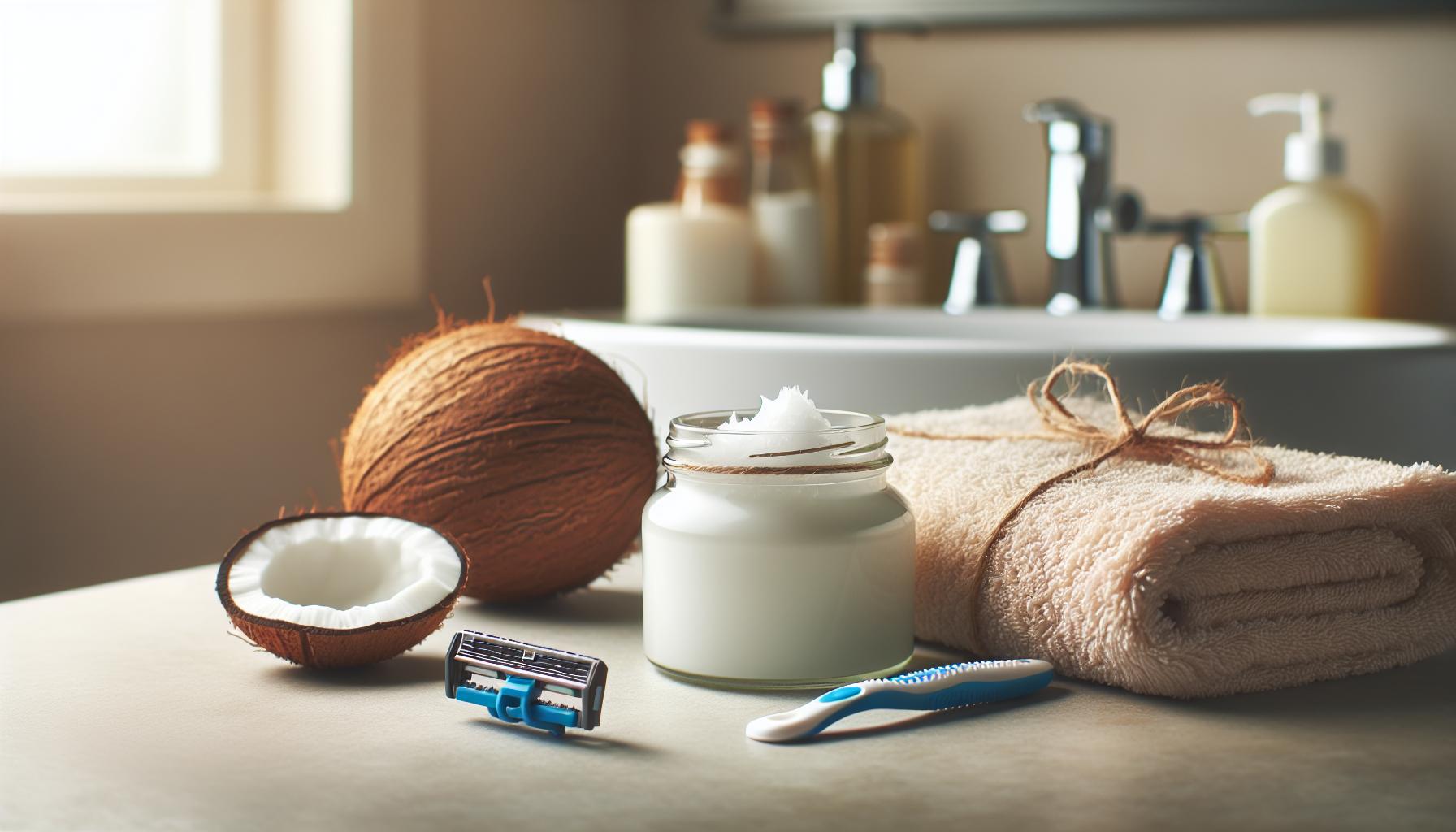
Can Coconut Oil Relieve Razor Bumps? An In-Depth Look
Razor bumps, those annoying red bumps that often appear after shaving, can be frustrating for anyone who wants smooth skin. Coconut oil has gained popularity as a soothing remedy, thanks to its potential anti-inflammatory and moisturizing properties. Rich in fatty acids, particularly lauric acid, coconut oil may help reduce the irritation often associated with shaving. Users often appreciate its ability to hydrate and soothe the skin, creating a barrier that can lessen the occurrence of these bumps.
When considering coconut oil for razor bumps, it’s important to understand how it interacts with skin conditions. The oil’s natural antioxidants can help calm inflammation and promote healing. Applying coconut oil right after shaving can be beneficial, as it penetrates the skin easily and provides immediate moisture, which is crucial in preventing irritation and promoting recovery. Moreover, its antibacterial properties could assist in reducing the risk of infections that can exacerbate the bumps.
For those new to this method, the application is simple: just take a small amount of coconut oil, rub it between your palms to warm it slightly, and gently massage it onto the affected areas. Make sure your skin is clean and dry for the best absorption. This practice not only moisturizes but may also provide a cooling sensation that feels particularly nice after shaving. While many people report positive results, it’s worth noting that individual reactions can vary; therefore, it may take a little experimentation to find what works best for you.
Understanding Razor Bumps: Causes and Symptoms
Razor bumps, or pseudofolliculitis barbae, are a common skin concern that can affect anyone who shaves, but they seem especially prominent after shaving coarse or curly hair. These bumps occur when hair grows back into the skin instead of out, creating inflamed, reddish spots that can be uncomfortable and unsightly. Typically appearing on the neck, cheeks, and legs, these irritating bumps often signal an underlying struggle faced by many, but understanding their causes can pave the way to effective treatment.
Several factors contribute to the formation of razor bumps. The most common culprit is improper shaving techniques, such as using a dull razor, shaving against the grain, or neglecting to hydrate the skin beforehand. When skin is shaved dry or scraped aggressively, hair follicles can become inflamed, increasing the risk of ingrown hairs. Another contributing factor is the sharpness of the blade; a dull blade can tug at hair rather than cutting it cleanly, exacerbating the problem.
Symptoms of razor bumps typically manifest as small, red, raised bumps that may be tender to the touch. In more severe cases, these bumps can be accompanied by itching, increased sensitivity, or even pus if an infection develops due to bacteria entering the small cuts left behind by shaving. Recognizing these signs early is vital to addressing the problem and restoring skin health.
To provide immediate relief, consider adjusting your grooming routine with techniques that minimize irritation. Always prep your skin with warm water and a good quality shaving cream or gel to create a protective barrier. Remember, a calm approach enhances your skin’s resilience against the harshness of shaving, setting the stage for a more comfortable experience while reducing the chances of experiencing razor bumps.
The Natural Benefits of Coconut Oil for Skin
Coconut oil is not just a kitchen staple; it’s a skincare powerhouse that offers numerous benefits, especially when it comes to soothing irritated skin, such as that affected by razor bumps. This versatile oil is packed with medium-chain fatty acids, which possess natural anti-inflammatory and antimicrobial properties. Because of these qualities, coconut oil can help calm the skin, reduce redness, and even prevent the growth of bacteria that may aggravate existing bumps.
One of the standout benefits of coconut oil for skincare is its ability to deeply moisturize. Unlike heavier oils, it penetrates easily into the skin without leaving a greasy residue. When applied after shaving, coconut oil can create a protective barrier, locking in moisture and helping to heal minor nicks or cuts. To use coconut oil effectively, simply warm a small amount between your hands and gently massage it into the affected area in circular motions, focusing on any inflamed spots. This not only provides immediate hydration but also supports skin healing.
Another significant advantage is the oil’s antioxidant properties. Coconut oil contains vitamin E and other antioxidants that combat free radicals, contributing to skin health and a more even complexion. This can be especially beneficial if you’re dealing with persistent irritation from razor bumps, as antioxidants help mitigate damage and support skin repair. When you incorporate coconut oil into your daily routine, you’re not only addressing immediate concerns but also nurturing the skin for long-term health.
In addition to its soothing effects, coconut oil is gentle enough for all skin types, making it a perfect option for those with sensitive skin or allergies to conventional shaving products. By integrating coconut oil into your grooming regimen, you are taking a natural approach to skincare that aligns well with holistic health practices. Embracing coconut oil as a regular part of your skincare can lead to noticeable improvements over time, helping you achieve that smooth, irritation-free skin you desire.
How to Use Coconut Oil for Razor Bumps
Applying coconut oil to your skin can be a game changer, especially when it comes to dealing with those pesky razor bumps. This natural oil boasts numerous properties that not only soothe irritation but also promote healing. To effectively use coconut oil for razor bumps, here’s a simple, step-by-step guide.
Start by cleaning the affected area. After shaving, gently wash your skin with warm water and a mild cleanser to remove any products and debris. Pat your skin dry with a soft towel-avoid rubbing, as this can further irritate the area.
Next, take a small amount of organic coconut oil-about a dime-sized portion-and warm it between your palms until it melts. This will make it easier to spread. Applying this oil to damp skin helps to lock in moisture. Use gentle, circular motions to massage the oil into the affected areas, ensuring that you cover all inflamed spots. Spend about 30 seconds on each area to allow the coconut oil to penetrate the skin effectively.
For those days when you know you’ll be shaving, consider using coconut oil as a pre-shave oil. Apply it generously to the area you’ll shave to ensure smooth gliding of your razor, which can help reduce the chances of getting razor bumps. After shaving, follow up with another application of coconut oil to soothe and moisturize your skin.
To fully benefit from the properties of coconut oil, incorporate it into your routine consistently. Consider using it twice daily-once in the morning and once at night. With regular application, you should notice a reduction in redness and irritation over time.
By following these steps, you can harness the soothing power of coconut oil and give your skin the care it needs to reduce and prevent razor bumps, leaving you with the smooth, irritation-free skin you desire.
Comparing Coconut Oil with Other Treatments
Coconut oil stands out as a fierce contender in the arena of remedies for razor bumps, thanks to its unique properties that support skin health. However, it’s important to consider how it stacks up against other popular treatments. When addressing razor bumps, you have a few options, including over-the-counter creams, essential oils, and natural remedies like aloe vera and witch hazel.
While coconut oil excels in moisturizing and reducing skin irritation due to its anti-inflammatory and antibacterial benefits, products like hydrocortisone cream can provide quicker relief for inflammation and redness but may come with side effects if used long-term. If you’re seeking a natural alternative, aloe vera gel offers cooling properties and can be soothing, making it another good option to try post-shaving, though it doesn’t carry the same moisturizing benefits as coconut oil.
In comparison to essential oils, like tea tree or lavender oil, which are known for their antiseptic properties, coconut oil has the advantage of being a carrier oil, allowing you to mix it with other beneficial oils without skin irritation. For instance, blending coconut oil with a few drops of tea tree oil can pack a double punch against bacteria while hydrating your skin.
Here’s a quick comparison of these treatments:
| Treatment | Benefits | Considerations |
|---|---|---|
| Coconut Oil | Moisturizing, reduces inflammation, antibacterial | May not offer immediate relief; oily residue |
| Hydrocortisone Cream | Quick inflammation relief | Short-term use recommended; potential side effects |
| Aloe Vera | Soothes and cools skin | May not deeply moisturize |
| Essential Oils (e.g., tea tree, lavender) | Antiseptic properties, blends well with carrier oils | Must be diluted before application to avoid irritation; scent-sensitive users beware |
Ultimately, the choice between coconut oil and these other treatments comes down to personal preference and skin type. Many find success using coconut oil due to its dual-action benefits of soothing and moisturizing, making it an excellent long-term solution for managing razor bumps.
The Role of Antioxidants in Coconut Oil
Coconut oil is not just a nourishing moisturizer; it also brings a host of antioxidant benefits to the table, which can significantly impact your skin’s health, especially when dealing with razor bumps. Antioxidants play a crucial role in protecting the skin by neutralizing free radicals-uncontrolled molecules that can cause skin damage and inflammation. This protective quality makes coconut oil a noteworthy player in the quest for a smoother complexion post-shaving.
One of the primary antioxidants found in coconut oil is vitamin E, which is well-known for its skin-soothing properties. Vitamin E helps reduce oxidative stress, enhances skin healing, and can alleviate irritation associated with razor bumps. By applying coconut oil after shaving, you not only moisturize the skin but also introduce these potent antioxidants that support recovery from any minor abrasions. This can lead to a notable decrease in post-shave redness and discomfort.
Moreover, the presence of compounds such as polyphenols in coconut oil contributes to its anti-inflammatory properties. Inflammation is often a major component of razor bumps, so using coconut oil as part of your skincare routine can create a soothing barrier. Consider applying a thin layer of coconut oil right after your shave; this will help lock in moisture while delivering those beneficial antioxidants directly to the impacted area.
For best results, opt for extra virgin coconut oil which is less processed and retains more of its natural antioxidants. You can also blend it with other soothing ingredients, like aloe vera or lavender oil, to amplify its benefits. This natural synergy can create a powerful remedy, calming your skin while reducing those pesky razor bumps effectively.
In summary, harnessing the antioxidant properties of coconut oil not only enhances moisture retention but also aids in soothing and protecting the skin against razor bumps, making it a valuable addition to your post-grooming routine.
Tips for Preventing Razor Bumps
To effectively prevent razor bumps, adopting a well-rounded grooming routine is key. One of the most impactful changes you can make is to ensure you’re using a sharp, clean razor. Dull blades tug at the hair and can lead to irritation, while reusable razors should be replaced regularly to maintain optimal performance.
Preparation is equally important. Before shaving, hydrate your skin and hair with warm water to soften them-this can be as simple as taking a warm shower or applying a warm, damp cloth to the area for a few minutes. This step not only opens up your pores but also makes the hair easier to cut, reducing the chances of ingrown hairs. Follow this with a quality shaving cream or gel that provides a protective barrier; look for products that are alcohol-free to avoid drying out your skin.
Post-shave care also plays a critical role in prevention. After shaving, rinse with cool water to help close the pores. Pat your skin dry rather than rubbing it; this minimizes irritation. To nourish and protect your skin, apply coconut oil or a soothing lotion immediately after drying. Coconut oil, with its moisturizing and anti-inflammatory properties, can assist in calming the skin and preventing further irritation.
Moreover, consider the direction of your shave. Shaving in the direction of hair growth can significantly reduce the risk of bumps. If you must shave against the grain for a closer cut, be sure to go slowly and use a light hand to avoid extra trauma to the skin. For individuals prone to razor bumps, opting for electric shavers or trimmers can be a gentler alternative, causing less irritation than traditional razors.
By integrating these strategies, you’re not just targeting razor bumps but promoting healthier skin overall. Remember, consistency is crucial, so stick to a routine that works for you, and don’t hesitate to explore what methods and products feel best on your skin. Taking these proactive measures will help you achieve a smoother, irritation-free shaving experience.
Expert Opinions: What Dermatologists Say
When it comes to treating razor bumps, many dermatologists are turning to coconut oil for its unique properties that can soothe and protect the skin. This natural oil not only serves as an effective moisturizer but also has anti-inflammatory and antimicrobial benefits, making it a solid option for those suffering from post-shaving irritation.
Dr. Melanie Palm, a board-certified dermatologist, emphasizes that the fatty acids in coconut oil can help reduce inflammation and provide a barrier that locks in moisture. This is particularly beneficial after shaving, as the skin is often more vulnerable and prone to irritation. “Applying coconut oil can create a calming effect, reducing the redness and discomfort associated with razor bumps,” she notes.
Additionally, Dr. Janelle Vega highlights the importance of proper application. She advises users to apply a small amount of coconut oil-a dime-sized amount to start-gently massaging it into the affected area. Not only does this help hydrate the skin, but the gentle massaging can promote better circulation, which is vital for skin recovery. “Consistency is key,” she adds, encouraging daily use post-shave to maintain skin health.
However, dermatologists also caution that while coconut oil can be beneficial, it’s crucial to pay attention to your skin’s unique needs. For some, especially those with acne-prone skin, coconut oil might clog pores. “Always do a patch test first and monitor how your skin reacts,” Dr. Vega advises. This balanced approach ensures that you harness the benefits of coconut oil while avoiding potential pitfalls.
In summary, the growing support from dermatologists for the use of coconut oil as a remedy for razor bumps underscores its natural efficacy. With proper application and consistent use, it can be a valuable addition to your post-shaving routine, enhancing both skin hydration and resilience.
Personal Experiences: Success Stories with Coconut Oil
Many individuals struggling with razor bumps have found solace in the natural healing properties of coconut oil. This versatile oil has garnered numerous success stories, highlighting its effectiveness in soothing skin irritation and fostering a smoother shaving experience. One key element that repeatedly surfaces in personal accounts is the immediate relief coconut oil provides after shaving.
Take, for example, Jamie, a first-time user who was hesitant to try coconut oil but decided to give it a shot after reading rave reviews online. After her usual shaving routine left her with painful red bumps, she applied a dime-sized amount of coconut oil to her freshly shaved legs. Within minutes, she reported a noticeable reduction in redness and discomfort. Jamie now incorporates coconut oil into her post-shave regimen every time, claiming it not only hydrates her skin but leaves it visibly healthier and bump-free.
Similarly, Mark, who experiences razor bumps on his neck, shared his experience of integrating coconut oil into his grooming routine. He emphasized the importance of consistency-applying the oil daily, even on days he didn’t shave. After a few weeks, he noticed a significant decrease in the frequency and severity of razor bumps. “It’s like my skin has learned to recover better,” he remarked, appreciating how coconut oil created a protective barrier and allowed his skin to heal naturally.
These personal stories illustrate the transformative effects coconut oil can have, making it clear that it’s more than just a trend. While results can vary based on individual skin types, many users suggest starting with a small amount and gently massaging it into the affected areas for optimal absorption and circulation. As with any skincare approach, listening to your skin’s response is crucial, and success with coconut oil is often just a simple adjustment away.
DIY Coconut Oil Remedies for Skin Irritation
Coconut oil is not just a pantry staple; it’s a powerhouse ingredient for soothing skin irritation, especially when it comes to razor bumps. If you’re looking to harness its healing properties for your skin, there are several DIY remedies you can easily whip up at home. These simple concoctions can provide relief, nurture your skin, and enhance your overall shaving experience.
One effective remedy combines coconut oil with aloe vera gel, known for its soothing properties. Simply mix equal parts of each in a clean container. After shaving, apply a small amount to the affected areas using gentle, circular motions. This blend not only hydrates and cools the skin but also promotes healing, reducing redness and discomfort. The cooling effect of aloe vera complements the moisturizing benefits of coconut oil, making it a go-to solution for post-shave care.
Another great option is to create a coconut oil scrub. Mix two tablespoons of coconut oil with one tablespoon of coarse sugar or sea salt. Gently massage this scrub onto your skin in the shower before shaving to exfoliate dead skin cells, which can block hair follicles and contribute to razor bumps. Rinse thoroughly and follow up with pure coconut oil as a moisturizer. This scrub not only prepares your skin for a smoother shave but also gives it a refreshing glow.
For those dealing with particularly stubborn irritation, consider a blend of coconut oil and lavender essential oil. Combine two tablespoons of coconut oil with a few drops of lavender oil in a small jar. Apply this blend after shaving; lavender is known for its anti-inflammatory properties and calming aroma, making it an excellent choice for skin prone to irritation. Plus, the pleasant scent can elevate your skincare routine.
Remember, consistency is key. Incorporating these DIY remedies into your routine can help improve your skin’s health over time. Start with small amounts, and adjust based on your skin’s unique needs. By being mindful and attentive to how your skin responds, you can tailor these remedies for optimal results and enjoy a smoother, more comfortable shaving experience.
Adjusting Your Grooming Routine for Better Results
Adjusting your grooming routine can make a significant difference in managing razor bumps, and incorporating coconut oil could be a game changer. One essential step is to focus on skin preparation before shaving. Using warm water to soften your skin can create a smoother surface, significantly reducing irritation. Consider applying a thin layer of coconut oil before shaving. It acts as a natural lubricant, helping your razor glide more easily while providing hydration and preventing the skin from drying out.
After shaving, your post-shave routine is just as crucial. Rinse your skin with cool water to close the pores and reduce inflammation. Then, apply coconut oil immediately to soothe any irritation. The oil not only moisturizes but also contains anti-inflammatory properties that could help minimize razor bumps. For better absorption, gently massage a small amount into your skin using circular motions-this not only aids absorption but also stimulates circulation, promoting skin health.
In addition to these practices, adopting a gentle shaving technique can yield better results. Be sure to use a clean, sharp razor to avoid tugging on the skin. Shave in the direction of hair growth to minimize the risk of ingrown hairs, a common culprit behind razor bumps. If you’re using a multi-blade razor, remember that the first blade cuts above the surface of the skin, resulting in a close shave, while subsequent blades can irritate. A single-blade razor might be a better option for sensitive areas.
Finally, consider setting a weekly routine to exfoliate your skin, which can help prevent dead skin cells from accumulating and blocking hair follicles. Use a sugar scrub with coconut oil once a week to gently exfoliate your skin without stripping it of moisture. This practice can make a world of difference, leading to smoother skin and fewer bumps post-shave. By making these small yet effective adjustments to your grooming routine, you’re on your way to achieving comfortable, bump-free skin.
Long-Term Skin Care: Maintaining Smooth Skin
Maintaining smooth skin requires a consistent and thoughtful approach to skincare, especially for those prone to razor bumps. Regular use of coconut oil can play a key role in keeping your skin hydrated and healthy over time. This multi-tasking oil not only acts as a natural moisturizer but also soothes irritated skin and provides a barrier that helps protect against environmental stressors. Here are some practical strategies to incorporate into your long-term skincare routine.
Start by establishing a daily moisturizing routine. After cleansing your skin, apply a thin layer of coconut oil to your face or body. For best results, warm a few drops between your palms before gently massaging it into your skin. Doing this twice a day – once in the morning and once before bed – can help repair and hydrate your skin continuously, keeping it supple and less prone to irritation. If you’re applying it after shaving, make sure to focus on areas prone to bumps.
Exfoliation is also crucial for preventing razor bumps. Aim to exfoliate at least once a week using a product that combines gentle exfoliants with coconut oil. You can make a simple DIY scrub by mixing sugar and coconut oil into a paste. Apply it in circular motions to damp skin, then rinse off. This helps remove dead skin cells and prevents ingrown hairs, which are often the root cause of razor bumps and irritation.
In addition to moisturizing and exfoliating, consider your overall grooming and shaving habits. Using a single-blade razor can minimize irritation, particularly in sensitive areas. Also, remember to change your razor blades regularly – dull blades can tug at the skin, increasing the risk of bumps. Always shave after a warm shower when your pores are open for the most effective close shave.
Lastly, integrate healthy lifestyle choices into your routine. Staying hydrated by drinking plenty of water daily can improve skin elasticity and overall health. Incorporating a balanced diet rich in antioxidants-found in fruits and vegetables-can further support skin resilience. Making these practices a habitual part of your routine will yield consistent and long-lasting results, leading to smoother, healthier skin. By treating your skin with regular care and awareness, you’re investing in its long-term health and comfort.
Q&A
Q: How does coconut oil help with razor bumps?
A: Coconut oil can reduce razor bumps due to its anti-inflammatory properties, which soothe irritated skin. It also acts as a moisturizer, preventing dryness that often exacerbates bumps. Apply it directly to the affected area after shaving for best results.
Q: Can coconut oil prevent razor bumps before shaving?
A: Yes, using coconut oil as a pre-shave lubricant can help prevent razor bumps. It creates a barrier that allows the razor to glide smoothly over the skin, minimizing irritation. Apply a thin layer to damp skin before shaving.
Q: Is coconut oil effective for all skin types regarding razor bumps?
A: Coconut oil is generally safe for most skin types, but those with oily or acne-prone skin should use it cautiously. It’s best to do a patch test to ensure it doesn’t clog pores or cause breakouts. Consider alternatives if irritation occurs.
Q: How often should I apply coconut oil to treat razor bumps?
A: For treating razor bumps, apply coconut oil up to twice daily. Consistent use helps to keep the area moisturized and reduces inflammation. Adjust application frequency based on your skin’s response and comfort.
Q: Are there any side effects of using coconut oil for razor bumps?
A: Coconut oil is typically safe, but potential side effects include clogged pores for some skin types and allergic reactions in sensitive individuals. Always perform a patch test before regular use and discontinue if irritation occurs.
Q: How long does it take for coconut oil to reduce razor bumps?
A: Coconut oil may begin to reduce razor bumps within a few hours, but complete healing could take several days. Consistent application, combined with a proper shaving technique, will yield the best results over time.
Q: Can I use coconut oil in combination with other treatments for razor bumps?
A: Yes, coconut oil can be combined with other treatments like tea tree oil or aloe vera to enhance its effectiveness against razor bumps. Ensure that the combination is suitable for your skin type and monitor for any adverse reactions.
Q: What are some alternative treatments to coconut oil for razor bumps?
A: Alternatives to coconut oil include aloe vera gel, witch hazel, or over-the-counter hydrocortisone cream. These options also soothe the skin and reduce inflammation. Evaluate what works best for your individual skin needs.
Final Thoughts
As you embark on your journey to tackle razor bumps, remember that coconut oil is not just a soothing moisturizer; it may also reduce irritation and promote healing thanks to its natural anti-inflammatory properties. Incorporate this versatile oil into your grooming routine-simply apply a small amount after shaving to effectively ease discomfort. If you’re looking for additional insights, check out our guides on “How to Prevent Razor Bumps” and “Best Natural Oils for Skin Care” to deepen your understanding and enhance your routine.
Don’t wait to experience the benefits of coconut oil for yourself! Begin your new skincare regimen today, and don’t forget to share your experiences or questions in the comments below. For more tips and tricks on beauty and wellness, consider subscribing to our newsletter for exclusive content delivered straight to your inbox. Your journey to smoother skin and an effective grooming routine starts now-let’s get you there!
Get our latest guides, news, and insights highlighted in your Google Search & AI Overviews.