
Navigating the world of shaving can be daunting, especially with the myriad of options available today. Electric razors offer a convenient and efficient way to achieve a clean shave, but many people struggle to make the most of them. Understanding how to use an electric razor effectively can save you time, reduce skin irritation, and leave you looking sharp.
In this guide, we’ll share essential tips to help you master the art of shaving with an electric razor, whether you’re a first-timer or just looking to refine your technique. From pre-shave preparations to post-shave care, each step plays a vital role in achieving that perfect finish. So, if you’re ready to elevate your grooming routine and discover a smoother, more comfortable shave, keep reading!
Preparing Your Skin for Shaving with an Electric Razor
Before you even pick up your electric razor, setting the stage with great skin preparation is crucial for achieving a smooth, comfortable shave. Neglecting this step can lead to irritation, razor burn, or an uneven shave. But don’t worry-prepping your skin doesn’t have to be complicated!
Start by ensuring your face is clean. Use a gentle facial cleanser to remove impurities or excess oils that could interfere with your shave. Pat your face dry with a clean towel, but leave some moisture on your skin to help lubricate during shaving. If you’re using an electric razor, dry skin is often recommended, but a slightly damp face can make the shaving process smoother if you prefer a wet shave option.
Next, consider applying a pre-shave product-whether it’s an oil or lotion designed for electric shaving. Just a dime-sized amount will do. Work it into your skin using gentle, circular motions for about 30 seconds. This step not only softens the hair but also creates a barrier that helps reduce friction during shaving. After prepping, give your skin a minute to absorb the product before you start shaving. Following these simple steps can enhance your shaving experience, ensuring it’s smooth and irritation-free.
Choosing the Right Electric Razor for Your Needs
Selecting the perfect electric razor is key to achieving a comfortable and effective shave. With the variety of options available, it’s essential to consider your specific grooming needs and preferences. One of the first things to think about is whether you prefer a foil or rotary razor. Foil razors have straight heads with oscillating blades, making them excellent for achieving a close shave on flat areas, while rotary razors feature circular blades that curve to the contours of your face, making them great for navigating uneven surfaces.
Next, evaluate your skin type and hair texture. If you have sensitive skin or coarse hair, look for models that include features like adjustable speed settings or built-in sensitivity modes. Many modern electric razors also offer skin protection technology, which reduces the risk of irritation by adjusting how closely the blades cut. If your beard grows in multiple directions, a rotary razor might be more suitable, as the rotating heads can adapt better to varying angles.
Don’t forget to consider the convenience features that matter to you. Do you prefer a cordless model for travel, or do you need one that can work with different voltage levels for international use? Some razors come with replaceable heads or self-cleaning systems, which can save you time and ensure optimal performance. Battery life is also crucial; some devices offer longer usage times, which can be a game changer if you often forget to charge your gadgets.
Lastly, set a budget that aligns with the features you need. Entry-level razors can perform well for basic shaving, but investing a bit more might get you additional comfort features and enhanced durability. Read reviews and compare popular models to find one that suits your lifestyle and mimics the quality of shave you seek. This thoughtful consideration will not only enhance your shaving experience but ensure you pick an electric razor that feels just right for you.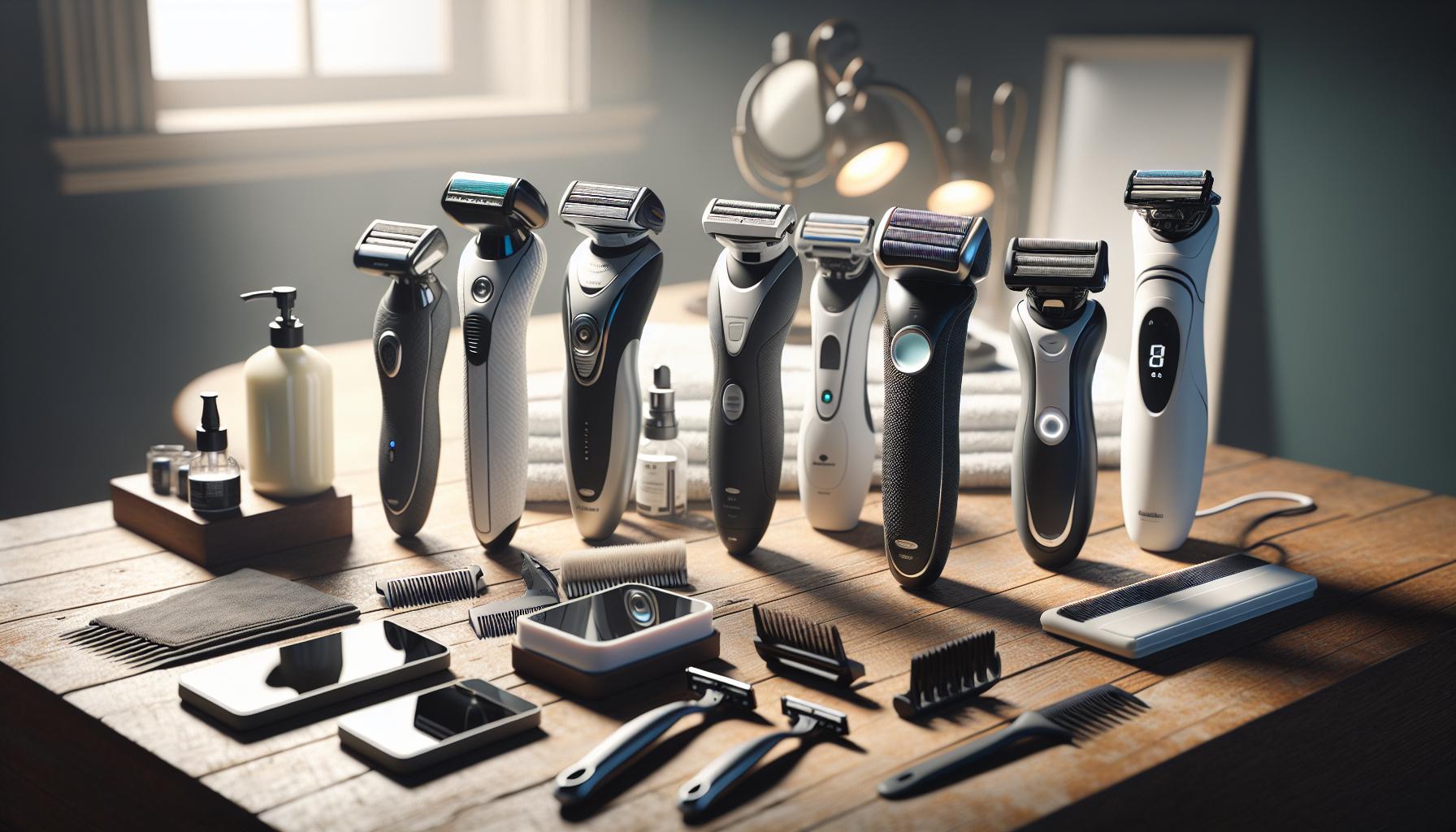
Mastering the Technique: How to Shave with an Electric Razor
Using an electric razor can feel intimidating at first, but mastering the technique can transform your grooming routine. It’s all about knowing how to use your device effectively to get a close, comfortable shave without irritation. One essential part of this process is the angle at which you hold the razor. Aim to keep the shaving head at a slight angle against your skin-this helps the blades work efficiently while reducing the risk of nicks and cuts.
Before you start, ensure your skin is clean and dry if you’re using a dry shaver. For a wet shave, consider using a pre-shave lotion or gel to soften your facial hair, which allows the razor to glide more smoothly. Start with shorter, gentle strokes in the direction of hair growth. This helps minimize irritation and ingrown hairs. Taking your time is key-if you rush, you might end up with a less satisfactory shave or irritated skin.
Make sure to stretch your skin slightly while shaving, especially in areas with curves like your jawline and neck. This technique helps the razor to get a closer shave by keeping the skin taut, which also aids in lifting the hairs for a cleaner cut. If you’re dealing with tricky areas, don’t hesitate to go over them a couple of times, but do so with caution to avoid irritation.
Lastly, be patient as you adjust to the electric shaving technique. It may take a few tries to find which angles and motions work best for you, but soon, it will feel second nature. Practice makes perfect; before long, you’ll be enjoying all the benefits of a smooth, comfortable shave that compliments your unique grooming style.
Post-Shave Care: Keeping Your Skin Smooth
After a refreshing shave, taking the time for proper skin care can make all the difference in keeping your complexion smooth and irritation-free. Following this post-shaving routine not only enhances comfort but also helps maintain healthy skin long-term.
Start by rinsing your face with cool water. This step helps to close the pores and soothe any mild irritation that might have occurred during shaving. Pat your skin dry gently with a clean towel-avoid rubbing, as this can cause redness or discomfort.
Next, consider applying an alcohol-free after-shave balm or moisturizer. Look for products with calming ingredients like aloe vera or chamomile, which can help reduce inflammation and keep your skin hydrated. Apply a dime-sized amount to your fingertips and gently massage it into your skin using upward circular motions for about 30 seconds to ensure even coverage.
For those prone to ingrown hairs or razor bumps, integrating a gentle exfoliant into your routine a couple of times a week can be beneficial. Opt for a chemical exfoliant containing ingredients like salicylic acid or glycolic acid, as they can help remove dead skin cells and prevent hair from becoming trapped beneath the surface. Just remember to follow up with a moisturizer, as exfoliation can sometimes leave your skin feeling a bit dry.
Finally, if you notice any persistent irritation or dryness, it might be worth revisiting your shaving technique or considering a different product that caters better to your skin type. Everyone’s skin is unique, and sometimes it takes a little experimentation to find what works best for you. By adopting these post-shave practices, you’ll not only keep your skin looking great but also turn shaving from a chore into a more pleasant experience.
Troubleshooting Common Electric Shaving Issues
Electric shaving can be a game changer for many people, but it’s not always smooth sailing. You may experience some common issues that can disrupt your shaving experience, but addressing these can often be simple and straightforward. Whether it’s irritation, uneven results, or problems with the device itself, there are practical steps you can take to troubleshoot and resolve these challenges.
One frequent concern is skin irritation after shaving. If you find your skin feels sore or looks red, consider using a pre-shave lotion designed for electric razors. This creates a protective barrier between your skin and the blades. Additionally, make sure you’re applying gentle pressure and moving the razor in circular motions rather than straight strokes, as this can help minimize irritation. If problems persist, evaluate your shaving technique and the condition of your razor. A dull blade can tug at hair, leading to discomfort.
Another common issue is the shaver not cutting hair as effectively as expected. This might be a sign that your razor needs cleaning or maintenance. Build-up of hair and skin oils can hinder performance, so it’s essential to regularly clean your electric razor according to the manufacturer’s instructions. For rotary shavers, make sure the heads are able to pivot and move freely. With foil shavers, ensure that the foil is not damaged. If it’s been a while since your last replacement, consider changing the blades or foil, as worn parts can significantly affect your shave’s closeness.
Lastly, if your electric razor is experiencing battery issues, check that you are fully charging it as per guidelines. Some models require a specific time to charge to maintain optimal performance. If it’s not holding a charge, you might need to replace the battery or consult a professional, depending on the model.
By focusing on these common issues, you’re setting yourself up for a more satisfying shaving experience. Troubleshooting can turn a frustrating moment into an opportunity for better grooming practices, ultimately leading to smoother skin and a more enjoyable routine.
Maintaining Your Electric Razor for Longevity
To truly enjoy the benefits of your electric razor, regular maintenance is essential. A well-maintained razor not only extends the life of the device but also guarantees a consistently smooth shave. Imagine this: neglecting your razor is like trying to drive a car with a dirty engine-performance will drop, and frustrations will mount.
Start with frequent cleaning. After each use, make it a habit to empty and rinse out the shaving head. This simple action prevents hair and skin oil build-up, which can clog the blades and hinder performance. Most models allow you to quickly rinse the head under running water. Just be sure to check your manufacturer’s instructions, as some models may require dry cleaning with a brush to protect the internals.
Lubrication is another key aspect of razor upkeep. Using a lubricant specifically designed for electric razors ensures that the blades move smoothly and reduces friction. It’s often recommended to apply a few drops of this oil after cleaning, which will help maintain the sharpness of the blades. Additionally, consider using a cleaning station if your shaver is compatible. These devices not only clean but also recharge your razor, offering a one-stop solution for maintenance.
Lastly, pay attention to parts that wear out over time, such as the blades or foils. Most manufacturers suggest replacing these components every six months to a year, depending on usage. Regularly changing out worn parts helps maintain a close shave and prevents tugging or pulling, which can cause skin irritation. So, make that calendar reminder!
By prioritizing these maintenance habits, you’ll ensure your electric razor remains in peak condition, providing you with comfortable and effective shaves for years to come. Treat your razor well, and it will reward you with consistent performance every time you reach for it.
Understanding Different Electric Razor Types
Choosing the right electric razor can make a world of difference in your grooming routine. With various types available, understanding their unique features will help you find the one that best suits your needs. The main categories include foil shavers and rotary shavers, each designed with specific functionalities in mind.
Foil shavers feature straight, oscillating blades beneath a thin, perforated foil. This design allows them to cut hair very close to the skin while providing a smooth finish. They’re ideal for achieving precision and are great for finer hair or those with sensitive skin, as they reduce irritation. If you prefer to shave in straight, linear passes, this type is your best bet.
On the other hand, rotary shavers consist of circular blades housed under rotating heads. This makes them exceptionally good at navigating the contours of your face and accommodating varying hair lengths, which is especially beneficial if you have coarse hair or a full beard. They’re typically a bit more forgiving with stroke direction, allowing for a more versatile approach to shaving.
When considering the features that matter most, think about wet and dry capabilities. Some razors can be used with shaving cream for added comfort and closeness, while others may be exclusively for dry use. Additionally, portability is key; some models come with built-in rechargeable batteries, making them perfect for travel. Remember to read reviews about battery life and charging time to ensure the model you choose meets your everyday needs.
In summary, the right electric razor not only improves your shaving experience but also enhances your overall grooming routine. Understanding the differences between foil and rotary shavers, as well as other key features, will steer you toward making an informed choice tailored to your unique requirements.
Tips for Shaving Sensitive Skin or Problem Areas
When it comes to shaving sensitive skin or tackling problem areas, adopting a thoughtful approach can make all the difference. Individuals with delicate skin often experience irritation, ingrown hairs, or razor burn, which can lead to discomfort and frustration. Here are some actionable strategies to help you navigate these challenges effectively.
Prepping Your Skin Properly
Before you even think about shaving, ensure your skin is in optimal condition. Using a gentle, moisturizing pre-shave lotion can create a protective barrier. Look for formulas with soothing ingredients like aloe or chamomile. Apply a generous amount to clean, dry skin about five minutes prior to shaving. This lets the lotion absorb and begins softening both your skin and hair, reducing the likelihood of irritation.
Shaving Technique Matters
Employing the right technique is crucial. Always use light pressure with your electric razor, allowing the device to do the work. Move in slow, controlled strokes, and consider changing your shaving direction. For sensitive areas, like around the jawline or on the neck, shave with the grain to minimize tugging and pulling of hairs, which can cause irritation. For trouble spots, if your electric razor allows it, alternate directions gently where hair might grow in different patterns.
Additionally, don’t rush the process. Take your time and check for missed spots after your initial pass. If necessary, do a second pass, reapplying lotion to these sensitive areas for added comfort.
Post-Shave Care
Once you’re done shaving, your skin still requires care. Rinse your face with cool water to help close the pores and reduce redness. Follow this with a mild, fragrance-free moisturizer tailored for sensitive skin to nourish and calm any irritation. Avoid products with alcohol or strong fragrances, as these can exacerbate sensitivity.
Incorporating these tips into your grooming routine can transform the shaving experience for those with sensitive skin. With the right preparation, technique, and aftercare, you can achieve a smooth shave while keeping discomfort at bay.
How to Achieve a Close and Comfortable Shave
To get that perfect shave, it’s essential to blend the right technique with a well-prepped canvas-your skin. Contrary to what you might think, achieving a close shave with an electric razor doesn’t require hours spent in front of the mirror; instead, it relies on mindful practices that take just a few minutes. Before diving into the specifics, remember that patience is key: rushing can lead to missed spots and irritation.
Start by ensuring your electric razor is fully charged or plugged in if it’s a corded model. Dry shaving will generally provide a clean cut, but wet shaving with shaving cream or gel can elevate your comfort level, especially for combating irritation. Use a pre-shave product, like a soothing gel or foam, to soften your hair and skin-applying it to damp skin helps it absorb better for a smoother glide. Allow the product to sit for at least a minute before starting, enabling it to work its magic.
Next, when you first bring the razor to your face, use gentle, short strokes. Hold the razor at a 90-degree angle to your skin for optimal contact. Moving against the grain often leads to the closest shave, but for those prone to irritation, start with the grain and gradually work against it on areas that may need extra attention. Don’t forget the importance of cleaning the razor frequently during your shave. By tapping it against the side of the sink or rinsing it periodically, you remove hair and product build-up that can hinder performance.
Finally, after you’ve finished shaving, don’t neglect your skin’s health. Rinse your face with cool water to help close the pores and soothe any irritation. Follow this step with a fragrance-free moisturizer, allowing your skin to replenish its hydration without the risk of further irritation. Remember, the right balance of preparation, technique, and aftercare can make all the difference, leaving your skin smooth and comfortable instead of irritated or sensitive.
Electric Razor vs. Traditional Razor: Pros and Cons
When it comes to choosing the right shaving method, electric razors and traditional razors each have their distinct advantages and drawbacks, which can significantly impact your grooming routine. Understanding these differences can help you make an informed decision that best suits your needs and lifestyle.
Electric razors offer convenience and speed. With just the push of a button, you can achieve a quick shave without the need for shaving cream or water, making them ideal for busy mornings or travel. They tend to be less messy, as there’s no need to deal with leftover lather or hair clippings. Additionally, many electric models come with features like built-in trimmers and multifunctional heads that cater to various grooming needs, from facial hair to body hair. However, they may not always provide as close a shave as traditional razors, which can be a consideration for those who prioritize smoothness.
On the other hand, traditional razors-such as disposable or safety razors-are often heralded for delivering an exceptionally close shave. The sharp blades can navigate closely along the skin’s contour, reducing the likelihood of stubble. This method can also be more customizable; you can choose your favorite shaving cream or gel to suit your skin type and preferences. However, the time commitment and potential for nicks and cuts can be a downside, particularly for those with sensitive skin or in a hurry. Additionally, traditional shaving typically requires more preparation and aftercare, as you’ll need to wash your face and apply products to minimize irritation.
When considering your options, think about your shaving habits: Do you need a fast, fuss-free solution, or are you willing to invest more time for a closer shave? Ultimately, the choice between an electric razor and a traditional razor depends on your grooming priorities. Here’s a quick summary to help you decide:
| Feature | Electric Razor | Traditional Razor |
|---|---|---|
| Convenience | Quick and easy to use | Time-consuming, requires more prep |
| Close Shave | May not be as close | Usually delivers a closer shave |
| Mess | Minimal mess | More clean-up required |
| Skin Sensitivity | Less irritation generally | Higher risk of cuts & irritation |
| Cost | Higher upfront cost, low long-term | Lower upfront cost, but blades add up |
Ultimately, both tools can coexist in your routine, serving different occasions or preferred outcomes. Experimenting with both styles may lead you to discover a hybrid approach that fits your lifestyle perfectly!
Expert Tips for Electric Shaving Beginners
When you’re just starting with electric shaving, it can feel a bit daunting, especially if you’re used to traditional razors. But with a few expert tips, you can navigate your initial experiences with confidence and ease. Electric razors are designed for convenience and efficiency, but getting the best results takes a little technique and practice.
First, always remember the importance of preparation. Ensure your skin is clean and dry before you start. While some electric razors can be used on damp skin, dry shaving generally provides a quicker and smoother experience. If your stubble is long, consider trimming it down with a pair of scissors or a trimmer first; this reduces tugging and irritation.
When it comes to technique, hold the razor at a right angle (90 degrees) to your skin, and shave against the grain of your hair growth. This helps lift the hair for a closer shave. Instead of moving in straight lines, make gentle circular motions or go back and forth in small strokes. This technique is particularly effective as it allows the blades to work their magic without irritating your skin.
Don’t forget to maintain your razor regularly. Clean it after each use according to the manufacturer’s instructions to keep it in optimal condition. Many models come with cleaning stations or are washable under running water. Keeping the blades sharp will not only extend the life of the razor but will also ensure a smoother, more efficient shave every time.
Lastly, don’t be discouraged if your initial results aren’t perfect. Electric shaving can take some getting used to, but practice makes perfect. Set realistic expectations-while electric razors may not always match the closeness of a traditional shave, they offer their own advantages in speed and convenience. Embrace the journey, and you’ll soon find the rhythm that works best for you!
Frequently asked questions
Q: How often should I replace the blades on my electric razor?
A: You should typically replace the blades on your electric razor every 12-18 months. However, this can vary based on usage, hair type, and the manufacturer’s recommendations. Regular blade replacements ensure a closer shave and reduce skin irritation. Check your razor’s manual for specific guidance.
Q: Can I shave with an electric razor on wet skin?
A: Yes, many electric razors are designed for wet use. Shaving on wet skin can help reduce irritation and provide a smoother glide. If using a wet/dry model, consider using shaving gel or cream for added comfort. Always check your razor’s specifications for compatibility.
Q: What is the best technique for shaving with an electric razor?
A: The best technique involves using gentle, circular motions and avoiding excessive pressure. Start with clean, dry skin, and ensure the razor is fully charged. Guiding the razor against the grain can lead to a closer shave while maintaining comfort.
Q: Why do I still get razor bumps when using an electric razor?
A: Razor bumps can occur even with an electric razor due to irritation, improper technique, or using a dull blade. To minimize this, ensure your blades are sharp, prep your skin well, and shave in the direction of hair growth. Consider using an aftershave product formulated for sensitive skin.
Q: How long should I wait after shaving to apply aftershave?
A: It’s best to wait around 5-10 minutes after shaving before applying aftershave. This allows any irritation to settle and ensures that your skin is fully dry. Choose a soothing aftershave that doesn’t contain alcohol to prevent further irritation.
Q: Should I use shaving cream with an electric razor?
A: Using shaving cream can enhance comfort and provide a smoother shave with an electric razor, especially for wet/dry models. However, if your razor is designed for dry use, you can shave without cream, but prep your skin with a moisturizer or pre-shave lotion for optimal results.
Q: Can electric razors effectively shave thick or coarse hair?
A: Yes, many electric razors are specifically designed to handle thick or coarse hair. Look for a model with strong motors or specialized cutting elements to improve effectiveness. If necessary, consider pre-trimming longer hair to help the electric razor operate more efficiently.
Q: What should I do if my electric razor isn’t cutting well?
A: If your electric razor isn’t cutting effectively, check if the blades are dull or clogged and clean them if necessary. Ensure the razor is charged and try adjusting your shaving technique. If problems persist, it might be time for blade replacement or professional servicing.
Insights and Conclusions
Now that you’re equipped with expert tips on achieving a perfect shave with your electric razor, it’s time to put that knowledge to work! Remember, the key is to adopt the right techniques-like holding the shaver at a 90° angle and using gentle pressure-as they can make a world of difference in your shaving experience. Don’t forget to regularly clean and maintain your razor for optimal performance. For even more grooming insights, check out our articles on “Choosing the Best Electric Razor for Your Needs” and “Essential Aftercare Tips for a Smooth Finish.”
If you have questions or want to share your shaving experiences, we’d love to hear from you in the comments below! Don’t wait-explore our site for more personal care tips and unlock your best grooming routine today. Your journey to a flawless shave is just beginning, so let’s keep the momentum going!
Get our latest guides, news, and insights highlighted in your Google Search & AI Overviews.