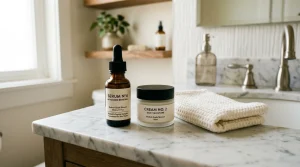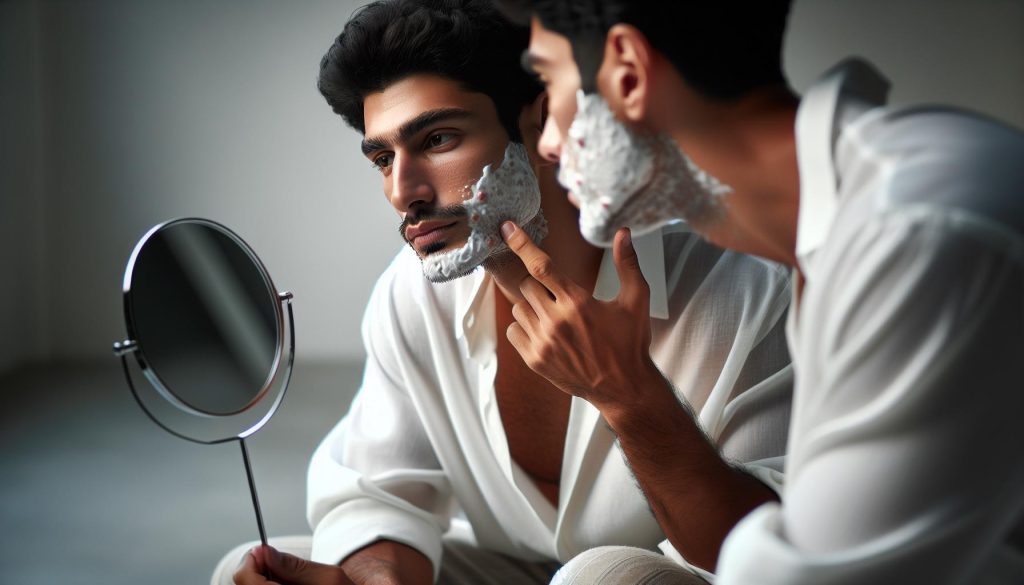
Razor bumps, or pseudofolliculitis barbae, are a common and often frustrating skin issue many people face after shaving. This inflammatory reaction occurs when hair curls back into the skin after being cut, leading to irritation, redness, and sometimes even infection. Understanding this condition is essential, especially if you’re tired of dealing with uncomfortable bumps and want smoother skin. In this guide, we’ll explore what razor bumps really are, their causes, and effective solutions for prevention and treatment. By the end, you’ll be armed with tips to help you shave confidently and comfortably, reducing the chances of these pesky irritations. Let’s dive into the world of shaving to keep your skin looking and feeling its best!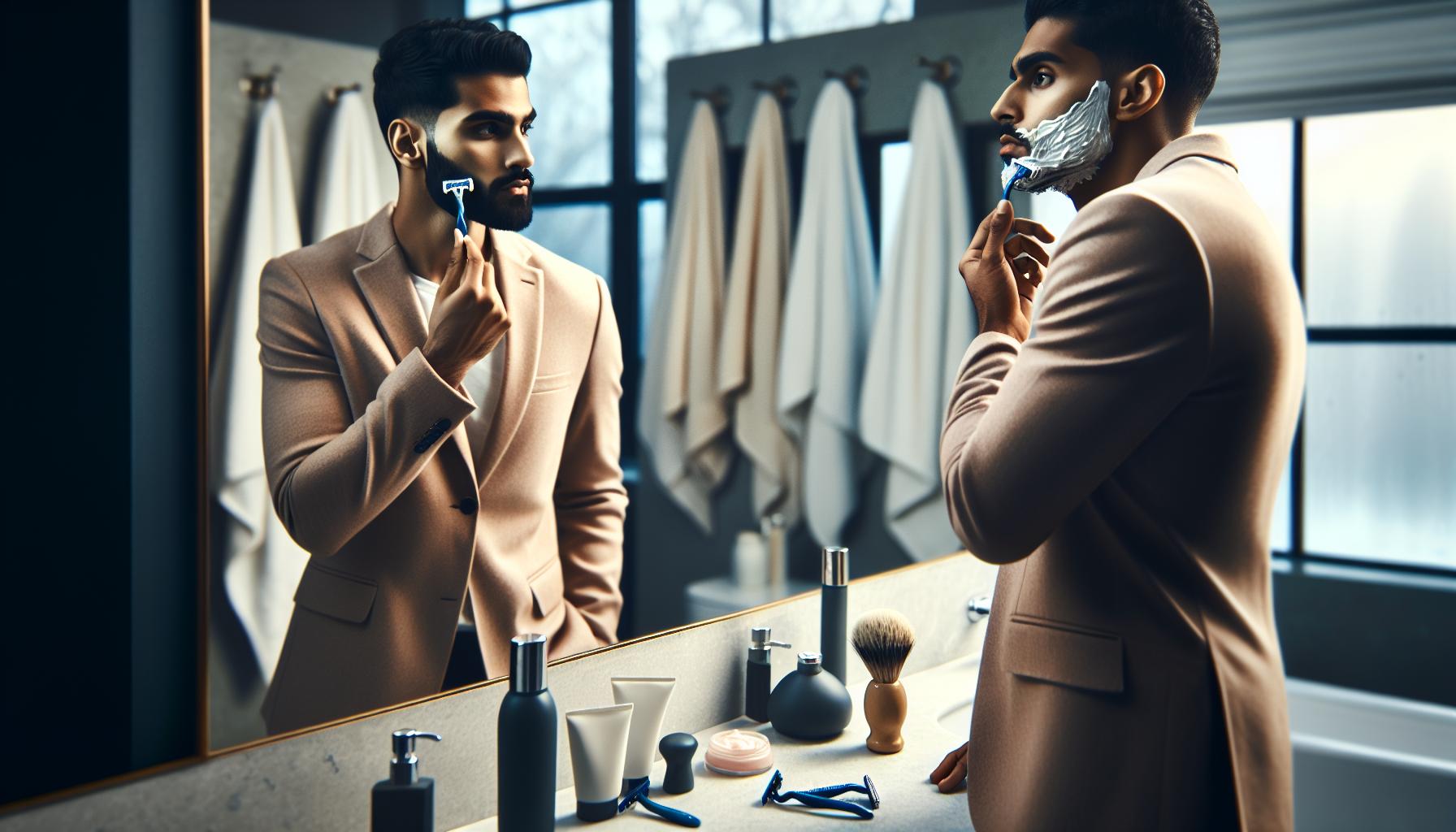
What Are Razor Bumps and Why Do They Occur?
Razor bumps are a common yet often misunderstood issue that can leave you feeling frustrated after shaving. Also known as pseudofolliculitis barbae, these bumps occur when hair that has been shaved curls back and grows into the skin instead of outward. This can lead to inflammation and irritation, manifesting as small, red, and often painful bumps that can affect anyone who shaves, regardless of gender or hair type.
The primary cause of razor bumps lies in the shaving technique and the characteristics of your hair. Coarse, curly hair is particularly prone to this condition because the sharp edges of the shaved hair can easily penetrate back into the skin. The problem is exacerbated by improper shaving methods, such as using a dull blade or shaving against the direction of hair growth. Additionally, skin types that are sensitive or prone to irritation can contribute to the likelihood of developing these pesky bumps.
To address razor bumps effectively, it’s crucial to understand their origins and take steps to prevent them. By refining your shaving routine and opting for products designed for sensitive skin, you can potentially minimize the occurrence of these frustrating bumps. Remember, it’s not just about the hair removal; it’s about nurturing the skin beneath to maintain overall health and comfort.
Common Causes of Razor Bumps: A Deep Dive
Razor bumps, a vexing issue for many, primarily arise from factors related to both the shaving technique and individual hair characteristics. When coarse or curly hair is cut, the sharp ends can curl back into the skin instead of growing outwards. This curling leads to ingrown hairs, resulting in the characteristic small, red, inflamed bumps. If you have textured hair, understanding how it behaves post-shave is crucial in preventing these irritating bumps.
Several common causes contribute to the development of razor bumps. One prominent factor is using a dull razor blade. Dull blades tug at the hair rather than cutting it cleanly, which increases the chances of hair breaking at the skin level, thereby promoting ingrowth. Another significant cause is shaving against the grain-trying to achieve a closer shave may seem tempting, but it can raise the likelihood of hair becoming trapped underneath the skin. Additionally, not preparing the skin properly can exacerbate the issue. Skipping moisturizing or shaving on dry skin often leads to irritation, ultimately increasing the risk of developing razor bumps.
Skin sensitivity also plays a crucial role. If your skin is prone to irritation, you are more likely to experience razor bumps. Therefore, understanding your skin type is vital to tailor your shaving routine effectively. In cases of sensitive skin, using products formulated to calm and protect can make a substantial difference.
In summary, the path to preventing razor bumps lies in recognizing these underlying causes. By choosing sharp, high-quality razors, shaving in the direction of hair growth, and ensuring proper skin preparation and aftercare, you can significantly reduce the occurrence of these pesky bumps. Each person’s skin and hair respond differently, so don’t hesitate to experiment with techniques and products until you discover what works best for you.
How to Identify Razor Bumps: Key Symptoms
Identifying razor bumps can feel a bit like a mystery, but understanding the symptoms can help you tackle this common issue effectively. Razor bumps, or pseudofolliculitis barbae, are often noticeable soon after shaving, especially in individuals with curly or coarse hair. They appear as small, red, inflamed bumps on the skin-usually in the areas where you’ve shaved. These can be itchy or painful, making them hard to ignore.
To spot razor bumps, look for the following key symptoms:
- Red or inflamed bumps: These are the hallmark signs, often appearing within a day or two after shaving.
- Itching or irritation: You might feel discomfort in the area, which can elevate your urge to scratch.
- Black dots at the center: This can indicate that the hair is trapped beneath the skin, a defining feature of ingrown hairs.
- Pain or sensitivity: The affected area might feel tender to the touch, adding to your discomfort.
Understanding these symptoms is essential for effective management. If you notice any of these signs, it’s best to adjust your shaving routine to minimize irritation. For instance, consider switching to a gentler technique or using soothing products post-shave to help calm the skin. Remember, everyone’s skin reacts differently, so don’t hesitate to experiment and find what works best for you. By paying attention to these symptoms and their signs, you can take proactive steps toward smoother skin and less irritation after shaving.
Preventing Razor Bumps: Essential Tips for Smooth Skin
To keep your skin smooth and free from the irritation of razor bumps, understanding how to prevent them is key. These small, often painful bumps arise from irritation after shaving, particularly for individuals with curly or coarse hair, as hairs can grow back into the skin instead of up and out. Implementing a few simple changes to your shaving routine can make a noticeable difference in your experience.
Start by ensuring your skin is properly prepared before you pick up the razor. Hydration is crucial-wet your skin and hair with warm water for at least a few minutes before shaving. This softens the hair and opens up the pores, making it easier to cut hair cleanly at the surface. Following this, use a high-quality shaving cream or gel. Look for products that are free from strong fragrances and alcohol, as these can further irritate the skin. A rich, moisturizing formula will provide a protective barrier that soothes your skin while you shave.
When it comes to the actual shaving technique, gentle strokes are your friend. Use a sharp razor and avoid applying too much pressure; let the blade do the work. Shave in the direction of hair growth, not against it, to minimize the risk of hair curling back into the skin. Aftershave treatments can also play an important role-consider using a soothing lotion or gel infused with ingredients like aloe vera or chamomile to calm the skin after shaving.
Finally, incorporating regular exfoliation into your routine can help prevent the buildup of dead skin cells that contribute to clogged follicles. Aim to gently exfoliate the area 2-3 times a week using a scrub or a chemical exfoliant with salicylic acid. This not only helps keep the skin smooth but also promotes healthier hair growth by keeping hair follicles clear.
By making these small adjustments to how you prepare for and execute your shave, you can significantly reduce the occurrence of razor bumps and maintain smoother, healthier skin.
Best Shaving Techniques to Avoid Razor Bumps
Shaving can often lead to uncomfortable razor bumps, especially for those with coarse or curly hair. Understanding the best techniques to shave can help prevent these irritating bumps and keep your skin smooth. The right approach not only ensures a closer shave but also minimizes the risk of hair growing back into the skin, which is a common cause of razor bumps.
Start your shaving routine by properly preparing your skin. Hydration is essential: use warm water to wet your skin for at least three to five minutes before lathering up. This softens the hair and opens up the pores, making for an easier cut. Combine this with a quality shaving cream or gel that is rich and moisturizing, steering clear of products with harsh fragrances or alcohol that can irritate your skin.
When you begin shaving, the technique you use can make all the difference. Always use a sharp, clean razor. Dull blades can tug at hairs rather than cut smoothly, increasing the risk for bumps. As you shave, utilize gentle strokes and shave in the direction of hair growth, rather than against it; this reduces the chance of hairs curling back into the skin. If you find that your skin is particularly sensitive, consider using an electric razor or a safety razor, as these options can be less irritating.
After shaving, give your skin the care it needs to recover. Rinse with cool water to close the pores and apply a soothing aftershave treatment that contains calming ingredients like aloe vera or chamomile. These not only help quell irritation but also keep the skin moisturized. Lastly, consider incorporating exfoliation into your routine 2-3 times per week to help remove dead skin cells that can clog hair follicles, promoting healthier hair growth.
By incorporating these shaving techniques into your routine, you can significantly alleviate the discomfort of razor bumps and enjoy smooth, bump-free skin. Remember, a little preparation and care go a long way!
Top Products for Treating Razor Bumps Effectively
One of the most effective ways to tackle razor bumps is to use targeted treatments that specifically address inflammation and irritation. Several products on the market can help soothe and heal your skin, reduce redness, and prevent future breakouts. Here are some top choices, each serving a unique purpose in your skincare routine.
Recommended Treatments for Razor Bumps
- Topical Creams with Hydrocortisone: These creams are great for reducing inflammation and soothing irritation. Apply a thin layer to the affected area twice a day until the bumps subside. It’s best to use them sparingly and only for short durations to avoid thinning the skin.
- Benzoyl Peroxide Wash: This ingredient is well-known for its acne-fighting properties, but it can also help with razor bumps. Use a benzoyl peroxide wash in the shower a few times a week to exfoliate the skin and keep pores clear. Start with a lower concentration (2.5%) to see how your skin reacts before moving up to higher percentages.
- Exfoliating Scrubs: A gentle exfoliating scrub can remove dead skin cells that might clog hair follicles. Look for scrubs with natural exfoliants, like sugar or salt, combined with soothing ingredients like aloe or vitamin E. Use it 2-3 times a week, massaging gently in circular motions for about 30 seconds before rinsing off.
- Soothing Aftershave Balsams: Products with aloe vera, chamomile, or tea tree oil can provide immediate relief after shaving. These natural ingredients are known for their calming properties. Apply a small amount to freshly shaved skin to help reduce redness and moisturize the area.
- Laser Hair Removal: For those looking for a long-term solution, consider laser hair removal. This method can significantly reduce the likelihood of developing razor bumps by permanently removing hair follicles. Consultation with a professional is essential to determine if this is appropriate for your skin type.
Using these products can significantly alleviate the discomfort of razor bumps. Remember, consistency is key-be patient and give your skin time to heal. If your razor bumps persist or worsen, it’s essential to reach out to a healthcare professional for tailored advice and treatment options.
Home Remedies for Razor Bumps: Natural Solutions
To soothe razor bumps naturally, consider turning to remedies right in your kitchen or garden. These home solutions can be gentle yet effective, providing you with the relief you need without harsh chemicals. For instance, aloe vera is a powerhouse for skin healing. Applying fresh aloe gel directly to razor bumps not only cools irritation but also promotes healing thanks to its anti-inflammatory properties. Simply slice an aloe leaf and scoop out the gel, applying a thin layer to the affected area twice a day for optimal results.
Another great option is apple cider vinegar. It has natural antiseptic properties that can help reduce inflammation and prevent infection. Dilute one part apple cider vinegar with three parts water and use a cotton ball to apply it gently to the bumps. Leave it on for about 10 minutes before rinsing with cool water, and you’ll notice a soothing effect.
For those looking for a calming wash, green tea can be an effective companion. Brew a cup of green tea, allow it to cool, and use a cotton ball to apply it to the irritated areas. The antioxidants in green tea help to reduce redness and aid in skin repair. Aim to repeat this two to three times a day for best results.
Lastly, consider using coconut oil as a moisturizer post-shave. This natural oil is rich in fatty acids that hydrate the skin and possess antibacterial qualities. Gently massage a small amount into affected areas after shaving to keep skin moisturized and prevent further irritation.
These home remedies not only save you money but also empower you to take control of your skincare routine using natural ingredients. Remember that consistency is key: give these remedies some time and patience to see significant improvement. If symptoms persist, don’t hesitate to consult with a healthcare professional to ensure proper care.
When to See a Doctor About Razor Bumps
Razor bumps, while often just an annoyance, can sometimes escalate into a more serious issue. If you find yourself dealing with persistent or worsening bumps, it may be time to consider professional help. Knowing when to consult a doctor can help you prevent complications and promote better skin health.
If your razor bumps are accompanied by signs of infection-such as increased redness, swelling, warmth, or pus-it’s crucial to seek medical advice. These symptoms indicate that bacteria might be present and could require antibiotics or other prescription treatments. Additionally, if you’re experiencing severe pain or discomfort that does not improve with home remedies or over-the-counter treatments, don’t hesitate to reach out for professional guidance.
For individuals who frequently develop razor bumps despite trying various home care methods, a healthcare provider can offer tailored treatments. They may suggest prescription-strength creams or recommend laser therapy, which can significantly reduce the occurrence of bumps by targeting hair follicles more effectively. If you have a history of stubborn or recurring razor bumps, discussing your shaving habits with a dermatologist can help identify underlying issues and lead to a more effective skincare routine.
Lastly, if you notice changes in your skin’s appearance, such as unexplained dark spots, unusual growths, or discoloration around the affected areas, it’s essential to see a healthcare professional. Skin changes can sometimes signal more serious conditions, and early intervention is key in addressing such issues. Taking the smart step of consulting with a dermatologist gives you access to expertise and solutions tailored specifically to your skin’s needs. Ultimately, prioritizing your skin health is not just about dealing with bumps; it’s about cultivating a routine that promotes overall well-being and confidence.
Managing Skin Sensitivity: Post-Shave Care Strategies
When it comes to post-shave care, taking the right steps can make a world of difference in managing your skin’s sensitivity and preventing issues like razor bumps. Proper aftercare not only helps soothe any irritation but can also promote healing and keep your skin in top condition. Remember, your skin has undergone a bit of stress during shaving, so treating it gently is essential.
One of the most effective strategies is to cool down your skin immediately after shaving. Splashing your face with cool water or applying a cold compress can help close the pores and reduce redness. Following this, consider using an alcohol-free toner to help soothe any irritation. Look for toners containing ingredients like witch hazel or chamomile, which have natural anti-inflammatory properties. This gentle approach calms the skin while removing any leftover shaving cream or gel.
Next, keep your skin moisturized with a suitable post-shave balm or lotion. Choose one that is specifically formulated for sensitive skin and free from fragrances and harsh chemicals. Shea butter or aloe vera are great natural options that provide hydration and help repair the skin barrier. For example, applying a dime-sized amount of an aloe vera gel or shea butter cream can help your skin feel nourished. Use gentle circular motions to massage it in, allowing your skin to absorb the product effectively.
It’s also crucial to avoid tight clothing around freshly shaved areas, as this can irritate the skin and lead to bumps. Instead, opt for loose-fitting clothing made from soft, breathable fabrics. If you’re shaving areas prone to chafing, applying a light dusting of cornstarch or a specialized anti-chafe balm can help reduce friction throughout the day.
Lastly, consider giving your skin a little extra TLC with gentle exfoliation about 2-3 times a week. This helps prevent dead skin buildup that can trap hairs beneath the surface. Use a mild exfoliant with small, round beads or natural ingredients like ground oatmeal, and remember to be gentle – over-exfoliating can cause further irritation.
By following these post-shave care strategies, you’ll not only help soothe sensitive skin but also reduce the chances of developing razor bumps, making your shaving experience notably more enjoyable.
Differences Between Razor Bumps and Other Skin Issues
Razor bumps can sometimes be confused with other common skin issues, but distinguishing between these conditions is crucial for effective treatment. Unlike acne, which is characterized by deeper, inflamed pimples and can appear anywhere on the face and body, razor bumps (or pseudofolliculitis barbae) primarily arise in areas where shaving has taken place. They occur when hairs grow back into the skin, causing irritation and irritation. So, if you notice bumps specifically in shaved areas, it’s likely razor bumps rather than acne.
Another condition that often gets mistaken for razor bumps is folliculitis. This inflammation of hair follicles can appear similar, but it often comes with redness and pus-filled blisters. While razor bumps result from ingrown hairs, folliculitis can be due to bacterial or fungal infections affecting the hair follicles. If the bumps are painful, itchy, or spreading, it’s best to consult a healthcare professional instead of trying to treat them at home.
Skin rashes and allergic reactions can also mimic the appearance of razor bumps. These conditions might show up as red, itchy patches or hives, often linked to irritation from shaving products or environmental factors. In contrast, razor bumps don’t usually itch unless they’ve become overly irritated. Keeping a close eye on the associated symptoms can help you identify whether you’re dealing with razor bumps or another skin issue.
Recognizing the differences in these conditions not only aids in choosing the appropriate treatment but also helps in preventing further irritation. If in doubt, seeking professional advice can provide tailored solutions and peace of mind.
Navigating Razor Bumps: Recovery Time and Expectations
Experiencing razor bumps can feel frustrating, but understanding the recovery process can bring you some comfort. Typically, the healing period for razor bumps varies based on individual skin types and the severity of the irritation. Generally, most razor bumps will resolve within three to five days with proper care and attention. However, some individuals may experience lingering bumps that can take up to two weeks to fully heal.
To foster recovery, it’s crucial to adopt a routine that minimizes irritation while tackling existing bumps. Here are some practical strategies to speed up healing:
- Keep the Area Clean: Gently cleanse the affected skin twice daily with mild soap and warm water to prevent bacteria buildup.
- Moisturize Regularly: Use an alcohol-free moisturizer to keep the skin hydrated, which helps improve its healing process.
- Avoid Shaving: Refrain from shaving the irritated area until the bumps have healed completely to prevent further injury.
- Use Soothing Products: Topical treatments containing ingredients like hydrocortisone or salicylic acid can help reduce inflammation and speed up recovery.
If the bumps don’t improve within a week or if symptoms worsen, such as increased redness or pus formation, it may be time to seek professional advice. In some cases, a healthcare provider might recommend a topical antibiotic to treat any potential infection or offer alternative treatments like laser therapy for more persistent cases.
The good news is that with the right care and attention, razor bumps are often a temporary inconvenience. With patience and the right strategies, you can look forward to clearer, smoother skin without the irritation of bumps. Remember, everyone’s skin is different; finding what works best for you might take a little experimentation, but don’t lose hope-relief is within reach.
Preventing Razor Bumps for Different Hair Types
The way your hair grows-not just its texture but also its curliness-plays a significant role in whether or not you’ll experience razor bumps, also known as pseudofolliculitis barbae. This common issue occurs when hair is cut too short during shaving, causing it to curl back into the skin and result in inflammation and bumps. Recognizing your hair type can help you adopt better shaving practices and prevent these pesky bumps.
For those with straight hair, shaving can be relatively straightforward, but using a single-blade razor can help reduce irritation. It’s essential to shave in the direction of hair growth and use a good quality shaving cream to create a protective barrier. Consider shaving less frequently; this allows the skin time to recover and helps prevent irritation.
If you have curly or coily hair, the risk of developing razor bumps increases significantly due to the natural curl of the hair, which often leads to it growing back into the skin. Here, the right techniques are crucial. A few strategies include:
- Use an electric razor: This minimizes skin contact and can cut hair at a longer length, reducing the chance of it curling back.
- Opt for the right shaving angle: Try to hold the razor at a slight angle rather than pressing it flat against the skin.
- Consider alternatives: Explore hair removal options like waxing or laser treatments, which might be preferable for individuals prone to razor bumps.
Additionally, applying a pre-shave oil can significantly hydrate the skin and hair, making it more manageable. This step is particularly helpful for thicker hair types, as it reduces the likelihood of irritation. Using a gentle exfoliating scrub a day or two before shaving can also help by lifting dead skin cells, allowing hairs to grow out more freely rather than curling back into the skin.
Ultimately, understanding your specific hair type and adjusting your shaving techniques accordingly can greatly reduce the chances of developing razor bumps. Through trial and error, many find a routine that works best for their skin type, allowing for a smoother, irritation-free shaving experience. Keep in mind, persistent issues may warrant a consultation with a dermatologist for tailored advice.
Q&A
Q: What are common symptoms of razor bumps?
A: Common symptoms of razor bumps include small, red bumps on the skin, itching, and tenderness in the affected area. Some individuals may also experience ingrown hairs, which can lead to swollen areas or pus-filled spots. Early identification can help prevent further irritation. For a deeper look, refer to the “How to Identify Razor Bumps: Key Symptoms” section.
Q: How long do razor bumps typically last?
A: Razor bumps can last anywhere from a few days to a couple of weeks, depending on skin sensitivity and treatment. Regularly moisturizing and avoiding further irritation can promote faster recovery. If symptoms persist beyond two weeks, consider consulting a healthcare professional.
Q: What is the best way to shave to prevent razor bumps?
A: To prevent razor bumps, always use a sharp blade and shave in the direction of hair growth. Using a lubricating shaving cream can also help minimize friction. After shaving, apply a gentle aftershave product to soothe the skin. More techniques can be found in the “Best Shaving Techniques to Avoid Razor Bumps” section.
Q: Are razor bumps different from razor burn?
A: Yes, razor bumps and razor burn are different. Razor bumps are ingrown hairs that cause raised red bumps, while razor burn refers to redness and irritation on the skin’s surface due to shaving. Understanding these differences is crucial for effective treatment; see the “Differences Between Razor Bumps and Other Skin Issues” section for more details.
Q: Can certain skin types be more prone to razor bumps?
A: Yes, individuals with coarse or curly hair are often more prone to razor bumps due to the hair’s tendency to curl back into the skin after shaving. Tailoring shaving methods and products to your hair type can help, as discussed in the “Preventing Razor Bumps for Different Hair Types” section.
Q: What home remedies can effectively treat razor bumps?
A: Effective home remedies for treating razor bumps include applying warm compresses to reduce inflammation and aloe vera to soothe the skin. Tea tree oil, known for its antibacterial properties, can also be effective. For more natural solutions, check the “Home Remedies for Razor Bumps: Natural Solutions” section.
Q: When should I see a doctor for razor bumps?
A: You should see a doctor if razor bumps persist, worsen, or become infected, especially if accompanied by severe pain or pus discharge. A healthcare professional can provide prescribed treatments or further evaluation if needed. Visit the “When to See a Doctor About Razor Bumps” section for more guidance.
Q: Can shaving products cause razor bumps?
A: Yes, certain shaving products containing alcohol, fragrances, or harsh chemicals can irritate the skin and exacerbate razor bumps. Opting for products labeled as sensitive or hypoallergenic can reduce the risk. For a comprehensive list of top products for treating razor bumps, refer to the “Top Products for Treating Razor Bumps Effectively” section.
In Conclusion
Now that you have a better understanding of what razor bumps are and how to address them, don’t let skin irritation get in the way of your grooming routine. Remember, using the right shaving techniques and post-shave care can make all the difference. Explore our in-depth articles on Choosing the Right Razor and Post-Shave Skincare to find solutions tailored to your needs.
If you found this guide helpful, consider subscribing to our newsletter for more tips and tricks to elevate your grooming game. Your next shave doesn’t have to end with bumps or irritation-take action today and enjoy smoother skin tomorrow! Share your experiences or questions in the comments below, and let’s keep the conversation going. Together, we can tackle any shaving challenge you face!
Get our latest guides, news, and insights highlighted in your Google Search & AI Overviews.