Razor burn is a common yet uncomfortable issue that can leave your skin feeling irritated and sore after shaving. Whether you’ve just tackled your legs or groomed your beard, experiencing razor burn can be frustrating, especially when you’re looking for smooth, irritation-free skin. The good news? There are effective methods to heal razor burn overnight, ensuring you wake up with calmer, healthier skin. In this guide, we’ll explore quick relief techniques that work, so you can say goodbye to redness and discomfort. So let’s dive in and discover how to soothe your skin and reclaim your confidence!
Understanding Razor Burn: Causes and Symptoms
Razor burn is an all-too-common irritation that can turn a normal grooming routine into a frustrating ordeal. When you shave, the sharp blades can irritate the skin, leading to redness, stinging, and a burning sensation. This irritation is often exacerbated by factors like coarse hair, the products used, or improper shaving techniques. Understanding the causes and symptoms can help you address the problem effectively and prevent it from recurring.
The primary symptoms of razor burn include areas of red, inflamed skin that may feel tender to the touch. You might notice small bumps or a rash-like appearance in the affected area, which often feels itchy or uncomfortable. Razor burn can occur anywhere on the body that hair is shaved, including the face, neck, legs, armpits, and the bikini area. Those with sensitive skin types are particularly prone to these irritations, emphasizing the importance of selecting appropriate shaving products and techniques.
To avoid this discomfort, it’s crucial to recognize the main culprits behind razor burn. Factors such as dry shaving, using dull blades, and not properly prepping the skin can all lead to increased irritation. Moreover, certain skin care products-particularly harsh exfoliants or those with strong fragrances-can further aggravate pre-existing conditions. Remaining mindful of these elements can be your first line of defense against razor burn, setting the stage for a smoother and more comfortable shaving experience.
Immediate Steps to Calm Razor Burn
To soothe the irritation of razor burn effectively, prompt action is essential. The burning and redness on your skin can be disheartening, but with the right immediate steps, you can ease the discomfort and promote healing. First and foremost, stop any further irritation. Avoid shaving the affected area until your skin recovers, as resuming shaving too soon can exacerbate the problem.
Cooling the skin is crucial. Consider applying a cold compress to the affected area for about 10-15 minutes. This helps reduce inflammation and numbs the burning sensation. Alternatively, splashing your skin with cool water can also provide immediate relief. For those moments when you’re out and about, using a soothing aftershave spray containing ingredients like aloe vera or witch hazel can be a portable solution. These ingredients not only cool the skin but also have anti-inflammatory properties that aid in recovery.
Following up with a calming lotion or cream can further assist in alleviating razor burn symptoms. Look for products containing vitamin E or calendula; these ingredients help moisturize and soothe the skin, minimizing redness and irritation. Ensure you apply a thin layer on the affected area gently, using your fingertips in soft, circular motions. Doing this helps your skin absorb the cream better and maximizes its healing properties.
In summary, prioritize cooling the skin, avoid further irritation by refraining from shaving, and apply soothing products to promote recovery. These immediate measures can make a significant difference in your comfort levels and expedite the healing process.
Top Home Remedies for Overnight Relief

To achieve overnight relief from the discomfort of razor burn, consider employing a few effective home remedies that are easy to implement and widely acclaimed for their soothing properties. These methods not only help reduce irritation but also promote healing, allowing you to wake up feeling refreshed rather than defeated by your skin’s reaction.
One of the most popular remedies is aloe vera gel. Its natural anti-inflammatory properties make it an excellent choice for calming skin irritation. Simply apply a layer of pure aloe vera to the affected area before bedtime-this cooling gel will moisturize your skin, reduce redness, and accelerate healing overnight. If you don’t have aloe vera on hand, coconut oil can also serve as a great alternative. Rich in fatty acids and antioxidants, it not only hydrates the skin but also prevents further irritation.
Another remedy worth considering is green tea bags. After steeping a couple of green tea bags in hot water, let them cool down in the refrigerator. Once they’re chilled, place them directly on the razor-burned area for about 10-15 minutes. The tannins in green tea possess astringent properties that can help reduce inflammation and soothe the skin.
You can also try using oatmeal to help with irritation. Create a paste by mixing plain, uncooked oatmeal with water, and apply it to the affected area. Let it sit for about 20 minutes before rinsing off. Oatmeal is well-known for its anti-inflammatory and anti-itch properties, making it a fantastic choice for calming razor burn.
Lastly, don’t underestimate the power of a cold compress. Whether it’s a cool washcloth or a bag of frozen peas wrapped in a towel, applying a cold compress to the affected area can significantly relieve swelling and discomfort. Keep it on for about 10-15 minutes to maximize the cooling effect.
These home remedies can make a world of difference when it comes to managing razor burn overnight. Remember to apply them consistently, and consider establishing a more gentle shaving routine in the future to prevent irritation from returning.
Essential Aftercare Tips to Prevent Razor Burn

To keep your skin smooth and irritation-free after shaving, establishing a simple yet effective aftercare routine can make all the difference. Taking the extra time to care for your skin not only helps to mitigate razor burn but also promotes overall skin health and comfort.
Start by rinsing your face or any shaved area with cool water immediately after shaving. This helps to close the pores and reduce inflammation. Follow this with a gentle pat dry using a clean, soft towel-avoid rubbing, as this can further irritate your skin.
Next, applying a soothing aftershave balm or lotion is crucial. Look for products containing ingredients like aloe vera, witch hazel, or calendula, which are known for their calming properties. A dime-sized amount should be applied using gentle circular motions, ensuring even coverage without aggressive rubbing. This not only hydrates your skin but also aids in repairing the skin barrier.
Additionally, keeping your skin moisturized post-shave is vital. Choose a lightweight, non-comedogenic moisturizer to avoid clogging your pores. For those battling persistent irritation, consider specialized creams that contain anti-inflammatory ingredients like niacinamide or hydrocortisone. Apply this twice daily, especially in the first few days after shaving to help soothe any lingering irritation.
Lastly, consider adjusting your shaving technique to prevent future problems. Using a sharper razor, shaving in the direction of hair growth, and ensuring your skin is adequately prepped and hydrated before shaving can alleviate irritation. This proactive approach, combined with proper aftercare, creates a powerful defense against razor burn and keeps your skin looking its best.
Best Soothing Products for Razor Burn
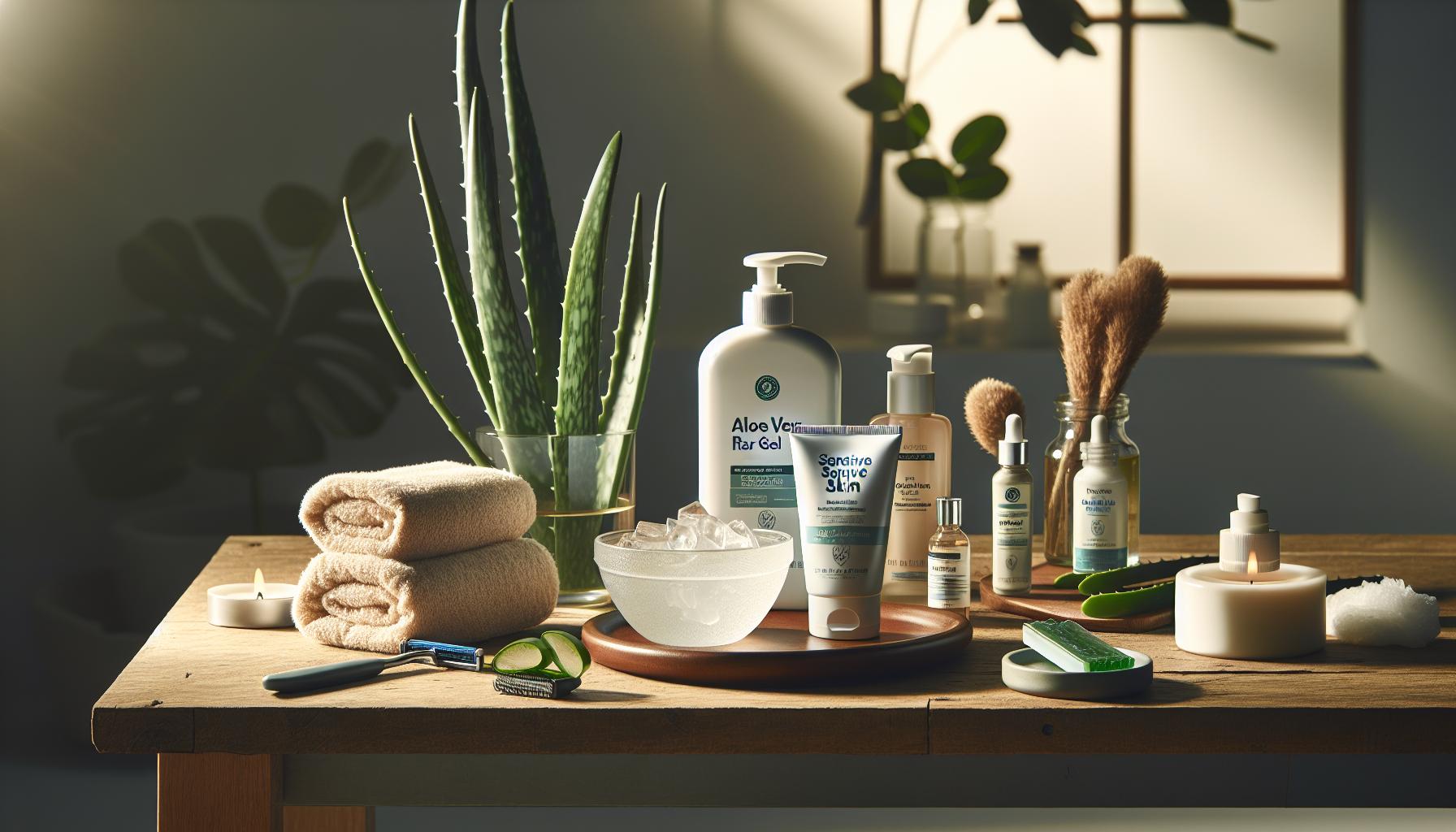
If you’ve ever experienced razor burn, you know it can feel like a fiery irritation that disrupts your post-grooming peace. Fortunately, the right soothing products can make all the difference in helping your skin recover quickly and effectively. Here are some top recommendations to provide that much-needed relief.
Essential Ingredients to Look For
When searching for soothing products, focus on ingredients known for their calming properties. Aloe vera is a classic choice; it hydrates the skin and reduces inflammation, making it ideal for treating razor burn. Witch hazel is another powerful option, acting as a natural astringent while helping to minimize redness and irritation. Lastly, consider products containing calendula, which has anti-inflammatory properties that can soothe sensitive skin.
Recommended Products for Immediate Relief
Here are some effective products you can use for quick relief from razor burn:
- Aloe Vera Gel: Pure aloe vera gel can be applied directly to the irritated skin. Look for a product with at least 95% aloe content for maximum benefits. Apply a generous layer to the affected area and let it absorb.
- Aftershave Balm: Choose a balm rich in soothing agents, such as the NIVEA Men Sensitive Post Shave Balm. This product contains chamomile and vitamin E, which help to hydrate and calm the skin.
- Witch Hazel Toner: A gentle witch hazel toner like Thayers Alcohol-Free Witch Hazel can be applied with a cotton pad to soothe and balance your skin post-shave.
- Hydrocortisone Cream: For severe irritation, an over-the-counter hydrocortisone cream can be a lifesaver. Use it sparingly to reduce inflammation and itching.
Application Tips for Best Results
To get the most from these products, it’s crucial to apply them correctly. For gels or creams, take a dime-sized amount and gently massage it into clean, dry skin using soft, circular motions. Avoid harsh rubbing, which can exacerbate irritation. If using a toner, soak a cotton pad and gently dab it on the affected areas. Reapply as needed throughout the day for continued relief.
Using the right soothing products can turn your post-shave experience from painful to painless. With a little bit of care and the right ingredients, you’ll be well on your way to an irritation-free recovery!
Preventing Razor Burn: Grooming Techniques that Work
It’s understandable to feel frustrated when razor burn strikes, turning a refreshing grooming routine into a stingy ordeal. Thankfully, the way you shave plays a significant role in preventing these painful irritations. By adopting a few effective grooming techniques, you can keep your skin smooth and irritation-free, allowing your post-shave experience to be as pleasant as possible.
Choosing the right equipment is crucial. Start with a high-quality razor designed for your skin type; replacing dull blades is essential, as they can tug at the skin, leading to irritation. Always use a fresh blade for each shave to minimize the risk of razor burn. If you have sensitive skin, consider razors with multiple blades, as they can reduce the number of passes needed and decrease irritation. Additionally, utilizing a shaving brush can help lift the hair away from the skin, providing a closer and gentler shave.
Preparation is just as important as the shave itself. Make sure to hydrate your skin properly before shaving by washing your face with warm water and applying a pre-shave oil or cream. This softens the hair and creates a protective barrier between the blade and your skin. During shaving, always go with the grain of hair growth instead of against it. Shaving against the grain can create additional friction, often exacerbating irritation and leading to that dreaded razor burn. Utilize light pressure and avoid pressing down too hard on the razor; a gentle touch is usually more effective.
Post-shave care shouldn’t be overlooked either. Rinse your face with cool water to close the pores and follow up with a soothing aftershave lotion or balm. Look for products that contain calming ingredients like aloe vera or witch hazel, which can help minimize irritation and redness.
By incorporating these thoughtful techniques into your grooming routine, you can significantly reduce the chances of razor burn, making your shaving experience more enjoyable and less painful. Embrace these practices, and your skin will thank you!
When to Seek Professional Help for Razor Burn
Razor burn can be more than just an annoying temporary irritant; for some, it can develop into a serious skin issue. If you’ve tried at-home remedies and over-the-counter treatments without relief, it might be time to seek professional help. Understanding when to consult a dermatologist can save you from ongoing discomfort and potential complications.
Firstly, if you notice persistent redness or swelling that worsens over a few days rather than improving, it’s a clear signal to get professional advice. A trained dermatologist can evaluate whether you have developed an infection or a more severe skin condition due to excessive shaving irritation. Additionally, if you experience symptoms such as blisters or pus-filled bumps, these could indicate an infection that requires medical attention.
If your razor burn is accompanied by significant pain, itching, or flaking that disrupts your daily routine, don’t hesitate to seek out a professional. Sometimes, your skin may react negatively to products you’ve used while trying to soothe irritation. A dermatologist can recommend tailored treatments that suit your skin type and specific condition.
Lastly, if you find yourself frequently dealing with razor burn despite following all the right grooming techniques, it may be worth discussing with a professional. They can provide insights and suggest alternative hair removal methods, like laser treatment or electrolysis, that could help you avoid this frustration altogether.
In summary, consulting a dermatologist can help address persistent symptoms, prevent complications, and find a more effective solution for your shaving routine. Your skin deserves the best care, and expert help can make a significant difference in your overall well-being.
Natural Remedies vs. Over-the-Counter Solutions
When it comes to treating razor burn, the debate between natural remedies and over-the-counter solutions can be daunting. Both options have their merits, and understanding their differences can lead you to a quick relief method that works best for your skin type and lifestyle.
Natural remedies often appeal to those looking for gentle, skin-friendly solutions. Ingredients like aloe vera, honey, and chamomile are known for their soothing and anti-inflammatory properties. For instance, applying pure aloe vera gel to the affected area can not only reduce redness but also hydrate the skin, promoting faster healing. Simply scoop out the gel from an aloe plant leaf and apply a generous amount to the irritated skin. Be sure to let it sit for about 20 minutes before rinsing off with cool water. This method not only eases discomfort but also calms the skin effectively.
On the other hand, over-the-counter solutions provide targeted treatment with a faster action time. Products containing hydrocortisone cream or anti-itch ingredients can significantly reduce inflammation and irritation. For example, applying a thin layer of hydrocortisone cream directly to the area of razor burn can provide immediate relief from itching and swelling. However, it’s important to use this sparingly and only as directed, since prolonged use can lead to thinning of the skin.
Both approaches can be effective, depending on your preference and the severity of your razor burn. Here’s a quick comparison to help you decide:
| Natural Remedies | Over-the-Counter Solutions |
|---|---|
| Gentle on the skin, ideal for sensitive types | Quick relief for inflammation and pain |
| Utilizes ingredients like aloe vera, honey, and coconut oil | Includes creams and gels with hydrocortisone or anti-itch properties |
| Can be made at home easily and affordably | Readily available at pharmacies or online |
| May require consistent application for best results | Immediate effects, though may not be suitable for everyone |
In summary, finding the right solution for razor burn may involve some experimentation. If you prefer natural remedies, start with aloe vera or chamomile for a gentle touch. Alternatively, if quick relief is your priority, over-the-counter options like hydrocortisone can work wonders. Ultimately, your choice should align with your skin’s needs and your comfort level with different treatments.
Debunking Common Myths about Razor Burn
Razor burn is a common occurrence that many people experience, yet misconceptions about it abound. Understanding these myths can not only alleviate needless worry but also empower you to tackle this irritation effectively. One prevalent myth is that using a dull razor is better than applying more pressure while shaving. In reality, a dull blade can exacerbate irritation, leading to increased chances of razor burn. Always replace your blades regularly to ensure a close and comfortable shave without unnecessary friction.
Another misconception is that razor burn only affects those with sensitive skin. While sensitive skin is indeed more prone to irritation, anyone can suffer from razor burn, especially if proper shaving techniques aren’t used. Factors such as inadequate lubrication, rushing the shave, or shaving over dry skin can contribute to razor burn, regardless of skin type. Emphasizing the importance of a proper pre-shave routine-including exfoliation and using a quality shaving cream-can minimize irritation for everyone.
It’s also commonly believed that aftershave products containing alcohol are the best option to soothe razor burn. However, while these products might feel refreshing initially, they often lead to more irritation as they can dry out the skin. Instead, opting for alcohol-free balms or creams that include soothing ingredients like aloe vera or chamomile is a much gentler approach. These alternatives hydrate the skin and reduce inflammation, effectively promoting healing without the drying effects of alcohol.
Finally, many people think that razor burn is only a temporary issue that doesn’t need any real treatment. While it may clear up on its own, taking proactive steps can significantly speed up recovery. Incorporating soothing remedies, maintaining skin hydration, and using sun protection can help your skin heal more efficiently. Recognizing these myths and replacing them with informed practices will empower you to manage and prevent razor burn confidently.
The Role of Hydration in Skin Recovery
The secret to healing razor burn quickly lies in one often-overlooked factor: hydration. When your skin experiences irritation from shaving, maintaining optimal moisture levels is crucial for recovery. Hydrated skin not only promotes healing but also acts as a barrier against further irritation caused by environmental factors or aggressive grooming techniques.
One of the first steps in a good skincare routine is to hydrate from within. Drink plenty of water throughout the day-aim for at least eight 8-ounce glasses. This helps to keep your skin supple and resilient. Additionally, incorporating hydrating ingredients into your skincare routine can work wonders. Look for lotions or creams that contain hyaluronic acid or glycerin, as these ingredients draw moisture into the skin, supporting its natural repair processes.
After shaving, it’s essential to lock in hydration with a suitable product. Immediately apply a soothing, hydrating after-shave lotion or gel. For optimal results, choose products enriched with natural hydrators such as aloe vera, which not only moisturizes but also calms inflammation. When applying these products, use a gentle patting motion rather than rubbing, which can exacerbate irritation. Aim for a dime-sized amount, gently spreading it across the affected area to form a protective barrier that helps your skin retain moisture and heal faster.
Incorporating hydration-focused practices into your skincare routine can make a significant difference in how quickly your skin recovers from razor burn. Remember, keeping your skin hydrated is not just a remedy; it’s a preventive measure against future irritation. By nurturing your skin and ensuring it stays moisturized, you’ll be better equipped to enjoy a smoother, more comfortable shaving experience.
Maintaining Healthy Skin Post-Shave: A Guide
To achieve healthier skin post-shave, it’s essential to adopt a few targeted practices that not only soothe the skin but also foster long-term resilience against irritation. One crucial step involves maintaining proper hydration. When skin becomes dry, it’s more susceptible to redness and irritation, so drinking plenty of water daily-aim for at least eight 8-ounce glasses-can greatly enhance skin health. Additionally, using moisturizers containing skin-loving ingredients like hyaluronic acid or glycerin can help lock in moisture and support the skin’s natural recovery processes.
After shaving, applying the right products is vital. Look for an after-shave lotion or gel that includes natural hydrators like aloe vera and shea butter, which can calm inflammation while also providing moisture. To apply these products effectively, use a dime-sized amount on damp skin, gently massaging it in with soft circular motions for about thirty seconds. This technique not only ensures even coverage but also avoids excessive friction that may aggravate the skin.
Daily Skin Rituals for Lasting Comfort
Creating a consistent skincare regimen can be a game changer. Start each day with a gentle cleanser that doesn’t strip natural oils, followed by a soothing toner to help balance your skin’s pH levels. Consider incorporating exfoliation into your routine just once or twice a week to remove dead skin cells and allow for a smoother shave next time. Exfoliating helps prevent ingrown hairs, which can contribute to razor burn. Choose mild exfoliants that contain lactic acid or salicylic acid for a gentle yet effective approach.
Avoid harsh products containing alcohol or artificial fragrances that might provoke irritation. Instead, choose hypoallergenic products designed for sensitive skin. Remember, the skin can be more reactive after shaving; patience is key. Allow your skin time to recover before applying heavy makeup or other products that could further irritate.
Conclusion: The Importance of Consistency
Building a regimen that focuses on hydration, gentle cleansing, and protective moisturization can drastically improve your post-shave experience. By staying consistent with these practices, you’ll help ensure your skin remains healthy, comfortable, and less prone to irritation in the future. Ultimately, listening to your skin’s needs and adjusting your routine accordingly will not only relieve immediate discomfort but also enhance your overall shaving experience.
Faq
Q: How can I soothe razor burn overnight?
A: To soothe razor burn overnight, apply a cool compress to the affected area for 15-30 minutes. Then, use a gentle moisturizer containing aloe vera or chamomile, which can help reduce inflammation and hydrate the skin. Ensure to avoid harsh products that may irritate the skin further.
Q: What are the best home remedies for razor burn?
A: Effective home remedies for razor burn include applying aloe vera gel, witch hazel, or coconut oil. These ingredients have natural anti-inflammatory properties and can soothe irritation. For best results, gently apply them to clean skin immediately after shaving.
Q: Are there any over-the-counter creams for razor burn?
A: Yes, over-the-counter creams such as hydrocortisone cream or those containing calendula can reduce inflammation and redness associated with razor burn. Look for products specifically labeled for aftershave relief and apply them according to package instructions for quick relief.
Q: How long does razor burn typically last?
A: Razor burn usually lasts from a few hours to about three days, depending on the skin’s sensitivity and how well it’s cared for afterward. Maintaining a good skincare routine can help speed up recovery time.
Q: Can I prevent razor burn from happening?
A: Yes, you can prevent razor burn by using a sharp razor, shaving in the direction of hair growth, and applying a moisturizing shaving cream. Always follow up with a soothing aftershave product to keep the skin calm and hydrated.
Q: Is it safe to shave over razor burn?
A: It is generally not safe to shave over areas affected by razor burn as it can exacerbate irritation and lead to further skin damage. Wait until the razor burn has healed before shaving that area again to avoid complications.
Q: Why do I keep getting razor burn?
A: Frequent razor burn can result from using dull blades, shaving too quickly, or not properly moisturizing before and after shaving. Consider changing your shaving routine and products to include more soothing and hydrating options.
Q: Should I use ice on razor burn?
A: Yes, using ice can help relieve razor burn by numbing the area and reducing swelling. Wrap ice in a cloth and apply it for short intervals, ensuring not to apply ice directly to the skin to avoid frostbite.
The Way Forward
Now that you have the tips to heal razor burn overnight, don’t let discomfort hold you back any longer! Remember, soothing your skin quickly is just a matter of choosing the right methods. Whether it’s using an anti-inflammatory gel or applying a cool compress, these quick relief strategies can significantly improve your comfort by morning. For further help, be sure to check out our articles on “Best Soothing Ingredients for Skincare” and “How to Prevent Razor Burn” to round out your grooming routine.
If you found these tips helpful, why not share your own experiences in the comments? We’d love to hear your stories or any questions you might have! For more personalized advice, consider signing up for our newsletter, where we send exclusive tips directly to your inbox. Let’s tackle your grooming challenges together, ensuring you feel confident and comfortable every day!
Get our latest guides, news, and insights highlighted in your Google Search & AI Overviews.