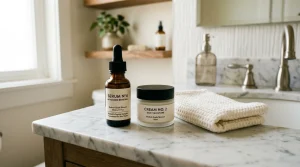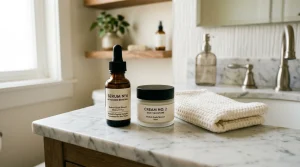
Razor burn is a common issue that many face after shaving, often resulting in irritation, redness, and discomfort. If you’ve ever winced while applying aftershave or felt the sting of sensitive skin, you’re not alone. Understanding what soothes razor burn effectively can elevate your grooming routine and keep you feeling confident and comfortable. In this guide, we’ll explore a variety of remedies, both from your kitchen and your local store, to help alleviate razor burn quickly and easily. Say goodbye to irritation as we uncover practical tips that work for everyone, ensuring your skin stays smooth and irritation-free. So, let’s dive in and discover how to reclaim your skin’s comfort!
What Causes Razor Burn and How to Avoid It
Razor burn can happen to anyone, regardless of experience level, and it’s often the result of a few common mistakes during shaving. This irritation occurs when hair is cut too close to the skin, leading to inflammation. Factors such as using a dull blade, dry shaving, and inappropriate products can all contribute to the problem. Interestingly, skin type also plays a role; those with sensitive skin are generally more prone to irritation. To minimize razor burn, always ensure your blade is sharp-changing it regularly can help prevent tugging at the hair.
Adopting the right shaving techniques can make a significant difference. Start by preparing your skin properly: soften the hair with warm water or a hot towel for about three minutes before shaving. Using a quality shaving cream or gel that provides plenty of lubrication not only protects the skin but also allows the razor to glide smoothly. Shaving with the grain of your hair rather than against it can also reduce the risk of irritation. Remember, less pressure is more; let the razor do the work without applying too much force, which can lead to nicks and cuts.
Aside from adjustments during shaving, be mindful of your post-shave routine. Avoid alcohol-based aftershaves that can further irritate your skin. Instead, opt for soothing products made with ingredients like aloe vera or chamomile, which are known for their anti-inflammatory properties. Finally, if you’re experiencing frequent razor burn, consider taking a break from shaving for a few days to allow your skin to recover fully. These mindful practices can help you achieve a smoother shave while keeping irritation at bay.
Immediate Relief for Razor Burn: Quick Fixes
Experiencing razor burn can feel quite uncomfortable, but there are immediate steps you can take to soothe the irritation and find quick relief. Whether you’ve just shaved or had a grooming session gone wrong, the right remedies can help calm your skin and reduce discomfort almost instantly.
To start, reach for something cool-a simple cold compress using a clean, damp cloth applied to the affected area for about 10 minutes can work wonders. The coolness helps constrict blood vessels and reduce inflammation. Alternatively, you can splash cold water on your skin for a refreshing relief.
For those looking for a more targeted approach, aloe vera is your friend. Its natural soothing properties not only hydrate your skin but also possess anti-inflammatory benefits. Simply apply a thin layer of aloe vera gel directly to the razor burn. If you don’t have aloe vera, products containing chamomile or calendula can also provide relief.
Another effective quick fix is using over-the-counter hydrocortisone cream. This mild anti-inflammatory cream can effectively diminish redness and itching. Apply a small amount to the irritated area, but be cautious not to overuse it; a little goes a long way.
Finally, ensure you’re giving your skin a chance to breathe by avoiding tight clothing or heavy creams right after shaving. Letting your skin stay open and airy can significantly speed up the healing process.
These immediate fixes can turn down the intensity of razor burn, allowing you to move on with your day in comfort.
Top Home Remedies for Soothing Razor Burn
Razor burn can be a pesky aftermath of shaving, but the good news is that your kitchen might hold the key to soothing that irritation. There are plenty of effective home remedies that harness natural ingredients, providing comfort and relief right at your fingertips.
One of the easiest and most soothing options is to use plain yogurt. Its probiotic content and cooling effect can help hydrate and calm irritated skin. Simply apply a thin layer of plain yogurt over the affected area, leave it on for about 10-15 minutes, then rinse off with cool water. This process not only soothes but also promotes healing thanks to the beneficial properties of yogurt.
Another popular remedy is to apply green tea. Rich in antioxidants, it can help reduce inflammation and redness. Brew a cup of your favorite green tea, let it cool, and use a cotton ball to dab it on the razor burn. The cooling sensation, combined with the tea’s natural healing properties, can provide instant relief.
You can also try using coconut oil. This natural oil is famed for its anti-inflammatory and moisturizing qualities. After shaving, apply a small amount of organic coconut oil to the affected area and gently massage it in. Not only does it hydrate, but it also helps create a protective barrier on your skin to prevent further irritation.
Lastly, honey is an excellent natural remedy that’s often overlooked. It acts as a humectant, attracting moisture to the skin, and its antibacterial properties can help prevent infection if the skin is broken. Apply a thin layer of honey to the irritated area and let it sit for about 20 minutes before rinsing off. You’ll likely notice an improvement in both comfort and appearance.
Key Takeaways:
- Yogurt, green tea, coconut oil, and honey can provide effective relief from razor burn.
- Each remedy addresses skin irritation while promoting hydration and healing.
- Simple application methods are easy to follow, making these remedies accessible and convenient.
Trying out these home remedies can help you effectively calm your skin and minimize the discomfort associated with razor burn, allowing you to enjoy smoother skin without the irritation.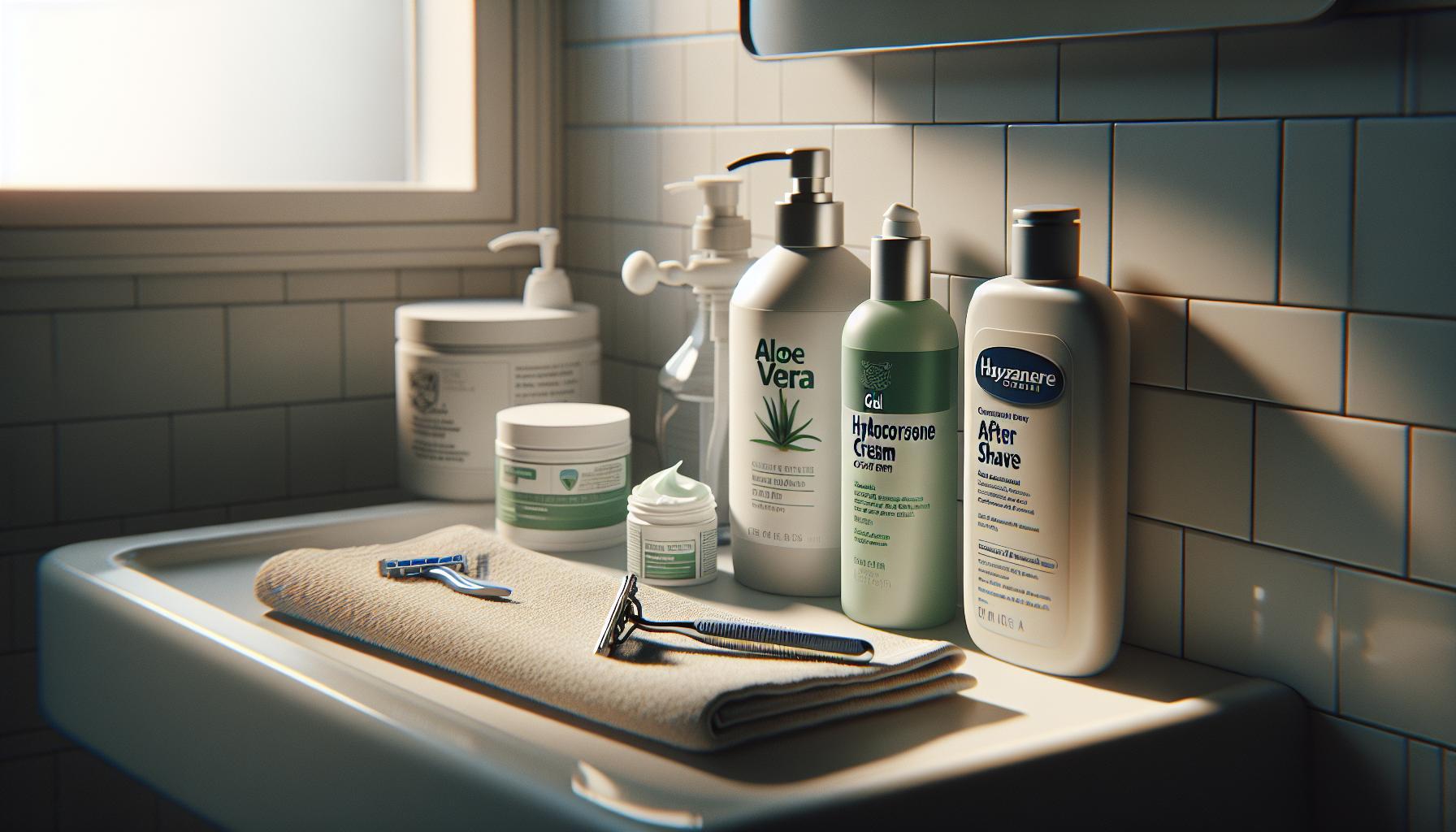
Best Over-the-Counter Products for Razor Burn
Choosing the right over-the-counter products can make a significant difference in alleviating the discomfort of razor burn. The market is filled with myriad options designed specifically to soothe and heal irritated skin, but having a clear understanding of what works can save you time and help you regain comfort quickly.
When looking for effective treatments, aloe vera gel is a top contender. Known for its soothing properties, it provides immediate relief from irritation while also helping to hydrate and heal the skin. For optimal use, apply a generous layer of aloe vera gel directly on the affected area and let it absorb for a few minutes before adding any additional products.
Another excellent choice is hydrocortisone cream. This topical steroid can help reduce inflammation and redness associated with razor burn. Just a thin layer applied 1-2 times a day can significantly decrease irritation. Remember, hydrocortisone should not be used for long periods; if your symptoms persist, it might be time to explore other options or consult with a healthcare professional.
Aftershave balms are also beneficial. Look for products containing ingredients like chamomile or calendula, which are renowned for their calming effects. These balms can provide both a cooling sensation and important hydration, making them a dual-purpose product that can be applied immediately after shaving to prevent and soothe razor burn.
Finally, consider anti-inflammatory creams or ointments that are enriched with ingredients like witch hazel or tea tree oil. These natural antiseptics help reduce inflammation and prevent infection in case of any nicks or cuts. Applying a small amount after shaving can create a protective barrier while promoting healing.
Key Takeaways:
- Aloe vera gel is great for immediate relief and hydration.
- Hydrocortisone cream can effectively reduce redness and inflammation.
- Aftershave balms with calming ingredients provide post-shave comfort.
- Anti-inflammatory creams can prevent infection and further irritation.
Incorporating these over-the-counter products into your skincare routine can make your shaving experience more comfortable, minimizing the chances of razor burn in the future. Remember to patch-test new products to ensure they’re suitable for your skin type.
Essential Pre-Shaving Tips to Prevent Razor Burn
Before you even pick up a razor, laying the groundwork for a smooth shaving experience can make all the difference in preventing razor burn. A few thoughtful steps can help prepare your skin, reduce irritation, and set the stage for a closer, more comfortable shave.
Start with a warm shower or a damp towel. The heat helps soften your hair follicles and open up pores, making hair easier to cut. Spend at least 3-5 minutes under warm water or apply a warm, damp cloth to your face for similar effects. This simple act can drastically reduce tugging and pulling during shaving, minimizing the risk of irritation.
Next, choose the right shaving cream or gel. Opt for a product that is rich, hydrating, and specifically designed for sensitive skin if applicable. Look for ingredients like glycerin or natural oils that create a protective barrier between your skin and the razor. When applying, use your fingers or a brush to gently massage the cream into your skin in circular motions for about 30 seconds. This not only ensures an even application but also boosts circulation, preparing your skin for the shave ahead.
It’s equally important to use a sharp razor. A dull blade will tug at your hair instead of cutting it cleanly, leading to increased irritation and razor burn. Replace disposable razors after 5-7 shaves, or if using a safety razor, change the blade regularly-typically every week if you shave daily. Always remember to shave in the direction of hair growth, as this further reduces the chances of ingrown hairs and razor burn.
Finally, consider taking extra time to exfoliate your skin before the shave. Using a gentle scrub or exfoliating mitt, spend a minute or two exfoliating the area you plan to shave. This helps remove dead skin cells that can clog your razor and lead to bumps and irritation, preparing a smoother canvas for shaving.
In summary, laying the right foundation is key to avoiding razor burn. Here are the essential steps to remember:
- Take a warm shower or use a damp towel to soften hair and open pores.
- Use a hydrating shaving cream or gel with beneficial ingredients.
- Ensure your razor is sharp to avoid tugging on hairs.
- Exfoliate gently before shaving to remove dead skin cells.
Implementing these pre-shaving tips can lead to a more pleasant and effective shaving experience, allowing you to enjoy smoother skin without the discomfort of razor burn.
Post-Shaving Care: How to Heal Razor Burn
To help your skin recover from razor burn, focusing on gentle, soothing post-shaving care is essential. Using the right products and techniques can significantly reduce irritation and promote healing. Remember, the goal is to calm your skin without causing further distress, so approach this step with care.
First, rinse your skin with cool water immediately after shaving to remove any residual shaving cream and to soothe the area. Avoid hot water, as it can exacerbate irritation. Once you’ve rinsed, pat your skin dry with a soft towel instead of rubbing, which can worsen the damage.
Applying a calming aftershave or moisturizer is critical. Look for products containing aloe vera, witch hazel, or calendula, as these ingredients have anti-inflammatory properties that can pull double duty by cooling and soothing the skin. Opt for a fragrance-free formulation to minimize the risk of additional irritation. A pea-sized amount applied to your fingers and gently massaged into the affected areas can work wonders. Aim for hydration; products with hyaluronic acid or glycerin will help retain moisture, keeping the skin barrier intact.
Cooling Gels and Lotions
Another effective method to treat razor burn is to use cooling gels or lotions. Products containing menthol or camphor provide a cooling sensation that can relieve discomfort. Just be cautious with these, as they can sometimes be too strong for sensitive skin. Test a small area first and, if you experience no adverse reaction, apply a thin layer over the affected area.
Natural Remedies
Consider incorporating natural remedies into your skincare routine. Coconut oil is an excellent for its anti-inflammatory and moisturizing properties. Massaging a small amount onto the affected skin can help reduce redness and promote healing. Similarly, tea tree oil diluted with a carrier oil can help with inflammation, though you should patch-test to avoid potential irritation.
Lastly, ensure you give your skin time to heal. Avoid any further shaving for a few days to allow the affected areas to recover fully. If you must shave, consider switching to an electric razor, which can be less irritating than traditional blades, or ensure your regular shaving routine includes all the previously suggested pre-care steps.
In summary, effective post-shaving care involves rinsing with cool water, using soothing aftershaves filled with hydrating ingredients, applying cooling gels or natural oils for added relief, and most importantly, allowing your skin ample time to recover. Taking these steps will help you not only feel better but also maintain healthier skin in the long run.
Targeted Treatments for Sensitive Skin
Sensitive skin requires special attention when it comes to razor burn. If you find yourself frequently experiencing irritation or discomfort after shaving, incorporating targeted treatments can make a significant difference in your recovery process and overall comfort. Whether you’re dealing with redness, bumps, or inflammation, a few key approaches can help you soothe your skin effectively.
A great step to take is using products specifically formulated for sensitive skin. Look for aftershaves or moisturizers that are labeled as hypoallergenic and free from alcohol and fragrances, which can exacerbate irritation. Ingredients that are particularly beneficial include aloe vera, known for its soothing properties, and oat extract, which can help calm inflammation. When applying, make sure to use a small amount-roughly the size of a dime-on freshly washed skin and gently massage it in using circular motions to enhance absorption.
Experiment with Targeted Treatments
In addition to post-shave creams, consider specialized treatments such as hydrocortisone cream for acute flare-ups. This over-the-counter option can reduce inflammation and itchiness when applied sparingly. Use it only on the affected areas, and limit application to a few days to prevent skin thinning. Also, opting for soothing gels with cucumber or chamomile extracts can provide immediate cooling relief and reduce the appearance of redness. Apply these gels directly to the irritated areas after washing your face to allow your skin to absorb the benefits fully.
Natural Options to Soothe the Skin
If you prefer a more organic approach, natural oils like jojoba or argan oil can be great alternatives. These oils mimic your skin’s natural sebum, helping to lock in moisture without clogging pores. For maximum benefit, apply a few drops on damp skin, massaging gently to promote even distribution and absorption. Another option is lavender oil, known for its calming properties; however, be sure to dilute it before use to avoid potential irritation.
As you adapt your routine, remember that patience is key. Allow your skin to heal by steering clear of any further shaving until your irritation subsides, and consider changing your razor to one designed for sensitive skin or utilizing an electric razor for a more gentle shave in the future. With the right targeted treatments and a little TLC, you can help your skin bounce back and reduce the likelihood of razor burn in your grooming routine.
Natural Oils and Moisturizers That Help Razor Burn
Natural oils and moisturizers can be a game-changer when dealing with the discomfort of razor burn. These products not only hydrate the skin but also provide soothing properties that help reduce irritation and promote healing. Many people find that incorporating these natural options into their post-shave routine makes a significant difference in calming redness and inflammation.
One of the best natural oils for soothing irritated skin is jojoba oil. It’s non-comedogenic, meaning it won’t clog pores, which makes it suitable for almost all skin types. Jojoba oil closely resembles the skin’s natural sebum, allowing it to penetrate deeply for maximum hydration. Simply apply a few drops onto damp skin right after shaving and massage gently for about 30 seconds to promote absorption.
Another effective option is argan oil, often referred to as “liquid gold” due to its rich nutrient profile. Packed with vitamin E and fatty acids, argan oil not only moisturizes but also helps to repair skin damage. A quick way to use it is to take a dime-sized amount and blend it with your preferred aftershave or moisturizer before applying it all over the affected area to enhance its soothing effect.
If you’re looking for aromatherapy benefits, consider lavender oil. Known for its calming properties, lavender can help alleviate the itchiness associated with razor burn. Remember to dilute it with a carrier oil, like jojoba or coconut oil, before applying to avoid further irritation. A blend of one part lavender oil to three parts carrier oil is a safe guideline for effective relief.
Incorporating these natural remedies can significantly improve your post-shave experience, allowing your skin to heal quicker and feel more comfortable. With regular use, you’ll likely notice a reduction in skin irritation and an increase in overall skin health, transforming your grooming routine into a more pleasant experience.
Lifestyle Changes to Reduce Razor Burn Incidence
Making small lifestyle adjustments can significantly reduce the incidence of razor burn, transforming your grooming routine from a painful chore into a comfortable, enjoyable experience. One of the simplest yet impactful changes you can make is to improve your hydration. Drinking sufficient water helps maintain skin elasticity and health, which is crucial when it comes to any shaving routine. Aim for at least eight glasses of water a day, or adjust based on your activity level and environmental factors to keep your skin well-hydrated and more resilient to irritation.
Another key factor is your shaving technique. Consider switching to a sharper razor blade-dull blades are a major culprit of razor burn because they tug at hair instead of cutting it cleanly. Opt for a multi-blade disposable razor or a safety razor to get a closer shave with less irritation. Additionally, always shave in the direction of hair growth rather than against it, as this can minimize the chance of irritation and ingrown hairs.
Your choice of shaving products also plays a crucial role. Look for shaving creams or gels that are specifically formulated for sensitive skin, as they usually contain moisturizing ingredients that help protect the skin barrier. In contrast, avoid harsh soaps or alcohol-based products, as they can strip the skin of moisture and worsen irritation. After shaving, applying a soothing aftershave balm can help calm the skin and reduce redness, so always consider using a product designed for post-shave care.
Lastly, consider your hair growth schedule. Shaving less frequently can help your skin recover and prevent irritation, so if you can, extend the time between shaves. If you’ve been dealing with persistent razor burn, you might want to explore alternatives like trimming instead of shaving to give your skin a break. Keeping these simple lifestyle tips in mind can lead to smoother skin and a more pleasant grooming experience overall.
Understanding the Difference: Razor Burn vs. Ingrown Hairs
Recognizing the difference between razor burn and ingrown hairs is crucial for effective treatment and prevention. Razor burn manifests as redness, irritation, and a burning sensation immediately after shaving, often caused by friction, dull blades, or harsh products. It can affect any area shaved and is particularly uncomfortable, but it typically resolves within a few hours to a couple of days with proper care.
In contrast, ingrown hairs occur when hair grows back into the skin instead of outward. They can appear as small, raised bumps that may be painful or itchy, often with a visible hair trapped beneath the skin. Ingrown hairs are more common in areas where hair is coarse or curly, like the beard or bikini line. They can persist longer than razor burn and sometimes lead to inflammation or infection if not addressed correctly.
To manage razor burn effectively, you might focus on soothing products such as aloe vera gel or cooling aftershave balms, while ingrown hairs may benefit from exfoliation techniques or specialized creams containing salicylic acid. Addressing both issues requires understanding their causes and realizing that sometimes simple changes like shaving technique or product choice can make all the difference. Always remember, if irritation persists or worsens, it’s wise to consult a dermatologist for personalized advice and treatment options.
Expert Tips on Choosing the Right Razor
Choosing the right razor can significantly impact your shaving experience and help minimize the risk of razor burn. Did you know that using a dull blade is one of the primary culprits behind this uncomfortable irritation? A good quality razor tailored to your skin type and hair texture can make a world of difference in achieving a smooth shave without the unwanted aftermath.
When selecting a razor, consider blade quality first. High-quality razors often have sharper blades that glide effortlessly over the skin, reducing friction. Look for options with multiple blades, as they can cut hair closer to the skin in a single pass, minimizing the potential for irritation. However, if you have sensitive skin, you might prefer a single or double-blade razor, as these can provide a gentler shave.
Another important factor is the razor head design. Some razors feature flexible heads that adjust according to the contours of your skin, ensuring a more comfortable shave. Additionally, ergonomically designed handles can enhance grip and control, allowing you to shave without pressing too hard-an essential tip for preventing razor burn.
Lastly, consider your shaving technique. Always shave in the direction of hair growth to avoid irritating the skin further. Combine your new razor choice with a soothing shaving cream or gel to create a protective barrier between the blade and your skin, contributing to a smoother, more comfortable shave. By thoughtfully choosing the right razor and employing proper techniques, you’ll set yourself up for a successful shave, leaving razor burn behind.
When to See a Doctor for Chronic Razor Burn
While razor burn is a common irritation that many people experience, persistent or severe cases can signal that it’s time to seek medical advice. If you notice that your razor burn is lasting longer than just a few hours or days, or if it keeps recurring despite trying over-the-counter treatments and home remedies, it’s essential to consult a healthcare professional.
Chronic cases may lead to complications, such as infections, especially if there are open sores or blisters. Symptoms to watch for include increased redness, swelling, pain, or if the affected area seems to be oozing pus. These signs could indicate an infection that needs medical treatment. Additionally, if you find yourself developing more severe symptoms like fever or widespread redness, it’s time to see a doctor.
Further, if you have sensitive skin and frequently experience razor burn, it might be helpful to consult with a dermatologist. They can offer tailored advice and recommend specific products or treatment methods that suit your unique skin type. In some cases, underlying conditions like folliculitis-an inflammation of the hair follicles-might require specific treatments to help ease your symptoms and prevent future flare-ups.
Ultimately, don’t hesitate to reach out to a healthcare professional if your razor burn becomes a constant struggle. There are effective solutions out there, and a little guidance can go a long way in helping you enjoy a smoother, irritation-free shave.
Frequently Asked Questions
Q: What natural remedies can help soothe razor burn?
A: Natural remedies like aloe vera gel, chamomile tea compresses, or coconut oil can effectively soothe razor burn. Aloe vera has anti-inflammatory properties, while chamomile reduces irritation. Apply a thin layer of these substances directly to the affected area for relief.
Q: How long does razor burn typically last?
A: Razor burn generally lasts anywhere from a few hours to several days, depending on skin sensitivity and the severity of the irritation. To speed up healing, keep the area moisturized and avoid shaving until it clears up completely.
Q: What are some effective over-the-counter treatments for razor burn?
A: Over-the-counter treatments like hydrocortisone cream or anti-itch lotions can help reduce inflammation and itching associated with razor burn. Look for products that contain soothing ingredients like aloe or witch hazel for optimal relief.
Q: Can I prevent razor burn by changing my shaving technique?
A: Yes, adjusting your shaving technique can significantly prevent razor burn. Always shave in the direction of hair growth, use a sharp blade, and avoid applying excessive pressure. Pre-shaving oils can also create a protective barrier.
Q: What kind of moisturizer is best for soothing razor burn?
A: Lightweight, fragrance-free moisturizers with ingredients like glycerin or hyaluronic acid work best for soothing razor burn. These ingredients hydrate the skin without clogging pores, minimizing further irritation.
Q: Are there specific shaving products to avoid to minimize razor burn?
A: Yes, avoid products containing alcohol or strong fragrances, as they can irritate the skin. Opt for mild shaving creams or gels that are labeled as hypoallergenic or for sensitive skin to minimize the risk of razor burn.
Q: When should I consult a doctor about razor burn?
A: Consult a doctor if razor burn persists for more than a few days, worsens, or if you notice signs of infection such as pus or severe redness. Chronic razor burn may require professional treatment options to prevent future occurrences.
Q: Can diet influence how my skin reacts to shaving?
A: Yes, a diet rich in vitamins A, C, and E can improve skin health and resilience, potentially reducing razor burn. Staying hydrated also helps maintain skin moisture, making it less prone to irritation during shaving.
Key Takeaways
In summary, managing razor burn involves a combination of effective home remedies and targeted store-bought solutions. Remember to keep your skin hydrated, use gentle exfoliation, and consider soothing aloe vera or anti-inflammatory creams as immediate go-tos. Don’t let discomfort linger; take action today to achieve smoother, irritation-free skin!
For even more insights, check out our articles on “The Best Soothing Creams for Sensitive Skin” and “Tips for a Perfect Shave.” If you found this guide helpful, subscribe to our newsletter for ongoing tips and exclusive content tailored for your grooming needs. We want to hear from you-share your experiences or ask questions in the comments below!
Explore our resources to further enhance your grooming routine. With the right knowledge and products, you can confidently tackle any shaving concerns and achieve that comfortable, irritation-free skin you deserve!
Get our latest guides, news, and insights highlighted in your Google Search & AI Overviews.