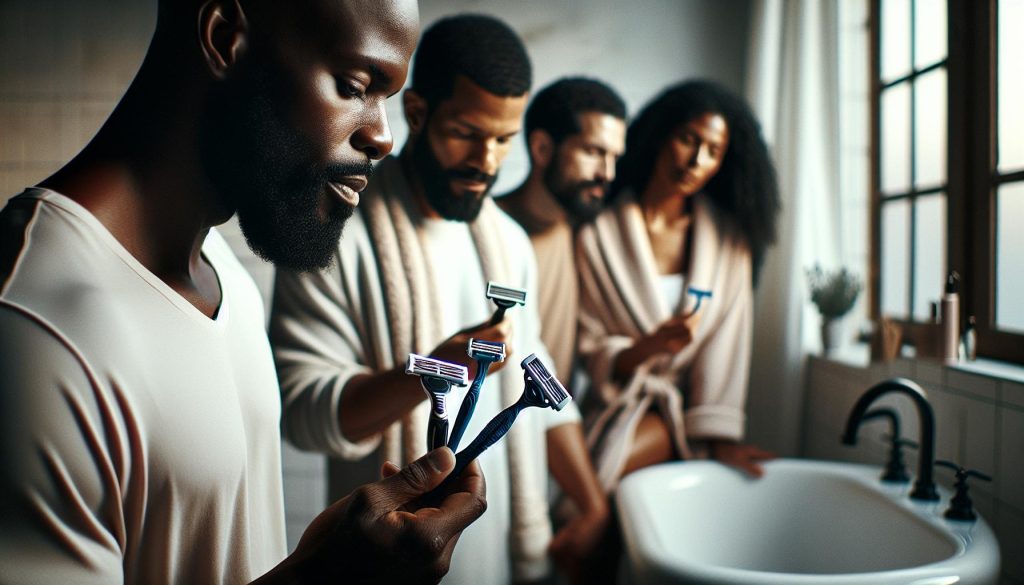
When it comes to achieving a smooth, close shave, the type of razor you choose can make all the difference. Did you know that different blade types can drastically affect not only the closeness of your shave but also your skin’s health? With various options available-from double-edged safety razors to cartridge styles-you might find yourself overwhelmed by choices. It’s crucial to understand how each type operates and who it works best for, especially if you’re seeking that perfect balance between comfort and closeness.
In this guide, we’ll explore what makes each razor unique, helping you navigate through the multitude of options. Whether you’re a seasoned shaver looking to refine your technique or a newcomer eager to ditch the disposable, our insights will equip you with the knowledge to select the right razor for your needs. Let’s dive in to discover which razor truly gives the closest shave, ensuring you feel confident and refreshed after every grooming session.
Understanding the Different Types of Razor Blades
Understanding the variety of razor blades available is essential for achieving the closest and most comfortable shave. Each type of blade has distinct characteristics, making them suitable for different hair types, skin sensitivities, and shaving preferences. Familiarizing yourself with these options can empower you to make an informed choice that caters to your specific needs.
- Cartridge Blades: These are the most common and user-friendly. Typically featuring multiple blades housed in a single cartridge, they are designed to glide smoothly over the skin, providing a close shave while being gentle for those prone to irritation. The pivoting heads allow for better contouring to the face and neck.
- Double-Edge Blades: Favored for their affordability and versatility, double-edge blades fit into safety razors. They are often made from stainless steel and are easy to change. Users appreciate the close shave they provide, although they may require a steadier hand compared to cartridge razors.
- Single-Edge Blades: These are primarily found in traditional shaving methods and can offer a very close shave. However, they may not be as forgiving for beginners, as the technique requires precision and care to avoid nicks.
- Straight Razors: Often seen as the pinnacle of traditional shaving, these require skill and practice. Straight razors allow for maximum control but come with a steeper learning curve. Those who master the technique often enjoy an incredibly close and personalized shave.
- Injector Blades: A less common choice, injector blades are loaded into a razor using a special mechanism. They offer the convenience of cartridges with the close shave characteristic of double-edge blades, making them a unique option worth considering.
Ultimately, the right razor blade for you will depend on your skin type, hair texture, and shaving preferences. By understanding the strengths and weaknesses of each blade type, you can better navigate your grooming routine and find a solution that delivers the best results while minimizing discomfort.
How Blade Material Affects Shave Quality
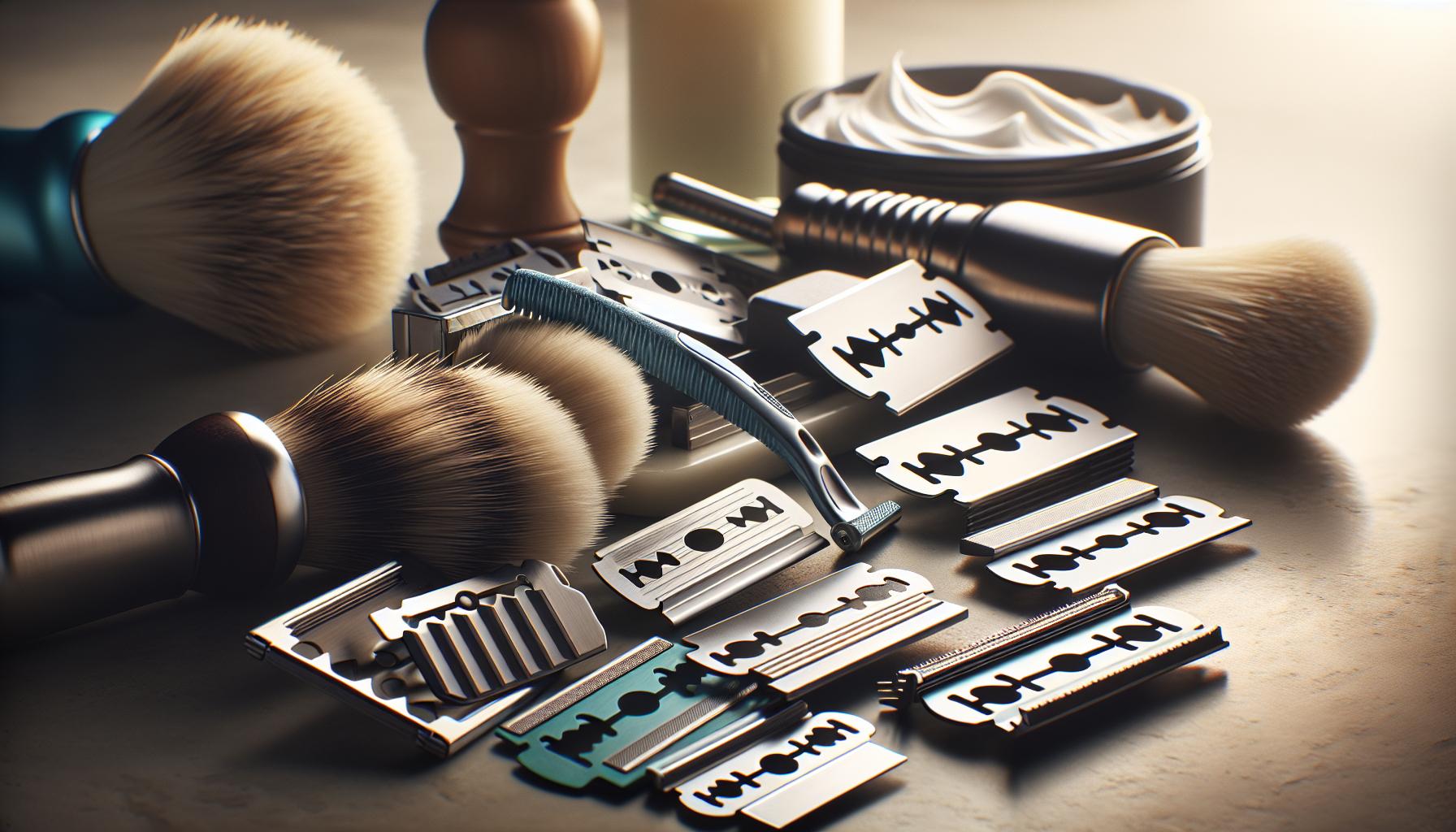
The material composition of razor blades can significantly influence your shaving experience and the quality of your shave. When selecting a razor, understanding the nuances of blade material helps ensure a comfortable, effective, and irritation-free shave. Common materials used in razor blades include stainless steel, carbon steel, and ceramic, each bringing its own benefits and considerations.
Stainless steel blades are widely favored for their durability and resistance to rust and corrosion. This longevity means you can enjoy a consistently smooth shave without frequent replacements. They are often sharper and provide a close shave while minimizing skin irritation, especially for those with sensitive skin. When selecting stainless steel options, look for high-carbon variants which offer a precision edge and enhanced sharpness, making them suitable for coarser hair types.
Carbon steel blades, though less common in modern razors, offer a uniquely sharp edge that can provide an exceptionally close shave. However, they tend to require more maintenance, as they are prone to rust if not properly dried after use. Users often appreciate the closeness they achieve with carbon steel, but this material is more suited for experienced shavers who can manage the extra care needed.
More recently, ceramic blades have emerged as a novel option in the shaving world. Known for their ability to stay sharp longer without the same degree of wear, ceramic blades can deliver a smooth and irritation-free shave. They also tend to be less abrasive, making them suitable for individuals with sensitive skin. However, they can be brittle and require attention in handling to avoid chipping or breaking.
Choosing the right blade material ultimately depends on your specific needs, including hair type, skin sensitivity, and personal preferences. For instance, if you prioritize low maintenance and durability, stainless steel is your best bet. If you want the absolute closest shave and don’t mind putting in a bit of extra care, consider carbon steel. And if you’re looking for something innovative and gentle on the skin, ceramic could be worth exploring. Each material plays a crucial role in achieving that elusive perfect shave, so consider your routine and your skin’s needs as you make your choice.
Safety Razors vs. Cartridge Razors: A Head-to-Head Comparison
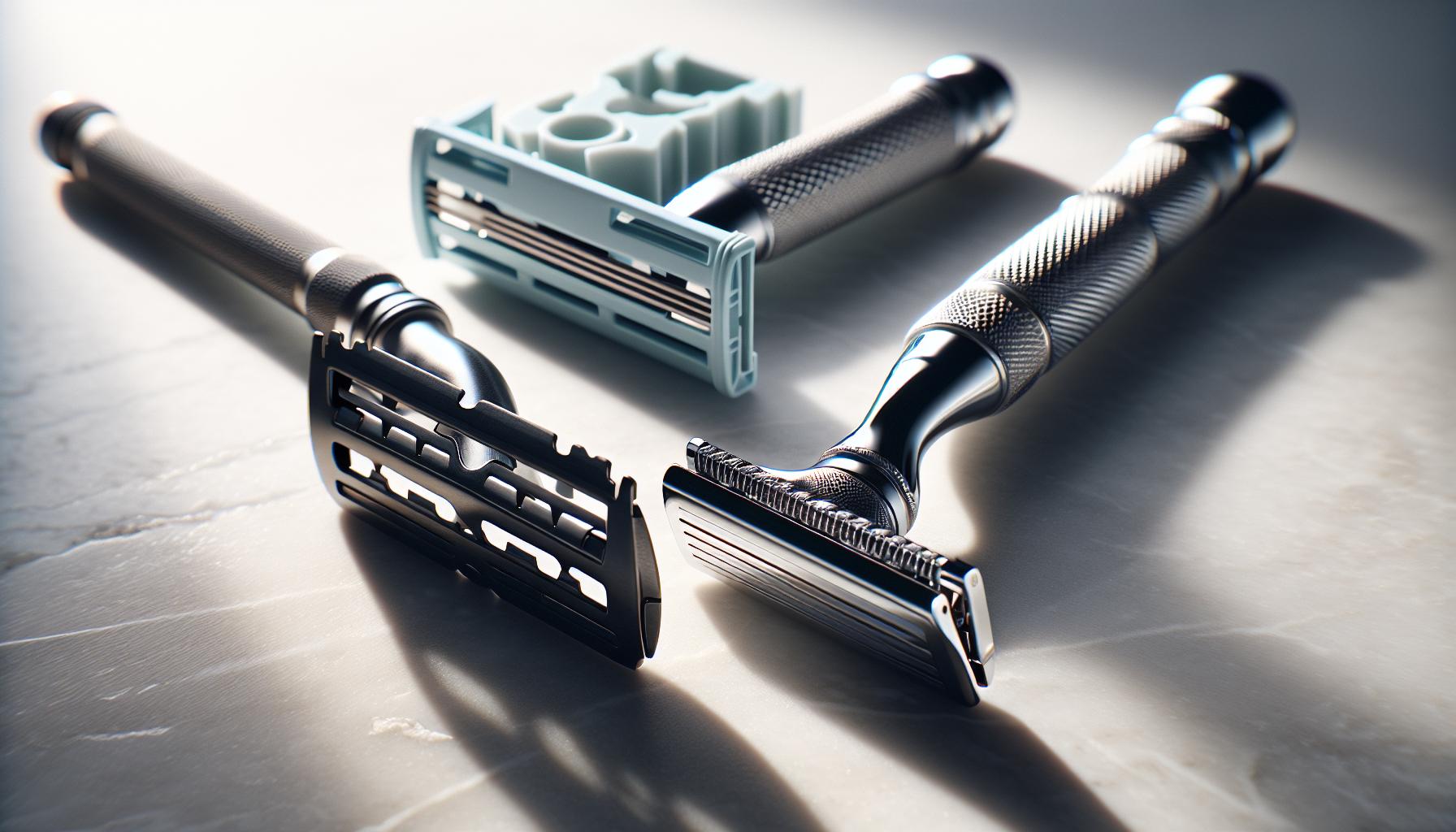
Choosing between safety razors and cartridge razors can greatly impact your shaving experience. While both types aim for a close shave, their approaches and performance differ significantly, so understanding these variations can help you make the best decision for your grooming routine.
Safety razors boast a single, replaceable blade that exposes a smaller cutting edge than the multi-blade heads of cartridge razors. This design allows for a more controlled shave, reducing the number of blades tugging at your hair. As a result, many users find that safety razors can provide an exceptionally close shave with less irritation. Additionally, safety razors encourage better shaving techniques because they require a gentler touch and angle, promoting a more mindful approach to grooming.
On the other hand, cartridge razors are often designed for convenience, featuring multiple blades that work together to cut hair quickly and efficiently. This design can be appealing for those seeking a fast shave without the need to learn specific techniques. However, the downside is that the multiple blades can lead to increased skin irritation or ingrown hairs for some people, especially if they have sensitive skin. The built-in lubricating strips in cartridge razors attempt to mitigate this issue but may not always suffice.
When weighing the two, consider your personal grooming habits and skin type. If you’re looking for a closer shave and are willing to invest time into mastering your technique, a safety razor might be your best bet. Conversely, if you prefer quick, hassle-free shaving and value convenience over precision, a cartridge razor could serve you well. Ultimately, both have their strengths and can fit different lifestyles, so it’s worth trying both to determine which leads you to the best shave.
The Role of Blade Sharpness in Shaving Comfort
Achieving the closest shave possible is often less about the type of razor you use and more about the sharpness of the blade. A sharp blade glides effortlessly over the skin, cutting hair cleanly and reducing the need for multiple passes. This not only gets you that smooth finish you desire but also minimizes the risk of irritation and discomfort that can arise from tugging or pulling at the hair.
When a blade starts to dull, it can lead to a rough shaving experience. You’ll find yourself applying more pressure, which can cause nicks, cuts, and increased skin sensitivity. In contrast, a fresh blade allows for a light touch and follows the natural contours of your face, making it easier to navigate tricky areas. A good rule of thumb is to change your blade frequently-after five to seven shaves is a common benchmark depending on your hair type and shaving frequency.
Another factor to consider is the blade’s material. Stainless steel blades, for example, hold their edge longer than cheaper options, providing more consistent sharpness over time. If you’re particularly prone to irritation, look for blades with coatings, such as platinum or chrome, which can provide an even smoother glide.
In summary, maintaining blade sharpness is crucial for a comfortable shave. Aim for regular blade changes and choose high-quality materials for the best results. This approach will not only enhance your shaving experience but will also contribute to healthier skin, giving you that effortlessly smooth look you strive for.
Innovative Features in Modern Razors: What to Look For
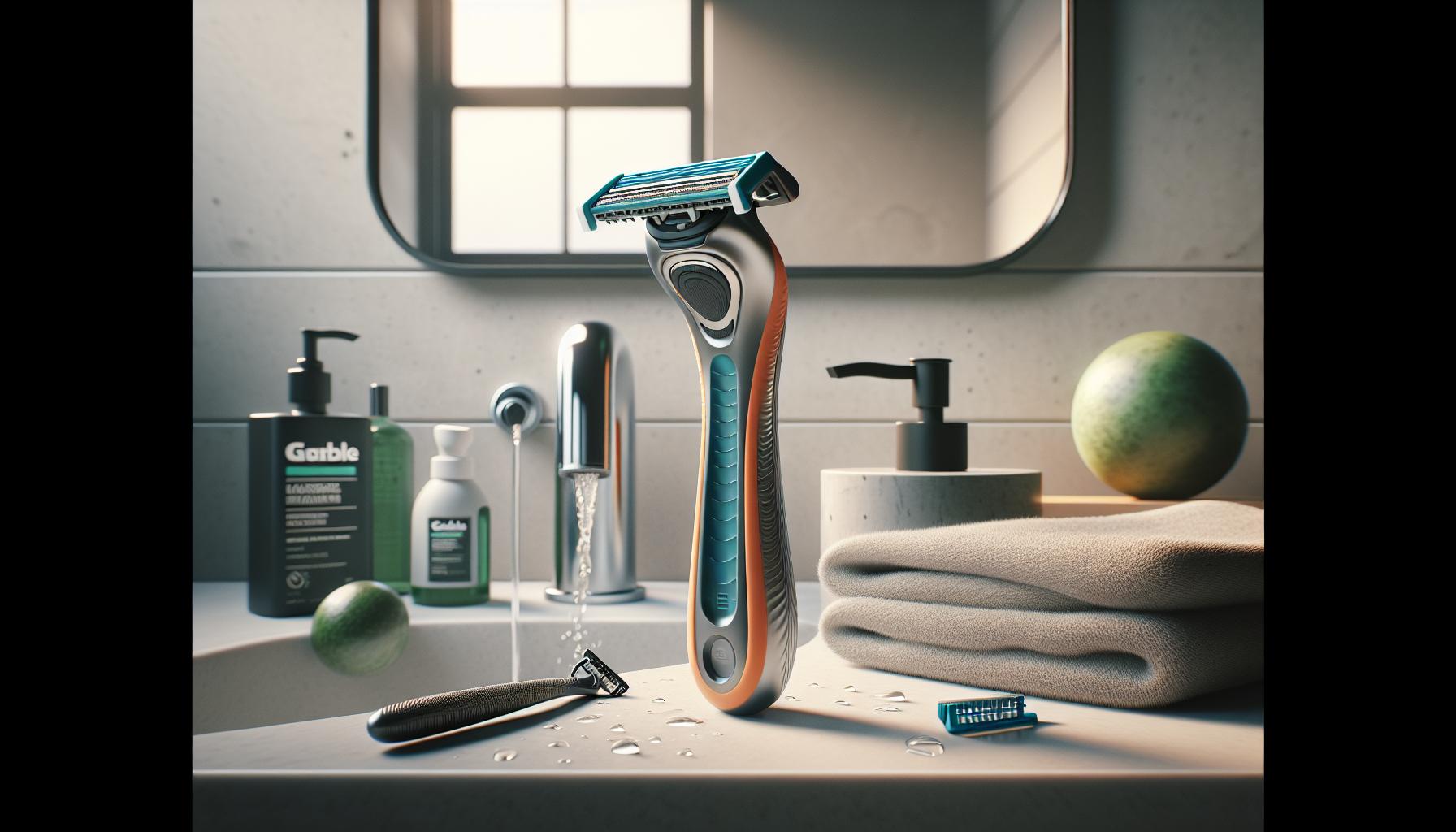
Modern razors have evolved far beyond basic blades and handles, incorporating an array of innovative features designed to enhance your shaving experience. Understanding these advancements can make a significant difference in achieving the closest shave while minimizing irritation and discomfort.
One of the standout innovations in contemporary razors is the integration of pivoting heads. These allow the razor to follow the contours of your face more effectively, reaching tricky spots like under the nose or along the jawline. This feature not only provides a smoother shave but also reduces the chances of cuts and nicks, especially for those who prefer a more aggressive shave.
Another exciting development is the use of lubricating strips, often infused with moisturizing ingredients or essential oils. These strips help the razor glide seamlessly across the skin, enhancing comfort while providing hydration. For those with sensitive skin, looking for razors that incorporate aloe vera or vitamin E can significantly elevate your shaving routine by minimizing post-shave irritation.
Additionally, many modern razors now feature adjustable blade exposure settings. This allows you to customize the aggressiveness of your shave based on your skin type or facial hair thickness. For example, if you have coarse hair, a more aggressive setting can provide a closer shave. Conversely, if you have sensitive skin, a lesser blade exposure can help reduce irritation. Opting for a razor with this flexibility means you can adapt your tools to your needs, not the other way around.
Lastly, consider the benefits of ergonomic handles. Many manufacturers have invested in creating handles that ensure a firm grip and comfortable maneuverability. This aspect is crucial, as a good grip reduces the risk of slipping and helps maintain control while shaving, allowing for precision in those delicate areas.
In summary, as you look for a razor that will give you the closest shave, pay attention to features like pivoting heads, lubricating strips, adjustable blade settings, and ergonomic handles. These enhancements not only elevate your shaving experience but also contribute to healthier, smoother skin, making your grooming ritual more satisfying and effective.
Budget vs. Premium Razors: Is the Difference Worth It?
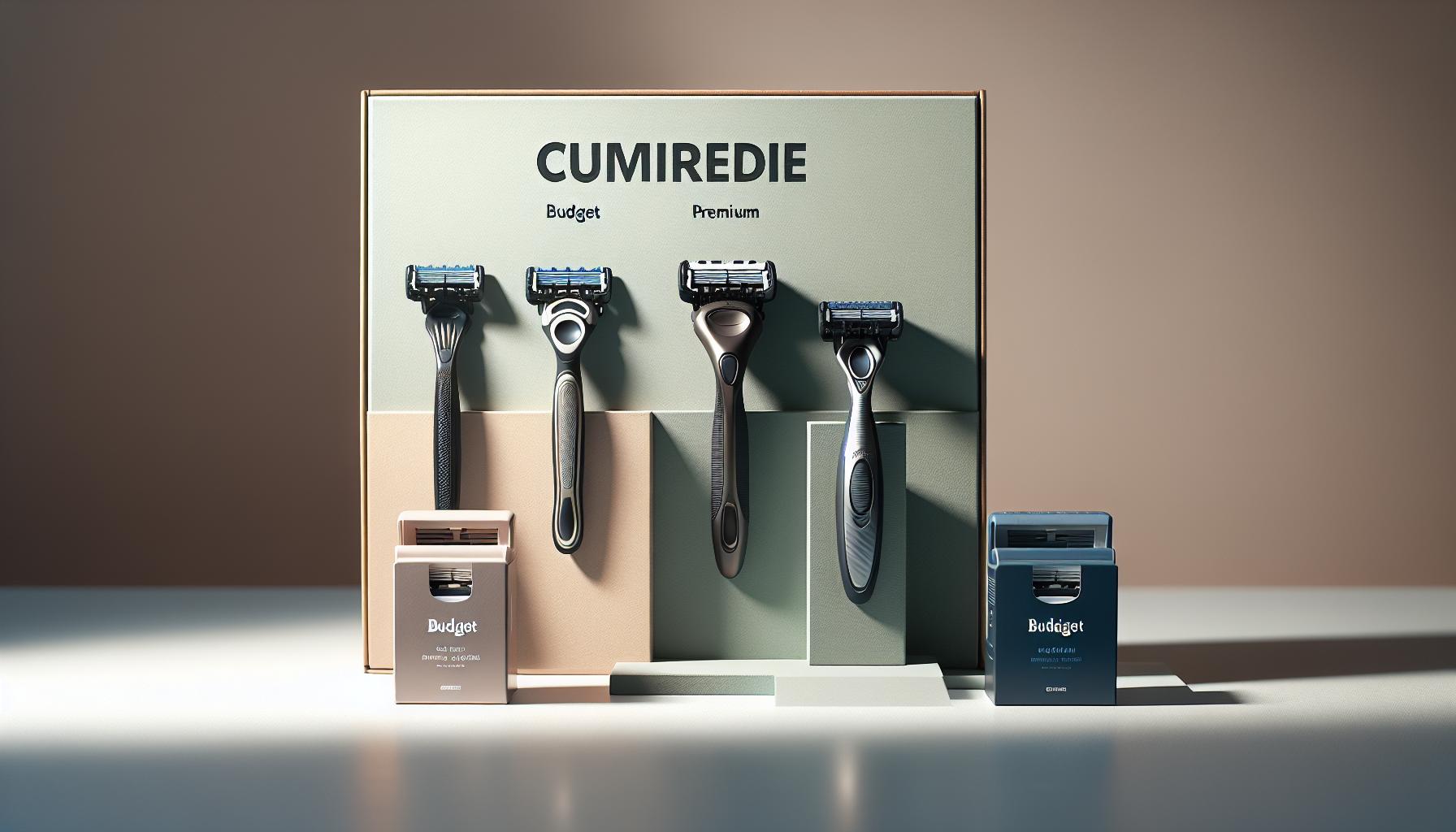
When venturing into the world of razors, many find themselves debating whether to invest in a budget option or opt for a premium model. It’s a common dilemma, often centered around the belief that you get what you pay for. But is that always the case when it comes to achieving the closest shave possible?
Budget razors certainly have their appeal. They’re accessible, easy to find, and often come with disposable blades that promise convenience. However, these razors can lack certain critical features that contribute to a comfortable shaving experience. For instance, many budget options feature basic blade designs and materials that may dull quickly or irritate sensitive skin. On the other hand, premium razors often use higher-quality materials, ensuring a sharper edge that provides a cleaner cut and reduces tugging on hair. This can significantly enhance comfort, especially for those with coarser hair or sensitive skin.
Ultimately, while budget razors can be functional for casual shavers, premium options can be worth the investment for regular use. Enhanced design features like pivoting heads, better ergonomic handles, and superior lubrication strips often found in pricier razors can enable a smoother, more enjoyable shave. For those serious about their grooming routines, these enhancements can lead to better skin health and satisfaction with the results.
In deciding which route to take, consider how often you shave and how critical each factor is for your personal comfort and skin health. If you find yourself shaving daily or every few days, investing in a quality razor that provides the closest shave may prove beneficial in the long run, both for your skin and wallet. After all, a comfortable shave can make your daily grooming routine feel less of a chore and more like a moment of self-care.
Tips for Getting the Closest Shave Possible
To achieve the closest shave possible, it’s essential to focus not just on your razor but also on the entire shaving process. Start by ensuring your skin and hair are prepped correctly. A warm shower or a hot towel applied to your face for a few minutes can help soften the hair, making it easier for the razor to glide through. This little step can significantly reduce irritation and enhance the closeness of your shave.
Choosing the right razor is crucial. Many find that double-edge (DE) razors or safety razors deliver superior closeness compared to cartridge razors. DE razors allow you to use different blades, letting you experiment with what works best for your hair type and skin sensitivity. Don’t hesitate to try a few blade types; some are designed to be sharper or milder, affecting how closely the razor cuts the hair.
Proper technique is vital for a smooth shave. Always shave in the direction of hair growth to minimize irritation and ingrown hairs. Use short, light strokes and don’t rush-allowing the blade to do the work will prevent pulling or tugging at the hair. After going with the grain, if you’re looking for an even closer finish, you can carefully shave against the grain on a second pass, but make sure to apply more shaving cream or gel to protect your skin.
Finally, don’t overlook aftercare. After shaving, rinse your face with cool water to close the pores and apply a soothing aftershave balm or moisturizer to hydrate the skin. Look for products that are alcohol-free to avoid drying out your skin. These finishing touches not only keep your skin smooth but also help prevent irritation, ensuring that you enjoy the benefits of a close shave without the discomfort.
Common Shaving Mistakes That Affect Your Results
When it comes to achieving that elusive close shave, many overlook some common pitfalls that can significantly affect their results. A well-executed shave isn’t just about the right razor; the entire approach matters. One prevalent mistake is skipping the pre-shave routine. Going in with dry skin and hair can lead to poor results. Always prepare adequately by hydrating your skin and hair with warm water. Not only does this soften the hair, making it easier to cut, but it also creates a smoother surface for the blade to glide over, minimizing irritation.
Another frequent error is applying too much pressure while shaving. Many believe that pressing the razor harder will yield a closer shave, but this often results in nicks, cuts, and razor burn. The key is to let the weight of the razor do the work. Use gentle strokes, and remember to shave in the direction of hair growth, as this technique helps prevent irritation and potential ingrown hairs. If a closer shave is desired, consider reapplying shaving cream and going against the grain after the first pass, but do so with caution to avoid over-irritating the skin.
A third mistake is failing to replace or properly care for the razor blades. Dull blades can tug on the hair rather than cut it cleanly, leading to discomfort. It’s essential to change blades regularly and store them in a dry area to prevent rusting. Additionally, remember to clean your razor after each use; buildup can impede performance and decrease the lifespan of your blades.
In summary, avoiding these common shaving mistakes-focusing on pre-shave preparation, using the right pressure, and maintaining blade sharpness-can significantly improve your shaving experience. By being mindful of these factors, you’re on your way to achieving a smooth, irritation-free shave.
Aftercare: Keeping Your Skin Smooth and Irritation-Free
To maintain that fresh, smooth feel after shaving and minimize any irritation, it’s essential to have a solid aftercare routine. This step can often make the difference between a comfortable finish and a post-shave disaster of redness and bumps. Start with rinsing your face with cool water; this helps to close your pores after the shave and reduces the risk of ingrown hairs. Think of it as a refreshing finish, calming your skin after the blade’s work.
Next, consider applying an alcohol-free aftershave balm. Look for products containing soothing ingredients like aloe vera, witch hazel, or chamomile, which can help calm inflammation and irritation. Aim for about a quarter-sized amount, applying it gently to your face in circular motions. This not only hydrates the skin but creates a barrier that protects it from environmental factors, keeping it smooth and irritation-free.
If you’re prone to shaving bumps or ingrown hairs, exfoliating your skin regularly can be a game changer. This can be done with a gentle scrub or an exfoliating glove two to three times a week. It helps remove dead skin cells that might otherwise clog your pores and lead to irritation. Just remember to keep it light-over-exfoliating can cause more harm than good.
Finally, don’t underestimate the power of hydration. Drink plenty of water throughout the day to keep your skin healthy from within. Eating foods rich in antioxidants, such as fruits and vegetables, can also promote skin health and resilience. By incorporating these aftercare steps, you’ll enjoy a closer, more comfortable shave and keep your skin looking its best.
Expert Recommendations for the Best Razors on the Market
When it comes to achieving the closest shave possible, choosing the right razor is crucial. With so many options available, you might wonder what truly stands out. Based on extensive experience and user feedback, several razors consistently gain high praise for their cutting performance, comfort, and overall value.
Firstly, safety razors like the Merkur 34C are a great choice for those looking for a combination of quality and affordability. This two-piece razor offers a fixed blade angle, which helps reduce the risk of nicks and cuts, making it an excellent gateway for beginners venturing into traditional wet shaving. Users often report a close, comfortable shave with minimal irritation, especially when paired with quality double-edge blades, such as Feather or Astra.
For a more premium option, the Rockwell 6C shines with its adjustable settings. This allows users to customize the blade exposure, catering to various hair types and skin sensitivities. The result? A tailored shaving experience that emphasizes precision and minimizes discomfort, perfect for those who want full control over their grooming routine.
If you’re more inclined towards a modern cartridge experience, the Gillette Fusion5 ProShield combines advanced technology with a great ergonomic design. It features five razor blades for a consistently close shave, and its lubrication strips help glide across the skin. Many users appreciate its convenience and efficiency, particularly for those busy mornings when time is of the essence.
For an innovative choice, consider the Henson Shaving Ti razor. This unique design focuses on a fixed razor angle, which not only promotes consistent results but also appeals to those transitioning from cartridge razors. The lightweight aluminum construction gives excellent handling, and it’s particularly friendly for sensitive skin due to its low blade exposure.
Lastly, for those who might want a more traditional approach with a twist, the Feather Artist Club series is perfect for enthusiasts of straight razors. While it requires a bit more technique, many users enjoy the ultimate closeness and control it offers, turning shaving into a satisfying ritual rather than just a chore.
In summary, regardless of whether you lean towards safety, cartridge, or straight razors, the key is to find a razor that fits your specific needs and skin type. Each recommendation above stands out not only for its performance but also for the confidence it gives users in their daily grooming routine. Happy shaving!
How to Choose the Right Razor for Your Skin Type
Choosing a razor that complements your skin type can make a world of difference in achieving a comfortable and close shave. Every individual has unique skin characteristics, and understanding how these traits work with different types of razors is key to avoiding irritations and achieving your grooming goals.
For sensitive skin, it’s often best to opt for safety razors or cartridge razors designed with extra protection, like a protective lubrication strip. The Merkur 34C is a popular choice among those with sensitive skin due to its mild aggressiveness, which reduces the risk of nicks and cuts. Alternatively, consider modern cartridge options, such as the Gillette Fusion5 ProShield, which offers enhanced skin protection and less irritation for sensitive areas.
If you have coarse or thick hair, you might need a razor that offers more strength and versatility. Adjustable safety razors like the Rockwell 6C allow you to customize the blade exposure, adapting to your specific hair type on different days. This flexibility lets you dial up the closeness without compromising comfort, making it ideal for those with varying hair growth patterns.
For normal or combination skin, nearly any razor will suffice, but selecting a razor with a good balance of aggressiveness will enhance your shaving experience. A straight razor, like the Feather Artist Club, can provide excellent closeness but requires more skill and practice. If you’re just starting out, consider a safety razor-it’s a great way to learn technique and offers consistent results without excessive irritation.
A quick self-assessment can guide your decision: identify whether your skin is dry, oily, sensitive, or normal, and look for razors and blades that complement those needs. Keeping an open dialogue about what works for you will ultimately lead you to the razor that gives you the best shave possible.
User Reviews: Real Experiences with Different Shaving Systems
Real experiences with various shaving systems can provide valuable insights to help you find the razor that delivers the closest and most comfortable shave. Many users share that their choice of razor significantly impacts their shaving satisfaction and results. For instance, some users rave about the smoothness provided by safety razors like the Merkur 34C. They appreciate the control it offers, allowing for a close shave with minimal irritation, especially for those with sensitive skin. One reviewer noted that switching to this razor transformed their shaving routine, reducing cuts and leaving their skin feeling softer post-shave.
Conversely, cartridge razors remain popular among those who prefer convenience. Users often highlight the ease of use and the protective features of razors like the Gillette Fusion5 ProShield. One user commented, “I get a close shave without the hassle of learning techniques or worrying about blade angles. The comfort strip makes a noticeable difference in irritation.” This simplicity is particularly beneficial for beginners or those pressed for time, making cartridge razors a go-to choice.
Another perspective comes from those who have ventured into straight razors, such as the Feather Artist Club. While these require more skill and patience, many users report a deeply satisfying close shave once they master the technique. However, they caution that there’s a learning curve, and it might not be the best option for everyone. One user shared, “After a few weeks of practice, I now enjoy shaving with a straight razor. It’s therapeutic for me, but I wouldn’t recommend it to someone looking for a quick shave!”
Ultimately, the best razor for you depends on your skin type, hair texture, and personal preferences. Engaging with these real experiences can guide you in choosing a shaving system tailored to your needs. Don’t hesitate to experiment and adjust until you find what feels right for your routine. Remember, everyone’s shaving journey is unique!
Q&A
Q: What type of razor gives the closest shave?
A: Safety razors are often considered to provide the closest shave due to their single blade design. This minimizes the chances of irritation and results in a smoother finish compared to multi-blade cartridge razors. For best results, ensure the blade is sharp and used with proper technique.
Q: How does blade type affect the closeness of a shave?
A: The blade type significantly influences shave closeness. Stainless steel blades offer durability and precision, while coated blades reduce friction and can enhance comfort. Experimenting with different blade brands can also affect your shave quality.
Q: Are cartridge razors better for sensitive skin?
A: Cartridge razors can be better for sensitive skin because they often have multiple blades that allow for a gentler glide over the skin. However, this may vary between individuals, so finding the right razor type and blade for your skin is essential.
Q: What features should I look for in a razor for a close shave?
A: Look for razors with features like adjustable blade exposure, ergonomic handles for grip, and a good weight balance. Additionally, consider models with moisture strips that help reduce irritation during shaving.
Q: How often should I change my razor blade for a close shave?
A: Change your razor blade after 5-7 shaves to maintain optimal sharpness and minimize irritation. Dull blades can tug at hair, leading to a less thorough shave and increased skin irritation.
Q: What shaving techniques improve closeness?
A: Prepping your skin with warm water, using quality shaving cream, and shaving with the grain initially can enhance closeness. Consider using a second pass against the grain for an even smoother finish, but only if your skin tolerates it.
Q: Can I achieve a close shave without a traditional razor?
A: Yes, electric shavers featuring advanced technology can also provide a close shave. Look for models specifically designed for close shaving, and ensure you follow the manufacturer’s instructions for optimal results.
Q: What should I do if my shave isn’t close enough?
A: If your shave isn’t close enough, check the blade’s sharpness and technique. Ensure you’re using enough lubricant, such as shaving cream or gel, and try changing the direction of your stroke or using a different razor type for better results.
Concluding Remarks
Now that you’re equipped with the knowledge about different razor types and their shaving performance, it’s time to choose the one that suits your grooming routine best. Remember, the closest shave isn’t just about the blade; it’s also about technique and prep. If you still have questions or want to dive deeper into topics like pre-shave routines or the best post-shave products, check out our guides on prepping for a close shave and aftercare for skin health.
Don’t wait-transform your shaving experience today! Subscribe to our newsletter for expert tips and exclusive offers, and join the community by sharing your shaving successes and challenges in the comments below. Are you ready to say goodbye to irritation and hello to smooth, confident skin? Your best shave awaits!
Get our latest guides, news, and insights highlighted in your Google Search & AI Overviews.