
Maintaining dental hygiene is crucial, especially for those wearing dentures. An effective denture cleanser not only removes food particles and stains but also kills harmful bacteria, ensuring your mouth stays healthy. Did you know that neglecting proper denture care can lead to serious health issues? Understanding how to use a denture cleanser safely and effectively can enhance your overall oral health and boost your confidence in your smile. In this guide, we’ll break down essential tips and techniques for using denture cleaners correctly, addressing common questions and concerns to help you feel empowered in your daily care routine. Keep reading to discover the best practices for keeping your dentures fresh and your mouth healthy!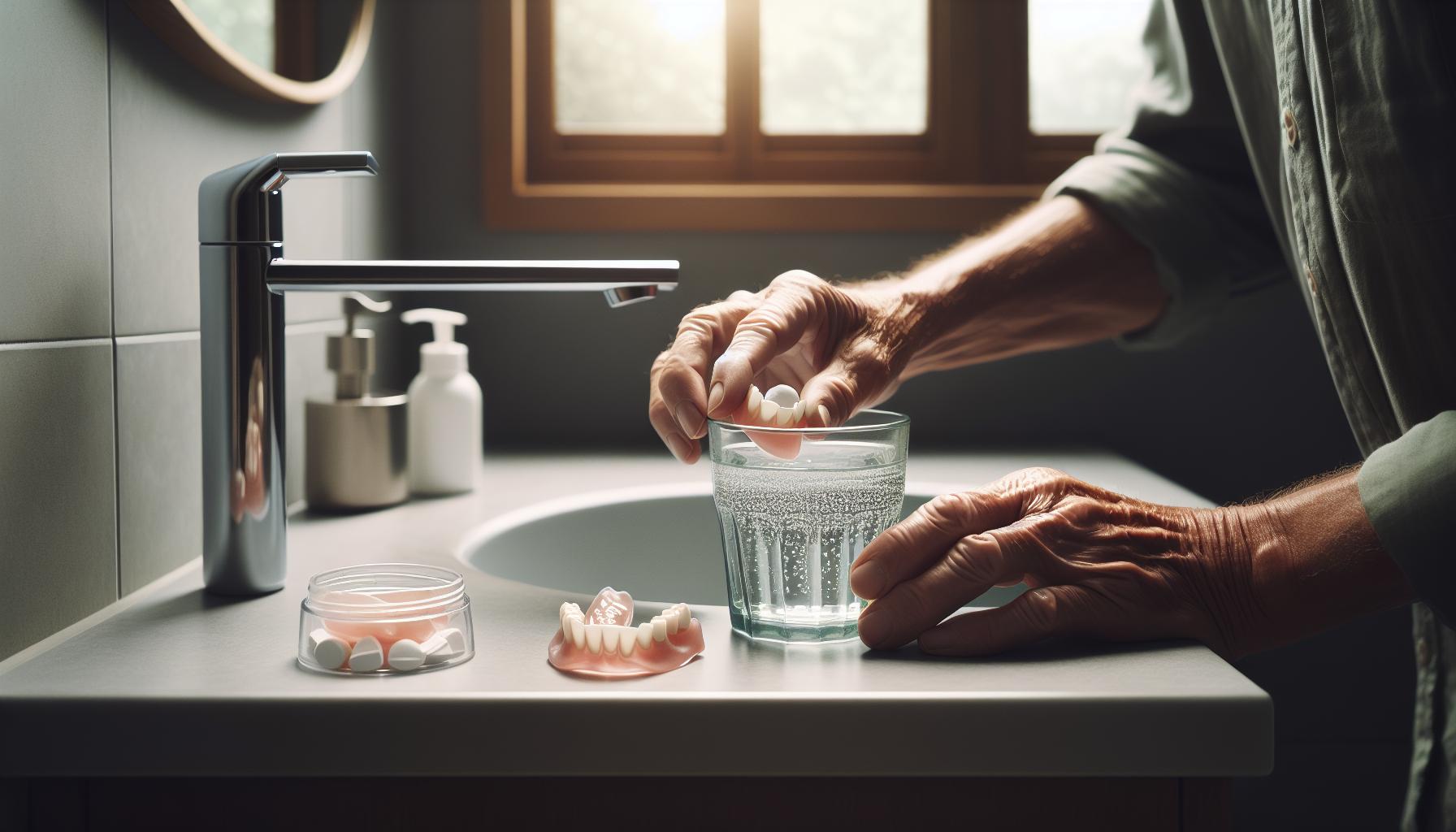
Understanding Denture Cleanser: What You Need to Know
Understanding the right denture cleanser is crucial for maintaining your dentures and ensuring your oral health. Denture cleansers are specifically formulated to tackle the unique challenges posed by artificial teeth, such as plaque buildup, stains, and odors that regular toothpaste often can’t address. When choosing a cleaner, it’s important to look for non-abrasive options that won’t scratch the surface of your dentures. Products designed for dentures, like specialized cleansing solutions, are your best bet as they effectively remove bacteria and residue without causing wear.
Many people might wonder whether they can use regular toothpaste for cleaning dentures. The answer is a resounding no; typical toothpaste can be too harsh and abrasive, potentially damaging your dentures over time. Instead, go for a mild dish soap or a denture-specific cleanser. According to experts, soaking your dentures in a cleansing solution overnight can significantly improve their cleanliness and freshness while keeping them properly hydrated. This practice not only helps in maintaining their shape but also ensures a more comfortable fit when you’re ready to wear them again1.
If you’re looking for a more natural cleaning method, options like baking soda and vinegar can also be effective, though it’s essential to use them carefully to avoid potential damage to your dentures. These natural alternatives can provide a gentle cleanse and help neutralize odors without the harsh chemicals found in some commercial products. Understanding these basics of denture cleansers not only helps you choose the right products but also promotes a healthy routine that can enhance your comfort and oral hygiene.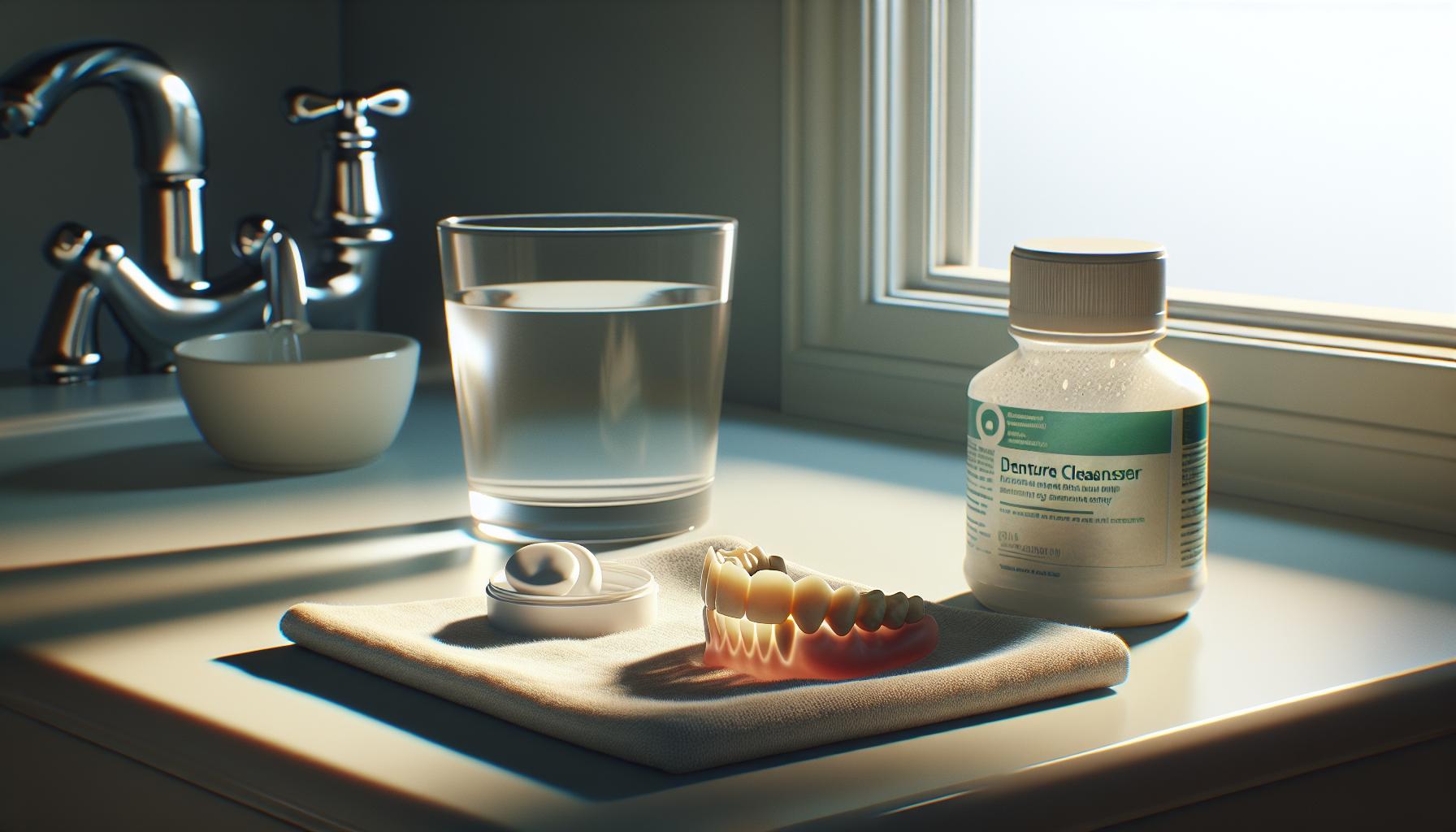
Choosing the Right Denture Cleaner for Your Needs
When it comes to maintaining your dental prosthetics, selecting the suitable denture cleaner can dramatically impact both the longevity of your dentures and your oral health. With a variety of products on the market, understanding their differences is crucial in making an informed choice that meets your specific needs.
Firstly, consider the type of cleaner that best aligns with your lifestyle and preferences. Commercial denture cleansers typically come in tablet form, like the McKesson Denture Cleanser Tablets, which are designed to dissolve in water and effectively remove stains and odors through soaking. These are particularly beneficial for a thorough cleanse, as soaking overnight allows the solution time to penetrate and cleanse hard-to-reach areas. Alternatively, powered denture brushes and liquid solutions can be great for those who prefer a bit more control during the cleaning process, allowing for targeted scrubbing while avoiding scratches.
It’s essential to look for non-abrasive formulations to prevent any potential damage to your dentures. Abrasive cleaners can wear down the surfaces over time, leading to increased plaque buildup and reduced fit comfort. Instead, opt for products labeled as ‘gentle’ or ‘non-abrasive,’ ensuring they are specifically designed for denture care. Another factor to consider is whether you have any sensitivities to certain ingredients. If this is a concern, examining the ingredient list for potential allergens can save you from future discomfort.
For those interested in natural alternatives, baking soda and vinegar are popular home remedies that can effectively eliminate odors and stains without the chemicals found in commercial products. However, usage should be monitored, as too frequent application may lead to issues.
In summary, choosing the right denture cleaner hinges on a balance of effectiveness and safety. Prioritize products designed specifically for dentures, consider your cleaning preferences, and remain informed about the ingredients to ensure a routine that enhances your comfort and oral hygiene.
Step-by-Step Guide to Safely Clean Your Dentures
To ensure your dentures remain clean, fresh, and in good condition, adopting a systematic approach to cleaning is vital. Here’s a straightforward, step-by-step guide that will help you safely and effectively clean your dentures.
Start your routine by rinsing your dentures under warm running water. This helps to remove any loose food particles and debris, setting the stage for more thorough cleaning. For best results, do this right after eating to prevent buildup.
Next, apply a gentle denture cleanser, which can include liquid solutions or a denture cleaning tablet. If you’re using tablets, drop one into a bowl of very warm water (not boiling), allowing it to dissolve according to the instructions-typically around 3-5 minutes will suffice for soaking. Ensure your denture is fully submerged. If you’re using a brush, rinse the denture first, then apply the cleaner to a damp brush and gently scrub all surfaces, focusing on crevices and areas where plaque may accumulate.
Once you’ve scrubbed the entire surface, it’s crucial to thoroughly rinse the dentures under running water to remove all traces of the cleanser. This step not only ensures that the dentures are entirely clean but also prevents any potential irritation from residual cleaning agents when you wear them next.
Finally, store your dentures in a clean, dry place, ideally in water or a denture-soaking solution to keep them moist and prevent warping. If you’re using a dedicated cleansing solution, following the manufacturer’s recommendations for soaking times will help maintain your dentures in optimal shape.
By following these straightforward steps, you’ll contribute to maintaining your dentures’ longevity and your overall oral health, ensuring that they remain comfortable and functional.
Common Mistakes When Using Denture Cleanser
Using denture cleansers effectively can greatly enhance the longevity and cleanliness of your dentures, but many people unwittingly make mistakes that can hinder their efforts. One common error is using regular toothpaste. While it might seem convenient, standard toothpaste can be too abrasive and lead to scratches on your dentures, making them more susceptible to staining and plaque buildup over time. Instead, opt for specifically designed denture cleansers that are non-abrasive and gentle on your prosthetics.
Another mistake is not rinsing dentures thoroughly after cleaning. Many users might think a quick rinse will suffice, but any residual cleanser can irritate your gums and mucous membranes when you put your dentures back in. Be sure to rinse well under running water until all traces of the cleaner are gone. Additionally, some individuals forget to soak their dentures when recommended, thinking brushing alone is enough. Soaking overnight in a denture cleansing solution not only helps remove stubborn stains but also keeps the dentures hydrated, which is essential to prevent warping.
It’s also crucial to note the soaking times provided by the manufacturer’s instructions. Over-soaking can damage the denture material, while insufficient soaking won’t achieve optimal cleanliness. If you’re using cleaning tablets, follow the recommended time on the packaging-typically around 3-5 minutes-to ensure they’re effective without risking any harm to your dentures.
Lastly, many people overlook the importance of regular maintenance. Cleaning dentures should not be an occasional task but rather a part of your daily oral hygiene routine. Neglecting this responsibility can lead to a buildup of bacteria and plaque, increasing the risk of oral health issues. By avoiding these common pitfalls and adopting a mindful cleaning regimen, you can ensure your dentures stay fresh and functional for years to come.
Tips for Effective Denture Cleaning Routine
Proper denture care is key to maintaining your oral health and ensuring your dentures remain functional and comfortable. Creating an effective cleaning routine is simple and can significantly enhance the longevity of your dentures. Let’s explore the essentials of maintaining a pristine cleaning regimen that keeps both your dentures and your mouth healthy.
Start by establishing a daily cleaning schedule. Just as you brush your teeth twice a day, aim to clean your dentures at least once daily. Ideally, this should occur at night, allowing your dentures to soak in a cleaning solution while you’re asleep. This soaking helps loosen any debris and stains that might have accumulated throughout the day. When you wake up, rinse them thoroughly with cool or warm water to remove any cleaning residue before putting them back in your mouth.
Step-by-Step Cleaning Process:
- Rinse: Begin by rinsing your dentures under cool or warm water to remove loose particles.
- Brush: Use a soft-bristled denture brush and a non-abrasive cleanser to gently scrub your dentures. Focus on all surfaces and use circular motions to effectively clean.
- Soak: After brushing, soak your dentures in a denture cleaning solution for the time recommended on the product label, usually 3-5 minutes.
- Final Rinse: Rinse again under running water to ensure no cleaning solution remains, as this can irritate your gums.
Avoid the common pitfall of using regular toothpaste on your dentures, as it can be too abrasive, leading to scratches that harbor bacteria. Instead, invest in specially formulated denture cleaners, which are designed to effectively clean without causing damage.
Another tip for success is to keep your denture cleaning supplies organized and easily accessible. Whether it’s a designated spot in your bathroom or a travel-friendly pouch, having everything you need together can help reinforce the habit. Additionally, consider utilizing a denture care chart that outlines your cleaning routine and tracks your maintenance-this visual cue can be motivational and ensure you don’t miss any steps.
Incorporating these tips into your daily routine will not only keep your dentures looking great but will also promote healthier gums and overall oral hygiene. Remember, a little daily care goes a long way, ensuring your dentures remain a source of confidence and comfort for years to come.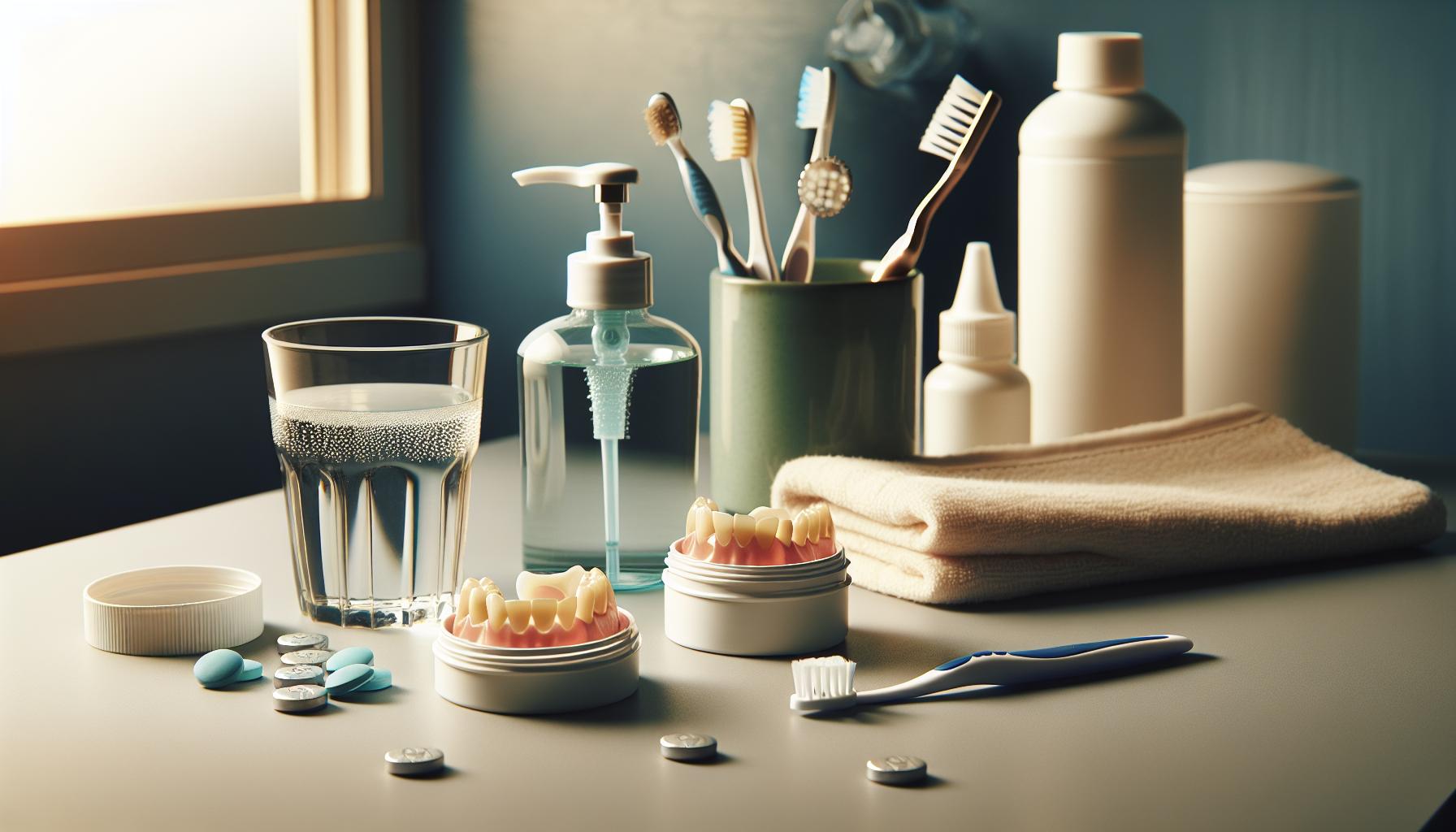
Essential Safety Tips for Using Denture Cleanser
Using denture cleansers effectively goes beyond just knowing how to scrub and soak. It’s crucial to prioritize safety to avoid any potential issues that may arise during the cleaning process. First and foremost, always read the instructions and warnings provided on the product label. Many denture cleansers contain active ingredients that, while effective, could cause irritation if used incorrectly. For instance, soaking your dentures for longer than the recommended time can lead to damage or discoloration.
When you’re preparing to clean your dentures, ensure your hands are clean and dry to prevent transferring bacteria. Using a dedicated brush designed for dentures is vital for maintaining both cleanliness and longevity. These brushes typically have softer bristles, which can effectively clean without scratching the materials of your dentures. Avoid using regular toothbrushes or abrasive cleaners, as these can create tiny scratches where bacteria might thrive.
Another important safety tip is to be mindful of where you clean your dentures. It’s best practice to clean them over a towel or a sink filled with water to minimize the risk of breakage in case they slip from your hands. Dentures can be quite delicate, and a fall onto a hard surface could lead to significant damage. Furthermore, if you have pets or young children, store your denture cleaners out of reach to prevent accidental ingestion, as some cleaning solutions can be harmful.
Lastly, if you experience any discomfort, irritation, or allergic reactions while using a denture cleanser, cease use immediately and consult your dentist. Addressing any adverse reactions promptly is essential to avoid further complications. Regularly checking in with a dental professional not only ensures your denture health but also provides an opportunity to refine your cleaning routine.
By incorporating these safety tips into your denture care regimen, you can help ensure that cleaning your dentures is both effective and safe, promoting better oral health and a more comfortable experience overall.
How Often Should You Clean Your Dentures?
A common question among denture wearers is how often they should clean their dentures to maintain optimal oral health. The short answer? You should clean your dentures daily. Just like natural teeth, dentures can accumulate plaque and food particles, which may lead to mouth odors and even health issues if not addressed regularly.
It’s best to establish a routine. Start your day by rinsing your dentures after breakfast to remove any food debris. Then, incorporate a thorough cleaning session after dinner. This should involve using a denture brush and a cleanser designed specifically for dentures, as regular toothpaste can be abrasive and damaging to the material. Remember, soaking your dentures in a denture cleaner overnight can also provide a deep clean, ensuring bacteria are eliminated while you sleep.
While daily cleaning is essential, it’s wise to check in with your dental professional every so often, especially if you notice any changes in how your dentures fit or feel. They can provide personalized advice tailored to your needs. Additionally, if you have a particularly hectic day or are traveling, aim to clean your dentures at least once a day to help maintain their integrity and your oral health.
By staying consistent with your cleaning routine, you’ll not only extend the life of your dentures but also enhance your overall comfort and confidence. After all, a bright and healthy smile is always worth the effort!
Natural Alternatives to Commercial Denture Cleaners
There are some fantastic that not only clean effectively but also minimize the risk of irritation and chemical exposure. Many denture wearers prefer these options for their gentleness and accessibility, straightforward enough for anyone to incorporate into their daily routine. For instance, a common household staple, baking soda, offers a safe and effective way to keep your dentures sparkling clean.
To use baking soda, simply mix equal parts baking soda and water to form a paste. Apply this paste to your denture brush and gently scrub your dentures, focusing on crevices or stubborn spots. Rinse thoroughly under warm water before placing them back in. The mild abrasiveness of baking soda helps remove stains and debris without scratching the surface of your dentures, making it a preferred choice for many.
Another popular option is vinegar, known for its natural disinfecting properties. Soaking your dentures in a solution of equal parts vinegar and warm water for 15-30 minutes can effectively break down plaque and kill bacteria. After soaking, give them a gentle brush and rinse well to remove any vinegar taste. This method is not only effective but also cost-efficient, as most households already have these ingredients on hand.
For those looking for additional benefits, consider hydrogen peroxide. This powerful antiseptic can also help whiten your dentures. To use, mix equal parts hydrogen peroxide and water and soak your dentures for about 30 minutes. As with other methods, be sure to rinse them thoroughly afterward. Incorporating these natural cleaners into your routine can yield impressive results while keeping your oral health in check.
Finally, remember that keeping your dentures clean is essential not just for improving their appearance but also for promoting your overall oral health. By opting for these natural alternatives, you’ll minimize exposure to harsh chemicals and enjoy the benefits of a fresher, cleaner smile.
Expert Recommendations for Denture Maintenance
Maintaining your dentures properly is crucial not only for their longevity but also for your overall oral health. Regular cleaning and appropriate care can prevent irritation, infections, and unpleasant odors that can accompany poorly maintained dentures. Experts recommend developing a consistent regimen that fits seamlessly into your daily routine.
One of the best practices is to clean your dentures every day. This should involve rinsing them after meals and brushing them at least once a day with a soft-bristled brush designed for dentures or a mild denture cleanser. Avoid regular toothpaste, which can be too abrasive. Instead, seek out products specifically formulated for dentures; these cleansers will effectively remove food particles and stains without damaging the materials.
Tips from Denture Care Specialists
- Soaking: To keep your dentures fresh and clean, soak them nightly in a denture solution or a homemade mixture of vinegar and water. This helps dissolve plaque and offers a gentle cleaning boost. Make sure to rinse thoroughly before wearing them the next day.
- Temperature Control: Only use lukewarm water for cleaning and soaking. Extreme temperatures-hot or cold-can warp or damage your dentures. A good rule of thumb is to always test the water with your wrist before submerging your dentures.
- Denture-Friendly Diet: Be mindful of what you eat; harder foods can be tough on dentures. If you notice any fragments or chips from your dentures after meals, consider softening your diet while you adjust to wearing them.
In addition to these practices, frequent check-ups with your dentist are advisable. Regular visits can help catch any potential issues early, such as wear and tear or misfits, which can lead to discomfort. Remember, proper denture care is not just about cleaning; it’s about being proactive in maintaining your oral health for a bright and confident smile.
What to Do if You Experience Irritation
Experiencing irritation from your dentures can be uncomfortable and concerning, but it’s important to know that you’re not alone-many denture wearers encounter this issue. Irritation can arise from several factors, including an improper fit, allergic reactions to cleansers, or even the materials used in your dentures. The good news is that there are actionable steps you can take to alleviate discomfort and prevent it from recurring.
Start by identifying the cause of your irritation. Is it persistent rubbing in a specific area of your gums? If so, it might indicate that your dentures need adjusting. Schedule an appointment with your dentist to evaluate the fit. Additionally, consider the products you are using to clean your dentures. If you’ve recently switched to a new denture cleanser, the ingredients may not be compatible with your oral tissues, leading to irritation. In such cases, it may help to switch back to a known product or opt for a milder formula, perhaps one labeled as hypoallergenic.
To soothe irritated gums, you can rinse your mouth with warm salt water. This natural remedy can help reduce inflammation and promote healing. Simply dissolve half a teaspoon of salt in a cup of warm water and swish gently around your mouth. Avoid wearing your dentures for a short period if the discomfort persists, allowing your gums to rest and recover. Keeping up with a consistent oral care routine is essential; ensure you’re cleaning your dentures daily and that you’re rinsing them thoroughly after using any cleanser.
If irritation continues despite these measures, consult your dentist. They may recommend specific mouth rinses or topical treatments to help manage irritation. Remember, addressing discomfort early can prevent more serious issues down the road. Taking swift action not only helps alleviate discomfort but also fosters a healthy and confident smile.
Troubleshooting Common Denture Cleaning Issues
Cleaning dentures may seem straightforward, but many users encounter challenges that can impact their oral health or the longevity of their dentures. Recognizing potential problems can empower you to troubleshoot effectively, ensuring a seamless denture care routine that keeps your smile bright and comfortable.
One common issue is stubborn stains or buildup on your dentures. This often occurs when food particles are not thoroughly removed after eating. To tackle this, try soaking your dentures in a denture cleansing solution for a few hours or overnight, which helps to dissolve plaque and stains. Make sure to follow the manufacturer’s instructions on soak time to avoid damaging the material. Utilizing a soft-bristled brush with gentle circular motions can be very effective in removing remaining debris without scratching the denture surface, which might occur with more abrasive tools or regular toothpaste [2].
Another frequent concern is dry, cracked, or discolored dentures. This may be due to insufficient cleaning or exposure to harmful cleaning agents not suited for dentures. Always opt for non-abrasive cleansers specifically designed for dental appliances [1]. If you experience persistent discoloration that cleaning doesn’t remedy, consult your dentist, as they may recommend professional cleanings or adjustments to your care routine.
Lastly, sensitivity or irritation when wearing dentures can signal cleaning issues. It’s crucial to rinse your dentures thoroughly after cleaning to eliminate any residue from cleaners that might irritate your gums. If irritation persists, consider going back to the basics; mild dish soap or specifically labeled hypoallergenic cleansers can be gentler on sensitive tissues [3]. By monitoring your cleaning routine and being responsive to the needs of your dentures, you can maintain a comfortable fit and keep your smile radiantly healthy.
FAQ
Q: How long should I soak my dentures in a cleaning solution?
A: Dentures should be soaked in a denture cleansing solution for about 15-30 minutes, or as recommended by the manufacturer. This soaking helps to remove stains and bacteria effectively. Remember to rinse them thoroughly with water before putting them back in your mouth [[3]].
Q: Can I use regular toothpaste to clean my dentures?
A: While it’s not recommended to use regular toothpaste on dentures due to its abrasiveness, mild hand soap or commercial denture cleansers are safer alternatives. If you choose to use toothpaste, select a non-abrasive formula to avoid damaging the denture surface [[1]].
Q: Are there specific safety tips for using denture cleansers?
A: Yes, to use denture cleansers safely, avoid mixing different cleaning products, and always follow the manufacturer’s instructions. Ensure your dentures are rinsed well to eliminate any remaining cleanser, and store them in water when not in use to keep them moist [[2]].
Q: What type of water should I use when cleaning my dentures?
A: Use lukewarm water to clean your dentures. Hot water can warp and damage them, while cold water can make them shrink, leading to discomfort. Always ensure that the water is not extreme in temperature [[1]].
Q: How often should I use denture cleansers?
A: You should clean your dentures at least once a day using a denture cleanser, with additional rinsing after meals to prevent food particles from getting stuck. Maintaining this routine helps keep your dentures in good condition and prevents odors [[3]].
Q: Can I use bleach to clean my dentures?
A: No, you should never use bleach on dentures as it can cause damage and irritation to the gums. Instead, rely on denture-specific cleaning solutions that are safe and effective for oral use [[3]].
Q: What should I do if my dentures feel loose after cleaning?
A: If your dentures feel loose after cleaning, they may need to be adjusted by a dental professional. It’s important to address comfort issues promptly to avoid complications. Regular check-ups can help ensure proper fit [[2]].
Q: Is it safe to clean dentures while they are in my mouth?
A: No, it is not safe to clean dentures while they are in your mouth. Cleaning them outside of your mouth prevents accidental damage to your gums and avoids swallowing cleaning solutions. Always remove your dentures for cleaning [[1]].
Concluding Remarks
Now that you know how to use denture cleanser safely and effectively, it’s time to put your newfound knowledge into practice! A clean mouth and fresh dentures not only boost your confidence but also contribute to your overall oral health. Remember, incorporating a denture cleansing routine into your daily habits is essential for maintaining optimal hygiene and comfort.
If you’re looking for more tips on oral care, check out our articles on the best denture cleaning products or how to maintain your dental hygiene with dentures. Don’t let uncertainties hold you back-exploring effective denture care will enhance your experience.
Have any questions or tips of your own? We’d love to hear from you in the comments! And if you found this guide helpful, consider signing up for our newsletter to get the latest tips and special offers delivered right to your inbox. Your journey to a healthier smile starts now-take that first step!
Get our latest guides, news, and insights highlighted in your Google Search & AI Overviews.