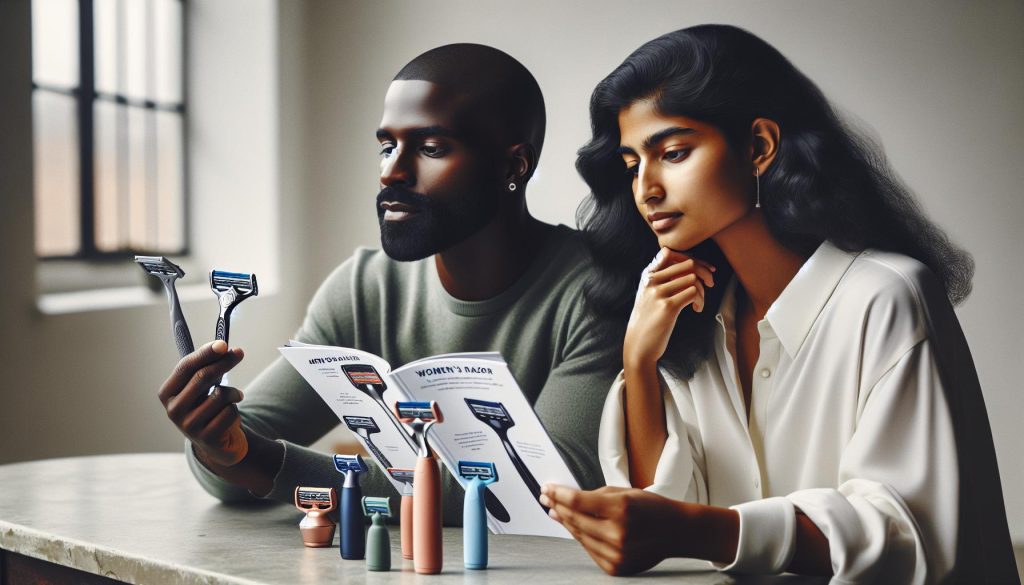
When it comes to shaving, the choice between men’s and women’s razors often raises questions. You may wonder if one is genuinely better than the other or if specific features cater to different needs. Interestingly, while both types of razors serve the same purpose, they can have distinct designs tailored to various hair types and skin sensitivities. Understanding these differences can empower you to choose the right tool for your grooming routine, ensuring a smoother, more comfortable shave.
This exploration of whether men’s razors are superior to women’s will not only clarify the key variations between them but will also help you assess what might work best for your personal grooming goals. By the end, you’ll be equipped with valuable insights to make an informed decision. So, let’s dive into the intriguing world of razors and uncover what truly sets them apart!
Are Men’s Razors Really Superior?
When it comes to choosing a razor, the debate over whether men’s razors are superior often arises. Many believe that the design and features found in men’s razors are specifically tailored for efficiency and comfort during grooming. For instance, men’s razors typically boast sturdier handles and more aggressive blade angles, intended to tackle tougher, coarser hair types which can lead some to perceive them as better suited for all hair types, including feminine body hair.
One significant factor is the number and arrangement of blades. Men’s razors often come equipped with multiple blades that are closely spaced, which can provide a smoother, closer shave. This feature is particularly beneficial for those seeking a clean finish, as the blades work in conjunction to reduce the number of passes needed. However, this might not be ideal for everyone; individuals with sensitive skin may find that fewer blades in women’s razors, often designed with comfort and gentleness in mind, could reduce irritation.
In addressing whether men’s razors deliver superior performance, it’s essential to consider personal grooming habits and skin sensitivities. What one person finds advantageous, another might see as a source of irritation. For example, a woman aiming for a perfectly clean shave on her legs may prefer the aggressiveness of a men’s razor, while another might opt for a women’s model with added moisturizing strips to ensure a gentler experience on their skin. Ultimately, it’s about matching the razor to individual needs for the best grooming experience.
Understanding the Differences in Design
The design differences between men’s and women’s razors are not just about color or packaging; they reflect distinct grooming needs and preferences. Men’s razors typically feature a sturdier construction and a more aggressive blade angle, catering to the coarser hair texture commonly found on men’s faces. This robust design often provides a more stable and controlled shaving experience, which is crucial for avoiding cuts and nicks, especially when maneuvering around the jawline and chin.
Another key element is the arrangement and number of blades. Men’s razors often sport multiple closely spaced blades, enabling a closer shave with fewer passes. This design can be particularly appealing for those wanting a smooth finish quickly. Women’s razors, on the other hand, frequently incorporate fewer blades but include features like pivoting heads and moisturizing strips. These characteristics are aimed at providing a gentler glide, making them suitable for the varied and often sensitive skin areas they might be used on, such as legs and underarms.
It’s essential to consider how these design choices may impact your shaving routine. If you have sensitive skin, you might find that the added features of a women’s razor-like the moisturizing strips-help to reduce irritation. Conversely, if you’re after a more aggressive shave on tougher areas, such as the underarm region, you may prefer the performance of a men’s razor. Ultimately, the best choice depends on individual needs and personal comfort, highlighting the importance of selecting the right tool for your unique grooming routine.
Unpacking the Features: Men’s vs. Women’s Razors
When it comes to razors, understanding the subtle yet significant differences between men’s and women’s options can greatly enhance your shaving experience. One fascinating aspect to consider is the blade configuration. Men’s razors often feature multiple closely spaced blades designed for a very close shave, ideal for coarse facial hair that requires more precision and durability. For instance, many men’s razors have at least three to five blades that work together to minimize the number of passes needed over the skin, effectively cutting hair at the surface with each stroke.
On the other hand, women’s razors tend to prioritize comfort and versatility, especially for use on diverse body areas like legs and underarms. They frequently incorporate features such as pivoting heads and moisturizing strips. These elements help the razor glide over the skin, reducing the chance of irritation while adapting to the curves of the body. The fewer blades found in many women’s razors can actually be beneficial in these sensitive areas, offering a gentler approach without sacrificing effectiveness.
Moreover, design ergonomics can’t be overlooked-men’s razors typically have a bulkier handle, intended for firm grip and maneuverability around angular facial features. Women’s razors, meanwhile, often boast softer contours and lighter materials, which assist in handling during long shaving sessions. It’s crucial to choose a razor that feels comfortable and fits well in your hand, as this can significantly impact how well you can manage tricky spots and minimize cuts.
Ultimately, whether you choose a men’s or women’s razor should reflect your personal grooming habits and skin type. If you often shave thicker hair or prefer a quick shave, a men’s razor might give you the edge. Conversely, if your skin tends to be sensitive or if you’re shaving various areas of the body, a women’s razor with its thoughtful design might serve you best. By exploring these features and aligning them with your specific needs, you can transform your shaving routine into a more enjoyable experience.
Targeting Skin Types: The Best Match for You
Choosing the right razor based on your skin type can dramatically improve your shaving experience, ensuring you achieve the closest shave without irritation. Different skin types react differently to shaving technologies, so it’s essential to consider your specific needs when selecting between a men’s and a women’s razor.
For those with sensitive skin, a women’s razor may be the better option. These razors often feature fewer blades and include moisturizing strips that help to hydrate the skin during shaving. This gentle approach can significantly lower the chances of razor burn and post-shave redness, which are common issues for sensitive skin types. If you experience irritation or inflammation after shaving, look for razors designed to minimize friction, such as those with pivoting heads that adapt to your body’s contours.
On the other hand, if you have coarse or thick hair, a men’s razor with multiple closely spaced blades could offer better performance. These designs are engineered to handle tougher hair, providing a closer cut with fewer passes, which can save time and limit contact with the skin. However, you should always consider complementing your shaving routine with a good pre-shave oil or cream to soften the hair and protect the skin.
It’s also worth noting that your specific grooming area can influence your choice. For example, if you’re shaving delicate areas like the bikini line or underarms, a women’s razor might be more suited due to its ergonomic design and gentler blade options. Conversely, if you’re focusing on facial shaving, a men’s razor might better address the unique needs of more angular features and thicker hair types.
Ultimately, the most effective way to ensure a successful shave is to experiment with both types of razors, taking note of how your skin reacts. By being mindful of your skin type and the characteristics of each razor, you can tailor your grooming routine for optimal results, making every shave a more comfortable and enjoyable experience.
Performance Comparison: Shaving Efficiency Revealed
When it comes to shaving efficiency, many people wonder whether men’s razors truly offer superior performance compared to women’s razors. The answer isn’t straightforward, as it largely depends on individual needs and hair types, but understanding the differences can significantly help in making the right choice.
Men’s razors are typically designed for thick, coarse facial hair, featuring multiple blades that are closely spaced. This design allows for a closer cut in fewer strokes, which can expedite the shaving process. For example, a men’s razor may have three to five blades engineered to work efficiently on stubble or beards. Additionally, many men’s razors come with features like flexing heads that adapt to the contours of the face, further enhancing efficiency and comfort. It’s common for men to find that these tools work exceptionally well for shaving daily or every other day.
On the flip side, women’s razors are often tailored for softer hair, like that found on legs and underarms, and they frequently include moisturizing strips. These strips help to hydrate the skin during shaving, which can lead to a more comfortable experience. Women’s razors typically have fewer blades-usually ranging from one to three-allowing for a gentler approach that can be beneficial for sensitive skin. If a user is prone to irritation or bumps, a women’s razor might provide a more suitable option, despite requiring additional strokes for the same closeness.
To find the right razor for you, consider these practical tips:
- Assess your hair type: If you have coarse or thick hair, a men’s razor may offer a better performance. If your hair is finer or if you have sensitive skin, a women’s razor may be preferable.
- Test for comfort: Experiment with both types of razors to see which feels better on your skin. Pay attention to how your skin reacts.
- Evaluate the razors’ features: Look for adjustable heads for contouring and moisturizing strips for hydration when choosing a razor type.
Ultimately, your shaving routine can greatly influence your overall experience. Emphasize finding a razor that suits your specific grooming needs rather than solely relying on gender-specific marketing. The right choice will not only enhance your shaving efficiency but also contribute to healthier, smoother skin.
Cost Analysis: Are Women’s Razors Cheaper?
When considering whether women’s razors are cheaper than men’s, the answer often comes down to more than just the sticker price-it involves understanding the value and lifespan of the products, along with their intended usage. Generally, women’s razors are priced more competitively, with many options available in the range of $5 to $15, while high-end men’s razors can cost anywhere from $10 to $25 or more per set. However, the average consumer often buys razors more frequently, leading to a deeper analysis of overall costs.
One key factor influencing cost is the number of blades and features included. Men’s razors often feature multiple blades designed for thick hair and may incorporate more advanced technologies, such as pivoting heads and specialized coatings for comfort. This complexity can drive up production costs, therefore translating to higher retail prices. In contrast, many women’s razors focus on hydration and skin sensitivity, typically utilizing simpler designs with fewer features but allowing for effective shaving at a lower cost.
Additionally, consider the longevity and efficiency of the razors. A woman may need to replace a razor more frequently if it dulls quickly or does not perform well, while a higher-quality men’s razor might provide a closer shave that lasts longer, ultimately saving money in the long run. It’s also worth noting that many brands offer subscription services for razor blades, which can help users save if they regularly need replacements, regardless of the razor’s gender classification.
Ultimately, determining which option is cheaper comes down to personal shaving habits and preferences. Assessing how often you shave and your skin’s sensitivity can help identify which razor type offers the best value for you. By understanding the potential longevity and features of the razors, you can make an informed choice that balances both cost and performance.
User Preferences: What Do Men and Women Prefer?
When it comes to choosing a razor, preferences can vary widely between individuals, regardless of gender. Understanding what drives these preferences can significantly enhance your personal grooming routine. Many people choose their razors based on comfort, design, and the specific needs of their skin and hair types, which highlights the subjective nature of “better” when it comes to razors.
Men often lean towards razors that feature multiple blades and advanced technologies aimed at tackling thicker hair. For instance, a precision-engineered multi-blade design can lead to a closer shave, which men frequently seek for facial hair removal. On the other hand, women may prioritize razors that ensure skin hydration and sensitivity, where an ergonomic handle and moisturizing strips become essential. These features help to minimize irritation, especially in sensitive areas.
Additionally, the aesthetic aspect of razors plays a role in user preferences. Men might be drawn to more masculine, rugged designs, while women’s razors often boast a variety of colors and shapes that appeal to their personal style. This visual difference can impact not only the buying decision but also the overall user experience.
Moreover, personal habits like frequency of shaving and skin sensitivity can dictate preferences significantly. For example, someone with sensitive skin might prefer a simpler, effective single-blade razor to limit irritation, while a regular shaver may opt for a razor tailored for performance with multiple blades.
Ultimately, it’s about finding what works best for you. Engaging with the shaving community through forums or user reviews can provide insights into what others have found effective, helping you make an informed decision tailored to your needs. Remember, the best razor is the one that fits your specific grooming wellness while providing comfort and desired results.
Razor Technology: Innovations for Every User
Emerging technologies in razor design are transforming how we think about shaving, making it a personalized experience tailored to individual needs. Modern razors, whether designed for men or women, are now equipped with features that enhance comfort, precision, and shaving efficiency. This evolution is making razors not just tools but essential components of grooming regimens that cater to various skin types and hair textures.
One notable innovation is the incorporation of multi-blade technology, where multiple blades work in tandem to provide a closer and smoother shave. For men, this is especially beneficial for tackling thicker facial hair. Brands have developed razors with up to five blades, allowing for a comfortable glide while minimizing irritation. On the other hand, women’s razors often integrate features like moisturizing strips and flexible heads designed to adapt to the body’s contours. This ensures a gentle shave in more sensitive areas such as legs and underarms, reducing the chances of nicks and cuts.
Customization through Technology
Personalization goes beyond just the number of blades. The latest razors also offer adjustable settings to cater to different hair lengths and skin sensitivities. Some models feature ergonomic handles that improve grip and control during use, while skin guards help stretch the skin for a smoother shave. Technology like vibrating blades or integrated cooling features are also making their way into premium models, aiming to enhance the overall shaving experience. These advances ensure that users of all genders find options suited to their specific needs.
Eco-Friendly Innovations
Sustainability is increasingly influencing razor technology as well. With a growing awareness of environmental issues, many companies are developing reusable razors made from sustainable materials. This not only reduces waste but often results in long-lasting products that require replacement blades instead of disposing of entire plastic razors. Brands are also introducing biodegradable cartridges and packaging, enabling environmentally conscious users to enjoy grooming without compromising their values.
In conclusion, innovation in razor technology is addressing the diverse needs of users by focusing on comfort, efficiency, and sustainability. Whether for shaving thicker facial hair or maintaining smooth skin on the body, modern razors offer a variety of features designed to elevate the grooming routine. Exploring these options can lead to finding a razor that feels not only effective but also tailored to your specific shaving challenges and preferences.
Environmental Impact: Eco-Friendly Options Explained
Sustainability in grooming is no longer just a buzzword-it’s an essential factor influencing consumer choices. As awareness grows about the plastic waste generated by disposable razors, many are seeking eco-friendly alternatives that still deliver on performance. Whether you’re using a men’s or women’s razor, there are now sustainable options that allow for guilt-free grooming without compromising on quality.
A prominent choice for environmentally conscious users is the reusable razor, which typically features a metal handle and replaceable blades. This drastically reduces waste because instead of discarding the entire razor after a few uses, you only need to change the blades. Options made from stainless steel or biodegradable materials can last for years with proper care, making them a smarter long-term investment. It’s worth noting that many brands now offer blade subscriptions, ensuring you have fresh blades on hand while minimizing packaging waste.
Moreover, brands are innovating with biodegradable cartridges and packaging. These products are designed to break down over time, unlike traditional plastic, which can take centuries to decompose. Some razor companies now utilize materials like recycled paper and plant-based plastics, making it easier for consumers to align their grooming routines with eco-friendly practices. Choosing biodegradable options can significantly lessen your environmental impact, promoting a more sustainable lifestyle.
When considering your impact on the planet, keep an eye out for certifications like Fair Trade or Cruelty-Free, which can guide you toward brands that prioritize ethical manufacturing processes. Additionally, many companies are transparent about their sustainability efforts, sharing information on how they source materials and manage their production chains. This transparency allows you to make informed decisions that support brands genuinely committed to reducing their environmental footprint.
Switching to eco-friendly shaving options not only benefits the Earth but also can enhance your grooming routine. By opting for reusable or biodegradable products, you contribute to a healthier planet while still enjoying a close and comfortable shave. Taking the time to explore these sustainable choices might lead you to discover products that fit both your personal needs and your values, ensuring you feel good about every aspect of your grooming process.
Grooming Routines: Choosing the Right Razor for You
Choosing the right razor can significantly enhance your grooming experience, but with so many options available, it can be overwhelming. When it comes to razors, the debate often revolves around whether men’s razors are superior to women’s, but the best choice ultimately depends on personal preference and hair type rather than gender-specific marketing. Understanding what to look for in a razor can help you make an informed decision tailored to your grooming routine.
First, consider your skin type and hair texture. If you have sensitive skin, look for razors with moisturizing strips or those designed to minimize irritation. Razors with multiple blades can provide a closer shave with fewer strokes, which can be beneficial for those with coarse hair. Conversely, if you have finer hair, a single-blade razor or a safety razor may work just as effectively and can reduce the risk of nicks.
Next, think about the areas you’ll be shaving. Some razors feature pivoting heads that adapt to the contours of your body, making them ideal for sensitive areas like the underarms or bikini line. If you’re shaving your face or legs and prefer a higher level of precision, you might enjoy razors with precision trimmers or those with ergonomic handles that provide better control during the shave.
Finally, consider your grooming routine. If you’re someone who prefers convenience, cartridge razors might be ideal because they’re quick to use and easy to replace. However, if you’re interested in sustainability or are looking for a more traditional experience, trying out a reusable or safety razor could add a unique touch to your routine while being eco-friendly. Always remember to prepare your skin with a good shaving cream and warm water to soften hair, ensuring a smoother shaving experience regardless of the razor you choose.
In summary, the best razor for you will align with your skin type, hair texture, and personal grooming habits rather than conforming to societal notions of men’s or women’s products. Take the time to assess your needs, and don’t hesitate to try different types of razors until you find the one that fosters a comfortable and satisfying shaving experience.
Real User Reviews: What the Shaving Community Says
When it comes to choosing razors, the shaving community has a wealth of opinions and experiences that highlight the nuances between men’s and women’s razors. Many users express that the effectiveness of a razor is often less about its gender designation and more about its individual features and how those align with their specific shave needs. One common sentiment is that men’s razors, often marketed with a focus on aggressiveness and more features, tend to offer a closer shave, especially for those with coarse hair. Some consumers, like daily shavers, have found that traditional men’s razors can provide a precision that leads to smoother skin without the irritation.
Conversely, feedback from users of women’s razors often points to their design for sensitive areas. Many women appreciate quality razors that feature pivoting heads or built-in moisturizing strips. These innovations cater to those looking for a gentle approach in areas like the legs and underarms, emphasizing comfort over aggression. An interesting review shared on forums noted that a woman successfully transitioned to a men’s razor to tackle coarse leg hair, only to return to her original razor due to skin sensitivity concerns, illustrating the importance of personal choice based on hair type and skin sensitivity.
User comparisons also reveal preferences based on shaving techniques. Some individuals switch between men’s and women’s razors depending on the area being shaved or their grooming routine that day. For instance, many recommend a hybrid approach, using a men’s razor for legs and a women’s one for delicate areas. Your specific preferences and sensitivity to certain designs can make all the difference, leading to a comfortable and effective shave.
Ultimately, community feedback converges on the idea that the best razor resonates with personal grooming habits rather than gender labels. The key takeaway is to try various models to determine what feels best; sometimes, the unexpected choice-whether a men’s or a women’s razor-can lead to the most satisfying grooming experience.
Q&A
Q: What are the main differences between men’s and women’s razors?
A: The main differences are in design and features. Men’s razors typically have a heavier handle for better control and may feature more blades for a close shave. Women’s razors often prioritize skin comfort, incorporating moisturizing strips and ergonomic handles for body contours.
Q: Why do some people think men’s razors are better?
A: Some believe men’s razors are better due to their construction and blade count, providing a closer shave on coarse facial hair. However, effectiveness varies based on individual hair and skin types. It’s essential to choose a razor suited to your specific grooming needs.
Q: Can women use men’s razors?
A: Yes, women can use men’s razors. Many women find that men’s razors give a closer shave, particularly for tougher hair. However, it’s important to consider skin sensitivity, as men’s razors may not have the moisturizing features that women’s razors typically offer.
Q: Are men’s razors more expensive than women’s?
A: Prices can vary widely, but men’s razors are often marketed at a higher price point due to brand marketing and blade technology. Comparing costs can help you find a suitable option that meets your shaving needs without overspending.
Q: What skin types are best matched with men’s or women’s razors?
A: Men’s razors can be ideal for individuals with coarse hair or those who need a close shave, while women’s razors typically cater to sensitive skin with moisturizing features. It’s vital to consider your hair thickness and skin sensitivity when choosing a razor.
Q: How can I choose the right razor for my grooming routine?
A: To choose the right razor, assess your hair type, skin sensitivity, and shaving preferences. Look for features like blade count, moisturizing strips, and ergonomic handles. You may need to try different types to see what works best for you.
Q: Are there any health risks associated with using the wrong razor?
A: Yes, using the wrong razor can lead to nicks, cuts, and skin irritation. Choosing a razor designed for your hair type and skin can help minimize these risks. Pay attention to your skin’s response to avoid adverse reactions.
Q: What should I look for in razor technology?
A: In razor technology, consider features like advanced blade design, pivoting heads, and lubricating strips. These innovations can enhance your shaving experience by providing a smoother glide and reducing irritation. Stay updated on new designs that can benefit your grooming routine.
In Retrospect
In conclusion, understanding the differences between men’s and women’s razors empowers you to make the best choice for your grooming routine. While men’s razors often feature design elements that cater to thicker hair types, women’s razors may offer gentler options for sensitive skin. Choosing the right razor can enhance your shaving experience, ultimately providing you with smoother skin and greater comfort.
Now that you’re equipped with this knowledge, dive deeper into the world of shaving by exploring our guides on the best razors for your skin type or tips for achieving a flawless shave. Don’t forget to check out our detailed reviews of the top products on the market to find what suits you best. Share your thoughts or experiences in the comments below-we’d love to hear from you!
Ready to upgrade your grooming game? Subscribe to our newsletter for expert tips and exclusive recommendations. Your next great shave is just a click away!