Skip to content
Explore Now
Get Started

Category: Face Shaving

Face Shaving is the targeted grooming practice of removing facial hair or vellus peach fuzz across complex facial geometry to achieve smooth skin texture while preserving dermatological health.

Core Pillars
Methodologies
Topic Directory
Expert FAQs

Foundational Pillars (Start Here)

Essential Guide

What Is the Best Soothing Shaving Cream? Top Picks

Detailed analysis covering technique, safety benchmarks, and optimal results for this grooming topic.

Key Technique

Where Is the Unseen Razor? Game Location Guide and Tips

Detailed analysis covering technique, safety benchmarks, and optimal results for this grooming topic.

Expert Review

Is a Single Blade Razor Better? Benefits for Sensitive Skin

Detailed analysis covering technique, safety benchmarks, and optimal results for this grooming topic.

Expert Review

How to Razor Cut Hair: Professional Texturing Technique at Home

Detailed analysis covering technique, safety benchmarks, and optimal results for this grooming topic.

Facial Topography & Cutaneous Dynamics: Navigating Angles, Neck Whorls & Dermaplaning

Facial hair removal requires navigating intricate three-dimensional facial architecture, from the taut plane of the cheekbones to the curved concavity of the jugular groove and thyroid cartilage. Hair follicle orientation varies drastically across these micro-zones; while cheek hair typically grows downward, neck hair frequently exhibits complex circular whorls and transverse growth vectors.

For men, achieving a clean shave without pseudofolliculitis barbae demands precise mapping of these grain directions and avoiding horizontal blade dragging across the neck. For women, facial shaving (often termed dermaplaning) employs a single-edge scalpel blade at a 45-degree angle to safely eliminate non-pigmented vellus hair and superficial dead corneocytes, dramatically accelerating cellular turnover and enhancing serum penetration without altering hair regrowth thickness.

Facial ZoneFollicle Orientation & ChallengeRecommended Blade TechniqueCommon Pitfall to Avoid
Cheeks & SideburnsUniform downward growth along flat skeletal planeStraight downward pass with flat skin tensioningOver-pressing blade into soft cheek tissue
Upper Lip & Mustache ZoneDense vertical growth with high nerve concentrationShort downward strokes with tight lip curl tensionRushing cross-passes over the sensitive philtrum
Jawline & Chin ContourAbrupt bone curvature and dense hair confluenceShort pivoting strokes maintaining 30-degree blade tangentSwiping around the chin point in a single continuous stroke
Lower Neck & Jugular HollowMulti-directional whorls and ultra-thin mobile dermisStretch skin upward over collarbone; shave with grain onlyShaving against grain or repeating passes without lather

Achieving master-level results requires respecting the anatomical limitations of hair and skin. By synchronizing high-grade cutlery alloys, proper hydration chemistry, and deliberate technique, groomers eliminate post-shave erythema while achieving enduring cutaneous smoothness.

Topic Directory & Methodologies

Essential Guides & Fundamentals

  • Are Men’s Razors Better Than Women’s? Key Differences Explained
  • What Is a Razor Cut? Haircutting Technique and Style Benefits
  • How Long Can Herpes Live on a Razor? Safety and Hygiene Facts
  • How to Use a Straight Razor to Shave: Mastering the Classic Method
  • Can Electric Razors Cut You? Safety Facts and Best Practices

Advanced Techniques & Reviews

  • How Many Times Should You Use a Razor? Safe Usage Guidelines
  • Can I Shave My Face with Cleanser Instead of Cream?
  • How to Beat Razor Hughes? Winning Strategy and Boss Guide
  • How to Use Dermaplane Razor: At-Home Facial Exfoliation Guide
  • How to Dispose of Razor Blades Safely: Best Practices at Home

Frequently Asked Questions

Does shaving your face make facial hair grow back thicker or darker?

No. Shaving severs hair at the surface, leaving a blunt cylindrical end rather than a tapered natural tip. As this blunt tip emerges, it may feel coarser to the touch, but follicle diameter and melanin content remain unchanged.

How do you prevent irritation on the sensitive lower neck area?

Map your neck grain accurately, never shave against the direction of growth on the lower neck, apply zero downward pressure, and use a dedicated pre-shave oil to create a protective barrier.

What is the difference between dermaplaning and regular face shaving?

Dermaplaning uses a single sterile medical-grade blade held at a 45-degree angle on dry, clean skin to remove dead stratum corneum cells and vellus hair. Traditional shaving uses lubricated blades on wet skin to sever terminal hair.

How often should women dermaplane their face?

Dermaplaning should be performed once every 3 to 4 weeks. This aligns with the natural 28-day epidermal renewal cycle and prevents over-exfoliation of the lipid barrier.

What Is the Best Soothing Shaving Cream? Top Picks

What Is the Best Soothing Shaving Cream? Top Picks

Discover the best soothing shaving cream for irritation-free results! Uncover top picks that guarantee a smooth shave and pamper your skin. Click to learn more!

Where Is the Unseen Razor? Game Location Guide and Tips

Where Is the Unseen Razor? Game Location Guide and Tips

Unlock the secrets of “Where Is the Unseen Razor?” with our ultimate game location guide! Discover essential tips and find what you’ve been missing now!

Is a Single Blade Razor Better? Benefits for Sensitive Skin

Is a Single Blade Razor Better? Benefits for Sensitive Skin

Discover if a single blade razor is better for sensitive skin! Learn essential benefits and tips for a smoother, irritation-free shave. Don’t miss out!

How to Razor Cut Hair: Professional Texturing Technique at Home

How to Razor Cut Hair: Professional Texturing Technique at Home

Discover how to razor cut hair at home with this professional texturing technique! Learn expert tips to transform your look today-no salon needed!

Are Men’s Razors Better Than Women’s? Key Differences Explained

Are Men’s Razors Better Than Women’s? Key Differences Explained

Discover the truth: Are men’s razors better than women’s? Learn the key differences and find the best option for your grooming needs today!

What Is a Razor Cut? Haircutting Technique and Style Benefits
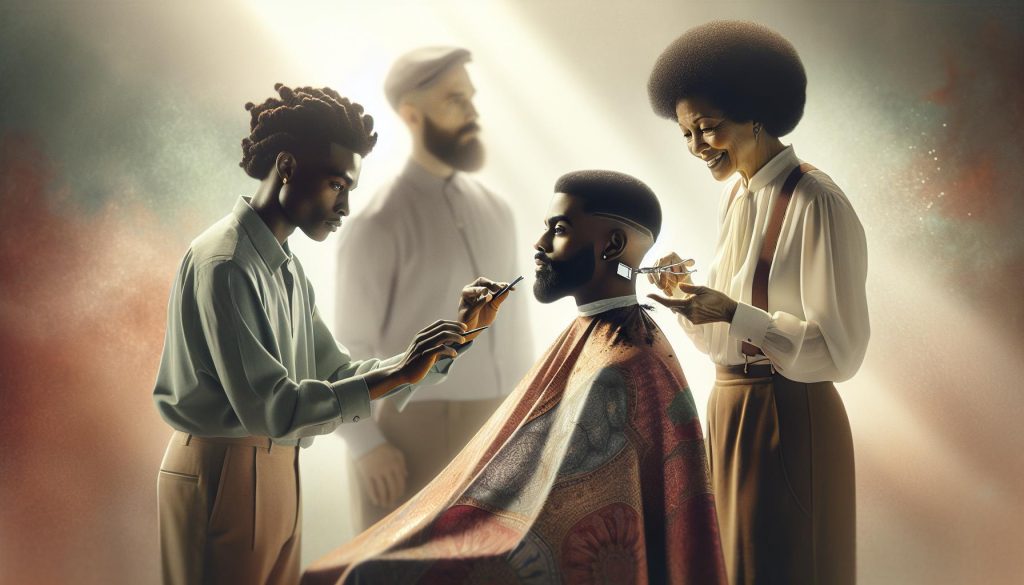
What Is a Razor Cut? Haircutting Technique and Style Benefits

Unlock the secrets of the razor cut! Discover this versatile haircutting technique and its style benefits. Get the fresh look you deserve today!

How Long Can Herpes Live on a Razor? Safety and Hygiene Facts

How Long Can Herpes Live on a Razor? Safety and Hygiene Facts

Learn how long herpes can survive on a razor and discover essential safety tips to protect yourself. Don’t risk your health-get informed now!

How to Use a Straight Razor to Shave: Mastering the Classic Method

How to Use a Straight Razor to Shave: Mastering the Classic Method

Master the art of shaving with a straight razor! Discover expert techniques and tips to achieve a smooth, irritation-free shave. Start your grooming journey today!

Can Electric Razors Cut You? Safety Facts and Best Practices

Can Electric Razors Cut You? Safety Facts and Best Practices

Can electric razors cut you? Discover essential safety facts and best practices to shave confidently without the risk. Learn the tips that keep you safe!

How Many Times Should You Use a Razor? Safe Usage Guidelines

How Many Times Should You Use a Razor? Safe Usage Guidelines

Discover how many times you should use a razor for safe, smooth shaving. Uncover expert tips and usage guidelines to prevent irritation today!

Next →
  • Home
  • Blog
  • About Us
  • FAQ
  • Contact Us
  • Privacy Policy
  • Home
  • Blog
  • About Us
  • FAQ
  • Contact Us
  • Privacy Policy

© 2025 BEAUTIFULISMYATTIRE.COM. All rights reserved.

  • Our Privacy Notice
  • Service Terms & Conditions
  • Cookie Preferences