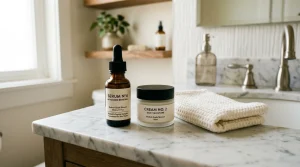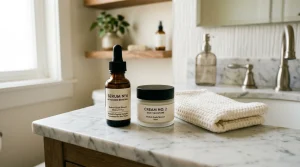
Have you ever wondered how to achieve that smooth, radiant glow without breaking the bank on salon treatments? Enter the dermaplane razor-a simple yet effective tool that can transform your skincare routine right at home. Dermaplaning not only removes dead skin cells and fine hair but also promotes cell turnover, revealing fresher skin underneath. This at-home technique is perfect for enhancing makeup application and boosting the effectiveness of your skincare products.
In this guide, we’ll walk you through everything you need to know about using a dermaplane razor-from choosing the right tool to mastering the technique without fear. Whether you’re a complete beginner or looking to refine your skills, you’ll discover practical tips and steps to achieve flawless exfoliation. So let’s delve into the world of dermaplaning and unlock the secret to brighter, smoother skin!
Understanding Dermaplaning: What Is It?
Dermaplaning is an effective skincare technique that has gained popularity for its ability to create a smoother complexion and enhance the absorption of skincare products. This method involves using a sterile surgical scalpel to gently slough away dead skin cells and fine vellus hair, often referred to as “peach fuzz.” By doing this, dermaplaning not only exfoliates the skin but also helps to reduce the appearance of acne scars and improve skin texture. Imagine the feel of your skin after a fresh, clean exfoliation-it’s not just about aesthetics; it’s about achieving that sought-after glow.
For both men and women, understanding what dermaplaning entails can help demystify the process. The technique was initially practiced in medical settings but has become accessible for at-home use, allowing individuals to replicate professional results in their own bathrooms. When performed correctly, dermaplaning boosts your skincare routine, enabling serums and moisturizers to penetrate more deeply and effectively. It’s a fantastic option for those who may feel hesitant about more invasive treatments, providing a gentle yet thorough way to refresh the skin.
Many may wonder if dermaplaning is right for them. While it’s generally safe for most skin types, those with active acne or certain skin conditions should consult a dermatologist before beginning the practice at home. The process is quick-usually taking only about 30 minutes-and can be done every three to four weeks, making it a manageable addition to your self-care routine. By incorporating this technique, you’ll not only enhance your skin’s appearance, but you’ll also enjoy a boost in confidence as you reveal a clearer, more luminous complexion.
Benefits of At-Home Dermaplaning

At-home dermaplaning is an empowering practice that can transform your skincare routine with minimal effort. Not only does it slough away dead skin cells, but it also reveals a softer, smoother complexion that enhances your natural glow. Regularly incorporating this technique into your regimen can lead to multiple benefits, making it a worthwhile addition for anyone seeking to elevate their self-care game.
One of the best advantages of at-home dermaplaning is its ability to boost product absorption. After removing the fine hairs and dead skin, your serums and moisturizers can penetrate more deeply and effectively. This means you’re getting the most out of your skincare products, which is essential for anyone invested in maintaining healthy skin. Imagine applying your favorite vitamin C serum and feeling it work its magic without the barrier of dead skin!
Another appealing benefit is improved skin texture. By regularly exfoliating with a dermaplane razor, you’ll lessen the appearance of fine lines, acne scars, and uneven skin tone. It’s an excellent way to maintain that youthful luminosity that we all desire. Not to mention, the immediate satisfaction of seeing and feeling your newly exfoliated skin is a huge morale booster.
Additionally, dermaplaning helps in the removal of peach fuzz, which can cause makeup to sit unevenly. When your skin is hair-free and smooth, products apply more seamlessly, leading to a flawless makeup application. Plus, this method is non-invasive and chemical-free, making it a gentle alternative to more aggressive treatments. This is especially beneficial for those with sensitive skin or anyone looking to avoid harsh chemicals.
With the ability to perform this technique conveniently at home, you can easily fit it into your routine every three to four weeks. Just remember to be gentle and take your time. That way, you’ll enjoy all the benefits without the hassles typically associated with salon visits. Embracing at-home dermaplaning sets the stage for radiant skin, giving you the perfect canvas to express your beauty confidently.
Choosing the Right Dermaplane Razor
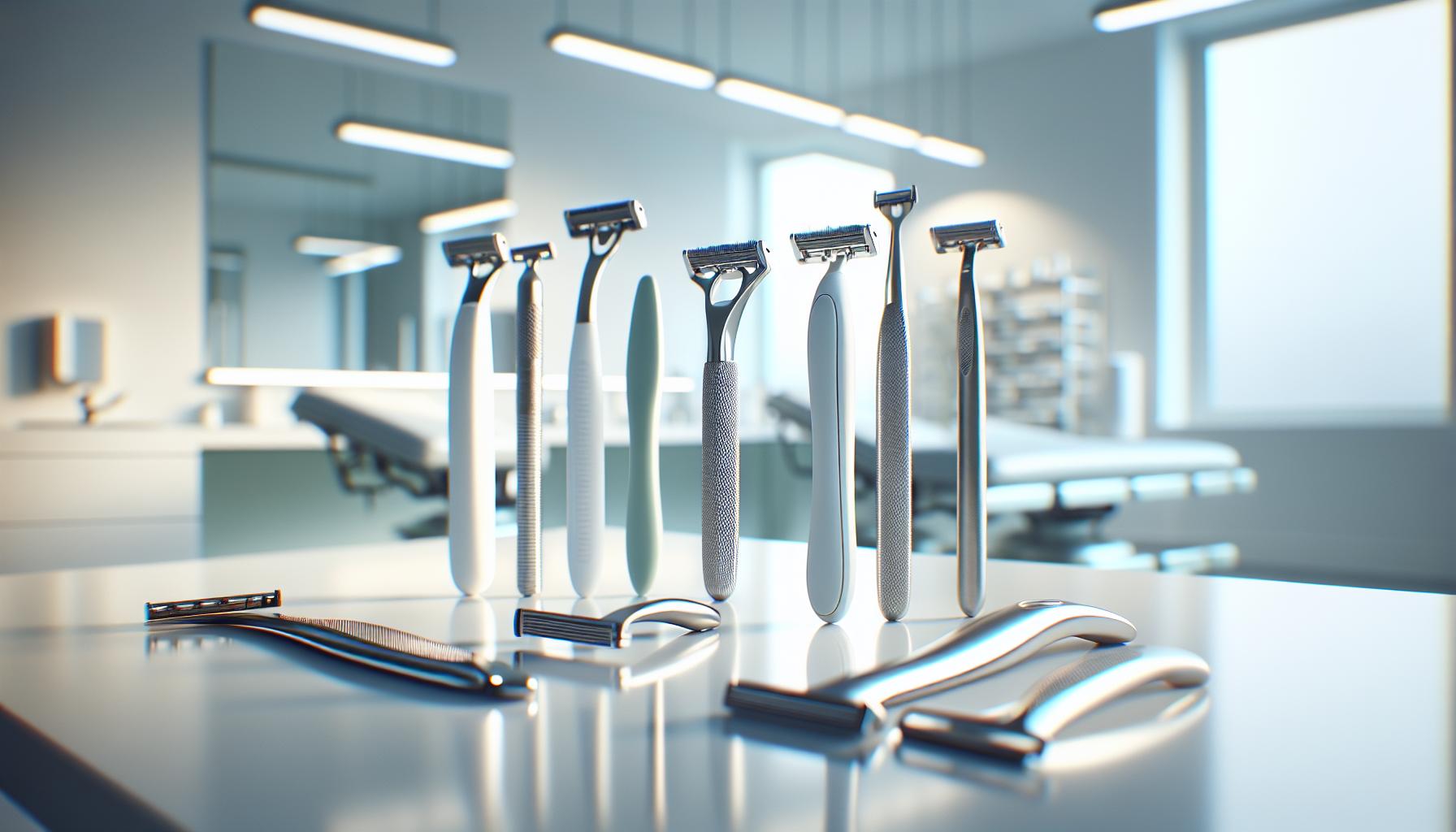
When it comes to at-home dermaplaning, choosing the right razor can significantly impact your results and overall experience. A high-quality dermaplane razor not only ensures safety but also enhances the effectiveness of the exfoliation process. There are several important factors to consider when selecting the perfect tool for your skincare routine.
First, look for a razor specifically designed for dermaplaning. These razors typically have a finer blade than regular face razors, allowing for precise exfoliation without irritating the skin. A common choice is a single-blade dermaplaning tool that sits at an optimal angle, usually between 30 to 45 degrees, to remove dead skin and fine hair effectively. Some tools even feature a textured grip, making them easier to handle and reducing the likelihood of slips during use.
Consider the design and material of the razor. Stainless steel blades are preferred as they are durable, easy to clean, and provide a smoother glide. Many at-home dermaplaning tools come with disposable blades, which is excellent for maintaining hygiene. If you find that you would like to use the tool repeatedly, look for options with replaceable blades to help reduce waste.
Lastly, think about your personal comfort and experience level. If you’re new to dermaplaning, starting with a less aggressive tool designed for beginners can help you get used to the technique without overwhelming your skin. As you become more comfortable, you can explore different types or brands to find what works best for you. By investing in the right dermaplane razor, you’re setting the foundation for a successful, safe, and enjoyable skincare ritual that can keep your skin looking radiant.
Step-by-Step Guide to Dermaplaning
To achieve glowing, smooth skin at home, dermaplaning can be an incredible addition to your skincare routine. This process involves carefully shaving away the top layers of dead skin cells and peach fuzz, leaving your skin looking fresh and vibrant. Here’s a straightforward guide to help you successfully perform dermaplaning at home.
Start by ensuring your skin is freshly cleansed and completely dry. Wash your face with a gentle cleanser to remove any makeup, dirt, or oils that might interfere with the process. You might think about applying a toner afterward to ensure your skin is at its optimal pH balance, though this step is optional. Once your skin is prepped, grab your dermaplane razor-you should be using one specifically designed for facial exfoliation to avoid potential irritation.
Holding your dermaplane razor at a 30 to 45-degree angle, gently glide it across your skin in short, light strokes. Start from the center of your face and move outward, making sure not to press too hard. Focus on areas that may have visible peach fuzz or texture, such as the cheeks and chin. Here’s a tip: use a hand mirror to get a closer look and ensure you’re not missing any spots. As you go, remember to wipe the blade frequently to remove buildup and maintain a clean edge.
After completing the dermaplaning process, rinse your face with cool water to soothe your skin and close the pores. Pat dry gently with a clean towel. To finish, apply a hydrating serum or moisturizer to replenish moisture and help your skin recover from exfoliation. This is key, as your newly revealed skin is more susceptible to dryness and irritation. Keep in mind that it’s recommended to dermaplane every three to four weeks for the best results without overwhelming your skin.
Now that you have a step-by-step framework, you can enjoy the benefits of smooth, radiant skin right from the comfort of your home!
Prepping Your Skin for Dermaplaning

To ensure an effective and smooth dermaplaning experience, prepping your skin properly is essential. This initial stage lays the foundation for successful exfoliation, allowing your dermaplane razor to glide effortlessly while minimizing the risk of irritation. Imagine your skin as a canvas; the better you prepare it, the more flawless your final masterpiece will be.
Begin by thoroughly cleansing your face with a gentle, non-exfoliating cleanser. This will help rid your skin of any makeup, dirt, and excess oils that can hinder the razor’s effectiveness. Use lukewarm water to avoid drying out your skin, and pat it dry with a soft towel. A clean surface allows the blade to work more efficiently and helps prevent clogged pores.
Next, consider incorporating a toner into your routine. While this step is optional, applying a mild, alcohol-free toner can help balance your skin’s pH, ensuring it’s in optimal condition for dermaplaning. Look for toners with soothing ingredients like rose water or chamomile, which can provide a calming effect and further prep your skin.
Finally, ensure your skin is completely dry before you start. Moisture can create slip, causing the razor to drag rather than glide smoothly. Keeping your skin dry allows for better control and reduces the chance of nicks or cuts. With this careful prepping process, you’re setting the stage for beautifully smooth skin without any added stress.
How to Properly Use a Dermaplane Razor

Using a dermaplane razor can unlock the secret to smooth, radiant skin, and it’s easier than you might think. When done correctly, this technique not only exfoliates dead skin cells but also removes fine vellus hair, leaving your complexion bright and fresh. Let’s dive into how to properly handle your dermaplaning tool for the best results.
Begin by holding the razor at a 45-degree angle to your skin. This angle ensures that the blade can glide effortlessly without digging into the skin, which can cause irritation or cuts. It’s crucial to use gentle, short strokes; think of it like painting. Start at the top of your cheek and move across your face, applying light pressure. This method allows you to cover larger areas effectively while maintaining control. Always work in small sections, for example, moving from the cheek to jawline to forehead, ensuring you don’t miss any spots.
As you progress, be mindful to avoid any areas with active breakouts or irritation. Dermaplaning on compromised skin can exacerbate these issues, so it’s best to steer clear of them entirely. After you’ve exfoliated the desired areas, use a gentle cleanser again to remove any residual skin cells and hair. This ensures your skin is clean and ready for the next steps in your skincare routine.
For the ultimate post-dermaplaning glow, follow up with a nourishing moisturizer or serum. Look for products rich in hyaluronic acid or vitamin C to hydrate and rejuvenate your skin. This final touch not only enhances the effects of dermaplaning but also provides your skin with essential nutrients, keeping it soft and luminous. Remember to maintain a soft touch throughout the process and listen to your skin; if anything feels uncomfortable, it’s perfectly okay to stop and reassess your technique. This safe and thoughtful approach will keep your skin looking its best while you enjoy the benefits of at-home dermaplaning.
Post-Dermaplaning Care: What to Do Next
After your dermaplaning session, your skin is likely to feel incredibly smooth and fresh, but taking care of it post-treatment is essential to maintain that glow and protect your complexion. Your skin will be more sensitive than usual, so it’s critical to be gentle with it. Here’s a simple guide on what to do next to ensure your skin stays happy and healthy.
First, immediately after dermaplaning, gently wash your face with a mild cleanser. This step helps remove any residual skin cells and fine hairs that may still linger on your face. Opt for a product that is free from harsh chemicals and fragrances to avoid irritation. Pat your skin dry with a soft towel-rubbing can cause unnecessary friction.
Now is the perfect time to hydrate your skin. Apply a nourishing moisturizer or serum, preferably one infused with ingredients like hyaluronic acid or vitamin C. Hydrating products help replenish moisture lost during the exfoliation process, enhance your skin’s natural barrier, and provide an added glow. For instance, using a dime-sized amount of a hyaluronic acid serum on damp skin can lock in moisture effectively. Let this absorb before moving on to the next steps.
Also, consider wearing a quality sunscreen if you’re planning to go outdoors later. Dermaplaning temporarily makes your skin more susceptible to UV damage, so protecting it from the sun is vital. Choose a broad-spectrum SPF of at least 30 and apply generously, reapplying every two hours if you remain outside.
Finally, refrain from applying makeup or strong active ingredients like retinoids or acids for at least 24 hours after your treatment. Your skin needs time to recalibrate, and less is truly more in this case. By following these simple yet effective post-dermaplaning care rules, you can enjoy a soft, rejuvenated complexion that looks even more radiant!
Common Mistakes to Avoid When Dermaplaning
When venturing into the world of at-home dermaplaning, it’s easy to make a few common missteps that could hinder your beauty routine or even harm your skin. Awareness is key to achieving that fresh, smooth look without any mishaps.
First, a frequent error is not prepping the skin adequately. Skipping the cleaning and toning steps can leave residual makeup, dirt, or oils on your face, making it more difficult to achieve an effective exfoliation. Always begin with a thorough wash using a gentle cleanser, followed by a toner to remove any lingering impurities. This creates a clean slate, ensuring that the dermaplaning tool glides effortlessly over your skin.
Another mistake people make is applying too much pressure when using the dermaplane razor. It might seem tempting to press down firmly to ensure a thorough shave, but this can lead to nicks and irritation. Instead, use a light touch and let the blade do the work; hold the razor at a 45-degree angle and gently glide it across your skin. This technique minimizes the chance of injury and allows for a smoother exfoliation process.
It’s also crucial to avoid dermaplaning over inflamed or acne-prone areas. Skin irritation or active breakouts can worsen with this method, leading to further complications. If you have any inflammation, wait until your skin has calmed down before incorporating dermaplaning into your regimen. Always listen to your skin.
Lastly, one of the biggest oversights occurs post-dermaplaning. Many people forget to hydrate and protect their skin after the treatment. Your skin will be more sensitive following exfoliation, so applying a nourishing moisturizer or serum rich in hyaluronic acid is essential. Additionally, immediately applying sunscreen if you plan to step outside is a must; the skin can be more prone to UV damage post-treatment.
By being mindful of these common mistakes, you can elevate your at-home dermaplaning experience, ensuring you achieve the silky-smooth skin you desire without unnecessary setbacks.
How Often Should You Dermaplane?
Determining the right frequency for dermaplaning can significantly impact your skin’s health and appearance. While many might be tempted to exfoliate frequently to achieve that smooth, glowing look, it’s crucial to balance this with your skin’s needs. For most people, dermaplaning every four to six weeks is advisable. This timeframe allows your skin to naturally cycle through its regeneration process, shedding dead skin cells while minimizing the risk of irritation or over-exfoliation[1][3].
If you’re considering at-home dermaplaning, factors like your skin type and condition will influence your schedule. For example, those with sensitive or acne-prone skin might find it beneficial to space their sessions further apart. On the other hand, if your skin tolerates exfoliation well, you might choose to dermaplane every three to four weeks. This frequency helps maintain that fresh look without overstressing your skin[2].
Listen to your skin as you experiment with frequency. Watch for signs of over-exfoliation, like redness, sensitivity, or excessive dryness. If you notice any of these, it may be time to extend the time between sessions. Your skin will thank you for this attentive care!
Frequently Asked Questions About Dermaplaning
When it comes to at-home dermaplaning, having your questions answered can make all the difference in feeling empowered and informed. Whether you’re a first-timer or have been doing this for a while, understanding the nuances of this technique will help you achieve the best results safely.
One common question is, “Is dermaplaning suitable for all skin types?” Generally, most skin types can benefit from dermaplaning, but those with active breakouts or certain skin conditions, like eczema or psoriasis, should be cautious. If you have sensitive skin, conduct a patch test or consult with a dermatologist to ensure it’s right for you.
Another frequent query is, “What results can I expect?” After dermaplaning, you’ll likely notice a smoother texture and a brighter skin tone. Makeup application is often easier, and your skincare products can absorb better. Many people report that their skin feels softer and looks revitalized immediately after.
You might also wonder, “How do I maintain the results?” After your session, it’s crucial to keep your skin moisturized and to apply sunscreen regularly, especially since your skin can be more sensitive to the sun post-exfoliation. Using a gentle, hydrating serum can further enhance the benefits of your dermaplaning routine.
Lastly, “How soon can I dermaplane again?” The answer varies based on individual skin types, but primarily, it’s advisable to wait at least three to four weeks between sessions. This gives your skin sufficient time to regenerate, which will help prevent any irritation.
Staying informed and prepared can transform your skin care routine into a nourishing experience, leading to a vibrant and healthy complexion. Embrace the journey of at-home dermaplaning with the right knowledge, and you’ll enjoy all the skincare benefits this technique has to offer.
Alternatives to Dermaplaning for Exfoliation
Exploring options beyond dermaplaning can uncover effective methods for achieving radiant, smooth skin. Depending on your skin type, needs, and preferences, several alternatives can provide excellent exfoliation and rejuvenation without the use of a blade. Understanding these options can empower you to find the perfect match for your skincare routine.
Microdermabrasion
Microdermabrasion is a popular choice for those seeking gentle exfoliation. This treatment uses tiny crystals to buff away dead skin cells and promote new cell growth. It can be performed in a professional setting or through at-home devices. For a DIY approach, consider investing in a microdermabrasion tool that typically includes a diamond or crystal tip. Using such tools once every couple of weeks can help your skin appear brighter and smoother, though it’s crucial to follow up with hydration and sunscreen afterward to protect your freshly exfoliated skin.
Chemical Peels
Chemical peels offer a more intensive exfoliation through the application of acidic solutions that help dissolve dead skin. These can range from mild formulas for sensitive skin to stronger options for deeper exfoliation. While at-home versions are available, consulting with a dermatologist can provide personalized recommendations based on your skin type and specific concerns. Regular peels can help target issues like acne, sun damage, and uneven skin tone, yielding visible improvements in texture and clarity.
Enzyme Exfoliation
If you prefer a more natural alternative, enzyme exfoliation might be your go-to method. Formulated with fruit enzymes, such as papaya or pumpkin, these products work gently to dissolve dead skin without the abrasiveness of scrubs or the intensity of chemical treatments. This makes enzyme exfoliating masks an excellent option for sensitive skin types or those prone to irritation. Simply apply it according to the product instructions, leave it on for the recommended time, and rinse off to reveal refreshed skin.
Physical Exfoliation
Classic physical exfoliation using scrubs or exfoliating cloths can also be effective. Look for scrubs that contain fine natural exfoliants like sugar or coffee grounds, avoiding harsh particles that can irritate the skin. When using these products, apply them to damp skin in gentle circular motions for about 30 seconds, then rinse with warm water. Be cautious not to over-exfoliate; once or twice a week is often sufficient.
Incorporating these alternatives into your skincare routine can diversify your approach to exfoliation and cater to your skin’s unique needs. As with any treatment, listen to your skin and adjust your methods based on its responses. By exploring these options, you can achieve that coveted, radiant glow while maintaining a healthy skin barrier.
Expert Tips for Professional Results at Home
Unlocking fresh, glowing skin from the comfort of your home is a tantalizing prospect, and the right techniques can make all the difference. Here are some invaluable tips to help you achieve professional-level results with your dermaplane razor.
To start, don’t rush the process. Gentle, slow strokes allow you to control the blade better and minimize any risk of irritation or nicks. Always hold the skin taut with one hand while gently gliding the razor with the other; this keeps your skin firm and reduces the chance of cuts. Aim for a 45-degree angle with the razor to ensure an effective, smooth exfoliation without applying unnecessary pressure.
Before diving into your dermaplaning session, consider preparing your skin with a thorough cleanse. Begin by washing your face with a gentle cleanser to remove makeup, dirt, and oil. Following this, applying a hydrating serum can create a smooth canvas and help the blade glide effortlessly. Look for non-comedogenic products-these won’t clog your pores and will nourish your skin during the process.
Post-session care is just as critical as the dermaplaning itself. After exfoliating, your skin may feel a bit sensitive, so apply a soothing moisturizer right after. This helps lock in hydration and calms any potential redness. Don’t forget to use sunscreen during the day for at least a week, as your freshly exfoliated skin is more susceptible to sun damage.
Lastly, don’t hesitate to invest in a high-quality dermaplane razor. Poor quality tools can lead to uneven results or, worse, skin damage. Look for razors designed specifically for facial use, often featuring a protective guard that helps prevent nicks while fostering a close shave. Regular replacement is key; using a dull blade can cause irritation or ineffective exfoliation.
By following these tips, you’ll not only ensure a smoother application but also boost the overall effectiveness of your dermaplaning routine, reflecting that radiant glow you seek. Happy exfoliating!
Faq
Q: What is the best technique for using a dermaplane razor at home?
A: The best technique involves holding the razor at a 45-degree angle and using gentle, short strokes. Always glide the blade in the direction of hair growth, not against it, to minimize irritation and achieve smooth results.
Q: How do I prepare my skin before using a dermaplane razor?
A: Prepare your skin by cleansing it thoroughly to remove makeup, oils, and impurities. Pat it dry, and consider applying a hydrating toner to ensure your skin is clean and ready for exfoliation. For more prepping tips, check out the “Prepping Your Skin for Dermaplaning” section.
Q: What should I do immediately after dermaplaning?
A: After dermaplaning, apply a gentle moisturizer or aloe vera gel to soothe the skin. Avoid harsh products like retinoids or active acids for at least 24 hours to prevent irritation. For post-care tips, see the “Post-Dermaplaning Care: What to Do Next” section.
Q: How often should I use a dermaplane razor at home?
A: It’s recommended to dermaplane every 3-4 weeks, depending on your skin type and needs. This schedule allows time for dead skin cells to build up, ensuring effective exfoliation without overdoing it.
Q: What skin types should avoid at-home dermaplaning?
A: Those with active acne, severe rosacea, or eczema should avoid at-home dermaplaning. These conditions can lead to irritation or infection. Always consult a dermatologist if unsure about your skin’s suitability for the treatment.
Q: Can I use a dermaplane razor on sensitive skin?
A: Yes, but caution is advised. Use a gentle approach, and test a small area first to ensure no adverse reactions occur. Opt for a razor specifically designed for sensitive skin for better results.
Q: What mistakes should I avoid when dermaplaning at home?
A: Avoid pressing too hard, dermaplaning over active breakouts, or using the razor on dry skin. Also, don’t forget to clean your razor after each use to maintain hygiene. Check out “Common Mistakes to Avoid When Dermaplaning” for more insights.
Q: Is it better to dermaplane wet or dry skin?
A: Dermaplaning is typically more effective on dry skin, as it allows for better control and precision. However, lightly misting your face with a hydrating spray can provide a soothing effect while still allowing for effective exfoliation.
Concluding Remarks
Now that you’re equipped with the knowledge on how to effectively use a dermaplane razor for at-home facial exfoliation, it’s time to take action! Remember, this simple yet effective technique not only removes peach fuzz but also promotes smoother skin and better absorption of your skincare products. Don’t wait to transform your routine-try dermaplaning today and unveil your freshest face yet!
If you have any questions or need more tips on skincare, be sure to check out our related articles on the best facial moisturizers and post-dermaplaning skincare routines. Join our community by signing up for our newsletter, where we share exclusive beauty tips and product recommendations. Ready for your next steps? Explore our recommended dermaplaning tools to find the one that suits you best! Your journey to radiant skin starts here-let’s take that next step together!
Get our latest guides, news, and insights highlighted in your Google Search & AI Overviews.