
Have you ever wondered why some razors cost as much as a nice dinner out? The truth behind premium pricing in the razor market can be surprising, as it often goes beyond just the brand name. With countless options available, it’s easy to feel overwhelmed and frustrated when faced with hefty price tags. Understanding the factors that drive these costs-from advanced engineering and materials to marketing strategies-can empower you to make informed choices that suit both your grooming needs and your budget. Join me as we explore the reasons behind razor pricing and unravel the mystery, guiding you toward a more satisfying shave without breaking the bank.
Understanding the Economics of Razor Pricing
The world of razor pricing reveals a complex interplay of manufacturing costs, market demand, and consumer perception. At first glance, a $10 razor and a $50 razor might perform similarly, but the pricing difference can often be attributed to the features, technology, and materials used in production. For instance, premium razors may utilize advanced blade technology designed to enhance comfort and reduce irritation, often a critical factor in consumer purchasing decisions.
One significant factor in razor pricing is the extensive marketing and branding strategies employed by manufacturers. Companies invest heavily in advertising campaigns to create a perception of premium quality and desirability. This branding can justify higher prices, especially when consumers are led to believe that more expensive models offer superior results. Additionally, brands often leverage emotional appeals-such as messages around masculinity or grooming rituals-that resonate with consumers, shaping their willingness to pay more.
Moreover, the cost structure behind razor manufacturing plays a vital role. The production chain involves expenses related to high-quality materials, labor, and research and development. For example, titanium-coated blades might be more expensive to produce than stainless steel alternatives, leading to a higher retail price. Understanding these hidden manufacturing costs can help consumers recognize why certain razors are priced at a premium and distinguish between genuine value and marketing hype.
Ultimately, the pricing of razors is not solely about the product itself but also about the larger economic factors at play, including supply chain costs, consumer demand, and competitive positioning. As a savvy consumer, being aware of these influences not only empowers better purchasing decisions but also encourages a more skeptical view towards marketing tactics that prioritize brand over substance.
Exploring the Features of Premium Razors
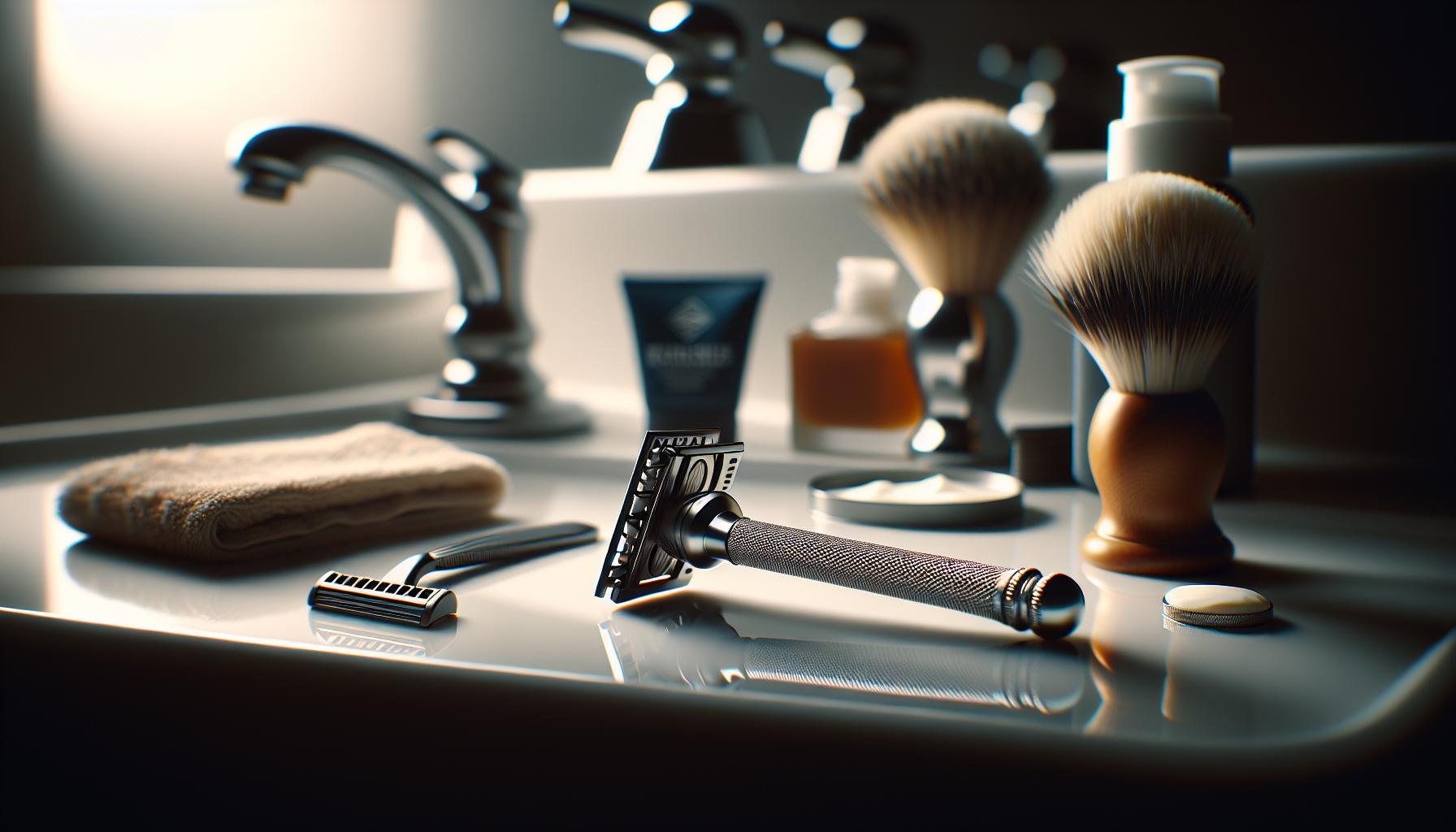
Investing in a premium razor can feel like a leap, but understanding the standout features can help justify that price tag. Most premium razors are crafted with precision, often showcasing cutting-edge technology that enhances the shaving experience. For instance, blades that are coated with advanced materials like titanium or ceramic tend to stay sharper longer and reduce irritation. Such innovations directly contribute to a smoother shave, minimizing the risk of nicks and cuts.
Another significant aspect is the design and ergonomics of high-end razors. Premium models often feature ergonomic handles crafted from materials that not only feel great in your hand but also provide a better grip, reducing the chance of slipping during shaving. Look for designs that are balanced and comfortable, which can transform the routine into a more enjoyable experience. Additionally, some of these razors come with customizable settings, allowing users to adjust the angle or tension for a personalized shave.
Enhanced Comfort and Futuristic Features
High-end razors are frequently equipped with added comfort features, such as moisturizing strips infused with vitamins or essential oils that hydrate the skin while you shave. For example, some models include built-in lubrication, which helps to glide the razor over the skin, making each pass smoother. This not only enhances comfort but also ensures a closer shave.
Another feature to watch for is pivoting heads. This gives the razor the flexibility to follow the contours of your face or body much more closely than basic models, providing an effective shave without excessive pressure. When choosing a razor, ask yourself if you value these features as they often correlate directly with the price.
Ultimately, premium razors are more than just a fancy tool; they encompass a range of thoughtful enhancements aimed at improving your overall grooming routine. While you may pay more upfront, the potential for a better, less irritating shaving experience and a longer-lasting product can make a significant difference in your daily self-care regime.
The Role of Branding in Razor Costs
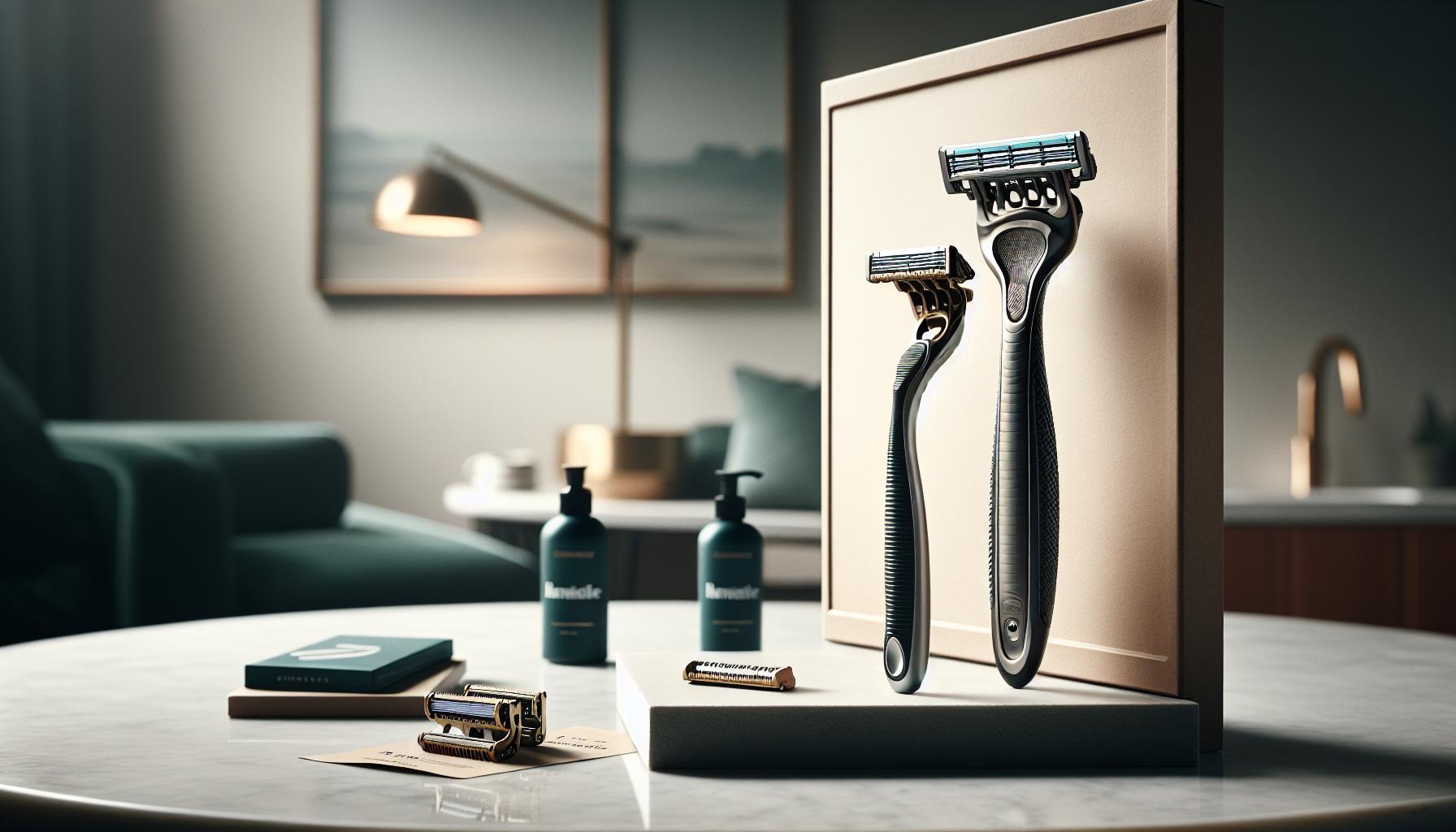
Many consumers often wonder why they are paying a premium for razors and how branding plays a significant role in pricing. You may have noticed that prominent brands command much higher prices compared to lesser-known ones, and this isn’t just due to the quality of the product. A substantial part of what you’re paying for is the brand’s reputation, marketing efforts, and perceived value.
Brands invest heavily in marketing strategies designed to create a strong emotional connection with consumers. This includes everything from slick advertising campaigns to sponsorships and celebrity endorsements. Such branding efforts generate awareness and foster trust, leading consumers to feel more confident in spending more on familiar names. For instance, a brand known for its high-quality razors may draw in customers who associate that brand with a superior shaving experience, even if cheaper alternatives exist.
The Psychology of Branding
The psychology behind branding is fascinating. Many people are influenced by brand loyalty, which can lead to a willingness to pay ten dollars more for a razor that’s part of a well-regarded line compared to a less-prestigious alternative. This loyalty is often driven by positive past experiences, which reinforce the belief that spending more translates to better results. Additionally, the concept of “you get what you pay for” can lead consumers to associate higher-priced alternatives with better quality.
Moreover, the branding effect extends beyond just the razors themselves. Consumers are often swayed by other product offerings under the same brand umbrella. For example, if you trust a brand for its blades, you might also feel inclined to try their shaving creams or aftershaves, often bundled together at a premium price. This cross-selling technique enhances the brand’s image as a comprehensive grooming solution rather than just a razor manufacturer.
Key Takeaways
- Brand Reputation: Strong brand names often lead to higher prices due to established trust and perceived quality.
- Marketing Impact: Significant investments in marketing create emotional connections, influencing consumer choices.
- Loyalty and Psychology: Consumers frequently choose familiar brands based on past experiences, further driving up demand and prices.
Understanding the role of branding can help you make informed purchasing decisions, weighing the benefits of brand loyalty against the potential for less expensive yet effective alternatives. Always consider whether the premium you’re paying aligns with your shaving needs and budget.
Comparing Traditional vs. Subscription Razor Models
Shaving has evolved significantly over the years, leading to two main models that many people choose from today: traditional razors and subscription-based razors. Each option has its unique advantages and disadvantages, shaping how consumers approach their grooming routine and how much they end up spending.
Traditional razors often bring a sense of nostalgia and craftsmanship that many find appealing. Typically, these razors include safety razors or cartridge razors that require purchasing replacement blades separately. While the initial cost may be lower for a single traditional razor, buying replacement blades over time can add up, especially for those who shave daily. Additionally, traditional razors often offer a wider variety of blade types, allowing users to find the perfect fit for their shaving preferences. This approach also lets you explore brands and discover which blades work best for your skin and beard type, providing a more tailored experience.
On the other hand, subscription razor services have dramatically changed the shaving landscape. With a simple online sign-up, users receive fresh blades delivered directly to their door at regular intervals, which eliminates the hassle of remembering to purchase replacements. Subscription models typically feature a flat monthly fee, making it easy to budget for shaving costs. Some providers also offer flexible delivery schedules based on individual needs, ensuring you never run out of blades. However, the downside is that over time, these subscriptions can turn out to be more expensive than anticipated, especially if subscription plans lock you into fees that might exceed the cost of purchasing traditional blades outright.
When making a choice, consider your shaving habits and preferences. If you enjoy the ritual of shaving and prefer a hands-on approach to selecting your blades, the traditional route may suit you better. Conversely, if convenience and a no-fuss approach are more your speed, a subscription model could be an excellent fit. Ultimately, understanding the differences between these two models allows you to make an informed decision that aligns with your grooming habits and budget.
Key Takeaways
- Traditional razors offer craftsmanship and personalization but might require ongoing investments in replacement blades.
- Subscription models provide convenience with regular deliveries but can accumulate hidden costs over time.
- Evaluate your shaving habits to determine which option aligns better with your lifestyle and financial preferences.
What Makes a Razor “Premium”?
The allure of premium razors often lies in their blend of design, functionality, and user experience. But what exactly elevates a razor to “premium” status? To start, premium razors tend to feature advanced materials and engineering that promise a smoother shave. A good example is the use of high-grade stainless steel or specific alloys that resist rust, damage, and wear. These materials not only enhance durability but also contribute to a more effective cutting edge, resulting in less tugging and pulling during each shave.
Another key element is the ergonomic design that many premium razors boast. Think about the comfort of your grip; a thoughtfully designed handle can significantly reduce hand fatigue and improve precision. Premium models often incorporate features such as rubberized grips or unique contours that conform to the hand, making the shaving process more enjoyable and less taxing on the user.
Additionally, the technology behind the blades themselves plays a crucial role in defining premium razors. Many high-end brands invest in meticulous research to create blades that reduce friction and provide superior sharpness. For instance, you will often find advanced coatings like ceramic or platinum applied to the blade surfaces. These not only prolong the life of the blades but also enhance the glide across the skin, making for a much more pleasant shaving experience.
Ultimately, when investing in a premium razor, you’re not just paying for the product itself but also for the innovation and experience that come with it. It’s about whether you want a mild, luxurious experience with every shave and the payoff of fewer nicks and irritation, which can save both your skin and time in the long run.
In summary, many factors contribute to the premium classification of razors, including:
- Material quality: high-grade, rust-resistant materials enhance both durability and performance.
- Ergonomic design: comfortable grips and shapes ensure ease of use, making shaving less of a chore.
- Advanced blade technology: innovative coatings and sharpness lead to a smoother, more effective shave.
Investing in a premium razor can transform your shaving routine into a more enjoyable and efficient experience, making it worthwhile for those who value comfort and quality in their personal care rituals.
Hidden Costs of Razor Manufacturing
The unexpected price tags on razors often leave consumers questioning why they are so expensive. One hidden aspect of razor pricing lies in the often overlooked costs associated with their manufacturing. Creating a high-quality razor involves more than just assembling a few parts; it encompasses extensive research and development, quality materials, and precise engineering.
One critical factor is the sourcing and treatment of materials. Premium razors typically use high-grade stainless steel or innovative alloys to ensure durability and performance. This level of material quality isn’t just about resistance to rust; it also plays a pivotal role in maintaining a sharp edge for longer periods. For example, stainless steel that undergoes advanced treatments may cost significantly more but results in a product that delivers a smoother shave with fewer nicks and irritations, ultimately saving you money on skincare remedies later.
Then there’s the manufacturing process itself. High-quality razors are often produced with meticulous attention to precision, ensuring that each blade aligns perfectly for optimal performance. This level of precision requires specialized machinery and skilled labor, which contribute to increased costs. In addition, companies invest in rigorous quality control procedures to catch any defects before the product reaches the consumer, adding another layer to manufacturing costs.
Furthermore, the expenses related to branding and marketing cannot be ignored. Premium brands often position themselves not just as razor manufacturers but as providers of lifestyle experiences. They invest in advertising, sponsorships, and promotions, which get factored into the product price. While this might seem extraneous, it’s essential for building trust and brand loyalty among consumers, making the higher price feel justified.
In summary, understanding the can empower you to make more informed choices as a consumer. By recognizing the layers of investment-from material quality to engineering precision and branding-you can appreciate why some razors come with a hefty price but also feel more confident in your purchasing decisions.
Consumer Behavior: Why We Pay More
Consumers often find themselves perplexed by the high costs associated with premium razors. Surprisingly, purchasing decisions are driven not just by the tangible product but also by psychological factors and societal influences. Many people associate price with quality-a belief that investing more in a razor guarantees a better shaving experience. This perception fuels a willingness to pay higher prices, as consumers expect superior materials, craftsmanship, and technology in return.
Moreover, branding plays a critical role in shaping consumer behavior. Renowned brands invest heavily in marketing strategies, presenting themselves as leaders in innovation and quality. Ads showcasing advanced engineering or celebrity endorsements can create a sense of trust and aspiration. When consumers see a brand aligned with a lifestyle they admire, they are often more inclined to pay a premium. For instance, high-quality razors often feature sophisticated designs and ergonomic handles that promise a luxurious feel-elements that resonate strongly with consumers’ desire for self-care and pampering.
Additionally, the fear of underperformance can drive consumers toward pricier options. Many individuals have experienced the frustration of a dull blade that causes nicks or irritation. In this context, spending more on a reputable brand can feel like an insurance policy against bad experiences. In essence, the perception that “you get what you pay for” leads many to view their razor purchase as an investment in not just grooming, but also in well-being.
Ultimately, understanding these psychological underpinnings can help consumers make more informed choices. Recognizing that you can often achieve similar outcomes with less expensive alternatives-or that purchasing practices based on brand loyalty might not always align with value-can empower you to choose a razor that suits your needs without straining your budget. Remember, it’s possible to find a balance between cost and efficacy, focusing on what truly works for you.
Expert Opinions: Do Expensive Razors Work Better?
Investing in a high-priced razor can spark curiosity about whether the extra cost truly translates to a better shaving experience. Many consumers wonder if more expensive options genuinely provide superior performance or comfort. The answer isn’t straightforward, as various factors influence both the effectiveness of premium razors and individual shaving experiences.
One significant aspect to consider is the blade quality. Premium razors often feature advanced engineering, with blades that are sharper and designed to maintain their edge longer. For instance, some high-end razors use multiple layers of coating to reduce friction, which can lead to a closer shave with less skin irritation. Users frequently report improved comfort and reduced nicks or cuts with these quality blades, particularly for sensitive skin types. Additionally, premium brands may invest in ergonomic handle designs, which enhances precision and maneuverability during the shaving process.
That said, the most expensive razor is not automatically the best choice for everyone. Some users find that less expensive, simpler razors meet their needs without the bells and whistles. It’s also important to recognize that personal preferences play a massive role in shaving success. For example, someone accustomed to a particular type of razor may struggle to adapt to a totally different system, regardless of the price tag. Ultimately, experimenting with various options, including both premium and budget-friendly products, can help you discover what works best for your specific skin type and shaving style.
In summary, while expensive razors often provide superior quality and performance, individual experiences and preferences greatly influence outcomes. A higher price can correlate with better materials and design, but it’s essential to assess how each option aligns with your unique needs-sometimes, a less expensive razor can deliver just as satisfying a shave.
Cost-Saving Alternatives for Everyday Shaving
Finding ways to save on the cost of shaving while still achieving a great experience can feel like a daunting task, especially given the premium pricing of many well-known razors. Fortunately, there are several cost-effective alternatives that can help you maintain your grooming routine without breaking the bank. These options allow you to enjoy smooth skin and a close shave, all while keeping your budget intact.
One of the simplest ways to save money is to consider traditional safety razors. These reusable razors allow you to replace only the blade, which is generally much cheaper than purchasing entire cartridge systems. A pack of high-quality double-edged blades can cost as little as $10 for 100 blades-offering a significant long-term savings over disposable razors. Not only do safety razors provide a close shave, but the classic design also reduces waste, making it an eco-friendly choice.
Another great alternative is using a shaving brush and soap instead of foam in a can. While the initial investment in a decent brush and a good-quality soap may seem higher, they deliver a richer, more lubricating lather. This not only helps protect your skin but often leads to a better overall shave. Many artisanal brands offer soaps that are both enjoyable to use and budget-friendly, transcending just the cost and enhancing your overall shaving experience.
- Explore reusable razors: Invest in a safety razor or a straight razor that only requires changing the blades.
- Consider shaving soap: Use a brush with soap to create a rich lather-it’s often cost-effective and offers better lubrication than canned products.
- Buy in bulk: Look for bulk deals on blades or shaving creams to save more over time.
- Try multi-use products: Use all-in-one products that can serve multiple grooming needs-like a beard oil that doubles as a shaving oil.
Lastly, don’t overlook the power of routine maintenance. Regularly changing your blades and properly cleaning your razor can extend its life and performance. Creating a habit of maintaining your shaving tools not only saves money but also enhances your shaving experience by ensuring a consistent level of performance.
By employing these cost-saving strategies, you can continue enjoying quality shaves without succumbing to the expense often associated with high-end razors. Whether you opt for reusable blades or leverage traditional techniques, there’s a wealth of opportunity to keep your grooming routine affordable and effective.
The Impact of Razor Technology on Pricing
Razor technology has evolved significantly over the years, and this evolution directly impacts pricing. Modern razors often feature advanced designs, materials, and technologies aimed at delivering a superior shaving experience. For instance, multi-blade systems promise to offer a closer shave by distributing pressure more evenly across the blades, reducing irritation. This level of engineering and precision can justify higher price points, often leading consumers to wonder if the numerous features truly enhance the shaving experience.
One major advancement in razor technology is the use of specialized coatings on blades, such as those that reduce friction or make the blades sharper and longer-lasting. These innovations require extensive research and development, contributing to the overall cost of the final product. Additionally, some razors include features like pivoting heads, built-in moisture strips, or ergonomic designs that are intended to improve user comfort and efficiency, further driving up costs. Such features are designed with consumer needs in mind, catering to those who experience discomfort or irritation when using standard razors.
Moreover, the manufacturing process for premium razors often incorporates high-quality materials. For example, stainless steel or proprietary substances can be used to create blades that not only provide a sharper edge but are also more resistant to rust and wear. This focus on durability can lead to higher initial costs, albeit with the promise of longevity and effective performance over time. When prices reflect the technology and materials used, consumers may feel more confident investing in a premium product, believing that they will benefit from superior results and experience.
It’s essential for consumers to evaluate these factors when considering a razor purchase. While the price may initially seem steep, the long-term savings achieved through the durability and efficiency of technologically advanced razors can make the investment worthwhile. By understanding the relationship between razor technology and pricing, consumers can make informed decisions that align with their shaving needs and budget.
Trends in the Shaving Industry: What’s Next?
With an increasing focus on sustainability and personalized grooming experiences, the shaving industry is undergoing significant transformations. One of the most notable trends is the rise of eco-friendly products. Many brands are now introducing razors made from recyclable materials or offering blade subscription services that promote minimal waste. This shift not only aligns with consumers’ growing environmental concerns but also reflects a broader commitment to sustainability in personal care routines.
Moreover, customization is becoming a key driver in the market. Brands are leveraging technology to offer customizable razors that cater to individual preferences, whether it’s regarding the blade type, handle design, or even the shaving gel used. This personal touch allows consumers to tailor their shaving experience, making it more enjoyable and effective. Subscription models also support this trend, allowing users to choose frequency and type of blades according to their needs, helping them save money and reduce excess packaging over time.
Digital Influence and Direct-to-Consumer Sales
Another exciting development is the digital transformation of the shaving industry. The prevalence of direct-to-consumer (DTC) brands has reshaped how consumers engage with grooming products. These brands often cut out the middleman, bringing prices down while providing transparency about pricing and product features. By using social media and influencer marketing, these brands connect more personally with their audience, gathering real-time feedback to inform product development. This interaction not only enhances customer loyalty but also enables brands to respond swiftly to market demands.
Finally, as consumers become more educated about grooming options, there’s a growing interest in premium, heritage, and artisan products. Traditional razors, such as straight razors or safety razors made from high-quality materials, are seeing a resurgence. These razors often come with a higher price tag, but they provide longevity and a more refined shaving experience. As consumers continue to seek quality and craftsmanship, the market may shift further towards these premium offerings, demonstrating that while price points may rise, the perceived value does too.
In conclusion, the future of shaving is promising, with trends that emphasize sustainability, customization, digital engagement, and a return to quality. By staying ahead of these developments, consumers can make informed choices that elevate their grooming routines while also considering the broader impact of their purchases.
Tips for Choosing the Right Razor for You
Choosing the right razor can feel overwhelming, especially with the myriad options available and their varying price points. The secret to making a wise decision lies in understanding your personal grooming needs and preferences, which can save you money in the long run. Consider what type of shaving experience you desire and how often you shave. For example, if you have sensitive skin, a razor with multiple blades may cause irritation, while a single-blade safety razor could provide a gentler option.
When evaluating razors, it’s important to recognize what features align with your needs. High-end razors often boast materials like stainless steel for durability, ergonomic handles for comfort, and adjustable aggressiveness settings to customize your shave. If you prefer a close shave, look for razors designed with precision in mind-such as those with a guard or a flexible head that conforms to facial contours. Balancing comfort and efficiency can greatly enhance your shaving experience.
Consider also the impact of the razor’s maintenance on your choice. Some razors require more upkeep than others. For instance, traditional safety razors or straight razors need regular blade replacement and honing, which can become part of a satisfying ritual. In contrast, disposable razors are low maintenance but may lead to higher long-term costs if you frequently replace them. Understanding these dynamics will not only help you choose a razor that fits your budget but also one that matches your lifestyle.
Lastly, don’t overlook customer reviews and expert recommendations. Engaging with communities focused on grooming can provide insights into the effectiveness of various models. You might discover that a less expensive option works just as well for you as a more expensive one. Remember, the right razor isn’t always the priciest; it’s the one that gets the job done effectively while ensuring your comfort. Taking time to research and consider your options will result in a more satisfying and potentially cost-effective shaving ritual.
Frequently asked questions
Q: Why do premium razors cost so much more than basic ones?
A: Premium razors often include advanced technology, better materials, and additional features that enhance the shaving experience. These costs reflect research and development, superior manufacturing processes, and branding practices that make them appealing to consumers seeking quality and performance.
Q: Are expensive razors worth the investment?
A: Expensive razors can provide a closer, more comfortable shave, potentially reducing skin irritation and shaving-related issues. However, personal preference plays a significant role; it’s essential to consider how a razor’s features align with your specific needs and shaving habits.
Q: What hidden costs contribute to the price of razors?
A: Hidden costs include the ongoing purchase of replacement blades, packaging expenses, and marketing investments that brands put into promoting their products. These factors can significantly elevate the total lifetime cost of using a premium razor system.
Q: How do subscription razor services affect pricing?
A: Subscription services typically offer lower upfront costs for razors but can lead to higher cumulative spending over time. They often provide convenience and encourage regular blade replacements, which can appeal to those looking to avoid the hassle of in-store shopping.
Q: What are the differences in blade quality between cheap and expensive razors?
A: More expensive razors often feature higher-quality steel, precision-engineered blades, and coatings that improve glide and sharpness. This can result in a smoother shave with less pulling and irritation compared to budget options.
Q: How does branding influence the price of razors?
A: Branding often adds perceived value to razors, with companies investing in marketing campaigns that create a strong brand identity. Consumers may be willing to pay a premium for brands that they trust or associate with high quality and social status.
Q: When should you replace your razor blades for optimal performance?
A: It’s best to replace razor blades after 5-7 shaves, or sooner if you notice pulling or irritation during shaving. Regularly changing blades ensures a closer, more comfortable shave and minimizes the risk of cuts and skin irritation.
Q: Why do some people prefer disposable razors over premium ones?
A: Disposable razors appeal to users seeking affordability, convenience, and ease of use without the need for maintenance. They’re perfect for travel or one-time use situations, making them a practical choice for many consumers.
For deeper insights into how razors are priced and tips for choosing the right one, check out our article sections on “Understanding Razor Pricing” and “Tips for Choosing the Right Razor for You.”
Key Takeaways
Understanding why razors are priced at a premium can empower your purchasing decisions and elevate your grooming routine. Now that you’re equipped with insights into quality, brand influence, and design sophistication, it’s time to take action. Consider exploring our guide on “Finding the Right Razor for Your Skin Type” to ensure you’re making the best choice for your needs.
Don’t let the confusion around razor pricing hold you back. Join our newsletter for expert tips and tricks, and stay updated on the latest grooming trends! If you’re curious about how to make your shaving experience smoother and more effective, check out our blog on “Essential Shaving Techniques You Need to Know.”
Your grooming journey doesn’t end here. Share your thoughts in the comments below or connect with us on social media, where we love hearing your stories and advice! Together, let’s achieve the best in personal care while tackling your beauty challenges with confidence.