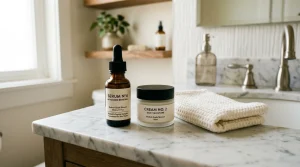
Have you ever found yourself out of shaving cream and wondered if you could use your facial cleanser instead? This common dilemma raises an essential question: can a cleanser double as a shaving product? The idea of simplifying your grooming routine while achieving a close, comfortable shave is appealing, especially for those of us juggling busy schedules.
In this article, we’ll explore the effectiveness of using facial cleansers for shaving, shedding light on their benefits, such as enhanced skin nourishment and reduced irritation. You’ll discover practical tips, real-life examples, and what to look for in the right product to keep your skin healthy and your shave smooth. So, if you’re curious about making this switch, keep reading to find out if a cleanser might just be your new go-to for a better shaving experience!
Choosing the Right Cleanser for Shaving
can make a significant difference in your grooming routine. Many people wonder if they can use their regular facial cleanser as a substitute for traditional shaving creams or gels. The answer is nuanced and largely depends on the type of cleanser and your skin type.
A great place to start is by selecting a cleanser that offers sufficient lubrication and moisture. Creamy, hydrating cleansers such as CeraVe‘s Foaming Facial Cleanser or Cetaphil’s Gentle Skin Cleanser are beneficial options. These formulations not only cleanse but also condition the skin, providing a smoother surface for the razor to glide over, minimizing the risk of irritation or cuts during shaving. The viscosity plays a crucial role; look for cleansers that are less watery and more gel-like or creamy, as they tend to create a better protective barrier on the skin.
It’s also important to consider your skin type. If you have sensitive or acne-prone skin, opt for cleansers free from harsh chemicals or fragrances. Ingredients like ceramides or glycerin can hydrate and protect, making them suitable additives in a shaving routine. Conversely, individuals with oily skin may benefit from foaming cleansers that help reduce excess oil without stripping the skin of its natural moisture.
Ultimately, when choosing a cleanser for shaving, prioritize formulations that balance cleansing efficacy with skin care benefits. This thoughtful approach ensures a smoother shave while nurturing your skin.
Benefits of Using Cleanser Over Cream
Using a cleanser instead of traditional shaving cream can be a game-changer in your grooming routine, offering several unique benefits that can enhance your shaving experience. Firstly, many facial cleansers are formulated to gently yet effectively remove dirt and oil from the skin while providing a moisturizing effect. This dual action ensures that your skin is not only clean but also well-hydrated, which is essential for a smooth shave. When your skin is properly hydrated, the risk of irritation and razor burn decreases significantly, allowing for a more comfortable shaving experience.
Another significant advantage of using a cleanser is its versatility. Unlike shaving creams that are specifically designed for that purpose, many cleansers can also serve as a pre-shave treatment, creating a barrier that helps the razor glide more effortlessly over your skin. For instance, creamy cleansers or those with gel-like textures can provide the right amount of slip, minimizing friction and preventing nicks. While traditional creams may offer similar benefits, the inclusion of skin-nourishing ingredients such as glycerin or prebiotics in high-quality cleansers provides added moisture and protection during the shave.
Moreover, opting for a cleanser can streamline your grooming routine, simplifying the number of products you need. Instead of managing multiple products-like cleanser, shave cream, and aftershave-using a multifunctional cleanser allows you to achieve clean skin and a smooth shave with one product. This not only saves time but also reduces clutter in your bathroom, making your daily process more efficient.
Lastly, many people find that their skin reacts better to gentle cleansers, especially those formulated without harsh chemicals or artificial fragrances. If you have sensitive or easily irritated skin, switching to a mild cleanser can maintain comfort while shaving. This consideration is particularly important for individuals with conditions like acne or rosacea, where traditional creams might exacerbate inflammation. Balancing between cleansing and shaving offers a practical solution to maintain skin health while achieving a close shave.
Step-by-Step Guide to Shaving with Cleanser
Shaving with a cleanser can be a refreshing alternative to traditional shaving creams, allowing you to achieve a smooth shave while ensuring your skin remains clean and hydrated. Follow this step-by-step guide to seamlessly integrate a cleanser into your shaving routine, whether you’re a seasoned shaver or trying it for the first time.
Start by prepping your skin. It’s best to do this right after a warm shower or wash your face with warm water to open up your pores and soften the hair. This will set the stage for a smoother shaving process. Apply a mild, hydrating cleanser-a dime-sized amount should suffice-to damp skin. Use gentle circular motions to cleanse the area for about 30 seconds. This not only removes impurities but also starts to hydrate your skin, creating an ideal surface for shaving.
Next, it’s time to shave. With a clean razor in hand, lightly glide over your skin in the direction of hair growth. Avoid pressing too hard; let the weight of the razor do the work. Using a cleanser can enhance the glide due to its smooth texture, so take your time and feel for any areas that might need a second pass. If you need more slip, you can lightly wet your face again or add a little more cleanser to the area you’re shaving.
After you’ve finished shaving, gently rinse your face with cool water. This helps close your pores and reduces the risk of irritation. Now, for post-shave care, apply a soothing toner or a light moisturizer to replenish your skin. This step is crucial, especially since cleansing provides a clean base for hydration but can leave your skin feeling a bit dry if not followed with a moisturizer.
Remember, embracing a cleanser as a shaving aid doesn’t have to be intimidating. With these steps, you can sculpt a routine that works for you, promoting healthy skin while achieving that clean look. Enjoy the process and feel empowered with each shave!
Common Mistakes When Shaving with Cleanser
Shaving with a cleanser can be an effective alternative to traditional creams, but many people fall into common pitfalls that can compromise their shaving experience. One of the biggest mistakes is skipping the skin prep phase. Neglecting to cleanse and hydrate your skin before applying cleanser can lead to a rough shave. Always begin your routine with warm water to open up your pores, making it easier for the razor to glide over the skin.
Another frequent oversight is using too much cleanser. While you may think more product equals a better shave, this can actually lead to a greasy feel and ineffective slickness. A dime-sized amount is usually sufficient; apply it to damp skin and massage it in gently. This not only ensures you have enough glide but also prevents any product build-up that could irritate your skin.
Many individuals also make the mistake of applying too much pressure while shaving. The belief that pressing harder will provide a closer shave is misguided. Instead, use a light touch and let the weight of the razor do the work. This approach reduces the risk of nicks and cuts, particularly if you’re using a cleanser that enhances glide. If you’re feeling resistance, it’s a good idea to add a small amount of additional cleanser or lightly mist your face with water.
Finally, don’t skip post-shave care. Some might think that using cleanser is enough, but skipping aftercare can leave skin feeling dry and irritated. After washing your face with cool water to close the pores, apply a soothing toner or a light moisturizer. This step helps replenish your skin’s moisture barrier and mitigates dryness that may arise from using a cleanser.
By avoiding these common mistakes, you can enhance your shaving experience, maintain healthier skin, and feel confident with your routine. Remember, patience and care are key to achieving the smooth, irritation-free shave you desire!
How to Prepare Your Skin for Shaving
Before you even think about reaching for that cleanser, take a moment to understand how crucial it is to prep your skin properly for shaving. The right preparation can mean the difference between a smooth, irritation-free shave and a rough, uncomfortable experience. Here’s how you can get your skin ready to ensure a great shaving outcome.
Start off with warm water. Splash your face or use a warm towel to open up your pores. This step not only softens your facial hair, making it easier to shave, but it also helps to hydrate the skin, reducing irritation. If you can, take a short shower or simply hold a warm washcloth against your face for a couple of minutes. This will prep your skin beautifully for the cleanse.
Next, when it’s time to apply your cleanser, make sure you’re using a dime-sized amount on damp skin. Apply the cleanser gently in circular motions, ensuring that every area gets a nice coating. This not only cleans away dirt and oil but also helps to further soften your beard for a smoother glide. Take about 30 seconds for this process, giving your skin time to absorb the cleanser’s beneficial ingredients.
After you’ve completed your cleanse, rinse with lukewarm water to remove any residue. Following this, don’t skip the hydration step! Apply a light layer of a pre-shave oil or moisturizer to prevent dryness. This helps create a barrier between your skin and the razor, reducing the risk of nicks and cuts while ensuring that your skin remains hydrated throughout the shave.
Remember, your skin type matters too. If you have sensitive skin, opt for a gentle, fragrance-free cleanser to minimize irritation. For oily skin types, consider a cleanser that helps control excess oil without stripping your skin’s natural moisture. Tailoring your approach based on your unique skin needs will set you up for the best possible shave!
In summary, proper skin preparation before shaving with a cleanser not only enhances the effectiveness of the shave itself but also promotes healthier skin post-shave. By following these steps, you’re ensuring that your shaving routine is not just effective but also a pleasant experience.
Post-Shave Care: Nurturing Your Skin
After completing your shave, it’s essential to focus on nurturing your skin to promote healing and hydration. Shaving, even with a cleanser, can leave your skin feeling sensitive or a bit raw, so taking a few thoughtful steps can make a significant difference in your post-shave comfort.
First, rinse your face with cool water. This simple action helps close your pores after they’ve been opened during shaving, which can reduce the risk of dirt and bacteria entering, minimizing the chance of breakouts. Pat your skin dry gently with a clean towel-avoid rubbing, as this can aggravate any irritation.
Once your skin is clean and cool, it’s time to apply a soothing aftershave product. Look for products that contain calming ingredients like aloe vera, chamomile, or witch hazel. These ingredients not only soothe irritation but also help to hydrate your skin. If you prefer a more natural approach, consider applying a light layer of fragrance-free moisturizer or a few drops of a nourishing oil, such as jojoba or argan oil. This helps restore moisture without feeling heavy or greasy.
Additionally, if your skin is particularly sensitive after shaving, you might want to avoid products with alcohol or strong fragrances, as they can exacerbate irritation. Instead, choose products labeled for sensitive skin to maintain that calming effect. Remember, the goal is to leave your skin feeling refreshed and well-hydrated, not to overwhelm it with harsh ingredients.
Finally, give your skin some time to recover. Try to avoid strenuous activities or prolonged sun exposure immediately after shaving, as these can irritate freshly shaven skin. By implementing these post-shave care steps, you’ll ensure that your grooming routine leaves your skin looking and feeling its best.
Alternative Products to Cleanser for Shaving
When it comes to shaving, many people wonder if they can ditch traditional shaving cream for something else, like a cleanser. While a cleanser is primarily designed for cleaning skin, several products out there can provide the necessary slip and protection your skin needs during shaving, ensuring you achieve a smooth result without the common irritation that can come from using just soap or water.
Among the alternatives, hair conditioner is a popular choice. It softens hair and provides a slippery surface, making it easier for the razor to glide across your skin. Simply apply a quarter-sized amount to damp skin, massage it in for a minute, and begin your shave. You can also try coconut oil, known for its moisturizing properties. It not only helps with the shaving process but also hydrates your skin afterward, reducing the chances of razor burn. For those with sensitive skin, aloe vera gel is an excellent option; it’s soothing and can help prevent irritation while providing a slick surface for shaving.
Body lotion and body oil can also double as effective shaving lubricants. Look for products that are fragrance-free to avoid any potential irritation. Before applying, ensure your skin is warm and wet to maximize the product’s effectiveness. Spread a thin layer over the area you wish to shave, allowing the oils to provide an extra layer of protection and moisture.
Remember, finding the right alternative product requires a bit of trial and error, as skin types and sensitivities differ. Always prioritize products that align with your skin’s needs, and don’t be afraid to switch things up until you find what works best for you. Shaving should be a comfortable and enjoyable experience, and with the right products, you can achieve just that!
Understanding Skin Types and Their Needs
Understanding your skin type is crucial when determining how best to approach shaving, especially if you’re considering substituting traditional shaving cream with a cleanser. Each skin type has unique needs and challenges that can affect the outcome of your shave. By identifying your skin type, you can select the right products and techniques to ensure a smooth and irritation-free experience.
Identifying Your Skin Type
There are generally four main skin types: oily, dry, combination, and sensitive. Each type responds differently to cleansers and shaving methods.
- Oily Skin: If you find your skin shiny and prone to breakouts, your skin is likely oily. While an oil-control cleanser can help prep your skin for shaving, avoid products that strip away moisture entirely, as this can trigger more oil production after shaving.
- Dry Skin: Those with dry skin may experience tightness or flakiness. It’s best to use a gentle, hydrating cleanser that offers enough moisture during the shaving process. Look for ingredients like glycerin or hyaluronic acid to help keep your skin hydrated.
- Combination Skin: If your skin is oily in some areas and dry in others, you’re dealing with combination skin. A balanced cleanser that cleans without over-drying or adding too much oil is ideal. Consider using different products for different zones of your face.
- Sensitive Skin: This type is easily irritated or reactive. Choose a fragrance-free and hypoallergenic cleanser to minimize the risk of irritation when shaving. Ingredients like aloe vera can help soothe the skin and provide an extra layer of comfort.
Match Your Needs with Your Products
Using a cleanser for shaving instead of traditional cream can be effective if you choose wisely based on your skin type. For oily skin, a foaming or gel cleanser that removes excess oil can help. Those with dry or sensitive skin should seek out creamier cleansers that emphasize moisture and soothe the skin during and after shaving.
For example, creamy cleansers with nourishing ingredients are excellent for dry skin, while a gel cleanser can provide the necessary slip for those with oily skin without adding extra moisture. Always patch-test any new product on a small skin area to avoid potential reactions, especially with sensitive skin types.
Key Takeaways
Understanding your skin type helps tailor your shaving routine effectively. By selecting the right products and techniques based on your unique skin needs, you can enhance your overall shaving experience. Pay attention to your skin’s reactions and adjust your products as needed to find a regimen that provides both comfort and a close shave!
Expert Tips for a Smooth Shave
When it comes to achieving a smooth shave with a cleanser instead of traditional cream, preparation and technique are key factors that can make a significant difference. One crucial tip is to ensure your skin is properly prepped before using a cleanser for shaving. Begin your shaving routine by washing your face with warm water for about 30 seconds to one minute. This helps to soften facial hair and open up pores, making the hair easier to cut and reducing the risk of irritation.
For the actual shaving process, it’s important to apply the cleanser correctly. Use a dime-sized amount of your chosen cleanser on damp skin, employing gentle circular motions to work it into a lather. This gives your skin a protective barrier that can help reduce friction from the razor. If you’re using a gel cleanser, look for one that has a smooth texture to ensure a closer shave without dragging or pulling at the hair. You might also consider using a brush to apply the cleanser, as this can lift the hairs and provide a closer trim.
While shaving, pay attention to the direction of hair growth. Shaving with the grain (the direction your hair grows) can minimize irritation and prevent uncomfortable nicks or cuts. After shaving, it’s essential to rinse your face thoroughly with cool water to close the pores that were opened during shaving. This can aid in preventing any post-shave irritation.
Finally, don’t neglect post-shave care. Applying a soothing moisturizer or aftershave balm can help hydrate the skin and calm any irritation that might arise from the shaving process. Look for products containing ingredients like aloe vera or chamomile, which are known for their calming effects. Remember, each person’s skin is unique, so be patient and adjust your techniques and products as necessary to find what works best for you. A smoother shave is within reach with the right mindset and approach!
Debunking Myths About Cleanser and Shaving
Many people believe that shaving cream is the only choice for a smooth shave, but using a cleanser can also be effective. This myth often stems from a lack of understanding about how cleansers can provide sufficient lubrication and skin benefits. In reality, a high-quality cleanser can often enhance your shaving experience by prepping your skin and softening hair, making the process smoother and more comfortable.
One common misconception is that using a cleanser will lead to irritation or dryness. While this can happen if you choose a harsh formula, many gentle cleansers are specifically designed to hydrate while they cleanse. For instance, cleansers containing hydrating ingredients like glycerin or aloe vera can provide a soothing barrier during shaving. This not only reduces friction but helps maintain moisture levels in your skin, countering the drying effects often associated with traditional shaving creams.
Another myth is that using a cleanser will result in a less effective shave. On the contrary, when applied correctly-such as using a dime-sized amount on damp skin and working it into a foam-you can achieve a protective layer that helps reduce razor drag. This technique allows for a closer shave without the pulling or tugging that can irritate the skin. Additionally, some cleansers are formulated with properties that can even help unclog pores and prevent acne, benefiting those with breakout-prone skin.
It’s also important to dispel the belief that all cleansers are the same. Not every cleanser is ideal for shaving; factors like texture and ingredients play significant roles. Gel cleansers with a smooth texture tend to work best, as they can create a lather that preserves the razor’s sharpness and effectiveness. On the flip side, harsh scrubs or foaming cleansers might not provide the necessary lubrication for a comfortable shave.
Understanding these myths can empower you to explore using cleansers in your shaving routine. Just remember to test a few options to find what works best for your skin type, ensuring a smoothing and irritation-free shaving experience. With the right approach and product selection, you can enjoy the benefits of a cleanser while achieving a fantastic shave.
When to Stick to Traditional Creams
Many people wonder if they can substitute traditional shaving creams with cleansers, especially given that some cleansers can indeed provide good lubricating properties. However, there are certain scenarios where sticking to traditional creams is the better option. For starters, if your skin is particularly sensitive or prone to irritation, traditional creams are formulated specifically to provide a thicker, richer layer of protection. These creams often contain soothing ingredients like aloe vera, chamomile, or calendula, which can help calm sensitive skin and reduce the chances of post-shave redness and irritation.
If you have coarser facial hair, traditional creams can offer significant advantages as well. The thick, creamy texture allows for better lubrication and moisture retention, making it easier for the razor to glide over your skin without pulling or tugging at the hair. The cream also helps soften the hair more effectively than most cleansers, ensuring a closer, smoother shave without the risk of nicking or cutting the skin.
Consider Your Shaving Environment
In addition, consider your shaving environment. If you’re in a hurry or need to shave on the go, traditional creams often come in convenient tubes or cans that make application simpler and faster than trying to create a lather with a cleanser. When you’re rushed, the last thing you want is to navigate the intricacies of a new shaving routine that might take longer than necessary.
When in Doubt, Test It Out
If you’re still uncertain, it’s advisable to try both methods for a while. Observe how your skin reacts over time. You might find that for daily shaving, a traditional cream might best suit your needs, while a cleanser could be used for quick touch-ups or when you’re trying to accommodate a lighter grooming routine. Your skin is unique, and its responses can guide you to the most suitable choice.
In summary, while cleansers can work as substitutes in many cases, traditional creams provide targeted benefits that cannot be overlooked. They often represent the best choice for sensitive skin types, denser hair, and time-sensitive grooming routines, ensuring that you achieve the smoothest experience possible.
Maintaining a Healthy Shaving Routine
is essential for achieving smooth skin while minimizing irritation and discomfort. Whether you choose to shave with a cleanser or traditional cream, adopting a consistent routine can help you understand what works best for your skin and hair type. A key component of this routine is preparing your skin properly before shaving. Start by washing your face with a gentle cleanser to remove dirt and oils, which can create a barrier during shaving. Use warm water to soften the hair, making it easier to cut.
Keep your shaving tools in top condition. A sharp razor is crucial for a close, effective shave. Dull blades can tug on hair, increasing the risk of nicks. Regularly replace razor blades-most users find they should be changed every five to seven shaves, depending on hair thickness and moisture levels during shaving. Additionally, clean your razor after each use to prevent bacteria buildup, which can lead to infections and irritations.
After shaving, the post-shave care you provide to your skin is just as important as the shaving technique itself. Rinse your face with cool water to close the pores, then pat dry with a clean towel. Follow up with a soothing aftershave balm or moisturizer designed for post-shave use. Products with calming ingredients like aloe vera or chamomile can further prevent irritation and redness. Lastly, consider integrating exfoliation into your routine a couple of times a week. This enables you to remove dead skin cells, promoting smoother growth and decreasing the likelihood of ingrown hairs.
Remember, your routine may need adjustments as you monitor how your skin reacts over time. Document any changes you notice-whether positive or negative-after switching products or techniques. This individualized approach will empower you to refine your grooming habits effectively, creating a routine that feels not just efficient, but also enjoyable.
Frequently Asked Questions
Q: Can I use a cleanser for shaving if I have sensitive skin?
A: Yes, you can use a gentle cleanser for shaving if you have sensitive skin. Look for a sulfate-free, hydrating cleanser that won’t strip your skin of natural oils. Always perform a patch test first to ensure there’s no irritation. For more tips on preparing your skin, refer to our section on Preparing Your Skin for Shaving.
Q: What ingredients should I avoid in cleansers if I want to shave my face?
A: Avoid cleansers that contain alcohol, fragrances, or harsh exfoliants, as these can irritate the skin during shaving. Instead, opt for soothing ingredients like aloe vera or chamomile. Refer to our guide on Choosing the Right Cleanser for Shaving for further recommendations.
Q: Is using cleanser instead of shaving cream more beneficial for my skin?
A: Using cleanser can be more beneficial as it may provide additional cleansing properties while hydrating the skin. However, the effectiveness depends on the formulation. To understand more about the benefits, check out our Benefits of Using Cleanser Over Cream section.
Q: How can I minimize razor burn when shaving with cleanser?
A: To minimize razor burn when shaving with cleanser, ensure your skin is damp and use a clean, sharp razor. Apply a thin layer of cleanser and shave gently in the direction of hair growth. For detailed techniques, see our Step-by-Step Guide to Shaving with Cleanser.
Q: Can I shave daily using cleanser instead of cream?
A: Yes, you can shave daily with a suitable cleanser, but ensure it’s gentle enough for frequent use. Monitor your skin for irritation and adjust your routine accordingly. For optimal results, explore our Maintaining a Healthy Shaving Routine section.
Q: Is it safe to shave dry skin with a cleanser?
A: No, shaving dry skin with a cleanser is not safe as it can lead to irritation and cuts. Always dampen your skin before applying the cleanser to ensure a smooth glide. For preparation tips, check our section on How to Prepare Your Skin for Shaving.
Q: Are there specific cleansers recommended for shaving?
A: Look for cleansers specifically labeled as suitable for shaving or those with moisturizing properties, like cream or lotion-based cleansers. For product suggestions, see the Alternative Products to Cleanser for Shaving in our article.
Q: How often should I replace my razor when shaving with cleanser?
A: It’s best to replace your razor every 5-7 shaves, or sooner if you notice tugging or dullness. Using a cleaner can help maintain the razor, but avoid prolonged use to prevent irritation. For more maintenance advice, refer to our Expert Tips for a Smooth Shave section.
The Way Forward
In conclusion, shaving your face with cleanser can be a game-changer, especially if you’re looking for a quick, convenient alternative to traditional shaving creams. It’s essential to choose a gentle cleanser that suits your skin type, ensuring a smooth experience without irritation. Don’t hesitate to explore our article on “Choosing the Right Cleanser for Shaving” for deeper insights or check out “Post-Shave Care Tips” to keep your skin looking its best.
Ready to take the plunge? Grab your favorite gentle cleanser and give it a try! Your skin will thank you, and we’d love to hear about your experience-drop a comment below or share your results with friends. If you’re interested in enhancing your grooming routine further, sign up for our newsletter for exclusive tips and tricks tailored just for you. Remember, your journey to effortless grooming starts now!
Get our latest guides, news, and insights highlighted in your Google Search & AI Overviews.