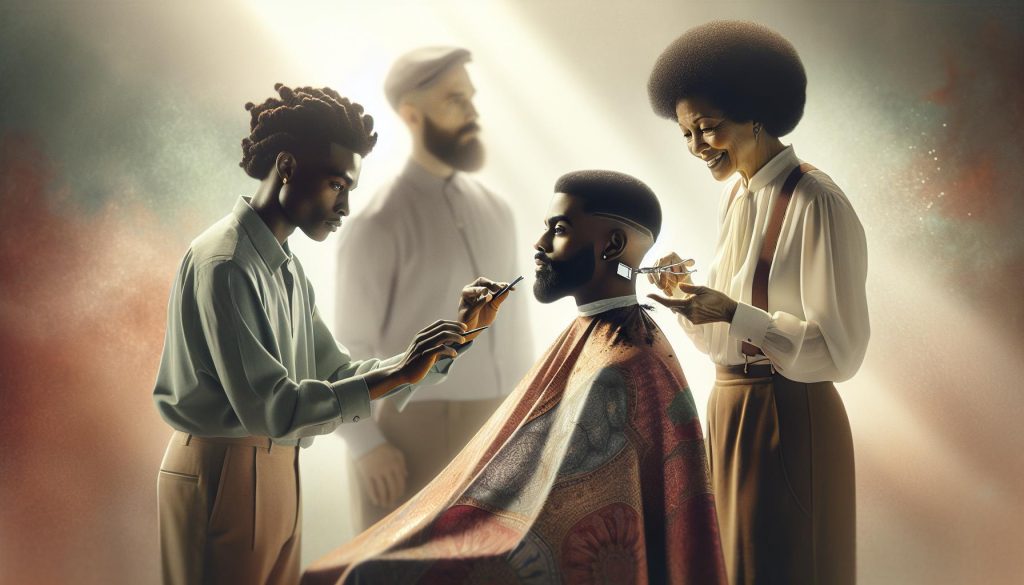
Have you ever noticed how a hairstyle can transform not just your look, but your entire vibe? One of the most sought-after techniques in the hair world is the razor cut. This method, which involves using a straight razor instead of traditional scissors, creates soft, textured ends that add movement and dimension to the hair. But what makes razor cutting a game-changer for your style? As you explore this article, you’ll learn about the benefits of this innovative haircutting technique, including how it can enhance your natural texture and make styling easier. Whether you’re looking for a dramatic change or subtle refinement, understanding the razor cut will empower you to make informed choices at your next salon visit. Let’s dive in and discover how this unique technique can elevate your hair game!
What is a Razor Cut? Understanding the Basics

A razor cut is a popular hairdressing technique that utilizes a straight razor or a specialized razor comb to shape hair. This method offers a unique way to create soft, textured layers, enhancing the hair’s natural movement. Unlike traditional scissors, which cut hair straight across, a razor can create jagged, wispy edges that give the hair a more organic, lived-in look. This technique is not just for creating dramatic styles; it can also add lightness and body to the hair, making it an appealing option for many.
For those new to the concept, it’s essential to understand that the key to a successful razor cut lies in the skill of the stylist. They must master the technique to avoid damaging the hair or creating split ends. When executed correctly, a razor cut can provide a variety of benefits, such as reducing bulk and offering a more textured appearance without sacrificing length. This makes it an ideal choice for individuals with thick or curly hair who want to maintain some length while minimizing weight.
Ultimately, a razor cut can be a transformative experience. It allows for creativity in styles and shapes that can elevate your look while keeping the overall maintenance manageable. When discussing this technique with your stylist, don’t hesitate to express your hair goals and any concerns you may have. After all, open communication is key to achieving the desired results with any haircut.
The Unique Benefits of a Razor Haircut

A razor haircut offers an array of captivating benefits that can transform your overall look and feel. One of the most notable advantages is the ability to add texture and movement to your hair. Unlike traditional scissors, which create more uniform cuts, a razor can carve out jagged, feathery layers that enhance the natural flow and bounce of your hair, providing a more dynamic appearance. This technique can be particularly beneficial for those who desire a softer silhouette without sacrificing length. The results are often less bulky and more airy, making your hair appear light and effortlessly styled.
Another unique benefit of a razor cut is its versatility. This method works wonderfully on a variety of hair types, whether straight, wavy, or slightly curly. It can help to reduce bulk in thicker hair while adding definition and shape. For individuals with curls, a razor cut can help maintain the overall length while softening the edges, allowing curls to spring more freely. Furthermore, the razor technique can easily accommodate various styles-from edgy looks to romantic waves-making it a great option for anyone wanting a change without a complete hair overhaul.
When it comes to maintenance, razor cuts often require less frequent trims compared to traditional blunt cuts. The texturized layers can grow out nicely, allowing you to enjoy your hairstyle longer between visits to the salon. This is a significant time-saver for those with busy schedules or for anyone reluctant to commit to a strict hair care regimen.
In short, embracing a razor haircut can lead to a fresh, stylish look that reflects your personality. By choosing this technique, you not only gain immediate aesthetic appeal but also a sense of freedom in styling and maintenance-an all-around win for your grooming routine!
How Razor Cutting Differs from Scissor Techniques
When it comes to cutting hair, the techniques we use can significantly affect the final look and feel of our styles. Razor cutting, in particular, stands out because it creates texture and movement often unattainable with traditional scissors. Unlike scissors that give a blunt edge, razors slice through hair with a fluid motion, resulting in softer, feathered ends that bounce and flow more naturally. This approach can provide a more lived-in look, which many find appealing for its modern and effortless vibe.
One of the vital differences in these techniques is how they alter the bulk of hair. Scissors tend to cut hair straight across, which can create layers that are more defined and structured. This works well for those looking for a polished finish but may not be the best option for individuals whose hair gets bulky or heavy. In contrast, razor cutting reduces bulk while infusing lightness, making it particularly beneficial for thicker hair types. By removing excess weight, the hair can take on a more manageable shape and movement, allowing it to breathe and showcase its natural beauty.
Moreover, razor cutting can accommodate various styles and textures, which is another way it differs from traditional scissor techniques. For example, when working with textured or curly hair, a razor can soften the edges without sacrificing length, allowing curls to spring into action rather than feel weighed down. This adaptability is key for anyone who loves dynamic hairstyles or wishes to explore new looks without drastic changes.
Using the right tool is also crucial in achieving desired results. Razors allow stylists to control the angle and pressure applied during the cut, lending greater versatility for intricate designs or softer finishes. In contrast, scissor cutting requires more precision and can sometimes lead to a more rigid look. So, whether you’re craving flexibility or finely detailed finishes, understanding these differences can guide you toward the right option for your unique hair needs.
To summarize, if you’re seeking a style that embraces texture, movement, and freedom, razor cutting might be the perfect choice. It complements a wide range of hair types while offering stylistic versatility that scissors simply can’t match.
Ideal Hair Types for Razor Cuts
Razor cuts are not just a haircut; they are a versatile styling technique that can dramatically enhance your hair’s natural beauty. Understanding which hair types benefit most from this method can help you unlock the potential of razor cutting. While it suits a variety of hair textures, certain types truly shine with this technique, allowing for an effortlessly chic look that maintains movement and softness.
Thicker hair types can derive immense benefit from a razor cut. The slicing action of the razor removes bulk, making the hair appear lighter and more manageable. Unlike traditional scissor cuts that might leave thick hair feeling heavy and overly structured, razor cutting allows for a healthy flow and bounce. This is particularly advantageous for those who find their thick locks challenging to style or prone to frizz, as the razor technique creates an airy, lived-in appearance.
Curly hair also excels with razor cuts. By using a razor, stylists can soften the edges of curls while retaining their length. This method helps to prevent the dreaded triangle effect that sometimes occurs with blunt scissor cuts, ensuring your curls remain defined and springy. The end result is beautifully textured hair that feels natural and vibrant, perfect for showcasing your curls without the added weight that can stifle their shape.
Fine or straight hair may still thrive from a razor cut, particularly when a softer, more textured finish is desired. Instead of a flat, lifeless look, the razor technique adds layers that create movement and body. However, it is important to communicate your hair aspirations clearly with your stylist; too much thinning can lead to a lack of volume. A balanced approach will allow even fine hair to enjoy the benefits of softer ends that enhance its overall aesthetic.
In summary, razor cuts are ideal for thicker hair that needs volume removal, curly hair craving definition without sacrificing length, and fine hair seeking texture and movement. Discuss your hair type and styling goals with your stylist to discover the possibilities that a razor cut can offer. Embrace the unique benefits of this technique to enjoy a fresh and stylish look tailored just for you.
Step-by-Step Guide to Getting a Razor Cut
Getting a razor cut can be an exciting way to transform your hair. Whether you’re seeking soft layers, texture, or reducing bulk, the process is both creative and technical. Here’s a straightforward guide to help you navigate the experience, ensuring you leave the salon with the results you desire.
Start by discussing your vision with your stylist. Bring reference photos that capture the look you want-this not only gives clarity but also opens a conversation about what’s achievable based on your hair type and face shape. Make sure to communicate any specific concerns you have, such as how much volume to maintain or whether you prefer softer ends or more defined layers.
Next, it’s time for the cut. Your stylist will typically wash your hair to remove any product buildup, which allows for a smoother cutting process. Once your hair is damp, they’ll section it off, often starting from the back and working around towards the front. As they begin cutting, the stylist will use a razor instead of traditional scissors, gliding the blade gently along the hair to create texture and movement. This helps achieve that soft, airy feel that’s distinctive of razor cuts.
Finally, styling your new look is key. Your stylist may demonstrate how to style your razor-cut hair-often using lightweight products like mousse or texturizing spray to enhance the natural movement. Don’t hesitate to ask for tips on recreating the style at home, ensuring you can maintain that salon-fresh look.
Remember, the razor cut is not just about the cut itself but the overall experience and communication with your stylist. Embrace the process, enjoy the transformation, and confidently step out with your new style!
Maintenance Tips for Razor-Cut Hair
Getting a razor cut is just the first step; maintaining that fresh look is where the real care comes in. Unlike traditional scissor cuts, razor cuts require a bit more attention to help sustain both the style and the health of your hair. A few thoughtful practices can go a long way in keeping your razor-cut hair looking vibrant and full of movement.
One of the most crucial aspects of maintenance is choosing the right products. Opt for sulfate-free shampoos and conditioners, as these are gentler on your hair and help retain moisture. Look for products that are specifically designed for textured hair, as they can enhance the soft layers created by the razor. Additionally, using a lightweight leave-in conditioner or a hydrating hair cream can help keep your locks manageable without weighing them down. To tackle any tangles or frizz, consider applying a small amount of anti-frizz serum or a styling cream, focusing on the mid-lengths to the ends.
Regular trims are also essential to maintaining the style of your razor cut. Schedule visits to your stylist every 6-8 weeks to prevent split ends and to keep the layers looking sharp. A stylist familiar with razor cutting will know just how to refine your shape without losing the unique textural elements that make razor cuts so special. If you’re feeling adventurous, you can even ask for minor adjustments to the length or texture during your visits to keep things fresh.
Finally, when it comes to styling, remember less is often more. Too many heavy products can dismantle the airy feel of a razor cut. Instead, aim for products that emphasize texture and movement. Try using a texturizing spray or a sea salt spray for that effortless, lived-in look. To apply, simply spray onto damp hair and scrunch lightly with your fingers to enhance the natural waves. This technique not only maintains your style but also protects your hair from heat damage if you choose to use styling tools.
By following these tips, you can keep your razor-cut hair healthy, stylish, and easy to manage. Embrace the unique qualities of your haircut and enjoy the effortless charm it brings to your everyday look!
How to Style Razor-Cut Hair for Maximum Impact
Achieving the perfect style with razor-cut hair can be as transformative as the cut itself. The unique layering and textural benefits of a razor cut create an opportunity for various styling possibilities that highlight movement and flow. By understanding how to maximize the impact of your razor cut, you can effortlessly enhance your look and express your personal style.
Start by embracing light, texturizing products that enhance the natural layers of your hair without overwhelming its airy feel. Sea salt sprays or texturizing mists are excellent choices. Apply a small amount to damp hair, focusing on the mid-lengths and ends to bring out the texture. To use, simply spray evenly and scrunch your hair with your hands; this helps create those beachy waves that razor cuts are known for. For those with straight hair, a curling wand can be a valuable tool. Use it sparingly on random sections of hair for soft waves that add dimension.
Accessing Volume and Movement
If volume is your goal, consider using a volumizing mousse on damp hair before blow-drying. Apply a golf ball-sized amount from root to tip, then use a round brush while blow-drying to lift the roots. This not only supports a fuller style but works wonders with the natural texture of a razor cut, giving you that effortless, tousled look.
For a sleek, polished finish, flat ironing your hair can also work wonders. This method is especially effective for those with thick, straight hair. Just make sure to use a heat protectant spray prior to styling. Run the flat iron through your hair in sections, focusing on the ends for that high-gloss, refined appearance.
Quick Touch-Up Techniques
When you’re in a rush, a simple twist-up can keep your style looking fresh. Gather sections from the front and twist them back, securing with bobby pins or a decorative clip. This not only creates an elegant look but also allows the beautiful texture of the razor cut to frame your face.
Finally, remember that less is often more when it comes to finishing products. Avoid heavy creams or sticky gels that can weigh down light razor cuts. Instead, opt for a lightweight serum or wax-just a pea-sized amount worked through the ends will enhance shine and control frizz without sacrificing volume.
By following these styling tips, you can play up the unique qualities of your razor cut to create diverse looks that suit any occasion. Embrace the movement and shine of your hair, and enjoy the confidence that comes with a well-styled razor cut!
Common Myths About Razor Cuts Debunked
Many people have misconceptions about razor cuts that can lead to hesitation in trying this versatile haircutting technique. Let’s take a moment to debunk some of the most common myths associated with razor cutting, helping you make informed decisions about your next salon visit.
One prevalent myth is that razor cuts are only suitable for particular hair types. While it’s true that razor cuts excel on fine to medium-textured hair because they create movement and reduce bulk, they can also work beautifully on medium to thick hair if done correctly. A skilled stylist can use a razor technique to create layering and texture in thicker hair, providing a lighter, more dynamic look without compromising volume.
Another misconception is that razor cuts always lead to damage and split ends. It’s understandable why people might think this, given the sharpness of the tool compared to traditional scissors. However, when performed with the right technique, razor cutting can actually be gentler and more precise. Properly maintained razors create clean cuts without fracturing the hair shaft, which can help prevent split ends. Ensuring your hair is healthy and well-cared for prior to your cut will also make a significant difference.
People often worry that a razor cut will look messy or unkempt. In reality, a well-executed razor cut can provide a sleek and modern appearance with defined layers and movement that scissor cuts may not achieve. The key lies in how the razor is wielded-its angle and pressure can create soft edges that blend seamlessly, giving a polished finish.
Lastly, some believe that razor cuts necessitate high-maintenance styling. While it’s true that they highlight texture and movement, they can also be incredibly low-maintenance. A little bit of texturizing spray and scrunching can go a long way to achieve that effortless style many desire. In fact, one of the beauties of a razor cut is its ability to look fantastic even when air-dried, making it easier to manage in your daily routine.
Embrace these insights and look past the myths! A good razor cut may be the secret ingredient to elevating your hairstyle. Remember to consult with your stylist about your hair type and desired look, ensuring you get the best results tailored just for you.
Exploring Creative Styles with Razor Cuts
Razor cuts offer a refreshing alternative to traditional haircuts, allowing for creativity and an array of styles that highlight individual personality. With the right technique, you can achieve everything from soft, romantic waves to choppy, edgy layers. This versatility is one of the many reasons why razor cutting has remained popular among stylists and clients alike.
One creative approach involves using a razor to create texture and movement in long hair. By selectively removing weight, stylists can enhance natural waves or curls, resulting in a breezy, beach-inspired look. This method works particularly well for those with fine or wavy hair, as the layers will add volume without the bulk. Consider asking your stylist for long, feathered layers that frame the face while maintaining length.
For shorter styles, a razor cut can add an element of surprise. Think of a classic bob or lob (long bob) redesigned with razor cutting techniques to create a modern twist. The razor can be used to slice through the ends, giving the hairstyle a more lived-in and tousled appearance that feels effortless yet chic. This technique can also be applied to pixie cuts to create softer, more blended edges that are easy to style.
Beyond these styles, the razor can also facilitate bold, creative colors. The way layers are cut can impact how colors interact, especially with highlights and balayage techniques. A skilled stylist can use a razor to add textural contrast to colored sections, making the hues pop and giving depth to the overall look.
In summary, is all about communicating with your stylist and being open to experimentation. The key is finding a skilled professional who understands how to manipulate the blade to achieve a range of effects. Whether you desire subtle texture or a daringly chic cut, razor cuts can unlock endless possibilities, allowing your hair to reflect your unique essence.
Professional Tips for Home Razor Cutting
Creating a razor cut at home can be a rewarding experience, but it also requires caution and practice. Knowing the right techniques and tools can help you achieve salon-worthy results without the hefty price tag. Remember, the key to a successful home razor cut is to take your time and stay patient as you develop your skills.
Make sure to invest in a high-quality razor specifically designed for hair cutting, as these are sharper and more efficient than standard utility knives. Start with clean, dry hair; damp hair can lead to uneven cuts and unwanted frizz. Section your hair into manageable parts using clips, which will help keep it organized. For each section, hold the hair taut, and use the razor to slice through the ends at a slight angle, rather than straight across. This technique adds texture and movement, giving your hair a more natural finish.
Be cautious about how much hair you remove with each swipe of the razor. Start small and gradually build up to your desired look. You can always go back for more if necessary, but it’s much harder to add length back once it’s gone. If you’re unsure, a conservative approach is best. Once you finish cutting, gently comb through your hair to see if any areas need additional attention.
Finally, when it comes to styling your razor cut, try using lightweight products like texturizing sprays or sea salt sprays. These will enhance the natural texture created by your razor cut without weighing your hair down. If you follow these tips, you’ll not only feel more confident but also delighted by your new DIY razor cut. Just remember, practice makes perfect, and each attempt will bring you closer to mastering this beautiful technique.
Razor Cuts for Men: Styles and Techniques
Razor cuts for men have surged in popularity for their ability to provide both versatility and a modern finish to hairstyles. This technique allows for unique texture, movement, and a softer edge compared to traditional scissor cuts. Whether it’s casual and textured or sleek and styled, a razor cut can effortlessly match a man’s personal style.
One of the standout benefits of razor cutting is its adaptability. Men with thick or coarse hair often benefit the most as the razor alleviates bulk while creating volume and dimension. For a classic look, styles like the textured pompadour or a modern quiff work well when finished with a razor cut, as the technique enhances the natural flow and creates a more dynamic silhouette. On the other hand, the messy vibe of a razor cut can also complement longer styles, such as shoulder-length hair, where it adds a playful and youthful edge.
### Key Styles for Razor Cuts
Here are some popular styles that work exceptionally well with razor cuts:
- Textured Crop: A short style with layers that brings a rugged, lived-in texture.
- Disconnected Undercut: This hairstyle contrasts sharply cut sides with longer hair on top, perfectly accentuated by razor texture for a modern appearance.
- Long Layers: Adding long layers to longer hairstyles softens harsh lines and enhances movement.
- Side-Parted Styles: A classic look with a contemporary twist; a razor can add subtle texture to the top, allowing the hair to lay flattering against the head.
When considering a razor cut, it’s essential to ensure it fits your hair type and face shape. Those with straight or slightly wavy hair generally achieve the best results, while very curly hair may not benefit from a razor cut due to the potential for frizz and uneven texture. Discussing your style goals with a skilled stylist can ensure you receive a cut tailored to enhance your features while maintaining your personal style. Embrace the artistry of razor cuts to redefine your look with ease and confidence.
Choosing the Right Stylist for a Razor Cut
Finding the right stylist for a razor cut is crucial to achieving the look you desire. With razor cutting being a technique that requires precision and artistry, not every stylist will have the same level of expertise in this area. A good starting point is to look for hairstylists with specific training or experience in razor techniques. You can often find this information on their salon’s website or by asking during an initial consultation.
When interviewing potential stylists, don’t hesitate to ask about their experience with razor cuts. An experienced stylist should be able to explain how they approach different hair types and the specifics of razor cutting versus scissor cutting. Look for a stylist who takes the time to understand your hair type, face shape, and personal style goals. This discussion will help ensure they can tailor the cut to suit you best, giving you a look that complements your features and lifestyle.
Another effective way to gauge a stylist’s skills is to request to see their portfolio or examples of past work. High-quality photos of previous razor cuts can provide insight into their techniques and the results you might expect. Reading online reviews can also offer additional feedback from clients who experienced similar services.
Ultimately, trust your instincts during the consultation process. A stylist who listens to your needs and provides thoughtful recommendations is likely to create the positive experience that leads to a fantastic razor cut. Your hair is an expression of your personality, so choose a stylist who respects that and shares your vision for your hairstyle.
Frequently Asked Questions
Q: What is a razor cut and how is it performed?
A: A razor cut is a haircutting technique that uses a straight razor instead of traditional scissors. Stylists glide the razor along the hair strands, allowing for soft, textured edges and layers. This method creates movement and can produce a more undone look compared to scissor cuts.
Q: What are the advantages of getting a razor cut?
A: Razor cuts offer several benefits, including enhanced texture, movement, and a softer finish. They can lighten heavy hair and help create layering without blunt edges, making them suitable for various hairstyles. Razor cuts are particularly effective for creating effortless, lived-in looks.
Q: Is a razor cut suitable for all hair types?
A: While razor cuts can work on many hair types, they are best suited for medium to fine hair. Curly or thick hair may not achieve the desired effect as the razor can lead to frizz or unevenness. It’s important to consult your stylist about the best approach for your hair type.
Q: How does a razor cut differ from regular scissor cuts?
A: The main difference lies in the tools used-razors create softer, more textured edges by slicing through the hair, while scissors trim hair straight across. This difference often results in a more dynamic look with razor cuts compared to the crisper lines of scissor cuts.
Q: How do I maintain a razor cut hairstyle?
A: To maintain a razor cut, regular trims every 6-8 weeks are recommended to keep the shape and texture intact. Using lightweight styling products like mousse or texturizing spray can help enhance the hair’s natural movement and manageability.
Q: Can I replicate a razor cut at home?
A: While it’s possible to do basic layering with a razor at home, it’s best to consult a professional. Razors require skill to prevent uneven lengths or damage. If you attempt it, start with damp hair and a straight-edge razor, but proceed with caution to avoid mistakes.
Q: What should I tell my stylist when requesting a razor cut?
A: When requesting a razor cut, specify the level of texture and movement you want. Share references or images of styles you like. Discuss your hair type, length, and maintenance preferences to ensure your stylist can tailor the cut to your needs.
Q: Are there any common misconceptions about razor cuts?
A: A common misconception is that razor cuts will always produce frizzy results. In reality, when done properly by a skilled stylist, razored hair can look sleek and polished. Additionally, some believe razors are only for specific styles, but they can enhance various haircuts.
To Wrap It Up
Now that you understand what a razor cut is and the unique benefits it offers for texture and movement, why not schedule your next haircut using this exciting technique? With its ability to create soft layers and enhance natural waves, a razor cut could be exactly what your hairstyle needs. Don’t hesitate to consult your stylist about this approach-ask them how a razor cut can complement your hair type!
If you’re looking for more ways to refine your grooming routine, check out our articles on Choosing the Right Hair Products and Essential Hair Care Tips for every hair type. We’d love to hear your thoughts! Have you tried a razor cut before, or do you have questions? Share your experiences or queries in the comments below!
Explore more and redefine your style today-because your perfect look is just a cut away!