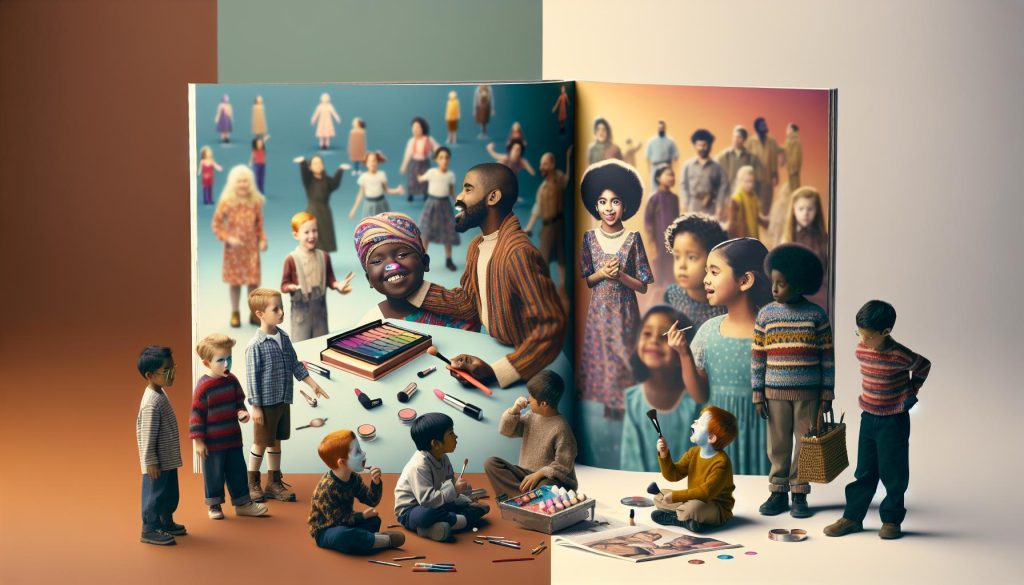
As children grow and explore their identities, the question of whether they should be allowed to wear makeup becomes a hot topic among parents and caregivers. On one hand, makeup can be a tool for self-expression and creativity, offering kids a way to experiment and boost their confidence. On the other, concerns about societal pressures and the potential for negative body image weigh heavily on many minds. This debate is not just about cosmetics; it touches on themes of autonomy, self-esteem, and boundaries in parenting. Understanding the nuances of this issue is crucial for fostering healthy attitudes toward beauty and self-care. So, should kids embrace makeup, or is it best left for later? Join us as we delve into the arguments and expert opinions surrounding this intriguing topic, helping you make informed decisions that align with your values and your child’s wellbeing.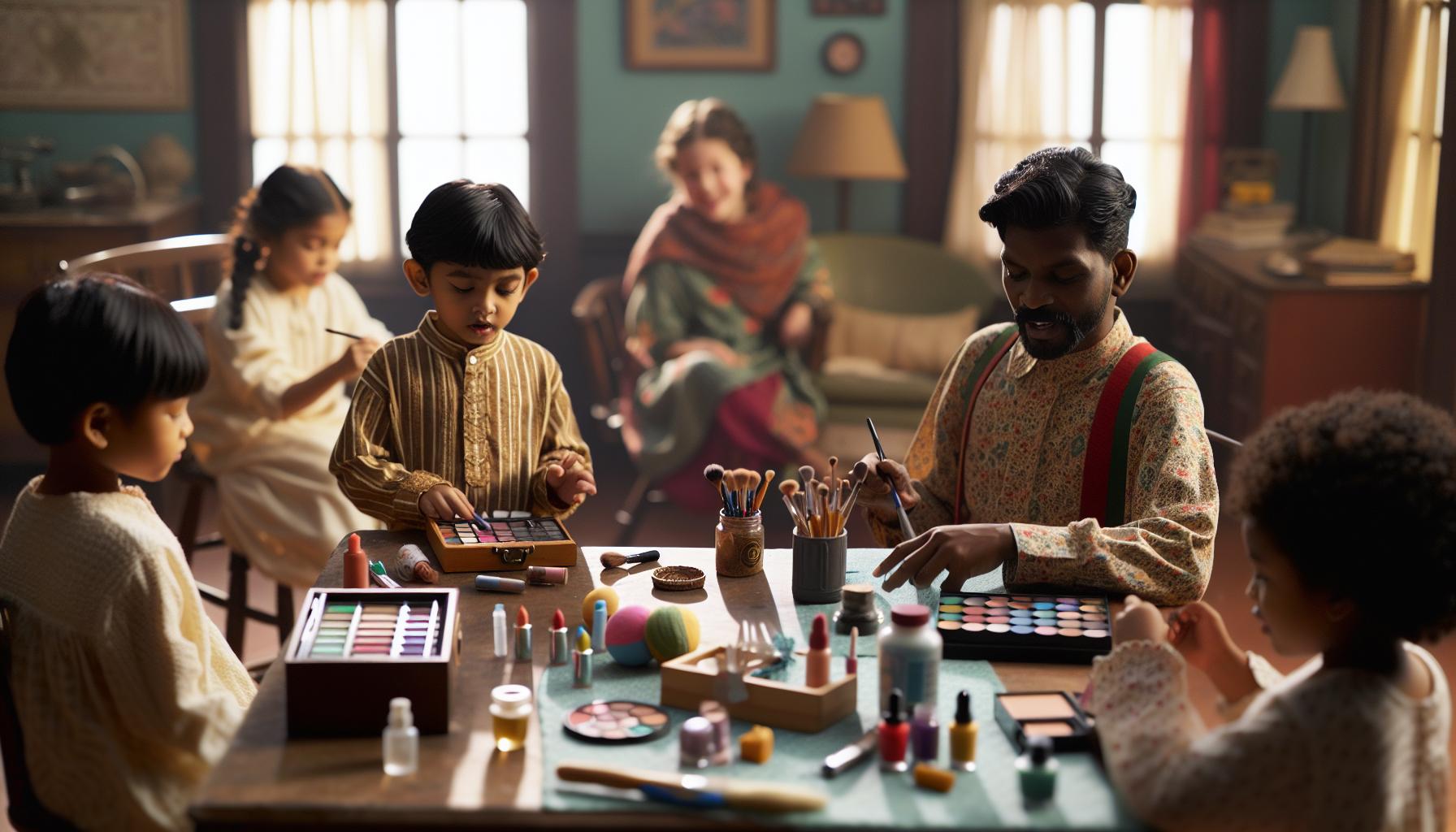
Understanding the Cultural Context of Kids and Makeup
In today’s world, the perception of kids and makeup is densely woven into the fabric of cultural norms, media presentation, and social expectations. Rather than merely questioning whether children should wear makeup, it’s crucial to understand the backdrop against which these discussions arise. From a young age, children are exposed to beauty ideals through various mediums-from advertisements that showcase bright colors and magical transformations to social media influencers who portray makeup as a fun form of self-expression. This exposure inevitably influences their perceptions, making the topic of kids wearing makeup more than just a parental decision; it’s a reflection of broader societal values and trends.
Growing up in a visually-oriented culture, children often seek to emulate the styles they see worn by adults and older peers. This imitation can be a part of developmental stages where they explore identity and self-image. For many kids, experimenting with makeup mirrors other childhood practices, such as dress-up games or playing with art supplies. Understanding this cultural context helps parents frame their conversations with their children around makeup not as a rejection of childhood innocence, but rather as an opportunity for creative expression.
Moreover, it’s important to recognize that cultural context varies widely. In some communities, makeup for children might be seen as a norm or a rite of passage for special occasions, while in others, it may be viewed as inappropriate. Parents should navigate these differences by considering their family values, cultural heritage, and the messages they want to convey regarding beauty and self-acceptance. Ultimately, the decision about makeup should seek to balance personal values with the cultural signals children receive, fostering an environment that encourages self-expression while promoting healthy self-esteem.
The Psychological Impact of Makeup on Young Minds
The conversation around kids using makeup extends far beyond aesthetics; it taps deeply into psychological aspects of identity and self-expression. Allowing children to experiment with makeup can significantly impact their confidence and self-image. When kids apply makeup, they’re often not just trying to enhance their appearance; they’re exploring aspects of their personality, engaging in imaginative play, and exercising their creativity. This experimentation can serve as an avenue for shaping their self-perception and understanding their individuality in a world heavily influenced by visual cues.
Studies have shown that self-presentation through makeup can boost self-esteem, even in children. For instance, a young girl may feel empowered when she applies a touch of lip gloss or faces paint for a theatrical performance. This act of adornment can foster a sense of belonging and acceptance among peers, allowing children to navigate their social environments with greater confidence. It’s essential, however, to approach this freedom with a thoughtful understanding of its psychological implications. Introducing makeup at a young age can lead some children to associate their worth or acceptance with appearance, which can be detrimental if not framed correctly within a context that emphasizes self-acceptance and emotional well-being.
Moreover, engagement with makeup shouldn’t just be about how it looks but should also include conversations about what it means. Discussing the motivations behind using makeup-be it for fun, creativity, or a means to express emotions-can help children develop a healthy relationship with beauty and self-image. Parents can play a pivotal role by guiding their children in recognizing that makeup is just one form of expression and doesn’t define who they are at their core.
In conclusion, navigating is a balancing act. Encouragement to explore beauty can cultivate self-confidence, but it requires ongoing dialogue about self-worth and authenticity. By framing these discussions within a nurturing and supportive environment, parents can empower their children to embrace both their inner and outer selves without falling into the trap of superficial validation.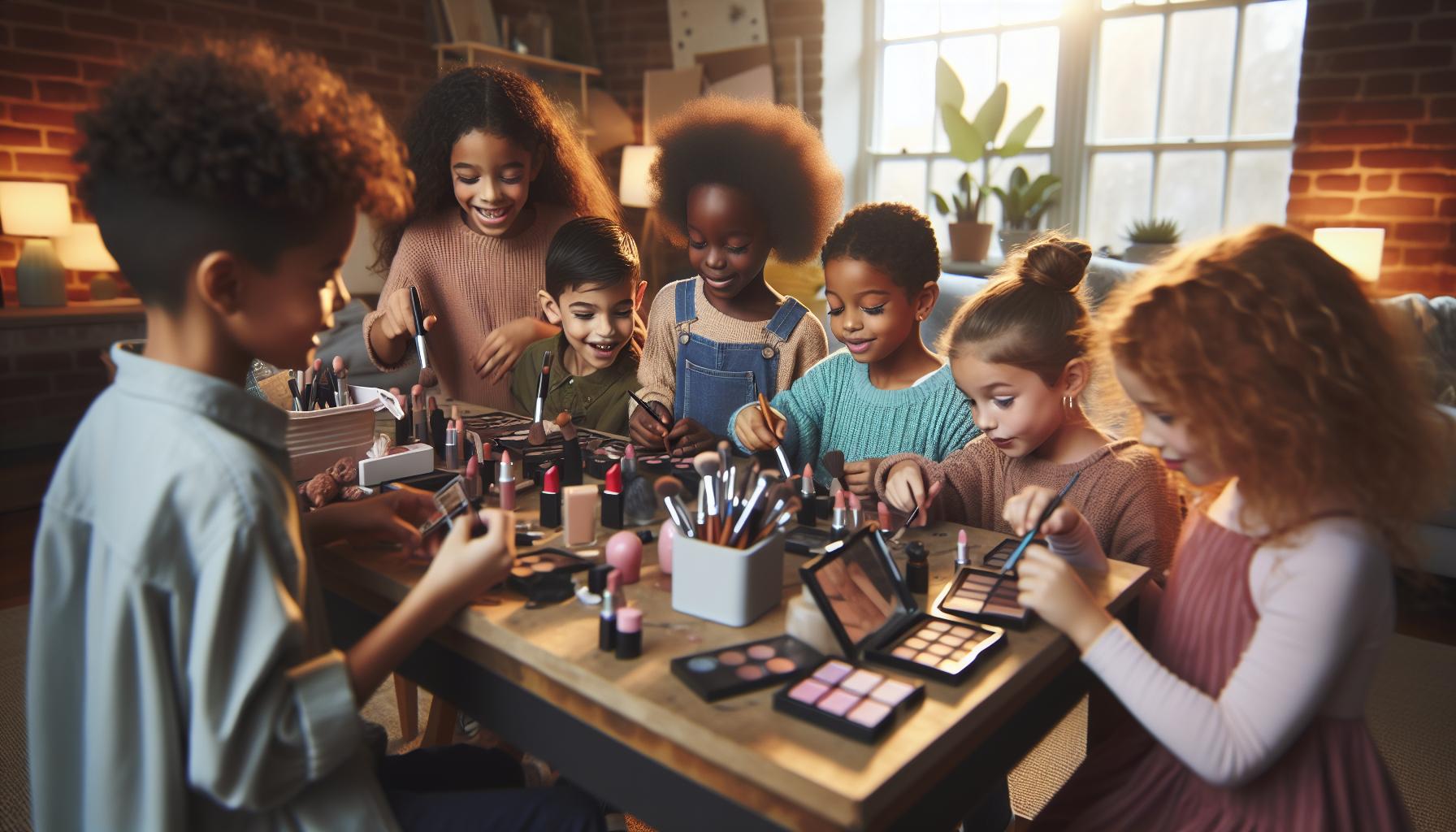
Benefits of Allowing Kids to Experiment with Makeup
Allowing kids to dabble in makeup can be a delightful and enriching experience. It’s not simply about the finished look; it’s an exploration of creativity and self-expression. When children experiment with makeup, they unlock a world of imaginative play, helping to develop skills that go beyond beauty. This playful experimentation fosters fine motor skills as they learn to apply products like eyeshadow or lip gloss, translating into greater hand-eye coordination and dexterity over time.
The act of applying makeup can also serve as a powerful confidence booster. For instance, a child who creates a whimsical look for a school performance may feel a surge of self-assurance, stepping more boldly into their social interactions. This transformative power of makeup can help children navigate their feelings and public personas, often allowing them to express their individuality in ways that words cannot convey. Additionally, the creative autonomy of choosing colors or styles empowers kids, encouraging decision-making and personal preference.
In a supportive environment, this experimentation can open doors to conversations about beauty, identity, and self-worth. For example, parents can guide their children to understand that makeup is a form of self-expression and not a standard of beauty. Engaging in discussions about their choices and feelings around makeup can nurture emotional intelligence, promoting a healthy relationship with self-image. Rather than viewing makeup as something that equates to self-worth, children can learn to appreciate it as a fun accessory in the broader journey of self-discovery.
Ultimately, allowing kids to explore makeup within a healthy framework can instill confidence, encourage creativity, and foster deeper self-understanding, setting the stage for them to embrace all aspects of who they are. By approaching this subject with openness and warmth, caregivers can ensure that makeup becomes a tool for expression rather than a basis for self-esteem.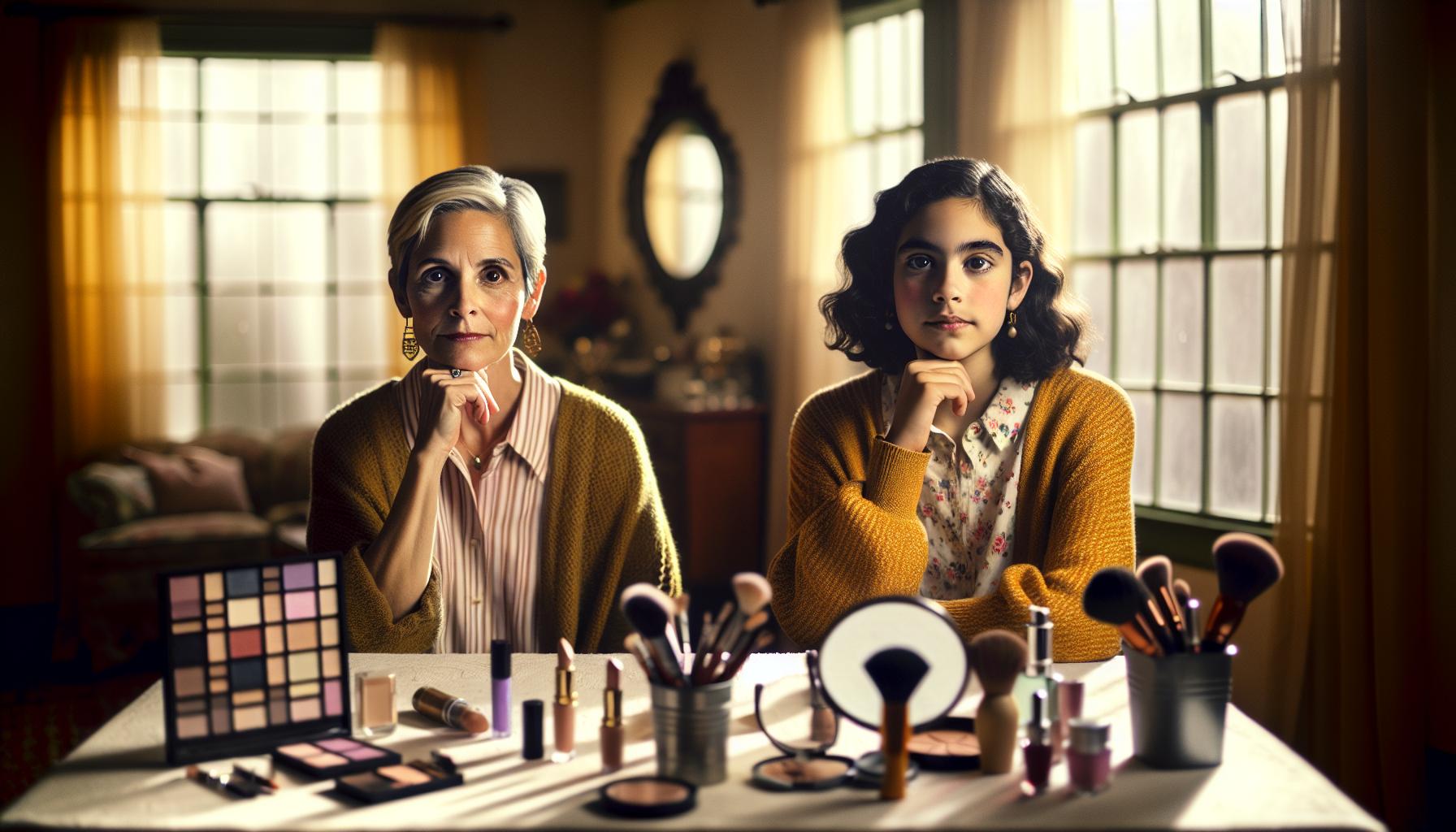
Common Concerns Parents Have About Makeup Use
It’s no secret that allowing kids to wear makeup can spark a wide range of concerns among parents. As beauty standards are heavily influenced by media and social interactions, many guardians worry about the impact of makeup on their child’s self-image and peer relationships. It’s crucial to navigate these worries with understanding and practical strategies.
One major concern is the fear that makeup might lead children to develop unhealthy beauty standards. Parents often worry that young ones may associate their self-worth with looks, potentially causing issues with body image in the long run. To mitigate this risk, it’s important to foster a conversation around the idea that makeup can be a fun form of self-expression rather than a necessity for beauty. Encourage discussions about inner qualities and talents that define a person, reminding children that their value isn’t contingent on their appearance.
Safety is another significant concern. Many parents worry about allergic reactions or skin irritations from makeup products. Ensuring that kids use age-appropriate, hypoallergenic, or natural products can ease these anxieties. Conduct a patch test on a small area of skin before letting them use a new product, making it a fun activity to explore different colors and styles safely.
Peer pressure can also play a role in a child’s desire to wear makeup, leading parents to question if their kids are following trends for the right reasons. Open conversations about feelings and motivations behind wanting to wear makeup can help kids feel more secure in their choices. Encourage them to express themselves in ways they feel comfortable without succumbing to external pressures. This dialogue not only fosters self-awareness but also builds trust between you and your child.
Lastly, the timing of when to allow makeup use can be ambiguous. Parents often struggle to find the right age where kids can explore makeup while being responsible. Setting clear guidelines-like specifying when and where makeup can be worn-can help maintain balance. For instance, perhaps makeup is appropriate during special events, but not for everyday school. This way, kids can enjoy the creativity that comes with makeup while learning moderation and responsibility.
By addressing these concerns with communication and practical strategies, parents can guide their children through their makeup experiences in a healthy and supportive way. This not only helps children build a positive self-image but also allows them to enjoy the creative aspects of makeup without compromising their values or well-being.
Expert Opinions: What Psychologists and Educators Say
Research indicates that the topic of kids wearing makeup often elicits passionate opinions from psychologists and educators alike. Many professionals point out that makeup can serve as a developmental tool, providing children with opportunities for self-expression and creativity. When approached appropriately, makeup can enhance a child’s ability to explore their identity in safe and supportive environments.
Psychologists emphasize the importance of context and intent when it comes to kids experimenting with makeup. For example, Dr. Linda Papadopoulos, a clinical psychologist, notes that makeup can help children explore their individuality. She suggests that “allowing kids to experiment in a balanced way can foster healthy self-esteem.” By viewing makeup not as a necessity for beauty but as a form of art, children can learn to separate their self-worth from their appearance. This nuanced understanding helps combat negative body image issues potentially sparked by societal pressures regarding beauty standards.
Educators also share insights about peer dynamics and socialization. Many teachers observe that makeup can play a role in social interactions, particularly among adolescents. It often serves as a medium for bonding, allowing kids to connect over shared experiences of trying new looks or discussing trends. However, they also stress the need for guidance. Setting boundaries around makeup use in school environments-like limiting it to special occasions-can encourage children to engage with makeup responsibly without it becoming a distraction or source of bullying.
Ultimately, experts agree on the importance of open dialogue. Parents are encouraged to maintain conversations about the whys and hows of makeup use. This includes discussing the impact of media portrayals and the differences between makeup styles, as well as reinforcing that beauty is diverse and subjective. Providing age-appropriate products can also enhance safety and encourage healthy experimentation. By creating a safe space for children to discuss their experiences and feelings about makeup, parents can help nurture their self-esteem while guiding them toward positive self-expression.
In summary, expert opinions suggest that with the right support and understanding, allowing kids to explore makeup can sprawl into rich lessons about empowerment, self-exploration, and confidence-building.
Tips for Choosing Age-Appropriate Makeup Products
When it comes to choosing makeup products for kids, finding the right balance between fun and safety is essential. Kids are often drawn to colorful, sparkly products that allow them to express themselves creatively, but it’s important to ensure that these products are suitable for their sensitive skin. Here are some practical tips to help you navigate this colorful world.
Start by looking for makeup that is specifically designed for children. Products from brands like Jovy prioritize non-toxic, hypoallergenic ingredients, which is crucial for minimizing any potential skin irritation. Always check for EWG Verified labels or certifications that indicate the product has been evaluated for safety and does not contain harmful chemicals. Additionally, consider the age of your child-some formulations are more appropriate for younger kids due to their gentler ingredients and ease of use.
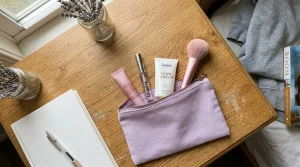
Next, think about the types of products that would be best suited for their age and the occasion. For example, if your child is just starting to experiment, opt for items like shimmering lip glosses, gentle blushes, or easy-to-remove face paints. These tend to have a more playful vibe without the complexities of traditional makeup. Look for sets that come with easy application tools specifically designed for small hands, such as sponge applicators or twist-up crayons, which can make the experience fun and engaging.
It’s also helpful to foster an understanding of makeup basics along the way. You can encourage your child to use only a small amount of product and assist them in application, which not only adds a playful element but also provides a chance to discuss proper techniques. Teach them about cleansing products from their skin afterward to promote good hygiene habits.
Lastly, set boundaries for when and where makeup can be used. Establishing rules around playdates, special occasions, or even lessons on how to create different looks can enhance their experience while instilling good practices about product use. For instance, letting them explore more vibrant looks for costume parties or theater performances can give them the freedom to have fun within a safe framework.
By carefully selecting products and promoting a positive experience around makeup, you can help children embrace their creativity without compromising their safety or well-being. This approach not only encourages self-expression but also enhances their understanding of personal care and confidence.
Setting Healthy Boundaries for Makeup Use
Creating healthy boundaries for makeup use can empower kids to express themselves while ensuring their well-being. Children often view makeup as a fun way to experiment with different looks, but it’s essential to set guidelines that foster a positive experience and prevent potential issues.
Begin by collaborating with your child to establish specific rules about when and where makeup can be used. For instance, you might decide that makeup is appropriate for special occasions like birthdays, dress-up parties, or school plays, while casual weekends could be reserved for playtime without products. This not only helps them understand appropriate contexts for makeup use but also builds their ability to make informed choices later on.
Another effective approach is to limit the types of products allowed. Choosing age-appropriate options is key, so opt for gentle, non-toxic play makeup designed specifically for children. You can introduce items like lip glazes, color crayons, or face paints that are easy to remove and designed with kids in mind. When shopping together, discuss the importance of ingredients, like avoiding harsh chemicals, making your child feel involved in the decision-making process.
Encourage your child to practice creativity with makeup while reinforcing the idea that less is often more. You might say, “Let’s use just a little bit of color to enhance your look,” which can help build their confidence without overwhelming them. Also, make it a habit to incorporate makeup removal into their routine, teaching them the importance of hygiene.
Lastly, regularly check in with your child about their feelings towards makeup. Engage in conversations about how they feel when they wear it and what they enjoy most. This open dialogue not only strengthens your relationship but also gives you insight into their social influences, ensuring that makeup remains a fun and safe form of expression. By thoughtfully setting boundaries and encouraging responsible choices, you can nurture their creativity while prioritizing their health and self-esteem.
How to Teach Kids About Makeup Safety
To foster a safe and enjoyable makeup experience for kids, it’s essential to prioritize their understanding of makeup safety from an early age. Kids are naturally curious, and while makeup can be a fun form of self-expression, it also involves certain risks such as skin irritations or allergic reactions. Teaching them how to navigate these challenges is crucial.
Start with the basics of skin sensitivity. Explain to your child that everyone’s skin is different and that some products may not react well to their skin type. A simple patch test can go a long way: apply a small amount of product on an inconspicuous area like the inside of the wrist and wait 24 hours to check for any adverse reactions. Reinforcing the importance of this practice teaches kids to be proactive about their skin health.
Next, guide your child on how to properly use makeup products. Show them how to read labels for ingredients and why avoiding toxic substances is important. Involve them in the selection process by choosing products that are hypoallergenic, fragrance-free, and specifically made for children. This not only educates them on safety but also empowers them to make informed choices about what they’re applying to their skin.
Furthermore, emphasize the importance of hygiene when using makeup. Teach them to wash their hands before touching their face and use clean applicators to prevent bacteria transfer. Make it a fun ritual-like cleaning brushes together after use-that reinforces good habits while creating bonding moments.
Lastly, it’s essential to have open conversations about makeup application techniques to avoid issues like overapplication, which can lead to clogged pores or messy results. Encourage them to start with a little bit and build up as they become more comfortable, such as applying a thin layer of foundation or a light sweep of blush. This not only minimizes the potential for mistakes but also fosters a more natural and healthy approach to beauty.
By emphasizing these safety principles and encouraging responsible habits, you can help your child navigate their exploration of makeup with confidence and care, ensuring it remains a joyous and safe form of self-expression.
The Role of Social Media in Kids’ Makeup Trends
In today’s digital age, social media profoundly influences children’s perceptions of beauty and self-expression, particularly concerning makeup. Platforms like Instagram, TikTok, and YouTube are buzzing with makeup tutorials tailored specifically for kids and tweens, making makeup seem not only accessible but also essential for self-identity and creativity. These platforms often showcase vibrant looks, trending styles, and products that young viewers aspire to emulate, effectively shaping the makeup trends among younger audiences.
However, while social media can serve as a source of inspiration, it’s vital for parents to step in and mediate the messages their children encounter. A healthy approach involves discussing what they see online, differentiating between makeup as a fun tool for expression and the potential pressures of adhering to unrealistic beauty standards. Encourage open conversations about their favorite influencers or trends, guiding them on how to interpret these images critically. This dialogue fosters a balanced understanding of makeup’s role in their lives, emphasizing that it should enhance rather than define their self-worth.
Social media also amplifies peer pressure around makeup use, often leading children to feel that they must wear makeup to fit in or feel accepted. Parents can combat this by setting boundaries that allow for safe exploration without overwhelming pressure. Establishing guidelines around when and where makeup can be used-perhaps allowing it during special occasions or creative play-can help children enjoy makeup without feeling obligated to conform to social pressures. This method cultivates healthy attitudes toward makeup, framing it as a personal choice rooted in fun and creativity rather than obligation.
Lastly, introduce your child to age-appropriate beauty content. Highlight creators who promote natural looks and self-acceptance, thereby modeling a more positive relationship with makeup. Encourage them to explore makeup that aligns with their interests but remind them to stay true to their unique style. By fostering an environment where creativity thrives without fear of judgment, children can cultivate a love for makeup that is both empowering and appropriate for their age.
Alternatives to Traditional Makeup for Kids
Exploring alternatives to traditional makeup is a fantastic way to allow kids to express themselves creatively while avoiding the potential pressures and concerns surrounding conventional beauty products. Many products are designed specifically for younger audiences that are fun, safe, and gentle on their skin. These alternatives can encourage imaginative play and self-expression without the weight of societal expectations about beauty.
One popular option is to use washable face paints. These are vibrant, easy to apply, and can be easily removed with soap and water. Kids can create imaginative designs, whether it’s for a themed party, a school event, or just for fun. Additionally, face paints can be used in artistic pursuits, allowing children to explore their creativity without the permanence of traditional makeup.
Another safe and playful alternative is colorful lip balms or tinted lip glosses. These products often contain nourishing ingredients like shea butter or cocoa butter and provide a hint of color while keeping lips moisturized. Parents can look for brands that emphasize natural ingredients to ensure safety. Encouraging them to pick flavors they enjoy can make the experience feel more like a treat than a necessity.
Body shimmer or glitter gels are also terrific options for kids wanting to add a little sparkle to their look. These products typically wash off easily and can add a festive touch, especially for special occasions like birthday parties or holiday celebrations. Choosing hypoallergenic formulas can help maintain skin health while letting kids enjoy a bit of glamour.
Lastly, nail stickers or temporary tattoos can be a fun way for kids to express themselves artistically. These options eliminate the mess and stress of traditional nail polish or body art, provide a chance to experiment, and can be easily removed when no longer desired. By using these alternatives, children can enjoy a playful exploration of beauty and personal expression, while parents feel secure that they are using safe, age-appropriate products.
In summary, embracing creative, safe alternatives to traditional makeup not only allows for fun self-expression but can also encourage confidence and individuality without the pressure that often accompanies conventional beauty practices.
Real Stories: Parents Share Their Experiences
In the world of parenting, the question of whether to allow kids to wear makeup often brings a mix of opinions and experiences. Many parents find themselves navigating a delicate balance between fostering creativity and embracing societal norms. For instance, Sarah, a mother of two, shared how she introduced makeup to her eight-year-old daughter during a fun family event. She explained, “I wanted her to feel confident and express herself. We used washable face paints for a themed party, and it turned out to be a great bonding experience.” This experiment not only allowed her daughter to tap into her creativity but also opened up conversations about self-expression and body image.
Another parent, Mark, had a different perspective. He expressed concerns about the potential for makeup to create unrealistic beauty standards. “I don’t want my daughter to feel pressured to look a certain way,” he said. Instead of traditional makeup, Mark steered his daughter towards fun alternatives like colored lip balms and temporary tattoos. He noted, “These options give her a chance to explore while keeping things light and playful. Plus, I love that they wash off easily!” His approach has given his daughter the freedom to play with colors without the weight of societal expectations.
Many parents emphasize the importance of communication. Emily, a mother and educator, highlighted, “It’s all about talking openly with your kids. I explain why we wear makeup and the importance of feeling good in our own skin.” By discussing societal pressures and the beauty industry, she ensures her daughter understands that makeup is just one way to express herself rather than a necessity. This dialogue helps reduce the stigma and complicates feelings about beauty standards.
Ultimately, parents are finding creative middle grounds that allow their children to explore makeup while prioritizing self-esteem and healthy body image. By listening to their kids and choosing safe, age-appropriate products, families can navigate the often murky waters of beauty expectations together, ensuring that the experience remains fun and empowering.
Navigating Peer Pressure Around Makeup in Schools
The school environment can be a complex social landscape for children, where peer pressure plays a significant role in shaping interests-including makeup. As kids interact with their classmates, they often encounter expectations that can influence their choices about beauty and grooming. This dynamic raises important questions for parents regarding how to support their kids while fostering a healthy sense of self.
To navigate the tricky terrain of peer pressure surrounding makeup, open dialogue is essential. Encourage kids to express how they feel about makeup and its role among their peers. For instance, when a child mentions seeing friends wearing makeup, take the opportunity to discuss their feelings toward it, whether excitement, curiosity, or apprehension. This conversation can reveal insights about their motivations-whether they see makeup as a form of expression or a necessity to fit in. By listening actively, you can help them articulate their views, reinforcing the idea that they can make choices based on their preferences rather than solely on what others do.
Additionally, teaching kids to differentiate between self-expression and conforming to peer expectations can be very empowering. You might suggest simple approaches to makeup if they’re interested. For example, using tinted lip balms or gentle face stickers allows them to participate in the trend without feeling pressured to fully adopt more traditional makeup routines. This way, they can experiment while maintaining a sense of identity.
Reinforcing self-esteem through various activities can also help mitigate the effects of peer pressure. Encourage involvement in hobbies or talents that highlight their uniqueness, such as art, sports, or music. This emphasis on their strengths can naturally reduce the desire to conform to peer norms around makeup, as they develop confidence in who they are beyond physical appearances.
Key strategies for managing peer pressure around makeup in schools include:
- Foster Open Communication: Regular discussions about feelings toward makeup and beauty trends help kids feel safe expressing their thoughts.
- Promote Self-Expression: Encourage the use of fun, minimal products that allow participation without overwhelming them with societal beauty standards.
- Build Confidence: Support involvement in activities and hobbies that highlight their abilities, helping them focus on their individuality rather than external pressures.
By engaging with your child on these topics, you create a supportive space that promotes healthy decision-making, setting them up to navigate the social pressures of school life with confidence and authenticity.
Q&A
Q: What age is appropriate for kids to start wearing makeup?
A: The appropriate age for kids to start wearing makeup varies depending on individual maturity and family values. Generally, around 10-12 years is common for introductory products like lip balm or light foundation. Parents should consider their child’s emotional readiness and establish guidelines together.
Q: How can parents approach the conversation about makeup with their kids?
A: Parents should initiate an open dialogue by asking their kids how they feel about makeup. Discuss reasons for using or not using makeup and set clear boundaries. Encourage self-expression while also promoting healthy body image by emphasizing inner beauty.
Q: Are there any safe makeup options for young children?
A: Yes, there are safe makeup options like water-based face paints and hypoallergenic cosmetics that are specifically designed for sensitive skin. Parents can look for brands that emphasize non-toxic and easily removable products to ensure safety and ease of use.
Q: What are the potential drawbacks of letting kids wear makeup?
A: Potential drawbacks include the risk of promoting unhealthy beauty standards and the possibility of kids becoming overly reliant on makeup for confidence. It’s important to ensure that makeup use remains fun and doesn’t overshadow a child’s natural beauty or self-worth.
Q: How can makeup influence a child’s self-esteem?
A: Makeup can have both positive and negative effects on a child’s self-esteem. It may provide a boost in confidence and self-expression, but it can also create pressure to conform to beauty standards. Balancing makeup use with lessons in self-acceptance is key.
Q: Should kids wear makeup for special occasions only?
A: Many parents allow makeup for special occasions as a way to make events feel more festive while avoiding everyday use. This can help teach kids that makeup is fun but not necessary for daily life, fostering a healthy attitude toward beauty.
Q: What role does peer pressure play in children’s makeup use?
A: Peer pressure can significantly influence children’s makeup habits, especially in social settings like schools. Parents should talk to their kids about peer influence and encourage them to make their own choices, reinforcing the idea that they should feel confident without makeup.
Q: How can parents monitor their child’s makeup use?
A: Parents can monitor their child’s makeup use by setting specific times and places for application, discussing the reasons behind their choices, and checking in about their feelings regarding makeup. Building trust allows for more open conversations about cosmetic use.
Concluding Remarks
As we wrap up our discussion on whether kids should be allowed to wear makeup, it’s clear that this topic sparks diverse opinions, reflecting a balance between self-expression and age-appropriate norms. Remember, allowing children to explore makeup can empower them to express their individuality, but it’s essential to guide them in understanding moderation and appropriateness.
If you’re intrigued by similar subjects, check out our articles on “The Best Kid-Friendly Makeup Brands” and “How to Teach Kids About Skincare.” These resources can provide valuable insights and practical tips as you navigate makeup choices with your kids. Don’t forget to sign up for our newsletter to stay updated with the latest discussions and guides! Your thoughts matter-join the conversation in the comments below and tell us what you think about kids and makeup. Let’s continue exploring how beauty and self-care intersect with childhood experiences, enhancing confidence and creativity every step of the way!
Expert Guide: Article About Whether Children Should Or Should Not Be Using Makeup
When researching article about whether children should or should not be using makeup, following structured best practices and expert recommendations is essential for achieving optimal grooming, style, and personal care outcomes. Implementing evidence-based methods protects your skin barrier and extends product longevity.
Essential Tips & Key Recommendations:
- Optimal Preparation: Always prepare the target area with proper cleansing, gentle hydration, or targeted skin conditioning before applying active products or styling techniques.
- Application Technique: Use light, controlled pressure and align with your natural skin contours and hair growth patterns to prevent friction and irritation.
- Post-Application Care: Lock in results with nourishing, non-comedogenic moisturizers or protective barriers to maintain balance and hydration.
- Sanitization & Tool Maintenance: Clean and dry all grooming accessories and applicators immediately after use, storing them in a cool, well-ventilated space.
Frequently Asked Questions:
Q: What is the most critical guideline regarding article about whether children should or should not be using makeup?
A: Prioritize gentle, consistent care using high-grade, hypoallergenic products and sanitized equipment tailored to your personal routine.
Get our latest guides, news, and insights highlighted in your Google Search & AI Overviews.