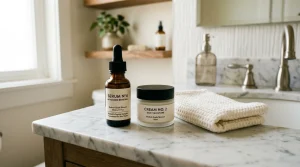
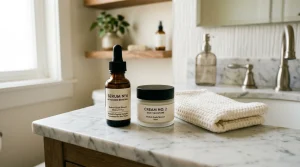
Navigating your skincare routine can feel overwhelming, especially when combining powerful products like salicylic acid and BHA (butylated hydroxyanisole). Many wonder if using BHA after a salicylic acid cleanser is the right move for their skin. While both ingredients target blemishes and improve skin texture, layering them incorrectly might lead to irritation or reduced effectiveness. Understanding how these ingredients work together can be the key to a clearer, healthier complexion. Stick around as we delve into the best practices for using BHA safely and effectively after your salicylic acid cleanse, ensuring your skincare goals are met without compromising your skin’s health.
Can BHA and Salicylic Acid Be Used Together?

Mixing skincare products can feel like navigating a delicate dance, especially when it comes to combining exfoliating ingredients like BHA (beta hydroxy acid) and salicylic acid. Both components are celebrated for their ability to help treat acne-prone skin and enhance overall skin texture. However, using them together can lead to over-exfoliation, which may damage your skin barrier and result in irritation.
BHA, which is oil-soluble, penetrates deep into the pores, making it effective for breaking down the oils and debris that can cause breakouts. Salicylic acid, a type of BHA, is widely found in cleansers and treatments. While it might seem convenient to combine these two, it’s essential to be cautious. Using a salicylic acid cleanser followed by a BHA product might be too much for some skin types, especially if used daily. Instead, consider alternating between them-using the salicylic acid cleanser one day and a BHA treatment the next. This approach allows you to reap the benefits of both without overwhelming your skin.
If you decide to use both products, watch for signs of irritation, like redness or peeling, which indicate that your skin might need a little break. Additionally, always remember to apply a moisturizer afterward to maintain hydration and support your skin’s barrier, ensuring that your skin stays balanced and healthy as you explore your skincare routine.
Understanding the Role of BHA in Skincare
BHA, or beta hydroxy acid, plays a pivotal role in skincare, especially for those grappling with oily or acne-prone skin. One of its standout benefits lies in its oil-soluble nature, which enables it to penetrate deep into the pores. This capacity allows BHA to dissolve the sebum and dead skin cells that can cause blockages, ultimately preventing breakouts. If you’re looking to clear out clogged pores or reduce the appearance of blackheads, incorporating BHA into your routine can be particularly effective.
When using BHA, many formulations come in the form of toners, serums, or spot treatments, making it versatile for any skincare regimen. One common misconception is that more is better; however, because BHA is potent, even a little can go a long way. Typically, applying a dime-sized amount to clean skin, focusing on areas prone to congestion, is sufficient. It’s essential to allow your skin to absorb the product fully before layering on other products.
Additionally, understanding the appropriate frequency of use is vital for achieving the best results without irritating your skin. Starting with a lower concentration can help you gauge how your skin reacts. Aim to use BHA 2-3 times a week initially, and then adjust based on your skin’s tolerance and needs. And as always, remember that hydration plays a crucial role in the effectiveness of exfoliants like BHA. A good moisturizer can help restore the moisture balance in your skin, especially after exfoliating.
To wrap it up, BHA is an invaluable tool for anyone looking to refine their skin texture and combat acne. By learning to use it correctly, you can harness its full potential while safeguarding your skin’s health. Always listen to your skin’s signals-if you notice redness or excessive dryness, reassess your use of BHA and consider giving your skin a break.
Benefits of Using Salicylic Acid Cleanser

Using a salicylic acid cleanser can be a game changer for anyone dealing with oily or acne-prone skin. One of the standout benefits of salicylic acid is its ability to exfoliate the inside of the pores, which helps to not only clear existing blockages but also prevent new ones from forming. This oil-soluble beta hydroxy acid penetrates deeply into the skin, breaking down the excess sebum and dead skin cells that typically lead to acne flare-ups.
Incorporating a salicylic acid cleanser into your daily routine can enhance your skin’s overall texture and clarity. Many users report noticeable improvements in skin brightness and a reduction in blackheads and breakouts after consistent use. For the best results, apply a small amount-roughly the size of a quarter-onto damp skin, gently massaging in circular motions for about 30 seconds before rinsing. This allows the active ingredient enough time to work its magic without over-exfoliating the skin.
However, it’s important to note that while salicylic acid cleansers are beneficial, they can sometimes leave the skin feeling dry or tight. Pairing a salicylic acid cleanser with a suitable moisturizer is essential to maintain your skin’s hydration balance. Opting for a lightweight, non-comedogenic moisturizer after cleansing will not only hydrate but also help soothe any potential irritation.
Above all, be mindful of your skincare layering. If you’ve recently used a salicylic acid cleanser, it’s generally advised to avoid applying BHA treatments immediately afterward, as this could lead to over-exfoliation. A careful balance of products will ensure that you reap the benefits without compromising your skin’s health.
When to Avoid Combining BHA with Salicylic Acid

Many skincare enthusiasts find themselves drawn to the benefits of both BHA (beta hydroxy acid) and salicylic acid, especially when targeting issues like acne or oily skin. However, layering these products can lead to potential pitfalls. Combining BHA with a salicylic acid cleanser can indeed be beneficial, but it’s crucial to be mindful of how and when to use them together to avoid over-exfoliating your skin.
When incorporating these acids into your routine, timing is key. Using a salicylic acid cleanser prepares your skin by deeply cleansing pores and removing debris; however, if you immediately follow this with a BHA treatment, you might be setting yourself up for irritation. Both ingredients work to exfoliate, but using them in quick succession can strip your skin of essential moisture and disrupt its natural barrier. This is particularly true if your skin is sensitive or prone to dryness.
If you’re experiencing any tingling, redness, or excessive dryness after using a salicylic acid cleanser, consider holding off on the BHA for at least a few hours. Another effective strategy is to alternate use; save your BHA for a different time of day-or even a different day altogether. This allows your skin to benefit from each product without overwhelming it. For instance, you might use the salicylic acid cleanser in the morning and reserve your BHA for your evening routine.
Ultimately, listening to your skin is your best guide. Keep an eye out for any signs of discomfort or irritation. If you feel your skin reacting negatively after combining these products, it’s wise to adjust your routine. By giving your skin the space it needs to breathe and recover, you can enjoy the benefits of both ingredients without the risk of over-exfoliation.
Potential Skin Reactions to Mixing Exfoliants
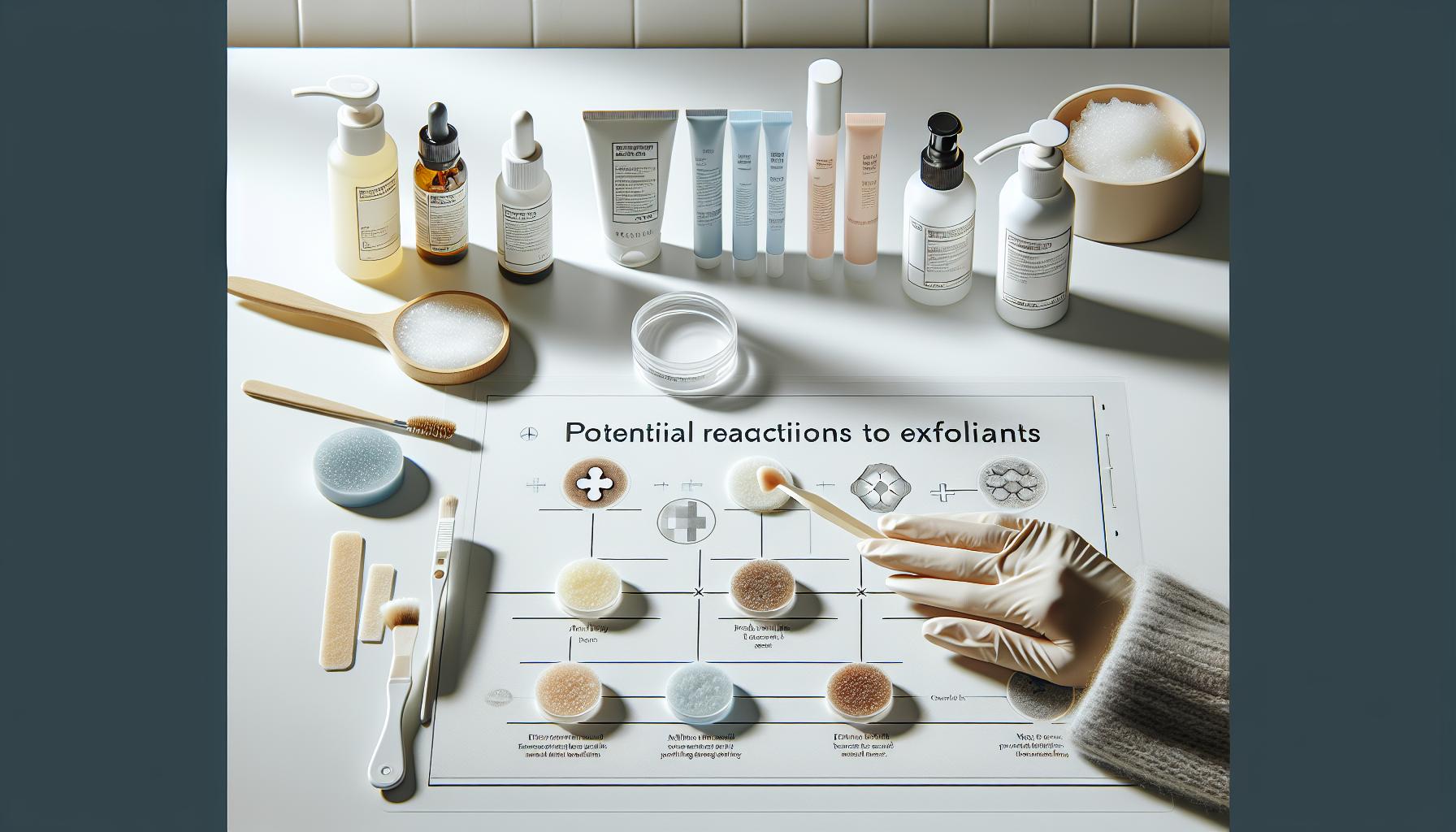
Mixing exfoliants like BHA and salicylic acid can lead to various skin reactions, particularly if not approached with caution. Many people swear by the combined power of these ingredients, especially for tackling issues related to acne and oily skin. However, it’s crucial to understand how your skin might react when these potent exfoliants work in tandem.
When using both products, some of the most common reactions include tingling, redness, and excess dryness. These symptoms often indicate that your skin’s barrier is being compromised. For instance, if you use a salicylic acid cleanser followed immediately by a BHA treatment, your skin may feel overly stripped, which can escalate into irritation. This is especially true for those with sensitive or easily irritated skin types.
To avoid issues, it’s a good idea to space out your applications. Try using salicylic acid in the morning and reserving BHA for your nighttime routine. This not only helps your skin recover but also gives each ingredient the chance to work effectively without overwhelming your skin. If you notice any signs of discomfort after using these products, take a break from exfoliation and allow your skin to rest. Hydration is also vital; following exfoliation with a gentle, hydrating moisturizer can help restore your skin’s moisture balance.
Ultimately, tuning into your skin’s cues is essential. Adjust your routine based on how your skin feels, and don’t hesitate to consult a dermatologist if irritation persists. By practicing caution with exfoliants, you can reap their benefits while minimizing adverse reactions.
Expert Tips on Safely Incorporating BHA
Incorporating BHA into your skincare routine can significantly benefit your skin, especially if you’re dealing with concerns like acne or clogged pores. However, it’s vital to do so safely to maximize effectiveness while minimizing potential irritation. Here are some expert tips to help you utilize BHA wisely, particularly if you’ve used a salicylic acid cleanser.
Start by assessing your current skincare regimen. It’s often beneficial to use salicylic acid cleansers during the morning and save BHA for your evening routine. This strategy allows your skin to recover throughout the day and provides each product ample time to work without interference. For instance, you might begin your mornings with a gentle salicylic acid cleanser to exfoliate and prepare your skin, followed by a lighter moisturizer. In the evening, after cleansing with a mild soap, apply a BHA product-this could be a treatment, toner, or serum-using a dime-sized amount on your damp skin. Gently massage in circular motions for about 30 seconds to ensure even coverage.
Another key point is to always perform a patch test when introducing new products. Apply a small amount of BHA on a discreet area, such as behind your ear, for a few days to check for adverse reactions before using it on your face. If irritation occurs, you may want to dilute the BHA with a non-exfoliating moisturizer or consider using it less frequently, perhaps starting with just once or twice a week.
Finally, hydration cannot be overlooked. After applying BHA, follow up with a soothing, hydrating moisturizer to help restore your skin barrier and lock in moisture. Look for ingredients like hyaluronic acid or ceramides, which are particularly effective at replenishing hydration. Remember, your skin’s health is a marathon, not a sprint. If you encounter persistent irritation, take a break from exfoliating products and consult a dermatologist to tailor a routine that suits your unique skin needs.
By following these tips, you can safely incorporate BHA into your skincare routine, ensuring a clearer, healthier complexion without overwhelming your skin.
Alternatives to BHA for Sensitive Skin
If you’ve got sensitive skin, the thought of using BHA, especially in combination with salicylic acid, can raise a few eyebrows-and for good reason. While BHA (beta hydroxy acid) is fantastic for addressing acne and blocked pores, it can be a bit too intense for those with delicate skin. Luckily, several alternatives can help you maintain a clear and healthy complexion without the irritation.
One effective option is lactic acid, which is part of the alpha hydroxy acid (AHA) family. Unlike stronger exfoliants, lactic acid is known for its gentle exfoliating properties that hydrate while removing dead skin cells. This dual action means you get smooth skin without the harshness, making it a great choice for anyone wary of irritation from BHAs. When using lactic acid, apply a few drops to damp skin about twice a week, allowing your skin to adjust before increasing frequency.
Another excellent alternative is witch hazel, a natural astringent that helps to minimize pores and calm inflammation. It’s especially beneficial for sensitive and oily skin types, as it reduces excess oil without stripping your skin. Look for alcohol-free formulas to prevent further drying, and apply it with a cotton pad after your cleanser, or mix it with your favorite toner for a refreshing touch.
If you’re open to calming botanical options, consider green tea extract. Known for its antioxidant properties, it can soothe irritation and reduce redness. You can find it in various formulations, such as serums or creams, or even prep your skin with a green tea-infused toner. Incorporate it into your routine after cleansing, and look for products with a concentration of at least 50% green tea for effective results.
Finally, don’t overlook the benefits of a gentle moisturizer containing ingredients like hyaluronic acid or ceramides. These components help to reinforce your skin barrier, ensuring it stays hydrated and reduces sensitivity post-exfoliation. Always look for non-comedogenic, fragrance-free products to minimize potential skin reactions.
Exploring these alternatives will allow you to cultivate a skincare routine that supports your skin’s needs without compromising on effectiveness. By choosing gentler options, you can enjoy the benefits of exfoliation while keeping irritation at bay-ultimately leading to healthier, more resilient skin.
How to Layer Products for Best Results
Layering skincare products correctly can enhance their effectiveness and minimize the risk of irritation. If you’re considering using BHA (beta hydroxy acid) alongside a salicylic acid cleanser, understanding the art of layering is essential to achieve glowing, healthy skin without overwhelming it.
To start off, cleanse your skin with a gentle salicylic acid cleanser. This will help unclog pores and remove excess oil, setting a solid foundation for your skincare routine. Once your skin is clean and slightly damp, allow it to dry completely before applying any additional products. This pause is crucial, as applying further treatments to wet skin can dilute their potency and lead to uneven application.
Next, consider using a BHA product. If it’s a liquid exfoliant, use a cotton pad to apply a dime-sized amount, gently sweeping it across your face. If you prefer a BHA serum or cream, apply a small amount using your fingertips, working it in with upward and outward motions. This method not only ensures even coverage but also stimulates circulation, which is beneficial for your skin’s overall health.
After the BHA product absorbs-typically within a few minutes-layer on a hydrating serum or moisturizer. Look for ingredients like hyaluronic acid or ceramides to replenish moisture and strengthen the skin barrier. This step is key, especially after using exfoliants, as it can reduce potential irritation and keep your skin hydrated.
Lastly, finish your routine with a broad-spectrum sunscreen during the day. Exfoliation can make your skin more sensitive to sun exposure, so protecting your skin is vital to prevent damage and maintain its health.
By following these guidelines, you’ll ensure that your BHA and salicylic acid work in harmony, providing you with clearer skin while keeping sensitivity at bay. Remember to listen to your skin; if you notice excessive dryness or irritation, adjust the frequency of your exfoliation.
Signs You Need a Break from Exfoliation
If your skin feels irritated or uncomfortable, it may be signaling that it’s time to take a break from your exfoliation routine. This can happen for a variety of reasons, especially when using powerful ingredients like BHA and salicylic acid together. Listening to your skin is paramount, as it can be quite vocal about its needs. Here are some key signs you should watch for to determine if a pause is necessary.
First, look out for persistent redness or inflammation. If your skin appears more sensitive than usual, this could be a cue that your current exfoliation frequency is too high. Similarly, if you experience a burning sensation after applying products, it’s time to reassess how often you’re using them. These reactions often indicate that your skin barrier has been compromised, which means it needs nurturing rather than additional exfoliation.
Another sign to pay attention to is excessive dryness or flakiness. While a light exfoliation promotes a healthy glow, over-exfoliating can strip your skin of its natural oils, leading to a parched, flaky surface. If you notice your skin becoming too tight or rough, consider easing back on the exfoliation. Incorporating a hydrating routine can help restore balance and moisture.
Lastly, if you start experiencing breakouts or increased oiliness despite following an exfoliation regimen, it may be time for a break. Over-exfoliation can cause your skin to overproduce oil as a defense mechanism, leading to clogged pores and acne. Remember, achieving clear skin is a marathon, not a sprint. Embracing a more gentle approach can yield better long-term results.
In conclusion, recognizing these signs can help maintain your skin’s health and balance. Take the opportunity to give your skin a break, focus on hydration, and let it recover, so you can return to your exfoliation routine with renewed vitality.
What to Do If You Experience Irritation
If you find yourself dealing with irritation after using products containing BHA and salicylic acid, it’s important to take a step back and care for your skin. The combination of these potent exfoliants can easily overwhelm your complexion, leading to redness, flakiness, or even burning sensations. Here’s how to manage that irritation and help your skin recover.
First and foremost, it’s crucial to listen to your skin. If you notice any signs of irritation, cease the use of both BHA and salicylic acid for a few days. This break allows your skin barrier to heal and recalibrate. During this time, switch to a gentle cleanser, like a hydrating cream or gel, which will keep your skin clean without stripping away moisture. Look for ingredients like glycerin or aloe vera, which are soothing and hydrating.
Next, focus on hydration and barrier repair. Opt for moisturizers containing calming ingredients such as ceramides, hyaluronic acid, and niacinamide, which are known for their ability to reduce inflammation and strengthen the skin barrier. Apply a generous amount morning and night, ensuring you cover not just your face but also any areas that might feel dry or tight. You might even consider a gentle, fragrance-free hydrating mask for an extra boost.
If your skin remains irritated, consider using a topical cortisone cream, which can help reduce inflammation. However, this should only be a temporary measure; prolonged use can lead to its own set of problems. If the irritation persists or worsens, it’s wise to consult a dermatologist for advice tailored to your skin’s specific needs.
Lastly, once your skin has settled, gradually reintroduce your products. Instead of using them together, try to alternate days. For example, you might use the salicylic acid cleanser in the morning and then wait a day or two before using products with BHA. This will help you gauge how your skin reacts, allowing you to find the right balance without pushing it too far.
Remember, skincare is a personal journey, so give your skin the time it needs to recover, and don’t hesitate to adjust your routine based on its reactions. Your skin will thank you for the patience and care you offer!
Hydration: Why It Matters After Exfoliation
Exfoliating your skin with products containing BHA (beta hydroxy acid) and salicylic acid can lead to a brighter, more refined complexion, but it can also leave your skin feeling vulnerable and stripped of its natural moisture. After diving into the world of exfoliation, often one of the most overlooked steps is hydration. Keeping your skin properly hydrated post-exfoliation is not just a nice-to-have; it’s essential for recovery and maintaining your skin’s barrier.
To put it simply, exfoliation removes dead skin cells, but it can also compromise your skin’s natural barrier, which is designed to retain moisture. Without adequate hydration, you could experience dryness, irritation, or even breakouts as your skin struggles to rebound. This is why reaching for a hydrating serum or moisturizer immediately after exfoliating is crucial. Look for products rich in hyaluronic acid, which has the remarkable ability to hold up to 1,000 times its weight in water, pulling moisture into your skin. Similarly, incorporating ceramides can reinforce your skin barrier, helping to lock in moisture and prevent transdermal water loss.
When applying your hydrating products, consider doing it on slightly damp skin. This will not only enhance absorption but also help in effectively sealing in the moisture. A quick tip: instead of using a pea-sized amount, try applying a few drops of serum to the palm of your hand and gently pressing it into your face and neck in upward motions. This technique, combined with following up with a good moisturizer, can make a significant difference in how your skin feels and looks after exfoliation.
Don’t forget, hydration isn’t a one-time thing. To maintain your skin’s health, incorporate lightweight hydrating products into your daily routine, even on non-exfoliating days. Listen to your skin’s needs, and remember that proper hydration can transform the benefits of your exfoliation into lasting results. So, if you’re on this journey for clear, glowing skin, make hydration a priority-not an afterthought. Your skin will genuinely appreciate it!
Anna’s Recommended Routine for Clearer Skin
Crafting a skincare routine that incorporates both BHA and salicylic acid can be beneficial, but it’s essential to approach it thoughtfully to avoid irritation and maximize results. To create a balanced routine, consider the following steps.
Start with your salicylic acid cleanser in the morning. This is a gentle way to lift impurities and help prevent breakouts without overwhelming your skin. Use a small amount-about a dime-sized amount-massaging it onto damp skin with gentle, circular motions for about 30 seconds. This cleanser works to decongest pores and effectively prep your skin for any additional treatments.
After cleansing, follow up with a hydrating toner or essence that contains soothing ingredients like aloe vera or chamomile. This step is crucial because it lifts the skin’s hydration levels and creates a supportive base for what comes next. Choose products that are fragrance-free and designed for sensitive skin to minimize any risk of irritation.
On days when you want to incorporate BHA, consider using it in the evening. Look for a BHA product such as a liquid exfoliant containing 1-2% salicylic acid, applying it after your toner. Use a cotton pad to gently swipe it across your face, avoiding sensitive areas like the eyes. This method allows the BHA to absorb and work its magic overnight without the immediately impactful cleansing effect of salicylic acid during the day.
Finish your evening routine with a nourishing moisturizer. Look for ones rich in ingredients like ceramides and hyaluronic acid, which will help restore the hydration levels your skin needs after exfoliation. Apply the moisturizer to damp skin to enhance penetration, which promotes better hydration.
Remember, moderation is key. Keep track of how your skin reacts, and if you notice any signs of irritation-such as redness, excessive dryness, or tightness-reduce the frequency of BHA use until your skin adjusts. Prioritize hydration as part of your daily routine, ensuring optimal balance and results.
By harmonizing BHA and salicylic acid within your routine and focusing on hydration, you can achieve clearer, healthier-looking skin without compromising your skin’s barrier. If you’re ever in doubt, consult a dermatologist for personalized advice tailored to your unique skin needs.
Frequently asked questions
Q: Can I use BHA after using a salicylic acid cleanser?
A: While it’s possible to use BHA after a salicylic acid cleanser, doing so may increase the risk of irritation and sensitivity. Both are exfoliants, so it’s often better to space them out in your routine. Consider using them on different days or at different times (day vs. night) for safe incorporation.
Q: What are the side effects of using BHA and salicylic acid together?
A: Combining BHA and salicylic acid can lead to excessive dryness, redness, or flaking due to their strong exfoliating properties. If you experience irritation, it’s advisable to stop using both products and allow your skin to recover before reintroducing them separately.
Q: How long should I wait before applying BHA after a salicylic acid cleanser?
A: To minimize irritation, wait at least 30 minutes after cleansing with salicylic acid before applying BHA. This allows your skin barrier to stabilize before introducing another active ingredient, reducing the risk of sensitivity.
Q: Are there better alternatives to use after a salicylic acid cleanser?
A: Yes! Instead of BHA, consider using hydrating products like glycerin, hyaluronic acid, or soothing serums containing aloe vera. These help to keep your skin moisturized and calm after exfoliating with a salicylic acid cleanser.
Q: How can I safely incorporate both BHA and salicylic acid into my routine?
A: To safely use both, apply salicylic acid in the morning and BHA at night. This separation allows each ingredient to work effectively without overwhelming your skin. Always follow with sunscreen during the day to protect your skin from increased sensitivity.
Q: What should I do if I experience irritation when using BHA and salicylic acid?
A: If you experience irritation, discontinue the use of both products immediately. Focus on calming your skin with gentle moisturizers and soothing ingredients. Gradually reintroduce actives one at a time to determine what your skin can tolerate.
Q: Why might I want to avoid combining BHA and salicylic acid?
A: Avoiding the combination is wise because both are potent exfoliants. Using them together can lead to excessive dryness and irritation, compromising your skin barrier and potentially causing longer-term skin issues.
Q: How do I know if I’m using too many exfoliants in my skincare routine?
A: Signs of using too many exfoliants include persistent redness, burning sensations, excessive dryness, or peeling. If you notice any of these symptoms, it’s essential to reassess your routine and consider reducing the frequency of exfoliant use.
To Wrap It Up
In conclusion, if you’re wondering, “Can I use BHA after a salicylic acid cleanser?”, it’s important to proceed with caution. Achieving that clear, glowing skin is possible, but you want to avoid overwhelming your skin with too many acids at once. Consider giving your skin a break before introducing BHA, ensuring you minimize irritation and maximize the effectiveness of your skincare routine. Remember, listening to your skin is key!
For more skincare tips, check out our articles on the best practices for layering actives and how to choose the right exfoliant for your skin type. Don’t forget to subscribe to our newsletter for firsthand updates on the newest trends and tips in skincare! Share your experiences in the comments below, and let’s keep the conversation going – your journey to healthier skin is just beginning!
Get our latest guides, news, and insights highlighted in your Google Search & AI Overviews.