The debate around children wearing makeup is more than just a matter of personal choice; it taps into concerns about self-esteem, societal expectations, and childhood innocence. Did you know that nearly 30% of tweens and teens report feeling pressured to look a certain way? This statistic highlights why many people voice their disapproval of makeup for children. As parents and caregivers, you may wonder about the impact makeup can have on your child’s self-image and development. The motivations behind opposing views vary widely-from worries about sexualization and premature maturity to concerns about skin health and self-worth. Understanding these perspectives is crucial, not just for navigating societal pressures, but also for fostering open conversations with young ones about confidence and individuality. As we explore the key concerns surrounding this topic, you’ll gain insights that empower you to make informed choices for the young ones in your life. Let’s delve into why this issue resonates with so many and what it means for today’s youth.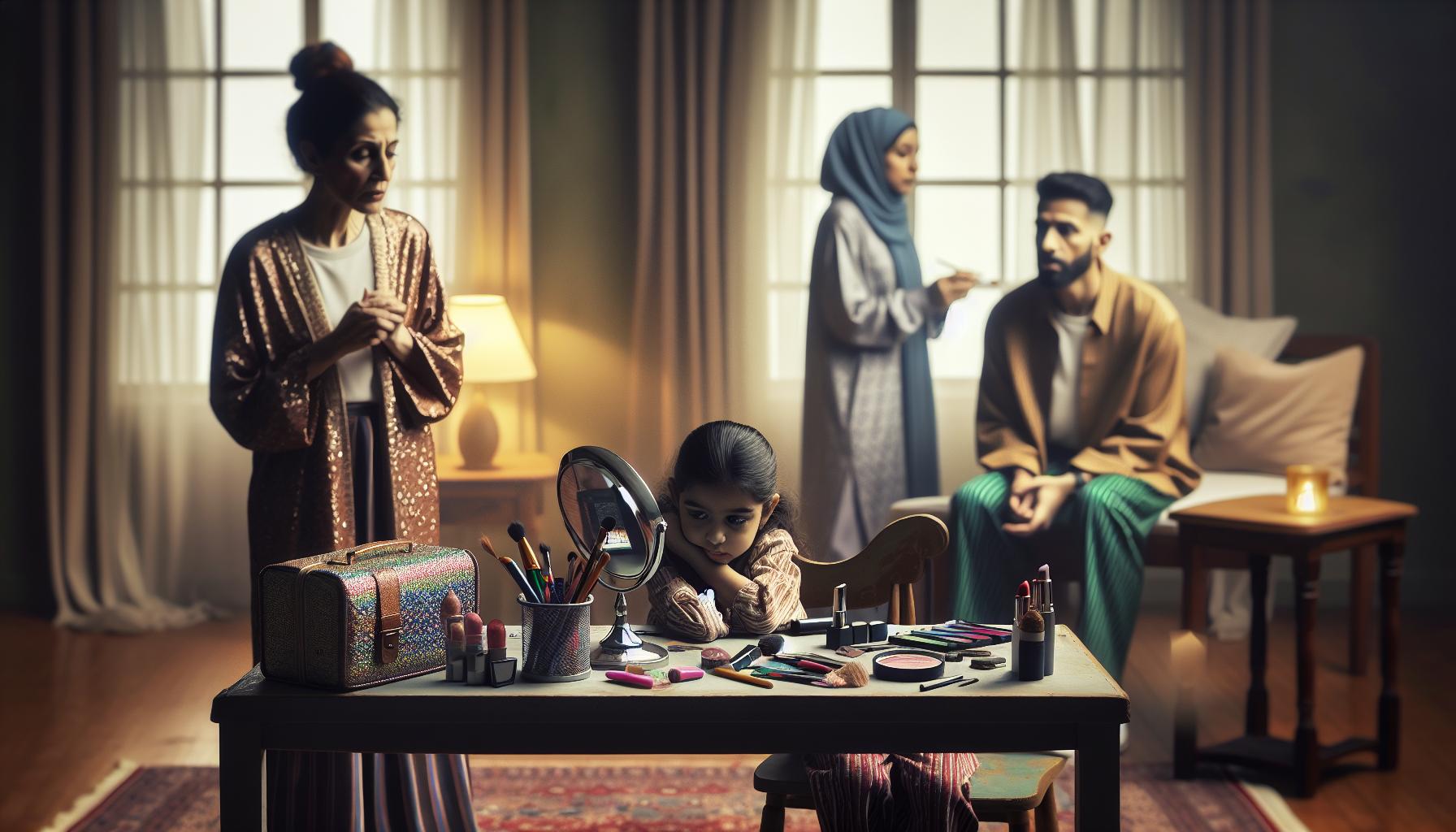
Key Reasons for Opposition to Kids in Makeup
The debate surrounding children wearing makeup is often sparked by valid concerns from parents, educators, and child development experts. One significant reason for opposition lies in the psychological impacts of makeup on young minds. Children are still developing their self-image and self-esteem; introducing makeup too early may send mixed messages about their natural beauty and worth. For instance, when makeup becomes a social norm for children, they might feel pressure to conform to specific beauty ideals, which can lead to feelings of inadequacy or low self-esteem if they don’t meet these standards.
Another critical point of contention is the potential for increased sexualization of children. Many believe that allowing young girls – and boys – to wear makeup can contribute to a culture that prematurely focuses on attractiveness and appearance rather than age-appropriate self-expression. This concern isn’t just about the makeup itself; it’s about the message it conveys to children about their roles and how society perceives them. A child’s main focus should ideally be on learning and playing, rather than worrying about fitting into adult-centric beauty standards.
Additionally, parental perspectives often highlight the health risks associated with makeup use at a young age. Children’s skin is typically more sensitive than that of adults, making it easier for irritants or allergens in cosmetics to cause adverse reactions. Reactions can range from minor irritations to more severe issues like allergic dermatitis. Moreover, educational campaigns regarding skin health emphasize the importance of proper skin care over makeup application, encouraging parents to instill values of natural beauty and healthy skincare practices.
In light of these concerns, many advocate for alternative forms of self-expression that are age-appropriate and focus on creativity without the implications tied to cosmetics. Encouraging children to engage in artistic activities, like painting or crafting, allows them to express their individuality without the pressures and risks associated with makeup. Thus, the conversation continues: weighing the desire for self-expression against the pivotal responsibility of protecting childhood innocence and fostering a positive self-image.
Potential Impact on Child Development
The early introduction of makeup into a child’s routine can have profound implications on their overall development. During their formative years, children are developing their self-identity and understanding how they fit within the world around them. When makeup becomes part of this exploration, it can distort their perception of beauty, leading them to value outer appearance over inner qualities. Research suggests that children exposed to beauty products can start to internalize unrealistic beauty standards, which may result in lower self-esteem and body image issues as they grow.
Moreover, the use of makeup can contribute to a shift in focus from age-appropriate activities to those concerned with appearance. Instead of engaging in imaginative play or learning new skills, children may find themselves preoccupied with how they look, thus hindering their emotional and social development. This premature focus on aesthetics often leads to pressure to uphold certain beauty norms, which can be overwhelming and confusing for young minds still trying to navigate their identities.
It’s also crucial to recognize the potential effects on interpersonal relationships among children. Those who wear makeup might face judgment or social exclusion from peers who view their makeup as inappropriate for their age. This could instill a fear of rejection based on appearance rather than personal character, ultimately impacting their ability to form healthy, supportive friendships. In contrast, fostering an environment where children can embrace their natural beauty encourages authentic connections and mutual respect among peers.
Ultimately, nurturing a child’s self-esteem without the influence of makeup can empower them to develop a strong sense of self-worth grounded in more than external appearance. By promoting activities that prioritize creativity and self-expression-like art, sports, or role-playing games-children can learn to celebrate their individuality in ways that are developmentally appropriate and lead to healthier self-image and social dynamics.
Cultural Perspectives on Children Wearing Makeup
The cultural landscape surrounding children wearing makeup varies significantly across different communities and historical contexts. In some cultures, makeup is seen as a form of self-expression and a rite of passage, while in others, it raises concerns about childhood innocence and appropriate gender roles. Understanding these perspectives can provide insight into the broader debate about children and cosmetics.
In certain cultures, makeup is traditionally associated with celebrations and milestones. For example, in some Hispanic communities, young girls may wear makeup during festive occasions like quinceañeras, symbolizing their transition into womanhood. Here, makeup serves as a cultural celebration rather than a means to conform to beauty standards. Conversely, in many Western societies, the marketing of makeup to children can spark debates about whether applying makeup too early undermines childhood innocence and prematurely sexualizes young girls.
Popular media often shapes cultural perceptions of beauty and, in turn, influences attitudes toward children using makeup. As child stars frequently appear in makeup on television and social media platforms, young audiences may see this as the norm, leading them to desire similar practices. Nevertheless, this representation can create a dichotomy, where some parents embrace this societal shift as a form of creativity or expression, while others vehemently oppose it, citing concerns over the sexualization of children and the pressure to conform to unrealistic beauty ideals.
Ultimately, illustrate a complex interplay of tradition, media influence, and societal expectations. Engaging in open dialogues with children about these influences can empower them to make informed choices, fostering an understanding of beauty that values inner qualities alongside outward appearance. Conversations can also encourage children to explore expression through various creative avenues, reinforcing the idea that beauty transcends mere aesthetics.
Health Concerns: Skin and Allergies
Using makeup can seem innocuous, yet for children, it can pose significant health risks that are often overlooked. Skin, especially in younger individuals, is notably more sensitive and susceptible to irritation than adult skin. This means that even basic cosmetic products can cause reactions. Some children may experience redness, itchiness, and rashes from ingredients that might not cause any issues for adults.
Understanding Allergies and Sensitivities
Many cosmetics contain fragrances, preservatives, and pigments that are potential allergens. For instance, common ingredients like parabens, which are often used to prolong shelf life, can trigger allergic reactions. As a parent, it’s essential to observe how a child’s skin reacts after using any new product and to perform patch tests-applying a small amount to an inconspicuous area before full application. If a rash or irritation occurs, it’s best to discontinue use and consult a dermatologist.
Simple Solutions for Skin Safety
Considering alternatives can go a long way in ensuring skin safety. Look for kids’ makeup brands that promote hypoallergenic and non-comedogenic products, which are less likely to cause adverse reactions. Always check labels for approval by dermatologists and allergists to ensure products have been tested for more sensitive skin. Additionally, encourage children to adopt a skincare routine tailored for their skin type that includes cleansing and moisturizing; this forms a protective barrier against the irritants found in makeup.
Maintaining Healthy Skin
It’s also vital to promote healthy skin habits, like removing makeup properly at the end of each day. Teach children to use a gentle cleanser and avoid heavy scrubbing, as their skin might be more prone to irritation. Regular exfoliation is not recommended for young skin; instead, enlighten them about the importance of hydration. When children feel confident in their natural skin, they may be less inclined to use makeup excessively.
Taking a proactive approach to understanding the health concerns related to children wearing makeup helps ensure their skin remains healthy and safe. By prioritizing skin health over cosmetics, parents can offer their children a balanced perspective on beauty that values natural appearance and good skincare habits.
Media Influence and Beauty Standards
The pervasive influence of media on children cannot be overstated, especially in shaping their perceptions of beauty and self-worth. With the rise of social media platforms showcasing altered images and beauty standards that are often unattainable, children are increasingly exposed to ideals that can lead to unhealthy obsessions with makeup and appearance. According to studies, children as young as six may begin to internalize societal standards of beauty, often associating makeup with acceptance, success, and popularity. This connection can create pressure to conform, leading them to seek out makeup as a means of enhancing their appearance at an early age.
One of the critical issues surrounding this trend is that makeup use among young children can undermine their self-esteem. Instead of promoting natural beauty and individuality, the media often presents a narrow view of what is considered attractive. Children who feel they must wear makeup to be accepted may struggle with feelings of inadequacy, especially when they compare themselves to digitally enhanced images that are widely circulated. It becomes essential for caregivers and educators to have open discussions with children about these media messages and to reinforce the idea that beauty is diverse and that self-worth is not linked to appearance.
Approaches to Counter Media Influence
To counteract the influence of beauty standards perpetuated by media, consider implementing the following strategies:
- Encourage Critical Thinking: Teach children to critically analyze the images they see online. Discuss how many photos are edited and manipulated, emphasizing that real life is not like what they often see in advertisements or on social media.
- Promote Positive Role Models: Highlight figures-whether celebrities, athletes, or historical icons-who embrace natural beauty and diversity in appearance. This can help children appreciate different forms of beauty and inspire confidence in their unique traits.
- Limit Exposure to Beauty-Centric Media: Be selective about the media children consume. Encourage engagement with content that focuses on talents, ideas, and achievements rather than just on looks.
- Foster Self-Expression Beyond Makeup: Encourage children to express themselves through art, sports, or other hobbies that allow them to develop a sense of identity that goes beyond appearance.
By fostering an environment where children feel safe to explore their identities without the pressure of conforming to media-driven beauty standards, parents and guardians can help cultivate healthier self-images. This not only promotes a more balanced perspective on beauty but also helps children focus on developing their talents and interests instead of worrying about their appearance through makeup.
Parental Perspectives: Balancing Expression and Safety
Navigating the waters of children’s self-expression through makeup can be challenging for parents. While letting kids play with makeup can encourage creativity, it also raises concerns about self-image, societal pressures, and health. Many parents grapple with finding the right balance between allowing their children to express themselves and ensuring they remain safe and healthy.
One key aspect for parents is to understand the implications of introducing makeup at a young age. If parents allow makeup application, it’s essential to set boundaries about when and how it is used. For instance, using makeup solely for special occasions or themed events can offer a controlled environment while promoting self-expression. This way, children can enjoy makeup play without it becoming an everyday necessity that ties into their self-worth or identity.
Moreover, open conversations about the reasons behind makeup can empower children. Discussing topics like beauty diversity, the importance of natural looks, and the distinction between play and appearance can foster a healthy mindset. It can be helpful to encourage children to explore their identity through different outlets beyond cosmetics. Engaging in activities like crafting, painting, or sports allows for self-expression while focusing on developing skills and interests that build confidence.
Parents should also consider the ingredients in cosmetic products their children use, as skin sensitivity is a valid concern for kids. Opting for hypoallergenic and safe options, or even making DIY beauty products with natural ingredients, can alleviate worries about skin irritation and allergies. Encouraging children to feel comfortable without makeup is crucial, reinforcing that their worth is not tied to appearance but instead, who they are as individuals.
In summary, parents can foster a nurturing environment by balancing expression and safety. This journey involves guiding children to understand their self-worth, empowering them to articulate their needs, and facilitating a healthy relationship with self-expression-whether through makeup or other hobbies.
Alternatives to Makeup for Self-Expression
Encouraging self-expression in children can take many creative forms beyond the traditional realm of makeup. With a little imagination and guidance, kids can explore their individuality and boost their confidence through various engaging activities that foster creativity.
One fantastic alternative is arts and crafts. This not only provides a canvas for creativity but also encourages fine motor skills and patience. Kids can create their own accessories, such as headbands, bracelets, or decorated clothing. Using materials like beads, fabric, and paint allows them to express their style without relying on makeup. Furthermore, they can host DIY craft parties with friends, promoting social interaction and collaboration.
Theatrical play is another wonderful outlet. Dressing up and acting out roles can be exciting and liberating. Children can explore different characters without the constraints of traditional beauty standards. Encourage them to put on plays or puppet shows, where they can invent their own personas through costumes and storytelling. This type of imaginative play helps develop empathy and problem-solving skills while allowing for personal expression.
Sports and physical activity are also excellent avenues for self-expression. Engaging in sports offers children a chance to present themselves in unique ways, whether through team uniforms or creatively designed sports gear. This focus on physical ability rather than appearance can help children build a solid sense of self-worth based on their talents and teamwork.
Lastly, consider music and dance as powerful forms of self-expression. These elements allow children to convey emotions and identities in dynamic and fluid ways. Joining a local dance class, forming a band, or participating in karaoke are fun ways for kids to showcase their talents and individual flair.
By guiding children toward these alternatives, we can help them develop a positive self-image rooted in creativity and self-discovery. Ultimately, allowing them to explore different avenues of expression can lead to a more balanced and fulfilling understanding of who they are beyond just appearance.
The Role of Social Media in Makeup Trends
In today’s digital age, social media has a profound influence on makeup trends, shaping how children perceive beauty and self-expression. Platforms such as Instagram, TikTok, and YouTube inundate young viewers with images and videos showcasing colorful makeup looks, tutorials, and beauty challenges. These visuals often glamorize makeup, making it seem not just desirable but essential for self-worth and acceptance. With hashtags like #MakeupChallenge trending, the pressure to conform to these standards can become overwhelming for children, prompting some to experiment with makeup at increasingly younger ages.
The impact of social media goes beyond mere exposure; it creates a culture where children may seek approval based on their appearance and aligns their self-esteem with beauty ideals often presented as achievable through makeup. This phenomenon can lead to a distorted view of self-worth that hinges on external validation, which is particularly concerning for developing minds. Parents often find themselves navigating the complexities of allowing self-expression while addressing the underlying issues of self-image rooted in social media portrayals.
Moreover, social media enables the rapid spread of trends that may celebrate extreme makeup styles, including those associated with adult fashion and seasonal looks. While some children may just be playing and experimenting, the quick escalation to full glam looks can raise eyebrows, especially among parents concerned about appropriate age-related activities. It’s essential for caregivers to foster open dialogues about the content children engage with online while encouraging a healthy body image and emphasizing that self-worth comes from within rather than through aesthetic enhancements.
Finding a balance allows children to enjoy the creativity that makeup can offer without succumbing to the pressures of exaggerated beauty standards. Encouraging children to engage in critical thinking about the images they see can help them understand the realities behind social media portrayals. Emphasizing art, creativity, and alternative forms of self-expression, such as through fashion or art projects, can reinforce positive self-image and ensure that kids feel confident in who they are beyond just their appearance.
Legal Regulations and Age Restrictions
Legal regulations surrounding children wearing makeup vary significantly by location but generally reflect a desire to protect children from undue pressure to conform to adult beauty standards. In many jurisdictions, there are no explicit laws that prohibit children from wearing makeup, yet parental discretion and societal norms often dictate the acceptable age for its use. In some cultures, makeup is seen as an adult privilege, and using it at a young age may provoke disapproval from peers or authority figures, leading to a protective sentiment among parents.
Factors influencing age restrictions often stem from concerns about exploitation and the sexualization of children in media and advertising. For instance, the rise of children’s beauty pageants has sparked heated debate, resulting in calls for stricter regulations to limit exposure to adult beauty ideals. Countries like the United States do not have federal laws directly addressing the use of makeup by minors, but various states have passed child protection laws aimed at preventing the commercialization of childhood beauty, which can indirectly impact perceptions and practices surrounding children and makeup.
Many parents choose to establish their own guidelines based on developmental stages rather than waiting for legal clarifications. A common approach is to allow minimal, age-appropriate makeup for special occasions or during playtime while encouraging open discussions about beauty standards and self-expression. This helps children build confidence without feeling pressured to conform to certain ideals, enabling a balanced perspective on appearance.
Additionally, schools and organizations may implement their own policies regarding makeup, particularly in environments geared toward education or recreation. Parents may want to familiarize themselves with these policies, as they can play a significant role in shaping children’s experiences with makeup in a social context. In summary, navigating the legal aspects of children wearing makeup involves understanding cultural norms, protecting children’s well-being, and fostering healthy self-image practices within the family.
Educational Approaches to Makeup Awareness
In today’s visually driven world, the conversation around children wearing makeup often stirs strong opinions. As parents and guardians, fostering a healthy understanding of beauty, self-expression, and the impact of media is crucial for children. Education around makeup awareness doesn’t just serve to draw the line on whether children should or shouldn’t wear makeup; it equips them with the tools to navigate societal pressures and cultivate a positive self-image.
One effective way to educate children about makeup is to incorporate open discussions about its purpose and implications. Explain that makeup can be a fun form of creativity and self-expression but also discuss the unrealistic standards often perpetuated by the media. Consider framing these conversations around stories from different cultures and periods where beauty standards have shifted, helping them understand the transient nature of beauty ideals. This historical context not only broadens their perspective but also allows them to appreciate diversity in beauty.
Another practical approach involves introducing makeup as a skill rather than a necessity. Activities like crafting DIY beauty products, showcasing the artistry behind makeup application, or even exploring theatrical makeup for school plays can demystify its use. This hands-on approach can serve as a bonding experience, allowing for guidance and supervision while fostering creativity. Parents can emphasize that makeup can be used for fun contexts, like festivities or themed events, rather than as a daily requirement.
Additionally, utilizing educational resources such as books or documentaries about beauty standards can provide further insight for older children and tweens. Encourage them to critically analyze advertisements and social media trends, discussing how these images can impact self-esteem. This not only cultivates critical thinking skills but also reinforces their ability to form their own opinions about beauty.
Ultimately, by nurturing an environment of open communication and critical thinking, we can guide children through the complexities of beauty while instilling a sense of confidence in their natural selves. When they understand both the joys and the pitfalls of makeup use, children are empowered to make informed choices, fostering a positive relationship with their self-image and self-expression.
Q&A
Q: Why do some people believe makeup can harm children’s self-esteem?
A: Many believe that makeup can create unrealistic beauty standards for children, leading them to feel inadequate if they don’t meet these ideals. This pressure can negatively impact their self-esteem and body image, as they may equate their worth with their appearance. Consider focusing on positive self-acceptance activities instead.
Q: How can wearing makeup at a young age affect a child’s social interactions?
A: Wearing makeup can influence how children are perceived by their peers and adults, potentially leading to stereotyping or bullying. It might also push them to prioritize appearance over personality, altering their approach to social interactions. Encourage friendships based on shared interests rather than looks.
Q: What age do experts recommend children start wearing makeup, if at all?
A: Experts generally suggest delaying makeup use until adolescence, advocating for natural self-expression during childhood. This allows for healthy development without added societal pressures. Consider fostering self-expression through art or play instead of makeup at a young age.
Q: Are there cultural differences in attitudes toward children wearing makeup?
A: Yes, cultural attitudes toward children wearing makeup vary widely. In some cultures, makeup is seen as an art form and a rite of passage, while in others, it may be viewed negatively. It’s important to respect cultural differences while prioritizing a child’s well-being and self-expression.
Q: What are parental concerns regarding children wearing makeup?
A: Parents often worry about the potential health risks, the reinforcement of beauty standards, and the development of self-esteem issues. Balancing self-expression with safety and well-being is crucial. Parents can instead encourage creative outlets that promote natural self-confidence without makeup.
Q: How does social media influence children wanting to wear makeup?
A: Social media platforms often showcase beauty and makeup trends, influencing children to emulate those styles. This can create pressure to conform to unrealistic beauty standards. Encouraging critical thinking about media representation can help mitigate these effects while promoting self-acceptance.
Q: What alternatives to makeup can children use for self-expression?
A: Children can explore alternative forms of self-expression such as arts and crafts, fashion choices, or hairstyle experimentation. These outlets promote creativity and individuality without the implications that come with makeup use. This can be a fun way for them to showcase their personality safely.
Q: Are there any legal regulations concerning children wearing makeup?
A: Some places have guidelines about makeup usage for minors, particularly in contexts like pageants or performance. Understanding local regulations can help parents make informed decisions. It’s advisable to consult local norms while focusing on a child’s personal comfort and safety.
Future Outlook
As we’ve explored the various concerns surrounding children wearing makeup, it’s clear that this issue is more than just about aesthetics-it’s about health, confidence, and societal pressures. If you want to dive deeper into the implications of beauty standards on young minds, check out our article on “The Impact of Media on Body Image” for insightful statistics and expert opinions.
We encourage you to consider the key takeaways discussed. Understanding these viewpoints can help you make informed decisions whether you’re a parent or simply curious about beauty culture. If you enjoyed this discussion, subscribe to our newsletter for more tips on nurturing healthy beauty habits for all ages, and join the conversation by sharing your thoughts in the comments below!
Remember, it’s essential to foster an environment of self-acceptance. Explore our resources for positive self-image support and practical makeup advice to guide younger individuals toward healthy expression if they choose to wear makeup. Your insights matter-let’s continue this dialogue about beauty and childhood.