Did you know that makeup has ancient roots, with some of the earliest evidence found in Egypt? While most discussions focus on adult beauty standards, the intriguing question remains: did children wear makeup in Ancient Egypt? Exploring this topic not only helps us understand cultural significance but also offers insights into the societal norms of a civilization that valued beauty and adornment. From protection against the sun to making a statement of wealth and identity, the use of cosmetics extended beyond mere aesthetics. Join us as we delve into this fascinating aspect of Ancient Egyptian life, uncovering historical facts that reveal how children participated in beauty practices and what that meant for their society. You might be surprised by what we find!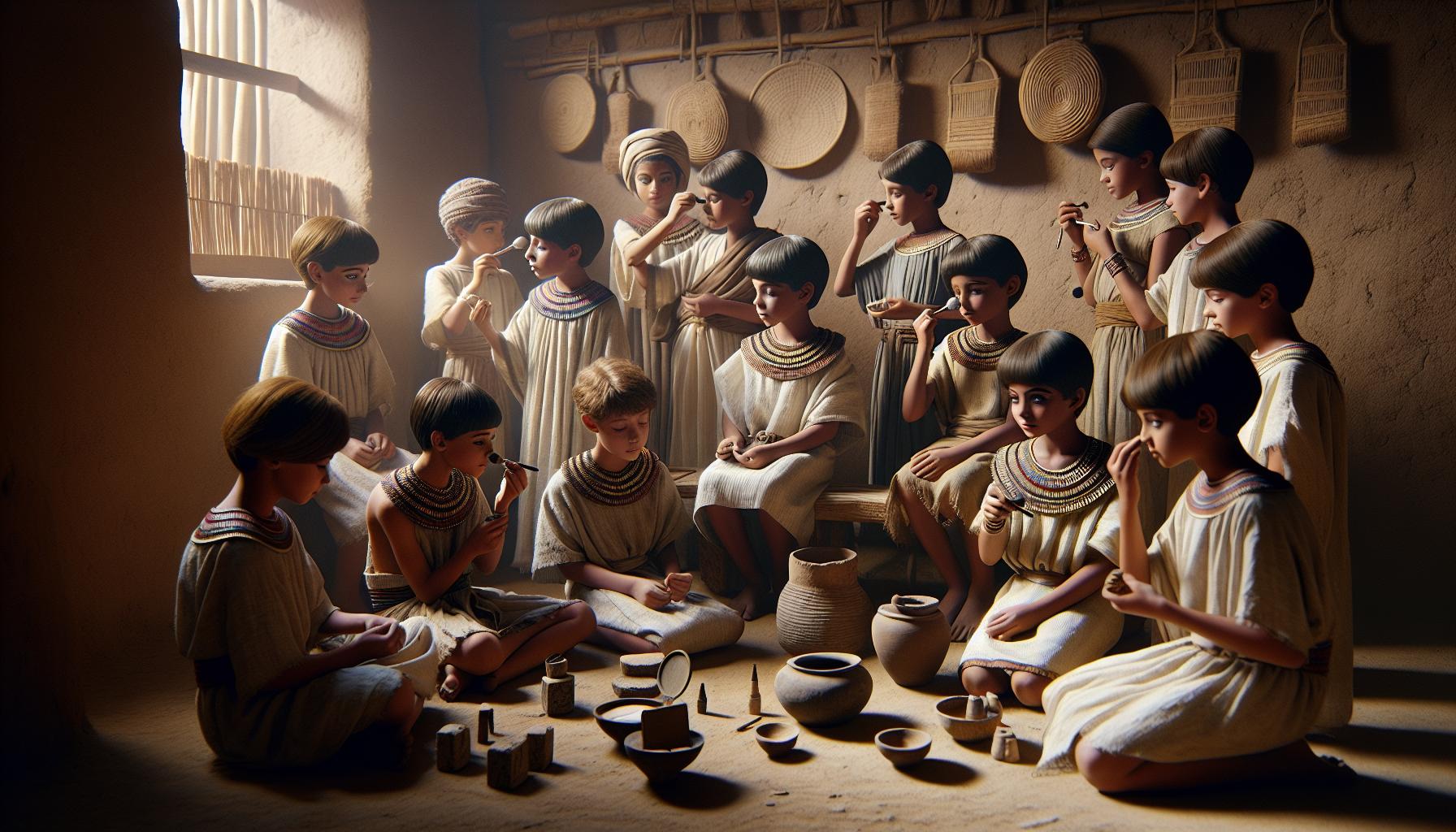
Did Children in Ancient Egypt Use Makeup? Exploring the Evidence
In Ancient Egypt, makeup wasn’t just a tool for beautification- it played a significant role in everyday life, and children were not excluded from this practice. Evidence suggests that children did use makeup to some extent, often influenced by cultural norms and familial practices. While adult makeup often had deep spiritual and practical purposes, such as warding off evil spirits or appealing to the gods, children’s use was likely more about following traditions and social norms rather than ritualistic significance.
Parents, especially mothers, probably introduced their children to light applications of cosmetics as a part of daily life. Historical artifacts, like small vessels and palettes, have been uncovered in archaeological sites, indicating that children might have had their own sets of cosmetics. These would typically include kohl for lining the eyes, which not only served as adornment but also provided protection against the harsh sun and insects. The presence of small cosmetics tools alongside kids’ artifacts hints that makeup was a shared activity, fostering familial bonding over beauty rituals.
In comparison to adults, children’s makeup practices would likely have been less elaborate. Instead of the rich layers of eyeliner and eye shadow seen on adults-often believed to enhance one’s divine favor-children might have worn a minimal touch of kohl or simple creams to moisturize the skin. This distinction highlights an interesting cultural norm: while makeup was prevalent in society, its application varied based on age and context, reflecting a blend of innocence in childhood and the weight of responsibilities in adulthood.
Understanding the role of makeup among children in Ancient Egypt allows us to appreciate how beauty practices have evolved, with modern children often mirroring these early traditions in playful, lighthearted ways. Today, the conversation around makeup in youth revolves around self-expression rather than cultural obligation, resonating with the ancient practices that informed these rituals so long ago.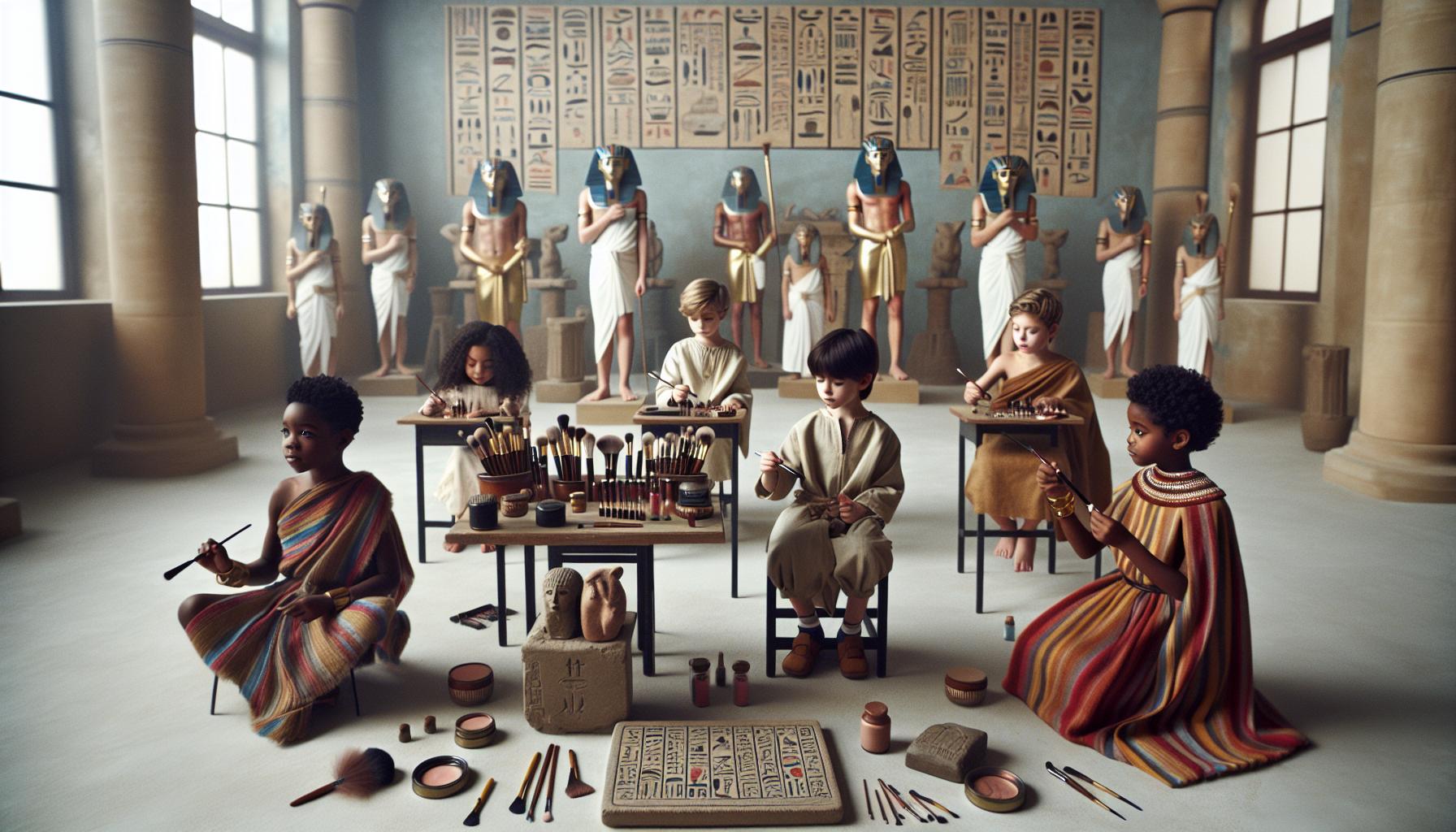
The Purpose of Makeup in Ancient Egyptian Culture
Makeup in Ancient Egypt served a multifaceted purpose beyond mere beautification; it was deeply intertwined with the culture’s beliefs, health, and social practices. From the vibrant hues of kohl worn around the eyes to the delicate applications of natural oils, cosmetics were pivotal in Ancient Egyptian daily life. Historically, the use of makeup was both a social norm and a means of protection. For instance, kohl, made from minerals, not only created striking eye makeup but also acted as a barrier against the sun and insects, showcasing how beauty and practicality coexisted in their grooming rituals.
Children, influenced by these prevailing practices, were often seen mimicking adults, adopting simpler forms of makeup as a rite of passage into societal norms. Light touches of kohl or moisturizing creams might have been common, reflecting the family’s aesthetic values while fostering early bonds through shared grooming rituals. Parents likely encouraged such practices as a way to connect with their children, emphasizing tradition and family heritage in the application of cosmetics.
In the broader context, makeup was also associated with spirituality and the divine. Many Ancient Egyptians believed that cosmetics held the power to ward off evil. When children adorned themselves with makeup, they were not just participating in a beauty ritual but also partaking in a cultural practice thought to bring protection and favor from the gods. This mystical association underscores the significant role of cosmetics in their lives, extending beyond adornment to embody a deeper connection with their faith and societal values.
Ultimately, illustrates a harmonious blend of aesthetics, family bonding, and spirituality, laying the groundwork for the evolving beauty practices we see today. Understanding this multifaceted role adds depth to our appreciation of historical beauty traditions and their influence on modern self-expression.
Common Makeup Ingredients Used in Ancient Egypt
The ancient Egyptians had a rich palette of ingredients for their cosmetics, many of which were natural and accessible. Understanding these ingredients not only illuminates their beauty practices but invites us to appreciate how they blended aesthetics with utility. While adults applied vibrant colors and detailed techniques, children likely engaged in simpler versions of these traditions.
One of the most iconic makeup materials was kohl, a cosmetic eyeliner made from lead sulfide or galena. Known for its striking dark hue, kohl was commonly used by both genders, reflecting societal norms of beauty. While adults might apply it heavily, children could use a lighter touch, creating a gentler, more playful look. This rich black pigment was believed to provide protection against the sun and infection, adding a layer of practicality to its beauty appeal.
Another essential ingredient was malachite, a green mineral used for eyeshadow. Its vibrant color not only beautified but also served spiritual purposes, as many believed it could help ward off evil spirits. In the context of children, the playful application of such bright colors likely contributed to the joy of their early beauty rituals.
Additionally, natural oils like almond and sesame oil played a crucial role in skincare as well as makeup. These oils were often mixed with pigments to create creams for lips and cheeks, ensuring that skin remained hydrated in the hot, dry climate of Egypt. For children, these oils served dual purposes: nurturing the skin while providing a subtle glow that echoed the aesthetic ideals of their parents.
Wrapped in mystique and practicality, these common ingredients in ancient Egyptian cosmetics reflect a profound relationship with beauty that transcended generations. They weren’t just about appearance; they embodied cultural norms, familial bonds, and a connection to spirituality that influenced how even the youngest members of society participated in these vibrant traditions. As we explore this fascinating aspect of history, it’s clear that the blending of beauty, identity, and protection in cosmetics still resonates today.
Makeup Application Techniques Among Ancient Egyptians
In Ancient Egypt, the art of makeup application was both a practical and cultural practice that reflected both beauty and symbolism. Children, while often using simpler techniques than adults, participated in these rituals, creating a sense of continuity in the rich tapestry of Egyptian society. The application of makeup wasn’t just about aesthetics; it was a way for children to connect with the traditions of their parents and the spiritual beliefs of their culture.
Applying makeup typically began with the use of kohl, which was ground into a fine paste. This dark eyeliner was applied to the eyes using a small applicator. Children likely had adapted versions of these tools, perhaps made smaller or simpler for ease of use. A typical technique involved dipping the applicator into the kohl and gently tracing the lower and upper eyelids, often in playful, lighter strokes compared to the more pronounced looks favored by adults. This not only enhanced their appearance but also served to protect their eyes from the sun’s glare and dust.
Another popular method included using natural pigments mixed with oils or water to create a paste for coloring the cheeks and lips. Malachite, for example, would be mixed carefully to achieve the desired consistency and color. Children could then use their fingers or a small brush made from twigs or plant fibers to apply this mixture. This hands-on approach allowed a personal touch in their artistry, which likely varied from child to child, emphasizing creativity alongside tradition.
Hygiene was also an essential part of makeup application. Natural oils, such as almond or sesame oil, were often used to cleanse the skin before applying makeup, ensuring it was clean and hydrated. The ritual of preparing the skin could be seen as a bonding experience between children and their family members, instilling both beauty practices and social etiquette from a young age. These techniques reflect an understanding of beauty that was deeply rooted in both appearance and self-care, demonstrating that makeup was more than just decoration; it was a way to foster self-expression and identity within the cultural framework of Ancient Egypt.
The blend of creativity and tradition in makeup application among children illustrates the importance of these rituals in their socialization, all while maintaining a sense of historical continuity that remains fascinating today. As we consider the evolution of beauty practices, it’s evident that even in ancient times, the foundational elements of self-care and expression were values that transcended generations, crafting a legacy that still resonates in contemporary culture.
Cultural Significance of Makeup for Children
The role of makeup in the lives of children in ancient Egypt extended far beyond mere aesthetics; it was interwoven with cultural rituals and familial bonding. Children not only adopted simplified versions of adult makeup techniques but also participated in a heritage that emphasized beauty as a vital part of daily life. This early engagement fostered a sense of identity and connectedness to their society’s spiritual and aesthetic values, emphasizing that beauty was both personal and communal.
Among the many reasons makeup held significance for children was its role in cultural identity. Young girls and boys often observed their caregivers applying makeup and began to mimic these practices. This imitation was crucial as it instilled not only skills but also an understanding of societal norms related to appearance and poise. By integrating makeup into their daily routines, children learned early on the importance of presentation, which was a marker of social status and respect in ancient Egyptian culture.
Additionally, cosmetics served practical benefits in the harsh Egyptian climate. The use of kohl, typically applied around the eyes, provided both a decorative element and protection from the sun’s glaring rays. The act of making and applying makeup often became a family affair, bringing children closer to their families as they shared techniques and stories. These rituals were not just about vanity; they allowed families to bond over shared traditions and customs while embedding important lessons about hygiene and self-care.
Makeup also took on a ritualistic aspect for children, linking them to the spiritual beliefs of their society. Various colors and ingredients used in makeup were thought to carry protective qualities. For example, green malachite was not only a popular choice for color but was also believed to be an amulet against harm. Thus, the application of makeup could be viewed as a rite of passage into acceptance within the broader community, allowing children to feel empowered while drawing upon the rich tapestry of their cultural history.
In summary, the significance of makeup for children in ancient Egypt transcended mere decoration. It was a tool for socialization, a connection to family and culture, an essential protector against the environment, and a bearer of tradition and spiritual beliefs. This combination laid the groundwork for the rich beauty practices that continue to evolve today, highlighting that the instinct to beautify oneself is a timeless and universal aspect of human expression.
Contrasts Between Adult and Child Makeup Practices
Makeup practices in ancient Egypt revealed fascinating contrasts between adults and children, reflecting both social norms and developmental stages. Adults typically embraced elaborate makeup routines, using a wide range of products to enhance their appearance and signify their status. The application of kohl around the eyes was common, designed not only for aesthetics but also as protection from harsh sunlight. For adults, makeup was a display of wealth and sophistication that often involved multiple layers of application and intricate techniques.
Children, however, engaged in a more simplified version of these practices. Their use of makeup focused on basic techniques, primarily mirroring their caregivers’ styles. For example, while adults might have blended different colors of ochre for blush or used crushed gemstones for eye makeup, children commonly applied a basic kohl line with less precision. This early involvement in makeup rituals allowed them to learn the importance of presentation but in a less complex and more playful manner. The colors they used were often more vibrant and whimsical, allowing for creativity and self-expression that aligned with their youthful exuberance.
Another notable distinction lies in the cultural significance attached to makeup usage. For children, makeup was both fun and educational, serving as a means to bond with family members. The application process often became a communal activity, where stories and lessons about cultural heritage were shared. In contrast, adult makeup practices were heavily influenced by societal expectations and status, with more focus on the aesthetic refinement to project power and influence. This difference showcases how the role of beauty and cosmetics evolves with age, shifting from playful experimentation in childhood to a complex social commentary in adulthood.
Overall, while both children and adults in ancient Egypt used makeup, the approaches were distinctly different, highlighting the interplay between cultural expectations, personal expression, and developmental understanding. Children learned the foundational aspects of beauty rituals while participating in family traditions, preparing them for the societal constructs they would later navigate as adults.
Historical Context: Makeup in Ancient Egyptian Society
Makeup in ancient Egyptian society was not merely a beauty tool; it was an integral part of social, cultural, and even spiritual life. Both men and women adopted cosmetic practices, reflecting their status and identity within their community. The use of makeup by children was a fundamental aspect of this societal dynamic, serving as a bridge between the carefree childhood experience and the structured expectations of adulthood.
In ancient Egypt, cosmetics played a multifaceted role. They were deemed essential for protection against the harsh environment-especially kohl, which was not only used to enhance beauty by outlining the eyes but also to shield them from the glaring sun and ward off eye infections. This practical benefit made cosmetics a necessity, rather than a mere luxury, fostering the idea that looking after oneself through makeup was a vital aspect of daily life. For children, participating in these practices laid the groundwork for understanding their cultural heritage and societal norms.
Moreover, the historical context illustrates how beauty and grooming were steeped in religious significance. Many ancient Egyptians believed that makeup had protective powers, which were especially important for children, who were seen as vulnerable. Bright colors and specific styles were often symbolic, tied to various gods and rituals; thus, children who adorned themselves with makeup were also engaging in cultural expressions tied to their beliefs and community values. This intergenerational transmission of beauty practices created a strong bond within families, with makeup application often serving as a family ritual.
Interestingly, while adult makeup was intricately linked to social status, the application of cosmetics among children was more about bonding, learning, and play. The playful adaptation of adult styles allowed children to explore self-expression while preparing them for the expectations of the adult world. As they grew, they learned that makeup could enhance beauty but also convey messages about status, morality, and identity in a society that valued outward appearance as a reflection of inner virtue.
The legacy of these practices continues to resonate today, highlighting the importance of understanding where our contemporary beauty rituals may have originated. By appreciating the historical context of makeup in ancient Egypt-including its protective, cultural, and educational roles-we glean insights into our own relationship with cosmetics in the modern world, thus keeping the spirit of ancient practices alive in a new era.
Influence of Ancient Egyptian Makeup on Modern Practices
The beauty rituals of ancient Egypt have left an indelible mark on modern makeup practices, showcasing how deeply intertwined culture and cosmetics truly are. Today, many of the principles rooted in ancient methodologies are reflected in our use of makeup, emphasizing both aesthetic enhancement and practical applications. For instance, the iconic kohl eyeliner, originally formulated to protect against sunlight and ward off infections, remains a staple in many makeup kits around the world. This functional approach to cosmetics highlights how makeup can serve multiple purposes-beautifying while also providing protection, especially in sunny climates.
Another fascinating aspect is the use of vibrant colors and specific applications that children adapted from adults. This playful yet meaningful engagement with makeup created a foundation for self-expression, mirroring current practices where children and teens are encouraged to explore their identities through cosmetics. Brands today often market products that are both colorful and playful, capturing the spirit of exploration that ancient Egyptian children experienced. Bright shades and easy-to-use formulations give modern kids the opportunity to play with makeup, much like their ancient counterparts, fostering creativity and individuality.
Moreover, the belief in the protective and magical properties of makeup, prevalent in ancient Egypt, finds echoes in modern beauty routines focusing on skincare benefits. Many contemporary cosmetic products boast additional features-such as sunscreens and skin-enhancing ingredients-addressing the same needs contemporary users face. This shift illustrates a growing awareness of the importance of care within beauty routines, as consumers seek products that do not just enhance their appearance but also contribute to their overall well-being.
In essence, the legacy of ancient Egyptian makeup lives on through the ways in which we perceive, use, and celebrate beauty today. The blend of artistry, practicality, and cultural significance continues to resonate, encouraging us to appreciate the rich history that shapes our grooming and beauty challenges in an increasingly diverse world. By recognizing these connections, we can find joy and purpose in our modern cosmetics, honoring a tradition that has spanned millennia.
Archaeological Discoveries Related to Ancient Makeup
Archaeological findings continue to shed light on the fascinating world of ancient Egyptian makeup, particularly regarding its use among children. Excavations have uncovered a variety of makeup tools and substances, indicating that the practice of applying cosmetics was not exclusive to adults but included children as well. Items such as small cosmetic palettes, kohl containers, and figurines adorned with colorful pigments suggest that children participated in these beauty rituals, likely emulating adult practices.
These discoveries often reveal the ingredients used in ancient cosmetics. For instance, the application of kohl, a powdered substance made from galena, was prevalent among young Egyptians, as it helped protect their eyes against sunlight and infections. Other substances like malachite and ochre were utilized to create vibrant eye shadows and blush. The presence of these materials in child-sized versions of cosmetic tools points to a cultural norm where children were encouraged to engage with makeup as part of their identity formation.
Moreover, burial sites have provided further insights into the significance of makeup in ancient Egyptian society. For example, cosmetic items found in child graves suggest that parents considered beauty and adornment essential even in the afterlife. This speaks not only to the practical aspects of makeup application but also to its symbolic value as a representation of social status and identity, connecting children to the rituals of their culture.
Overall, the archaeological evidence indicates that makeup in ancient Egypt served as a means for children to explore self-expression and participate in societal norms, making it an integral aspect of their upbringing. By engaging with these discoveries, we can appreciate how these practices resonate with modern concepts of beauty and identity formation.
Debunking Myths: Makeup and Gender in Ancient Egypt
It’s a common misconception that makeup in ancient Egypt was primarily associated with women. In reality, both genders, including children, engaged in various beauty practices, emphasizing a culture where aesthetics transcended gender boundaries. From archaeological findings, we know that makeup served practical, ceremonial, and social purposes for all, challenging modern stereotypes about beauty and gender roles.
Ancient Egyptians utilized cosmetics like kohl and malachite for their protective properties against the sun and eye ailments, not merely for decoration. This widespread use across demographics demonstrates a communal understanding of beauty as a holistic practice than just a gendered one. It’s fascinating to see how even young boys participated in this ritual; their makeup was often lighter, highlighting their eyes to emphasize belonging to their family’s social status while also providing necessary protection.
Moreover, the symbolism of makeup went beyond individual expression. It was tied to rituals and status, serving as a reminder of one’s identity within society. In tombs, for instance, items found included child-sized kohl containers, illustrating that family beauty practices and societal expectations were lessons imparted from a young age. This inclusion speaks to a broader aspect of cultural identity, showing that beauty rituals were integral to community dynamics within ancient Egypt.
By debunking these myths, we can appreciate that ancient Egyptian beauty practices were inherently inclusive, where makeup was a shared cultural expression rather than a divisive gendered norm. Understanding this allows us to explore how these practices resonate with contemporary discussions around beauty, self-expression, and identity, inviting a more nuanced view of historical practices and their implications today.
Artistic Representations of Children Wearing Makeup
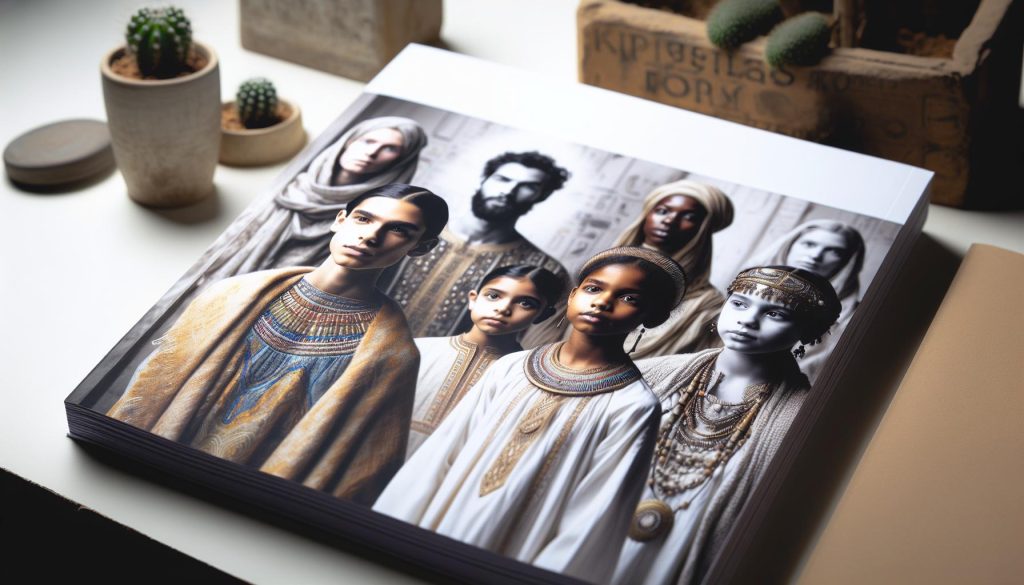
Artistic representations in ancient Egypt provide a rich tapestry of insights into the beauty practices of the time, particularly regarding children and makeup. Numerous painted scenes and carved reliefs depict children adorned with makeup, demonstrating that these practices were not confined to adults but were an integral part of childhood in this ancient society. These images often emphasize the use of kohl, a popular eye cosmetic made from lead ore or antimony, which was applied to protect the eyes from the harsh sun and potential ailments. Such artistic depictions reveal not only the aesthetic choices of families but also the cultural practices taught from a young age.
In many tomb paintings and artifacts, you can spot young boys and girls with highlighted eyes, a testament to the importance of social status and ritual in ancient Egyptian culture. For instance, children in noble families are frequently shown with more elaborate makeup, indicating their family’s wealth and the expectations tied to their upbringing. This portrayal underscores the notion that beauty practices were a vehicle for expressing familial and social identity, highlighting the pride in one’s heritage and status from the earliest years of life.
The presence of child-sized kohl containers and small cosmetic palettes found in archaeological excavations further supports these artistic narratives. These artifacts suggest that parents participated in grooming rituals with their children, imparting cultural values and practices that were cherished in their society. As children observed and engaged in these beauty routines, they learned the significance of adornment while also enjoying moments of bonding with their family.
Ultimately, these artistic representations provide a powerful lens through which we can view the cultural context of beauty practices for children in ancient Egypt. They reveal that makeup was not merely an adult concern but a shared family experience steeped in tradition and identity, shaping how children saw themselves and their roles in society. By examining these historical artworks, we gain deeper understanding not only of the aesthetics of the time but also of the social practices that enveloped childhood in ancient Egypt.
Understanding the Rituals Associated with Makeup Use
In ancient Egypt, makeup was much more than a means of beautification; it was intertwined with cultural rituals and beliefs that permeated daily life. From a young age, children were introduced to these practices, often participating in rituals that centered around hygiene and adornment. Applying makeup became a sacred act, reflecting not only personal aesthetics but also social roles, family status, and protection against the harsh elements.
During makeup application, families used specific tools and ingredients, making the experience a communal and educational event. For instance, the grinding of minerals to create kohl could be a shared activity, fostering family bonds. As children learned how to apply eyeliner or rouge with small, child-sized applicators, they were also taught the significance behind these actions-such as using kohl not just to beautify but to shield the eyes from sun glare and potential ailments. This understanding of makeup’s dual purpose underscored its importance in their cultural identity.
In addition, the use of makeup was often connected to various milestones in a child’s life, marking their transition into adulthood and societal responsibilities. Specific occasions, such as festivals or rituals honoring the gods, would prompt more elaborate makeup applications, reinforcing community ties and shared traditions. The presence of small cosmetic containers in tombs indicates that these practices were cherished and memorialized, suggesting that the rituals surrounding makeup were woven into the very fabric of life in ancient Egypt.
Ultimately, makeup rituals were about more than just aesthetics; they represented a rich tapestry of cultural significance, imparting values of beauty, protection, and social identity from one generation to the next. Through these practices, children learned their place in society, absorbing lessons that would shape their roles as adults in the elaborate landscape of ancient Egypt.
Q&A
Q: Did children in Ancient Egypt wear makeup?
A: Yes, children in Ancient Egypt did wear makeup, primarily as a way to emulate adults and participate in cultural practices. The makeup was often made from natural ingredients like minerals and oils, similar to those used by adults.
Q: What types of makeup did children use in Ancient Egypt?
A: Children likely used milder forms of makeup, such as kohl for eyeliner and some natural pigments for color. The formulations were simpler compared to adults, focusing on enhancing natural features without heavy application.
Q: Why was makeup important for children in Ancient Egyptian culture?
A: Makeup held cultural significance beyond aesthetics; it connected children to adult rituals and social practices. It also served protective purposes, such as shielding the eyes from the harsh desert sun and warding off illnesses.
Q: How did Ancient Egyptian makeup practices differ for children and adults?
A: Children’s makeup was typically less elaborate and used more natural products to avoid irritation. Adults often utilized a wider range of cosmetics and more intricate application techniques for decoration and rituals.
Q: What were common ingredients used in Ancient Egyptian makeup for children?
A: Common ingredients included crushed minerals like malachite for green tones and ochre for reds. These natural substances were mixed with oils to create various cosmetic products suitable for delicate skin.
Q: Did children wear makeup in artistic depictions from Ancient Egypt?
A: Yes, artistic representations often show children with light makeup, emphasizing their roles in society and daily life. These images celebrate the cultural importance of beauty rituals from a young age.
Q: How did the use of makeup by children reflect societal norms in Ancient Egypt?
A: The use of makeup by children illustrated the emphasis on beauty and social status within Ancient Egyptian culture. It indicated family prestige and allowed children to express their identities within the norms set by their society.
Q: Were there specific occasions when children wore makeup in Ancient Egypt?
A: Children likely wore makeup during special celebrations, religious ceremonies, and family gatherings. These occasions provided opportunities to engage in cultural practices and demonstrate family pride.
In Conclusion
Now that we’ve uncovered the intriguing role of makeup in ancient Egyptian childhood, it’s clear that beauty practices have deep historical roots. If you found this exploration fascinating, consider diving deeper into related topics like “The Significance of Cosmetics in Ancient Cultures” or “Historical Grooming Practices Across Civilizations.” These articles can provide a broader perspective on how beauty has shaped societies over time.
Don’t forget to subscribe to our newsletter for more enlightening content that enriches your understanding of beauty through the ages, and feel free to leave a comment below sharing your thoughts or questions-your insights could spark the next discussion! Remember, knowing the past can inform your present practices. So, explore further, engage with our community, and let’s continue this journey together!
Get our latest guides, news, and insights highlighted in your Google Search & AI Overviews.