Choosing the perfect veil is a crucial step in completing your bridal look, yet with so many styles and lengths available, it can feel overwhelming. Did you know that the right veil can not only enhance your dress but also reflect your personal style and wedding theme? Understanding the key elements that pair well with your gown can ease your decision-making process. Whether you’re drawn to a classic cathedral length or something daintier, this guide will help you navigate the options and find a veil that complements your ensemble flawlessly. By the end, you’ll be ready to walk down the aisle feeling confident and beautiful, knowing you’ve made the perfect choice. So, let’s dive in and unveil the secrets to selecting the ideal veil for your special day!
Choosing the Perfect Veil Style for Your Dress
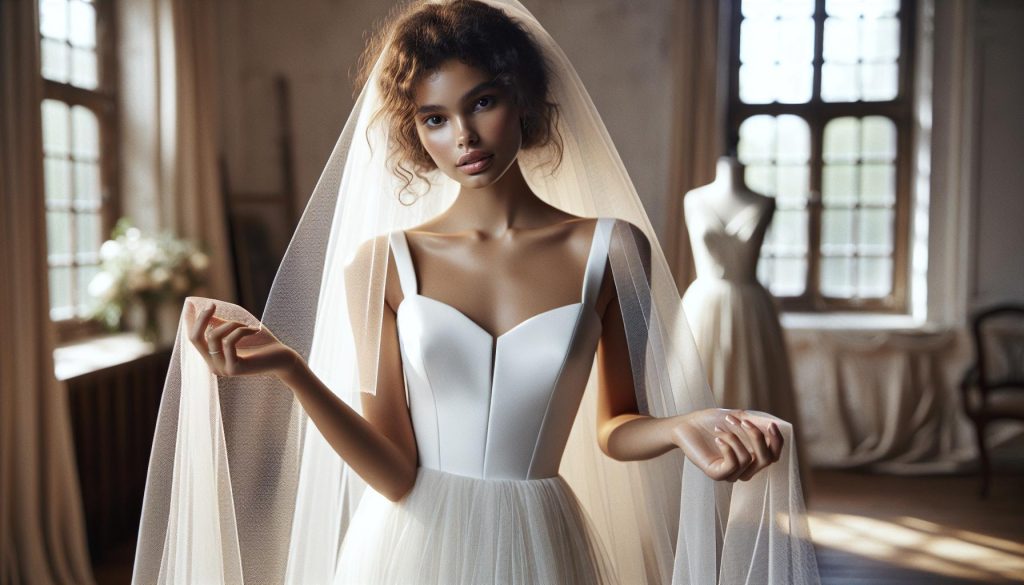
When planning your bridal look, the veil is more than just a finishing touch; it’s a piece that can elevate your entire ensemble. Choosing the right veil style requires consideration of your dress design, personal taste, and the overall theme of your wedding. A well-chosen veil can beautifully complement your gown, enhancing its features while adding an element of tradition and elegance.
To start, think about the gown’s silhouette. A minimalistic dress pairs wonderfully with a dramatic veil, such as a long cathedral style, which adds depth and grandeur. Conversely, if you’re wearing a heavily embellished dress, a simpler veil-like a fingertip or elbow-length option-can allow the gown to take center stage. Remember that the veil’s material should also harmonize with your dress fabric; for instance, lace veils work beautifully with lace gowns, while silk or tulle can give a soft, romantic look to simpler fabrics.
Consider the wedding venue and theme as well. An outdoor garden wedding might call for a lighter, airy veil, like a soft tulle, which can flutter in the breeze. If you’re having a formal indoor ceremony, perhaps a more structured veil, like one with embellishments or embroidery, would be more suitable. Whatever your choices may be, the right veil not only enhances your look on your wedding day but also captures the essence of your personal style and the ambiance of the celebration.
Understanding Different Veil Lengths and Cuts
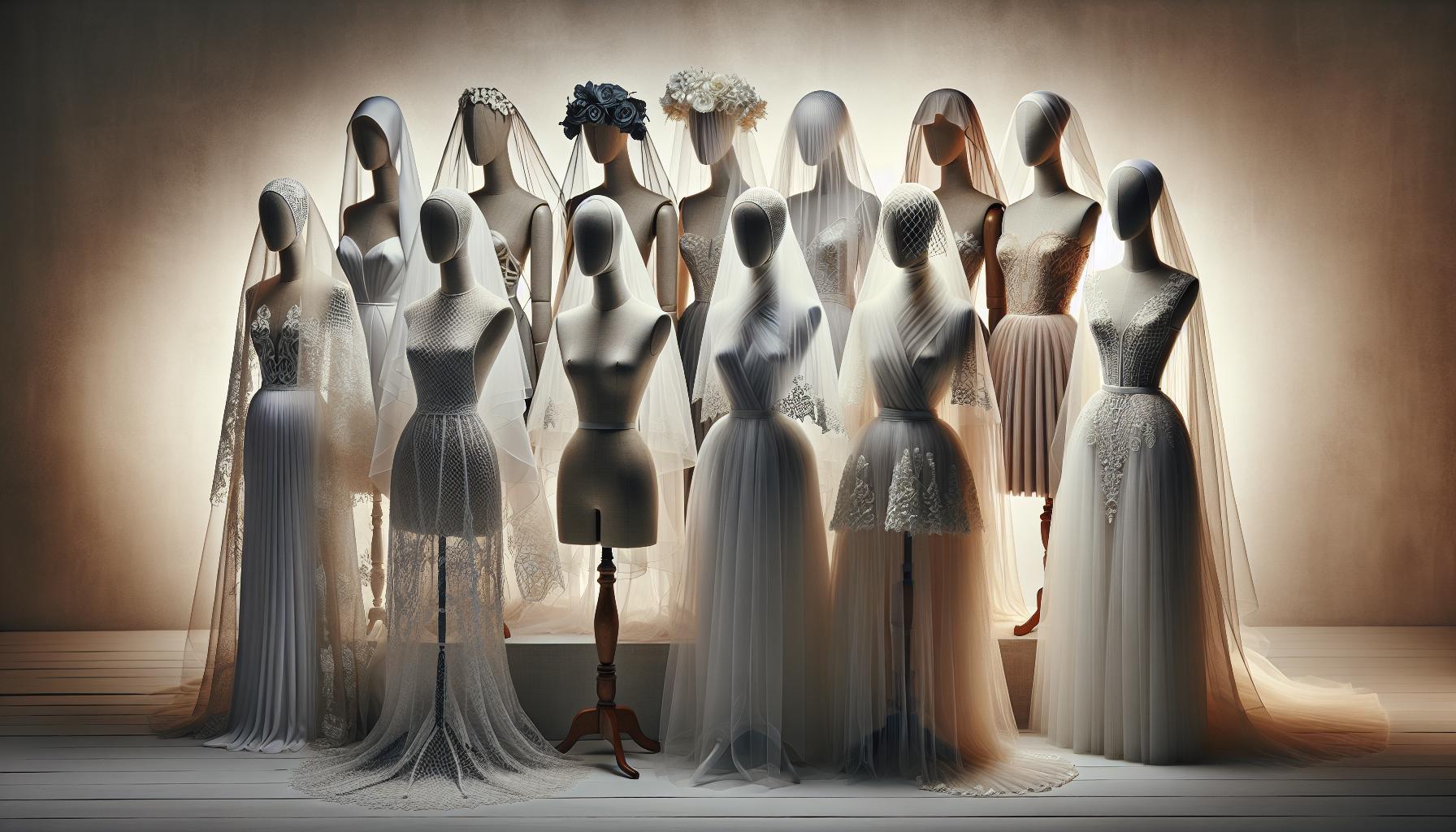
When it comes to veils, understanding the different lengths and cuts can dramatically influence your overall bridal look. Each type of veil has its unique character and can either complement or overshadow your wedding gown. By familiarizing yourself with these options, you’ll be better equipped to choose a veil that enhances your style and fits the theme of your wedding.
Veils are typically categorized by their length, and each length serves a different aesthetic purpose. Here are the most common types:
- Birdcage Veil: This short, chic style generally covers only the face and is perfect for a vintage or modern look. It’s great for informal weddings or those with a contemporary twist.
- Elbow-Length Veil: Reaching down to the elbows, this veil offers a playful touch while remaining elegant. It works well with A-line dresses and can be a good choice if your gown features intricate detailing.
- Fingertip Veil: As the name suggests, this veil reaches the fingertips and is one of the most versatile options. It flatters virtually any dress style, allowing for a balance between drama and elegance.
- Cathedral Veil: This stunning, floor-length veil creates a breathtaking effect, trailing behind you as you walk. Ideal for formal weddings, it’s especially striking when paired with ball gowns or elaborate train dresses.
- Chapel Veil: Slightly shorter than the cathedral style, this veil hovers just above the floor. It’s a graceful choice that maintains impact without the extreme length.
In addition to length, veil cuts also play a significant role in how well the veil aligns with your dress. For instance, a cut-edge veil provides a simple, clean look, emphasizing sleek silhouettes, while a lace-trimmed edge can add romance, especially when coordinated with a gown featuring lace details. Similarly, layering techniques, such as a blusher veil that covers the face and can be pulled back, allow for a dramatic reveal, enhancing the moment during your ceremony.
Understanding these options is the first step in selecting a veil that not only complements your dress but also resonates with your personal style. Consider trying on various lengths and cuts with your gown to see how they interact in real life. You’ll be amazed at how the right veil can elevate your bridal look, offering a perfect blend of tradition and personalization.
How to Match Your Veil to Your Dress Design
A veil is the finishing touch that can transform your wedding look from beautiful to breathtaking. Understanding how to pair your veil with your dress design is vital for achieving a cohesive bridal aesthetic that reflects your personal style. Whether you’re going for classic romance, sleek modernity, or whimsical charm, aligning your veil with your gown can enhance your overall vibe.
When examining your dress, start by considering its neckline and silhouette, as these elements dictate how a veil will fall and frame your look. For instance, a strapless or off-the-shoulder dress looks particularly striking with a cathedral or chapel veil that creates a dramatic effect while elegantly cascading down your back. Conversely, if your dress features intricate detailing or embellishments, a simpler veil-perhaps cut-edge or a subtle fingertip length-can draw attention to those beautiful elements without overwhelming them.
Length and Style: Think about the relationship between your gown’s length and the veil. Shorter dresses tend to pair well with shorter veils, such as birdcage or elbow-length styles, creating a playful yet sophisticated appearance. For a floor-length gown, however, longer veils like the cathedral can really elevate your bridal look, adding an ethereal touch as it flows behind you. Always try on the veil with your dress to visualize how they complement each other.
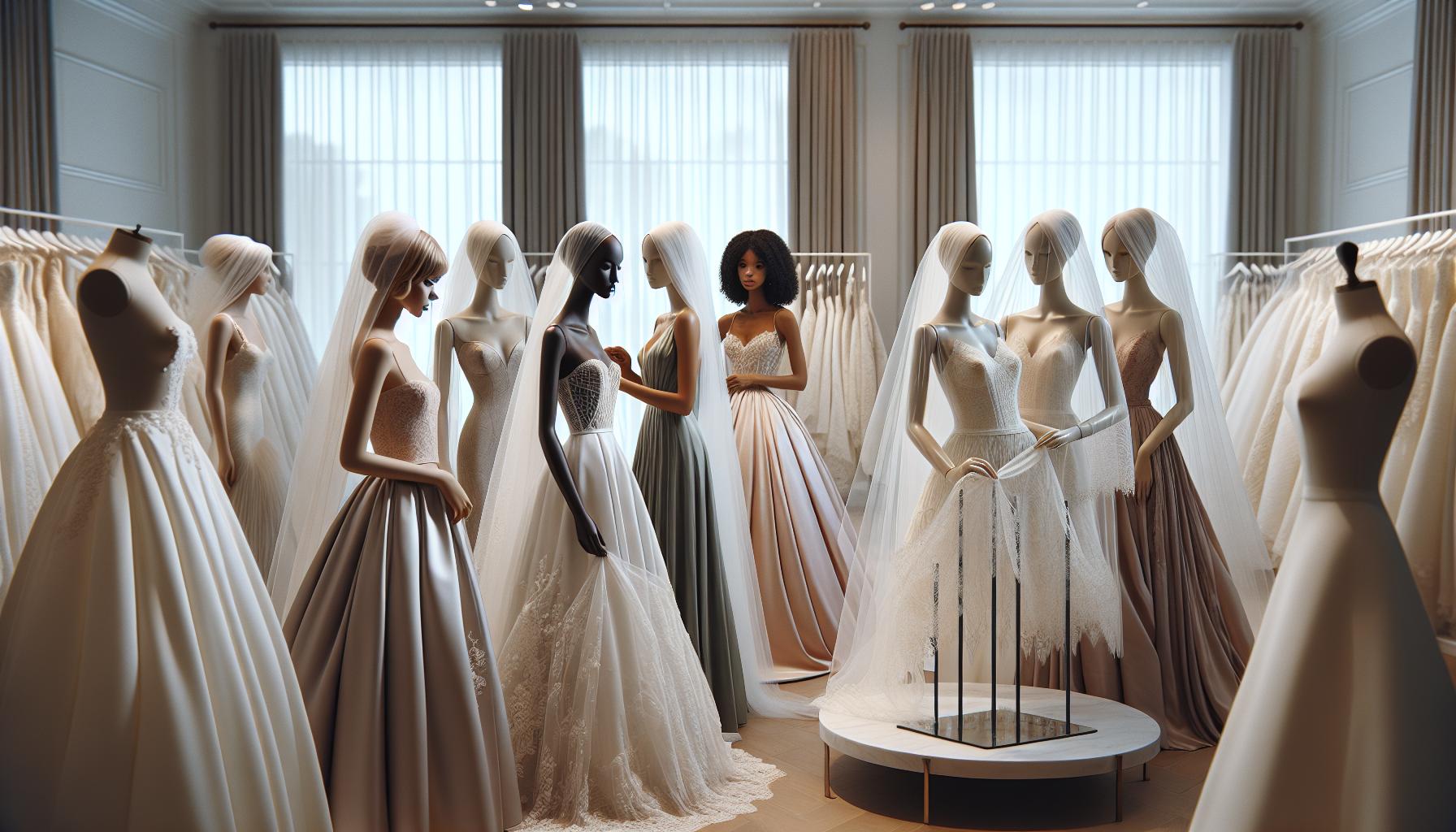
Color and Fabric: Coordination doesn’t stop at length; color and fabric matter too. If your gown is a non-traditional shade like blush or champagne, think about veils that maintain a similar hue to create a seamless blend. Additionally, be mindful of textures; a lace-trimmed veil may enhance the romantic air of a lace dress, while a silk veil against a rich satin gown offers a sophisticated aesthetic.
To facilitate a great match, consider your overall wedding theme, as the veil should resonate with the vibe you aim to create. A bohemian-themed wedding might call for veils with floral embroidery, while a classic ceremony could shine with a pristine tulle veil adorned with delicate lace. Embrace this opportunity to express your individuality-try various styles, lengths, and colors until you find a perfect match that resonates with your bridal vision.
Color Coordination: Veil Shades and Fabrics
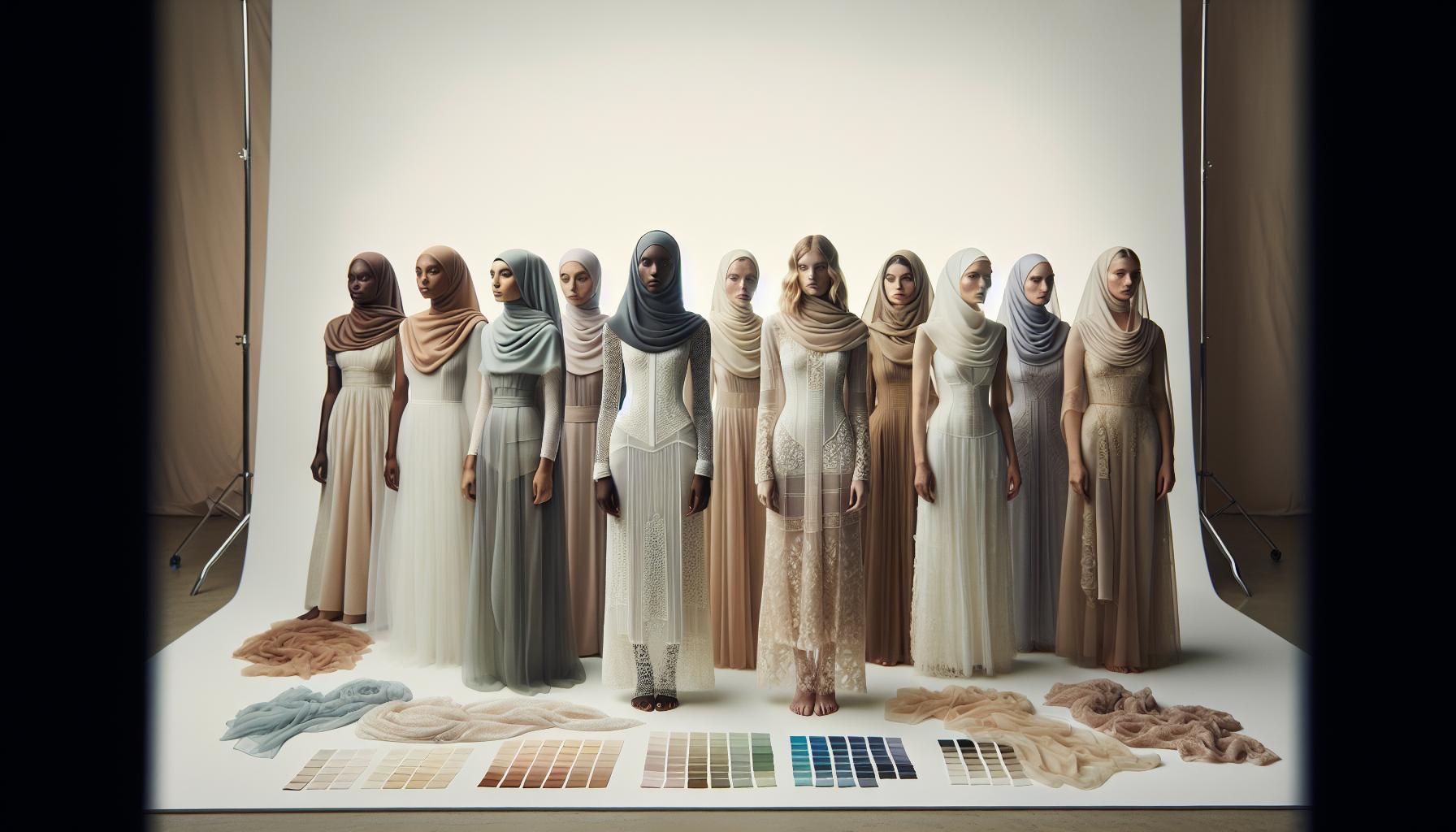
Choosing the right colors and fabrics for your veil can significantly elevate your bridal look. The veil not only serves as a stunning accessory but also complements your dress to create a harmonious appearance. The key is to consider both the color palette of your gown and the fabric’s texture. These elements work together to enhance your overall aesthetic, ensuring you feel confident and beautiful on your special day.
When selecting the shade of your veil, it’s important to think about the color of your dress. If your gown is a traditional white, ivory, or cream, you’ll want to choose a veil that matches or is just slightly lighter or darker to maintain a cohesive look. However, for dresses in unique colors-like blush, silver, or even floral patterns-selecting a veil that mirrors these hues or incorporates similar shades can create an enchanting effect. A soft pink veil, for instance, can beautifully complement a blush dress, while a champagne veil can add warmth to a classic ivory gown.
Next, fabric choice is also paramount. Veils come in various materials like tulle, lace, and silk, each bringing a different vibe. For example, if your dress features intricate lace details, a lace-trimmed veil can offer a romantic touch and tie in those details beautifully. On the other hand, if you’re wearing a sleek satin gown, a silk or organza veil with minimal embellishments can enhance the sophistication of your look without overwhelming it. Pay attention to the textures too; pairing a structured gown with a structured veil will maintain balance, while softer fabrics can create a more ethereal feel.
Remember, the overall wedding theme should also influence your veil choices. For a bohemian garden wedding, consider a veil with floral embroidery or delicate patterns. In contrast, a classic ballroom setting might call for a classic tulle or lace veil that flows elegantly. Your veil is an opportunity to express your individuality and personal style, so don’t hesitate to mix and match until you find the perfect combination that resonates with your vision. Embrace the process and enjoy discovering the beautiful options available to you!
Accessorizing Your Veil for Added Glamour
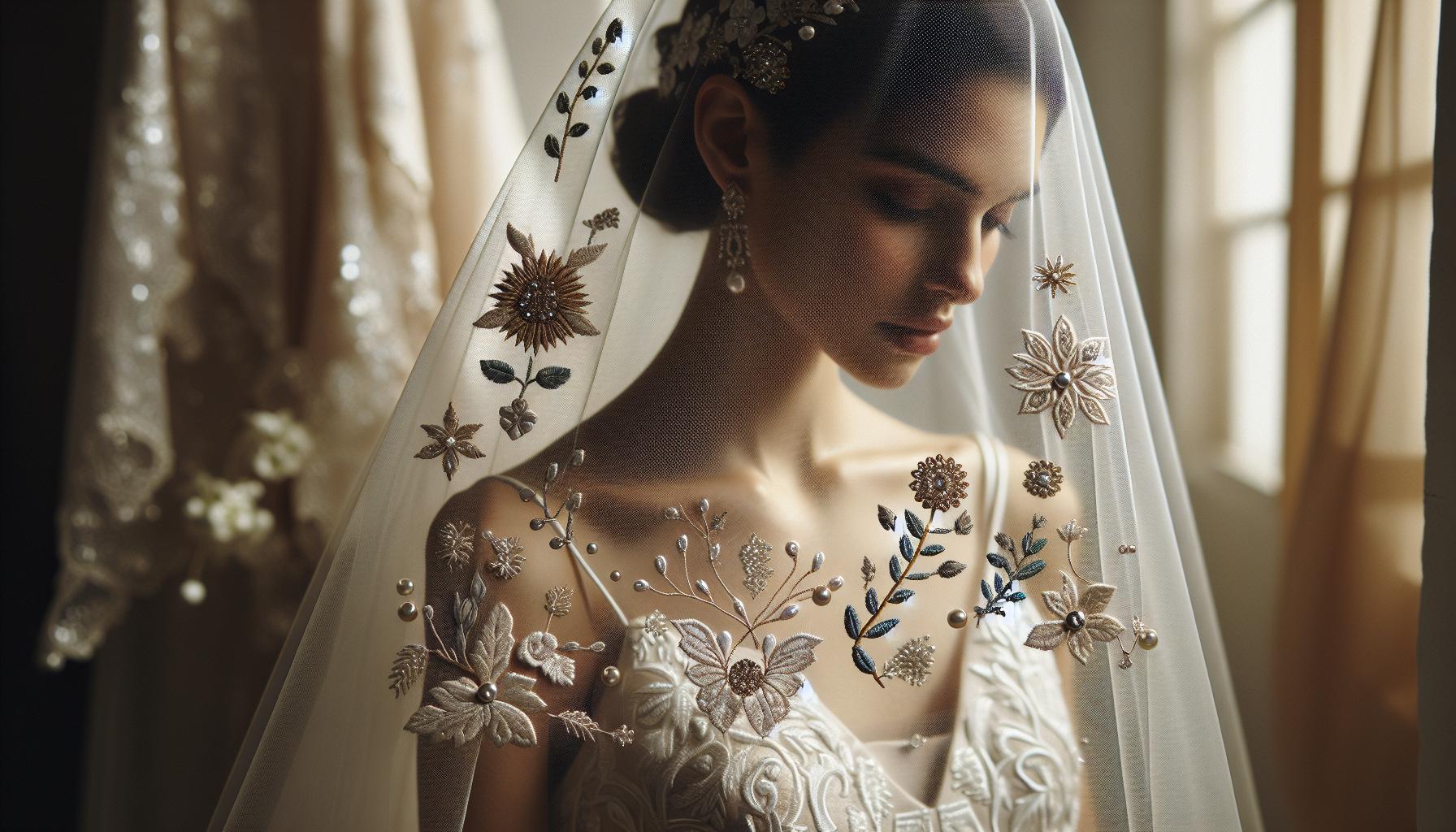
When it comes to bridal attire, the right veil can be your crowning glory, enhancing your overall look and making you feel truly special. To elevate your veil game and add that touch of glamour, consider accessorizing it with a few carefully chosen pieces. These accents not only serve as stunning additions but also help you express your personality and style.
One of the most popular ways to accessorize your veil is by incorporating hairpieces like hair combs, pins, or flowers. These can be lightly integrated into your hairstyle, allowing them to gleam as they peek through your veil. For instance, a delicate floral comb can enhance a boho-chic look, while a sparkling pin can complement a vintage or glamorous theme. Think about the overall aesthetic of your wedding; choose pieces that coordinate with both your dress and veil to create a cohesive appearance.
Another wonderful option is to embrace sparkle with beaded or embroidered details. If your veil is simple, adding a beaded comb or even a sparkling tiara can create a striking contrast, making your ensemble more sophisticated. Conversely, if your veil is richly embroidered, opt for subtle accessories that won’t compete for attention. Just remember, balance is key-too much bling can overwhelm your bridal look, so aim for a harmonious arrangement.
Lastly, consider incorporating layered veils or overlays. Wearing a chapel-length veil over a shorter one can create dimension while allowing you to showcase intricate details. This not only gives you a unique bridal look but also the flexibility to remove the longer veil for your reception, offering two styles in one day. Whether you prefer classic elegance or modern flair, layering can be a fun and glamorous way to make your veil shine even more.
By thoughtfully selecting accessories that resonate with your style, you can transform your veil into a statement piece that enhances your bridal beauty. Each accessory adds a personal touch, allowing your true self to emerge on your special day. With these tips, you’ll walk down the aisle feeling like the radiant bride you are.
Consider Your Hairstyle with the Veil Choice
Selecting the perfect veil to complement your hairstyle can significantly elevate your bridal look. With so many styles and lengths to choose from, aligning your hairdo with your veil is essential for creating a harmonious and polished appearance on your big day. Whether you’re going for an elegant updo or flowing locks, the right combination can enhance your overall aesthetic and make you feel like the most confident version of yourself.
When considering hairstyles, think about the veil style you prefer. Here are some tips to help you make this decision:
- Updos: If you’re opting for a classic updo, such as a bun or chignon, a longer veil like a cathedral or chapel length can provide a dramatic contrast, cascading beautifully down your back. This look is especially appealing with a bit of volume in the updo to balance the length of the veil.
- Loose Waves: For brides with loose, flowing hairstyles, a shorter veil, such as a birdcage or fingertip veil, tends to work best. These lengths won’t compete with your hair’s movement and can highlight your natural beauty without overwhelming it.
- Half-Up Styles: If you’re choosing a half-up, half-down hairstyle, consider a mid-length veil that allows some hair to show while still adding a touch of elegance. A veil that features decorative elements, such as lace or beading at the edges, can beautifully frame your face.
It’s also vital to consider the weight and fabric of your veil in relation to your hair. A heavier veil might require a stronger anchor within your hairstyle, so ensure you’re securing it properly to avoid any wardrobe malfunctions as you move throughout the day. Alternatively, lightweight veils can complement more delicate hairstyles, providing a soft and ethereal look.
Lastly, always remember to take a few trial runs in front of a mirror. This practice not only allows you to see how your chosen veil aligns with your hairstyle but also provides an opportunity to adjust for comfort. By envisioning the complete picture ahead of time, you’ll be well-prepared to walk down the aisle with confidence and style.
Practical Tips for Wearing and Adjusting Your Veil
Wearing a veil on your special day can be both beautiful and practical, but navigating how to wear and adjust it can sometimes feel a bit overwhelming. One important tip is to ensure your veil is securely attached. You can do this by using a combination of hairpins and a comb for added stability. Position the comb of the veil at the crown of your head for a classic look, or slightly further back for a more relaxed feel. Make sure to test the fit in advance, as it will help you feel confident on your big day.
Next, consider adjusting your veil throughout the ceremony and reception for comfort and aesthetics. A quick fix is to practice lifting and repositioning the veil in front of a mirror before the wedding. This not only allows you to find your most flattering angle but can also help you get used to feeling the fabric against your face, so it doesn’t catch you off guard during your vows. Remember, it’s fine to ask your maid of honor or a trusted friend for quick adjustments as you greet guests or dance the night away.
Another tip is to be mindful of your surroundings. If you’re wearing a longer veil, be cautious in tight spaces, as it can easily get caught in chairs or doorways. Cultivating a habit of lifting it slightly when navigating through crowds will prevent accidents, maintaining both your elegance and comfort. Also, have a backup plan! Carry a small sewing kit for any unexpected wardrobe malfunctions, such as a torn edge or loose bead.
Finally, practice makes perfect. Rehearsing how to wear and adjust your veil at home can help you feel more prepared. Take a few moments to look in the mirror and see how it falls, adjust it for the best visual appeal, and get accustomed to its weight. Finding the right balance will enhance your overall bridal look and contribute to your confidence as you walk down the aisle. Embrace these moments of preparation as part of your journey to that unforgettable day!
Cultural and Traditional Veil Options to Explore
When considering the array of veil options available, exploring cultural and traditional styles can add a rich layer of meaning to your bridal look. Different cultures have unique styles and customs surrounding veils that can enhance your wedding experience while also showcasing your heritage or personal beliefs. Whether drawn to the simple elegance of a classic veil or the intricate designs found in cultural variations, understanding these options can guide you in making a thoughtful choice.
For instance, the traditional bridal veil seen in Western cultures often features layers and embellishments like lace or embroidery. These veils can vary in length, with options such as the classic cathedral veil that trails behind the bride, creating a dramatic effect. In contrast, the Russian kokoshnik style features a structured headpiece adorned with beads and crystals, framing the face beautifully. It reflects a rich history and embodies a unique aesthetic that can be thoroughly captivating.
In Middle Eastern cultures, veils like the Hijab or Shayla serve both practical and cultural purposes. Available in luxurious fabrics and various lengths, these veils can be styled elegantly to align with the bridal dress, offering a perfect blend of modern and traditional elements. Additionally, many brides from South Asian cultures wear the Dupatta-a long scarf that can be draped over the head and shoulders. Often made of sheer material with intricate detailing, this style allows for beautiful layering and personalization.
To choose a veil that resonates with your personal style and cultural background, consider these practical steps:
- Research different cultural veils that resonate with you or your partner’s heritage.
- Determine the symbolism behind each style, enhancing your wedding’s significance.
- Experiment with how various styles complement your dress, hair, and overall theme.
- Consult with family members who might have traditional insights or recommendations.
Choosing a veil that reflects your cultural identity can make your wedding not just a special day, but also a beautiful celebration of heritage and individuality. Remember, the right veil is not only about style but also about making you feel connected to your roots and confident as you walk down the aisle.
Budgeting: Veil Selection without Breaking the Bank
Navigating the world of wedding veils can be as overwhelming as it is exciting, especially when you’re trying to stay within a budget. The good news is that with a little creativity and planning, you can find or create a stunning veil that complements your dress without straining your wallet. It’s all about smart choices and understanding where to invest your money for the best impact.
First, consider the various veil styles and materials available. You don’t have to go for a full-length cathedral veil adorned with intricate lace if it doesn’t fit your budget. Many beautiful options, like a simple fingertip or elbow-length veil, can achieve a similar aesthetic for less. Look for veils made from tulle or chiffon, as these lightweight fabrics can often be more affordable while still offering elegance and flow. Thrift stores or online marketplaces can also yield second-hand finds that are in good condition at a fraction of the original price.
DIY Veil Options
If you’re feeling crafty, making your own veil is a fantastic way to save money while adding a personal touch. All you need is some lightweight fabric, a comb, and basic sewing supplies. Simple tutorials available online can guide you through the process-from cutting the fabric to attaching it to your hairpiece. This not only allows for customization in length and style but also gives you a special keepsake that reflects your creativity.
Plan for Accessories
Don’t forget to budget for accessories as well. A simple veil can be elevated with the addition of small embellishments like beads or flowers, which can easily be found at craft stores for a reasonable price. Keep an eye out for seasonal sales or online discounts to snag these extras without overspending.
Ultimately, the key to budgeting for your veil is to approach the selection process with an open mind and a willingness to explore different options. Many stunning veils don’t come with a high price tag, and the best choice is one that aligns with both your style and your budget. Most importantly, choose something that makes you feel beautiful and confident on your special day.
When to Buy Your Veil: Timelines and Tips
Knowing when to buy your veil can significantly influence the overall success of your wedding preparations. Timing is key, not only to allow for adjustments and fittings but also to ease the stress that often accompanies last-minute decisions. Ideally, aim to finalize your veil purchase at least 4 to 6 months before your wedding date. This timeframe ensures you have ample opportunity to select the perfect look that complements your bridal gown, including necessary alterations or customization.
When beginning your veil search, first consider the design and style of your wedding dress. If you’re purchasing a veil from a boutique, they can guide you on matching veil styles to popular dress designs, ensuring you pick something that enhances your overall look. Many bridal shops also offer discounts during off-peak seasons, which is another reason to start shopping early. This is the time to experiment with lengths, materials, and embellishments to see what truly resonates with you.
After choosing your veil, it’s important to leave room for any needed adjustments. This could involve securing the veil to the hairpiece, altering its length, or even adding embellishments. By buying early, you can schedule fittings well ahead of your wedding day and make any necessary tweaks without the pressure of an impending deadline. Additionally, consider dedicating a weekend to try on veils with your gown; this can be not only practical but also a fun experience to share with close friends or family.
Finally, if you’re crafting your veil yourself, managing your timeline will help you avoid last-minute stress. Aim to have it completed at least a month before the big day to allow time for practice in wearing it and ensuring it stays put during the festivities. With careful planning and timely purchasing, you can enjoy the process and achieve the perfect veil to complement your wedding look.
Real Bride Inspiration: Stunning Veil Pairings
Choosing the perfect veil can elevate your bridal look and create lasting memories from your wedding day. To inspire you, let’s explore how real brides have made stunning veil pairings that beautifully complemented their unique styles and wedding themes.
One bride showcased a romantic, flowing A-line gown adorned with delicate lace. She paired it with a fingertip-length veil made of sheer tulle, decorated with tiny floral appliqués that mirrored the lace on her dress. This choice added a soft, dreamy element to her ensemble, perfect for a garden wedding in full bloom. The veil’s subtle embellishments combined with the dress’s intricate details created a cohesive look that was both elegant and charming.
Another bride opted for a sleek, modern silhouette with structured lines. She chose a dramatic cathedral veil in a stark white satin that cascaded beautifully down the aisle. This bold choice not only made a stunning statement but also enhanced her minimalist dress, providing a lovely contrast that emphasized her refined style. Accessories like geometric earrings and a chic updo ensured that her look was balanced and sophisticated, highlighting the veil without overwhelming her overall appearance.
For brides drawn to bohemian styles, mixing textures can be a delightful approach. One bride wore a flowy boho dress with bell sleeves and opted for a lace veil that featured intricate scalloped edges. The airy fabric allowed for movement, beautifully framing her face. Complementing this look, she added a flower crown made of wildflowers, which enhanced the free-spirited vibe and made her feel both beautiful and authentic on her special day.
Finally, some brides find inspiration in their heritage or cultural traditions. A bride draped in a timeless, traditional gown included a long, embroidered veil that told a story of her family’s history, showcasing ornamental patterns passed down through generations. This personal touch made her veil not just an accessory, but a significant part of her wedding narrative, symbolizing love and unity.
When thinking about your veil, reflect on these real-life examples and consider how your personal style, wedding theme, and cultural elements can guide your choice. Remember, the right veil can bring your entire bridal look together, creating a memorable impression that reflects your unique story.
Common Veil Mistakes and How to Avoid Them
Choosing the right veil can feel overwhelming, especially when it comes to avoiding common pitfalls that can detract from your bridal look. One of the most frequent mistakes is selecting a veil that clashes with the wedding dress. For instance, if your gown has intricate lace patterns, opting for a veil with heavy embellishments can create visual chaos. Instead, consider a simpler veil that complements the detailing of your dress, allowing both elements to shine.
Another common error is not considering the venue and theme when choosing a veil. A dramatic cathedral veil may be stunning in a grand church, but in a beach setting, it might feel out of place and cumbersome. Think about how the veil’s style, length, and fabric harmonize with your wedding environment. Lightweight, airy veils work beautifully for outdoor or beach weddings, adding a romantic touch without overwhelming your look.
Wearing a veil that doesn’t suit your hairstyle is another misstep that can be easily avoided. If you’ve chosen an elaborate updo, a simple veil can complement your style gracefully. On the other hand, if your hairstyle is more laid-back, consider a more intricate veil to enhance your look. Take some time to visualize how your veil will sit with your hairstyle, ensuring they work together rather than against each other.
Lastly, timing is crucial when selecting your veil. Waiting too long to choose can leave you stressed and rushed, leading to impractical decisions. Aim to choose your veil at least three months before the wedding. This timeframe allows for fittings and any necessary adjustments, ensuring that it fits perfectly and complements your wedding ensemble flawlessly.
By being mindful of these common veil mistakes, you can navigate your choices with confidence. The right veil will not only enhance your dressing style but also create a cohesive and stunning overall look for your special day.
Q&A
Q: How do I know what length veil to choose for my wedding dress?
A: To determine the right length for your veil, consider your dress style and train length. A fingertip-length veil looks great with most styles, while a long cathedral veil complements more formal gowns. Refer to our section on understanding different veil lengths for guidance.
Q: What type of veil suits a vintage wedding dress best?
A: For a vintage wedding dress, opt for a birdcage veil or a lace-edged veil to enhance the nostalgic vibe. Vintage styles often pair beautifully with shorter or more elaborate veils. Check the choosing the perfect veil style section for more tailored suggestions.
Q: Can I wear a veil if I have short hair?
A: Absolutely! Short hair can beautifully showcase a veil. Consider a shorter veil style, like a birdcage or shoulder-length veil, which can complement your hairstyle without overwhelming it. Hairstyles and veils are discussed in more detail in our article.
Q: How do I match my veil color to my wedding dress?
A: Matching your veil color to your dress is essential for a cohesive look. Opt for a veil that is the same shade as your dress or a few shades lighter. Our section on color coordination offers practical tips on finding the right shades and fabrics.
Q: What are some common mistakes to avoid when choosing a veil?
A: Common mistakes include not considering your hairstyle and the overall theme of your wedding. Ensure your veil complements your dress style, and avoid overly complicated styles if your gown is already detailed. Refer to our common veil mistakes section to better understand what to avoid.
Q: When should I start shopping for my wedding veil?
A: Aim to start shopping for your veil about 6-8 months before your wedding. This allows ample time for alterations and customization. For more insights on timelines, check out the section on when to buy your veil.
Q: Are there different materials for wedding veils?
A: Yes, wedding veils come in various materials such as tulle, lace, and satin. Each material offers a distinct look and feel. Consider the fabric of your dress and your style preferences when selecting your veil material, as outlined in our article.
Q: What styles of veils are currently trending?
A: Trending veil styles include detachable veils for versatility and embellished options with crystals or floral appliqués for added glamour. Stay updated with the latest trends in our real bride inspiration section for stunning veil pairings.
Final Thoughts
Now that you have the essential tips on choosing the perfect veil to complement your wedding dress, it’s time to put this knowledge into action! Remember, the right veil enhances not only your gown but your entire bridal look, so don’t rush this decision. Explore options that suit your style-consider the fabric, length, and detail that align with your vision.
If you’re still unsure or need more inspiration, check out our guides on “Choosing the Perfect Wedding Dress” and “Bridesmaid Dress Styling Tips” for valuable insights. And don’t forget to subscribe to our newsletter for the latest bridal trends and exclusive offers! Your dream wedding is just around the corner, and every detail matters. Share your thoughts or experiences in the comments below; we love hearing from you!
Get our latest guides, news, and insights highlighted in your Google Search & AI Overviews.