
If you’ve recently added a salicylic acid cleanser to your skincare routine, you’re probably eager to see results. This powerful ingredient is known for its ability to penetrate pores and target acne, making it a popular choice for many. However, understanding how long it takes to visibly notice improvements can vary. Generally, users start to see results within two to six weeks, but this can depend on your skin type and the severity of your acne.
It’s normal to feel a mix of excitement and impatience while waiting, so let’s dive into what you can expect, what factors influence results, and tips to maximize the effectiveness of your cleanser. By the end of this guide, you’ll have a clearer idea of your skincare journey and how to achieve the best outcomes for your skin.
Understanding Salicylic Acid: What It Does for Your Skin
Understanding how salicylic acid works can significantly enhance your skincare routine, particularly if you’re dealing with acne. Salicylic acid is a beta hydroxy acid (BHA) renowned for its ability to penetrate deep into the pores, effectively dissolving the debris that leads to breakouts. This not only helps prevent clogged pores but also reduces inflammation, making it a go-to ingredient for many looking to achieve clearer skin.
When applied topically, salicylic acid works by exfoliating the surface of the skin and clearing out dead skin cells. This process aids in preventing the formation of blackheads and whiteheads, common culprits in acne flare-ups. Furthermore, salicylic acid has anti-inflammatory properties that can soothe existing lesions, reducing the size and redness of pimples. It’s particularly effective for those with oily or combination skin, as it helps to balance oil production and maintain a clearer complexion.
Many users notice improvements shortly after incorporating salicylic acid into their regimen, but achieving optimal results usually takes time. Expect to see some changes within a few weeks, as this allows the ingredient to do its work at a cellular level. Just remember to be patient and consistent; the key to long-lasting results often lies in daily use. Plus, looking toward other supporting habits-like maintaining a balanced diet and hydration-can further enhance the effectiveness of your salicylic acid cleanser.
In summary, salicylic acid is a powerful ally for those struggling with acne. By understanding its multifaceted benefits, you can harness its full potential and pave the way for healthier, clearer skin.
How Salicylic Acid Cleanser Works on Acne
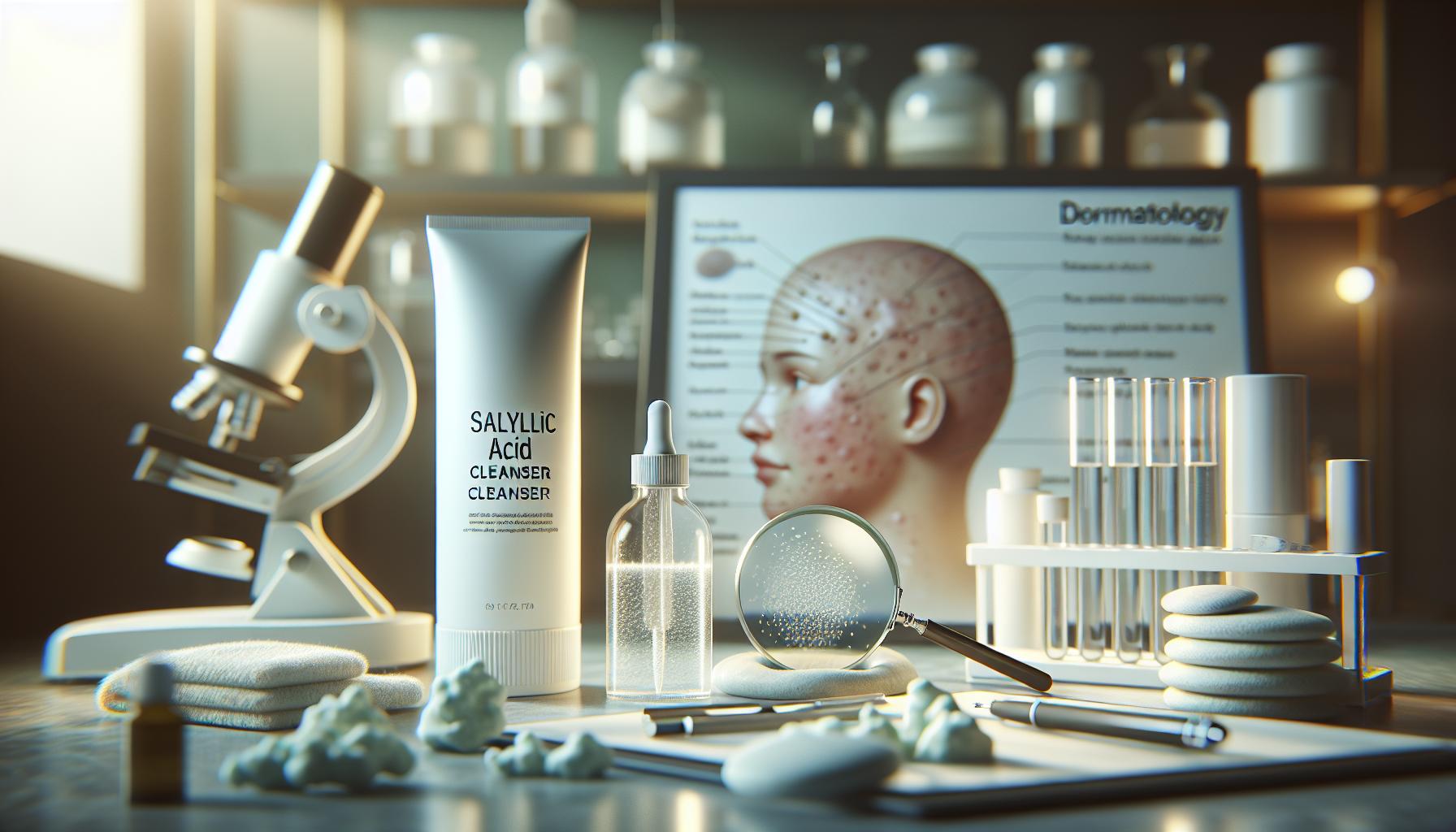
Salicylic acid is often celebrated as a powerful ally in the battle against acne, and understanding how it works can make a world of difference in your skincare routine. As a beta hydroxy acid (BHA), it penetrates the skin’s surface to reach deep into the pores, breaking down the debris that leads to blockages. This eliminates a significant contributor to acne: clogged pores filled with excess oil and dead skin cells. Not only does salicylic acid clear out impurities, but it also gently exfoliates the skin, promoting a smoother texture by sloughing off dead skin cells that can cause breakouts.
When you begin using a salicylic acid cleanser, you may notice an immediate refreshing sensation on your skin. This is your cue that the ingredient is actively working. Over time, typically within a few weeks, the cleansing action reduces both the frequency and severity of breakouts. The key lies in its ability to combat inflammation; salicylic acid possesses anti-inflammatory properties that help reduce the redness and size of existing blemishes. If you’re dealing with inflamed pimples, using a cleanser with salicylic acid can provide both a soothing and a clarifying effect, paving the way for clearer, healthier skin.
Consistency is crucial when incorporating salicylic acid into your skincare regimen. To get optimal results, you should use the cleanser daily-applying a dime-sized amount to damp skin, gently massaging it in circular motions for about 30 seconds before rinsing. This consistency allows the salicylic acid to work at a cellular level, gradually revealing clearer skin. For many, the journey to clearer skin involves combining salicylic acid with other supportive skincare habits, such as maintaining a balanced diet and staying well-hydrated.
Whether you’re facing occasional breakouts or chronic acne, a salicylic acid cleanser can be a pivotal component of your skincare arsenal. By understanding how it works and committing to a consistent routine, you can effectively address acne and embrace a healthier skin journey.
Timeline for Visibly Clear Skin with Salicylic Acid
In the quest for clear skin, especially for those battling acne, patience and consistency are key. When you start using a salicylic acid cleanser, understanding what to expect over the next few weeks can help you stay motivated and focused on your skincare journey. Though results can vary from person to person, most users begin to see noticeable changes within a few weeks of regular use.
Typically, you might start experiencing initial improvements in your skin’s texture and tone around the two-week mark. During this time, salicylic acid works to gently exfoliate the skin and unclog pores, which can lead to fewer breakouts. As you remain consistent with your routine-applying a dime-sized amount on damp skin daily-you’re likely to notice that your skin feels smoother and looks brighter.
By four to six weeks, the benefits become even more pronounced. This is when the anti-inflammatory properties of salicylic acid come into play, helping to reduce the size and redness of existing blemishes. Your skin might begin to reflect a clearer complexion overall, with a reduction in both the frequency and severity of breakouts. It’s important to keep in mind that everyone’s skin is different; some individuals may require more time to see results, and incorporating other supportive practices like a balanced diet and adequate hydration can enhance outcomes.
To maintain this progress, stick to your daily regimen and avoid over-cleansing or using too many products at once, which can irritate your skin and counteract the benefits. Ultimately, achieving clearer skin is a journey-one that may require adjustments along the way. By understanding this timeline, you can better appreciate the changes happening in your skin and continue to encourage a positive, lasting transformation.
Factors That Impact Your Results

The journey to clearer skin with a salicylic acid cleanser can be rewarding, but results can vary greatly based on several key factors. Understanding these variables helps set realistic expectations and enhances your chances of success.
First, your skin type plays a significant role. Oily skin often responds more quickly to salicylic acid due to its ability to penetrate deeper into clogged pores, while dry or sensitive skin may require a gentler approach. Additionally, if you typically experience hormonal acne, you might notice that breakouts fluctuate with your cycle, impacting your timeline for seeing results.
Moreover, how consistently you use the cleanser greatly influences your progress. For optimal results, it’s crucial to apply a dime-sized amount of product to damp skin at least once a day, ideally using gentle circular motions for about 30 seconds to maximize penetration. Skipping days or applying the product inconsistently can delay improvements.
Lastly, other elements such as diet, stress levels, and hydration can affect skin health and, consequently, the efficacy of your skincare routine. For instance, a balanced diet rich in fruits and vegetables can provide essential nutrients that support skin barrier function, while high-stress levels may lead to increased oil production and breakouts.
By considering these factors and approaching your skincare routine with patience and dedication, you are setting yourself up for success. Remember, it’s a journey, and understanding your skin’s unique needs will help you navigate it more effectively.
Common Skin Concerns Addressed by Salicylic Acid
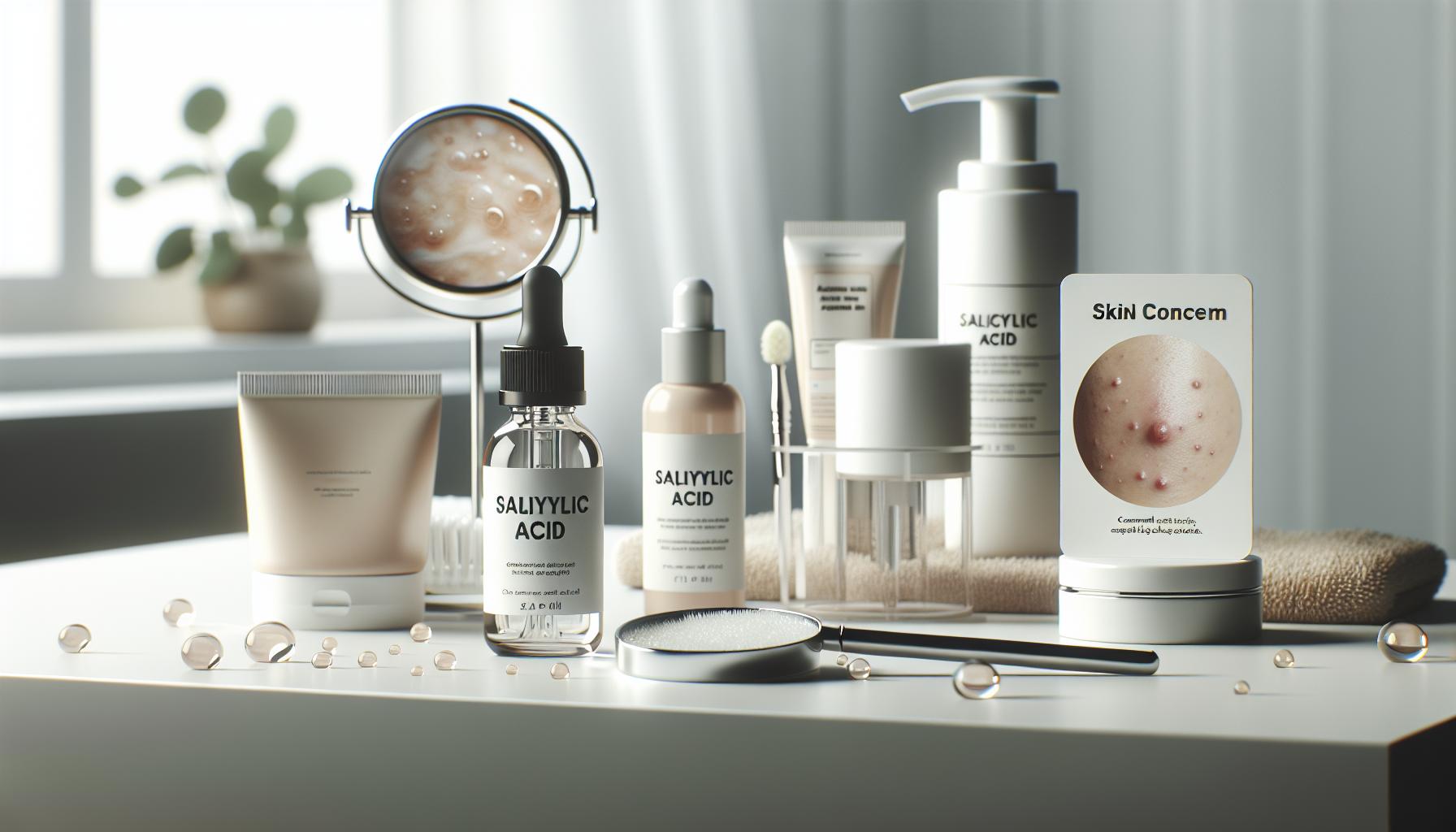
Salicylic acid is a powerhouse when it comes to tackling a variety of skin concerns. Known primarily for its effectiveness in managing acne, this beta hydroxy acid (BHA) delves deep into the pores, helping to exfoliate and unclog them. Beyond just acne, salicylic acid addresses several common skin issues that many people face, making it a versatile addition to any skincare regimen.
One of the primary skin concerns effectively managed by salicylic acid is acne itself, including both inflammatory and non-inflammatory types. It works by reducing excess oil and shedding dead skin cells, thus preventing the formation of new blemishes. If you’ve ever dealt with whiteheads or blackheads, you likely know how stubborn they can be. Salicylic acid can penetrate the pores more deeply than traditional cleansers, which helps eliminate these pesky clogging agents more effectively.
Another area where salicylic acid shines is in dandruff and scalp issues. Many shampoos now include salicylic acid to help control flaking and irritation on the scalp. By removing dead skin cells and reducing inflammation, it can promote a healthier scalp environment, leading to less dandruff over time.
Psoriasis is another concern where salicylic acid can be beneficial. It aids in softening and removing plaque build-up on the skin, significantly improving the overall appearance and comfort level for those battling this condition. The exfoliating properties help to reduce redness and scaling, making skin smoother and more manageable.
Finally, salicylic acid is also effective in treating post-inflammatory hyperpigmentation, a common aftermath of acne or other skin irritations. By promoting skin cell turnover, it can help fade dark spots and uneven skin tone, leading to a clearer, more radiant complexion.
Incorporating salicylic acid into your routine can yield noticeable improvements in these common skin concerns. Just remember to introduce it slowly and observe how your skin reacts, especially if you have sensitive skin. By being mindful and consistent, you’ll be on your way to a clearer, healthier complexion in no time.
Tips to Enhance Your Results with Salicylic Acid Cleanser
To get the most out of your salicylic acid cleanser, it’s essential to adopt a few simple yet effective strategies. By enhancing your approach, you can significantly improve your results and feel more confident in your skincare routine.
Start by incorporating your salicylic acid cleanser into a consistent regimen. Use it twice daily-once in the morning and once before bedtime. To apply, squeeze out a dime-sized amount and work it into damp skin using gentle circular motions for about 30 seconds. This not only ensures you’re thoroughly cleansing your pores but also aids in the acid’s effective exfoliating action.
Once you’ve established your routine, consider pairing your cleanser with complementary products. For instance, a lightweight, oil-free moisturizer can help balance your skin without clogging pores. Additionally, look for exfoliating toners or serums formulated with ingredients like glycolic acid, which can work synergistically with salicylic acid to enhance cell turnover.
Another key tip is to listen to your skin. If you experience any irritation or excessive dryness, scale back the frequency of your application and always ensure you’re following up with a good moisturizer. And don’t forget about sun protection: salicylic acid can make your skin more sensitive to the sun, so applying a broad-spectrum SPF of at least 30 daily is a must.
Lastly, track your progress. Keep a journal or use your phone to note changes in your skin’s texture, breakouts, and overall clarity over weeks. This will not only help you stay motivated but also allow you to adjust your routine as needed for optimal results. By following these tips, you can maximize the effectiveness of your salicylic acid cleanser and look forward to clearer skin in due time.
What to Expect During Your Skincare Journey
Embarking on a skincare journey with salicylic acid can feel like navigating uncharted waters, especially if you’re aiming to achieve visibly clearer skin. It’s essential to approach this process with patience and realistic expectations. You might start noticing subtle improvements in your skin’s texture within just a week, but for more significant changes, give it at least four to six weeks of consistent use. This timeframe allows salicylic acid to effectively penetrate the pores, exfoliate dead skin cells, and reduce inflammation associated with acne.
During your journey, it’s crucial to be aware of the potential ups and downs. Some users may experience an initial breakout-a common occurrence as salicylic acid helps to draw impurities from deep within the skin. While this can be disheartening, it’s often a sign that the treatment is working to clear out blockages. Remember, everyone’s skin responds differently, so be kind to yourself and allow a couple of months to truly assess the effectiveness of your regimen.
Stay engaged with your progress by regularly assessing how your skin feels and looks. Keep track of changes, and look for signs of improvement such as reduced redness, fewer breakouts, or smoother skin texture. This can empower you during times when results seem slow or uneven. If you notice excessive dryness or irritation, don’t hesitate to tweak your routine. You might consider using your salicylic acid cleanser less frequently or incorporating a soothing moisturizer to maintain hydration.
Ultimately, be proud of every small step forward in your skincare routine. Embrace this journey as a learning experience about your skin’s unique needs, and celebrate the milestones along the way. With consistent care and a positive mindset, the results can be truly transformative.
When to Adjust Your Skincare Routine
As you embark on your journey with salicylic acid, there may come a time when you feel it’s necessary to make some adjustments to your skincare routine. Recognizing when these changes are ideal can make a significant difference in the effectiveness of your treatment and your overall skin health.
One of the primary signs that you might need to tweak your routine is irritation or dryness. If you notice your skin becoming excessively flaky, red, or sensitive, it may be time to scale back on how often you’re using your salicylic acid cleanser. For instance, instead of using it twice a day, consider switching to once daily or every other day. This adjustment allows your skin to calm down and recover, minimizing irritation while still benefiting from the ingredient’s exfoliating properties.
Another signal for adjustment is the absence of progress after consistent use. If after a month you’re not seeing any visible improvements-such as reduced breakouts or smoother skin texture-it might be worth exploring other products or methods. For example, layering a gentle, hydrating serum after cleansing can help balance the acne-fighting properties of salicylic acid with necessary moisture. Alternatively, consult a skincare professional to consider freeing up your approach; they can assess your specific skin needs and recommend complementary products.
Sometimes, external factors like seasonal changes or hormonal shifts can impact how your skin reacts to salicylic acid. During colder months, your skin might benefit from a more hydrating routine, while in summer, managing oil production could become a priority. Staying attuned to these changes ensures that your routine remains effective throughout the year.
In summary, adjusting your skincare routine is a normal part of using salicylic acid. Listen to your skin, stay informed about its needs, and don’t hesitate to make changes if you’re not seeing the results you desire. Your skincare journey is about finding what works best for you-embrace the process with patience and positivity.
Tracking Your Progress: Signs of Improvement
Tracking your progress with a salicylic acid cleanser can feel like a journey, and it’s important to recognize the milestones along the way. The results won’t appear overnight, but there are key signs that indicate you’re heading in the right direction. Generally, you may start noticing initial improvements within one to two weeks of consistent use. Look for subtle changes, such as fewer new breakouts and a reduction in excess oil-that’s your skin beginning to respond positively to the treatment.
As you continue with your routine, keep an eye out for visible changes in your existing acne. The appearance of blemishes often diminishes in size, and redness usually lessens. After about four to six weeks, you may notice a smoother skin texture, which is a clear sign that the salicylic acid is effectively exfoliating your pores and helping to prevent blockages. It’s also beneficial to take photos of your skin every few weeks. This visual documentation can be incredibly motivating, allowing you to literally see progress that might be hard to notice on a daily basis.
Remember, the journey won’t be linear. While many experience these improvements, skin can react differently depending on various factors like diet, stress levels, or hormonal changes. If you notice a flare-up, don’t be discouraged; this can sometimes happen as your skin adjusts. A consistent application of the cleanser is key, but be mindful of listening to your skin. If irritation occurs, consider reducing the frequency of use to allow your skin to recalibrate.
Lastly, celebrate the small wins. Whether it’s fewer breakouts or a newfound confidence in your complexion, recognizing these moments keeps your motivation high. Everyone’s skin responds uniquely, so embrace your individual timeline. Using salicylic acid effectively is about patience, consistency, and being in tune with what your skin needs. Stay positive and trust the process-your skin will thank you!
Frequently Seen Questions About Salicylic Acid Cleanser
Many people have questions about salicylic acid cleansers, especially when it comes to managing acne and understanding how long it takes to see results. It’s totally normal to feel anxious about your skin’s reaction to new products. Let’s explore some of the most common questions you might have.
First off, one of the questions we hear frequently is, “How long will it take to see results?” Generally, you can expect to start noticing initial improvements within one to two weeks of consistent use. This may include fewer new breakouts and a reduction in excess oil. Full results can take a bit longer, often around four to six weeks, during which you should see improvements in skin texture and the overall appearance of existing blemishes.
Another common concern is whether using a salicylic acid cleanser will make your skin worse before it gets better. This is known as a purging phase. While it can be frustrating, some users might experience a temporary increase in breakouts as their skin adjusts and impurities come to the surface. If the breakouts continue beyond a few weeks, it may be wise to consult a dermatologist.
Many users also wonder if they can use salicylic acid alongside other skincare ingredients. It’s important to be cautious, especially with other active ingredients like benzoyl peroxide or retinoids, which can cause irritation. If you choose to incorporate multiple actives into your routine, consider alternating nights or layering products based on your skin’s tolerance. Always listen to your skin and adjust accordingly.
Lastly, “How do I know if the cleanser is actually working?” Tracking progress is key. Take photos every couple of weeks to visually compare changes, and note improvements in breakouts or oiliness. Celebrate those small wins, whether it’s a smoother texture or feeling more confident in your skin. If you’re patient and consistent, your efforts with salicylic acid will likely lead you to clearer skin over time.
Frequently Asked Questions
Q: How long does it take for salicylic acid cleanser to show results on acne?
A: Typically, you may start seeing results in 2 to 4 weeks when using a salicylic acid cleanser consistently. The frequency of use and concentration of salicylic acid can impact this timeline. It’s crucial to be patient and continue regular use for optimal outcome.
Q: Can I use salicylic acid cleanser daily?
A: Yes, most salicylic acid cleansers are safe for daily use, but it’s best to start with 2-3 times a week to see how your skin reacts. Gradually increase the frequency if your skin tolerates it well. For further information, check the section on Tips to Enhance Your Results with Salicylic Acid Cleanser.
Q: How can I tell if the salicylic acid cleanser is working?
A: Signs that the cleanser is effective include a decrease in acne breakouts, reduced oiliness, or fading blemishes after a few weeks. For more detailed tracking guidance, refer to Tracking Your Progress: Signs of Improvement.
Q: Is it normal to see irritation when starting a salicylic acid cleanser?
A: Some irritation, such as redness or dryness, may occur when first using salicylic acid. This can subside as your skin adjusts. If irritation persists, consider reducing usage or consulting with a dermatologist, as mentioned in our article on What to Expect During Your Skincare Journey.
Q: Does the concentration of salicylic acid affect how quickly I see results?
A: Absolutely! Higher concentrations can lead to quicker results, but they may also increase the risk of irritation. A concentration of 0.5% to 2% is common for over-the-counter products. For tailored advice, see Factors That Impact Your Results.
Q: Should I use moisturizer with a salicylic acid cleanser?
A: Yes, using a moisturizer is recommended as salicylic acid can be drying. Incorporate a non-comedogenic moisturizer into your routine to maintain hydration while treating acne effectively. For tips on creating a balanced routine, refer to When to Adjust Your Skincare Routine.
Q: What if I don’t see results from my salicylic acid cleanser after a month?
A: If results are not noticeable after a month, consider evaluating your skincare routine or consulting a dermatologist. They may suggest stronger treatments or alternative options. For comprehensive adjustments, check When to Adjust Your Skincare Routine.
Q: Can using salicylic acid cleanser help with blackheads?
A: Yes, salicylic acid is effective for treating blackheads as it penetrates pores and helps to exfoliate the skin. Regular use will assist in preventing and reducing their appearance over time. For more about its benefits, see Common Skin Concerns Addressed by Salicylic Acid.
In Summary
As you embark on your journey with a salicylic acid cleanser, remember that consistency is key. While you may start seeing results within a few weeks, full effects can take up to three months. Don’t be discouraged if your skin doesn’t transform overnight; patience is vital. If you have any lingering questions, our article on “How to Effectively Use Salicylic Acid” offers practical tips and techniques to maximize your results.
Ready to dive deeper? Check out our guide on “Common Skin Care Myths Debunked” to ensure your routine is backed by solid information. And if you’re looking for personalized advice, consider joining our newsletter for exclusive insights and skin care tips tailored just for you.
Your journey to clearer skin starts now! Don’t hesitate to share your experiences in the comments below or reach out with any concerns. Together, we can navigate your skin’s unique needs and celebrate your victories along the way.