Have you ever wondered why your oil cleanser isn’t delivering that perfectly smooth finish? Emulsifying your oil cleanser properly is the secret to achieving a clean, fresh face without any greasy residue. In just three simple steps, you can master this technique and elevate your skincare routine. Emulsifying not only enhances the effectiveness of your cleanser but also ensures that your skin reaps all the benefits without feeling heavy or oily.
If you’ve struggled with breakouts or a lingering greasy feel after cleansing, you’re not alone. Many people find themselves confused about how to properly emulsify their oil cleanser, leading to less-than-ideal results. But don’t worry-it’s easier than you think! Stick around as we break down the process into manageable steps that anyone can follow, regardless of their skincare experience. Your journey to a effortlessly clean complexion starts now!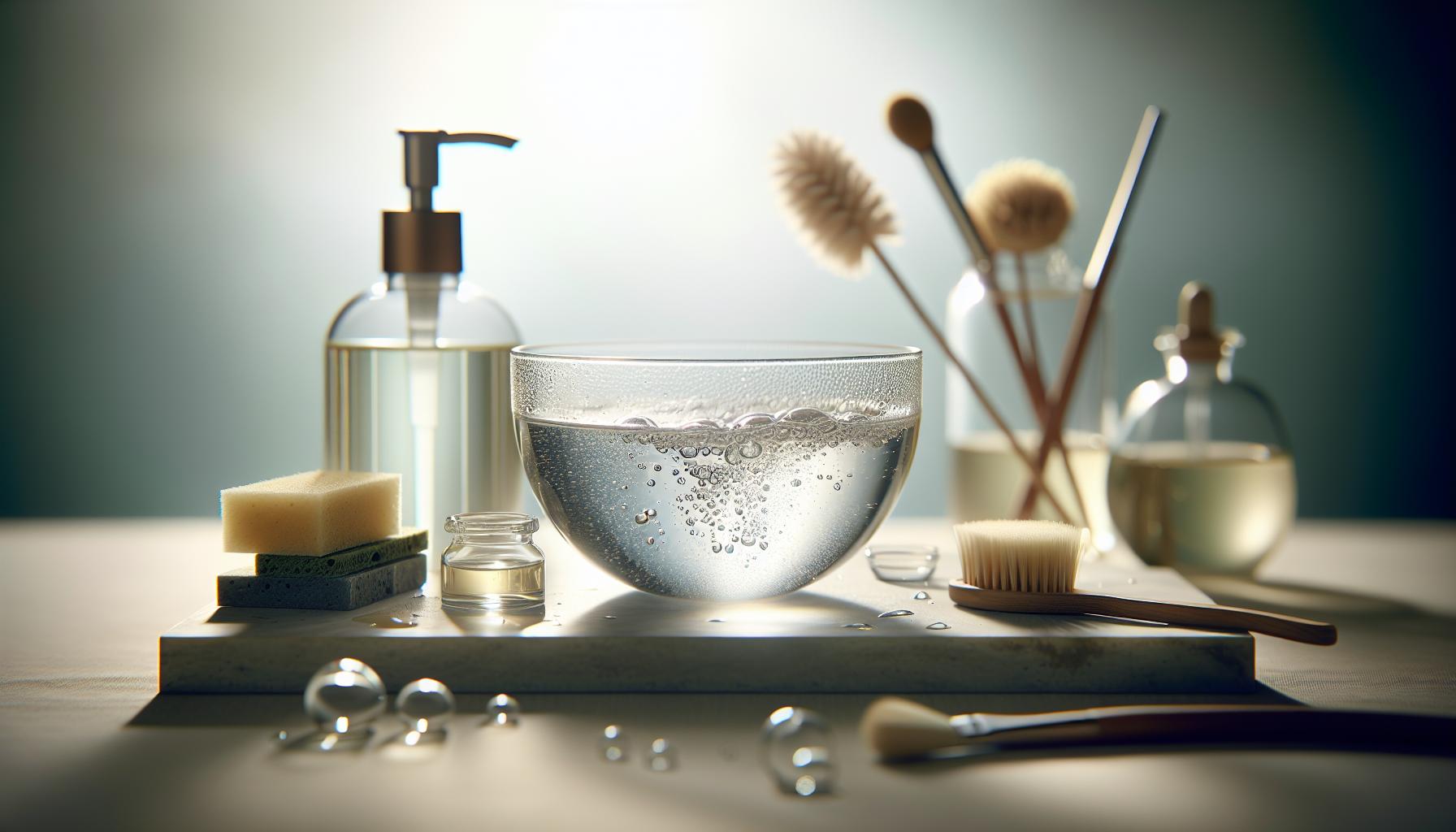
Understanding Emulsification: The Science Behind Oil Cleansers
Understanding how emulsification works can greatly enhance your experience with oil cleansers. At its core, emulsification is the process where two immiscible liquids-like oil and water-combine into a stable mixture. This is essential for oil cleansers because they are designed to dissolve makeup and impurities that water alone can’t effectively remove. When you emulsify the oil cleanser, you allow these substances to blend with water, making them easier to rinse away.
A key player in this process is the surfactant, which is a substance that lowers the surface tension between the liquids involved. Surfactants have a hydrophilic (water-attracting) head and a hydrophobic (water-repelling) tail, allowing them to bond to both oil and water. When you apply an oil cleanser to your skin, the surfactants work their magic by surrounding the oil-based grime and breaking it down, allowing it to mix with water during rinsing.
Understanding this chemistry can empower you to approach your cleansing routine with confidence. For maximum effectiveness, it’s not just about applying the oil cleanser but also about how you interact with it. Gently massaging the product into your skin helps the surfactants do their job, ensuring that all makeup and excess oils get encapsulated in the emulsion. Then, by adding a bit of water and continuing to massage, you can achieve that essential emulsion that rinses clean without leaving residual greasiness.
Remember, emulsification isn’t just a technique; it’s a transformative part of the cleansing process. Embracing this knowledge allows you to use oil cleansers with skill, ensuring your skin feels fresh and clean after every wash.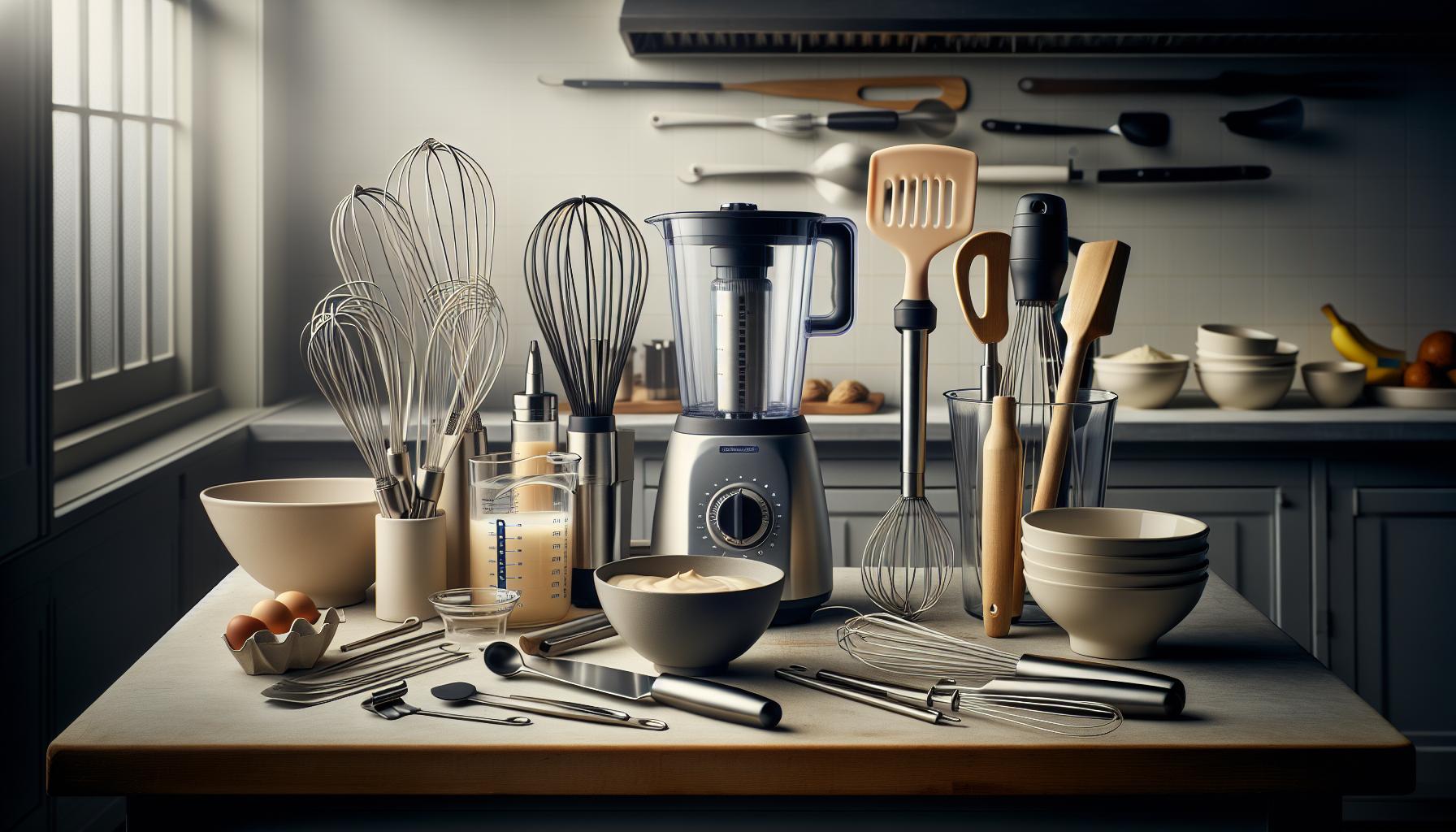
Essential Tools for Effective Emulsification
To truly master emulsification with your oil cleanser, having the right tools at your disposal can make all the difference. Whether you’re a seasoned skincare enthusiast or just starting your cleansing journey, understanding the essential tools can enhance your emulsification process and elevate your overall skincare routine.
First and foremost, consider your cleanser. Look for an oil cleanser that contains effective surfactants, which are key in breaking down makeup and impurities. A product that blends well with your skin type-be it oily, dry, or combination-can significantly impact the emulsification process. Jojoba oil or sweet almond oil are popular choices because they tend to mimic your skin’s natural oils, making them easier to emulsify.
Another essential tool is your fingers. As simple as it may seem, the way you apply the oil cleanser is crucial. Use your fingertips to massage a dime-sized amount of the cleanser into your dry skin using gentle circular motions. This not only promotes circulation but also helps the surfactants do their job more effectively. Increasing the engagement between the oil and your skin can lead to a more thorough cleansing.
Next, let’s not forget about water. When it’s time to emulsify, adding lukewarm water is the magic ingredient that transforms the oil cleanser into a milky emulsion. The warmer temperature allows for better mixing, creating more effective emulsion that can easily rinse away impurities. Always remember to keep water at hand during the process.
For a bit of added luxury, consider incorporating a soft washcloth or a facial sponge. After emulsifying with water, using these tools can enhance the removal process, providing a gentle exfoliating effect that leaves your skin feeling fresh and clean. Just be sure to choose a material that feels gentle on your skin to avoid irritation.
Lastly, if you’re truly committed to mastering emulsification, investing in a facial steamer can be beneficial. Using warm steam can help open your pores before cleansing, allowing your oil cleanser to penetrate deeper and effectively remove dirt and impurities.
With these tools and a bit of practice, you’ll be well on your way to perfecting your emulsification technique. Remember, skincare is not just a routine; it’s an opportunity to pamper yourself and feel your best!
Step 1: Preparing Your Skin for Emulsification
Preparing your skin for emulsification is a crucial step that sets the stage for an effective cleansing experience. Just as a painter primes their canvas, prepping your skin ensures that the oil cleanser can work its magic. Start by ensuring that your skin is dry; apply your oil cleanser to dry skin for optimal results. This may seem counterintuitive given many of us are used to wetting our faces first, but in the case of oil cleansers, the oil needs to directly interact with the makeup and impurities on your skin to break them down effectively.
Before you apply your cleanser, take a moment to cleanse your hands thoroughly. Clean hands not only prevent the introduction of bacteria but also ensure that any lingering products or dirt from your hands don’t interfere with your cleansing process. Once your hands are clean, dispense a dime-sized amount of your chosen oil cleanser into your palm. This amount is typically enough for your entire face, allowing the oil to cover the skin without wasting product.
Once you have the cleanser ready, warmly massage it into your skin. Use gentle circular motions for about 30 seconds, paying extra attention to areas where makeup or grime tends to accumulate, like around the nose and forehead. This massaging action not only helps to dissolve makeup and impurities but also promotes circulation, leaving your skin looking revitalized. If you encounter any spots with stubborn makeup or dirt, feel free to spend a little extra time there, ensuring you’re giving the oil cleanser the chance to work effectively.
After you’ve allowed the oil to penetrate your skin for a bit, you’re all set to move to the next step: emulsifying. Remember, this initial preparation is essential-it establishes a solid foundation for the emulsification process and maximizes the efficacy of your oil cleanser. Enjoy this moment; think of it as a mini self-care ritual that not only cleanses but also refreshes your spirit!
Step 2: Applying Oil Cleanser for Maximum Effectiveness
To get the most from your oil cleanser, applying it correctly is vital. Think of this step as the moment when the magic happens; it’s where all your prep pays off. After massaging the oil into your dry skin, ensure you distribute it evenly and thoroughly for maximum effectiveness. The goal here is to provide enough product to dissolve makeup and impurities without overwhelming your skin.
Begin by dispensing a dime-sized amount of your chosen oil cleanser into your palm and adding a few drops of water to create a balanced consistency. This mixture helps the oil glide smoothly over your skin and start the emulsification process. Use your fingers to gently massage the cleanser onto your face, employing light circular motions. Focus on areas where makeup tends to cling, like the eyes and around the nose. Spend about 30 to 60 seconds doing this; not only does it help break down dirt and makeup, but it also boosts blood circulation, giving your skin a natural glow.
When applying the oil, don’t be afraid to use a little extra product, especially if you’re wearing heavy makeup or sunscreen. The oil needs to penetrate into the layers of your skin and interact effectively with any stubborn impurities. If you notice any particularly resistant spots, feel free to give them some extra love by massaging a tad longer. This approach not only makes cleansing more effective but transforms it into a soothing self-care ritual.
Once you’ve massaged the oil into your skin, the next step is emulsification, which leads to the creation of that creamy mixture that washes everything away. By ensuring that your application is thorough and gentle, you’re setting the stage for an effective cleanse that leaves your skin fresh and revitalized. Remember, this isn’t just about cleaning your face-it’s about creating a calming and enjoyable part of your skincare routine. Enjoy the moment; this is self-care in action.
Step 3: Achieving the Perfect Emulsion
To achieve a perfect emulsion when using an oil cleanser, you want to transform that initial oil-and-water mix into a velvety, creamy texture that can effectively cleanse your skin. This process is critical for ensuring that your cleanser can dissolve makeup and impurities thoroughly. The secret lies in timing and technique.
Begin by adding a small amount of water to your oil cleanser mixture in your palm. This not only helps to create an emulsion but also aids in loosening up dirt and makeup. Start with gentle circular motions on your face. Visualize how the water and oil interact; when they come together, they form tiny droplets that encapsulate the trapped grime and residual makeup. Pay special attention to areas with heavier makeup, spending about 30 seconds on these spots to allow for maximum emulsification.
As you massage the mixture into your skin, adjust the pressure according to your comfort level. If your skin feels a bit oily at first, don’t worry-this is part of the process. Continuing to emulsify by mixing and massaging will allow the oil to interact with the water effectively, creating that desirable creamy texture. If, at any point, you feel that the mixture isn’t emulsifying as well as it should, you can add a small splash of warm water to reinitiate the process.
A common mistake is rushing through this step. Allow yourself ample time-aim for about 60 seconds of massaging-to ensure that the oil fully incorporates with the water. Look for a change in texture; it should shift from a slick oiliness to a more luxurious, creamy consistency. Once you feel satisfied with the texture, rinse your face with lukewarm water. You’ll notice that everything glides away effortlessly, leaving your skin refreshed without any oily residue. This is the moment when you’ve perfected your emulsion-celebrate the clarity and smoothness of your skin!
Common Mistakes When Emulsifying Oil Cleanser
There’s a common misconception that emulsifying oil cleansers is a quick and easy task, but it can be a bit more nuanced than one might think. Understanding what can go wrong during the emulsification process is crucial for achieving that perfect creamy texture that will leave your skin feeling fresh and clean. Here are some of the most frequent pitfalls to avoid:
One major mistake is neglecting the importance of the water-to-oil ratio. If you don’t add enough water, the oil may not fully emulsify, leaving a thin layer of residue on your skin. Aim for a small splash of lukewarm water to initiate the process; ideally, you want a mix that feels comfortable but not too runny. Experiment with the amount to find the right balance for your specific skin type and oil cleanser.
Another common error is rushing through the emulsification stage. Many people believe that more time spent rinsing out the product is sufficient, but taking just 15 to 30 seconds to gently massage the mixture into your skin can make a world of difference. Use gentle circular motions, particularly focusing on areas that may hold more makeup or impurities. If it feels like the cleanser isn’t breaking down properly, don’t hesitate to add a bit more water and keep at it. Patience is key!
Sometimes, users apply their oil cleansers on completely dry skin and expect results. While this can work for some oils, moistening your skin first helps the cleanser spread more evenly and emulsify better. Try dampening your face slightly before applying the oil. This method not only makes it easier for the oil to blend with the water but also helps lift dirt and makeup more effectively.
It’s also important to keep an eye on the temperature of the water you’re using; it should be warm, but not too hot. Extreme temperatures can disrupt the emulsion process, resulting in a less effective cleanse. Warm water helps the oil to dissolve and blend more seamlessly.
By being mindful of these common mistakes, you can elevate your oil cleansing routine and enjoy the pampering experience it offers, ensuring your skin is not just clean but also wonderfully nourished.
How to Customize Your Emulsification Technique
When it comes to emulsifying oil cleansers, personalizing your technique can turn a basic skincare step into a delightful part of your routine. Depending on your skin type, environmental conditions, and even preferences for texture and scent, the approach to emulsification can vary significantly. Here’s how to fine-tune your emulsification technique for a more tailored skincare experience.
For oily skin types, consider starting with a lighter oil cleanser that can break down excess sebum while allowing for effective emulsification. Adding a few drops of essential oil, like tea tree or peppermint, can enhance the balancing effect and provide a refreshing aroma. This small adjustment not only helps to regulate oil production but also elevates your cleansing ritual into a spa-like experience. Remember, start with a dime-sized amount on damp skin, massaging gently in circular motions.
If your skin is on the dryer side, you might prefer a richer oil cleanser. Thick oils can better lock in moisture while effectively removing impurities. To customize this further, try layering your oil cleanser with a hydrating essence or calming toner before emulsification. This tactic prepares your skin to retain moisture and enhances the chances of creating a luxurious creamier texture when you mix in water. Aim for about 30 seconds of gentle circular motions to ensure that everything blends seamlessly.
Temperature also plays a vital role in emulsification. Experimenting with warm water can significantly impact how well the oils blend. If you live in a cold climate, using slightly warmer water can make a substantial difference in the effectiveness of your cleansing process. The water should feel comfortable-not too hot to avoid irritating your skin or causing the oil to break down prematurely.
Lastly, don’t hesitate to mix and match methods based on how your skin feels daily. On days when your skin feels congested, spend extra time massaging the oil and water mixture into your skin, helping to lift dirt and impurities more effectively. Conversely, on days when you’re feeling fresh or have minimal makeup, a quicker emulsification might suffice. Flexibility in your routine allows you to respond to your skin’s needs while ensuring a thorough cleanse every time.
In summary, customizing your emulsification technique means paying attention to your unique skin needs, experimenting with different formulas, and adjusting your approach based on environmental factors. By embracing these nuances, you can truly master the art of oil cleansing.
Benefits of Using an Oil Cleanser with Emulsification
Using an oil cleanser with emulsification offers a transformative approach to skincare that not only removes makeup and impurities but also nurtures your skin. One of the standout benefits is the ability to effectively cleanse without stripping your skin’s natural oils. Unlike traditional cleansers that may leave your complexion feeling tight and dry, emulsifying oil cleansers work by breaking down dirt and makeup while simultaneously hydrating your skin. This dual action means you can maintain your skin’s moisture balance, which is essential for a healthy glow.
Another significant advantage is their versatility for different skin types. Whether your skin is oily, dry, or combination, there’s an oil cleanser formulation that can cater to your unique needs. For instance, lighter oils can help with oily skin by dissolving excess sebum without clogging pores, while richer oils can provide much-needed hydration for those with dry patches. This tailored approach allows everyone to enjoy a customized cleansing experience that promotes overall skin health.
Additionally, emulsification enhances the sensory experience of cleansing. The transformation from oil to milky emulsion creates a luxurious texture that feels indulgent against the skin. When you add water during the emulsification process, the oil cleanser becomes a silky cream that glides effortlessly over your face, providing a mini spa-like experience each time you cleanse. This can make the daily ritual of washing your face something to look forward to rather than just a chore.
Finally, embracing the technique of emulsification means you are embracing holistic skincare. By using oil cleansers, you’re not just addressing surface-level cleansing but also fostering a routine that focuses on skin health. You can consider adding essential oils or specific botanical ingredients tailored to your concerns, such as calming chamomile for sensitive skin or balancing jojoba for oilier skins. This mindful attention to the products you use supports your skin’s overall vitality while enhancing your cleansing routine.
In essence, integrating an emulsifying oil cleanser into your skincare routine offers multi-faceted benefits-those who adopt it often notice improved skin texture, enhanced hydration, and a more enjoyable cleansing experience, inviting you to pamper yourself with a touch of luxury every day.
The Best Products to Use for Oil Cleansing
Choosing the right products for oil cleansing can elevate your skincare routine and make emulsification smoother and more effective. The key lies in understanding your skin type and selecting formulations that cater to your specific needs, ensuring a truly rewarding cleansing experience. Here are some standout products to consider:
- For Oily Skin: Look for oil cleansers that are lightweight and non-comedogenic. Options like the Purity Made Simple Cleansing Oil or BLUME’s Meltdown Cleansing Balm can help dissolve excess sebum without clogging your pores.
- For Dry Skin: A thicker, hydrating oil can work wonders. Consider using Josie Maran’s 100% Pure Argan Oil or Garnier SkinActive Cleansing Oil, both of which nourish while effectively breaking down makeup and impurities.
- For Combination Skin: A balanced oil that hydrates without being too heavy is ideal. DHC Deep Cleansing Oil and Clinique Take The Day Off Cleansing Balm are popular choices that help maintain moisture levels across various skin areas.
- For Sensitive Skin: Gentle formulations with calming ingredients are key. Try Camellia/Tea Seed Oil or the Kose Sekkisei Cleansing Oil, both known for being soothing while still effective in emulsifying dirt and excess oil.
When applying, remember that the amount matters. A dime-sized amount on dry skin is often sufficient-work it into the skin with gentle, circular motions for about 30 seconds before adding water to activate the emulsification. This combination of gentle motion and quality products will ensure a luxurious and effective cleansing process.
In summary, the best oil cleansers are not one-size-fits-all; they should reflect your skin’s unique needs. By selecting products suited to your skin type and using them correctly, you can enjoy all the benefits of emulsifying oil cleansing-creating a fresh, rejuvenated face every day.
Troubleshooting: What to Do When Emulsification Fails
Sometimes, despite your best efforts, emulsification can fail, leaving you with a less-than-satisfying cleansing experience. If your oil cleanser isn’t emulsifying properly, don’t worry-you’re certainly not alone. This issue often stems from a few common culprits, and identifying them can turn your cleansing routine back into a pampering experience.
First, consider the amount of oil you’re using. Too much oil can overwhelm the emulsification process. Aim for a dime-sized amount on dry skin; this should be sufficient to dissolve impurities and makeup. Gently massaging the oil into your skin with circular motions for about 30 seconds helps activate the emulsification. If you find that your oil is still not breaking down, try slowly adding small amounts of water. The key is to introduce water gradually rather than all at once. This technique creates a milky emulsion that effectively lifts away dirt and makeup.
Next, examine the compatibility of your products. Not all oils are created equal; some may not emulsify well with hard water or certain skin types. If emulsification repeatedly fails, consider switching to a different oil cleanser or one designed to work better with your water type. Look for products that specifically list their emulsifying properties, as these are formulated to enhance the breakdown of dirt and makeup effortlessly.
If you’re still struggling after adjusting the product and application method, it could be helpful to reassess your skincare routine. Sometimes, residues from previous products can interfere with emulsification-ensure your skin is free from leftover serums or treatments. A quick cleanse with micellar water before applying your oil can help prep your skin for a successful emulsification.
By making these small adjustments, you can achieve better emulsification results and enjoy the refreshing benefits of oil cleansing. Remember, each skin type is unique, so be patient as you find the best method that works for you. Your ideal cleansing routine is just a few tweaks away!
Enhancing Your Routine: Combining Oil Cleanser with Other Products
When it comes to maximizing the effectiveness of your oil cleansing routine, combining your oil cleanser with other products can elevate your skincare game to new heights. The right partnerships can enhance emulsification and create a truly luxurious cleansing experience. For instance, incorporating a gentle exfoliating product or a hydrating toner before or after the oil cleanser can significantly enhance your overall results.
Using a gentle exfoliating scrub a few times a week before your cleansing routine can help remove dead skin cells, paving the way for a more effective emulsification process. This not only helps in breaking down makeup and impurities more thoroughly but also prepares your skin to better absorb nourishing ingredients. Choose a scrub with natural exfoliants, like enzymes from fruit or finely milled particles, to keep your skin smooth without causing irritation.
Following your oil cleanse with a hydrating toner can boost moisture levels while helping to balance your skin’s pH. Look for toners that contain humectants like hyaluronic acid or glycerin, which attract moisture to the skin. Applying it after cleansing can also aid in locking in hydration and ensuring your skin feels refreshed and nourished. Simply pat a few drops onto cleansed skin immediately after rinsing off the oil for optimal results.
Moreover, consider layering a light serum or oil after your toner. Oils designed with lightweight formulations absorb quickly, providing additional moisture without clogging pores. This multi-step approach not only refines your cleansing routine but enhances the overall efficacy of each product. For those with specific concerns-like acne or dryness-select serums with targeted ingredients (like salicylic acid for acne-prone skin or squalane for dry skin) to address your unique needs.
Ultimately, enhancing your routine with complementary products can turn a simple oil cleanse into a pampering ritual. Just remember to pay attention to how your skin responds, making adjustments as necessary to tailor the experience specifically for you. By implementing these strategies, you’ll not only improve emulsification but also elevate your skincare regimen to match your lifestyle and beauty aspirations.
Expert Tips for Pro-Level Emulsification Techniques
To really elevate your emulsification game, it’s crucial to grasp a few nuanced techniques that can make a significant difference in your oil cleansing routine. One of the key concepts is the importance of temperature; using warm oil can enhance circulation and efficacy. Try warming your oil cleanser slightly in your palms before applying it. This not only provides a comforting start but also helps in breaking down makeup and impurities more effectively.
Another pro tip is the method of application. Instead of slathering the oil on in a rush, take your time with gentle, circular motions. Aim for about 30 seconds to a minute of massaging the product into the skin. This allows the oil to emulsify properly, ensuring it binds with dirt and makeup, making rinsing easier and leaving your skin clean yet hydrated.
As you work towards that perfect emulsion, remember to gradually add a small amount of water to your face while continuing to massage. This can help emulsify the oil, forming a milky texture that rinses off cleanly. Also, don’t hesitate to experiment with different oil blends; some oils are lighter and may suit your skin type better than others. For instance, those with oily skin might find that lighter oils like grape seed or jojoba work well, while drier skin types could benefit from richer oils like avocado or argan.
Lastly, consider your rinse technique. After emulsification, use lukewarm water to wash off the oil, followed by a splash of cold water to close your pores. This simple touch can impart a refreshing feeling and help with skin tone. By mastering these techniques, your oil cleansing ritual can become not just a necessity, but a genuinely enjoyable and effective part of your skincare routine.
Remember, practice makes perfect, so be patient with yourself as you refine these skills!
Faq
Q: What is emulsification, and why is it important for oil cleansers?
A: Emulsification is the process of blending oil and water, allowing oil cleansers to effectively remove dirt and makeup. It is important because it ensures that the oil cleanser can be rinsed off easily, leaving the skin clean without residue. For a deeper understanding, see the section on “Understanding Emulsification: The Science Behind Oil Cleansers.”
Q: How can I tell if my oil cleanser is properly emulsified?
A: You’ll know your oil cleanser is properly emulsified when it turns milky and easily spreads over your skin. This transformation indicates that the oil and water are blending well, making it easier to rinse off. For tips on achieving this, check “Step 3: Achieving the Perfect Emulsion.”
Q: Can I emulsify an oil cleanser with any type of water?
A: Yes, you can emulsify an oil cleanser with any type of water, including tap or bottled water. However, using warm water can help enhance the emulsification process and make it more effective. For best results, refer to “Step 2: Applying Oil Cleanser for Maximum Effectiveness.”
Q: What to do if my emulsification doesn’t work?
A: If your emulsification isn’t working, ensure you’re using enough water and applying it while massaging the oil into your skin. If the problem persists, check the oil cleanser’s formulation as some may be less effective. More troubleshooting tips can be found in “Troubleshooting: What to Do When Emulsification Fails.”
Q: How often should I use an oil cleanser to see benefits?
A: To see benefits from an oil cleanser, use it 2-3 times a week or daily if you wear makeup or have oily skin. Adjust the frequency based on your skin’s response and needs for optimal results. For recommendations on customizing your technique, check “How to Customize Your Emulsification Technique.”
Q: Why is it beneficial to use an oil cleanser?
A: Using an oil cleanser can provide various benefits, including removing makeup and impurities without stripping your skin’s natural oils. This leads to hydrated and balanced skin. For more on its advantages, see “Benefits of Using an Oil Cleanser with Emulsification.”
Q: What should I know about combining oil cleansers with other products?
A: When combining oil cleansers with other products, ensure they are compatible, like following up with a gentle water-based cleanser to remove residue. This enhances your skincare routine. For specific strategies, refer to “Enhancing Your Routine: Combining Oil Cleanser with Other Products.”
Final Thoughts
Congratulations! You’re now equipped to emulsify your oil cleanser like a pro in just three simple steps. By mastering this technique, you not only enhance your cleansing routine but also ensure your skin stays radiant and healthy. Don’t wait-try it today for a fresh start on nurturing your skin!
For more beauty tips, check out our guides on “Choosing the Right Cleanser for Your Skin Type” and “The Best Oils for Your DIY Skincare Routine.” If you have any questions or would like to share your experience, drop a comment below. We love hearing from you!
Ready to elevate your skincare game? Sign up for our newsletter for exclusive tips and product recommendations tailored just for you. Remember, great skin doesn’t happen by chance; it happens by appointment!