Did you know that hyaluronic acid can hold up to 1,000 times its weight in water? This remarkable ability makes it a superstar in the skincare world, especially for soothing and hydrating your skin. If you’ve ever struggled with dryness, irritation, or dullness, finding the right hyaluronic acid serum could be your ultimate solution. These serums work by attracting moisture, plumping up your skin, and enhancing your overall complexion, making them a must-have in your skincare routine. As we explore what makes a hyaluronic acid serum the best for calming skin, you’ll discover key factors to consider and top recommendations that can help restore your skin’s health and radiance. Whether you’re a skincare novice or a seasoned expert, this guide will equip you with the knowledge you need to make an informed choice that addresses your unique needs. Let’s dive in!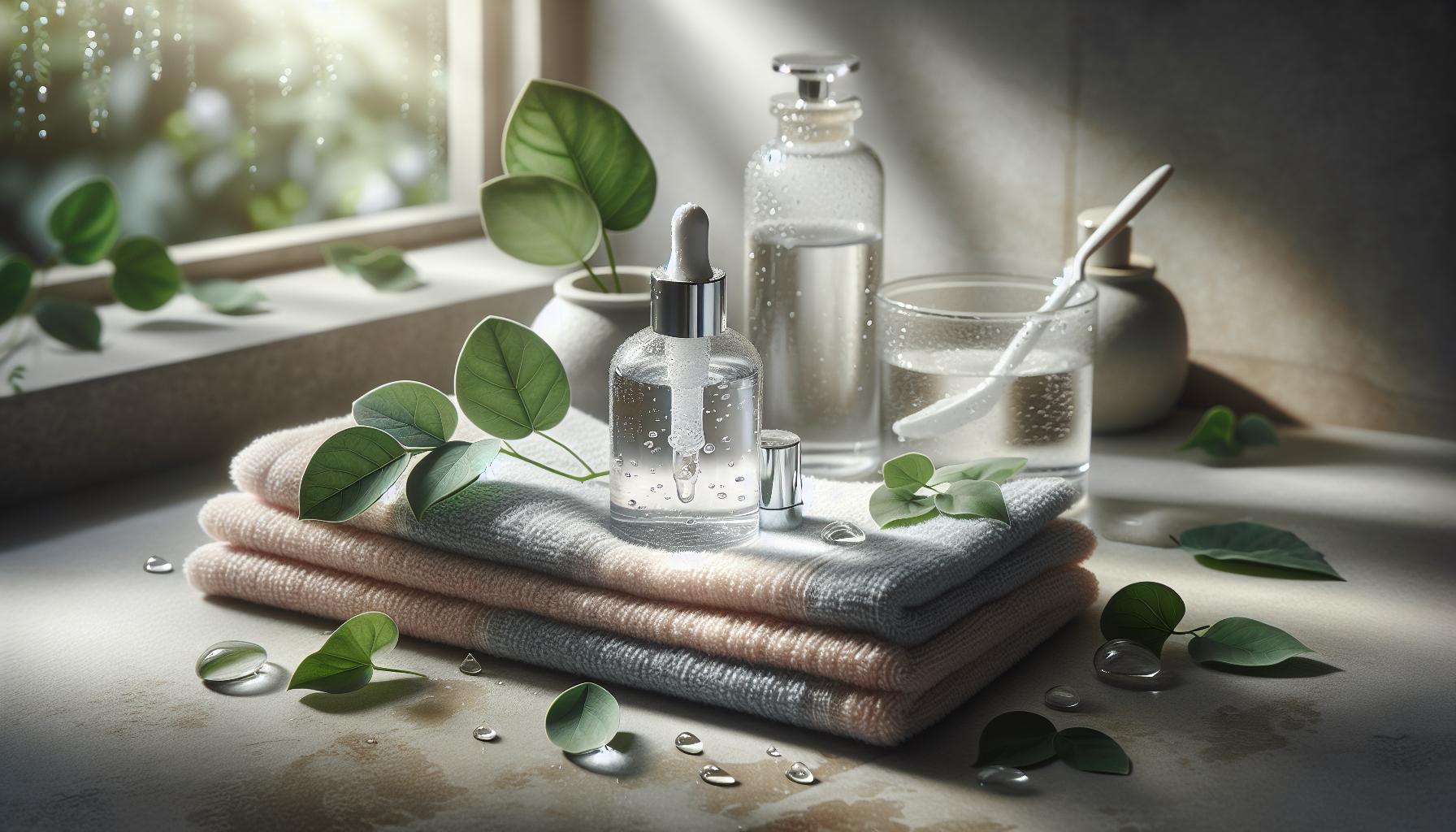
Understanding the Power of Hyaluronic Acid for Your Skin
Hyaluronic acid is a skincare superstar, known for its incredible ability to retain moisture and keep skin looking plump and youthful. This powerful humectant can hold up to 1,000 times its weight in water, making it an essential ingredient for anyone looking to boost hydration and soothe their skin. Whether you’re struggling with dryness, fine lines, or irritation, incorporating a hyaluronic acid serum into your routine can provide immediate and long-lasting benefits.
As we age or face environmental stressors, our skin naturally loses moisture. Using a hyaluronic acid serum not only replenishes this lost hydration but also creates a protective barrier that helps lock in moisture. This is particularly beneficial in arid climates or during winter when humidity levels drop. The best part? It’s suitable for all skin types, from oily to sensitive, allowing everyone to enjoy its soothing properties without irritation.
When on the hunt for a great hyaluronic acid serum, look for formulations that include varying molecular weights of hyaluronic acid. This means that the serum can penetrate different skin layers, delivering moisture at multiple levels. Ideally, you want a product that combines hyaluronic acid with additional soothing ingredients like aloe vera or chamomile to maximize the calming effects on your skin, particularly if you’re dealing with redness or sensitivity.
Additionally, the versatility of hyaluronic acid allows it to be mixed easily with other active ingredients, enhancing your skincare regimen without compromising efficacy. For instance, pairing it with vitamin C can brighten your complexion while you hydrate, or using it alongside retinol can help mitigate dryness and irritation often associated with that potent ingredient. Embracing skincare with hyaluronic acid can truly elevate your beauty routine and promote healthier, more resilient skin.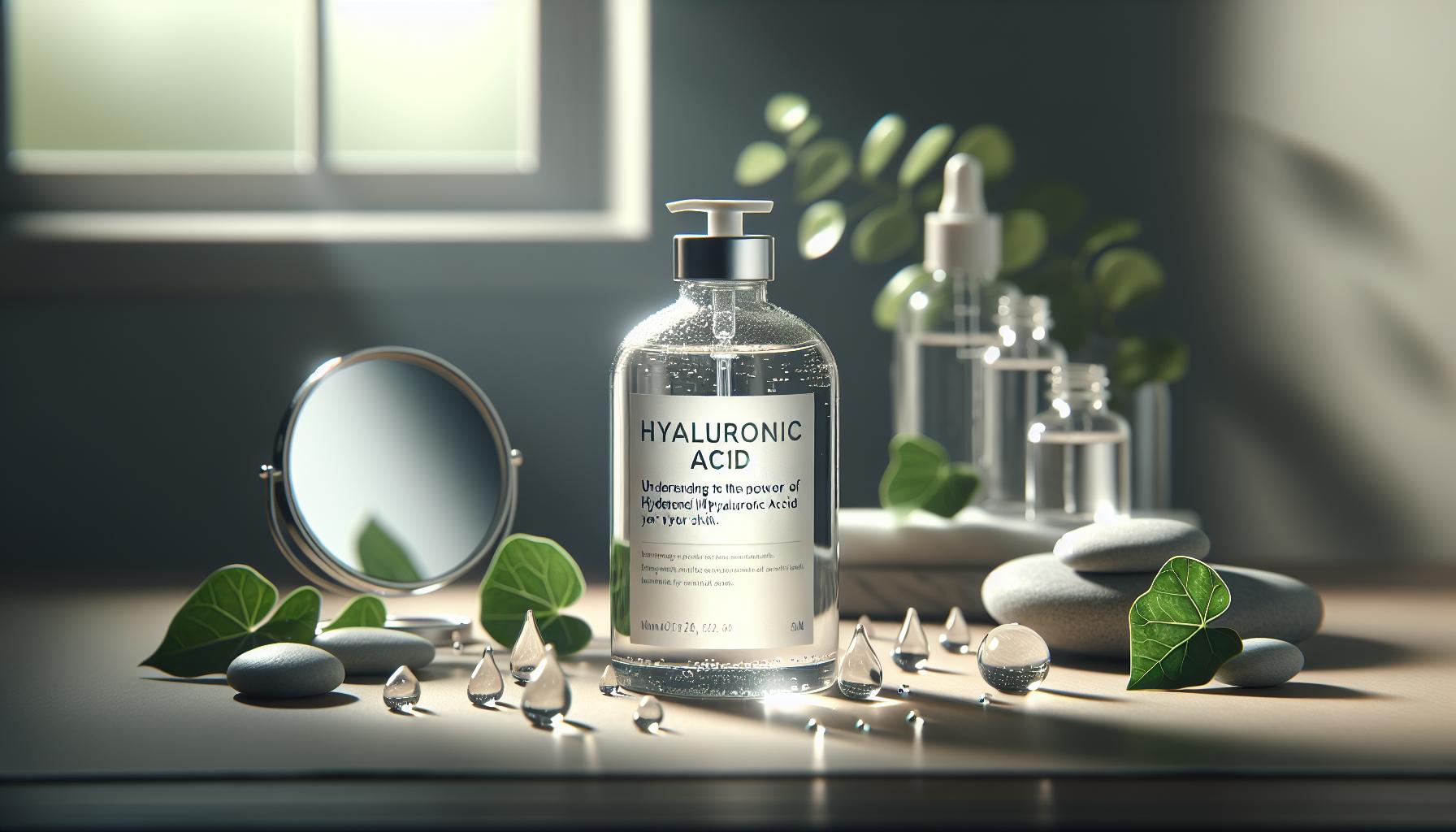
Why You Should Use a Hyaluronic Acid Serum
In today’s beauty world, the importance of hydration cannot be overstated, and hyaluronic acid is one of the key players in achieving supple, youthful skin. This powerful humectant can attract and retain up to 1,000 times its weight in water, making it indispensable for quenching thirsty skin. Including a hyaluronic acid serum in your skincare routine is a game-changer, especially if you’re facing dryness, irritation, or the onset of fine lines. It’s like giving your skin a tall glass of water, ensuring it feels hydrated and plump throughout the day.
For those who live in dry climates or experience seasonal shifts that sap moisture from the air, a hyaluronic acid serum acts as a protective barrier, locking in hydration. This barrier not only prevents further moisture loss but also helps skin heal and rejuvenate. It’s suitable for all skin types-whether you have oily, dry, or sensitive skin, the lightweight nature of hyaluronic acid makes it a versatile option. This inclusivity means you don’t have to worry about it exacerbating existing skin concerns; instead, it works to soothe and balance your complexion.
Furthermore, hyaluronic acid can seamlessly integrate with other active ingredients in your skincare arsenal. For instance, pairing it with vitamin C can enhance your glow while providing antioxidant benefits, or combining it with retinol can alleviate the dryness typically associated with that powerhouse ingredient. This synergy means you can tailor your skincare routine to meet specific needs without compromising effectiveness.
In summary, opting for a hyaluronic acid serum is an investment in your skin’s health. With its unrivaled moisture-retaining properties and compatibility with various ingredients, it stands out as a must-have for anyone looking to achieve a radiant, hydrated complexion. Integrating this serum thoughtfully into your routine can lead to immediate and long-lasting benefits, making it a wise choice for beauty enthusiasts at any stage.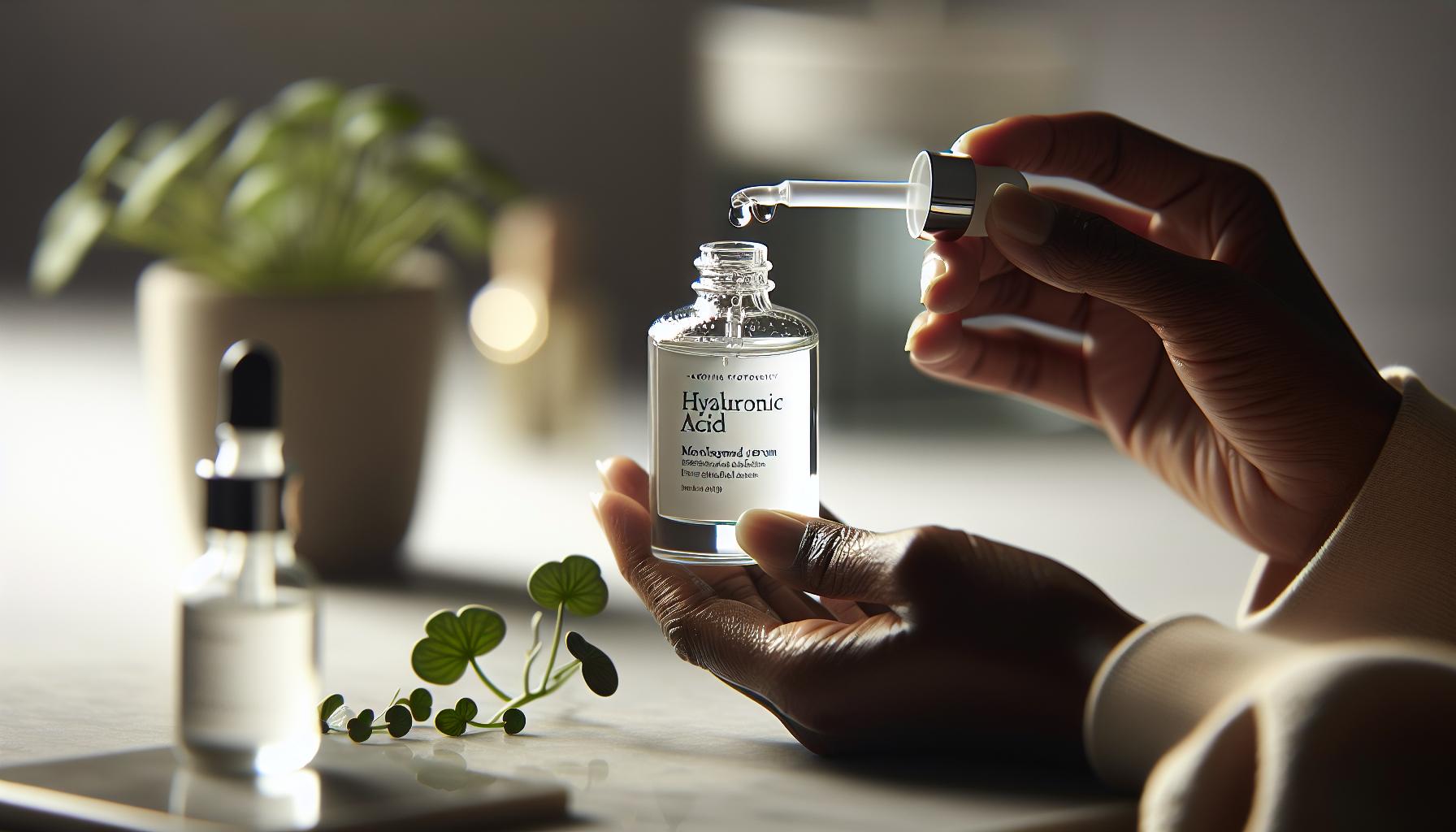
Key Ingredients to Look For in a Hyaluronic Acid Serum
When searching for the ideal hyaluronic acid serum, it’s essential to look beyond the star ingredient itself. The formulation’s overall effectiveness is influenced by a blend of complementary ingredients that can enhance hydration, improve skin texture, and soothe irritation. Understanding what key components to seek out can make a significant difference in achieving the desired dewy, radiant complexion.
One important ingredient to consider is Vitamin C, known for its potent antioxidant properties. This vitamin not only helps to brighten your complexion but also enhances the skin’s protective barrier, working synergistically with hyaluronic acid to improve moisture retention. If you are battling uneven skin tone or dullness, look for serums that include stable forms of Vitamin C alongside hyaluronic acid.
Another valuable addition is Niacinamide (Vitamin B3). This multitasking ingredient is celebrated for its ability to minimize pores, improve skin elasticity, and reduce redness. When paired with hyaluronic acid, niacinamide can significantly boost the soothing effects on sensitive or irritated skin while ensuring that moisture levels are maintained. It’s particularly beneficial for those with conditions like rosacea or eczema.
Additionally, consider serums featuring Peptides. These small chains of amino acids signal to your skin to produce more collagen, which is vital for maintaining youthful-looking skin. When peptides are combined with the hydrating properties of hyaluronic acid, they create a powerhouse effect-plumping the skin while promoting its natural rejuvenation process.
Lastly, ingredients like Aloe Vera, Green Tea Extract, or Chamomile can enhance soothing benefits. These botanical extracts provide extra layers of hydration and calmness, making them perfect for sensitive or inflamed skin. If you experience any sensitivity or redness, seeking products that include these calming agents can further support your skin’s wellness.
To sum up, when selecting a hyaluronic acid serum, prioritize formulations with complementary ingredients such as Vitamin C, Niacinamide, Peptides, and soothing botanical extracts. These additions not only amplify the hydrating powers of hyaluronic acid but also cater to specific skin needs, ensuring a comprehensive approach to skincare that nurtures and soothes. Always check ingredient lists and opt for serums that best align with your unique skin type and concerns to maximize results.
Top Benefits of Hyaluronic Acid for Skin Soothing
Hyaluronic acid is often hailed as a superhero for skin hydration, but its soothing properties are just as impressive. This remarkable ingredient can hold up to 1,000 times its weight in water, making it an incomparable hydrator for the skin. By infusing moisture deep within the skin layers, hyaluronic acid helps to mitigate dryness and irritation, creating a plump, dewy appearance. For those dealing with sensitive or inflamed skin, incorporating hyaluronic acid can provide immediate relief and a calming effect.
One of the standout benefits of hyaluronic acid is its ability to enhance skin barrier function. A healthy skin barrier is essential for retaining moisture and protecting against environmental stressors. When the skin’s barrier is compromised, it can lead to redness, itching, and increased sensitivity. Hyaluronic acid works by drawing water to the skin and promoting a more resilient barrier, which can significantly reduce symptoms associated with conditions like eczema and rosacea. When applied regularly, serums containing hyaluronic acid can establish a buffer against irritants, leading to a more stable and comfortable skin experience over time.
Moreover, the versatility of hyaluronic acid makes it suitable for all skin types, including oily and acne-prone skin. Many people assume that moisturizing ingredients may exacerbate oiliness or breakouts, but hyaluronic acid is lightweight and non-comedogenic. By providing hydration without clogging pores, it helps balance oil production, leading to a more even skin tone. This quality makes it a go-to for those looking to soothe their skin without adding heaviness or greasiness.
Incorporating a hyaluronic acid serum involves simple steps for maximum benefit. For optimal results, apply the serum on slightly damp skin after cleansing, which allows the acid to lock in moisture more effectively. Follow with a moisturizer to create a protective layer that prevents transepidermal water loss, ensuring that hydration remains locked in.
In summary, the soothing benefits of hyaluronic acid are twofold: it hydrates deeply and supports the skin’s natural barrier function. With its ability to calm irritation and balance the skin’s moisture levels, it’s a must-have ingredient for anyone seeking a healthier, more comfortable complexion.
How to Choose the Best Hyaluronic Acid Serum for Your Skin Type
Choosing the right hyaluronic acid serum can be a game changer for your skincare routine, but it’s essential to find a product that aligns with your specific skin type and concerns. Understanding the ingredients, concentration, and formulation can help you make an informed decision that caters to your skin’s unique needs, whether it’s dryness, sensitivity, or oiliness.
First, consider your skin type when selecting a serum. For dry skin, look for serums with a higher concentration of hyaluronic acid and additional moisturizing ingredients like glycerin or ceramides. These elements will help lock in moisture and provide that plump, hydrated feel. If you have oily or acne-prone skin, opt for lighter formulas that include lower concentrations of hyaluronic acid and are labeled non-comedogenic. This means they won’t clog your pores, helping you maintain hydration without exacerbating breakouts.
Next, take a look at the formulation. Some serums are combined with other beneficial ingredients to address specific skin concerns. For example, if you’re battling signs of aging, a serum with hyaluronic acid alongside antioxidants like vitamin C can enhance both hydration and overall skin brightness. On the other hand, if you struggle with redness or irritation, consider serums formulated with soothing agents like aloe vera or chamomile to complement the hydrating benefits of hyaluronic acid.
Additionally, pay attention to the texture of the serum. Lightweight gels often absorb quickly and are great for layering under other products, making them suitable for those with oily or combination skin. Creamier textures may be more beneficial for dry skin types as they can provide a more occlusive barrier to retain moisture. Whatever your preference, testing a small amount on your skin can help you gauge how well it absorbs and feels before committing to a full-size product.
Keep in mind that the effectiveness of hyaluronic acid is also influenced by how you apply it. For best results, apply your serum to slightly damp skin-this increases its ability to attract and hold water. Combine a suitable hyaluronic acid serum with a compatible moisturizer to seal in hydration, ensuring your skin stays nourished throughout the day.
In essence, choosing the best hyaluronic acid serum for soothing your skin comes down to knowing your skin type, focusing on the formulation that meets your specific concerns, and applying it properly. By keeping these factors in mind, you’ll be well-equipped to make a choice that leads to a hydrated, healthy complexion.
Application Tips for Maximum Soothing Benefits
Applying hyaluronic acid serum effectively can transform your skin and enhance its soothing benefits, providing a noticeable boost in hydration. To maximize these effects, consider a few simple yet powerful application techniques that align with the serum’s natural hydrating properties.
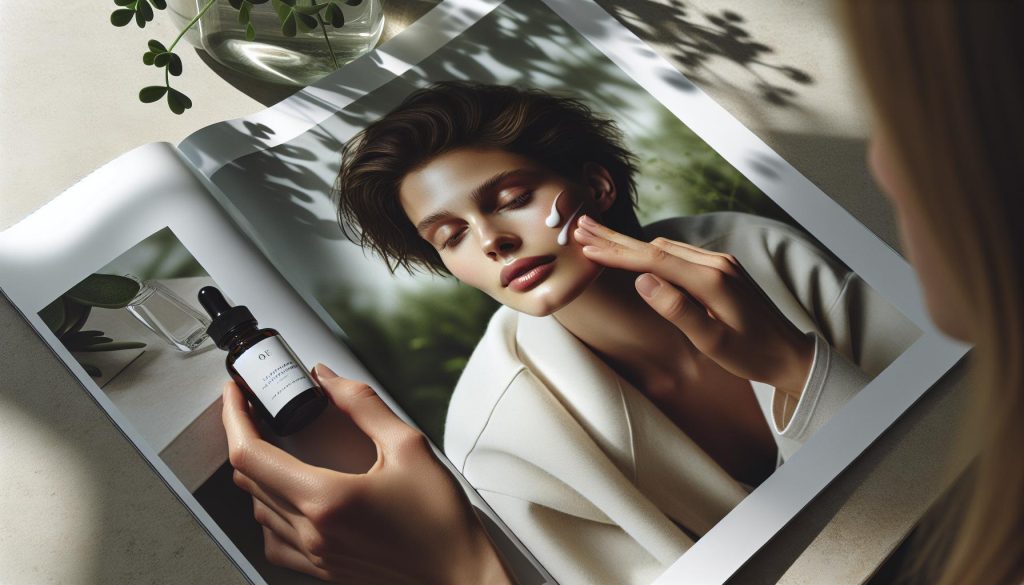
Firstly, always apply your hyaluronic acid serum to clean, slightly damp skin. This practice leverages the serum’s ability to attract moisture, ensuring it binds to the water on your skin’s surface. To do this, after cleansing, gently mist your face with a hydrating toner or simply splash a small amount of water onto your skin. Follow this step by dispensing a dime-sized amount of the serum into your palms. Then, using gentle circular motions, massage the product into your skin for about 30 seconds. This not only aids absorption but also promotes circulation, enhancing overall skin health.
Timing also plays a crucial role. Incorporating the serum into your morning and evening routines can yield optimal results. For daytime use, layer your serum beneath a light moisturizer with SPF to trap moisture while providing sun protection. In the evening, complement the serum with a richer moisturizer that locks in hydration overnight. This two-step approach will amplify the serum’s soothing effects while preventing moisture loss throughout your day and night.
Ultimately, listen to your skin. If you notice any irritation or imbalance, adjust how much serum you use or the frequency of application. It’s about finding the right balance that works for your unique skin type. By following these application tips, you’ll not only enhance the effectiveness of your hyaluronic acid serum but also pave the way for a healthier, plump, and radiant complexion.
Comparing Popular Hyaluronic Acid Serums on the Market
When it comes to finding the right hyaluronic acid serum, the number of options available can be overwhelming. Each serum boasts unique formulations, active ingredients, and benefits tailored to various skin types. To simplify your decision-making process, it’s essential to compare some of the most popular and effective products on the market.
One noteworthy recommendation is The Ordinary Hyaluronic Acid 2% + B5. This serum is lauded for its budget-friendly price and high potency. With a combination of multiple molecular weights of hyaluronic acid, it provides deep hydration while vitamin B5 enhances skin barrier function. Users often report visible plumpness and a more youthful skin texture after consistent use.
In contrast, Neutrogena Hydro Boost Water Gel uses a gel-based formula that is particularly suitable for oily and combination skin types. Infused with hyaluronic acid, this product absorbs quickly without leaving a greasy residue. Its lightweight texture makes it an excellent choice for those looking for an effective hydrator that won’t clog pores. Many users highlight its ability to refresh and hydrate the skin throughout the day, making it ideal for daytime wear.
Another highly rated option is Drunk Elephant B-Hydra Intensive Hydration Serum. This luxury serum blends hyaluronic acid with pro-vitamin B5, which not only hydrates but also soothes. The brand’s commitment to clean ingredients means there’s no silicones, essential oils, or fragrance-great news if you have sensitive skin. Users appreciate how it layers beautifully under makeup while providing a long-lasting hydration effect.
Key Considerations When Comparing Serums
When evaluating different hyaluronic acid serums, consider the formulation and additional ingredients. For example, if you have dry or sensitive skin, look for serums that include soothing agents like panthenol or antioxidants. Conversely, if oil control is your priority, focus on lighter, fast-absorbing gels.
Additionally, take note of concentration levels; serums with higher concentrations of hyaluronic acid typically offer more intense hydration. However, they may not be suitable for every skin type, so always patch test first.
Ultimately, the best serum for your skin will depend on your unique needs and preferences. By comparing key features of several top products-like texture, additional benefits, and ingredient integrity-you can more confidently choose the serum that will best soothe and hydrate your skin. Remember, everyone’s skin is different, so what works wonders for one might not yield the same results for another. Don’t hesitate to experiment and find the perfect match for your skincare routine!
DIY Hyaluronic Acid Serum: Is It Worth It?
Creating your own hyaluronic acid serum at home can be tempting, especially when considering the potential cost savings and customization options. However, it’s essential to weigh the pros and cons before committing to this DIY approach. Many enthusiasts rave about the benefits of using hyaluronic acid for hydration and plumpness, but formulating a stable and effective serum at home is not as straightforward as it might seem.
First, you’ll need to consider the quality and source of your hyaluronic acid. It often comes in powdered form, which you would need to mix with distilled water to achieve the right consistency and concentration. While this may sound simple, achieving the proper molecular weight and ensuring the powder dissolves correctly can be tricky. If the mixture isn’t well-prepared, it might not deliver the intended hydration benefits. Moreover, homemade serums lack the preservatives and stabilizers found in commercial products, increasing the risk of contamination and reducing shelf life significantly.
If you decide to go ahead with making your hyaluronic acid serum, be sure to follow some best practices. Start with a clean workspace, use sterile equipment, and always store your serum in a cool, dark place. A simple recipe could involve mixing 1/4 teaspoon of powdered hyaluronic acid with 1 cup (about 240ml) of distilled water. Stir it slowly until fully dissolved, and let it sit for a few hours until it thickens. Skin experts recommend adding a few drops of vitamin E oil, not just for its antioxidant properties but also as a natural preservative.
While crafting your serum can be rewarding, consider the convenience and reliability of readily available options. Commercial serums often combine hyaluronic acid with other beneficial ingredients like vitamins and peptides tailored for specific skin types, ensuring a comprehensive skincare approach. Remember, the right product can save you time and effort while consistently delivering quality results. If you’re committed to the DIY route, just be aware that the result may not match the performance of store-bought formulations. Ultimately, it comes down to weighing your interest in experimentation against the benefits of convenience and proven efficacy found in professional products.
Common Mistakes When Using Hyaluronic Acid
Using hyaluronic acid can be a game-changer for your skin, offering intense hydration and a plumping effect. However, many make mistakes that can hinder the effectiveness of this powerhouse ingredient. One common misstep is applying hyaluronic acid serum to dry skin. To maximize its benefits, apply it on damp skin instead. This helps the serum lock in moisture rather than drawing it from your skin, which can worsen dryness and irritation.
Another mistake is overlooking the importance of layering products correctly. Some users use hyaluronic acid with a moisturizer as one of their last steps, which can limit its effectiveness. Instead, the best practice is to apply your hyaluronic acid serum before your moisturizer. This allows the hyaluronic acid to penetrate deeply while the moisturizer seals it in, providing long-lasting hydration.
Additionally, people often misuse the quantity of serum. Applying a very small amount won’t yield noticeable results, while too much can create an overwhelming, sticky feeling. A dime-sized amount is usually sufficient for the entire face. Apply it in gentle, circular motions to ensure even distribution and absorption.
Lastly, shopping for hyaluronic acid serums without reading the labels can lead to purchasing products with fillers or low concentrations of hyaluronic acid. Look for serums where hyaluronic acid is one of the main ingredients, with a focus on formulations that match your skin type. For sensitive skin, avoid potential irritants and opt for products that include soothing agents like aloe vera or chamomile. By being mindful of these common pitfalls, you’re well on your way to reaping the full benefits of hyaluronic acid and achieving beautifully hydrated skin.
Expert Recommendations for Skin Types and Concerns
Choosing the right hyaluronic acid serum can feel like navigating a maze, especially with all the options on the market. Each skin type and concern has specific needs, and understanding these can guide you to the best product for your unique situation. Let’s break it down.
For dry or dehydrated skin, look for serums that contain not only hyaluronic acid but also additional hydrating ingredients like glycerin or squalane. These ingredients help to bind moisture to the skin effectively. A product with multiple molecular weights of hyaluronic acid is beneficial, as it allows for deeper skin penetration while hydrating the surface layers. Apply such serums on damp skin for maximum efficacy, creating that plump, dewy look.
If your skin is oily or acne-prone, opt for lightweight, oil-free formulations. These often include hyaluronic acid combined with niacinamide, which can help regulate oil production and minimize the appearance of pores. Additionally, look for serums formulated with salicylic acid to aid in keeping the skin clear while still benefiting from deep hydration. Remember, hydration is essential for all skin types, including oily skin, as it helps maintain a healthy moisture balance.
For those with sensitive or reactive skin, prioritize serums that have soothing ingredients like aloe vera or chamomile alongside hyaluronic acid. These can help reduce inflammation and redness while providing moisture. Check for fragrance-free options to minimize the risk of irritation. Always patch-test new products on a small area of skin first to ensure they don’t trigger a reaction.
When it comes to aging skin, consider serums that combine hyaluronic acid with antioxidants such as Vitamin C or peptides. These ingredients can help combat free radicals and support the skin’s natural collagen production. Look for serums that promise visible anti-aging effects and apply them consistently to see maximum benefits over time.
In summary, adapt your hyaluronic acid serum choice to your specific skin needs. Whether you’re combating dryness, oiliness, sensitivity, or signs of aging, there’s a product tailored for you. Always remember to layer your serum properly for the best results and enjoy the soothing hydration it brings to your skincare routine!
Real User Reviews: What to Expect from Top Serums
Real user reviews of hyaluronic acid serums can be an enlightening part of your skincare journey, helping you gauge what to expect. Many users rave about the immediate hydrating effects these serums provide, reporting a noticeable plumpness and smoothness to the skin after just a few uses. Testimonials often highlight how lightweight most formulas are, meaning you can layer them without feeling greasy, making them suitable for both morning and evening routines.
A common sentiment among users is their satisfaction with the long-lasting hydration that hyaluronic acid offers. For instance, those with dry skin frequently mention visible improvements in skin texture while using serums enriched with complementary ingredients like glycerin or squalane. One reviewer noted that incorporating a multi-weight hyaluronic acid serum significantly reduced their flaky patches in just a week, illustrating the efficacy of these products.
However, it’s essential to manage your expectations. While many users celebrate their newfound glow, some may not see immediate intense results and report that consistent use is key. For example, a user shared that while they noticed excellent hydration within days, the most significant changes in elasticity and fine lines took several weeks. This gradual improvement often encourages users to stick with their chosen serum, as patience proves beneficial for longer-term results.
In terms of skin type compatibility, feedback from those with oily or acne-prone skin is particularly helpful. Many find that serums designed specifically for their needs, which often include niacinamide and other oil-free ingredients, help maintain moisture without exacerbating breakouts. Notably, a reviewer with sensitive skin praised a fragrance-free option for its ability to hydrate without irritation, validating the importance of careful ingredient selection.
Ultimately, real user experiences provide valuable insights into the practical applications and results of top hyaluronic acid serums. While individual reactions may vary, reviews serve as a reassuring guide on your quest for softer, more hydrated skin. Remember to consider the majority’s feedback and identify products that align best with your skin’s needs and your personal skincare goals.
Alternative Ingredients for Soothing Sensitive Skin
Sensitive skin can be a challenge, but fortunately, there are several alternative ingredients that can complement hyaluronic acid and help soothe irritation or discomfort. These ingredients not only work well alongside hyaluronic acid to enhance hydration, but they also offer additional soothing benefits for those with sensitive or reactive skin.
One standout option is Aloe Vera, which is known for its calming properties. This natural ingredient hydrates without clogging pores and is ideal for reducing redness and irritation. To incorporate it into your routine, look for serums or creams that list aloe as a key ingredient. Applying a product with aloe vera in the morning can help protect your skin throughout the day.
Another effective ingredient is Chamomile, which boasts anti-inflammatory and calming effects. Chamomile extracts can help alleviate skin irritation and redness. You can find chamomile in various serums and creams specifically designed for sensitive skin types. Regular use can leave your skin feeling more balanced and soothed, particularly after sun exposure or harsh weather conditions.
Niacinamide, or Vitamin B3, is also a fantastic partner in supporting sensitive skin. It helps strengthen the skin barrier, improving overall resilience and moisture retention. Niacinamide can reduce the appearance of redness and blotchiness, making it a great addition to your skincare regimen. When searching for a hyaluronic acid serum, consider one that also contains niacinamide for enhanced soothing effects.
Finally, look for products containing Ceramides. These lipid molecules are crucial for maintaining the skin’s natural barrier and preventing moisture loss. They are especially beneficial for those with eczema or a compromised skin barrier. Formulas rich in ceramides can help restore hydration and improve skin texture over time.
Incorporating these ingredients into your skincare routine can significantly enhance the soothing benefits of hyaluronic acid serums. By selecting products that combine these powerful ingredients, you can achieve happier, more resilient skin. Remember, it’s always wise to patch-test new products, especially if you have sensitive skin, to avoid any adverse reactions.
FAQ
Q: What ingredients should I look for in a hydrating hyaluronic acid serum?
A: Look for serums that include a combination of low and high molecular weight hyaluronic acid for optimal hydration. Additional soothing ingredients like aloe vera, vitamin B5, or chamomile can enhance calming effects on the skin. These ingredients work together to hydrate and soothe sensitive or irritated skin effectively.
Q: How often should I apply hyaluronic acid serum for best results?
A: For optimal results, apply hyaluronic acid serum twice daily-once in the morning and once at night. This routine helps maintain hydration levels and soothes your skin throughout the day. Just remember to follow with a moisturizer to lock in the benefits.
Q: Can a hyaluronic acid serum help with redness and irritation?
A: Yes, hyaluronic acid serums can help reduce redness and irritation by boosting hydration and creating a barrier on the skin. Look for serums specifically formulated for sensitive skin, as they often contain additional soothing agents that complement hyaluronic acid’s hydrating properties.
Q: What’s the best way to layer hyaluronic acid serum with other skincare products?
A: Apply hyaluronic acid serum on damp skin to maximize hydration. Follow it with a moisturizer to seal in the benefits. If using other products, apply them in a logical order: lighter serums first, followed by heavier lotions or creams. This layering technique ensures each product works effectively.
Q: Are there any skin types that should avoid hyaluronic acid?
A: Generally, hyaluronic acid is safe for all skin types, including oily and sensitive skin. However, if you have extremely dry skin, ensure you combine it with a good moisturizer to prevent moisture loss. Always patch-test new products to determine individual compatibility.
Q: How can I enhance the soothing effects of hyaluronic acid serum on my skin?
A: To enhance soothing effects, consider using the serum after a gentle exfoliation or as part of a calming skincare routine. Incorporate ingredients like green tea extract or niacinamide, which are known for their calming properties. Additionally, storing the serum in the fridge can provide a refreshing, cooling effect upon application.
Q: What should I look for in a hyaluronic acid serum for sensitive skin?
A: For sensitive skin, choose serums free from fragrances and artificial colors. Opt for formulations with calming ingredients like calendula or oat extract. Products with a lower concentration of hyaluronic acid may also be gentler, offering effective hydration without irritation.
Q: How long does it take to see results from using hyaluronic acid serum?
A: Many users notice hydration improvement after the first application. For visible long-term benefits, such as enhanced skin texture or reduced redness, consistent use over 4-6 weeks is common. Regular use ensures that your skin retains moisture effectively, leading to a plumper and healthier appearance.
Key Takeaways
Now that you’re equipped with insights on the best hyaluronic acid serum for soothing your skin, it’s time to take action! Remember, consistent hydration is key to a radiant complexion, so don’t wait to find the perfect product that suits your skin type. Consider exploring our guide on “How to Apply Serums for Maximum Effect” or check out the latest reviews on “Top Anti-Aging Ingredients” to expand your skincare knowledge.
If you have any questions or want to share your experiences, drop a comment below! Your thoughts could help someone else on their skincare journey. For more tips and exclusive updates, subscribe to our newsletter and stay in the loop. Don’t miss out on giving your skin the care it deserves; start your hydrating journey today!