Finding the perfect lipstick shade can feel overwhelming, with countless colors and finishes available. Did you know that the right shade can enhance your natural beauty and boost your confidence? Whether you’re navigating warm, cool, or neutral undertones, understanding how to color match your lips to your unique complexion is key to achieving that flawless look. In this guide, we’ll unlock professional tips and tricks, making the lipstick selection process not just easier but also enjoyable. Prepare to discover how to choose shades that truly complement you, ensuring you step out feeling fabulous every day. Let’s dive in and transform your makeup game!
Understanding Lipstick Undertones for Perfect Matching
Understanding the undertones of lipstick is crucial for achieving that perfect match, and it can completely transform your makeup look. Knowing whether to gravitate towards warm, cool, or neutral shades allows you to select colors that not only enhance your natural beauty but also complement your skin tone. This is more than just a tip for makeup aficionados; it’s a game-changer for anyone looking to elevate their lipstick game.
First, let’s demystify what lip color undertones are. Warm undertones have golden, peachy, or yellow hints, while cool undertones lean towards pink, red, or blue tones. Neutral undertones represent a blend of both, making them versatile for experimenting with various shades. A quick test to determine your undertone involves looking at the veins on your wrist: green veins typically signify warm undertones, blue veining indicates cool tones, and a mixture suggests neutral undertones. Knowing this helps in selecting lipstick colors that resonate with your natural complexion.
Once you’ve identified your undertone, the next step is to select lip shades accordingly. For example, if you have warm undertones, you might choose coral, orange, or warm reds. Conversely, those with cool undertones may find that raspberry, plum, or blue-based reds work best for them. Neutral undertones can play with both ends of the spectrum, choosing from peachy nudes to rosy pinks, making it easier to find versatile shades that work for various occasions.
It’s important to remember that color perception can change with different lighting conditions. Testing lipstick in natural light can provide a more accurate view of how the shade interacts with your skin. Additionally, don’t hesitate to blend shades; layering a warm lip color with a cool one can create a unique hue that perfectly fits your style and mood, allowing for greater personal expression without strict adherence to traditional color rules. By comprehensively understanding your undertones, you’re well on your way to mastering the art of lipstick matching like a pro.
Essential Tools Every Makeup Artist Uses
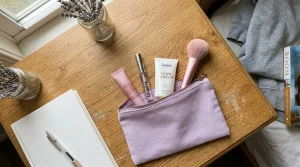
A well-equipped makeup artist kit is essential for achieving flawless looks, especially when it comes to matching lipstick shades perfectly. Knowing the right tools can significantly enhance your color-matching skills and overall application. Here’s a quick rundown of the must-have tools that every aspiring or professional makeup artist should keep in their arsenal.
Start with a color wheel. This handy visual guide helps identify complementary colors and undertones, making it easier to choose lip shades that will work harmoniously with various skin tones. Another important tool is a foundation swatch book or a core color palette. These tools allow you to compare different shades directly against the skin, offering a clear view of how colors react under different lighting conditions.
Don’t forget about high-quality lip brushes! A precise lip brush allows for more control when applying lipstick, ensuring that you can get into the corners of the mouth and create clean lines. It’s also wise to have lip liners in your kit. These can dictate the shape of your lips and provide a base for your lipstick, preventing feathering and improving longevity.
Lastly, consider investing in a makeup artist’s light or a good mirror with adjustable lighting. Having proper lighting can make a world of difference when assessing how a lipstick shade looks in different environments.
Here’s a short checklist of essential tools to have on hand:
- Color wheel – For understanding color relationships and undertones.
- Foundation swatch book – To compare shades effectively.
- Quality lip brushes – For precise application.
- Lip liners – To create a defined lip shape and prevent feathering.
- Adjustable lighting or a makeup mirror – To evaluate lip color in varying conditions.
With these tools, you’ll find it easier to experiment and discover the perfect lip shades that align with individual styles and skin tones, enabling a professional finish every time.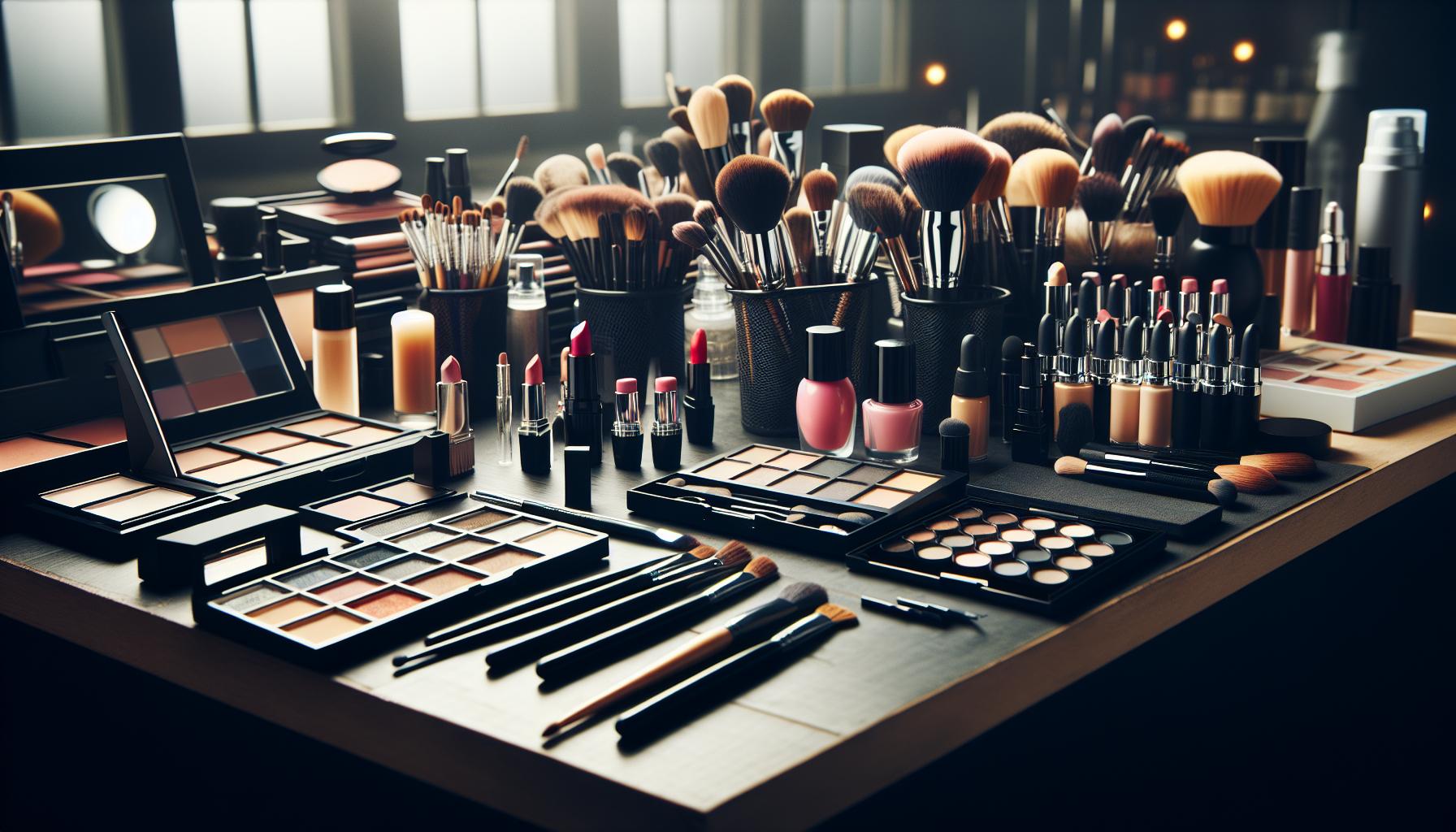
Step-by-Step Guide to Finding Your Perfect Shade
Finding the right lipstick shade can feel like a daunting task, but with a structured approach, it becomes much simpler. Imagine wandering into a cosmetic aisle filled with countless colors and feeling overwhelmed-this is where knowing your process can save the day. By following these step-by-step guidelines, you can joyfully navigate through shades to discover your perfect match, making each selection a confident choice.
Start by examining your skin’s undertone. Identifying whether your skin is warm, cool, or neutral is key to selecting lipstick shades that will enhance your natural beauty. To determine your undertone, look at the veins on your wrist: if they appear green, you likely have warm undertones; blue or purple veins suggest cool undertones; and if it’s hard to tell, you might be neutral. Once you know your undertone, certain lipstick colors will resonate much better. For example, warm undertones typically shine with coral, peach, or warm reds, while cool undertones are complemented by pinks, berries, and blue-based reds.
Next, consider the overall tone of your skin-this can influence the depth of shade that works best. For lighter skin, softer shades like nude pinks or subtle corals can provide a lovely touch. Medium skin tones can often carry bolder shades, such as classic reds and deeper pinks. Meanwhile, deeper skin tones can embrace vibrant hues, including strong plums and rich browns, which can create a stunning contrast and make a powerful statement.
Once you’ve narrowed down your options, it’s essential to try before you buy. Head to a beauty store and utilize testers! Apply the lipstick directly on your lips, rather than your hand, to see how the color interacts with your skin. A quick tip: check the color in natural light, as artificial lighting can distort how shades appear. Also, don’t shy away from asking beauty consultants for advice-they can provide invaluable insight based on your skin type and preferences.
Finally, always keep in mind the occasion and your overall makeup look. Maybe you want a pop of color for a night out, or a subtle hint for the office. This will help you refine your selection even further. With these steps, you’ll not only find your perfect lipstick shade but feel empowered and excited about your choice.
By understanding your undertones, considering your skin tone, and testing options in real life, you can transform the lipstick swatching experience into a delightful journey of self-expression. So, grab your favorite shade and wear it with confidence!
Common Mistakes When Color Matching Lipstick
Choosing the right lipstick shade can be a tricky endeavor, and it’s easy to stumble into common pitfalls. One prevalent mistake is assuming that a product will look the same on the lips as it does in the tube. The truth is, the natural color and texture of your lips can change how a shade appears, so it’s crucial to test the lipstick on your actual lips in natural light whenever possible. This allows you to see how the color interacts with your skin tone more accurately, helping to avoid disappointing surprises.
Another common error is neglecting to consider your skin’s undertones. Many people focus solely on their skin tone-light, medium, or deep-without addressing whether their undertone is warm, cool, or neutral. For instance, if you have a warm undertone and choose a bright pink lipstick with a cool base, it may clash with your natural coloring. Understanding that warm undertones pair well with oranges, corals, and warm reds, while cool undertones shine with pinks, berries, and blue-based reds is key to achieving a beautifully cohesive look.
Additionally, many forget to reflect on the overall context of their makeup and outfit when selecting a lipstick shade. A bold, dramatic lipstick can feel out of place if your eye makeup is light and soft. Consider your entire look: if you’re going for a more natural appearance, a subtle lip color can enhance your features without overwhelming them. Conversely, if you’re dressed for a night out, a vibrant shade could serve as a stunning focal point.
Finally, duration and wear are often overlooked. Not all lipsticks are created equal in terms of finish and longevity. A glossy finish might feel great initially but could require frequent touch-ups, while matte finishes can provide lasting power but may dry out your lips. Choosing the right formulation for the occasion can enhance your comfort and confidence throughout the day. By actively avoiding these mistakes, you’ll improve your chances of finding a lipstick that not only looks fantastic but also boosts your self-assuredness in any setting.
The Impact of Skin Tone on Lipstick Colors
Choosing the right lipstick color is not just about picking a pretty shade; it can fundamentally enhance your natural beauty. One of the most important factors to consider is your skin tone, as different colors can complement or clash with your complexion. Understanding how your skin tone affects lipstick choices can elevate your makeup game significantly.
Understanding Skin Tone
Everyone has a skin tone that falls into one of three main categories: fair, medium, or deep. However, skin tone alone doesn’t tell the full story. Each category also has undertones, which fall into three classifications: warm, cool, and neutral. Warm undertones typically have a golden or peachy hue, while cool undertones tend to have a pink or blue base. Neutral undertones are a blend and can wear both warm and cool tones. Identifying your undertone is essential because it guides you to lipstick colors that will harmonize beautifully with your natural coloring.
- Fair Skin: Choose soft shades like peachy nudes or light pinks. Avoid overly dark colors that can look too harsh.
- Medium Skin: Opt for vibrant pinks, corals, and mauves. These colors can enhance your complexion without being overpowering.
- Deep Skin: Rich and bold shades such as deep reds, plums, and berries work wonderfully. They contrast beautifully with your skin tone, making them pop.
The Power of Contrast
Another aspect to consider is the contrast between your skin tone and the lipstick. If you enjoy a dramatic look, going for bold colors against a lighter skin tone can create a striking effect. Conversely, if you have deeper skin, softer shades can serve as a lovely, understated option. When selecting a lipstick, test it directly on your lips in natural light to see how it interacts with your complexion. This real-time assessment is crucial; sometimes, a shade that looks stunning in the tube may not translate as well once applied.
Working with Undertones
To enhance your appearance further, align your lipstick choices with your undertones. If you have warm undertones, look for shades with golden, orange, or coral bases. Examples include peach, apricot, and warm reds. For those with cool undertones, turn to shades that feature bluish bases, like true reds, pinks, and berry shades. Neutrals can experiment with either category, but keeping it simple with muted tones can often yield the best results.
Finally, don’t shy away from experimenting with various shades to find what feels most authentic to you. Makeup is ultimately about self-expression, so use the knowledge of your skin tone and undertone as a foundational guideline while embracing the joy of trying new colors.
How to Choose Lipstick for Different Occasions
Choosing the right lipstick for varying occasions can transform your look and boost your confidence. Whether you’re heading to a formal event, a casual gathering, or just a day at work, the right shade and finish can enhance your overall appearance while also reflecting your personality. Here are some helpful guidelines to make those decisions easier.
For formal events like weddings or galas, deeper and richer shades often work best. Think of classic reds, burgundy, or even dark berries that convey elegance and sophistication. These shades not only complement formal attire but also provide a sense of polish. If the event is during the day, consider a matte finish for a timeless look, while a glossy finish can be striking for an evening affair. Pair bold lips with subtle eye makeup to ensure a balanced look; for instance, if opting for a fiery red lipstick, you might choose neutral eyeshadow and minimal eyeliner.
Casual outings call for a more relaxed approach. Shades like soft pinks, corals, or peachy nudes can enhance your natural beauty without feeling too overdone. These colors are perfect for brunch with friends or a day of shopping. A tinted lip balm or a sheer lipstick can be lovely for an effortless feel, allowing for reapplications throughout the day without worry. You can also experiment with playful finishes, like glossy or satin, which add a fresh touch to your look.
If you’re headed to work or a professional setting, it’s usually best to stick with muted tones that project confidence and professionalism. Colors like mauve, soft rose, or muted berry are versatile enough to match a range of outfits while remaining appropriate for the workplace. A satin finish can add a hint of shine without being too distracting. For a polished look, consider pairing your lipstick with a coordinating blush or subtle eye makeup, maintaining a cohesive color story across your face.
Finally, don’t forget to consider your personal style and the message you want to convey with your lip color. While the occasion is important, your lipstick should also reflect who you are and what makes you feel comfortable. Don’t hesitate to experiment and discover what works best for you, as confidence is often the best accessory to any outfit.
Tips for Blending and Layering Lip Colors
Blending and layering lip colors is an art that can elevate your makeup game, allowing you to create a personalized lip look that suits any occasion or mood. One of the key benefits of layering is that it provides depth and dimension to your lips, transforming a flat color into a multi-tonal masterpiece. Here’s how to master this technique and achieve stunning results.
Start with a good base. This typically involves exfoliating your lips to remove any dead skin and applying a hydrating lip balm. Hydration helps the lip colors adhere better and prevents them from cracking. Once your lips are prepped, use a lip liner to outline your lips and fill them in. This not only defines the shape but also creates a lasting base for the lip color, preventing feathering.
When it comes to layering, think in terms of light to dark or sheer to opaque. Begin with a sheer lipstick or tinted balm as your first layer. This creates a subtle wash of color that can be intensified with subsequent layers. Next, choose a slightly darker or richer lipstick to add depth-apply it in the center of your lips and blend outward using your finger or a lip brush. This technique, often referred to as the “gradient lip,” draws attention and makes lips appear fuller.
Using a lighter shade or a gloss on the center of your lips can enhance the effect further. This creates a visually striking contrast and gives the illusion of plumpness. Feel free to experiment with different textures, such as mixing a matte lipstick with a glossy finish. Just remember, when layering, it’s best to allow each layer to dry for a minute before adding the next to avoid muddying the colors.
Key Takeaways
- Prepare your lips with exfoliation and hydrating balm.
- Use lip liner to define and create a base for your lipstick.
- Layer colors from light to dark for depth, blending carefully for a polished look.
- Experiment with textures to find combinations that work for you and enhance your lip appearance.
By following these tips, you can effortlessly create a professional-looking lip that reflects your unique style and personality, making your makeup truly stand out.
Exploring the Psychology of Lip Color Choices
Choosing the right lip color is not just about matching shades; it’s deeply intertwined with psychology and personal expression. Interestingly, the color of lipstick can influence not only how you feel but also how others perceive you. For instance, studies indicate that red lipstick can project confidence and draw attention, often making the wearer feel more empowered[3]. This psychological connection means that your choice of color can alter your emotions and the environment around you.
When exploring shades, consider how different colors resonate with you on a psychological level. For example, softer tones like pink can evoke feelings of romance and playfulness, while deeper shades, such as plum or berry, can suggest sophistication and seriousness. Understanding your emotional responses to color can help you select a lipstick that not only complements your look but also aligns with your mood or the message you want to convey.
It’s also worthwhile to note the social implications of lip color. Certain shades may be more appropriate in specific contexts. Choosing bold colors for a night out can elevate your confidence, while more muted tones may be preferred in professional settings. This communal understanding of color can guide you in making choices that are not only personal but also socially savvy.
Ultimately, experimenting with lip color can lead to meaningful insights about yourself. By trying out various shades and observing how they influence your feelings and interactions, you’ll be able to find your perfect match. Don’t hesitate to switch things up; remember, it’s not just about the color on your lips-it’s about how that color makes you feel and how it reflects your identity in any given moment.
Matching Lipstick with Your Overall Makeup Look
Choosing the right lipstick to complement your overall makeup look is crucial for achieving a harmonious appearance. A well-chosen lip color can balance your features, enhance your skin tone, and elevate your entire makeup application. Start by considering the focus of your makeup: is it more about the eyes, the skin, or the lips? If you’re going bold on the eyes with smoky shadows or graphic eyeliner, a softer, nude lip can help keep the focus upward. Conversely, if your eye makeup is more subdued, don’t be afraid to opt for a bolder lip that can radiate confidence and draw attention.
To find the perfect match, take into account the color palette of your makeup. For instance, if you’re using warm, earthy tones like terracotta or bronze, look for lip shades in the same warm family-think corals, oranges, or warm reds. If your makeup leans towards cooler colors, such as cool-toned pastels or blues, a pink or berry lip can maintain that cool harmony. Remember, your lipstick should enhance, not clash with your overall look.
Additionally, don’t overlook the finish of your lipstick. A matte lipstick can lend a modern edge with a chic impact, while a glossy finish can add softness and dimension. If you’re aiming for a dewy, fresh-faced look, a tinted lip balm or a gloss might be more suitable. And if you’re transitioning from day to night, consider layering your lipstick with a coordinating gloss to add some sparkle for evening events.
Finally, ensure that your lip color complements your outfit as well. If you’re wearing a patterned outfit, a more neutral lip can tie the look together without overwhelming it. If you want to make a statement with your clothing, make sure your lip shade harmonizes with the overall vibe. This thoughtful coordination will not only enhance your look but also make you feel confident and put-together.
Key takeaway: Your lipstick can either make a statement or be a subtle complement. By thoughtfully aligning your lip color with your makeup and outfit, you can elevate your overall look to perfection.
Seasonal Lipstick Trends to Watch
The beauty landscape is always evolving, and seasonal lipstick trends offer fresh ways to express your individuality and style. This fall, for instance, the movement is leaning heavily into rich, warm tones and dynamic textures that cater to a variety of looks, ensuring that everyone can find their perfect shade.
Take note of berry hues that range from deep blackberry to vibrant raspberry-these colors are universally flattering and add a touch of warmth to any complexion. They beautifully capture the transition from summer’s brightness to autumn’s richness. If you’re adventurous, consider a bold, statement lip with shades like chocolate brown or oxblood, which can offer a dramatic flair perfect for night outings or special occasions.
As we move into winter, expect soft, matte finishes to dominate. Matte lipsticks provide a sophisticated, polished look that lasts, making them ideal for holiday parties where you want to maintain a chic appearance without constant touch-ups. Pairing berry or dark red shades with a matte finish can create a luxurious feel, giving a sophisticated nod to the season.
Lastly, keep an eye out for glosses making their return. For daytime wear or more laid-back events, a high-shine lip gloss in light pink or peach not only enhances natural lip color but also adds that coveted plumpness without overwhelming color. It’s a perfect way to embrace the seasonal changes while keeping your look fresh and modern.
By embracing these trends, you can effortlessly update your lipstick wardrobe and confidently match your lip color to reflect the season while enhancing your overall beauty look.
How to Adapt Your Lip Color for Day to Night
Transforming your lip color from a subtle day look to a bold night effect can be a fun and empowering process. The key is to choose versatile shades and utilize layering techniques that seamlessly transition your makeup. Start with a base lipstick that complements your skin tone and can easily be intensified, such as a soft pink or nude for daytime. These shades serve as a perfect foundation, keeping your look fresh and approachable for work or casual outings.
As the sun sets, it’s all about enhancing and elevating that base. One effective method is to layer a deeper shade over your initial color. For instance, if you began with a gentle rose, consider adding a berry or plum hue to the center of your lips and then blend it outward. This technique not only deepens the color but also creates a dimensional effect that looks effortlessly chic. Additionally, you can use a lip liner in a matching shade to define your lips further, ensuring a polished look for evening events.
If you’re looking to add some drama without entirely changing your lip color, glosses are a fantastic option. Applying a shimmering or high-gloss finish on top of your lipstick can instantly elevate your look, catching the light beautifully and giving you that glamorous touch that’s perfect for nighttime.
Finally, don’t underestimate the power of a simple lip touch-up! Carry your chosen hues with you for quick adjustments or apply a hydrating balm to keep your lips looking full and vibrant throughout the night. With these strategies, adapting your lip color for day to night can be as easy as a few swift steps, making your makeup routine both practical and stylish.
Expert Recommendations: Best Lipstick Brands to Try
Finding the perfect lipstick to match your skin tone can feel overwhelming, with so many brands and shades available. However, a few standout brands are known for their extensive color ranges and formulations that cater to every skin undertone-be it warm, cool, or neutral. Here’s a curated list to ease your selection process and help you choose colors that truly complement your complexion.
Top Lipstick Brands to Consider
- MAC Cosmetics: Renowned for its vast range of colors and finishes, MAC offers something for everyone. Their Retro Matte and Amplified lines, in particular, are favorites for bold and rich colors that wear well throughout the day. Most MAC shades include descriptions of their undertones, making it easier for you to find your match.
- NARS: Known for luxurious textures and pigments, NARS lipsticks are a popular choice among makeup artists. Their Audacious Lipstick range provides rich color payoff in a single swipe, available in both cool and warm undertones, ensuring that there’s a perfect match for every skin tone.
- Revlon: A more budget-friendly option, Revlon offers high-quality lipsticks that don’t skimp on pigmentation. Their Super Lustrous Lipstick line is available in numerous shades, with clear indications of the undertones, making it easy to select the right one for you.
- Charlotte Tilbury: If you’re looking for something a bit more high-end, Charlotte Tilbury’s lipsticks are known for their glamorous finishes and flattering colors. Each shade in her Matte Revolution line includes detailed descriptions to guide you in color matching, ensuring you find the perfect hue.
- Fenty Beauty: Founded by Rihanna, Fenty is celebrated for its inclusivity. The Mattemoiselle Plush Matte Lipstick offers a stunning variety of shades across a wide spectrum of undertones. This brand is particularly suitable for those seeking vibrant, trendy colors.
When exploring lipstick options, think about not only the color but also the finish and formula. A matte or satin finish can dramatically change the look and feel on your lips, so consider how you prefer your lip color to wear throughout the day.
Ultimately, the best lipstick brand for you will depend on your specific skin tone and preferences, so don’t hesitate to experiment with samples or swatches in-store. Many brands have return policies that allow you to try colors without the risk, providing peace of mind while you seek out your signature shade.
Faq
Q: How do I choose the right lipstick color for my skin tone?
A: To choose the right lipstick color, first identify your skin tone-whether it’s warm, cool, or neutral. Warm tones pair well with peachy and coral lipsticks, while cool tones look great with blue-based shades like berry and plum. For neutral skin, both warm and cool shades are flattering.
Q: What are the best tips for testing lipstick shades?
A: When testing lipstick shades, apply the color directly on your lips rather than on your hand. This gives a more accurate representation. Additionally, check the color in natural light to see how it truly appears and wear it for a few hours to assess how it complements your overall look.
Q: How can I make my lipstick last longer throughout the day?
A: To make your lipstick last longer, start with a lip primer or foundation to create a smooth base. Then, apply your lipstick in layers, blotting between each. Finish with a translucent powder dusted over a tissue to set the lipstick and enhance its longevity.
Q: What common mistakes should I avoid when lip color matching?
A: Avoid matching your lipstick too closely to your natural lip color, as it can wash you out. Also, steer clear of trying to use the same shade for all occasions. Different occasions call for different tones; a bold color for evening and a softer hue for daytime is ideal.
Q: Can I match my lipstick to my outfit?
A: Yes, matching your lipstick to your outfit can create a cohesive look. A good rule of thumb is to choose lipstick that complements the dominant color of your outfit while maintaining balance. For bold outfits, opt for more neutral lips, and for plain outfits, you can go bolder with lip color.
Q: When is it appropriate to wear bold lipstick?
A: Bold lipstick is mainly suitable for evening events or special occasions, but feel free to wear it during the day if you’re comfortable! Just consider the overall makeup look-keep the eyes more neutral to let your bold lips stand out without overwhelming your face.
Q: How do I find the right undertones in lipstick?
A: To find the right lipstick undertones, swipe a few shades on your hand or lips and observe how they look against your skin tone. Cool undertones often have a blue or purple tint, while warm undertones have a yellow or orange tone. Neutral shades can blend both undertones.
Q: What lipstick colors are trending right now?
A: Currently trending lipstick colors include deep, rich hues like burgundy, soft nudes, and vibrant corals. Seasonal trends can vary, so keeping an eye out for new releases and seasonal color palettes can help you stay updated. Consider exploring trending shades in magazines and beauty blogs for more inspiration.
The Way Forward
Now that you have the essential tools and techniques to color match lipstick like a seasoned makeup artist, it’s time to put your newfound knowledge into practice! Remember, the key to a perfect shade is experimentation. Don’t hesitate to mix and layer-each application gets you closer to that ideal hue. If you’re eager to dive deeper, check out our guide on lipstick layering for personalized looks or discover fantastic dupes for your favorite shades to expand your collection without breaking the bank.
Have questions or want to share your lipstick matching journey? Drop a comment below! And for those looking for exclusive tips and trends straight to your inbox, consider subscribing to our newsletter. This is the perfect moment to elevate your beauty game-take action now and transform your lipstick routine today!
Get our latest guides, news, and insights highlighted in your Google Search & AI Overviews.