Choosing the right belt for your dress is more than just a style choice-it’s about enhancing your silhouette and expressing your personal flair. Did you know that a well-picked belt can transform a simple outfit into a truly standout look? Whether you’re aiming for a polished appearance at work or a relaxed vibe for a weekend outing, the right belt can make all the difference.
In this guide, we’ll explore practical tips to help you select a belt that not only complements your dress but also fits your body type and personal style. From understanding various belt styles to matching colors and materials, we’re here to tackle common concerns and elevate your wardrobe. So, if you’re ready to cinch your style just right, keep reading to discover how a few thoughtful choices can enhance your fashion game!
Choosing the Right Belt Style for Your Dress
Selecting the perfect belt style to enhance your dress can transform your overall look, adding flair and sophistication. The right belt not only cinches your waist and creates a flattering silhouette, but it can also elevate your outfit from casual to chic. When choosing a belt, consider the dress’s cut, fabric, and occasion, as these factors significantly influence which style will best complement your ensemble.
One popular option is the classic leather belt. Its timeless appeal works well with a variety of dress styles, whether you’re dressing up for an event or going for a relaxed weekend look. Additionally, fabric belts bring a softer touch and are ideal for lighter summer dresses. They often come in vibrant colors or patterns, allowing for creative expression. If you’re looking to make a statement, try a wide belt to complement a fitted dress, or a slim belt for a more delicate look around a flowy dress.
Don’t forget to think about the buckle style, which can range from simple and understated to bold and ornate. A large buckle tends to draw attention and can serve as a focal point, while a sleek, minimalist buckle maintains a more refined appearance. Always aim for balance; for example, if your dress is heavily patterned, you might choose a subtle belt to avoid overwhelming your outfit.
Finally, remember that the length and fit of the belt matter just as much as the style. A belt that is too tight can be uncomfortable, while one that is too loose may detract from your figure. When trying on belts, ensure it fits comfortably around your waist and can be adjusted as necessary. With these considerations in mind, you’re ready to choose a belt style that enhances your dress and showcases your personal style effortlessly.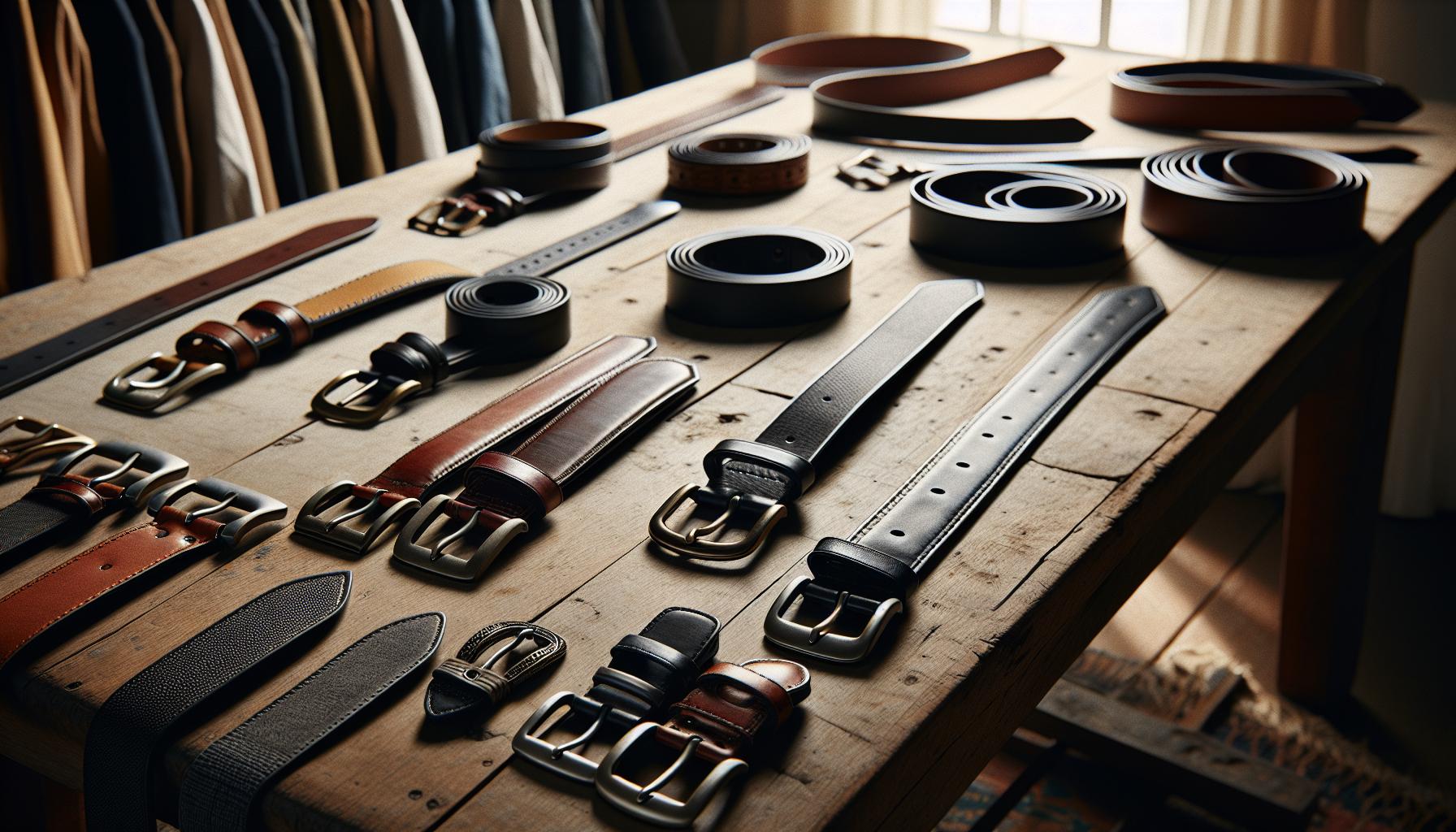
Understanding Belt Widths and Their Impact
The width of your belt can dramatically influence your outfit’s overall appearance, making it an essential consideration when choosing a belt to enhance your dress. Wider belts can create a bold statement, drawing attention and defining your waist, which can be especially flattering when paired with fitted or structured dresses. When you think about it, a wide belt can act as a canvas, allowing you to showcase a beautiful buckle or detail that complements your look.
Conversely, slimmer belts offer a more delicate touch, ideal for light, flowy dresses or more formal occasions. They maintain a subtler profile that can enhance your waistline without overwhelming the overall aesthetic. For instance, if you’re wearing a delicate sundress with a soft pattern, a slim belt in a matching or coordinating color will help create a cohesive look without clashing.
But how wide is too wide or too narrow? A good rule of thumb is to consider the width in relation to your body shape and the dress cut. If you’re curvier, a medium-width belt (about 1-2 inches) may provide a flattering balance. On the other hand, if you have a more petite frame, a slim belt (around half an inch to 1 inch) may be more proportional. Experimenting with different widths can also be part of the fun-don’t hesitate to try various options to see what feels best and looks best on you.
Ultimately, the right belt width will depend on your unique style and the message you want to project. Whether aiming for a casual weekend vibe or an elegant evening look, choosing the right belt width enhances your outfit and gives it that polished finish.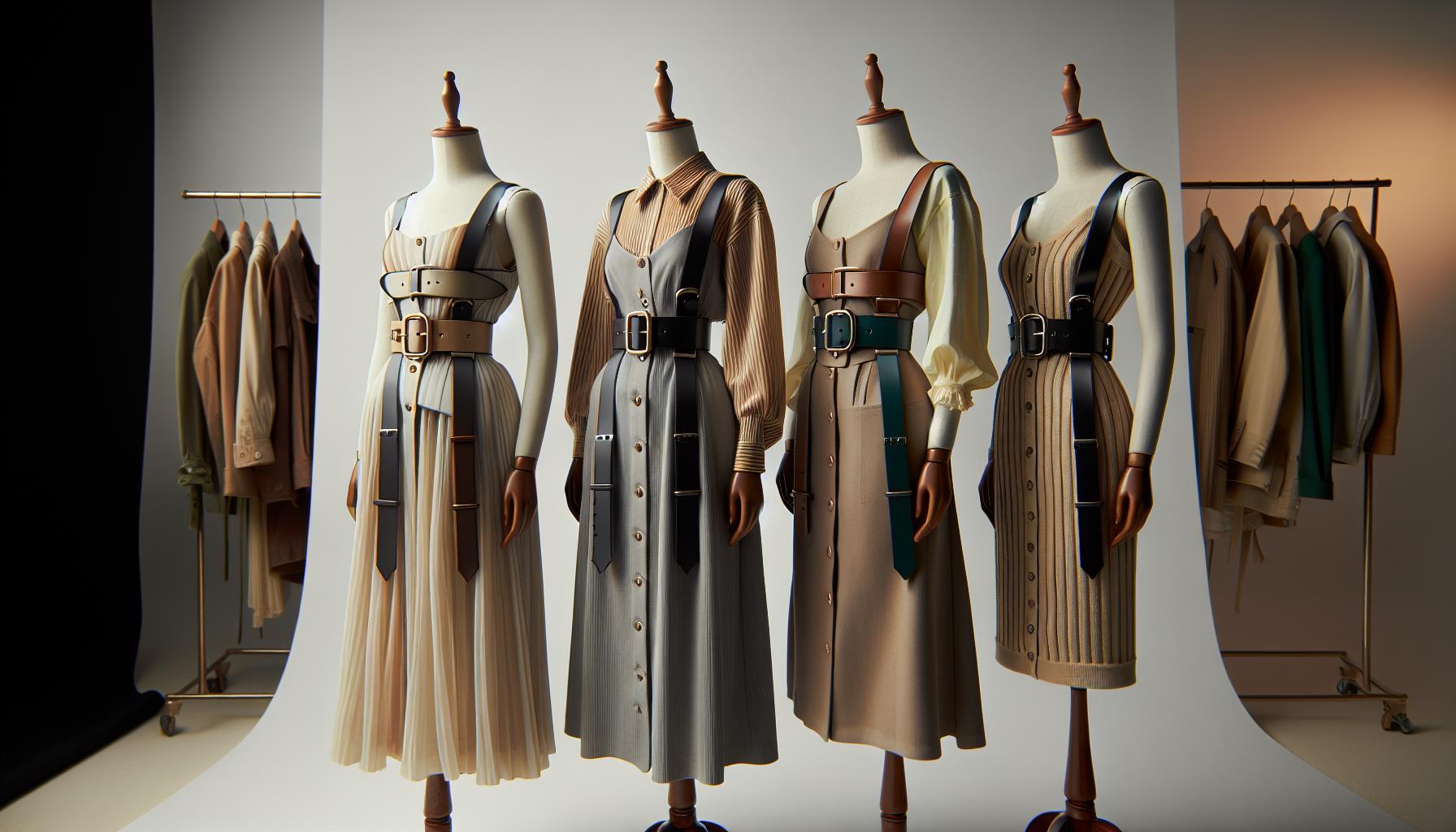
Color Coordination: Matching Belts with Dresses
When it comes to pulling together a stunning outfit, the color of your belt is just as important as the dress itself. A well-coordinated belt can enhance your look, draw attention to your waist, and create a polished finish that showcases your unique style. One key tip to remember is to match the belt to either a prominent color in your dress or to your footwear for a cohesive effect. For example, if you’re wearing a floral dress with shades of blue and yellow, pairing it with a belt in deep navy can unify the outfit while still allowing the dress to shine.
Consider Contrasting Colors
Don’t shy away from using contrasting colors to make a statement. A bold red belt over a simple black dress, for example, not only adds visual interest but also directs attention to your waist, creating an hourglass silhouette. The trick is to ensure the colors complement rather than clash. A color wheel can be a handy tool here-complementary colors, or those directly opposite each other, tend to work well together.
Choosing the Right Shades
When selecting your belt, consider the shade and tone. Darker hues tend to offer a more formal look, which is great for evening wear. Conversely, lighter shades can keep things fresh and fun, perfect for daytime outings. For those special occasions, metallic belts can add a bit of glamour without overwhelming your overall look. Think a champagne belt with a midnight blue dress for a chic evening style.
- Same Color Tone: Creating a monochromatic look with a belt that matches your dress can add sophistication.
- Textured Belts: Incorporating textures or patterns can provide visual interest, particularly if your dress is a solid color.
- Seasonal Colors: Embrace seasonal shades-warm tones like burgundy and mustard work wonders in fall, while pastels are lovely in spring.
Ultimately, experimenting with color coordination leads to discovering what feels best for you. Remember to check your full outfit in different lighting to see how colors interact, and don’t hesitate to step outside your comfort zone. You might find a surprising combination that you absolutely love! Always ensure your choice reflects your personality and makes you feel confident.
The Power of Patterns: When to Mix and Match
Mixing and matching patterns can elevate your outfit, transforming a standard look into a memorable ensemble. When it comes to cinching your dress with the right belt, utilizing patterns offers a creative way to express your style. For instance, if you’re wearing a striped dress, consider a floral belt to bring a dynamic contrast into play. The aim is to achieve balance; if your dress features busy prints, opt for a more subtle or solid-colored belt to avoid overwhelming your look. Conversely, if your dress is relatively plain, a bold patterned belt can serve as a stunning focal point.
To expertly combine patterns, focus on scale and color coordination. Large, bold prints paired with smaller, more delicate patterns can create a harmonious look while allowing each element to stand out. For example, a wide plaid dress works beautifully with a skinny polka dot belt, as the contrasting scales create visual interest without competing for attention. Ensure the colors in both the dress and the belt share a common hue or tone, which will tie the outfit together. If you’re uncertain, stick to a color palette of two to three colors, making sure they complement each other.
Additionally, consider the theme or vibe you’re aiming for. Mixing a preppy pattern with a bohemian one can introduce an element of surprise, but be mindful of the overall feel of your outfit. For a more cohesive look, seek out patterns with a shared color or motif. For instance, pairing a floral belt that features hints of the colors found in your geometric-patterned dress creates a sense of unity.
Ultimately, the key is to have fun and experiment! Patterns offer a playground for your creativity, allowing you to create unique combinations that highlight your personal style. So, don’t shy away from testing out different looks; what might feel daunting at first can lead to exciting discoveries that bring joy to your wardrobe.
Belt Materials: Finding Comfort and Durability
When it comes to selecting a belt for your dress, the material plays a crucial role in ensuring both comfort and durability. The right fabric not only complements your style but also influences how well the belt holds up throughout the day. A few common materials stand out, each with its unique benefits.
Leather is a classic choice known for its durability and timeless appeal. It molds to your body over time, providing a comfortable fit. Whether opting for genuine leather or a vegan leather alternative, ensure that the material has some stretch to enhance comfort, especially if you’ll be wearing the belt for extended periods. A well-crafted leather belt can also elevate your outfit, making it suitable for both casual and formal occasions.
Fabric Belts, such as those made from cotton or canvas, offer a lighter alternative that’s perfect for more casual dresses. These belts often come in vibrant colors and patterns, allowing for easy coordination with various outfits. They tend to be more breathable, making them ideal for warmer weather. However, keep in mind that they may not provide the same support as leather when cinching a particularly flowy dress.
Elastic belts are a fantastic option if you prioritize comfort. They’re versatile for different body shapes and sizes, as they can easily stretch while providing that snug fit we love. Typically, elastic belts are paired with a decorative buckle or embellishment, making them a stylish choice for casual dresses. Just be cautious with the quality-cheap elastic can wear out quickly and lose its shape, impacting both your comfort and look.
Finally, don’t overlook synthetic materials, which can offer a balance between style and durability. Materials like polyester provide a range of design options and often come at a lower price point. They can be stain-resistant and lightweight, making them a practical choice. However, be aware that some synthetics may not breathe as well as natural fibers, which could affect comfort in warmer climates.
To sum it up, choosing the right material for your belt significantly impacts both style and comfort. Consider the occasion and the dress fabric when selecting your belt’s material; a well-paired belt not only enhances your look but also feels comfortable from morning until night. Prioritizing comfort along with aesthetics will help you feel great in your outfit, no matter the setting.
Accessorizing: Adding Sustainable Touches
To create a compelling and stylish outfit, it’s essential to consider sustainable options when choosing accessories like belts. By opting for eco-friendly materials and practices, you not only enhance your style but also contribute positively to the planet. More consumers are recognizing the importance of sustainability in fashion, and the right choices can make your outfit both chic and conscientious.
One way to incorporate sustainability into your accessory game is by choosing belts made from recycled or upcycled materials. These belts can often feature unique textures and styles, allowing you to stand out while making an environmentally friendly choice. Brands specializing in sustainable fashion are increasingly offering belts crafted from reused fabrics or materials that produce less waste in their manufacturing processes. Look for certifications or labels that indicate these sustainable practices.
Consider also supporting local artisans who produce handmade belts using ethically sourced materials. This not only helps reduce the carbon footprint associated with mass production but also supports small businesses and local economies. Handmade belts can add that personal touch to your outfit, often featuring intricate detailing that mass-produced options may lack.
Don’t overlook the potential for vintage and thrifted belts. Sourcing accessories from second-hand stores not only gives your outfit a unique flair but also promotes a circular economy where garments and fashion accessories are reused rather than discarded. Thrift shops can be treasure troves for rare finds, and a vintage belt can become a standout piece in your wardrobe while setting a precedent for sustainability.
Incorporating sustainable touches into your belt selection reflects a growing awareness of how personal fashion choices impact the world. Whether through choosing eco-conscious brands, supporting local artisans, or exploring vintage options, it’s easy to enhance your outfit while specifically aligning your accessory choices with your values. Embrace the opportunity to make a statement that goes beyond style-one that communicates a commitment to sustainability and conscious living.
Transforming Look: Casual vs. Formal Belts
Choosing the right belt can completely transform your outfit, and understanding how to differentiate between casual and formal options is key to achieving the right look. Casual belts generally encompass a more relaxed and playful style, often made from materials like canvas, fabric, or distressed leather. These belts are perfect for pairing with sundresses, jeans, or casual skirts, effortlessly enhancing your laid-back vibe. For instance, a vibrant, patterned fabric belt can add a fun pop of color and texture to a simple cotton sundress, while a braided leather option can lend an earthier feel to your denim ensemble.
In contrast, formal belts are typically crafted from smooth, high-quality leather and feature a sleek design with minimalist buckles. They serve to elevate your look and are best suited for dresses worn at functions such as business meetings, weddings, or formal dinners. When selecting a formal belt, opt for classic colors like black or brown that complement your dress-think of how a polished black leather belt can seamlessly integrate into a tailored sheath dress, providing structure and sophistication.
When deciding between the two, consider the overall ambiance of your event and how the belt will contribute to your outfit’s goals. For a relaxed brunch, feel free to experiment with a wider fabric belt that adds flair. On the other hand, if you’re attending a formal gala, it’s wise to select a streamlined leather belt that aligns with the elegance of a long evening gown. Remember, the goal is to enhance your outfit, creating a balanced and pulled-together appearance regardless of the occasion.
Belts for Different Dress Cuts and Lengths
When it comes to enhancing your outfit, the right belt can be a game changer, especially when paired with various dress cuts and lengths. Understanding how to select a belt that will complement your dress can elevate your style, creating balance and cohesion in your look. Whether your dress is a flowing maxi or a structured shift, there’s a perfect belt fit for every style.
For A-line dresses, which typically cinch at the waist and flow outwards, a medium-width belt can help define your waist without overwhelming the silhouette. Opt for soft colors or subtle patterns that won’t compete with the dress’s design. On the other hand, if you’re wearing a shift dress, which is often more relaxed and straight-cut, a wide belt can add structure and create vertical lines that elongate your frame. Try pairing a solid shift dress with a wide, statement belt in a contrasting color to introduce a fashionable pop without being too loud.
When dealing with maxi dresses, the right belt can strengthen your shape. Thin belts work beautifully here, especially if you want to avoid adding bulk to the flowing fabric. A braided or embellished thin belt can introduce texture and keep the overall look feminine and airy. Conversely, for mini dresses, a thicker belt can create a fun, youthful vibe. A bold or brightly colored thick belt can draw attention to your waist and help create an hourglass figure, anchoring the shorter cut beautifully.
Even for wrap dresses, the built-in ties often allow for easy customization of your waistline. If you’re looking to change up the look, consider adding a belt over the ties to create a polished, layered effect. A contrasting belt can further enhance the style without overshadowing the wrap design.
By choosing the right belt for your dress type, you can enhance the overall appeal of your outfit and express your personal style with confidence. Don’t be afraid to experiment, and remember that finding the perfect match often involves a few tries to see what resonates best with your style!
Expert Tips for Perfecting Your Cinched Look
To achieve the perfect cinched look, it’s essential to master the art of layering a belt over your dress, enhancing both your silhouette and style. A well-placed belt not only defines your waist but also adds personality to your outfit. Here are some seasoned tips to elevate your ensemble while ensuring comfort and confidence.
One should start by selecting the right belt placement. Typically, placing the belt at your natural waist creates a flattering hourglass shape. If you’re aiming to elongate your appearance, consider wearing the belt slightly higher, just underneath your bust, especially with empire waist dresses. This technique draws attention upwards and can be especially effective for petite figures, creating an illusion of longer legs.
Next, consider the balance between your dress and your belt. When wearing bold patterns or intricate designs in your dress, opt for solid-colored belts to maintain harmony in your look. Conversely, if your dress is a solid color, a patterned belt can add a delightful contrast. The key is to ensure that neither the dress nor the belt overshadows the other, allowing both elements to complement rather than compete.
It’s also vital to keep the belt width in mind. Wider belts can make a strong statement and provide structure to looser garments, whereas thinner belts are often more delicate and suited for lighter fabrics or layered outfits. If you’re experimenting with different styles, don’t shy away from trying out unique textures, such as woven or embellished belts, as they can bring a fresh dimension to your outfit.
Lastly, confidence plays a crucial role. As you adjust and position your belt, take a moment to stand tall and assess your look. If you feel good, it will radiate through your attire. Don’t forget that practice makes perfect; take time to experiment with various styles, colors, and widths until you find combinations that resonate best with your personal taste. With these tips in mind, you’ll be well on your way to mastering the cinched look that showcases your unique style.
Troubleshooting Common Belt Issues
When it comes to wearing a belt with your dress, you might run into a few common challenges that can throw off your entire look. Whether your belt keeps riding up, doesn’t quite fit, or simply doesn’t match your outfit, troubleshooting these issues can help you achieve that perfect cinched style you’re after.
One of the biggest frustrations is that belts can sometimes feel uncomfortable or shift position throughout the day. To combat this, make sure you’re using the right size belt. If it feels loose, not only does it look sloppy, but it won’t stay in place. Consider sizing down or try a belt with adjustable features. When securing your belt, ensure it sits comfortably without pinching your waist. If you’re opting for a wider belt, make sure it accommodates your waist shape; sometimes, a specific style can enhance or detract from your overall silhouette.
Fit and Bulk
Another common challenge is the bulkiness that can arise from layering, especially with dresses made of thicker materials or when a belt overlaps your dress fabric. If you find that the fabric bunches up or looks warped around the belt area, try opting for a thinner or more flexible belt material, such as leather or fabric. Additionally, ensure your dress fits well in the first place; too much excess fabric can lead to awkward buckling when belted.
Matching Colors and Styles
Consider the challenge of color coordination; you may find yourself stuck between too many options when it comes to matching your belt to your dress. A good rule of thumb is to choose a belt that complements rather than competes with your outfit. If your dress features a vibrant pattern, a solid belt can bring balance without overwhelming the look. When in doubt, a neutral-toned belt can work with a variety of outfits, allowing for versatility in your wardrobe.
By keeping these solutions in mind and addressing common belt-related dilemmas, you’ll not only enhance your outfit but also feel more confident in your styling choices. Remember, confidence shines through any outfit-the right belt can accentuate your best features and complete your overall look beautifully.
How to Care for and Maintain Your Belts
Taking care of your belts not only extends their longevity but also ensures they look their best every time you wear them. With just a few simple practices, you can maintain the style and functionality of your favorite accessories, allowing them to serve you well for years to come.
Start with basic cleaning routines tailored to the material of your belt. For leather belts, gently wipe down the surface with a damp cloth to remove dust and dirt, and occasionally apply a leather conditioner to keep the material supple and prevent cracking. For fabric belts, check the care instructions; many can be spot cleaned with mild soap and water using a soft cloth. Avoid soaking your belts, as excessive moisture can distort their shape and weaken their structure.
Storage is another critical aspect of belt care. Store belts in a cool, dry place away from direct sunlight to prevent fading and damage. Consider rolling them rather than folding to avoid creases, or use a dedicated belt hanger that keeps them in a neat, accessible fashion. If your belt has embellishments or unique features, take special care to hang it flat so those details aren’t crushed or bent.
Lastly, be mindful of how you wear your belts. Adjust them gently to avoid overstressing the buckle or prong, which can lead to unwanted wear. Regularly check for any signs of fraying, discoloration, or structural integrity, especially if you wear them frequently. By adopting these simple maintenance tips, your belts can continue to elevate your outfits effortlessly, allowing you to feel confident and stylish every time you cinch your waist.
Frequently Asked Questions
Q: How do I choose the right belt for my dress style?
A: To choose the right belt for your dress style, consider the dress’s cut and silhouette. For fitted dresses, a thinner belt can accentuate your waist, while for looser styles, a wider belt can create a more defined look. Check out the section on “Choosing the Right Belt Style for Your Dress” in the article for more detailed guidance.
Q: What is the best way to match a belt with a patterned dress?
A: The best way to match a belt with a patterned dress is to choose a solid color that complements one of the colors in the pattern. Alternatively, you can select a belt with a subtle pattern that mimics the dress’s print while maintaining harmony. Refer to “The Power of Patterns: When to Mix and Match” for additional tips.
Q: When should I wear a casual versus a formal belt with a dress?
A: Casual belts, often made of softer materials, are perfect for relaxed dresses and everyday wear, while formal belts in leather or with embellishments elevate your look for special occasions. For a more detailed comparison, check the section on “Transforming Look: Casual vs. Formal Belts.”
Q: What size belt should I buy for my dress?
A: For the best fit, measure your waist and choose a belt that is 1-2 inches larger than your waist size. If you wear the belt over clothing like dresses, consider the thickness of the fabric as well. More tips on selecting the right size can be found in the article.
Q: Why is the material of a belt important when styling?
A: Belt material affects both comfort and style. Leather provides a polished look suitable for formal occasions, while fabric or canvas options are great for casual wear. See “Belt Materials: Finding Comfort and Durability” for insights on selecting materials based on your dress style.
Q: How can I incorporate sustainable belts into my outfits?
A: Incorporating sustainable belts can enhance your style while being eco-friendly. Look for belts made from recycled materials or ethically sourced fabrics. Explore the section on “Accessorizing: Adding Sustainable Touches” for more sustainable fashion ideas.
Q: What are common mistakes to avoid when wearing a belt with a dress?
A: Common mistakes include choosing the wrong width for your dress type, mismatching colors, or wearing a belt that doesn’t fit properly. To avoid these pitfalls, refer to “Troubleshooting Common Belt Issues” for practical solutions.
Q: How can I care for my belts to ensure longevity?
A: To ensure your belts last, clean them regularly according to their material. For leather, use a damp cloth and leather conditioner; for fabric, spot clean as needed. For more care tips, see “How to Care for and Maintain Your Belts.”
To Conclude
Now that you know how to pick the perfect belt for your dress, it’s time to take those stylish insights and put them into action! A well-chosen belt not only enhances your outfit but also boosts your confidence and personal style. Don’t hesitate-experiment with different shapes, colors, and widths to discover what makes you feel fabulous!
If you’re looking to elevate your fashion game even further, check out our guides on “Accessorizing with Scarves” and “Choosing the Right Shoes for Every Outfit.” These articles provide tips that perfectly complement your new belt knowledge. Interested in getting personalized advice? Sign up for our newsletter for exclusive tips and insights delivered right to your inbox!
Remember, your style journey doesn’t end here. Share your belt styling wins or ask questions in the comments-we’d love to hear from you! Your look is a canvas; let’s work together to make it uniquely yours. Happy styling!
Get our latest guides, news, and insights highlighted in your Google Search & AI Overviews.