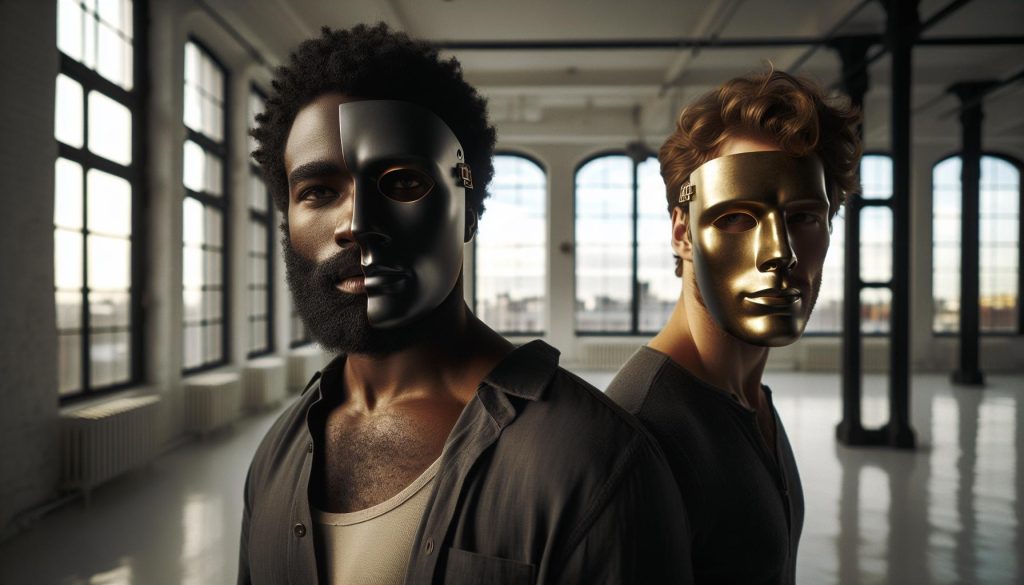
Did you know that “The Man in the Iron Mask,” featuring Leonardo DiCaprio in a compelling double role, has captivated audiences with its blend of historical intrigue and drama? This film is not just a tale of mystery; it delves into themes of identity, power, and sacrifice, making it a significant piece for both film enthusiasts and casual viewers alike. As we explore the nuances of DiCaprio’s performances and the film’s production, you’ll discover the elements that make this story resonate on a deeper level. Whether you’re a die-hard fan of DiCaprio or new to this cinematic gem, our reviews will guide you through what makes this double feature worth your time and attention. Dive in with us to uncover insights that could enhance your viewing experience and spark engaging conversations with fellow film lovers.
Understanding the Man in the Iron Mask Storyline
The storyline of The Man in the Iron Mask intertwines intrigue, deception, and the complexities of identity within the political landscapes of 17th century France. This cinematic retelling brings to life the tale of duality as it follows Louis XIV, the Sun King, portrayed by Leonardo DiCaprio, and his secret twin brother, Philippe, who is imprisoned in a mask to hide his existence. This profound narrative challenges the audience to ponder themes of power, family loyalty, and the inherent struggles between personal desires and royal duty.
At its core, the film reveals the emotional turmoil faced by Philippe as he grapples with the burden of being a royal bastard and the darker implications of his brother’s tyranny. As the two brothers embark on a journey marked by betrayal and sacrifice, the audience is drawn deep into a world where love and loyalty clash with ambition and greed. The use of the iron mask serves as a powerful symbol of the hidden truths and the lengths to which people will go to preserve their identity-even if it means living a lie.
The film’s narrative also emphasizes the courage of the Three Musketeers and their unwavering determination to restore justice. Their quest to rescue Philippe not only provides thrilling action but also serves as a poignant reminder of the strength found in unity and friendship. As these characters navigate the treacherous waters of royal machinations, viewers are invited to reflect on the broader implications of freedom and the human spirit’s resilience in the face of oppression.
As you delve into this rich storyline, consider how the film’s exploration of identity and brotherhood resonates with contemporary themes of self-discovery and the quest for truth, making The Man in the Iron Mask an enduring tale of intrigue and emotion that captivates audiences.
Leonardo DiCaprio’s Dual Roles Explained
Portraying dual roles is no easy feat for any actor, but Leonardo DiCaprio truly shines in his portrayal of the twins Louis XIV and Philippe in The Man in the Iron Mask. Each character represents distinct aspects of power, identity, and morality, allowing DiCaprio to showcase his range and depth as an actor.
Louis XIV, the reigning monarch, embodies the opulence and authority of royal power, yet he is also a deeply flawed character. His decisions, driven by pride and fear of losing control, highlight the darker side of leadership. In contrast, Philippe, who has spent his life in the shadows, reveals vulnerability, longing, and the desire for freedom. This juxtaposition of characters raises questions about the nature of self and the cost of ambition.
DiCaprio effectively communicates the contrasting personalities through subtle shifts in expression and body language. For instance, Louis is often portrayed with a commanding presence, speaking with a confident tone, while Philippe’s demeanor is more subdued and introspective. These differences are not just about physical acting; they encapsulate the psychological toll of their environments. As viewers, we witness the conflict not only between the twin brothers but also within themselves-each grappling with their identity in a world defined by harsh politics and royal intrigue.
The film’s narrative structure cleverly uses these dual roles to explore deeper themes. DiCaprio’s performances allow the audience to engage with concepts of legitimacy and justice, inviting us to question who truly deserves the crown and the implications of birthright versus merit. This intricate layer of storytelling underscores how identity is shaped not just by lineage but also by personal experience and moral choices. Through DiCaprio’s dual performances, the film becomes a compelling meditation on the complexities of human relationships and the masks we wear in society.
The Historical Context Behind the Film
The tale of the Man in the Iron Mask is steeped in mystery and intrigue, drawing from a rich historical backdrop. This legendary figure, believed to be a political prisoner in France during the reign of Louis XIV, prompts questions about identity, secrecy, and the nature of power. His story, woven into the fabric of 17th-century France, serves as a compelling lens through which audiences can explore the stark realities of the time, when absolute monarchy defined both the political landscape and the individual fates of citizens.
Louis XIV, known as the Sun King, wielded immense power, but this was a period marked by both opulence and cruelty. The film contrasts his lavish court life with the grim fate that befell those who fell out of favor. The masked man is often thought to be one of several possible royal bastards or usurpers threatening the king’s authority. His imprisonment signifies the lengths to which a ruler would go to maintain control, reflecting the paranoia and ruthlessness of the era. Understanding this context enriches the narrative, highlighting themes of legitimacy and hidden truths beneath the surface of royal respectability.
The dual roles portrayed by Leonardo DiCaprio amplify the historical tensions of the time. The interactions between Louis XIV and his twin, Philippe, captured in the film, symbolize the internal and external conflicts of identity during a tumultuous historical moment. DiCaprio’s performances allow for a deeper exploration of how leadership can be dictated by both lineage and personal choice. The complexities of their relationship serve as a microcosm of the broader societal struggles of 17th-century France, where privilege often dictated one’s destiny.
In addition to the political landscape, the film also invites viewers to consider the cultural milieu of the time, characterized by artistic flourishing and philosophical exploration. The idea of the “mask” can be viewed not only literally but also metaphorically, as it represents the facades upheld by both individuals and society at large. This nuanced understanding of the Man in the Iron Mask provides a rich contextual backdrop, enhancing the film’s exploration of identity and power dynamics that continue to resonate today.
Comparative Analysis: Man in the Iron Mask vs. Other Adaptations
When examining The Man in the Iron Mask, it’s intriguing to consider how this film stands apart from previous adaptations of the same enigmatic legend. Several cinematic portrayals exist, each interpreting the masked figure’s identity and significance through different storytelling lenses.
One notable adaptation is the 1977 film directed by Mike Newell, which explores the themes of betrayal and identity with a more straightforward narrative. While this earlier version focuses heavily on the political intrigue surrounding Louis XIV, it lacks the nuanced character development present in DiCaprio’s dual roles. In contrast, the 1998 adaptation allows DiCaprio to showcase his range as both Louis XIV and his twin brother Philippe, emphasizing the internal conflict and tension between the identities-an aspect that resonates more deeply with contemporary audiences.
Another popular interpretation is the 1929 silent film, which captures the essence of the masked man as a symbol of oppression. However, it misses the rich dialogue and character interactions that define the later adaptations. The muted emotional beats don’t parallel the modern capacity for emotional storytelling rooted in dialogue and visual nuance seen in the 1998 film. DiCaprio’s performances bring a layer of vulnerability and complexity to the characters that engages viewers on a personal level.
While adaptations of The Man in the Iron Mask share a common historical basis, DiCaprio’s film distinguishes itself by blending historical drama with poignant themes of identity and power dynamics. It not only explores the physical implications of the mask but also its metaphorical significance as a barrier between self and society. This exploration invites the audience to reflect on the nature of leadership and legitimacy, making it relevant for modern viewers even as it ties back to its historical roots.
Visual and Cinematic Style: A Filmmaker’s Perspective
In the multifaceted world of filmmaking, visual and cinematic style plays a pivotal role in how stories resonate with audiences. In The Man in the Iron Mask, directed by Randall Wallace, the careful crafting of visual elements enhances the film’s exploration of themes such as identity, power, and betrayal. The film’s aesthetic choices-ranging from set design to cinematography-create an immersive experience that reflects the emotional weight of the narrative.
One prominent feature is the film’s use of color palettes, which oscillate between the somber tones of the prison settings and the opulent hues of the royal court. This contrast amplifies the dichotomy of freedom versus captivity, where the mask symbolizes oppression while the royal garments signify privilege. The lighting, often soft and diffused in intimate scenes, highlights the characters’ vulnerabilities, particularly in moments of internal conflict, allowing audiences to connect on a personal level.
Furthermore, the cinematography employs deliberate camera movements to evoke emotional responses. Close-up shots of DiCaprio’s characters-the masked Philippe and the regal Louis XIV-capture subtle expressions that convey the weight of their shared identity. By utilizing slow-motion sequences during poignant moments, the film accentuates the gravity of betrayal and sacrifice, urging viewers to reflect on the characters’ choices and their consequences.
In addition to visual storytelling, the film’s editing rhythm complements its unfolding drama. The pacing swells during tense confrontations while allowing breathers for character development, ensuring that viewers remain engaged. Sound design plays an equally critical role, with the score dynamically underscoring emotional beats, thereby heightening the sense of urgency in key scenes.
By closely examining these elements, it’s clear that Wallace’s directorial choices don’t just serve the narrative; they craft an atmospheric experience that resonates deeply with the viewer. The intricate interplay of visuals and emotions in The Man in the Iron Mask not only shapes the film’s identity but also cements its place within the pantheon of adaptations exploring this enigmatic historical figure. The result is a film that invites audiences to ponder complex themes wrapped in the allure of cinematic artistry.
Critical Reception: What the Experts Think
The release of The Man in the Iron Mask sparked a variety of opinions from critics and viewers alike, particularly due to the presence of Leonardo DiCaprio in dual roles. Many reviews highlighted DiCaprio’s skillful portrayal of both Phillippe and Louis XIV, emphasizing how his performances offer deep emotional resonance amidst the film’s historical intrigue. Critics noted that DiCaprio was able to convey subtle differences between the two characters, utilizing body language and vocal tone to clearly differentiate them, a feat that garnered him significant praise.
However, not all feedback was uniformly laudatory. While some experts praised the film’s lush visuals and faithful historical representation, others criticized its pacing and felt that the plot suffered from excessive melodrama. The film received mixed reviews on major platforms, with critics citing it as entertaining yet flawed. The contrasting reception often revolved around the film’s balance of action and dialogue-driven moments, with some feeling that it occasionally became bogged down in exposition, detracting from the suspense that such a story could generate.
In terms of visual style, reviewers commended the film’s production design, which effectively portrayed the stark contrasts between the opulence of the French court and the grim realities of imprisonment. Cinematographer Matthew Libatique’s work was particularly noted for its ability to enhance the emotional weight of the story, with critics describing how lighting and camera angles were used creatively to underscore key themes of identity and betrayal.
Additionally, audiences responded positively to the score by composer Nick Glennie-Smith, which many found to be a compelling complement to the story’s dramatic arcs. The dynamic music added an extra layer of engagement, helping to elevate scenes that might otherwise have faltered. Collectively, these elements contributed to a rich tapestry that invited viewers to reflect on the complexities of power and the dualities of human nature, making it memorable in the realm of cinematic adaptations.
Audience Reactions: DiCaprio’s Impact on Viewers
The dual performances by Leonardo DiCaprio in The Man in the Iron Mask have left a significant impact on audiences, who were captivated by his ability to breathe life into two contrasting characters: the tortured, empathetic Phillippe and the authoritarian Louis XIV. Viewers found themselves drawn into the emotional complexities of the film, often expressing appreciation for DiCaprio’s talent in effortlessly oscillating between his roles. His dual portrayals not only highlighted his acting prowess but also evoked a deeper understanding of the themes revolving around identity, power, and betrayal that are central to the story.
Many fans noted that DiCaprio’s skill in embodying both characters allowed them to invest emotionally in the narrative. As they followed the intertwined fates of Phillippe and Louis XIV, viewers reported feeling a sense of sympathy for the unjust plight of the prisoner while simultaneously grappling with their disdain for the self-serving king. This emotional duality fostered discussions among audiences about morality, governance, and the nature of leadership-evidence of the film’s ability to provoke thought beyond mere entertainment.
The film also sparked varied reactions regarding its portrayal of historical themes. Some audience members praised how DiCaprio’s performances resonated with contemporary issues of identity and societal roles, making the film relevant even to modern viewers. Discussions on social media platforms reflected on how these themes, alongside DiCaprio’s performances, highlighted the perennial struggle against tyranny and the quest for self-identity, leading many to re-evaluate the historical figures represented in the story.
Moreover, the cinematography and musical score-in tandem with DiCaprio’s performances-enhanced the viewing experience. Audiences frequently mentioned how the carefully crafted visuals and emotive music complemented the narrative, amplifying the weight of DiCaprio’s dual roles. This symbiotic relationship between performance and technical elements not only solidified DiCaprio’s impact but cultivated a sense of immersion, drawing viewers into the grand yet intimate storytelling typical of epic historical dramas. Overall, DiCaprio’s portrayal has made The Man in the Iron Mask a memorable experience, earning him lasting admiration and contributing to the film’s legacy in cinematic history.
Themes of Identity and Betrayal in the Film
The exploration of identity and betrayal in the film is nothing short of captivating. At its core, The Man in the Iron Mask delves deep into the existential crises faced by its central characters, primarily illustrated through the twin roles played by Leonardo DiCaprio. The film invites viewers to ponder the profound implications of identity, particularly in the case of Philippe, the imprisoned twin who seeks recognition and humanity in a world that has condemned him to obscurity. His plight mirrors the universal quest for self-discovery and acceptance, accentuating the intrinsic value of one’s true identity against societal expectations and power dynamics.
In stark contrast stands Louis XIV, who epitomizes betrayal not only towards others but also towards his own sense of self. His authoritarian rule and the explicit choices he makes for personal gain raise questions about the moral compromises leaders often undertake. The film cleverly juxtaposes the two brothers, making their relationship a poignant commentary on how power can corrupt and distort one’s essence. This dichotomy allows audiences to empathize with Philippe’s quest for freedom while simultaneously wrestling with the moral decay of Louis.
The themes of betrayal weave through personal relationships as well. The characters’ interactions often reveal deeper layers of deception, as friends become foes and loyalty is easily sacrificed on the altar of ambition. The emotional stakes rise dramatically through these betrayals, fostering an intense connection with the audience. As viewers witness the intricate web of deceit surrounding both brothers, they are prompted to reflect on their own experiences of betrayal and the complexities of loyalty, identity, and kinship.
Ultimately, the film’s narrative structure fosters a reflective space where audiences can grapple with these themes long after the credits roll. The interplay of identity and betrayal not only enhances the psychological depth of DiCaprio’s characters but also resonates universally, making The Man in the Iron Mask a timeless exploration of what it means to be true to oneself amid the encumbering shadows of history and human ambition.
Behind-the-Scenes Insights: Making the Movie
The making of The Man in the Iron Mask is as intriguing as the story it tells, weaving together an array of creative visions and meticulous planning to bring this historical drama to life. Directed by Randall Wallace, known for his work on Braveheart, the film combines high stakes, political intrigue, and personal tragedy, all showcased through Leonardo DiCaprio’s remarkable dual performance. The filmmakers aimed to evoke the opulence and despair of 17th-century France, requiring an extensive understanding of both historical context and character depth.
One of the standout aspects of production was the choice of shooting locations. The filmmakers utilized the stunning Palace of Versailles, a symbol of Louis XIV’s reign, providing a striking backdrop that added authenticity to the film’s lavish settings. This choice not only elevated the visual aesthetic but also contributed to the narrative, enhancing the stark contrast between the confines of Philippe’s imprisonment and the grandeur of Louis’s courtly life.
Furthermore, Leonardo DiCaprio’s preparation for dual roles went beyond the usual actor’s toolkit. He immersed himself in the characters, undergoing physical transformations and studying their psychological motivations. The actor’s commitment was evident in his ability to switch between the regal elegance of Louis XIV and the more vulnerable, emotionally charged Philippe. This duality required not just a performance but an understanding of how power and identity interplay, which DiCaprio and the director blurred in compelling ways on screen.
In the editing room, it was crucial to carefully craft these performances to highlight the themes of identity and betrayal. The editing team worked tirelessly to ensure that each scene flowed seamlessly, maintaining tension and emotional depth throughout the film. This attention to detail ensured that audiences could fully engage with the complicated relationships and moral dilemmas faced by both brothers, ultimately creating a richer viewing experience.
The legacy of The Man in the Iron Mask persists not only in its storyline but in the path it paved for future historical dramas. It serves as a reminder of the complex interplay between history and storytelling, showcasing how behind-the-scenes artistry can profoundly impact the narrative’s efficacy.
Exploring Costumes and Set Design
The detailed costumes and elaborate set design in The Man in the Iron Mask greatly contribute to the film’s immersive experience, transporting viewers to 17th-century France. Creating an authentic visual narrative is essential in historical dramas, and this film achieves that through meticulous attention to period detail, from the fabrics to the architecture.
Costume designer Gabriella Pescucci played a pivotal role in shaping the visual identity of the characters. For Leonardo DiCaprio’s dual roles, she crafted distinct wardrobes that reflect their contrasting lives. Louis XIV, adorned in luxurious silk and ornate embellishments, embodies the excess and grandeur of the monarchy. In contrast, Philippe’s attire, characterized by simpler lines and muted colors, highlights his status as a prisoner and his struggle for identity. This thoughtful differentiation not only aids in the storytelling but also reinforces the themes of duality and oppression that permeate the film.
The set design also merits significant praise. Filming at the magnificent Palace of Versailles provided a stunning backdrop that emphasized the film’s opulence. The grand halls filled with golden accents, the intricate details of the furniture, and the lavish gardens outside serve not just as a filming location but as a vital piece of the narrative puzzle. Each element within the scenes-from the flickering candlelight in dim dungeons to the vibrant atmosphere of royal gatherings-was designed to evoke the contrasting fates of the two brothers.
To ensure historical accuracy, the set designers and costumers delved into extensive research, examining paintings, tapestries, and existing historical artifacts. Their efforts resulted in a visual richness that captivates the audience, grounding the film in a believable yet dramatic interpretation of history. The seamless integration of costumes and set design into the storytelling creates a layered viewing experience, encouraging the audience to engage not just with the plot, but with the world of the film itself.
In summary, the combination of carefully crafted costumes and elaborate set designs in The Man in the Iron Mask profoundly influences the film’s success, deepening the viewer’s immersion in its historical context and emotional complexity.
The Legacy of Man in the Iron Mask
The enduring legacy of The Man in the Iron Mask resonates far beyond the screen, reflecting both its cinematic achievements and its deeper thematic explorations. Leonardo DiCaprio’s captivating dual performance as the doppelgängers Louis XIV and Philippe has left an indelible mark on film history. This portrayal not only showcases his remarkable range as an actor but also emphasizes the film’s exploration of identity and the intricate dynamics of power. The film continues to spark conversations about selfhood and the masks people wear in society, making it a relevant narrative even decades after its release.
Additionally, the film’s adaptation of Alexandre Dumas’ historical fiction invites viewers to consider the broader cultural implications of its story. The inexplicable mystery surrounding the Man in the Iron Mask-a figure whose identity and fate remain enigmatic-adds a layer of intrigue that has inspired numerous interpretations and adaptations across various media. This fascination with the unknown encourages viewers to delve into themes of secrecy, societal roles, and the impact of history on individual lives.
Cinematically, The Man in the Iron Mask is praised for its visually rich storytelling, characterized by lush cinematography and meticulous attention to historical detail. Its evocative set pieces, including the grand Palace of Versailles, serve not only as visual feasts but also as symbols of the stark contrasts between royalty and imprisonment. These elements contribute to the film’s ability to transport audiences to a different era, reinforcing its status as a classic in the historical drama genre.
Furthermore, the discussions ignited by the film often lead to a broader appreciation of historical narratives within cinema. By engaging with the complexities of the characters and their conflicts, viewers are encouraged to reflect on the legacies they themselves participate in, particularly how power dynamics influence personal and collective identities. Thus, the film’s legacy is not just about entertainment; it provokes thought, instills curiosity about history, and inspires continual re-evaluation of the roles we play in our own lives.
Recommendations for Similar Films and Shows
If you enjoyed the captivating dual performance of Leonardo DiCaprio in *The Man in the Iron Mask*, you might be eager to explore similar films that blend historical drama with themes of identity and power dynamics. Here are some excellent recommendations that promise to intrigue and entertain.
- The Count of Monte Cristo (2002) – This film, based on the classic novel by Alexandre Dumas, shares themes of betrayal and revenge. It follows Edmond Dantès, who is wrongfully imprisoned and seeks vengeance against those who betrayed him. Rich in plot twists and moral dilemmas, it resonates with the intricate storytelling found in *The Man in the Iron Mask*.
- V for Vendetta (2005) – While more modern in setting, this film captures the battle against tyranny and the quest for identity. Set in a dystopian future, it portrays a masked vigilante fighting a totalitarian regime, evoking discussions of personal freedom and societal roles similar to those explored in Dumas’ work.
- Les Misérables (2012) – Another adaptation of a French classic, this film delves into themes of redemption, justice, and the struggles between different societal classes. Its powerful storytelling and character development are akin to the complexities seen in *The Man in the Iron Mask*.
- Risen (2016) – This film centers around the resurrection of Jesus Christ from a Roman soldier’s perspective. It explores profound themes of belief, identity, and transformation, engaging viewers in an emotional and philosophical narrative that parallels the struggle for self-discovery in historical contexts.
These selections not only highlight compelling narratives and rich character arcs but also engage with themes of power, identity, and betrayal, making them ideal companions to your viewing experience of *The Man in the Iron Mask*. Enjoy diving into these immersive stories that challenge and entertain in equal measure!
Frequently asked questions
Q: What is the main storyline of “Man in the Iron Mask”?
A: “Man in the Iron Mask” follows the story of twin brothers, King Louis XIV and his hidden twin, Philippe. The film explores themes of identity, betrayal, and the struggle for power as Philippe, kept in secrecy, seeks to take his rightful place while the king’s tyranny reigns.
Q: How does Leonardo DiCaprio portray dual roles in the film?
A: Leonardo DiCaprio masterfully plays both Louis XIV and Philippe, showcasing the contrasting personalities: the regal confidence of the king versus the haunting vulnerability of the captive twin. This duality enhances the film’s exploration of identity and the consequences of power.
Q: What are some critical perspectives on “Man in the Iron Mask”?
A: Critics generally appreciate DiCaprio’s performances and the film’s rich visuals. However, some argue that the plot lacks depth and fidelity to historical accuracy. For detailed insights, see our section on “Critical Reception: What the Experts Think.”
Q: How does “Man in the Iron Mask” compare to other adaptations of the story?
A: Compared to other adaptations, this film emphasizes character depth and emotional stakes, particularly through DiCaprio’s dual roles. It offers a unique blend of drama and action, setting it apart from simpler retellings.
Q: What themes are most prominent in “Man in the Iron Mask”?
A: Central themes include identity, the duality of man, betrayal, and the moral implications of power. The film poignantly addresses how one’s social status shapes personal identity, especially through the lives of the twin brothers.
Q: What insights about the film’s production can viewers gain?
A: Behind-the-scenes insights reveal extensive research into 17th-century France and elaborate set designs that enhance authenticity. The film’s creative team aimed to capture the grandeur and despair of the era, which is discussed further in our “Behind-the-Scenes Insights” section.
Q: Are there any notable performances besides Leonardo DiCaprio in this film?
A: Yes, the film features strong performances from cast members like Jeremy Irons and John Malkovich, who lend gravitas to their roles. Their portrayals enhance the film’s overall emotional weight and complexity.
Q: What are some films similar to “Man in the Iron Mask”?
A: Recommended similar films include “The Three Musketeers” for its swashbuckling adventure, “The Count of Monte Cristo” for its themes of revenge, and “Les Misérables” to explore issues of justice and redemption. For more recommendations, refer to our section on “Recommendations for Similar Films and Shows.”
In Retrospect
Thank you for exploring our in-depth analysis of “Man in the Iron Mask” and the captivating performances of Leonardo DiCaprio. We hope you’re inspired to dive deeper into this classic tale of mystery and intrigue. If you loved this double feature, be sure to check out our reviews of other DiCaprio films like “The Revenant” and “Catch Me If You Can” to see how his versatile acting skills shine in various roles.
Ready for your next movie night? Don’t forget to sign up for our newsletter for the latest movie reviews and exclusive content delivered straight to your inbox! Plus, share your thoughts in the comments below-did you find the plot twists as surprising as we did? Your insights might just spark a conversation with fellow film enthusiasts!
For those looking for further tips on creating the perfect home theater experience while watching these cinematic gems, read our guide on optimizing your viewing area for maximum enjoyment. Remember, great films deserve a great setting!
Get our latest guides, news, and insights highlighted in your Google Search & AI Overviews.