Navigating the world of makeup can be overwhelming for young drivers, especially with the pressure to look their best while learning a critical life skill. In “What to Do With Makeup Driver Ed Kids: Classroom Solutions,” we’ll explore practical strategies to incorporate makeup education into driver’s ed, fostering both confidence and competence. Understanding how to balance beauty routines and driving responsibilities can significantly enhance their self-esteem and safety on the road. You’ll discover actionable tips on time management and essentials that empower these young learners to feel polished and ready without sacrificing focus. Dive in to uncover valuable insights that transform these moments into teachable experiences!
Understanding the Challenges of Makeup Driver Ed Kids
Learning makeup skills can be overwhelming for many, especially for those in a driver education setting, where the focus is often on mastering practical skills behind the wheel. Understanding the challenges that makeup driver ed kids face is crucial for creating an effective learning environment. Young learners may come to the class with diverse backgrounds in makeup experience-some might be beginners, while others may have a bit more knowledge but lack the confidence to express it.
One primary challenge is the wide range of individual skill levels. Beginners often struggle with basic techniques, such as applying foundation or blending eyeshadow, while more advanced students might be looking for nuanced styles or advanced techniques. This disparity can make it difficult to tailor lessons that cater to everyone. To bridge this gap, consider implementing a buddy system where more experienced students help those who are just starting out. This fosters a sense of teamwork and encourages peer learning.
Another challenge is the pressure many kids feel to achieve perfect results, often stemming from unrealistic beauty standards seen in media. Encouraging a supportive and non-judgmental environment can alleviate anxiety. To do this, set clear expectations that emphasize progress rather than perfection. Offer constructive feedback and celebrate small victories, like mastering a new technique or simply trying something new.
Additionally, time management during sessions can be tricky, as makeup skills often require practice and repetition. Introduce focused practice segments where students can work on specific skills without feeling rushed. You might allocate short, dedicated periods for practicing techniques, followed by group discussions or reflections on what worked and what didn’t. This approach not only reinforces learning but also allows for immediate application of feedback.
Lastly, make sure to incorporate diverse examples and scenarios that reflect various identities and cultures since makeup is a deeply personal and individual form of expression. By addressing these challenges head-on, you can create an inclusive and effective learning environment that empowers all students to explore their makeup skills confidently.
Effective Classroom Management Strategies
Creating an effective learning environment for makeup driver education students requires more than just sharing techniques; it involves thoughtful classroom management strategies that welcome and engage every learner. One successful approach is establishing clear rules and expectations from the outset. This includes explaining how the class will operate, specifying what is expected in terms of participation and mutual respect, and outlining the objectives for each session. Doing so not only fosters a sense of order but also makes students feel secure and cared for, allowing them to focus on developing their skills.
Another key strategy is implementing a structured routine. Consistency in the classroom helps students understand what to expect, which can significantly reduce anxiety and enhance focus. For example, you might begin each class with a brief warm-up activity, such as a makeup trivia question or sharing personal experiences related to makeup challenges and triumphs. Following this, transition smoothly into the lesson by outlining what new skills will be introduced and how they connect to prior learning. This helps students mentally prepare and stay engaged.
Promoting collaboration through group activities can also enhance classroom dynamics. Consider pairing students for practice sessions where they can give each other feedback. This not only encourages peer learning but also fosters a supportive atmosphere. When students help one another, they reinforce their understanding and gain different perspectives on techniques. Additionally, celebrate group achievements, such as mastering a specific look, to build a sense of community and encourage team spirit within the class.
Lastly, it’s essential to remain flexible and responsive to student needs. Regular check-ins can help gauge understanding and comfort levels. Encourage an open dialogue where students feel safe to express struggles and successes alike. Adapting your teaching approach based on ongoing feedback ensures that you meet diverse learning styles and paces effectively, ultimately leading to a more fulfilling educational experience.
In summary, establishing clear expectations, maintaining a structured routine, promoting collaboration, and being adaptable are all that can enrich the learning journey for makeup driver education students. These elements create a nurturing and engaging environment where all students can thrive in their makeup education.
Engaging Activities to Enhance Learning
Incorporating engaging activities not only makes learning enjoyable but also solidifies makeup techniques for students. One fun approach is the makeup challenge. Set clear parameters for what each student can accomplish in a limited timeframe-say, 30 minutes. Provide a theme, like “Natural Glow” or “Bold Evening Look,” and let their creativity shine. Afterward, students can present their creations, explaining the techniques and products they used. This encourages public speaking skills while reinforcing their learning.
Another effective method is the demonstration-and-practice model. Select a specific technique-like applying eyeliner or contouring-and demonstrate it on a partner or yourself. Explain each step as you do it. Then, give students time to practice on themselves or each other. This hands-on approach helps them learn by doing, making the technique stick. You could even use a mini-competition, where they replicate the demonstration, adding a fun twist to the activity.
Peer feedback is invaluable, so consider a structured feedback session. After practice, pair students to give constructive critiques on each other’s work. Create a simple rubric focused on key aspects like technique, creativity, and cleanliness. This not only builds confidence but also cultivates a sense of community as students support each other’s growth.
Lastly, try incorporating real-world scenarios to enhance learning. For example, simulate a photoshoot environment where students must quickly create a look under time constraints, akin to what they might face in a professional setting. This simulates pressure while reinforcing time management and adaptability skills, preparing them for real-life applications of their makeup knowledge.
By integrating these activities into your makeup driver education curriculum, you make the learning process dynamic and impactful, ensuring that students not only retain what they learn but also enjoy the journey.
Guiding Makeup Lessons for Different Learning Styles
To create a nurturing environment for all students in makeup driver education, it’s crucial to recognize and adapt to different learning styles. Did you know that roughly 65% of people are visual learners? This means they process information best through images, demonstrations, and visual aids. By incorporating various teaching methods, you can ensure every student feels seen and supported in their makeup journey.
Identify Learning Styles
Start with an understanding of the main learning styles: visual, auditory, and kinesthetic. Visual learners thrive with pictures, diagrams, and demonstrations. For instance, when teaching techniques like contouring or eyebrow shaping, use videos that highlight the steps involved. Auditory learners benefit from verbal instructions and discussions, so encourage questions and explanations during your lessons. Kinesthetic learners, who learn best by doing, will appreciate hands-on activities-like practicing makeup application on each other right after a demonstration.
Hands-On Demonstrations
One effective approach for catering to diverse learners is to intersperse your lessons with interactive demonstrations. Show a technique, such as creating a smoky eye, and then allow students to replicate it on themselves or a partner. This not only reinforces what they’ve just seen but also caters to those who learn better through action. Make use of mirrors so students can visualize their progress and provide immediate feedback. You could say, “Take a moment to see how the shading enhances your eye shape.”
Incorporate Group Activities
To foster collaboration and peer learning, group activities can be incredibly beneficial. For instance, put students into small teams to work on a themed makeup look, encouraging them to discuss techniques and problem-solve together. This not only aids auditory learning but builds social skills and camaraderie. Each group can then present their look, sharing what unique elements they tried, which allows for collective learning and inspiration.
Utilize Varied Resources
Incorporate various resources, like tutorials, flashcards for key terms, and even beauty blogs that align with your curriculum. By diversifying resources, you appeal to multiple learners simultaneously. For a visual learner, a well-illustrated flashcard can clarify a concept like “highlighting,” while a kinesthetic learner might benefit from practicing the technique in front of a mirror.
By recognizing and addressing different learning styles, you not only enhance students’ understanding and retention of makeup techniques but also cultivate a more inclusive and supportive classroom environment where every student can thrive in their beauty education.
Building a Supportive Makeup Community in Class
Creating a nurturing and inclusive makeup community in the classroom is essential for fostering creativity and confidence among students. When individuals feel supported and understood, they’re more likely to express themselves freely through makeup artistry. As an instructor, your goal should be to cultivate an atmosphere where every student feels valued, regardless of their skill level or background. This starts with establishing mutual respect among students and encouraging open dialogue about their experiences and challenges.
To build this supportive community, initiate group discussions that encourage students to share their favorite techniques or products and reflect on what inspires their personal makeup styles. This could be facilitated through informal ‘show and tell’ sessions where students demonstrate looks they’ve created. Not only does this promote sharing and learning, but it also helps students connect on a personal level, creating faith in one another’s input and perspectives.
Another effective strategy is to implement peer feedback sessions. Assign students to work in pairs or small groups to provide constructive critiques on each other’s work. Encourage them to focus on specific aspects, such as color choice, application techniques, or overall execution. This collaborative approach not only helps students improve their skills but also fosters accountability and trust within the community, as they are all working towards mutual improvement.
Additionally, celebrate each student’s unique journey and progress. Highlight individual successes, whether it’s mastering a challenging technique or showing growth in confidence. Consider having a “Student of the Week” spotlight, where a student can share their accomplishments or creative processes. This recognition promotes a positive environment, encourages participation, and motivates students to embrace their individuality in artistry.
In summary, creating a supportive makeup community goes beyond just teaching skills; it’s about nurturing relationships and fostering an environment where every student can thrive creatively and socially. By actively promoting collaboration, encouraging sharing, and celebrating achievements, you empower all students to explore their passion for makeup artfully and confidently.
Incorporating Real-Life Scenarios in Lessons
Incorporating real-life scenarios into makeup education can transform the learning experience for students, making it relatable and applicable to their daily lives. By connecting lessons to practical situations, you can help students understand not just the “how” but also the “why” behind various makeup techniques. This approach not only enhances their skills but also builds their confidence in applying makeup in real-world settings.
For instance, consider creating exercises that simulate special occasions or events where makeup might be applied, such as weddings, interviews, or parties. You could assign students to plan a specific look based on the occasion, prompting them to think about the makeup’s suitability for different environments. Encourage them to research trends and styles relevant to these scenarios, fostering a deeper understanding of the impact of context on makeup choices. This method teaches them to tailor their applications and selections based on the audience and setting.
Another effective strategy is to incorporate case studies of influential figures in the beauty industry. Have students analyze various makeup looks from celebrities or influencers and discuss their cultural significance or the techniques involved. Facilitating discussions about what worked well and what could be improved helps students critically evaluate makeup artistry and aids in developing their personal styles.
Additionally, engaging students through role-play scenarios can be particularly enlightening. For example, you might simulate a client consultation where students must assess a model’s needs and preferences, recommend products, and create a look that aligns with the client’s goals. This hands-on approach not only hones their technical skills but also reinforces the importance of communication and customer service-essential aspects of a successful makeup career.
By integrating real-life scenarios into your lessons, you create a dynamic learning space that prepares students to tackle diverse beauty challenges with creativity and confidence. This practical approach not only enriches their educational journey but also inspires lifelong skills in makeup artistry.
Useful Tools and Resources for Classroom Success
To create an enriching and productive environment for makeup education, utilizing the right tools and resources is essential. The makeup industry is ever-evolving, and having access to current and effective materials enhances both teaching and learning experiences.
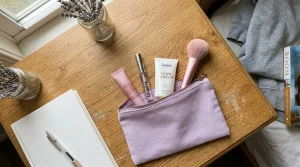
One highly recommended resource is comprehensive makeup kits. A well-stocked kit should include a variety of makeup products suitable for different skin tones and types. Essential items include foundation, concealer, blush, eyeshadow palettes, lip products, and tools like brushes and sponges. It’s best to choose hypoallergenic and cruelty-free options, ensuring that students can practice without skin irritation. Incorporating quality products not only helps in skill development but also instills respect for the artistry involved in makeup application.
In addition to makeup kits, consider integrating digital resources like interactive tutorials and virtual workshops. Platforms such as YouTube or masterclass-style subscriptions offer diverse lessons from professional makeup artists. These can serve as supplementary educational tools and provide students with industry insights and trends. Engaging with digital content keeps lessons fresh and relevant, while also catering to different learning preferences.
To facilitate collaboration and discussion, creating a classroom library featuring books and magazines focused on beauty trends, techniques, and case studies can provoke thoughtful conversations and critiques among students. This can be a mixture of both current publications and classic beauty literature to provide a well-rounded view. Encourage students to read and share their insights, fostering a community of learning and creativity.
Finally, don’t overlook organizational tools. Incorporate planners and digital apps designed for lesson tracking and class schedules. Setting realistic timelines for skills practice and assessments helps keep students accountable and motivated. Encourage them to log their progress and reflect on their journey, solidifying their learning and encouraging lifelong skills development.
By leveraging a mix of physical and digital tools, you can create a vibrant learning environment that empowers your students to explore their creativity while mastering the art of makeup.
Feedback Techniques to Encourage Improvement
Providing constructive feedback is crucial for encouraging improvement in makeup education, especially for students who may feel intimidated by the craft. Sharing specific, actionable insights can empower them to build their skills with confidence. Instead of simply pointing out what didn’t work, suggest what can be improved. For example, if a student struggled to blend eyeshadow, emphasize the technique by saying, “Try using a clean, fluffy brush and use gentle circular motions to soften the edges for a more seamless finish.” This approach not only identifies the issue but also provides a clear path forward.
“Two stars and a wish” is an effective feedback technique that encourages positive reinforcement while also addressing areas for improvement. Begin by highlighting two aspects of the student’s work that were done well, such as color selection and application technique. Then, introduce one area for improvement, such as practicing blending techniques. This method creates a balanced view that acknowledges successes and encourages further development without feeling overwhelming.
Incorporating peer reviews can also be beneficial. Create an environment where students give and receive feedback from their classmates. This can be achieved through structured group discussions or feedback rounds, fostering an atmosphere of support and collaboration. Let students know that everyone is learning together, creating a sense of community. Peer feedback often resonates differently than instructor feedback, making it a valuable addition to the learning process.
Finally, encourage self-reflection. After each session, ask students to write a brief journal entry reflecting on what they learned, what they enjoyed, and what skills they wish to develop further. Self-assessment promotes ownership of the learning process and highlights personal growth, making it easier for students to recognize their progress.
By implementing these feedback techniques, you create a nurturing and effective learning environment where students feel motivated to experiment, learn from mistakes, and grow in their makeup skills.
Promoting Self-Confidence Through Makeup Education
Fostering self-confidence in students through makeup education can transform their approach to beauty, allowing them to express themselves authentically. Many beginners feel overwhelmed by the vast array of techniques, products, and styles available. By creating an environment that emphasizes exploration and reassurance, you can help students build confidence in their abilities and choices. The journey starts by recognizing that mistakes are not failures but stepping stones to improvement.
One effective approach is to celebrate small victories. Whether a student successfully applies eyeliner for the first time or experiments with a bold lip color, acknowledging these moments encourages further experimentation. Create a “wall of fame” in your classroom where students can showcase their proudest looks. This not only boosts their confidence but also serves as inspiration for their peers. Consider organizing class challenges where students can receive recognition for trying new techniques or styles, reinforcing a sense of accomplishment.
Offering personalized encouragement also plays a crucial role. Each student has unique strengths and areas for growth. Take the time to understand their personal styles and preferences. For example, if a student excels at vibrant eyeshadows but struggles with skin care, provide tailored feedback that celebrates their color skills while gently guiding improvement in skincare techniques. This individual attention fosters a supportive atmosphere, enabling students to step outside their comfort zones without fear of judgment.
Incorporating role models can further enhance self-confidence. Invite guest speakers or host virtual sessions with professional makeup artists who share their learning curves and stories of overcoming challenges in the beauty industry. Real-life examples demystify the process and reinforce the idea that everyone starts somewhere, inspiring students to pursue their makeup dreams with determination.
As students practice and refine their skills, encourage them to document their progress in a beauty journal. Have them note what techniques they enjoyed, what they found challenging, and areas they want to explore further. This practice of reflection not only deepens their understanding of the craft but also reinforces their personal growth, making it easier to see how far they’ve come.
By implementing these strategies, you create a nurturing atmosphere that empowers students to embrace their creativity and build lasting self-confidence in their makeup abilities. Each brushstroke becomes a step toward self-expression and empowerment, making the learning experience a joyful adventure rather than a daunting task.
Adapting to Diverse Needs: Inclusivity in the Classroom
Creating an inclusive classroom environment for makeup education is vital in ensuring that every student feels valued and empowered, regardless of their background or experience level. This is especially important in a diverse setting, where students may come from various cultures, possess different skill sets, and have unique personal expressions of beauty. When you make inclusivity a core part of your teaching approach, you encourage all students to explore their individual identities while also fostering respect for one another.
To accommodate different learning styles and needs, consider offering a variety of teaching methods. For visual learners, use demonstration videos showcasing makeup techniques, while kinesthetic learners might benefit from hands-on practice with guided support. Providing written instructions or visual aids can assist those who learn better through text or imagery. Additionally, encourage peer collaboration, allowing students to learn from each other’s strengths. This not only enhances peer relationships but also promotes a culture of shared learning where everyone can contribute positively.
It’s crucial to recognize and celebrate the diverse backgrounds of your students. You might highlight how different cultural influences shape beauty standards and practices around the world. For instance, discussing makeup techniques used in different cultures or featuring guest speakers from diverse backgrounds can provide deeper insights. Create opportunities for students to share their personal makeup journeys or cultural practices, which can enrich the learning experience for everyone involved.
Implementation of inclusive practices extends to the materials and products used in class. Aim to provide a range of products that cater to all skin tones and types, emphasizing that beauty is not one-size-fits-all. Encourage students to explore various products that fit their unique features and preferences. This not only empowers students to make informed choices but also fosters a sense of belonging by reflecting their individual identities within your classroom.
Lastly, cultivate a supportive atmosphere where mistakes are viewed as learning opportunities. Encourage an open dialogue where students feel safe to ask questions or express concerns. Remind them that everyone’s journey in makeup education is different, and it’s perfectly normal to feel challenged. By fostering an inclusive and understanding environment, you can help your students build confidence in their abilities and celebrate their unique expressions of beauty.
In summary, adapting to diverse needs in your classroom involves employing varied teaching methods, recognizing cultural influences, providing suitable materials, and cultivating a supportive and open atmosphere. This approach not only enriches the learning experience but also fosters a sense of community and belonging among all students, empowering them to embrace their unique beauty journeys.
Measuring Progress: Assessments for Makeup Skills
To effectively measure progress in makeup skills, it’s essential to establish clear, actionable assessments that help both students and instructors gauge understanding and technique. One of the best ways to track advancement is through performance-based assessments. For example, you might organize practical makeup applications where students demonstrate specific techniques learned in class, such as contouring or eyeshadow blending. By setting criteria-like the ability to apply foundation evenly or create a flawless winged eyeliner-students can receive feedback based on observable skills.
Incorporating self-assessments can also foster ownership of their learning process. Encourage students to maintain a makeup journal where they can reflect on their progress, noting what techniques they find challenging and which ones they excel at. This not only helps them track their development but also empowers them to set personal goals. After practical assessments, you can facilitate peer reviews, where students provide constructive feedback to one another. This process not only builds community but also enhances observational skills and self-awareness.
Another effective approach is to use a rubric that evaluates various components of makeup application. Consider breaking down skills into categories such as hygiene, technique, creativity, and overall presentation. For example, a simple rubric could look like this:
| Criteria | Exemplary (5) | Satisfactory (3) | Needs Improvement (1) |
|---|---|---|---|
| Technique | All techniques executed flawlessly | Most techniques executed correctly | Techniques were poorly applied |
| Creativity | Very innovative use of color and products | Some creativity with limited choices | Lacks creativity, follows basic techniques |
| Hygiene | All tools sanitized, highly hygienic | Mostly clean tools, minor errors | Unsanitary practices noted |
In summary, integrating performance assessments, self-reflections, peer reviews, and structured rubrics allows students to see tangible progress in their makeup skills. By providing varied methods of assessment, you create an inclusive learning environment where students can grow at their own pace and feel encouraged to express their unique talents in makeup artistry.
Building Lifelong Skills Through Makeup Education
In the realm of makeup education, the skills learned often extend far beyond the application of products. Engaging in makeup artistry fosters essential life skills that can significantly enhance personal confidence and overall well-being. Think about it: when students master makeup techniques, they’re not just learning to apply lipstick or blend eyeshadow; they’re cultivating creativity, discipline, and an understanding of self-expression-all of which are invaluable throughout their lives.
One of the greatest gifts of makeup education is the empowerment it brings to individuals. As students learn to enhance their appearance, they also learn to navigate challenges and express their unique styles. This journey encourages critical thinking and decision-making skills. For instance, when choosing colors or techniques that suit their personal aesthetics, learners develop the ability to evaluate options and make informed choices that reflect their self-identity. Encouraging them to explore different looks can also inspire creativity, which is essential not just in makeup but in problem-solving across various life situations.
Moreover, mastering makeup techniques requires practice and perseverance. By consistently applying what they’ve learned, students develop patience and a growth mindset. They understand that improvement comes through effort and that mistakes are part of the learning process. This perspective can translate into other areas of life, encouraging resilience and an openness to tackling new challenges. Encouraging students to set achievable goals for their makeup skills reinforces this mindset- for example, they might aim to master the perfect eyeliner flick within a month, celebrating small progress along the way.
Lastly, makeup education creates opportunities for social interaction and community building. Group projects, peer feedback sessions, and collaborative makeup challenges foster teamwork and communication skills. These interactions can lead to lasting friendships and help students feel connected to their peers, creating a supportive network that extends beyond the classroom. In a world where communication is key, learning to work collaboratively helps individuals express themselves confidently not only in makeup but in broader social situations as well.
In summary, the benefits of makeup education are multifaceted. From boosting self-confidence and creativity to teaching resilience and fostering community, the skills acquired through makeup artistry are crucial for personal development. Encouraging students to embrace these lessons ensures they not only excel in makeup techniques but also carry the confidence and skills they’ve gained into their everyday lives.
Q&A
Q: What strategies can I use to engage makeup driver ed kids in the classroom?
A: To engage makeup driver ed kids, use interactive activities like role-playing scenarios or hands-on makeup demonstrations. Incorporating multimedia resources, such as video tutorials, can also capture their interest. Ensure that lessons cater to different learning styles by mixing visual aids, discussions, and practical sessions.
Q: How can I assess the progress of makeup driver ed kids effectively?
A: Assess progress through a combination of practical exams and self-assessments. Use rubrics to evaluate skills like technique and creativity. Incorporate peer feedback sessions where students can discuss their work, fostering a supportive learning environment that encourages growth and self-improvement.
Q: What tools are essential for teaching makeup skills?
A: Essential tools include various makeup products (foundations, brushes, palettes), mirrors, and sanitization supplies. You can also utilize digital tools, such as presentation software and video recording equipment, to create engaging tutorials. Offer samples for students to practice on, ensuring they have access to diverse options.
Q: How do I create a supportive community for makeup driver ed students?
A: Establish a supportive community by promoting collaboration through group projects and discussions. Encourage students to share their experiences and tips, fostering open communication. Create a safe space for feedback and constructive criticism, which can enhance confidence and strengthen bonds among classmates.
Q: What activities can I incorporate to enhance makeup education?
A: Activities like theme-based makeup challenges, guest speaker sessions with professionals, and demonstrations of trending techniques can enhance learning. Organizing contests can also motivate students to apply their skills creatively. Consider incorporating real-world applications, such as makeup for different occasions, to contextualize learning.
Q: How can I promote self-confidence in makeup driver ed kids?
A: Promote self-confidence by celebrating individual uniqueness and encouraging personal expression through makeup. Offer constructive feedback and highlight improvements rather than solely focusing on mistakes. Organize showcases where students can present their work, reinforcing a sense of accomplishment and peer recognition.
Q: What are some inclusive practices in a makeup classroom?
A: Implement inclusive practices by recognizing and valuing diverse backgrounds and skin tones in lessons. Use a variety of models for demonstrations to ensure all students see themselves represented. Encourage discussions about different cultural makeup traditions, allowing students to learn from each other’s experiences.
Q: How can real-life scenarios be incorporated into makeup lessons?
A: Incorporate real-life scenarios by simulating situations, such as preparing for an event or handling client consultations. Use role-playing to help students navigate client interactions, making lessons relatable and practical. Discuss the challenges professionals face to prepare students for real-world applications.
Wrapping Up
As you implement the classroom solutions discussed in “What to Do With Makeup Driver Ed Kids,” remember that fostering engagement and understanding is key to driving results. By creating an inclusive and supportive environment, you’ll not only address the immediate concerns of your students but also inspire a lifelong appreciation for responsible driving habits. Don’t wait-start incorporating these strategies today and see the positive impact on your classroom dynamics!
For more tips on enhancing your teaching approach, check out our articles on “Engaging Students in Driver Education” and “Effective Classroom Management Techniques.” And if you’re looking for personalized assistance, consider signing up for our newsletter for exclusive insights and resources. We’re here to help you every step of the way! Join the conversation in the comments below; we’d love to hear how these solutions work for you. Your expertise and input can make a difference!
Get our latest guides, news, and insights highlighted in your Google Search & AI Overviews.