Did you know that many medications can be safely cut in half, potentially helping you save money and customize your dosage? Knowing how to split a pill properly can not only enhance your medication experience but also ensure you’re taking the correct amount according to your healthcare provider’s recommendations. However, it’s important to use the right technique and tools-like a razor knife- to avoid crumbling the pill or risking an uneven cut. In this guide, we’ll explore the safest methods for cutting pills effectively, so you can feel confident in managing your medications. Ready to learn how to make this small yet impactful adjustment to your health regimen? Let’s dive in!
Understanding the Necessity of Pill Splitting

When it comes to managing medication, pill splitting can be a useful strategy to help reduce costs and achieve the correct dosage. For many, this technique allows patients to take a higher dose of medication economically by dividing a larger pill into smaller segments, making it an appealing option. In fact, not only can this lead to significant savings, but it also empowers patients to participate actively in their health management, enabling precise control over their dosages based on individual needs.
Moreover, certain medications are designed to be taken at specific doses that may not align with the available pill strengths. For example, if a doctor prescribes a dose of 75 mg and the closest available pill is 150 mg, splitting the pill allows for accurate dosing without requiring a custom prescription. This flexibility can be crucial for maintaining effective treatment regimens, especially for chronic conditions where consistency in medication is critical.
However, understanding when and how to split pills safely is paramount. Not all medications are suitable for splitting due to their formulation. Extended-release or enteric-coated pills, for instance, might lose their intended effects if cut, leading to potential efficacy issues. Therefore, consulting a healthcare professional is vital to ensure that splitting a particular medication won’t alter its intended action or cause harmful side effects.
Overall, the necessity of pill splitting stems not just from financial considerations but also from the need for personalized medication management. By being informed and cautious, patients can make the most out of their prescriptions, taking control of their health in an educated manner.
Choosing the Right Razor Knife for Splitting
pills can significantly enhance your medication management experience. Not all cutting tools are created equal, and using a high-quality razor knife can make this task safer and more efficient. First and foremost, look for a razor knife that features a sharp, stainless steel blade. This type of blade not only reduces the effort needed to cut through the pill but also minimizes the risk of crushing it, which can compromise its effectiveness.
It’s essential to select a knife with a comfortable grip that suits your hand size. A non-slip handle will allow you to maintain better control while cutting, which is crucial for accuracy. Additionally, consider knives that come equipped with safety features, such as blade guards or retractable blades, to protect you when the knife is not in use. Some consumers prefer dual-sided knives, which offer two cutting edges for greater versatility.
When using a razor knife, positioning is key. A flat, stable surface will provide the necessary support during cutting. A cutting board specifically designed for pill splitting is ideal; these often come with guides to help you align the pills properly for a clean cut. Remember to clean your knife after each use to ensure hygiene and longevity of the blade. Regularly replacing the blade when it becomes dull is also important for maintaining cutting precision.
Ultimately, investing in the right tools not only simplifies the pill-splitting process but also promotes safe and effective medication management, empowering you to take control of your health confidently.
Common Risks of Cutting Pills Incorrectly
Cutting pills can seem like a straightforward process, but several risks can compromise your health and the effectiveness of your medication. It’s crucial to understand these dangers before you start splitting your pills with a razor knife.
One significant risk is uneven dosage-an improperly cut pill may not provide the right amount of medication. For example, if a tablet isn’t sliced evenly, you could end up taking less of the active ingredient than prescribed, which may lead to insufficient therapeutic effects. Conversely, if you accidentally cut too little from one pill, any remaining part could contain a dose much higher than intended when you take it next. This situation is particularly problematic with medications that require precise dosing, such as blood thinners or antidepressants.
Another concern is the physical integrity of the pill. Many medications have specific coatings or are extended-release formulations designed to dissolve slowly in the body. When you cut these pills, you risk altering their release mechanism, which can lead to unwanted side effects or decreased efficacy. For instance, pills intended to be released over 12 hours may work too quickly if they are split, resulting in a spike in medication levels that could be harmful.
Additionally, there are hygiene and contamination risks. If your cutting tool isn’t properly cleaned or you’re using a surface that isn’t sanitized, you might inadvertently transfer bacteria or other harmful substances onto the medication. Always ensure that your preparation area mimics that of any food preparation, emphasizing cleanliness to avoid stomach infections or other issues.
By being cognizant of these risks, you can take proactive steps to ensure safe and effective pill cutting. Always consult with your healthcare provider before considering any changes to how you take your medication, and don’t hesitate to seek their advice on whether pill splitting is a suitable option for your specific situation.
Best Practices for Ensuring Clean Cuts
Cutting a pill successfully requires diligence and attention to detail, especially when you want to ensure a clean cut that minimizes the risk of uneven dosing. A razor knife is a sharp tool that, when used correctly, can help you achieve precise divides. Here are some best practices to consider for clean and effective pill splitting.
First, choose a stable and sanitized surface for your pill cutting. A clean cutting board works well because it provides a flat and secure area that can absorb some pressure. Before you begin, wipe the surface with a disinfectant to remove any bacteria or impurities-this is as important as cleaning your knife. You want to start with a sterile environment to avoid contaminating your medication.
Next, familiarize yourself with your razor knife. Ensure it’s sharp and in good condition to make smooth cuts. Dull blades can crush the pill instead of slicing it, which can lead to crumbles and uneven halves. When preparing to cut the pill, position it firmly in
When to Avoid Splitting Your Pills
While splitting pills can sometimes be an effective way to manage dosages, there are specific situations where it’s best to avoid the practice altogether. Understanding these scenarios can help ensure your safety and the effectiveness of your medication.
Certain medications are specifically designed to be taken whole. These include enteric-coated pills, which have a coating that prevents them from dissolving in the stomach, ensuring they reach the intestines for ideal absorption. Cutting such pills can lead to the drug being released too early, potentially causing stomach irritation or reducing its efficacy. Similarly, extended-release or controlled-release medications are formulated to release their active ingredients slowly over time. Dividing these can result in a rapid release of the drug, leading to side effects or overdose. Always check the labeling and consult your pharmacist if you’re unsure.
Additionally, pills with uneven surfaces can present challenges for splitting. If a medication is scored, meaning it has a line down the middle intended for cutting, it’s generally safe to split. However, if there’s no score and the pill is irregularly shaped, it might produce uneven halves, risking inconsistent dosing. For any medications that are particularly small, crumbly, or have a brittle texture, cutting them may lead to significant loss of the dose or difficulty in ensuring an even split.
Lastly, if you’re managing multiple medications or have a complex treatment plan, it’s wise to consult your healthcare provider before deciding to split any pills. They can provide insights based on your overall health condition and medication regimen, ensuring you get the most effective and safe care possible. Always prioritize your health by recognizing when it’s better to leave the pill intact rather than risk the potential consequences of splitting.
Alternatives to Splitting Pills for Dosing

Finding the right way to manage medication dosages can sometimes feel like navigating a maze, particularly when pill splitting might not be advisable. Luckily, there are effective alternatives to ensure you get the right amount of medication without the risks associated with cutting pills. One of the most straightforward options is to talk to your healthcare provider about adjusting your medication. They might prescribe a different dosage that aligns better with your needs, allowing you to take a single pill rather than splitting it.
Another alternative involves exploring liquid formulations of your medication. Many medications are available in a liquid form, which can offer more flexibility in dosing. Liquid medications can often be measured precisely with the help of a dropper or measuring cup, making it easier to get the exact dosage you need. This is particularly beneficial for those who have difficulty swallowing pills or for pediatric patients requiring tailored doses.
If liquid formulations aren’t an option, consider discussing the use of compounding pharmacies with your doctor. These specialized pharmacies can create personalized medications tailored to exact dosages that meet individual patient needs. They can reformulate your medication into a form that’s easier to consume, whether that be a liquid, a topical cream, or even a different pill size that might be easier to manage.
Furthermore, utilizing medication management tools can enhance your ability to stick to your treatment plan without resorting to splitting pills. Tools like pill organizers, reminder apps, or even pharmacy blister packs can help keep you on track without the need to alter your pills. These alternatives not only simplify the process but also help ensure that you maintain the effectiveness and safety of your medication regimen. Always prioritize effective communication with your healthcare provider to explore these options fully.
Managing Dosage: How Often to Split Pills
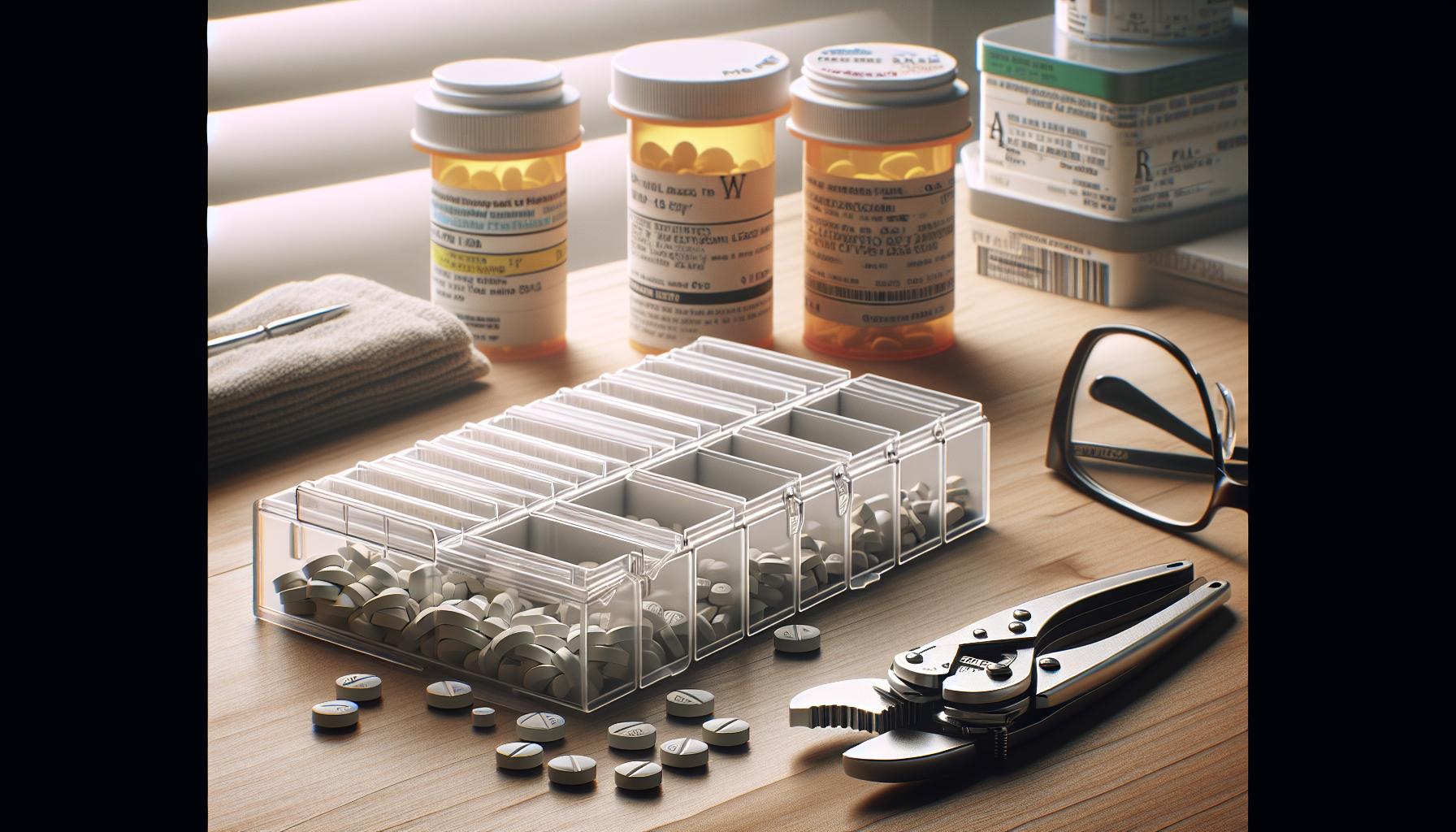
In managing your medication effectively, understanding the frequency of pill splitting is crucial. Many people find themselves needing to adjust their doses due to the availability of higher-dose pills or a healthcare provider’s recommendation. However, it’s not always straightforward when to split a pill-not every medication is appropriate for cutting.
Most commonly, splitting pills is advisable when your doctor has prescribed a specific dosage but you’ve been given pills that are larger than needed. For instance, if you have a 100 mg tablet but only need 50 mg, splitting is a practical choice-provided the pill is designed for such splitting. Generally speaking, it’s best to follow these guidelines:
- Follow professional advice: Always consult with your healthcare provider before splitting pills. They can provide tailored recommendations based on your health needs.
- Check the tablet’s characteristics: Some pills are scored, meaning they have a line down the middle, indicating they can be safely split. If a pill isn’t scored, or if it’s an extended-release or coated medication, it’s usually not safe to cut it.
- Timing of doses: If your medication regimen requires more frequent dosing (e.g., twice daily instead of once), splitting can help control fluctuations in medication levels. But be wary of over-splitting; it can lead to inconsistent dosing.
While splitting can be a helpful way to manage dosages, it’s crucial to remain aware of how often this practice should be applied. Always take into account the specific medication, its formulation, and your health requirements. A good approach is to review your medication schedule with a healthcare professional regularly to ensure optimal efficacy. Your health is a priority, and managing your medications safely and effectively contributes significantly to your overall well-being.
User Experiences: Success Stories and Tips
For many individuals managing chronic conditions or adjusting to new medications, the practice of pill splitting can offer significant savings and help maintain precise dosages. Real-life experiences reveal many successes and invaluable tips that can serve as guidance for anyone venturing into this technique.
Many users have found success by incorporating a razor knife specifically designed for pill splitting into their routine. One such user shared their journey, noting how they initially struggled with uneven halves when using regular kitchen knives. After switching to a dedicated pill cutter, they experienced cleaner cuts and better accuracy, which improved their overall medication compliance. Investing in a quality tool not only ensured safe cuts but also reduced the anxiety of taking incorrectly dosed medication, enhancing their confidence in self-management.
Another practical tip from the community revolves around preparation and taking a methodical approach. For instance, users suggest placing pills on a clean, flat surface when cutting them and ensuring they’re dry; moisture can create slippage, making splits uneven. Some have discovered that cutting the pill in half during their medication routine, such as before meals or at a fixed time, helps them establish a consistent habit. This practice not only simplifies the dosing process but also integrates seamlessly into daily life, reducing the likelihood of missing a dose.
Lastly, sharing experiences related to challenges can be just as insightful. A user recounted a time when they mistakenly cut a non-scoreable tablet due to lack of awareness about its coating. This incident highlighted the importance of thoroughly researching each medication and consulting a healthcare provider. Encouragingly, they emphasized that despite their initial misstep, they learned to pay close attention to tablet markings and formulations, reinforcing the notion that a little preparation can avoid unnecessary mistakes.
Embracing the insights from others can empower anyone adjusting their dosage through pill splitting. With the right tools and knowledge, individuals can navigate their medication regimens confidently and safely, ultimately improving their health and well-being.
Resources for Pill Splitting and Medication Safety
When it comes to medication management, having reliable resources can make a significant difference in ensuring safety and efficacy, particularly when splitting pills. Many individuals embrace this practice to optimize their dosages or reduce costs, but it’s imperative to do so safely and knowledgeably. Here are several resources and practical tips to enhance your approach to pill splitting and medication safety.
To start, consider consulting reputable medical websites and databases that provide comprehensive information about your medications. Websites like Drugs.com and Medicine.com offer pill identifiers that allow you to verify a pill’s imprint, color, and shape. This can be particularly useful in ensuring that you are splitting the correct medication and not making mistakes with similar-looking pills. Use these tools to check whether your medication is safe to split, as not all pills are designed to be cut.
Next, staying informed about your medications is crucial. Apps that track your medication schedule, like Medisafe or MyTherapy, can help remind you when to take your pills, whether whole or split. They often include reminders for when to refill prescriptions and can provide information on drug interactions-another important factor to consider when adjusting doses through splitting.
It’s also wise to create an environment conducive to safe pill cutting. Ensure your cutting area is clean and organized. Using a pill splitter designed specifically for this task can help achieve uniform cuts, as opposed to using kitchen knives or scissors that may lead to uneven pieces. Keep in mind that consistent cleanliness minimizes contamination, which is especially important if the pills are not in blister packs.
Lastly, leveraging community knowledge can provide additional insights. Online forums or support groups, such as those found on platforms like Reddit or health-focused Facebook groups, allow you to connect with others who share their experiences and tips about pill splitting. Engaging with peers can help you learn what to avoid and how to troubleshoot common issues.
By tapping into these resources, you empower yourself to make informed decisions about your medication and how to manage it effectively. Remember to always consult with healthcare professionals before making any changes to your medication regimen, including splitting pills. Taking these steps can help ensure you navigate your health with greater confidence and safety.
Consulting Your Doctor About Pill Splitting
When considering the practice of splitting pills, consulting with your doctor is paramount. It’s easy to think that cutting a pill is merely a mechanical task, but the implications for your health can be significant. Medications are designed to be taken in specific doses, and altering them without professional guidance can lead to unintended side effects or decreased efficacy. For example, some pills are not meant to be broken due to their time-release formulation, which may affect how the medication is absorbed in your body.
Before you decide to split any medication, it’s wise to have an open conversation with your healthcare provider. Ask questions like:
- Is this medication safe to cut?
- What tools should I use to ensure a clean cut?
- Will splitting this pill alter its effectiveness?
- Are there alternatives to splitting my medication for dosage adjustments?
Having this dialogue not only informs you but also strengthens your relationship with your healthcare team. They can provide personalized advice tailored to your specific circumstances, which is invaluable. Keep in mind that some pharmaceuticals are available in liquid forms or as lower-dose options that can eliminate the need for splitting altogether.
Finally, don’t hesitate to express your concerns or experiences during these consultations. Whether you’re contemplating cost savings or managing side effects, your doctor may have insights that can help optimize your medication regimen beyond just splitting pills. Taking this proactive approach ensures you’re making informed decisions that promote your well-being.
Maintaining Your Cutting Tools for Longevity
To ensure the effectiveness and safety of your pill cutting, maintaining your cutting tools is essential. A well-cared-for razor knife doesn’t just enhance your cutting accuracy; it also minimizes the risk of contamination and ensures consistent results every time you split a pill. With regular maintenance, your cutting tools can last longer and perform better, which is a win for both your health and your wallet.
Start by regularly cleaning your razor knife after each use. A simple wipe with a clean, dry cloth will remove any powdery residue from the pills. For a deeper clean, you can use a cotton swab dipped in isopropyl alcohol to disinfect the blade, ensuring it’s free of bacteria or medication remnants that could affect future cuts. It’s also wise to periodically check the blade for dullness. A dull blade can make cutting more difficult and lead to uneven splits, which may undermine dosage accuracy. If the blade seems blunt, consider replacing it; most knife models allow easy blade replacements.
When storing your cutting tools, keep them in a dry, clean environment, preferably in a designated container that protects them from dust and damage. Avoid humid areas which can lead to corrosion or rusting. If your knife comes with a protective sheath or case, always use it to preserve the blade’s edge. Over time, a few proactive steps in maintaining your cutting tools can lead to better performance, safer practices, and improved medication management.
Remember, keeping your tools in top shape not only enhances your pill splitting routine but also adds a layer of safety and sanitation, giving you peace of mind every time you use them. Taking these small measures will make a significant difference in your medication regimen.
Frequently asked questions
Q: How do I know if a pill can be split?
A: To determine if a pill can be split, check the label or package insert for instructions regarding splitting. Look for a score line on the pill, which indicates it’s designed to be cut. Always consult your healthcare provider for confirmation, especially with coated or extended-release medications.
Q: What is the best way to clean a razor knife after cutting pills?
A: After cutting pills, clean your razor knife with warm, soapy water to remove any residue. Rinse thoroughly and dry with a soft cloth. This ensures hygienic use and helps maintain the knife’s sharpness. Regular maintenance prevents cross-contamination and ensures safety during the next use.
Q: Are there any specific pills that should never be split?
A: Yes, certain pills should never be split, particularly those that are time-released, enteric-coated, or have a special formulation. Splitting these could lead to dose adjustments that may diminish their effectiveness or increase side effects. Always check with your pharmacist before splitting medications.
Q: Can splitting a pill affect its effectiveness?
A: Splitting a pill can affect its effectiveness, especially if it’s not intended to be divided. Some medications are formulated for controlled release, and cutting them may lead to dose alterations, resulting in reduced efficacy or increased side effects. Consult with a healthcare provider for advice based on specific medications.
Q: What is the best method for storing split pills?
A: Store split pills in a cool, dry place, ideally in a pill organizer or a tightly sealed container to prevent contamination and moisture. Label the container to avoid confusion and ensure proper use. For long-term storage, check with your pharmacist on the best practices for specific medications.
Q: Can I use a knife instead of a razor knife to cut pills?
A: While you can use a knife to cut pills, it is not recommended. Razors provide a more precise, clean cut, reducing the risk of crumbling. For safety and best results, invest in a designated pill cutter instead, which is specifically designed to handle this task effectively.
Q: When should I avoid splitting my pills?
A: Avoid splitting pills if they have no score line, are extended-release or enteric-coated, or if your doctor has advised against it. Additionally, if a pill crumbles easily or has a complex formulation, it’s best not to split it to ensure you receive the correct dosage and benefits.
Q: What tools can I use besides a razor knife for splitting pills?
A: Besides a razor knife, you can use a pill splitter or a sharp pair of scissors designed for cutting pills. These tools are designed to provide a clean split and minimize the risk of injury, making them safer and more effective than improvised methods. Always choose tools that maintain hygiene and precision when cutting pills.
Closing Remarks
Now that you know how to safely cut a pill with a razor knife, you’re equipped to take control of your medication more effectively. Remember, precision and care are essential to avoid waste or incorrect dosages. If you’re unsure about any aspect of this technique, don’t hesitate to check out our articles on pill storage tips and dosage calculations for further guidance.
Feeling confident? Great! I encourage you to try this method and see how much easier it makes your daily routine. And if you have any questions or want to share your experience, drop a comment below! For more insights and tips on enhancing your wellness journey, subscribe to our newsletter or explore our related content. Your health matters, and we’re here to help every step of the way.
Get our latest guides, news, and insights highlighted in your Google Search & AI Overviews.