Majora’s Mask stands as one of the most intriguing entries in The Legend of Zelda series, often hailed as a dark masterpiece. Released in 2000, it introduces players to a haunting universe where time is constantly ticking down to apocalypse-a theme that resonates with our own fears about the passage of time and what we choose to do with it. This game invites players to think critically about life, choices, and consequences, all while navigating through a beautifully crafted but eerie world.
Curious about what makes Majora’s Mask so unique? If you’ve ever felt overwhelmed by life’s ticking clock or grappled with your own mortality, this review will unpack the game’s deep emotional layers and innovative mechanics, revealing why it remains a beloved yet challenging experience for gamers of all backgrounds. Let’s dive into this captivating journey that has left an indelible mark on gaming history and explore how its dark themes provide not just entertainment, but profound insights into our lives.
The Impact of Majora’s Mask on Gaming Culture
The unique gameplay and narrative structure of Majora’s Mask left an indelible mark on gaming culture. Released in 2000 for the Nintendo 64, it explored themes such as grief, time, and the inevitability of fate, setting it apart from its predecessors and contemporaries. This darker tone resonated with players, challenging traditional constructs of video game storytelling and engaging them in a profoundly emotional and reflective experience.
One of the most significant impacts of Majora’s Mask was its approach to time management. The game introduced the three-day cycle mechanic, where players must navigate a repeating timeline to prevent the moon from crashing into the world of Termina. This innovative use of time not only intensified the urgency of tasks but also facilitated a deeper exploration of character backstories and side quests. Players found themselves invested in the lives of the inhabitants of Termina, fostering a sense of connection and responsibility often absent from more linear gameplay. This mechanic influenced future titles, prompting other developers to experiment with time as a core gameplay element.
Moreover, Majora’s Mask carved a niche in the growing realm of indie games that embrace existential themes and innovative mechanics. Games like Undertale and Hollow Knight reflect influences from this title, showcasing how it emboldened storytellers to explore darker narratives within the gaming medium. The emotional weight carried by its characters and the haunting atmosphere, amplified by its distinctive art style and soundtrack, further established Majora’s Mask as a timeless classic.
In the years since its release, the game has maintained a devoted following, inspiring cosplay, fan art, and merchandise, showcasing its lasting legacy within the gaming community. Conventions celebrate its unique elements, while discussions around its themes frequently emerge in podcasts and videos, ensuring that Majora’s Mask remains a reference point for both players and creators. The game’s ability to elicit genuine emotional responses has set a benchmark for future titles, cementing its place not just in gaming history but in the broader cultural discourse surrounding video games.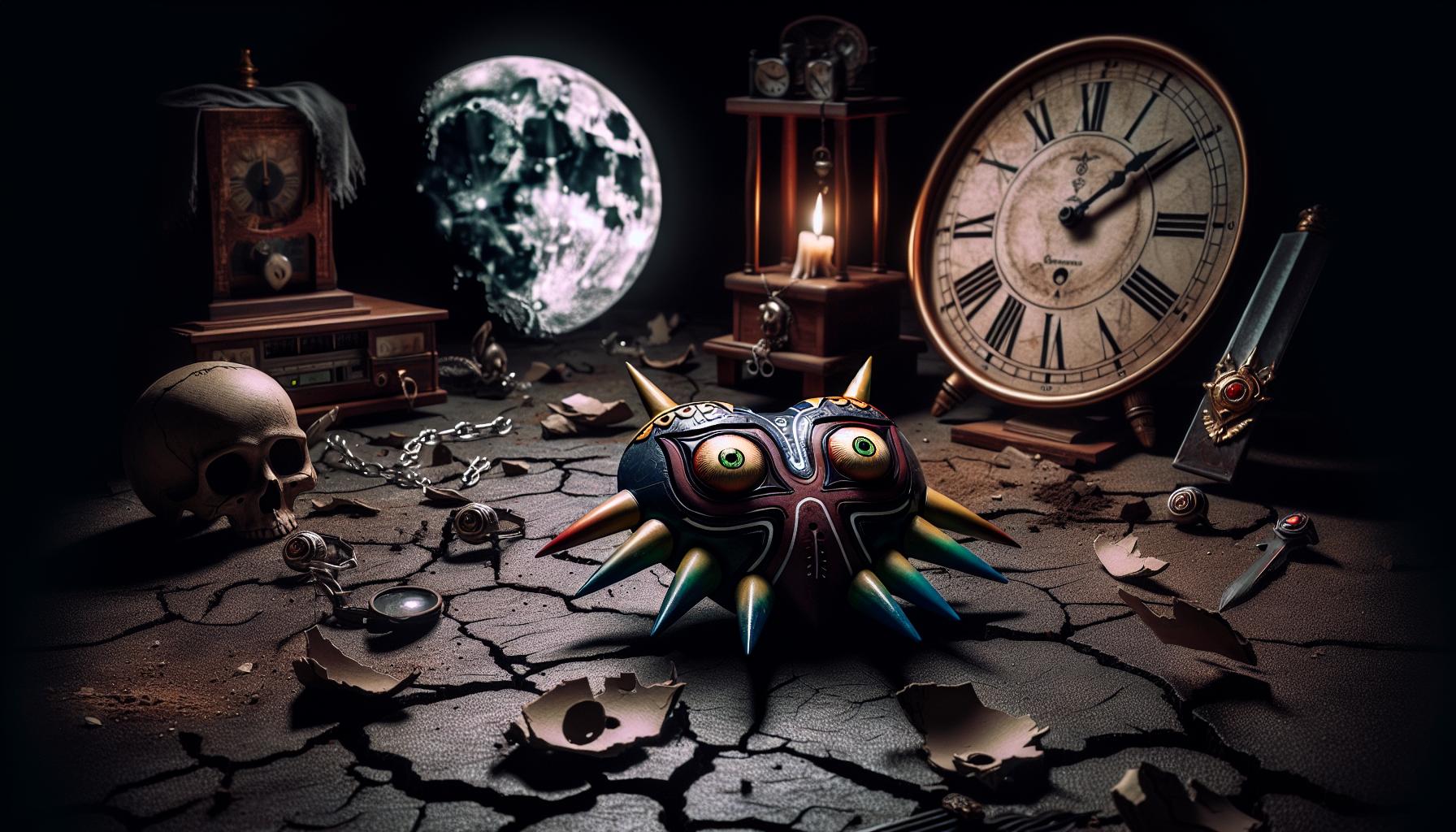
Unraveling the Dark Themes of Majora’s Mask
The atmosphere of Majora’s Mask is steeped in dark themes that resonate deeply with players, making the game stand out in the Zelda franchise. Its exploration of heavy concepts such as grief, loss, and the passage of time breathes life into the seemingly simple premise of a heroic quest. The impending doom of the moon crashing down on the world of Termina serves as a powerful metaphor for the relentless nature of time and the existential struggles faced by its inhabitants.
As players traverse the land, they encounter characters deeply affected by their circumstances. Many have tragic backstories that reveal their unresolved grief and fears. For instance, the Gorman Brothers, who are consumed by a desire for recognition and success long past their prime, reflect the bitterness of lost opportunities. Similarly, the character of Anju grapples with familial duty and interpersonal connections, embodying the tension between love and loss. Engaging with these narratives invites players to confront their own understandings of mortality and the importance of human connections.
The darker aspects of the game are not just narrative devices; they are woven into the very gameplay mechanics. The three-day cycle mechanics not only create a sense of urgency but also allow for a profound examination of consequences. Players often find themselves racing against time, which can lead to feelings of anxiety and reflection on their choices. This cyclical passage of time mirrors the repetitive nature of life and underscores the inevitability of fate, pushing players to engage in the stories of Termina’s residents on a more intimate level.
In essence, Majora’s Mask invites players to reflect on the darker aspects of life while providing a platform for catharsis through gameplay. It allows players to confront their fears and losses, engaging in a narrative that is as haunting as it is beautiful. The emotional depth intertwined with the gameplay mechanics has set a precedent, encouraging other game developers to delve into similarly complex themes.
Gameplay Mechanics That Define the Experience
In Majora’s Mask, the gameplay mechanics fundamentally reshape how players interact with the world, distinguishing it sharply from other titles in the Zelda franchise. One of the most compelling features is the three-day cycle, which not only sets the stage for the game’s intense urgency but also immerses players in a constant dance between action and consequence. Each in-game day lasts approximately 54 real-time minutes, a ticking clock that weighs heavily on every decision made.
As players navigate the land of Termina, they encounter a unique aspect of gameplay: the ability to manipulate this three-day system. By utilizing the Song of Time, players can rewind the clock, enabling them to explore various storylines, complete side quests, or address the desperate needs of the townsfolk within a limited timeframe. This mechanic not only cultivates a sense of pressure but encourages thoughtful exploration, as players must decide which quests to prioritize and how best to use their time.
The incorporation of masks is another critical mechanic that enriches the Majora’s Mask experience. Each mask bestows Link with unique abilities that alter gameplay mechanics and solve puzzles in inventive ways. For example, the Deku Mask transforms Link into a Deku Scrub, enabling him to float on water and access otherwise unreachable areas. This layer of transformation allows for a fresh approach to combat and problem-solving, prompting players to think creatively about how they can adapt to each challenge they face.
Moreover, the interactions with NPCs are deeply tied to the gameplay mechanics. Many characters operate on their own schedules and routines, creating a vibrant world that feels alive. For instance, players will find that certain events can only be experienced at specific times of the day, lending a richness to the narrative. By interacting within this living world, players must consider not only their tasks but also the emotional states and stories of the characters around them.
In essence, the gameplay mechanics of Majora’s Mask create a multilayered experience that evokes both urgency and introspection. The combination of time management, transformation through masks, and dynamic interactions with a richly populated world invites players to engage on a deeper level, offering an intricate tapestry of challenges that reflects the game’s dark themes and emotional depth.
Exploring the Unique Time Loop System
The three-day time loop in Majora’s Mask serves as both a narrative device and a gameplay mechanic that significantly shapes the player’s experience. This innovative system creates a sense of urgency that permeates every decision, reminding players that time is always ticking down toward the cataclysmic event at the end of the cycle. Each in-game day lasts about 54 real-time minutes, prompting players to strategize their actions as they explore the richly crafted world of Termina.
As you navigate this cycle, the ability to manipulate time through items like the Song of Time provides a strategic layer to your gameplay. Unlike in many other titles where you progress linearly, here, you have the power to rewind time, allowing you to complete quests that may otherwise feel overwhelming. This creative use of time management ensures that even if you fail to complete a task, you can return to it with new knowledge and perspective, enhancing the replay value of the game.
To maximize your experience within this unique framework, focus on establishing a routine for each of the three days. Consider prioritizing key events, such as helping townsfolk or gathering essential items, before the moon crashes down. The game rewards players who pay attention to the schedules of its NPCs, creating a living world where characters respond to the time of day and your actions-this interactivity enriches the narrative and enhances emotional engagement.
By actively engaging with the time loop system, you can experience the poignant themes of loss and hope embedded within the storyline. Each loop becomes an opportunity not just to solve puzzles or defeat foes but to connect with the characters and their struggles, transforming an initial sense of urgency into a broader, more reflective journey.
Characters That Haunt and Inspire: A Deep Dive
In the intricate world of Majora’s Mask, the characters players encounter are not merely NPCs; they embody deep narratives that resonate with themes of loss, despair, and redemption. Each character’s storyline adds layers to the game, making the interactions both haunting and inspirational.
Take, for example, the tragic figure of Anju, locked in a heart-wrenching cycle amidst the impending doom of the moon’s descent. Her quest to find her lost fiancé, Kafei, amidst the chaos amplifies the game’s exploration of time and memory. Anju’s tenacity in her search reflects a universal human desire to connect and find closure, making her storyline one of the most poignant in the game. Players can engage with her over the three days, gradually unlocking pieces of her story, which forces them to confront the emotional weight of both her journey and the looming catastrophe.
On the other hand, Kafei serves as a pivotal character whose transformation from a human into a child-like form under no fault of his own emphasizes the game’s theme of identity and loss. His struggle to reclaim his true self and reunite with Anju symbolizes the fight against the inevitability of fate. This duality of identity presented through Kafei not only makes him relatable but also invites players to reflect on their own struggles with change and the passage of time.
Furthermore, the Skull Kid, who initiates the chaos by stealing Majora’s Mask, is a character steeped in complexity. Initially portrayed as a mischievous antagonist, his own sense of alienation and longing for companionship is revealed, providing depth to his motivations. This duality-where the antagonist is shaped by his own trauma-illustrates how pain can drive people to actions that may bring about destruction, prompting players to question the nature of villainy and empathy.
The cast is rich with other compelling characters, like the Goron leader and the Zora band members, who each face unique challenges tied to their identities and roles within the community. These encounters teach players valuable lessons about resilience, cooperation, and the importance of community in times of crisis.
Ultimately, the characters in Majora’s Mask are not only essential to the storyline but also serve as mirrors to our own complexities, drawing players into a shared human experience that resonates long after the game ends. These interactions deepen the emotional impact of the game, making it a timeless exploration of the human condition amidst a backdrop of imminent disaster.
Art Style and Soundtrack: A Dark Atmosphere
The visual and auditory design of the game profoundly enhances its unsettling atmosphere, making it a striking example of how art can elevate storytelling in video games. The art style in Majora’s Mask utilizes a distinctive, almost surreal aesthetic that contrasts with the vibrant landscapes of its predecessor, Ocarina of Time. The character designs, environments, and color palettes contribute to a world filled with dread and urgency. For instance, the twisted, looming presence of the moon, with its menacing face, hovers ominously over the land of Termina, constantly reminding players of the impending doom. This dark visual tone is complemented by eerie, distorted townsfolk who express their fears and anxieties about the moon, further immersing players in the game’s emotional narrative.
The soundtrack of Majora’s Mask is another crucial element that amplifies its dark atmosphere. Composed by Koji Kondo and Toru Minegishi, the music features a mix of haunting melodies and unsettling soundscapes that evoke feelings of tension and melancholy. The use of the Song of Time and other thematic pieces resonates with the game’s core mechanics and emotional stakes, reinforcing the themes of time and loss. Each area in Termina has its unique musical identity, from the somber notes heard in Clock Town to the menacing rhythms found in the more treacherous settings like the Southern Swamp. The music acts almost as an emotional guide, affecting how players perceive each moment and choice throughout their journey.
Combining these elements, Majora’s Mask presents a cohesive experience that challenges players not only with gameplay mechanics but with an emotional narrative driven by its art style and soundtrack. As players navigate this beautifully dark world, they are constantly reminded of the game’s themes: the passage of time, the fragility of life, and the importance of connection-all underscored by an atmosphere that feels haunting yet profoundly engaging.
Comparing Majora’s Mask to Other Zelda Titles
The Legend of Zelda series is known for its evolving gameplay and thematic depth, with each title offering unique experiences that resonate with players. Among these, Majora’s Mask stands out, not only for its distinct darker tone but also for its innovative features that set it apart from other entries like Ocarina of Time and Breath of the Wild. Understanding these differences enriches our appreciation of this cult classic.
One significant comparison can be made between Majora’s Mask and its immediate predecessor, Ocarina of Time. While Ocarina presents a traditional hero’s journey, complete with a linear progression and expansive exploration, Majora’s Mask embraces a more time-bound narrative. The three-day cycle in Majora’s Mask creates an atmosphere of urgency that challenges players to think strategically about how they use their limited time. This mechanic of repeating days, learning from failures, and impacting the world with each cycle introduces a level of emotional investment and complexity that is less pronounced in Ocarina of Time.
Moreover, Majora’s Mask dives deeper into psychological themes, exploring concepts such as grief, loss, and transition, paralleling the more whimsical adventure tone of earlier Zelda titles. This tonal shift is mirrored in its character interactions. Characters in Majora’s Mask exhibit real fears and anxieties, which often lead to poignant moments of connection or heartbreaking outcomes, such as the tragic fates of the residents of Termina. In contrast, characters in titles such as Wind Waker or Breath of the Wild often fulfill more archetypal roles in a broader adventure, focusing on exploration and triumph rather than existential dread.
Additionally, Majora’s Mask utilizes a unique customization system through masks, allowing changes in abilities that encourage diverse gameplay styles and strategies. Players can become different characters, shifting their approach based on the situation. This mechanic contrasts sharply with the item-based progression seen in other Zelda titles, where upgrades and items play a more traditional role. The masks not only serve gameplay functions but also reflect the game’s deeper narrative themes, often tied to the struggles of the characters from whom they originate.
In conclusion, comparing Majora’s Mask to other titles in the Zelda franchise enhances its reputation as a unique entry that breaks conventional molds. Its integration of time mechanics, thematic depth, and character-driven narratives encourages players to engage in a more profound exploration of the game’s world, making it a timeless masterpiece worthy of recognition and study within gaming culture.
Tips and Tricks for Mastering Majora’s Mask
The sense of urgency in Majora’s Mask can be daunting for new players, but with a few tips and strategies, you can master its unique gameplay and explore its dark storytelling to the fullest. Understanding the game’s mechanics can turn this challenge into an engaging experience that allows you to fully appreciate its depth.
One of the first things to grasp is the three-day cycle. Time management is critical; you feel the pressure as the moon looms ever closer to Termina. Use your first playthrough to familiarize yourself with the world and its inhabitants. Pay attention to the schedule of the characters-many will only be available at specific times or locations. Consider creating a simple chart to track their routines, helping you plan your in-game days more effectively. Utilize the Song of Time to reset the cycle, which allows you to retain progress you’ve made in terms of upgrades and quests.
Another essential strategy involves the use of masks. Each mask offers unique abilities that can be crucial in different scenarios. Familiarize yourself with the masks and what they can do. For instance, the Deku Mask lets you combat obstacles on the water and even access hidden areas that may be beneficial for quest progression. Create a quick-reference guide for the masks you find most useful, noting their effects and the situations where they excel.
As for combat, take time to hone your skills. Dodging is invaluable; learning enemy attack patterns lets you avoid damage while effectively countering attacks. When facing tougher foes, consider using bombs efficiently-primarily for taking down groups of enemies or even bosses. Don’t forget to upgrade your arsenal by visiting the various shops in Clock Town for better gear as soon as you have enough Rupees.
Lastly, make sure to invest in side quests whenever possible. Many of these not only provide meaningful narrative experiences but also confer powerful items and masks. Completing the Anju and Kafei quest, for example, rewards you with the Mask of Don Gero, which provides useful abilities for later game sections. Engaging with these quests not only enhances your understanding of Termina’s fate but also enriches the overall experience.
By mastering the time mechanics, utilizing the variety of masks, sharpening your combat skills, and immersing yourself in side quests, you’ll navigate the haunting and magical land of Majora’s Mask with greater ease. This approach allows you to savor the rich narratives and dark themes, making your journey through Termina not just a challenge, but a memorable adventure.
The Legacy of Majora’s Mask: A Timeless Classic
The distinct atmosphere and innovative gameplay mechanics of the game have firmly established it as a touchstone in gaming history. Released originally in 2000, Majora’s Mask stands out not only within the Legend of Zelda franchise but also in the broader context of video game storytelling and emotional engagement. The game not only left an indelible mark on its players but also influenced numerous titles that followed, showcasing how games can navigate complex themes and evoke genuine emotional responses.
One of the reasons Majora’s Mask continues to resonate is its unique approach to time management, setting it apart from other Zelda entries. The game’s three-day cycle pushes players to reconsider how they interact with the world and its characters. This mechanic has inspired countless indie games striving to explore time-based narratives, proving that the impact of this classic reaches far beyond its initial release. It invited players to strategize and prioritize their actions under pressure, creating a model that prioritizes narrative depth over sheer gameplay length.
Moreover, the profound exploration of themes such as grief, loss, and existential dread has cemented Majora’s Mask as a work of art, rather than merely a game. In contrast to the more whimsical tones of previous Zelda titles, this darker narrative has encouraged players to engage with their own emotions and reflect on their experiences. This artistic expression not only expanded the realm of video game storytelling but also paved the way for future games that delve into similarly serious themes, leading to a rich lineage of storytelling in interactive entertainment.
The legacy of Majora’s Mask is further evidenced by its vibrant fan community, which continues to thrive two decades later. Fans create art, write theories, and share personal resonances with the game, highlighting the profound impact it has had on their lives. This ongoing dialogue keeps the game’s spirit alive, inviting new players to engage with its complexities and challenging them to explore its intricacies. Ultimately, the combination of innovative design, rich themes, and community engagement cements Majora’s Mask as a timeless classic in the gaming landscape.
Fan Theories and Lore Behind the Game
The intricate lore and community-driven theories surrounding Majora’s Mask add layers of complexity to this already richly woven tapestry of storytelling. As players delve into the game, they often find themselves pondering its darker narratives and the implications of its surreal world-Termina. This alternative land, distinct from Hyrule, serves not only as a backdrop to Link’s quest but also as a metaphorical space that reflects various psychological and emotional struggles.
One prominent fan theory revolves around the nature of the characters in Termina, particularly the idea that many are manifestations of Link’s psyche. For instance, some players see the characters that he encounters-who all face their own impending doom as the moon looms closer-as reflections of Link’s own feelings of loss and regret stemming from the events of Ocarina of Time. This notion builds on the game’s connection to grief; each soul he helps can be interpreted as a step toward healing his emotional scars. This perspective breathes more life into every interaction, turning each side quest into a path toward understanding oneself.
Another captivating aspect of the game’s lore is Majora’s Mask itself. Theories suggest that the mask, a powerful and malevolent object, symbolizes unchecked power and the chaos it can create. Its curse on the Skull Kid can be seen as a commentary on the influence of external forces and how they can warp one’s identity and purpose. This interpretation invites players to reflect on their own experiences with power dynamics in their lives. The mask acts as a reminder of how quickly joy can turn to despair when one is overwhelmed by darkness.
Additionally, players often discuss the cyclical nature of time in the game, pondering the philosophical implications of repeating a three-day cycle. Does this time loop represent the futility of trying to change the past, encapsulating the idea that we must face our demons head-on instead of escaping them? This type of interpretation deepens the emotional engagement with the narrative, compelling players to grapple with their understanding of time and fate while showcasing how Majora’s Mask stands as a profound exploration of collective and personal struggles.
In conclusion, the fan theories and lore behind Majora’s Mask not only enrich the gameplay experience but also elevate it to an art form. As players continue to exchange ideas and dissect the game’s narrative layers, the dialogue ensures that Link’s journey resonates far beyond the screen, fostering a community that thrives on shared interpretations and personal revelations. This ongoing exploration keeps the spirit of Majora’s Mask alive and relevant, highlighting its status as a dark masterpiece in gaming history.
Why Majora’s Mask Remains a Cult Favorite
The enduring popularity of Majora’s Mask can be attributed to its unique narrative depth and emotional resonance, which set it apart from other titles in the Legend of Zelda franchise. While many games thrive on grand adventures and heroic tales, this gem dares to plunge into darker themes of loss, fear, and the human experience. Players are drawn into the bleak yet fascinating world of Termina, where the clock ticks down to inevitable catastrophe, mirroring real-world anxieties about time and mortality. This emotional weight encourages players to engage with the game on a personal level, transforming simple tasks into profound explorations of grief and redemption.
One of the most compelling aspects that fuels its cult status is the innovative three-day cycle. This mechanic not only challenges traditional gameplay but also emphasizes the value of time. Players repeatedly experience the same three days, making each decision crucial as they learn to manipulate events to save the inhabitants of Termina. This cyclical nature fosters a sense of urgency and foreboding, yet it also allows for character development and growth. By helping diverse characters each cycle, players form meaningful connections that linger long after the game is complete, enhancing their emotional investment in the story.
The distinct art style and atmospheric soundtrack further contribute to the game’s legacy. The haunting visuals and eerie music create an immersive environment that resonates with a sense of impending doom, making every exploration feel monumental. From the unsettling design of the moon to the melancholy tunes that underscore pivotal moments, both elements work harmoniously to craft a disquieting yet beautiful experience, cementing Majora’s Mask as a masterpiece in visual and auditory storytelling.
Lastly, the game’s rich lore and the community it has fostered keep it alive in the hearts of fans old and new. The multiple fan theories and discussions surrounding its symbolism-ranging from mental health issues to existentialism-encourage ongoing dialogues that breathe new life into its narrative. As players share insights and interpretations, they contribute to a vibrant community dedicated to unraveling its mysteries. This lasting engagement ensures that Majora’s Mask continues to resonate, proving that even decades after its release, it remains a relevant and impactful experience for gamers everywhere.
Emotional Resonance: Lessons Learned from the Game
Many players find that Majora’s Mask offers profound emotional lessons that resonate long after the game ends. The narrative delves into themes of loss, grief, and the inevitability of time-a reflection of real-life challenges that many individuals face. As you navigate the tumultuous world of Termina, the urgency of the impending moon crash creates a backdrop that encourages players to confront painful realities. This act of facing mortality resonates deeply, inviting introspection that can lead to personal growth.
One of the standout lessons from the game is the importance of making meaningful connections. Each character in Termina has their own struggles, fears, and desires, which players can influence through their actions in the three-day cycle. By assisting characters in their time of need-whether helping a couple reunited, comforting a mourning friend, or understanding the burdens others carry-you are reminded of the importance of empathy and community. These interactions foster a sense of responsibility, teaching players that their choices matter not just within the game but in life as well.
Moreover, the time loop mechanic underscores the value of reflection and the fleeting nature of moments. Each day resets, allowing players to experience the same events differently with newly acquired knowledge. This iterative process encourages thoughtful decision-making, inviting players to consider how their actions unfold over time. Rather than seeing failure as a dead-end, Majora’s Mask frames setbacks as opportunities for learning and growth, urging you to adapt and persist.
Ultimately, this complex emotional landscape transforms mundane tasks into profound journeys of self-discovery. As you engage with the haunting yet beautiful world, the lessons learned about resilience, compassion, and the human experience create a lasting impact. Majora’s Mask teaches that while we cannot escape time’s passage or its challenges, we can make our experiences meaningful by embracing connection and understanding, making it a classic that remains relevant and impactful across generations.
Faq
Q: What makes “Majora’s Mask” different from other Zelda games?
A: “Majora’s Mask” stands out due to its unique time loop mechanic and darker thematic elements. Players must complete tasks within a three-day cycle, emphasizing urgency and consequence. This gameplay structure creates a distinct experience that contrasts with the more linear narratives found in other titles in the franchise.
Q: Why is “Majora’s Mask” considered a dark masterpiece?
A: “Majora’s Mask” is labeled a dark masterpiece for its exploration of profound themes like grief, loss, and existentialism. The game’s atmosphere is unsettling, enhanced by its haunting art style and emotional storytelling, which resonate deeply with players, prompting reflections on mortality and time.
Q: How can I improve my skills in “Majora’s Mask”?
A: To improve your skills, focus on mastering the game’s time management and strategic use of masks. Utilize tips from the “Tips and Tricks for Mastering Majora’s Mask” section of your guide to efficiently navigate the time loop and enhance combat effectiveness, ensuring you make the most of each cycle.
Q: When was “Majora’s Mask” released and what was its initial reception?
A: “Majora’s Mask” was released on October 26, 2000. Initially, it received mixed reviews due to its departure from conventional Zelda gameplay but has since gained acclaim for its innovative mechanics and storytelling depth, solidifying its status as a cult classic.
Q: Where can I find fan theories about “Majora’s Mask”?
A: You can explore fan theories surrounding “Majora’s Mask” in dedicated online forums and articles. The “Fan Theories and Lore Behind the Game” section of your main article contains insights that delve into interpretations and hidden meanings within the game, enriching your understanding of its narrative.
Q: How does “Majora’s Mask” differ in gameplay compared to “Ocarina of Time”?
A: Unlike “Ocarina of Time,” which features a straightforward quest structure, “Majora’s Mask” uses a time-restraining mechanic that forces players to strategize under pressure. The incorporation of masks also offers diverse gameplay options, fundamentally changing how players approach challenges and interactions.
Q: What emotional lessons can players learn from “Majora’s Mask”?
A: Players can learn about the importance of embracing the present and cherishing relationships through “Majora’s Mask.” The game’s narrative emphasizes themes of mortality and the value of time, encouraging a deeper emotional connection and reflection on one’s choices and their impacts on others.
Q: Are there any hidden secrets or easter eggs in “Majora’s Mask”?
A: Yes, “Majora’s Mask” is packed with hidden secrets and easter eggs that enhance gameplay. Exploring every corner and engaging with NPCs often reveals surprising interactions and outcomes, making thorough exploration worthwhile. Check the “Exploring the Unique Time Loop System” section for strategies on uncovering these secrets.
Key Takeaways
As we wrap up our journey through “Legend of Zelda: Majora’s Mask,” it’s clear that this dark masterpiece offers a unique experience that captivates and challenges players like no other. With its immersive storytelling, innovative time mechanics, and richly detailed world, it’s easy to see why this game remains a fan favorite even years after its release. If you’re eager to dive deeper into similar titles, check out our guide on the best Zelda games or explore our article about mastering time management in gaming.
Feeling inspired? Don’t forget to share your thoughts on your experiences with Majora’s Mask in the comments below. If you want more gaming insights delivered straight to your inbox, subscribe to our newsletter! Also, consider visiting our reviews section for more engaging content that keeps you ahead in your gaming adventure. Remember, the world of Hyrule is always waiting for your return-venture forth and embrace the unforgettable challenges that lie ahead!