Have you ever stopped to think about the remarkable evolution of your grooming routine? The safety razor, a small yet transformative innovation, revolutionized shaving and made it safer and more accessible for everyone. First introduced in the late 19th century, this everyday tool has a rich history that mirrors our changing attitudes toward personal care and hygiene. Understanding when and how the safety razor was invented not only satisfies your curiosity but also deepens your appreciation for the everyday items we often take for granted. Join us as we explore the fascinating timeline of the safety razor, uncovering its significance in grooming culture and how it continues to impact our lives today. You might be surprised at what you learn!
When Did the Safety Razor Emerge?
The safety razor, a game-changing innovation in men’s grooming, made its debut in the late 19th century, revolutionizing how men approached shaving. While straight razors had long been a staple, their use required skill and care, leading many to seek a safer alternative. The advent of the safety razor marked a significant shift towards convenience and safety in personal care.
The first safety razor was patented by King Camp Gillette in 1901. His design featured a disposable double-edged blade that provided a closer shave while minimizing the risk of cuts and nicks. This innovative mechanism allowed for easier handling and replaced the necessity for sharpening blades, making grooming accessible to a broader audience. Gillette’s introduction of the safety razor coincided with changing social norms in the early 20th century, where convenience began to play a vital role in personal grooming.
Moreover, the safety razor’s emergence was not just about technology but also about the cultural shifts of the time. As the 20th century progressed, the popularity of the safety razor soared, particularly after World War I, when servicemen returning home continued using the portable and user-friendly design. This laid the foundation for the widespread adoption of safety razors, solidifying their place in grooming routines that persist today.
The Revolutionary Design of the Safety Razor
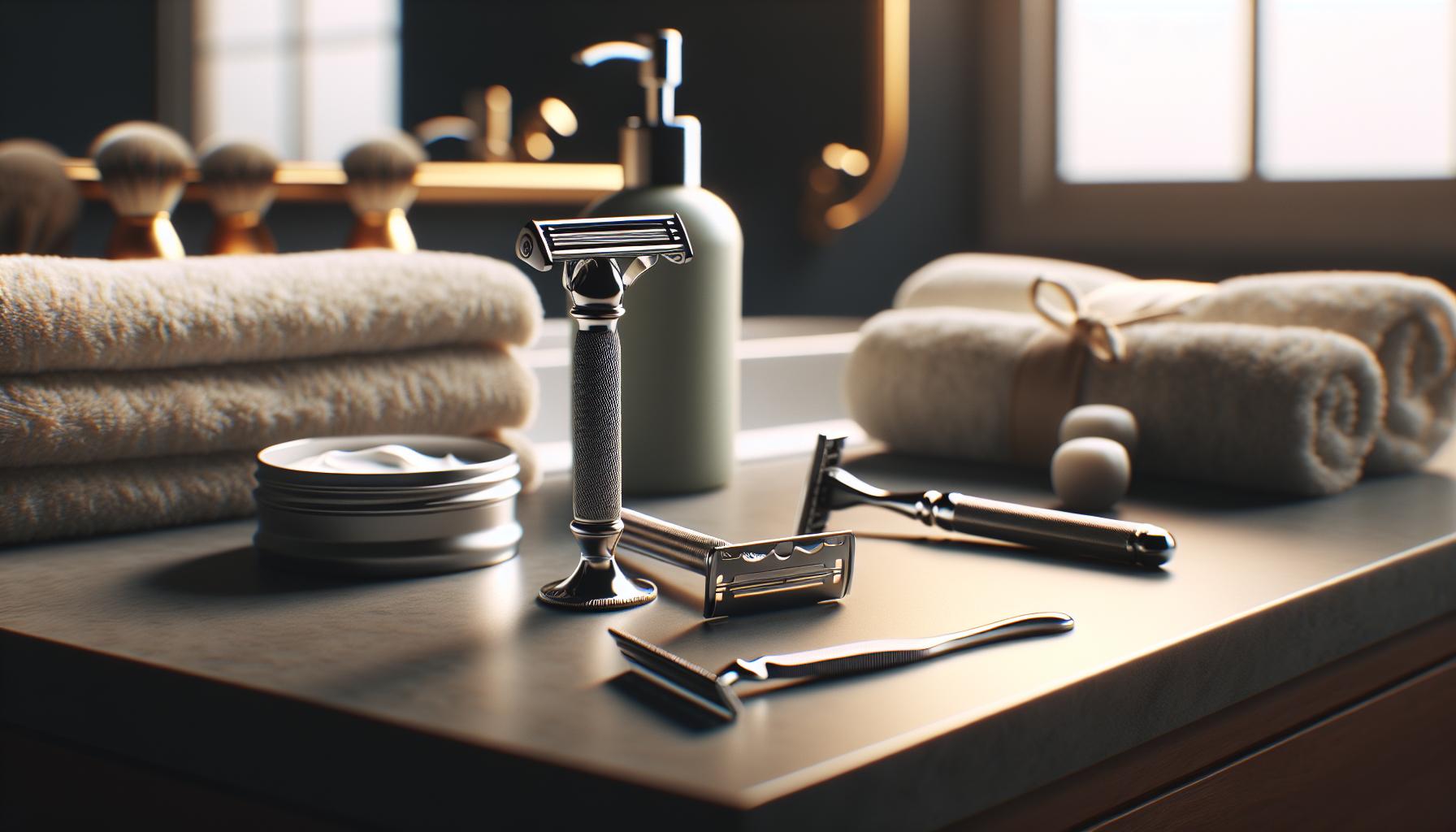
The introduction of the safety razor was a pivotal moment in the history of grooming, fundamentally changing the way men approached shaving. Prior to its debut, men relied heavily on straight razors, which, while effective, required a significant amount of skill and practice to use safely. The risk of nicks and cuts was ever-present, making the daily ritual of shaving a daunting task for many. The safety razor addressed these concerns with a revolutionary design that prioritized safety and user-friendliness.
At the heart of the safety razor’s design is the innovative double-edged blade, which allows for a close shave while minimizing the chance of injury. This design not only facilitated a smoother shaving experience but also made it more accessible to the average person. With the advent of disposable blades, there was no longer a need for extensive upkeep, such as honing and stropping, which further simplified the grooming routine.
This shift in shaving technology mirrored larger societal changes, where the increased pace of life began to emphasize convenience and efficiency. As men sought ways to streamline their grooming efforts, the safety razor’s design proved to be a perfect fit. Not only did it enhance the daily ritual, but it also allowed individuals to achieve a polished appearance with minimal hassle.
As we delve deeper into the evolution of safety razors, it’s essential to recognize that this design transformation set the stage for a grooming revolution that persists to this day, shaping the products and techniques we use in personal care. The safety razor is not merely a tool; it’s a symbol of progress in men’s grooming, marking a significant leap toward safer, more efficient shaving practices.
Key Figures Behind the Safety Razor Invention
The development of the safety razor is closely intertwined with the visionary contributions of key individuals whose ingenuity transformed a perilous grooming routine into a safer, more accessible practice. One of the most significant figures in this evolution is King Camp Gillette, who, in the early 1900s, revolutionized shaving by introducing the first commercially successful safety razor. Gillette’s design featured a double-edged blade, which not only provided men with a close shave but also made it much safer compared to traditional straight razors. This innovative approach emphasized usability and efficiency, allowing even those less experienced in shaving to achieve a smooth finish with minimal risk of cuts.
Another important figure is Frederick A. Cutsinger, who patented a design that further refined the safety razor concept. His contributions helped streamline production and distribution processes, making these razors more affordable and accessible to the average consumer. The culmination of their efforts enabled the safety razor to enter homes around the world and quickly replace old shaving methods.
As we explore the impact of these inventors, it’s essential to recognize how their inventions not only changed grooming habits but also influenced societal norms around masculinity and self-care. By removing the intimidation associated with shaving, these figures empowered men to take charge of their grooming routines with confidence. The accessibility of safety razors paved the way for a new era of grooming practices that emphasized independence and personal care.
In summary, the safety razor’s emergence as a staple in personal grooming can be largely credited to the innovative minds of King Camp Gillette and Frederick A. Cutsinger. Their pioneering designs not only addressed the practical challenges of shaving but also shaped the way men engage with their personal grooming today. The safety razor’s legacy continues to evolve, reflecting ongoing developments in grooming technology and changing cultural attitudes toward self-care.
Chronological Timeline of Safety Razor Innovations
The evolution of the safety razor is a remarkable journey through innovation and changing grooming practices. Understanding this timeline highlights how far we’ve come and why the safety razor remains a popular choice for many today.
In the late 19th century, traditional straight razors were not only the norm but also presented a significant risk of cuts and injuries. The need for safer shaving methods paved the way for revolutionary ideas. In 1895, King Camp Gillette introduced the first safety razor designed for disposable blades, marking a significant shift in shaving technology. His design featured a double-edged blade securely housed between two guard plates, making it easier and safer for the average consumer to shave without extensive training or experience.
By 1901, Gillette’s company began mass-producing safety razors, capitalizing on the growing demand for safer, more convenient grooming tools. As the razor became popular, Gillette expanded its product line, introducing various models suited for different users and preferences. This period also saw the introduction of the first manufactured razor blades, which eliminated the complexities of sharpening and maintaining straight razors.
As we moved into the 1920s and 1930s, competition in the shaving market increased, prompting other brands to innovate. The introduction of adjustable safety razors provided users with the ability to customize their shave to personal comfort levels. This flexibility was a game changer, allowing users to experiment with blade angles and exposure, catering to both sensitive and experienced skin types.
The 1960s brought about a wave of further innovations, including the development of disposable razors and cartridge systems, which offered convenience and ease of use. While they differed from traditional safety razors, these innovations reflected the industry’s responsiveness to consumer needs and preferences.
Today, safety razors are enjoying a resurgence, fueled by growing interest in sustainable grooming practices and skin-friendly products. Eco-conscious consumers appreciate the minimal waste generated by safety razors compared to disposable options. Along with a variety of designs and styles available, the modern safety razor serves as a perfect blend of classic grooming and contemporary practice, making it a staple in many households.
This historical context not only sheds light on the advancements in safety razor technology but also emphasizes how these innovations have shaped our daily grooming routines and continued relevance in men’s grooming today.
How the Safety Razor Changed Men’s Grooming
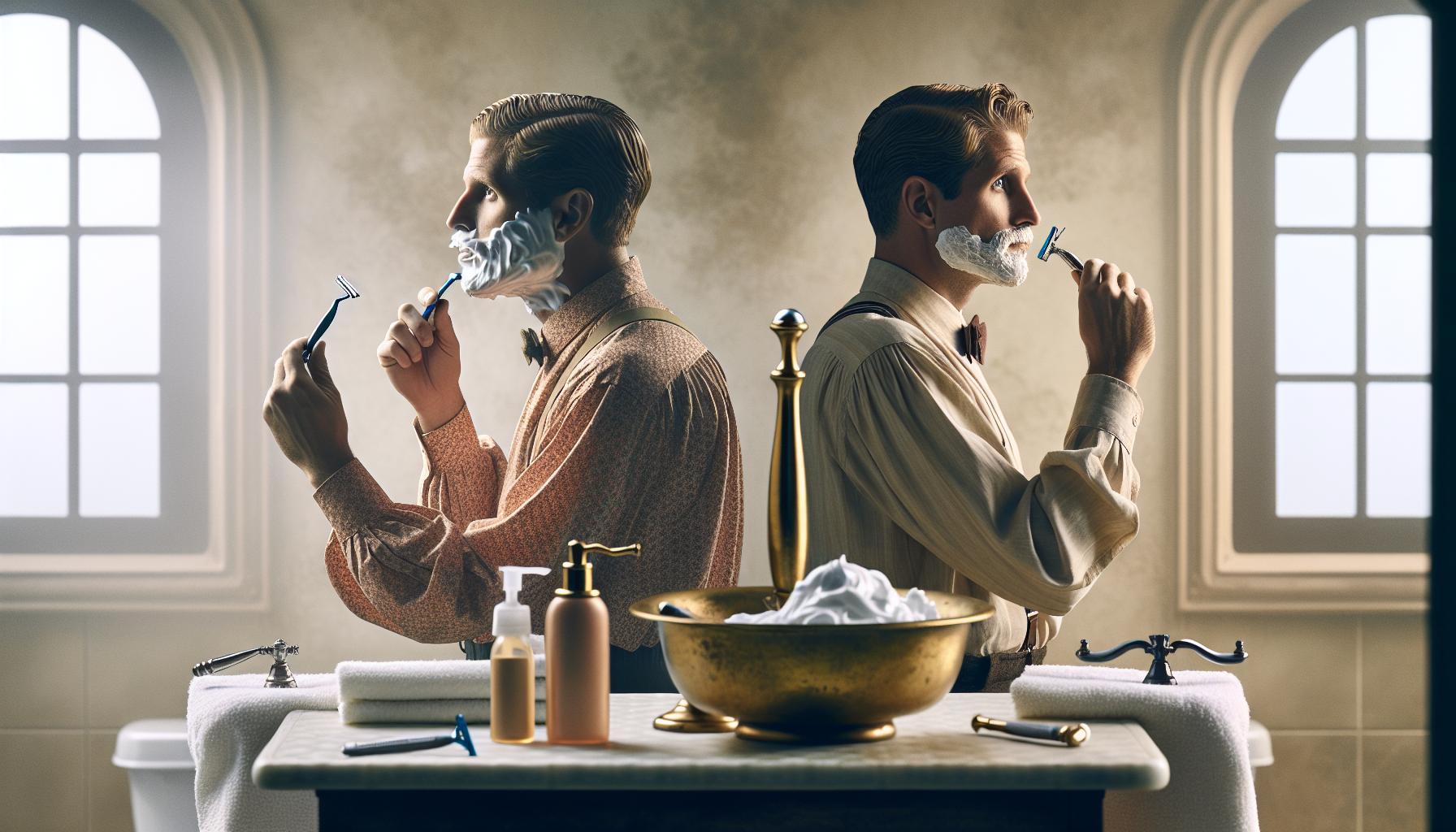
The advent of the safety razor was nothing short of revolutionary for men’s grooming, fundamentally altering how men approached shaving. Before its introduction, men primarily relied on straight razors, which required skill to handle and often resulted in cuts and nicks. The safety razor, with its innovative design featuring guard plates, made shaving accessible to everyone-regardless of experience. This shift not only boosted shaving safety but also transformed it into a daily ritual rather than a daunting task.
One significant change was the democratization of grooming. Shaving became less of a risky endeavor and more of a straightforward routine. Instead of visiting a barber or enduring a meticulous sharpening process, men could now easily change blades at home, which also saved time. With disposability at the core of its design, the safety razor provided convenience, allowing men to dispose of used blades without the hassle of maintenance. This increase in accessibility often led to improved hygiene standards as men could shave more frequently without the intimidation factor of a straight razor.
Moreover, as razor technology advanced, brands began to offer adjustable models. These innovations catered to a diverse range of skin types and preferences, enabling users to personalize their shaving experience. Whether one had sensitive skin or favored a closer shave, there was a safety razor designed to meet those specific needs. This customization appealed to many and encouraged men to take greater ownership of their grooming routine, resulting in a cultural shift towards personal maintenance and self-care.
Finally, the safety razor’s introduction has had lasting implications beyond just convenience. It sparked a more informed consumer market, where men began to appreciate the nuances of grooming products. From pre-shave oils to various blade types, men became more educated about what products worked best for them. This awareness not only improved individual grooming regimens but also contributed to a larger movement towards quality over quantity in disposable products, paving the way for eco-conscious consumer choices and sustainable grooming practices that are popular today.
In summary, the safety razor transformed men’s grooming by making shaving more accessible, safe, and personalized. As a result, it encouraged men to engage more thoughtfully with their grooming routines, a trend that continues to evolve in today’s grooming culture.
Comparing Safety Razors to Traditional Straight Razors
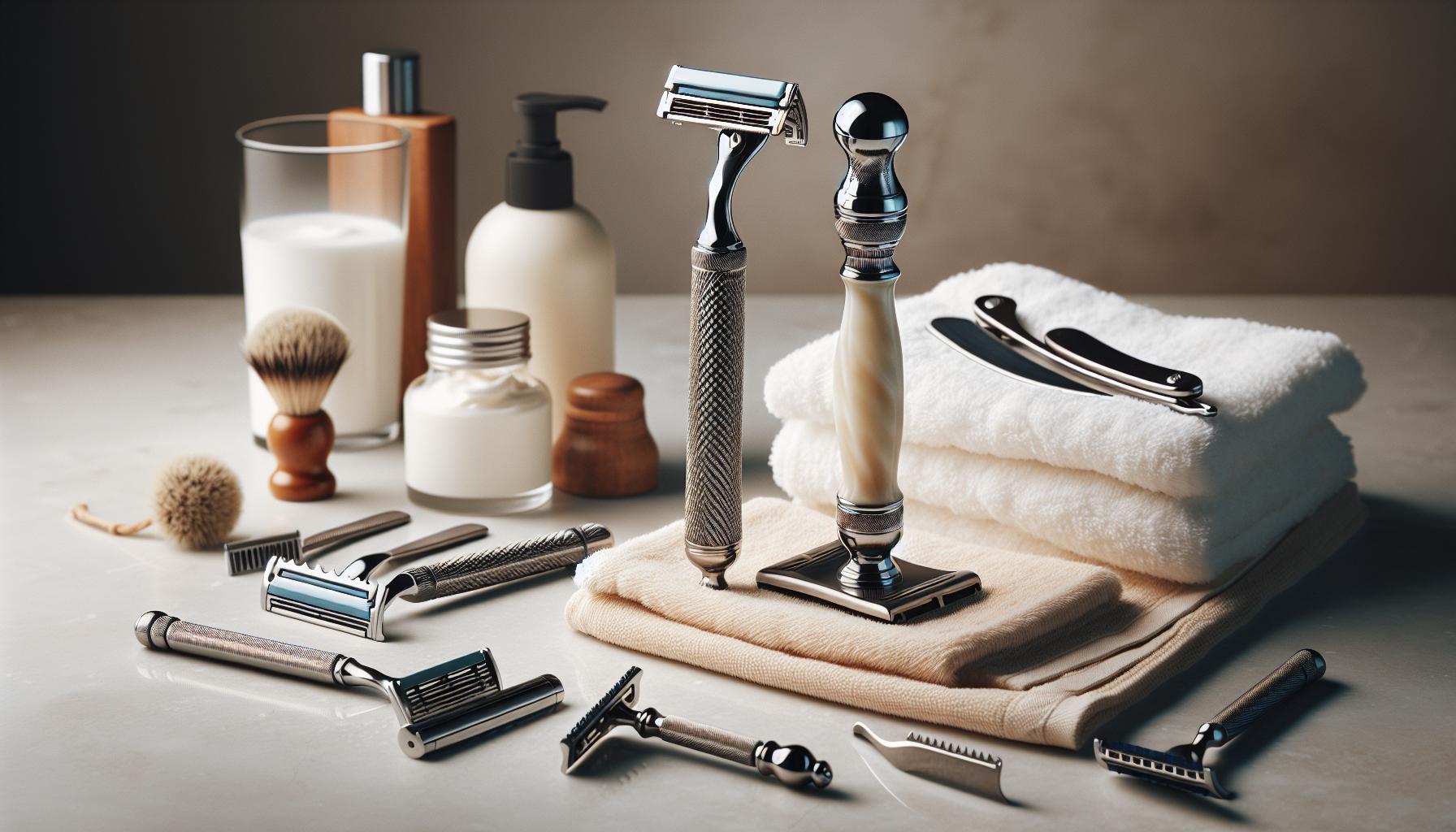
The evolution from traditional straight razors to safety razors marks a pivotal moment in the grooming world. Safety razors were designed to reduce the risk of cuts and nicks that were often a part of the straight razor experience. While straight razors require skillful handling and a steady hand, safety razors are user-friendly, making them suitable for anyone, regardless of grooming expertise. This fundamental shift made shaving accessible and less intimidating, empowering more people to take on this daily task with confidence.
When comparing these two options, it’s crucial to consider several factors, including safety, convenience, and cost. Safety razors, with their protective guard design, significantly lower the chances of injury, making them a go-to for beginners or those prone to mishaps. In contrast, using a straight razor involves mastering techniques like angle and pressure to achieve a close shave, which can take considerable time and practice.
Another aspect to evaluate is cost-effectiveness. Safety razors typically use disposable blades that are much cheaper than continuous use of cartridge systems. Over time, the savings can be quite substantial. For instance, while a high-quality straight razor can last a lifetime with proper maintenance, the initial investment can be significant. In contrast, safety razors provide an easier entry point, allowing users to enjoy high-quality shaving without a hefty upfront cost.
Finally, let’s discuss the experience of shaving itself. Many aficionados appreciate the ritualistic aspect of using a straight razor, from honing to the artful strokes that define a classic shave. However, for those who prioritize efficiency and are looking for minimal hassle, safety razors offer a quick yet effective way to achieve a good shave with far less preparation requiring both skill and time.
Choosing between these two types of razors ultimately depends on personal preferences and priorities in grooming. Whether you gravitate towards the traditional craftsmanship of straight razors or the convenience and safety of safety razors, each has its unique merits that cater to different lifestyles and grooming philosophies.
Popular Safety Razor Brands and Their History
The world of safety razors is not only rich in innovation but also populated by iconic brands that have helped shape the landscape of men’s grooming. The very first safety razor, patented by King Camp Gillette in 1901, marked the beginning of a new era. Gillette revolutionized shaving by designing a razor that used disposable blades, making it easy for everyday people to achieve a close shave without the same risk of cuts associated with traditional straight razors. This idea not only simplified the shaving process but also set in motion a wave of competitive brands striving to innovate and cater to the needs of the consumer.
Among the most notable brands is Merkur, a German company established in 1896. Known for their craftsmanship, Merkur safety razors are often lauded for their durability and precision engineering. Models like the Merkur 34C have become classics, favored by both beginners and seasoned shavers alike due to their balanced weight and ease of use.
Another significant player is Wilkinson Sword, founded in the early 18th century and a major name in shaving since the introduction of their first safety razor in the 1950s. Their products, such as the Classic Double Edge Razor, combine sleek design with innovative technologies that improve the shaving experience while remaining accessible.
Edwin Jagger is another iconic brand that emerged in the 1980s, based in the UK. This brand focuses on aesthetic appeal as well as functionality. Their razors often feature beautiful chrome finishes and are well-regarded for their ergonomic designs and smooth shaving performance. Their DE89 razor is particularly popular among first-time users looking to transition from cartridges to a safer, more economical option.
In recent years, companies like Rockwell and Merkur have gained traction, emphasizing sustainability and personalized shaving experiences. Rockwell’s razors use adjustable plates that allow users to customize their shave according to their skin sensitivity and hair type, showcasing the evolution of design toward user-oriented features.
Ultimately, the variety of safety razor brands available today means that there’s an option for everyone, whether you’re a grooming novice or a shaving veteran. By choosing a safety razor from a reputable brand, you’re not just investing in a shaving tool; you’re joining a storied tradition of grooming that prioritizes both safety and efficiency while reducing environmental impact through the use of recyclable blades.
The Impact of Safety Razors on Society
The introduction of the safety razor over a century ago marked a significant turning point in grooming practices and societal norms surrounding personal care. Before its invention, shaving was often seen as a tedious and dangerous task, reserved for skilled barbers. The safety razor democratized grooming, empowering individuals to take control of their own shaving routines from the comfort of their homes. This shift contributed not only to greater independence but also to the development of a culture centered around self-care and personal grooming.
Widespread Accessibility and Affordability
The safety razor’s design made it both accessible and affordable for the average consumer. By replacing traditional straight razors and the need for a barbershop visit, it drastically reduced the cost and time associated with shaving. The disposable blades introduced by King Camp Gillette in the early 1900s ensured that not only could men and women easily replace dull blades, but they could also do so without significant expense. This affordability increased the frequency of shaving and grooming, reinforcing the importance of personal hygiene in daily life.
Cultural Shifts in Grooming Norms
As safety razors became common, they played a role in shaping societal expectations around masculinity and grooming. The ideal of the well-groomed man became more pronounced, and by the mid-20th century, advertising campaigns for safety razors promoted themes of confidence and professionalism tied to a neat appearance. This cultural shift led to grooming routines being viewed as a necessity rather than a luxury, impacting not only personal standards but also workplace expectations.
Environmental Perspectives and Sustainability
In recent years, the rise of eco-conscious consumers has prompted a reevaluation of traditional shaving practices. Safety razors made from durable materials, paired with recyclable blades, present a more sustainable alternative to disposable cartridge razors. This has empowered individuals to make choices that align with their values around sustainability, encouraging a shift towards practices that minimize waste and environmental impact.
The evolution of safety razors illustrates how a simple grooming tool can have far-reaching implications for society. By reshaping personal grooming practices, safety razors have contributed to greater accessibility, changed cultural standards, and inspired environmentally conscious behavior-transforming how we perceive and engage with personal care today.
Safety Razor Maintenance Tips for Longevity
Keeping your safety razor in peak condition not only ensures a smooth and comfortable shave but also prolongs its life and effectiveness. Given that good grooming is a ritual many hold dear, establishing a solid maintenance routine can enhance your overall shaving experience. Here are some tips to help you maintain your safety razor for the long haul.
First and foremost, cleaning your safety razor after each use is crucial. Rinse it thoroughly under warm water to remove hair and shaving cream residue. For a deeper clean, consider soaking your razor in a mixture of soap and warm water for a few minutes before rinsing. This helps dissolve any buildup and keeps your razor functioning optimally. It’s also wise to disassemble your razor (if it’s a three-piece model) to ensure each part is clean, as even small particles can interfere with the mechanism.
Another key factor is storing your razor properly. Avoid leaving it in moist areas like the shower, as humidity can lead to rust and corrosion. Instead, store it in a dry, cool place. Consider using a stand to help it dry out completely after each shave, which can further prevent rusting. If you’re using a wooden razor stand, ensure it’s made of a water-resistant material or treated to withstand moisture to avoid damage.
Lastly, watch for blade wear. Replace your blades regularly-usually after five to seven shaves-but this can vary based on hair type and thickness. Dull blades can tug on hair rather than cutting it cleanly, which may lead to irritation or accidents. A good rule of thumb is to change your blade every week; this way, you can always ensure a gentle shave.
By following these simple maintenance tips, you can extend the life of your safety razor, enjoy a consistently smooth shave, and embrace the confidence that comes with proper grooming. Remember, taking a few moments to care for your tools leads to a more rewarding grooming experience, helping you look and feel your best every day.
Common Myths About Safety Razors Debunked
Navigating the world of safety razors can be overwhelming, especially with the sea of information out there. One of the biggest hurdles is sorting fact from fiction. Let’s clear the air by debunking some common myths about safety razors that may be holding you back from making a smart grooming choice.
First up, many believe that safety razors are too complicated to use. This is simply not true! While they may look intricate, mastering a safety razor is actually easier than most think. With a little practice, you’ll find that the technique is straightforward-just hold the razor at a 30-degree angle and let the weight of the razor do the work. No need for excessive pressure. The learning curve may feel steep at first, but within just a few shaves, you’ll gain confidence in your technique, enjoying a smoother, closer shave without the nicks often associated with traditional razors.
Another myth we often hear is that switching to a safety razor will lead to a lengthy and tedious grooming process. In reality, using a safety razor can streamline your routine. After getting accustomed to it, many users report that safety razors cut down on shaving time because they provide a cleaner, more efficient shave. Plus, the ability to replace only the blades rather than the entire razor reduces waste and costs in the long run, saving both your time and your budget.
It’s also worth addressing the belief that safety razors are exclusively for experienced shavers. This misconception can deter beginners from trying them out. In fact, safety razors are designed for everyone, from novices to seasoned professionals. They offer a customizable shave experience: you can choose blades that match your skin sensitivity and hair type, making it possible to achieve a shaving experience tailored specifically to you. Embrace the journey!
Lastly, one lingering myth is that safety razors are not safe and can cause more cuts and nicks than cartridge razors. However, with proper technique and care, safety razors can actually reduce irritation and razor burn. The key lies in taking your time and using a quality blade that suits your skin and hair. By following a few simple guidelines-like maintaining the correct angle and not rushing-you can achieve a remarkably close shave while minimizing the risk of cuts.
By demystifying these common misconceptions, we hope to encourage you to consider the benefits and advantages of using safety razors. With the right mindset and a bit of practice, you might find that a safety razor is not only a practical choice but also an enjoyable part of your personal grooming ritual.
Why Choose a Safety Razor Today?
Embracing the use of a safety razor today is not just about returning to a classic grooming tool; it’s about making a conscious choice that benefits both your skin and the environment. In a world saturated with disposable products, opting for a safety razor can have substantial advantages that resonate with the principles of sustainability and personal care. Many users find that the simple act of switching can elevate their shaving routine from a mundane task to a mindful ritual.
For starters, safety razors are typically crafted from durable materials like stainless steel or brass, which means they can last a lifetime with proper care. This longevity translates to less waste and less frequent replacements compared to disposable razors, which often end up in landfills after just a few uses. Furthermore, the blades used in safety razors can be bought in bulk and are easily recyclable, making them a more eco-friendly choice.
Cost efficiency adds to the appeal of safety razors. While the initial investment might seem higher, the ongoing cost of replacement blades is significantly lower than continuously purchasing disposable razor cartridges. Many users report saving substantial amounts over time, allowing them to invest in quality skincare products instead. Imagine spending less on shaving tools and more on nourishing your skin with a good pre-shave oil or soothing aftershave balm, enhancing your overall grooming experience.
Additionally, using a safety razor can lead to a closer and more comfortable shave. The design encourages a gentle technique that minimizes irritation and reduces the likelihood of razor burn. By developing your skills with a safety razor, you’ll not only perfect your technique over time but also experience a satisfaction that comes from mastering this traditional method. It’s a chance to slow down and appreciate the process of grooming, leading to a more enjoyable and fulfilling self-care routine.
Ultimately, choosing a safety razor is not just a practical decision; it’s a blend of personal care, environmental consciousness, and financial wisdom, all while connecting to a time-honored tradition of grooming. Whether you’re new to shaving or looking to enhance your current routine, this switch can offer you an engaging and rewarding experience.
The Future of Safety Razors and Shaving Trends
As we look to the future of shaving and the enduring appeal of safety razors, it’s clear that this classic grooming tool is experiencing a renaissance. With the rise in awareness around sustainability and personal care, more individuals are gravitating toward safety razors, drawn by the promise of a closer, more satisfying shave that also respects the environment. This shift is reshaping not only how we groom but how we view personal care as a whole.
In recent years, an increasing number of brands have emerged, championing innovation while staying true to the timeless design of safety razors. Companies are providing users with customization options, from adjustable razors that allow for varying blade exposure to unique materials and finishes that cater to personal preferences. These advancements make safety razors attractive to both newcomers and seasoned users looking to enhance their shaving experience. Moreover, the community surrounding safety razor use has grown significantly, with forums and social media groups devoted to sharing tips, techniques, and product recommendations, creating an inclusive environment for all.
Additionally, the appeal of safety razors is amplified by the slow grooming movement. More people are seeking to replace daily, rushed rituals with mindful practices that promote well-being. Safety razors fit perfectly into this trend, inviting users to take their time, focus on technique, and enjoy the ritual of shaving. Incorporating quality pre-shave oils and aftershaves into the routine not only enhances the shaving experience but also transforms it into a self-care ritual.
As trends in grooming evolve, the safety razor stands resilient, combining tradition with modernity. With ongoing innovations in blade technology and emphasis on eco-friendly materials, the future looks bright for safety razors. Embracing these tools means choosing a sustainable and enjoyable approach to grooming that reflects contemporary values. Whether you’re a newbie or a long-time aficionado, now is an exciting time to be part of the safety razor movement.
FAQ
Q: When did the safety razor first become popular?
A: The safety razor gained popularity in the early 20th century, particularly after King C. Gillette introduced his version in 1901. This innovation made shaving more accessible and safer for everyday consumers, marking a significant shift in personal grooming practices.
Q: Who invented the safety razor?
A: The safety razor was invented by King Camp Gillette in the late 19th century. His design revolutionized shaving with replaceable razor blades, allowing for a safer and more convenient shave compared to traditional straight razors.
Q: What are the main innovations in safety razor design over time?
A: Key innovations include the introduction of the double-edged blade in 1904 and adjustable settings in the 1950s, which allowed users to customize their shave. These advancements have continually improved safety and comfort for users.
Q: How did the safety razor change grooming for men?
A: The safety razor transformed men’s grooming by providing a faster, safer, and more cost-effective alternative to straight razors. It encouraged daily shaving habits and contributed to the modern grooming culture we see today.
Q: Are there different types of safety razors available?
A: Yes, safety razors come in several types, including double-edged, single-edged, and adjustable models. Each type caters to various shaving preferences and skin sensitivities, allowing users to find the best option for their needs.
Q: What materials are commonly used in safety razor construction?
A: Safety razors are typically constructed from materials such as stainless steel, zinc alloy, or aluminum. Stainless steel is favored for its durability and resistance to corrosion, making it a popular choice among users.
Q: How do safety razors compare to cartridge razors?
A: Safety razors offer a closer shave and less environmental waste compared to cartridge razors. While cartridge razors are often easier to use and require less maintenance, many users prefer the traditional method for its cost-effectiveness and precision.
Q: What maintenance is required for safety razors?
A: Maintaining a safety razor is straightforward: regularly clean the blade and handle, store the razor in a dry place, and replace the blade as needed, typically every 5-7 shaves. Proper care can extend the life of the razor while ensuring a comfortable shave.
For more insights, check our section on Safety Razor Maintenance Tips for Longevity to learn how to maximize your razor’s lifespan!
Closing Remarks
As we wrap up our exploration of when the safety razor was invented, it’s clear that this simple yet innovative tool has transformed the grooming landscape. This historical timeline highlights how advancements in shaving technology not only prioritize safety but also enhance your daily routine. If you found this journey insightful, why not dive deeper? Check out our guides on the best shaving techniques and essential grooming products to up your grooming game.
Feeling inspired? Join our newsletter for exclusive tips on mastering your grooming skills. Whether you’re looking for the most effective methods or the latest product reviews, we’ve got you covered. Remember, every great shave starts with understanding the tools at your disposal-so explore more and take your grooming to the next level! What’s your experience with safety razors? Share in the comments below; we’d love to hear your story!