Razor bumps are a common and often frustrating issue for many people, resulting from hair follicles becoming irritated or clogged during shaving. It’s surprising how something as routine as shaving can lead to these painful bumps, impacting your confidence and comfort. Understanding how razor bumps form is key to preventing them and achieving smoother skin. In this article, we’ll delve into the science behind razor bump formation, explore the factors that contribute to their occurrence, and share practical tips to help you maintain a bump-free shaving routine. Whether you’re a seasoned shaver or just starting your grooming journey, this knowledge can help you elevate your skincare game and enjoy a more comfortable shaving experience. Join us as we unravel the mystery behind razor bumps and discover ways to keep your skin looking its best.
How Razor Bumps Form: The Science Behind Them
Razor bumps can be an unwelcome surprise after a fresh shave, but understanding how they form can help you navigate and prevent them effectively. At the core, razor bumps, also known as pseudofolliculitis barbae, occur when hairs curl back into the skin after shaving. This ingrown hair phenomenon often leads to inflammation, redness, and small, painful bumps that can be frustrating to deal with. It’s worth noting this condition is particularly common among individuals with curly or coarse hair, as the natural curl can easily cause the hair to burrow into the skin instead of growing outward.
The process begins when you shave, especially with improper techniques or tools. If hair is cut too short or at an angle, it may struggle to break through the skin’s surface. Instead, the hair starts to grow sideways or returns backward, triggering an immune response that presents as inflammation. Additionally, dead skin cells can clog hair follicles, further increasing the likelihood of ingrown hairs. Ultimately, factors such as skin moisture, shaving direction, and blade quality play critical roles in this process, influencing whether or not you’ll become a victim of razor bumps.
To reduce the risk of developing these pesky bumps, it’s essential to adopt effective shaving practices. Pre-shaving routines, such as gentle exfoliation and using quality shaving creams, can soften the hair and prepare the skin, facilitating a smoother shaving experience. Furthermore, always use a sharp, clean razor and shave in the direction of hair growth to minimize irritation. These proactive steps can significantly lessen your chances of experiencing razor bumps, allowing you to enjoy a clean shave without the aftermath of discomfort.
Common Causes of Razor Bumps You Need to Know

Razor bumps are often an unexpected annoyance after a shaving session, but understanding their common causes can be the key to preventing them. These bumps primarily result from improper shaving techniques and skin conditions that exacerbate the issue. Whether you’re a seasoned shaver or a newcomer to grooming, identifying these triggers will help you navigate your shaving routine more effectively.
One major culprit is the use of dull or unsuitable razors. When a razor blade is not sharp, it can tug at the hair rather than cut it cleanly. This tugging can lead to the hair being cut below the skin surface, prompting it to grow back into the skin, which is a primary cause of razor bumps. Coupled with this, shaving against the grain can exacerbate the problem. When hair is shaved against its natural growth direction, it can irritate the hair follicles and increase the chances of ingrown hairs.
Additionally, shaving without adequate skin preparation contributes significantly to razor bumps. Failing to exfoliate before shaving allows dead skin cells to clog hair follicles, making it more likely for hairs to become trapped beneath the surface. Using a shaving cream or gel that provides moisture and lubrication is equally crucial, as it helps soften the hair and skin, reducing irritation during the shave. Products with alcohol or heavy fragrances can further irritate sensitive skin, leading to inflammation.
Lastly, genetics play a role in predisposition to razor bumps. Individuals with coarse, curly hair are particularly susceptible to this condition. The nature of their hair makes it more likely to curl back into the skin rather than growing straight out. Understanding these common causes is the first step in creating a shaving routine that minimizes the risk of razor bumps, leading to a smoother, irritation-free experience. Remember, the goal is not just to achieve a close shave, but to maintain healthy skin in the process.
Risk Factors: Who Is Most Likely to Get Razor Bumps?
Individuals often find themselves entangled in the frustrating cycle of razor bumps, a common yet often misunderstood issue related to shaving. Certain factors can heighten the likelihood of developing these pesky bumps, and being aware of them can empower you to take proactive steps for smoother, irritation-free skin.
One of the primary risk factors is hair type. Those with coarse, curly hair are particularly prone to razor bumps. This type of hair tends to curl back toward the skin after shaving, leading to ingrown hairs that can become inflamed and form bumps. If you’re among this group, consider using specialized shaving techniques or products designed to tackle this specific issue.
Additionally, skin type plays a crucial role. People with sensitive or oily skin may experience higher rates of irritation post-shave. Sensitive skin can react negatively to traditional shaving products, while excess oil can contribute to clogged pores, increasing the risk of bumps. For sensitive skin, opting for fragrance-free and alcohol-free shaving creams can make a world of difference.
Genetics also influence susceptibility. If razor bumps run in your family, you might be more likely to experience them. It’s essential to take preventive measures, including effective shaving techniques and aftercare, to minimize the impact of these genetic predispositions.
Lastly, improper shaving practices, such as using a dull blade or shaving without proper prep, can exacerbate these issues. Ensuring your razor blades are sharp and employing a pre-shave routine that includes exfoliation can significantly reduce your risk.
By understanding these risk factors, you can better tailor your shaving routine to your unique needs, leading to a smoother shave and healthier skin overall.
The Role of Hair Type in Razor Bump Formation
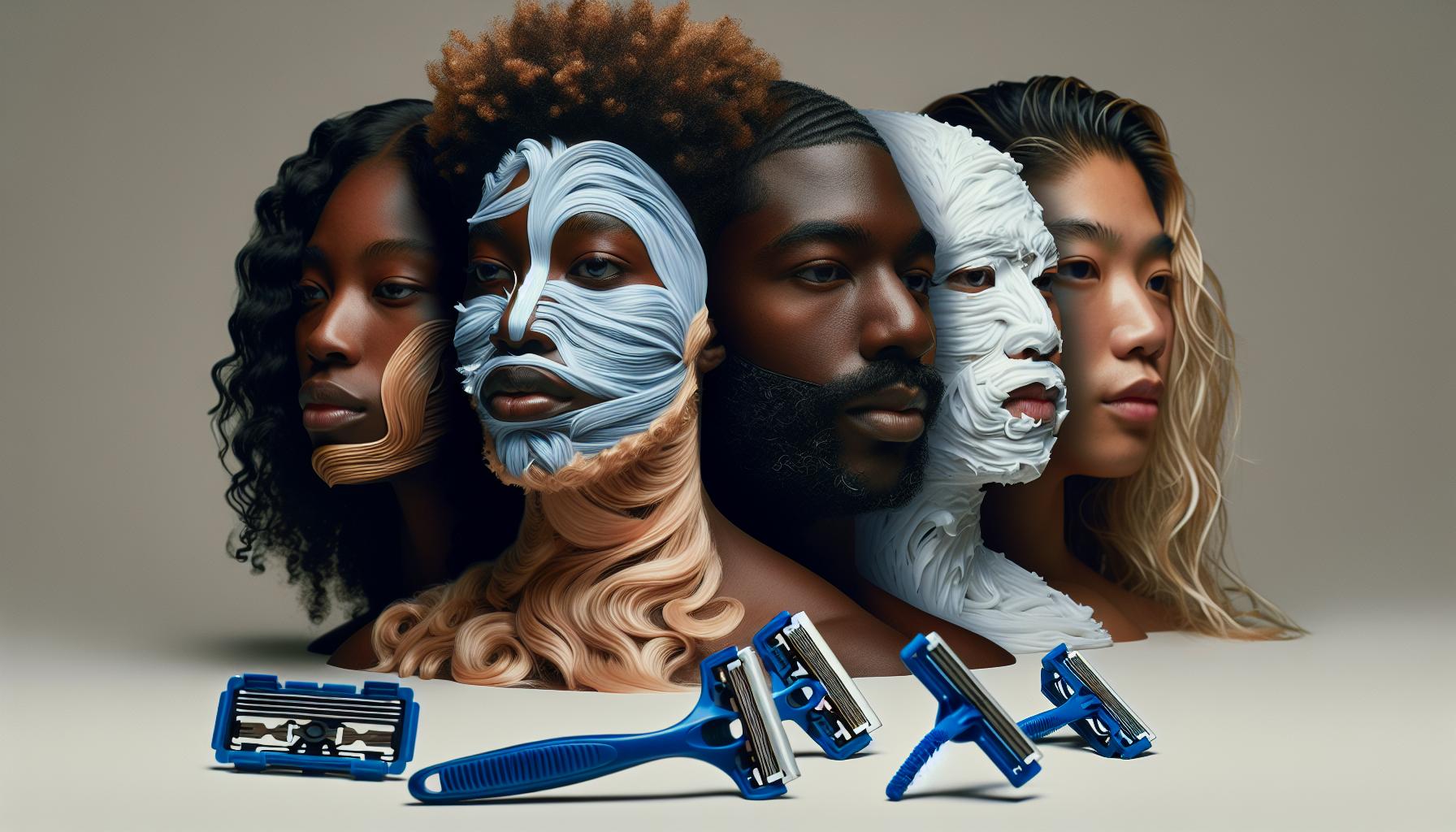
Coarse, curly hair is notoriously prone to creating razor bumps, often due to its unique growth pattern. When this type of hair is shaved, it can easily curl back into the skin instead of growing straight out. This re-entry can cause ingrown hairs, leading to irritation and inflammation that manifest as red, painful bumps on the skin. If you have this hair type, recognizing this tendency is the first step toward addressing and preventing razor bumps.
To combat this issue, specialized shaving techniques can make a significant difference. For instance, consider using a single-blade razor, which can cut hair straight at the skin’s surface instead of pushing it backward. Additionally, proper shaving preparation is vital. Always hydrate the hair with warm water and a moisturizing shaving cream that promotes glide rather than drag. Using a pre-shave oil can create an additional layer of protection, ensuring the razor moves smoothly over your skin.
Along with using the right tools and techniques, aftercare plays a crucial role in preventing razor bumps. Following shaving, applying an alcohol-free aftershave or soothing gel can help calm the skin and minimize irritation. Products containing ingredients like aloe vera or witch hazel not only hydrate but also possess anti-inflammatory properties that can soothe any immediate postoperative irritation.
Adopting these mindful shaving practices can help you mitigate the discomfort and appearance of razor bumps, allowing you to enjoy smoother skin post-shave. Remember, it’s about finding what combination of techniques and products works best for your unique hair type and skin sensitivity.
Step-by-Step: How to Prevent Razor Bumps
To achieve a smooth shave while preventing razor bumps, the techniques you use before, during, and after shaving are crucial. First and foremost, prep your skin and hair. Begin with warm water to soften hair-which makes it easier to cut and less likely to irritate the skin. Consider taking a warm shower or applying a warm, damp towel to your skin for a few minutes before shaving. Follow this with a high-quality shaving cream or gel that not only provides lubrication but also hydrates the skin. Look for products with moisturizing ingredients like glycerin or natural oils, which help reduce friction.
During the shave, be mindful of your tools. Use a clean, sharp razor-a dull blade increases the risk of irritation. Opt for either a multi-blade razor that minimizes pressure on each hair or a single-blade razor, which is often gentler on sensitive skin. Shave in the direction of hair growth with light strokes to avoid pulling hair follicles, which can lead to irritation and bumps. Rinse the blade frequently to prevent buildup that can cause tugging or skipping, particularly with thicker hair.
After shaving, implement an effective aftercare routine. Rinse your skin with cool water to close pores, then apply an alcohol-free aftershave or soothing lotion. Choose products with calming properties such as aloe vera or chamomile, which can reduce inflammation and provide relief. Additionally, consider using an exfoliating product a few times a week to prevent ingrown hairs by helping to remove dead skin cells and keeping hair follicles clear. For those prone to razor bumps, a post-shave balm containing anti-inflammatory ingredients can be particularly beneficial.
Finally, establishing a consistent pre- and post-shave routine tailored to your unique skin and hair type can help keep irritation at bay. By taking a holistic approach to your shaving process-focusing on preparation, technique, and care-you can significantly reduce the likelihood of razor bumps and enjoy a smoother, more comfortable shave.
Best Hygiene Practices for Smooth Shaving
Using proper hygiene practices is essential to achieve a smooth shave and prevent pesky razor bumps. Many people overlook this crucial step, thinking that the products or technique alone will ensure great results. However, maintaining hygiene before, during, and after shaving can make a significant difference in skin health and overall shaving experience.
Pre-Shave Hygiene
Before you even pick up your razor, proper pre-shave hygiene is vital. Start by thoroughly cleansing the area you plan to shave. Use a gentle facial cleanser suited to your skin type to remove dirt, oil, and any leftover products. This not only ensures a clean surface but also helps prevent bacteria from entering any micro-abrasions that may occur during shaving. Rinse with warm water to further soften the hair and open pores, preparing the skin for an easier shaving process.
Shaving Tool Sanitation
While it might seem obvious, using a clean razor is one of the . A dull or dirty blade can cause more than just irritation; it can harbor bacteria that increase the risk of infection. Ideally, replace your blade after 5-7 shaves or immediately if you notice pulling or discomfort. Rinse the razor blade often while shaving to remove hair and cream buildup, ensuring a smooth glide over your skin.
Post-Shave Care
After shaving, your skin is typically more sensitive, making it crucial to follow up with effective post-shave hygiene. Rinse your face with cool water to close the pores, then gently pat it dry with a clean towel. Avoid rubbing, as this can irritate freshly shaven skin. Next, apply an alcohol-free aftershave or soothing balm that contains calming ingredients like aloe vera or chamomile. This will help reduce inflammation and keep the skin hydrated. Aim to establish a post-shave routine that includes moisturizing daily, which can make significant strides in maintaining healthy skin over time.
By following these hygiene practices, you’re not only setting yourself up for a smoother shave but also safeguarding your skin from irritation and bumps. Remember, the goal is to create a routine that feels effortless yet effective, minimizing discomfort and maximizing comfort for that perfectly smooth finish.
Top Treatments for Soothing Razor Bumps
Soothing razor bumps can feel like a daunting challenge, but with the right treatments, relief is within reach. Razor bumps, also known as pseudofolliculitis barbae, occur when hair curls back into the skin, causing inflammation and discomfort. To calm this irritation, a multi-faceted approach is often most effective.
One of the first and simplest treatments you can try is applying a cool compress to the affected area. This slows blood flow and reduces swelling. Just soak a clean cloth in cold water, wring out excess liquid, and hold it against your skin for about 15 minutes. This will not only provide immediate relief but also help to open pores, minimizing the risk of further irritation.
Next, consider incorporating soothing topical treatments into your skincare routine. Creams or gels that contain aloe vera, tea tree oil, or witch hazel can significantly reduce inflammation and promote healing. For example, aloe vera is known for its moisturizing properties and aids in calming the skin. Simply apply a thin layer to the irritated area twice a day. Products containing salicylic acid can also be beneficial; they help exfoliate dead skin cells and reduce clogging of pores. If you opt for salicylic acid, apply it directly to the bumps and follow the manufacturer’s instructions regarding usage frequency.
Another effective solution is to use over-the-counter hydrocortisone cream, which can alleviate itching and reduce redness. Use a small amount on the bumps, typically no more than twice a day. However, it’s important to limit use to just a few days to prevent skin thinning.
Lastly, if the bumps persist, you might want to explore physical exfoliation. A gentle scrub can help remove dead skin cells that contribute to hair entrapment. Look for scrubs with fine granules and use them sparingly-about once a week is usually sufficient. Just be sure not to use harsh exfoliants, as they can cause additional irritation.
Incorporating these treatments can help soothe and eventually eliminate razor bumps while fostering smoother, healthier skin over time. Remember, consistency is key, and it may take some trial and error to find the best combination that works for you!
Natural Remedies for Razor Bump Relief
Natural remedies can be a gentle and effective way to relieve the discomfort caused by razor bumps, often serving as a soothing alternative or complement to conventional treatments. One of the most celebrated natural ingredients for soothing skin irritation is aloe vera. Known for its cooling and anti-inflammatory properties, aloe vera can help reduce redness and swelling. Simply slice an aloe vera leaf, scoop out the gel, and apply it directly to the affected area. For best results, use it twice a day to promote healing.
Another powerhouse in the realm of natural remedies is tea tree oil. This essential oil boasts potent antimicrobial and anti-inflammatory properties, making it an ideal choice for targeting the irritation caused by pseudofolliculitis barbae. To use tea tree oil, dilute a few drops in a carrier oil like coconut or jojoba oil to prevent skin irritation-then gently apply it using a cotton ball to the bumps. This method not only reduces inflammation but also helps prevent infection.
In addition to these, you might consider incorporating a witch hazel toner into your routine. Witch hazel is a natural astringent that can help tighten the skin and reduce swelling. Apply it with a cotton ball post-shave to calm any immediate discomfort. To use, soak a cotton pad in witch hazel and gently dab it on the affected area; it can be done once or twice a day after shaving for a refreshing effect.
Finally, don’t overlook the power of dietary changes! Anti-inflammatory foods such as fatty fish, leafy greens, and nuts can improve skin health from within. Staying hydrated is also critical; drink plenty of water throughout the day to keep skin supple.
By integrating these natural remedies into your skincare routine, you can effectively soothe razor bumps while nurturing overall skin health. Each remedy has its unique properties, so feel free to experiment to find what works best for your skin. Always remember, consistency is key, and gentle care will pave the way towards smoother skin.
When to Seek Professional Help for Razor Bumps
Razor bumps can be a frustrating issue, but knowing when to seek professional help can make all the difference in managing your skin’s health. If your razor bumps persist despite home treatment or worsen over time, it’s essential to consult a dermatologist. Prolonged irritation may signal a more severe skin condition that requires specialized care. Additionally, if you’re experiencing symptoms such as intense itching, excessive redness, or swelling beyond the bumps, these could be signs of an infection, necessitating prompt medical attention.
It’s also wise to seek help if you notice that the bumps are leading to scarring or hyperpigmentation. An expert can provide targeted treatments, such as topical prescription medications or procedures like laser therapy, that can minimize scarring and promote healthier skin regeneration. Furthermore, if you’ve never had issues with razor bumps before and suddenly experience them frequently, a medical professional can help rule out underlying health concerns or adjust your shaving routine for better results.
Lastly, consider your emotional well-being. If razor bumps are affecting your confidence or causing distress, don’t hesitate to reach out for support. Dermatologists not only treat the physical symptoms but can also offer advice tailored to your skin type and personal concerns, ensuring you feel good about your grooming choices. Remember, taking the step to consult a professional is a proactive approach to achieving smooth, healthy skin and restoring your self-esteem.
Myths and Misconceptions About Razor Bumps
Razor bumps can create confusion and frustration, often leading to various myths that can misinform your grooming practices. One common misconception is that only certain skin types experience razor bumps. In reality, anyone-regardless of skin type or hair texture-can develop these skin irritations if proper shaving techniques aren’t employed. The formation of razor bumps is primarily influenced by ingrown hairs, which can happen to straight, wavy, or curly hair types alike. Understanding this can help demystify the issue and encourage a more informed approach to prevention.
Another widespread belief is that the only way to treat razor bumps is to stop shaving altogether. While taking a break can give your skin a chance to heal, there are effective methods and products that can help manage and prevent razor bumps without abandoning your shaving routine completely. For instance, utilizing sharp blades and shaving with the hair growth direction reduces irritation significantly. Applying a good-quality shaving cream can also help; it creates a barrier that allows the razor to glide smoothly over your skin, minimizing the chances of cutting or irritating sensitive areas.
Some people think that aftershaves and astringents are sufficient solutions for preventing razor bumps. However, these products can sometimes exacerbate the issue by drying out your skin or causing irritation. Opt for soothing post-shave balms with ingredients like aloe vera or chamomile, which can calm the skin and reduce inflammation effectively.
Lastly, it’s important to note that razor bumps are not an indication of poor hygiene. Many individuals who practice good grooming regularly still experience them. Razor bumps are more about how the hair interacts with the skin post-shave than about cleanliness. By understanding these myths, you can better equip yourself with realistic strategies to achieve smoother skin and greater confidence in your grooming regimen.
Building an Effective Post-Shave Routine
To achieve smooth, bump-free skin after shaving, developing a solid post-shave routine is essential. Many people underestimate the importance of aftercare, but it plays a crucial role in reducing the likelihood of razor bumps and promoting overall skin health.
Start by rinsing your face with cool water immediately after shaving. This helps to close the pores and calm the skin, reducing any irritation from the blade. It’s beneficial to pat your skin dry gently with a soft towel rather than rubbing, which can cause additional irritation.
Next, apply a soothing post-shave balm or lotion that contains hydrating and anti-inflammatory ingredients such as aloe vera, witch hazel, or chamomile. For instance, use a dime-sized amount of balm, applying it to damp skin using gentle circular motions for about thirty seconds. This technique not only helps to soothe the skin but also allows for deeper absorption of the product.
Another effective option is to use a lightweight moisturizer with non-comedogenic properties, especially if you have oily skin. Look for formulas that include salicylic acid or glycolic acid, as these ingredients can help prevent ingrown hairs by gently exfoliating the skin and keeping pores clear. Applying a thin layer after your balm can provide extra hydration and barrier protection.
It’s also wise to avoid products containing alcohol or heavy fragrances post-shave, as these can exacerbate irritation and dryness. Instead, opt for fragrance-free products designed specifically for sensitive or post-shave care.
Implementing these steps can significantly enhance skin recovery after shaving, leaving you feeling fresh and irritation-free. By creating a thoughtful post-shave routine, you can enjoy a closer shave without the unwanted hassle of razor bumps.
Understanding Skin Sensitivity and Razor Bumps
Understanding how sensitive skin interacts with shaving can be crucial for preventing irritation and razor bumps. When you have sensitive skin, the barrier protecting your skin from the environment is usually less effective. This can lead to a higher likelihood of irritation, especially during and after shaving. The process that triggers razor bumps often starts when hair follicles become inflamed due to improper shaving techniques or products that aggravate the skin.
To minimize the risk of razor bumps, it’s essential to recognize your skin type and tailor your shaving routine accordingly. Sensitive skin types may benefit from using a hydrating shaving cream or gel that contains soothing ingredients like aloe vera or chamomile. These components help reduce inflammation and provide a protective cushion between the blade and your skin. Opt for single-blade razors when possible, as they typically cause less trauma than multi-blade options.
Moreover, the timing of your shave matters. Shaving right after a warm shower can help open the pores and soften the hair, making it easier for the razor to glide smoothly over the skin. This technique not only enhances comfort but also minimizes the chances of nicking the skin, which can lead to bumps. Always remember to shave in the direction of hair growth to further reduce irritation.
After shaving, it’s important to calm the skin and restore its moisture barrier. Applying a gentle, alcohol-free post-shave balm can work wonders in alleviating discomfort. Look for formulas with ingredients like witch hazel, which has natural soothing properties, or ceramides to help repair the skin barrier. Taking these steps could greatly improve your shaving experience, leaving you with smoother skin and fewer razor bumps.
Frequently Asked Questions
Q: What are razor bumps and how do they form?
A: Razor bumps, also known as ingrown hairs, form when hair grows back into the skin after shaving. This can happen if the hair is cut at an angle that causes it to curl back, or if clogged pores trap the hair. To minimize this, ensure you shave with the grain and keep skin exfoliated.
Q: Why do some people get razor bumps more than others?
A: Razor bumps may be more common in individuals with coarse or curly hair, as these hair types are more likely to grow back into the skin. Additionally, certain skin types are more sensitive and prone to irritation, increasing the likelihood of developing bumps after shaving.
Q: How can I identify if I have razor bumps?
A: You can identify razor bumps by looking for small, red, irritated bumps on shaved areas, often accompanied by itching or discomfort. If a bump contains pus, it may be infected, requiring further attention. Maintaining proper shaving techniques can help prevent their formation.
Q: When do razor bumps usually appear after shaving?
A: Razor bumps typically appear several hours to a couple of days after shaving. This delay is due to the time it takes for hair to grow back into the skin, which can irritate the area and lead to inflammation. Proper post-shave care can help reduce their occurrence.
Q: What shaving methods are least likely to cause razor bumps?
A: Using a single-blade razor can help reduce the risk of razor bumps compared to multi-blade systems, as it cuts hair less aggressively. Additionally, techniques such as shaving with the grain, using pre-shave oils, and moisturizing afterwards can further minimize potential bumps.
Q: How does improper shaving technique contribute to razor bumps?
A: Improper shaving techniques, like shaving against the grain or using too much pressure, can cause hair to be cut at irregular angles, increasing the chance of ingrown hairs. To prevent this, always use a sharp razor, apply shaving cream, and take your time to ensure a smooth shave.
Q: Can allergic reactions to shaving products cause razor bumps?
A: Yes, allergic reactions to shaving creams, aftershaves, or other grooming products can lead to skin irritation, resulting in red bumps similar to razor bumps. Always conduct a patch test on new products and consider using hypoallergenic options to minimize irritation.
Q: Is it possible to eliminate razor bumps completely?
A: While it may not be possible to eliminate razor bumps entirely, you can significantly reduce their occurrence with proper shaving techniques, regular exfoliation, and using soothing products. If bumps persist despite these measures, consider consulting a dermatologist for further solutions.
Future Outlook
Understanding how razor bumps form is the first step toward preventing and treating them effectively. Remember, these pesky bumps often arise from curled hair follicles and improper shaving techniques. By adopting a few simple practices-like using a sharp razor, shaving in the direction of hair growth, and applying soothing aftercare-you can significantly reduce their occurrence.
Ready to take your shaving routine to the next level? Explore our guide on the best shaving products for sensitive skin and learn how to choose a razor that fits your needs perfectly. If you still have concerns, check out our tips for post-shave skincare to keep your skin smooth and irritation-free. Don’t forget to subscribe to our newsletter for the latest insights and exclusive offers, so you never miss a chance to improve your grooming game. Your smooth, bump-free shave is just a click away-take action today!
Get our latest guides, news, and insights highlighted in your Google Search & AI Overviews.