Have you ever looked in the mirror and noticed those pesky blackheads staring back at you? You’re not alone-many people struggle with this common skincare concern. The effectiveness of cleansers in tackling blackheads is often debated, leaving many frustrated and unsure about their options. In this article, we’ll dive into the truth behind whether a cleanser can truly eliminate blackheads and explore the science behind their formation. By understanding this, you’ll be empowered to make informed choices for your skincare routine. So, let’s uncover the facts and equip you with practical tips to achieve clear, radiant skin!
What Are Blackheads and How Do They Form?
Blackheads are a common skin concern that can feel frustrating but are completely manageable with the right approach. They occur when hair follicles become clogged with oil, dead skin cells, and bacteria. When this material reaches the surface of the skin, it oxidizes and turns dark, giving blackheads their characteristic appearance. Unlike whiteheads, where the clogged pore is closed and remains beneath the skin’s surface, blackheads are open to the air. This exposure is what causes the dark color.
Understanding how blackheads form starts with recognizing the roles of oil and dead skin cells. Our skin naturally produces sebum, an oily substance that helps to keep it hydrated. However, when there’s an overproduction of sebum combined with a build-up of dead skin cells, it can lead to clogged pores. Factors such as hormonal changes, certain medications, and even some cosmetic products can exacerbate this process. For instance, using heavy, non-comedogenic makeup can contribute to blockages if not properly removed.
To effectively manage blackheads, it’s essential to include cleansing in your skincare routine. While cleansers can help remove some surface oil and dirt, they won’t entirely eliminate blackheads. This is why pairing a good cleanser with regular exfoliation and targeted treatments is vital. Regular exfoliation helps to remove dead skin cells that contribute to clogged pores, while treatments containing ingredients like salicylic acid can penetrate deeper to dissolve the buildup.
Ultimately, recognizing that blackheads are a natural part of skin aging and oil production is key. Instead of striving for perfect skin, focus on maintaining a consistent skincare regimen that addresses the unique needs of your skin type. This balanced approach makes a significant difference in how your skin looks and feels, creating a smoother, clearer complexion over time.
Can Cleansers Really Remove Blackheads?
When it comes to tackling blackheads, many people wonder if their cleanser is up to the task. The truth is, while a cleanser can help in the fight against blackheads, it’s not a standalone solution. Cleaners are designed to remove surface dirt, oil, and impurities, which can help prevent clogged pores. However, they typically don’t penetrate deep enough to clear out the buildup that leads to blackheads.
To effectively manage blackheads, it’s crucial to integrate additional steps into your routine. A good cleansing regimen should include exfoliation and targeted treatments. For example, exfoliants, such as those containing salicylic acid, are beneficial because they help remove dead skin cells and oils that can clog pores, allowing for a clearer complexion. A typical routine might involve using a gentle cleanser to wash your face twice daily and then applying an exfoliating product two to three times a week.
While using a cleanser alone may reduce the appearance of blackheads over time by keeping pores cleaner, don’t expect miracles. If you’re looking for quick results, consider treatments specifically designed for blackhead removal. Clay masks can draw out impurities, while peel-off masks can help physically remove blackheads. Ultimately, consistency is key. Regular cleansing, proper exfoliation, and perhaps even professional treatments, like facials or extractions, will work together to help manage and reduce blackheads effectively.
Key Ingredients to Look for in Cleansers
To effectively combat blackheads, it’s essential to choose cleansers with the right key ingredients that can help manage excess oil and unclog pores. This isn’t just about finding a product with a catchy label; knowing the science behind these ingredients will empower you to make informed choices that suit your skin type.
One standout ingredient is salicylic acid, a beta hydroxy acid (BHA) known for its ability to penetrate oily skin and dissolve the debris that clogs pores. If you’re struggling with blackheads, seek cleansers with 0.5% to 2% salicylic acid. This concentration is generally effective without being too harsh, especially when used consistently. Another important ingredient is benzoyl peroxide, which kills acne-causing bacteria and reduces inflammation, making it a solid choice for those experiencing breakouts alongside blackheads. Look for foaming cleansers with 2.5% to 5% benzoyl peroxide to help tackle these dual concerns effectively.
In addition to these, consider cleansers infused with clay or charcoal, which act like magnets to draw out impurities and excess oil from the skin. Clay cleansers can be particularly effective for oily skin, helping to absorb excess sebum while providing gentle exfoliation. Products featuring tea tree oil can also be beneficial due to their natural antibacterial properties, making them a great choice for those with sensitive skin who may want to avoid harsher chemicals.
When incorporating these ingredients into your routine, remember to pay attention to how your skin responds. It’s important not to overload your skin with too many active ingredients at once. Start with a gentle cleanser containing one active ingredient, and as your skin adjusts, gradually introduce other products as needed. Balancing your cleansing regimen with moisturizing and exfoliating can create a well-rounded approach to blackhead management.
In summary, focus on cleansers that feature salicylic acid, benzoyl peroxide, clay, or charcoal. These ingredients work synergistically to prevent and reduce blackheads by keeping pores clear and oil production in check. Always prioritize your skin’s health by observing its reactions and adjusting your routine accordingly.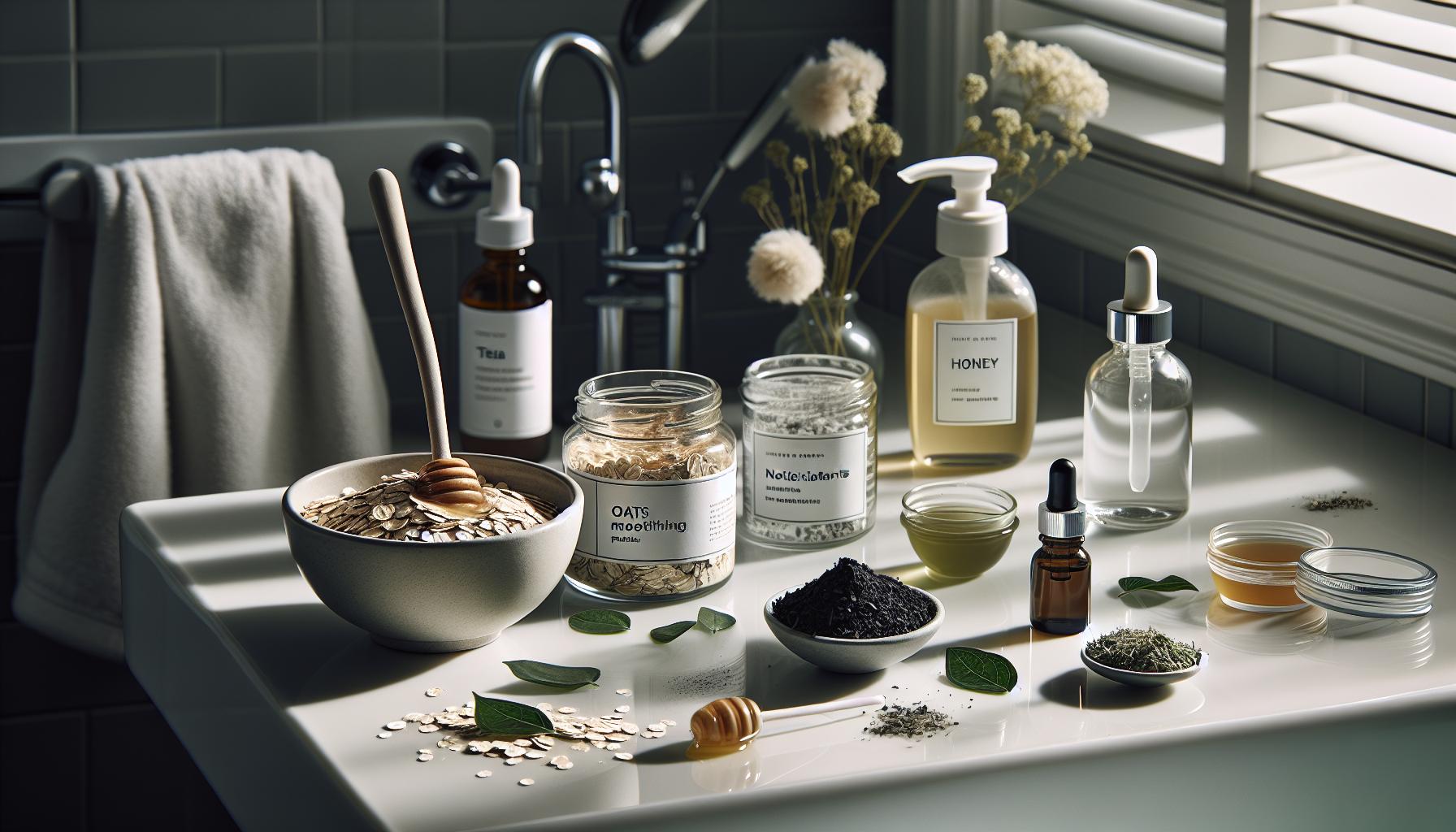
Comparing Exfoliating vs. Non-Exfoliating Cleansers
When it comes to tackling blackheads, understanding the difference between exfoliating and non-exfoliating cleansers is crucial. Both types play unique roles in skincare, especially for those looking to manage clogged pores. Exfoliating cleansers typically contain ingredients that help slough off dead skin cells, which is fundamental in preventing blackheads. These cleansers often feature physical exfoliants, like microbeads or natural scrubs, as well as chemical exfoliants such as alpha hydroxy acids (AHAs) and beta hydroxy acids (BHAs). Salicylic acid, for instance, is a common BHA known for its ability to penetrate oil-filled pores and dissolve blockages, making it particularly effective against blackheads.
On the other hand, non-exfoliating cleansers focus more on gentle cleansing without the added scrubbing action. They are typically formulated with soothing ingredients that remove surface dirt and excess oil but do not actively eliminate dead skin. These cleansers can be beneficial for individuals with sensitive skin or those who experience irritation from more aggressive exfoliating formulas. While they may not directly eliminate existing blackheads, they help maintain a healthy skin barrier, which is essential in preventing future congestion.
Choosing between these two options ultimately depends on your skin type and the specific needs of your skin at any given moment. For example, if you have oily or acne-prone skin, you might benefit from an exfoliating cleanser several times a week to keep pores clear. In contrast, if your skin tends to be dry or sensitive, a non-exfoliating cleanser could be your go-to for daily use, reserving exfoliating cleansers for occasional use. This approach creates a balanced routine that both tackles blackheads and nurtures your skin.
To make the most of your cleansing routine, consider alternating between both types. You might use an exfoliating cleanser two to three times a week, coupled with a non-exfoliating cleanser on other days. This way, you can ensure your skin stays clear without causing undue irritation. Remember, the key is to listen to your skin-if you notice dryness or irritation, it may be time to scale back. Ultimately, the right combination will leave your skin feeling fresh, clean, and blackhead-free.
How to Use Cleansers for Blackhead Removal
To effectively tackle blackheads, it’s essential to make the most of your cleansing routine. Cleansers can play a vital role in this process, but it’s about knowing how to use them correctly to maximize results. The key is to establish a consistent regimen that accommodates your skincare type and the specific needs of your skin.
Start by choosing a suitable cleanser for your skin type. If you’re prone to blackheads, consider a cleanser with active ingredients like salicylic acid or benzoyl peroxide. These ingredients help to penetrate and clear out clogged pores, which is fundamental when battling blackheads. For optimal results, wet your face with lukewarm water, which helps open up your pores. Apply a dime-sized amount of cleanser to your fingertips and use gentle circular motions to massage it into your skin for about 30 seconds. Focus on areas most prone to blackheads, like the nose and forehead. Rinse thoroughly with water to ensure no residue remains, as leftover product can contribute to future blockages.
After cleansing, pat your face dry with a clean towel-avoid rubbing, which can irritate the skin. It’s also advisable to follow up with a toner that contains exfoliating ingredients for an added layer of purification. Toners help to remove any leftover impurities and balance your skin’s pH, which can significantly aid in keeping your pores clear in the long run. Incorporate this cleansing routine into your daily skincare regimen, ideally both in the morning and evening, to consistently manage oil and prevent buildup.
It’s important to remember that while cleansers can help in removing blackheads, they may not eliminate them completely on their own. Pairing a regular cleansing routine with weekly treatments, like clay masks or chemical peels, can enhance results. Moreover, if you’re using an exfoliating cleanser, consider limiting its use to 2-3 times a week to prevent over-exfoliation, which can lead to dryness or irritation. Listening to your skin’s responses and adjusting accordingly will set you on the path toward a clearer complexion.
Common Mistakes When Using Cleansers on Blackheads
Using a cleanser to tackle blackheads can be effective, but many people unknowingly make common mistakes that hinder their efforts. One prevalent error is not using the right product suited for their skin type. For instance, individuals with oily skin might try a gentle, creamy cleanser that doesn’t adequately remove excess sebum and impurities, ultimately fueling blackhead formation. Instead, choose a gel or foaming cleanser with active ingredients like salicylic acid, which can penetrate deep into pores to dissolve the buildup that leads to blackheads.
Another frequent blunder is applying too much product. While it might seem like more cleanser equals a better clean, this could actually create excess residue on your skin. A dime-sized amount is usually enough; apply it using gentle circular motions for about 30 seconds to ensure thorough cleansing. Neglecting to rinse properly is also a mistake. Any leftover product can contribute to clogged pores, so make sure to rinse with lukewarm water until no suds remain.
It’s also essential to avoid over-exfoliating, particularly if your cleanser contains exfoliating agents. Using such products more than two to three times a week can lead to irritation and dryness, creating a vicious cycle where your skin compensates by producing more oil and clogging pores. Additionally, don’t skip moisturizer. Even if you have oily skin, a lightweight, oil-free moisturizer is crucial to keep your skin hydrated, preventing the overproduction of sebum which can worsen blackheads.
Lastly, remember that a cleanser alone won’t eliminate blackheads entirely. Incorporating a comprehensive skincare routine that includes regular exfoliation, moisturizing, and other targeted treatments can make a significant difference. By avoiding these common pitfalls and adopting a thoughtful approach to your cleansing routine, you’ll be well on your way to clearer skin.
At-Home vs. Professional Blackhead Treatments
When it comes to tackling blackheads, you have two primary pathways: at-home treatments and professional options. While each has its merits, understanding the differences can help you choose the best approach for your skin’s needs.
At-home treatments offer convenience and affordability. You can use cleansers with active ingredients like salicylic acid, clay masks, or adhesive pore strips to manage blackheads. These treatments can effectively reduce their appearance over time. For instance, regular use of a salicylic acid cleanser can help keep pores clear by dissolving the debris that causes blackheads. A weekly clay mask can absorb excess oil, which is great for oily skin types. However, it’s essential to set realistic expectations: at-home methods may require consistent use and time to see significant results.
On the other hand, professional treatments can provide faster and often more dramatic improvements. Options like microdermabrasion, chemical peels, and extractions performed by a licensed esthetician or dermatologist can deeply cleanse the skin and clear out clogged pores. Treatments such as chemical peels might utilize stronger exfoliants than you’d find in over-the-counter products, promoting cell turnover and preventing new blackheads from forming effectively. For those with persistent blackheads or additional skin concerns, these professional treatments can be a worthwhile investment.
Regardless of the path you choose, combination strategies often yield the best results. Many find that a consistent at-home cleansing routine paired with occasional professional treatments maintains skin clarity and reduces blackhead formation. It’s essential to listen to your skin and adjust your approach based on how it responds. Always remember that patience is key; whether at home or in a clinic, clear skin is often a journey rather than an overnight fix.
Do Cleansers Work for Different Skin Types?
Finding the right cleanser to tackle blackheads can feel overwhelming, especially with so many products available. Different skin types require different approaches, which is why it’s crucial to choose a cleanser that’s tailored to your specific needs. The ultimate goal is to keep your skin clear and healthy while effectively managing blackhead formation.
For oily skin, consider using a foaming or gel-based cleanser. These formulas often contain salicylic acid, which penetrates pores to dissolve the oil and debris that lead to blackheads. Clay-based cleansers can also be beneficial, as they absorb excess sebum and unclog pores. Look for cleansers that offer gentle exfoliation rather than harsh scrubs, which can irritate the skin and exacerbate problems.
If you have dry or sensitive skin, your approach should be different. Cream-based cleansers with hydrating components like glycerin or hyaluronic acid can help maintain moisture while still providing gentle cleaning action. Be cautious with active ingredients; products with benzoyl peroxide or strong exfoliants may worsen irritation. Instead, opt for mild, non-comedogenic formulas that won’t clog pores while effectively removing impurities.
For combination skin, it’s all about balance. You might consider alternating between different cleansers depending on your skin’s needs, using a lighter gel cleanser in drier areas and a more potent formula in oilier zones. Additionally, incorporating exfoliating pads or treatments a few times a week can help target blackheads without over-drying your skin.
Ultimately, it’s vital to pay attention to how your skin responds to different products. Start with small samples or travel sizes when trying new cleansers, and allow your skin time to adjust. By choosing cleansers suited to your skin type, you maximize your chances of effective blackhead management and healthier-looking skin overall.
Tips for Preventing Blackheads with Cleansers
To keep blackheads at bay, the right cleansing routine is essential. Did you know that the choice of cleanser can significantly impact the amount of sebum and debris that accumulates in your pores? Here are practical tips to help you prevent blackheads using cleansers that suit your skin type.
Firstly, choose a cleanser with targeted ingredients. For oily skin, look for products containing salicylic acid or tea tree oil, as these ingredients can effectively penetrate pores and help dissolve the excess oil that contributes to blackhead formation. On the other hand, if you have dry or sensitive skin, opt for gentle, hydrating cleansers. Cream-based cleansers with ingredients like glycerin can cleanse without stripping your skin of moisture, reducing the likelihood of irritation and subsequent blackheads.
Establishing a consistent cleansing routine is crucial. Aim to wash your face twice daily-once in the morning and once before bed. Use a dime-sized amount of cleanser on damp skin, massaging it gently in circular motions for about 30 seconds. This ensures that you’re effectively removing dirt, oil, and makeup without being harsh on your skin. Always rinse thoroughly with lukewarm water, as hot water can irritate your skin and trigger an overproduction of oil.
Don’t forget to incorporate exfoliation into your skincare regimen. Aim to exfoliate 1 to 3 times a week using products with exfoliating agents like alpha hydroxy acids (AHAs) or beta hydroxy acids (BHAs). This helps remove dead skin cells that can clog pores. It’s essential to follow up with a moisturizer after exfoliating to maintain hydration and balance.
Lastly, be mindful of common mistakes. Avoid over-cleansing, as it can disrupt your skin’s natural barrier, leading to irritation and more blackheads. Also, steer clear of products labeled as “non-comedogenic” only-double-check the ingredient list, as some ingredients can still clog pores. By understanding your skin’s needs and following these preventive measures, you can significantly reduce the occurrence of blackheads while promoting overall skin health.
The Role of Skincare Routine in Blackhead Management
To effectively manage blackheads, understanding the role of a consistent skincare routine is key. A well-planned routine not only helps in preventing the buildup of oil and debris in your pores but also supports your skin’s overall health. The foundation of this routine starts with selecting the right cleanser tailored to your skin type.
You should aim to wash your face at least twice a day-once in the morning and once before bed. When selecting a cleanser, look for specific ingredients that cater to your skin’s needs. For those with oily or acne-prone skin, cleansers containing salicylic acid or tea tree oil can help clear out impurities and excess oil. If your skin is dry or sensitive, opt for gentle, moisturizing cleansers that contain glycerin or hyaluronic acid to cleanse without stripping natural oils. This thoughtful selection can greatly reduce your chances of experiencing clogged pores, the primary culprits behind blackhead formation.
Incorporating exfoliation into your weekly routine is another potent weapon against blackheads. Using chemical exfoliants containing alpha hydroxy acids (AHAs) or beta hydroxy acids (BHAs), 1 to 3 times a week, promotes the removal of dead skin cells that can accumulate and block pores. After exfoliating, it’s essential to follow up with a good moisturizer to keep your skin hydrated and balanced.
Lastly, be cautious of common pitfalls. Over-cleansing can irritate your skin and lead to an increase in oil production, which ultimately worsens blackheads. Stay informed about which products are labeled “non-comedogenic” but also check the ingredient list to avoid potential pore-clogging substances. By establishing and adhering to a balanced skincare routine, you will not only fight blackheads but also enhance your skin’s resilience and clarity over time.
Real User Experiences: Do Cleansers Help?
User experiences often reveal that when it comes to tackling blackheads, the effectiveness of cleansers can vary significantly based on individual skin types and the specific formulas used. Many users share positive outcomes after integrating targeted cleansers into their daily routines, particularly those with active ingredients designed to fight acne and unclog pores. For instance, a user with oily skin reported a marked reduction in the appearance of blackheads after switching to a cleanser containing salicylic acid, which is known for its ability to penetrate and exfoliate within pores.
Conversely, some individuals have expressed frustration with traditional cleansers, finding them inadequate in addressing stubborn blackheads. These users often recommend pairing a good cleanser with additional treatments like chemical exfoliants or clay masks for deeper cleansing. It’s common to hear anecdotal evidence suggesting that while a cleanser may help with surface oil and dirt, relying solely on it may not yield significant results for everyone. For example, those with combination skin might find that a gentle, hydrating cleanser is essential to prevent over-drying while also incorporating more potent treatments for persistent blackheads.
Comparative Experiences
To illustrate the variety of individual experiences:
- User A: Noted that using a clay-based cleanser twice a week significantly reduced blackhead visibility.
- User B: Found success with a foaming cleanser formulated with tea tree oil, which helped manage breakouts effectively.
- User C: Reported minimal change when using standard drugstore brands, advocating for a more specialized formula.
Ultimately, the consensus among users is that while cleansers can help with blackhead management, they work best when part of a comprehensive skincare strategy. Adding exfoliation and hydrating products can create the balanced approach needed for clearer skin, emphasizing the importance of customizing routines to suit individual needs. This blend of user testimonials underscores that patience and persistence are key, as finding the right combination of products tailored to one’s skin can lead to the best outcomes.
Expert Opinions on Cleansers and Blackheads
Achieving clearer skin, especially when dealing with blackheads, can often feel like a daunting task. Many experts agree that while a cleanser alone may not completely eliminate blackheads, it plays a crucial role in a broader skincare routine aimed at prevention and management. Cleansers are designed to remove excess oil, dirt, and impurities from the skin’s surface, which is a foundational step for maintaining overall skin health. However, the effectiveness in targeting blackheads can vary significantly based on ingredients, application techniques, and individual skin types.
A dermatologist may recommend cleansers containing salicylic acid, a beta hydroxy acid known for its ability to penetrate deep into pores and exfoliate dead skin cells. This ingredient is particularly beneficial for oily and acne-prone skin, where blackheads are more common. Using such a product twice daily can help keep pores clear, though it’s essential to monitor your skin for any signs of dryness or irritation. For those with sensitive or dry skin, an enzyme-based cleanser or a product with glycolic acid could be a gentler option, as they exfoliate without the vigorous scrubbing that can lead to more irritation.
In addition to choosing the right cleanser, the method of application is crucial. Experts suggest applying a dime-sized amount to damp skin and gently massaging it in circular motions for 30 seconds. This not only helps the product to activate and penetrate effectively but also encourages blood flow to the area, which can aid in skin rejuvenation. Remember that over-cleansing can strip the skin of its natural oils, leading to rebound oiliness, which can exacerbate blackheads.
Ultimately, while cleansers are a vital part of the equation, they work best when used in conjunction with other treatments such as exfoliating masks or clay masks which can draw out impurities more effectively. As always, a personalized approach tailored to your skin type and concerns will yield the best results. Maintaining a regular routine and being patient with the process is key, as achieving blemish-free skin is often a gradual journey.
Frequently asked questions
Q: Can I use any cleanser to remove blackheads?
A: Not all cleansers are effective for blackhead removal. Look for ingredients like salicylic acid or glycolic acid, which help exfoliate and prevent blocked pores. Choosing the right cleanser based on your skin type is also crucial for effective results.
Q: How often should I use a cleanser to target blackheads?
A: For best results, use a targeted cleanser twice a day-once in the morning and once at night. However, if using exfoliating cleansers, do it 2-3 times a week to avoid over-exfoliation and irritation.
Q: Why do cleansers sometimes make blackheads worse?
A: Some cleansers may contain harsh ingredients that irritate the skin, potentially leading to increased oil production and clogged pores. Always opt for gentle, non-comedogenic formulas to avoid exacerbating the problem.
Q: Are natural cleansers effective for blackheads?
A: Natural cleansers can be effective if they contain beneficial ingredients like tea tree oil or charcoal. However, ensure they also exfoliate gently to prevent blackhead formation. Check the product’s composition for best outcomes.
Q: Can a cleanser prevent blackheads from reforming?
A: Yes, a suitable cleanser can help prevent blackheads by keeping pores clear of excess oil and dead skin. Incorporating regular exfoliation into your skincare regimen further helps reduce their likelihood of reformation.
Q: What’s the difference between a daily cleanser and an exfoliating cleanser?
A: A daily cleanser primarily removes dirt and impurities, while an exfoliating cleanser contains ingredients to slough away dead skin cells. Use daily cleansers for regular cleansing, and exfoliating cleansers 2-3 times a week for blackhead management.
Q: How do I choose the right cleanser for my skin type in relation to blackheads?
A: For oily skin, choose gel-based or foaming cleansers with salicylic acid. For dry skin, opt for cream cleansers with hydrating ingredients. Understanding your skin type will help you select a cleanser that addresses blackheads effectively.
Q: Should I follow a skincare routine after using a cleanser for blackheads?
A: Absolutely! Following up with a moisturizer and possibly a targeted treatment for blackheads can enhance effectiveness. A consistent skincare routine supports overall skin health and helps maintain clearer pores.
Concluding Remarks
As we’ve explored, while a cleanser can play a crucial role in your skincare routine, it’s not a magic solution for blackhead removal. The key takeaway is that incorporating complementary products, like exfoliants or masks, into your regimen can significantly enhance your results. Don’t wait to make your skin healthier; consider trying a gentle exfoliating scrub or a clay mask to target those stubborn blackheads effectively.
For more insights on achieving clear skin, check out our articles on “The Best Exfoliating Products for Your Skin Type” and “How to Achieve a Balanced Skincare Routine.” If you have questions or want to share your experiences, please leave a comment below! Remember, developing an effective skincare routine takes time, so be patient and consistent. For ongoing tips and exclusive content, sign up for our newsletter today and join our community of skincare enthusiasts!
Get our latest guides, news, and insights highlighted in your Google Search & AI Overviews.